
A sound commercial roof decision begins with a close look at the assembly and the building below it. Commercial Roofing Victoria works on low-slope and metal roofs across Victoria and nearby communities. We inspect, repair, replace, recover, restore, coat, and maintain commercial roof systems. The work may involve one flashing corner, several leak zones, a condition report, or a larger renewal. In each case, we identify the property, roof section, access limits, and evidence before setting the scope. A facility's use or location can affect the plan, but it does not tell us what the roof needs.
About Commercial Roofing Victoria
Victoria combines industrial development, freight operations, healthcare, education, retail, government, and professional services. The Port of Victoria Industrial Park South connects the Victoria Barge Canal with road and dual-rail freight. Lone Tree II Industrial Park serves manufacturing and assembly and includes workforce training facilities. Those settings can require delivery coordination, equipment access, or work near active operations. The property contact establishes which rules apply at the actual site.
Citywide, commercial properties also sit in several distinct corridors and districts. Downtown Victoria includes retail, services, professional offices, and older commercial properties. North Navarro and Business US 59 are recognized retail areas, while the airport has commercial and industrial development sites. We plan around a specific building rather than assume all roofs in a district share materials, access, or condition. Nearby service areas include Cuero, Port Lavaca, and Edna, each with its own property and schedule.
Work with Victoria's building mix
-
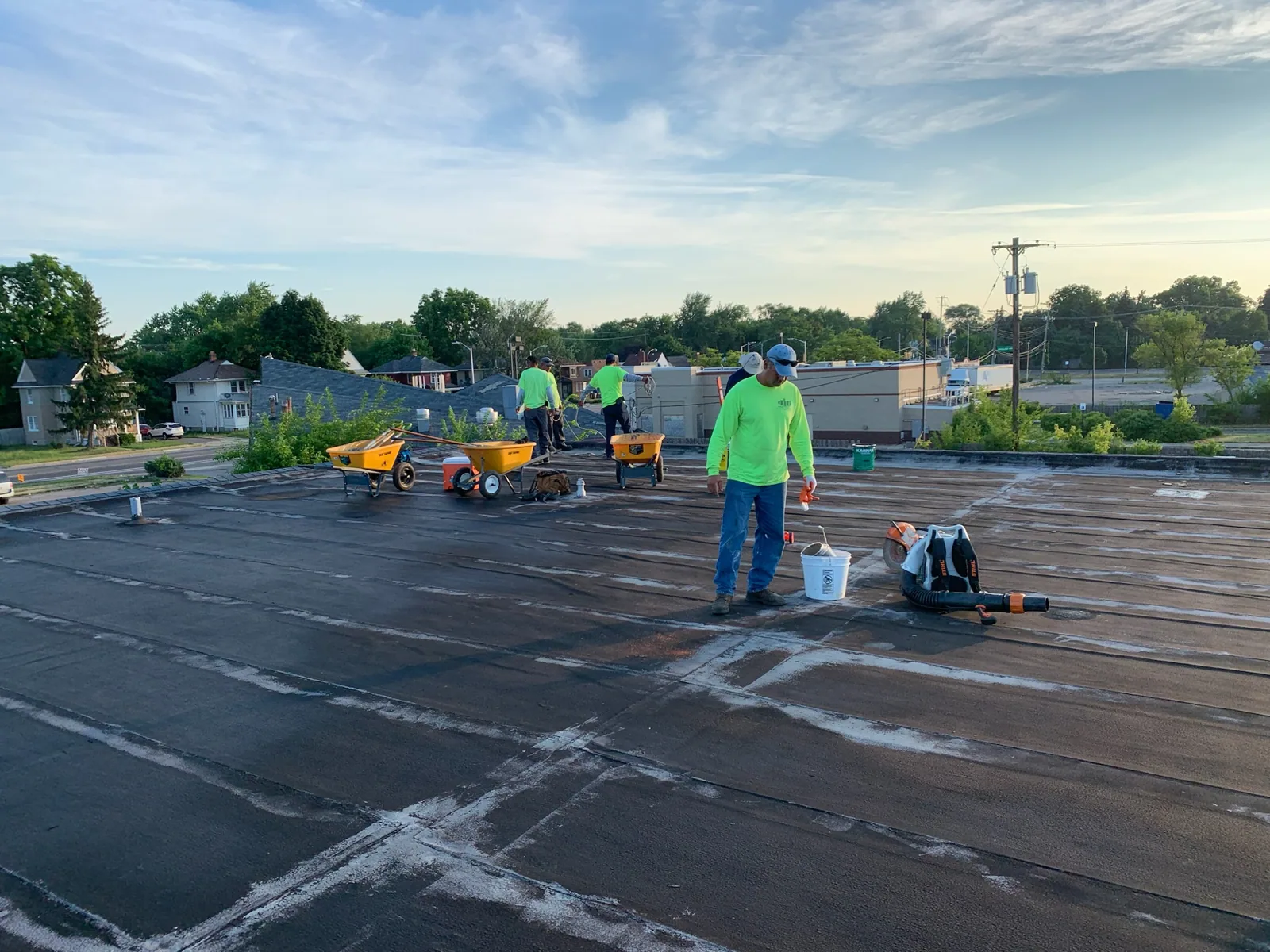
Commercial Roof Replacement
Service
Plan commercial roof replacement in Victoria, TX with measured tear-off zones, substrate checks, drainage details, and an occupied-building sequence.
-
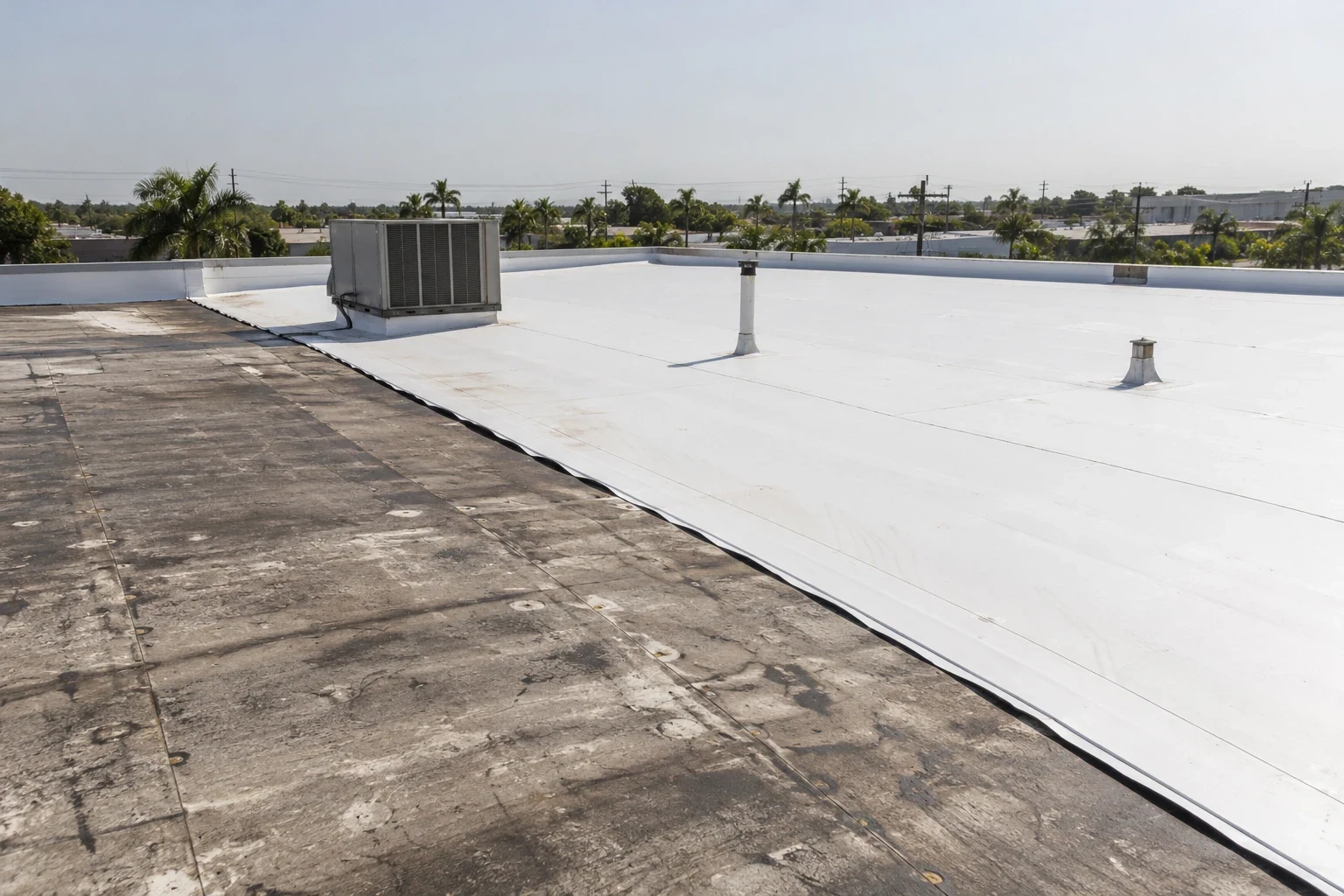
Commercial Roof Recover and Overlay
Service
Evaluate a commercial roof recover in Victoria, TX with moisture testing, attachment review, drain-height checks, and clear limits for retained layers.
-
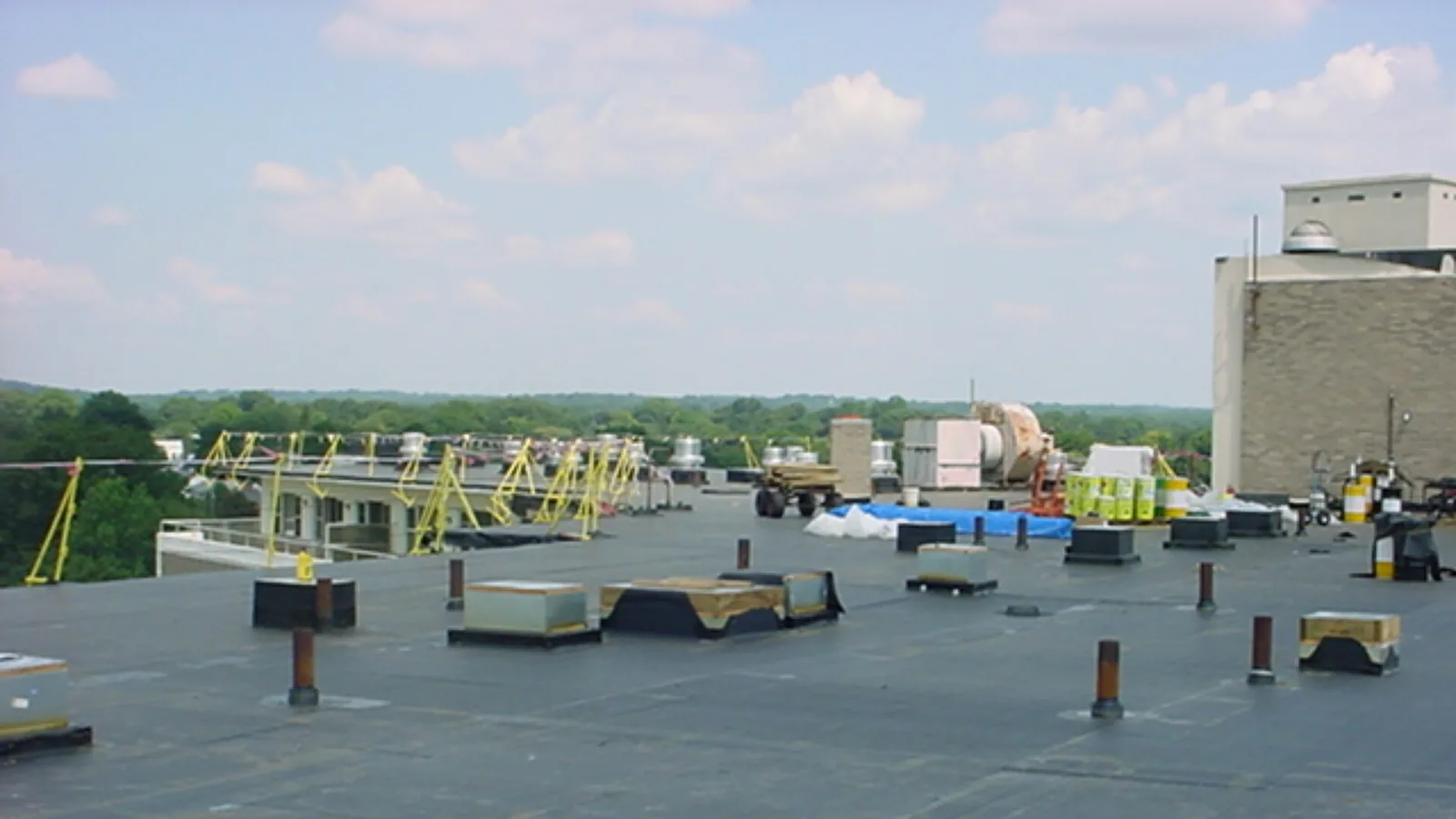
Commercial Roof Repair
Service
Repair commercial roof leaks and failed details in Victoria, TX with measured boundaries, compatible materials, and clear closeout records.
A roof walk follows the assembly from field membrane or metal panel to the details where leaks and movement often become visible. We inspect membrane laps, seams, flashing corners, penetrations, curbs, support feet, drains, overflows, metal edges, patches, and transitions between additions. Interior reports help select a starting point, but water can travel before it appears below. We record the room, roof section, visible path, and areas reached so the owner can see what supports the recommendation.
Some questions need more than a surface walk. Drone imagery can document broad roof patterns where site rules permit. Infrared temperature patterns may guide further review, but do not confirm moisture on their own. If a sample or controlled opening could change repair versus replacement, we explain its purpose and boundaries before removing material. Reports identify what is visible, what remains concealed, and what next step would resolve the uncertainty.
Victoria's hot season, documented hail and damaging wind, and tropical-cyclone history influence when owners may request a review. Regional weather records are context, not proof of damage to an individual building. After a reported event, we photograph observed impacts and distinguish them from older wear or previous repairs.
Inspect details that control the repair
Commercial roofing does not always wait for a convenient hour. Emergency response is available around the clock, including weekends and holidays. The initial work focuses on safe roof access, active water entry, the occupied area below, and temporary protection. We identify temporary dry-in separately from permanent repair. Once the roof is ready for a complete assessment, the owner receives a defined repair boundary and next action.
Occupied work needs a practical sequence. We confirm the roof entrance, hatch or lift access, delivery path, staging location, areas below, and the person authorized to approve a change. In a plant, the operations contact may identify process areas, roof equipment, or an isolation window. A clinic, school, or retail property may need a different route and schedule. We describe those assumptions in the proposal and coordinate with the people responsible for the building.
If removal reveals wet insulation, damaged decking, or an unexpected layer, the crew secures the affected opening and records the condition. We measure added work and request approval before expanding removal. Photographs before concealment and after the tie-in make the change traceable. If a section cannot be reached safely or with permission, the record says it was not inspected rather than extending a nearby observation across the roof.
Keep the building operating while work proceeds
Commercial roofs in the region can include TPO, PVC, EPDM, KEE, modified bitumen, built-up roofing, standing-seam metal, retrofit metal, spray foam, and silicone or acrylic coatings. Each assembly has its own seam, flashing, attachment, and preparation details. We identify what is present before recommending a compatible patch, restoration, recover, or replacement. A product label or old invoice helps, but visible conditions and available records must agree before it controls the repair method.
We check whether a proposed recover or coating has a suitable base, dry substrate, secure attachment, working drainage, adequate edge height, and compatible materials. An overlay cannot correct movement or a failed support condition underneath. Replacement planning names the assembly, tear-off, insulation, perimeter treatment, drainage, staging, and daily closure by roof section. For a manufacturer-specific repair, we compare product records with the installed system and describe the work without implying a manufacturer credential.
A measured repair can remain small when the adjacent material is sound and a reliable tie-in is available. Repeated leakage, broad seam failure, wet insulation, loose metal attachment, or deterioration across several zones may require testing or a larger capital decision. The owner sees what was observed, what remains uncertain, and which option addresses the evidence.
Match work to the installed system
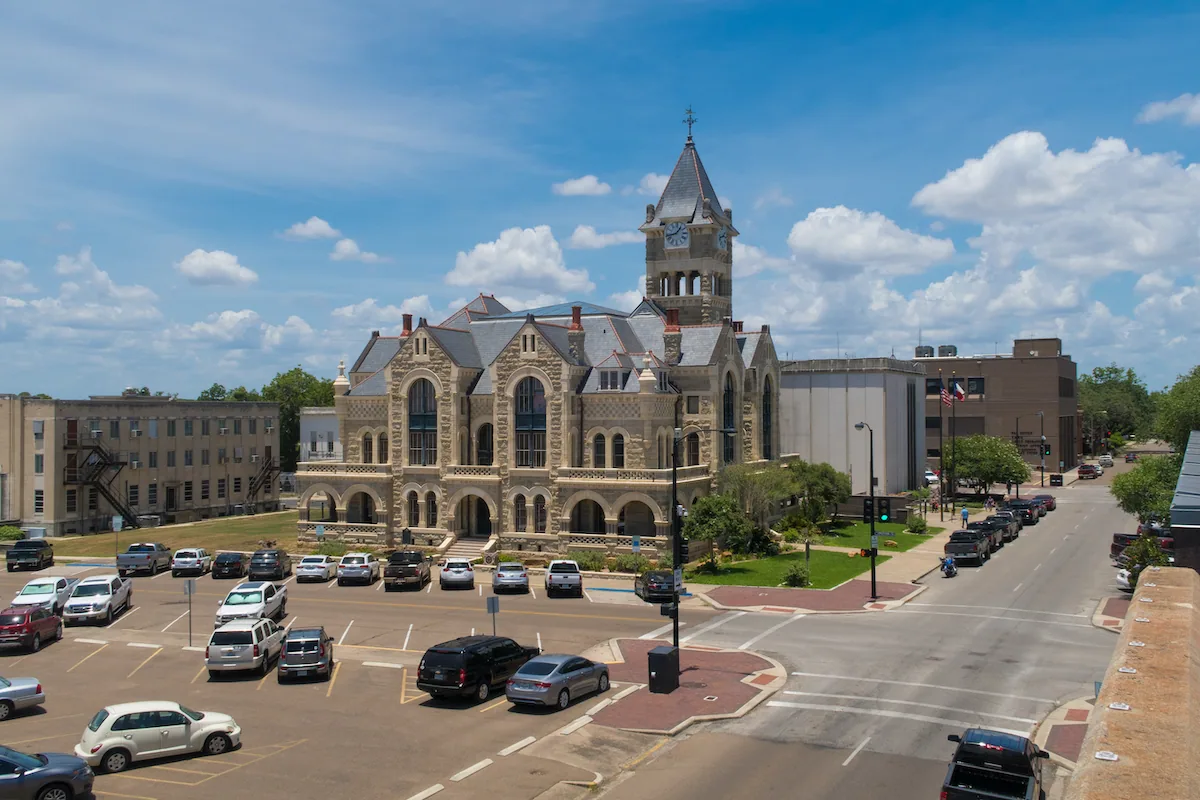
Inspection and closeout records have to remain useful after the crew leaves. We tie photos to roof labels and record material, preparation, quantities, date, weather, access limits, completed work, approved changes, and open items. A temporary measure stays marked temporary. If a property has additions or multiple assemblies, its map keeps those sections distinct. Later visits can compare the same drain bowl, curb transition, seam, or metal termination.
For a portfolio, common fields make it easier to sort work by consequence and timing. Separate reports preserve building-level evidence, approval, and limitations. A roof condition summary can show the items needing a response; a capital plan can compare repair, testing, maintenance, and replacement options. A maintenance program returns to known details and creates dated observations, instead of relying on memory after another leak.
Insurance questions also benefit from a clear record. We document visible conditions and available repair information, without promising a claim result. The insurer and the policy determine coverage. Our report can distinguish storm observations from pre-existing wear and state where the cause remains uncertain.
Build a record that helps with the next decision
Good planning starts with the building use, roof plan or sketch, reported leak or damage, access contact, and previous repairs. Tell us what decision the visit needs to support: stop an active leak, document a suspected storm impact, prepare a maintenance plan, compare repair with renewal, or inspect a roof before a property decision. We will identify the sections to review and the details that need close inspection. If operations below the roof have restrictions, describe those before setting the work window.
Our service area includes the City of Victoria and surrounding municipalities, as well as genuine commercial corridors and industrial areas. The Downtown Victoria Business District, North Navarro retail corridor, Port of Victoria Industrial Park South, and Victoria Regional Airport business area are broader local settings. A property in any of them receives its own inspection, measurements, photographs, and authorization.
Once the roof and access conditions are known, we can define a repair, recommend additional testing, schedule recurring maintenance, or prepare a replacement scope. Each proposal states its boundary and assumptions. The owner can see what work is included, what remains outside it, and what information could change the next decision.
Make the first visit specific
Frequently Asked Questions
What commercial roofing work do you handle?
We inspect, repair, maintain, restore, coat, recover, and replace low-slope and metal commercial roofs. The scope depends on the installed assembly and field condition.
Can you respond when a roof leaks after hours?
Yes. Emergency response is available all week, including holidays. We coordinate access and temporary protection, then determine the permanent repair boundary.
How do you plan work in an occupied building?
We confirm the access route, areas below, operating window, staging, and approval contact, then state the daily closure plan and any limits in the scope.
What areas do you serve around Victoria?
Service includes Victoria, surrounding municipalities, and broader commercial corridors or industrial districts. We confirm the property and schedule before arranging a visit.
Send the building use, roof plan, reported condition, access contact, and available repair history. We will identify the areas to inspect and the field evidence needed for a clear scope.
Call 555-555-5555 or email [email protected].