
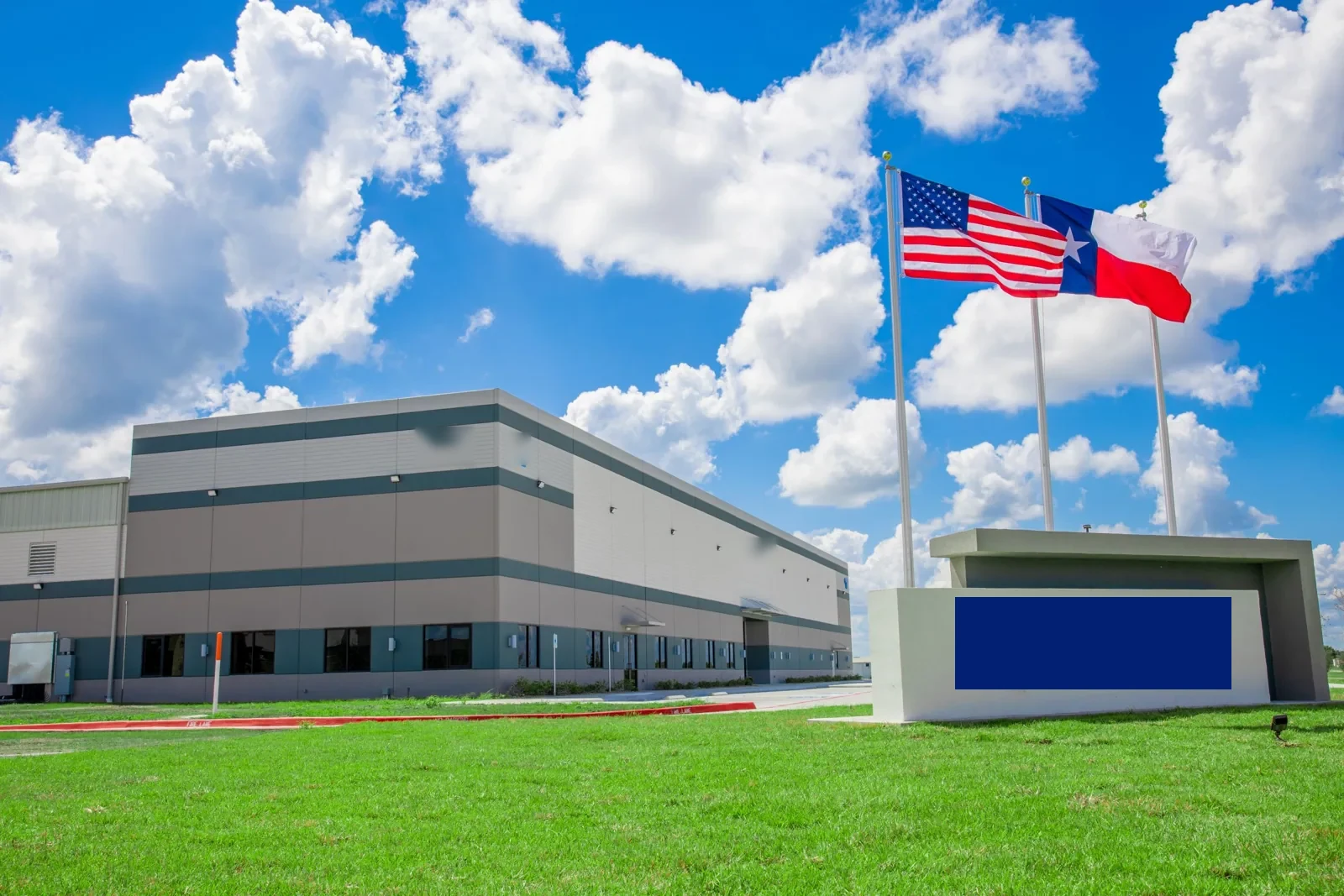
Commercial Roofing in Lone Tree II Industrial Park, TX
Service Areas · Victoria, TX
Roofing at Lone Tree II Industrial Park, with building-specific scope for manufacturing access, roof details, and verified field conditions.
Next step
Request a Roof Assessment
Call
555-555-5555
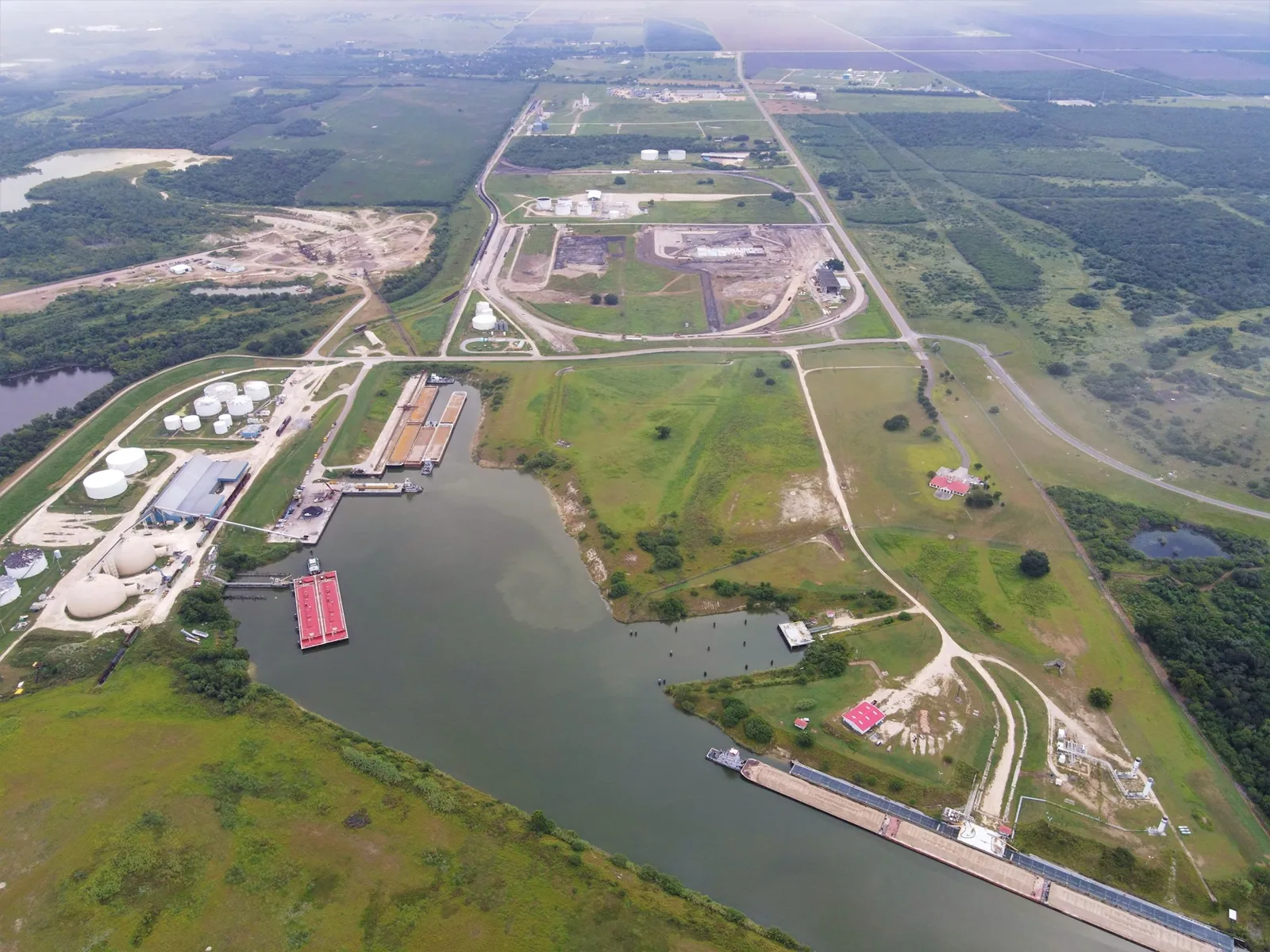
Lone Tree II Industrial Park is a manufacturing and assembly area connected to US 59/I-69 by four-lane Lone Tree Road. Roofing service here applies to commercial and industrial buildings throughout the park, while the work itself is scoped to a named property and roof section. We confirm the facility contact, access route, operating limits, roof plans, and reported condition before setting the inspection boundary. The park's industrial focus makes truck access, equipment, and production schedules important coordination details, not substitutes for roof evidence.
Lone Tree II Industrial Park
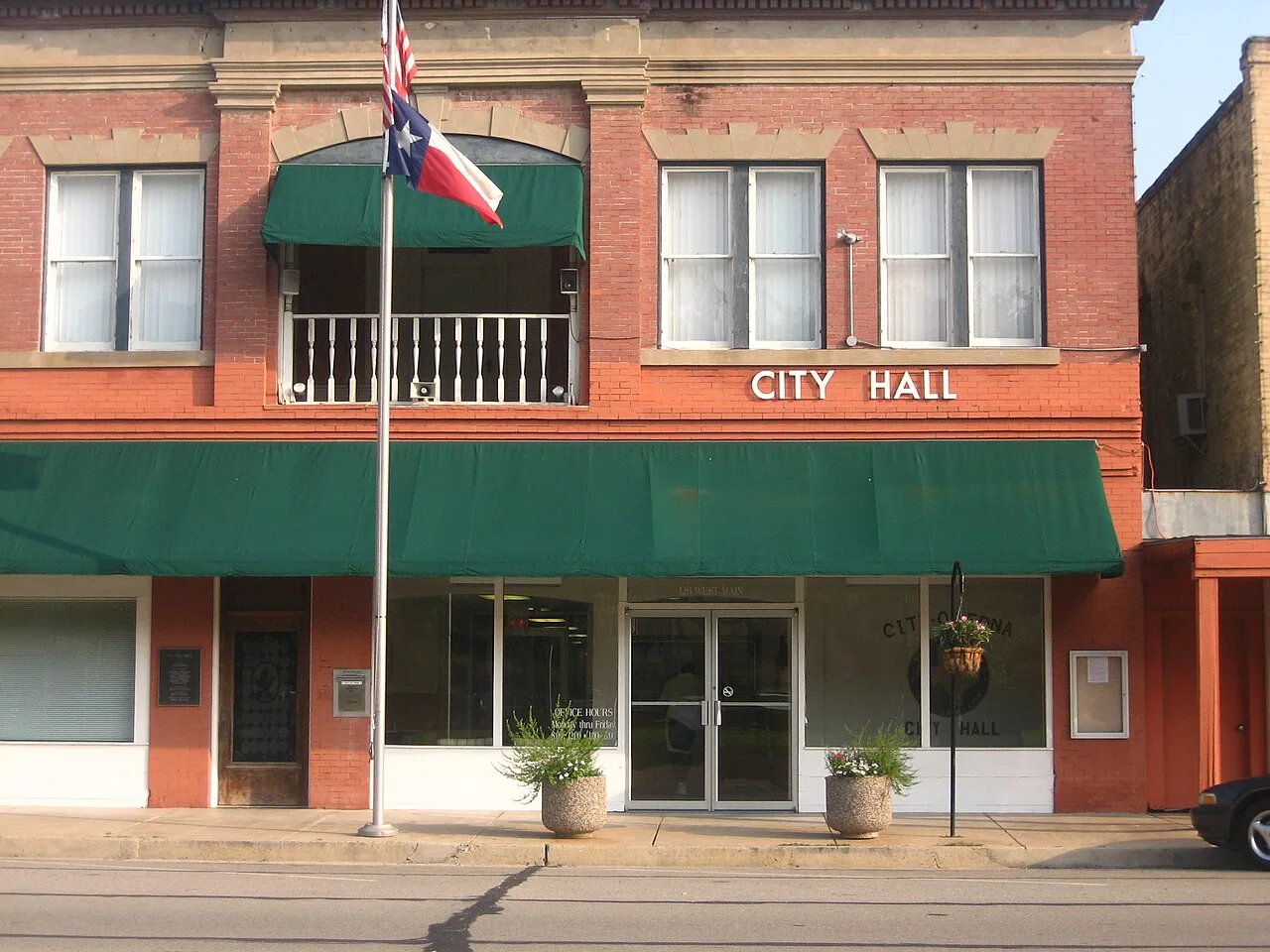
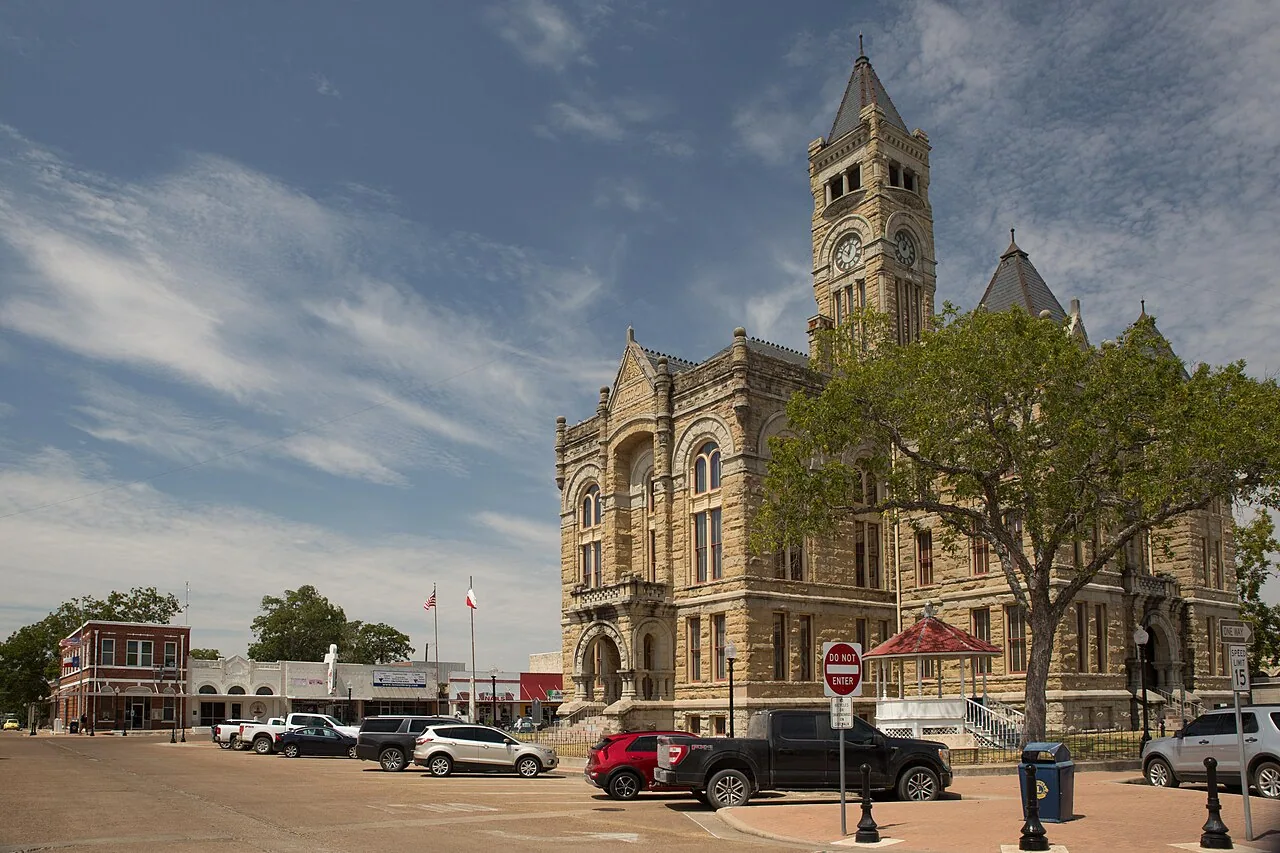
The Victoria Economic Development Corporation describes Lone Tree II as dedicated to manufacturing and assembly, with industrial utilities. Victoria College's Emerging Technology Complex and Industrial Training Center are also located within the park. Those facilities help explain the wider employment and training geography; a facility name should not stand in for the service area or for a building-specific roofing diagnosis. Each request needs the commercial property, building, and area authorized for inspection.
A manufacturing property may have a production floor, warehouse, office, loading canopy, or phased addition under one owner. Roof construction can vary across these sections. We compare available plans and repair records with visible membrane or metal details, mark the roof zones, and note which areas were actually reached. If documents use legacy building numbers, confirm them with the site contact before work. A separate roof request in Victoria or Port of Victoria Industrial Park South needs its own building record and access plan.
Plan around production and truck access
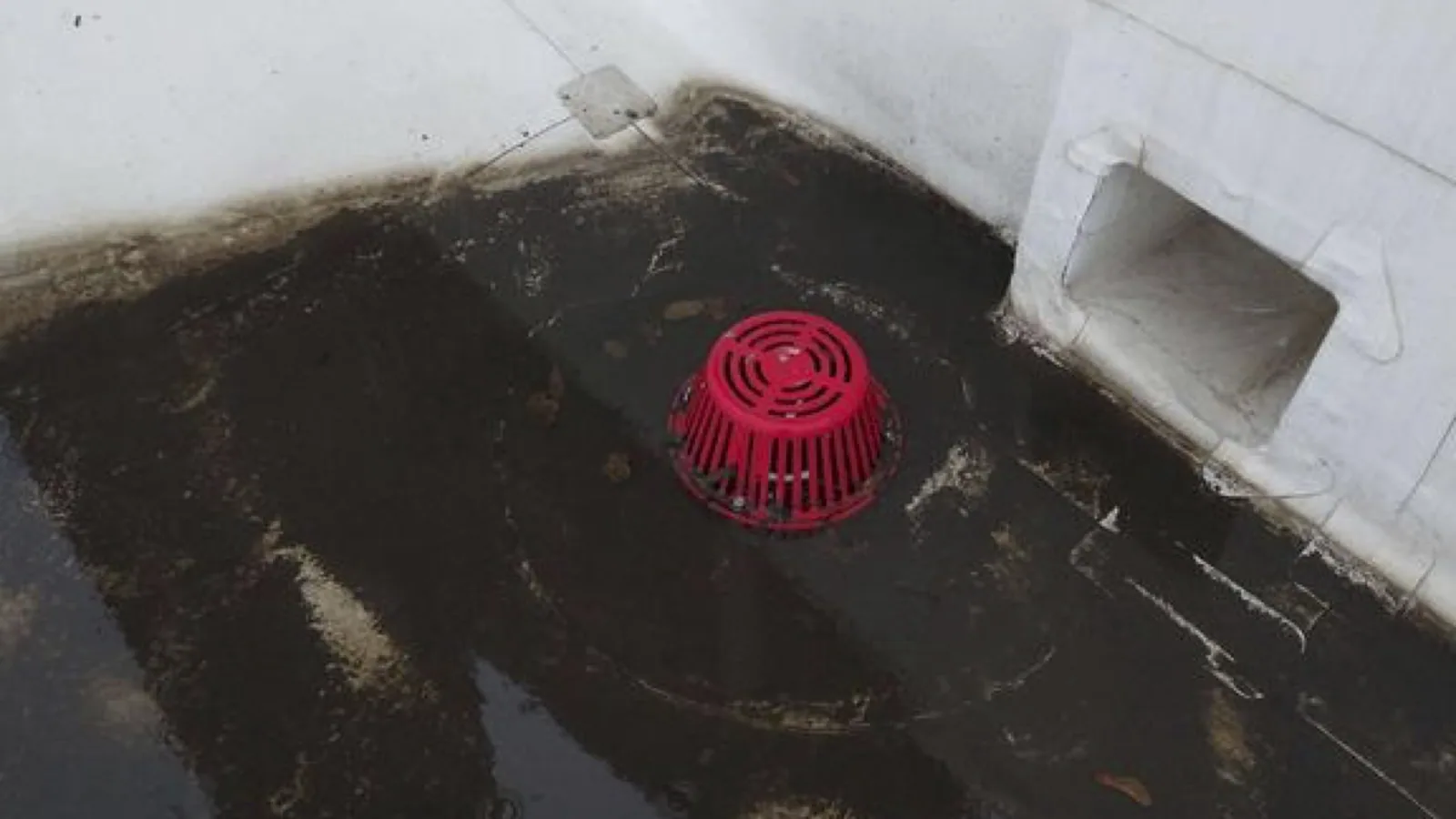
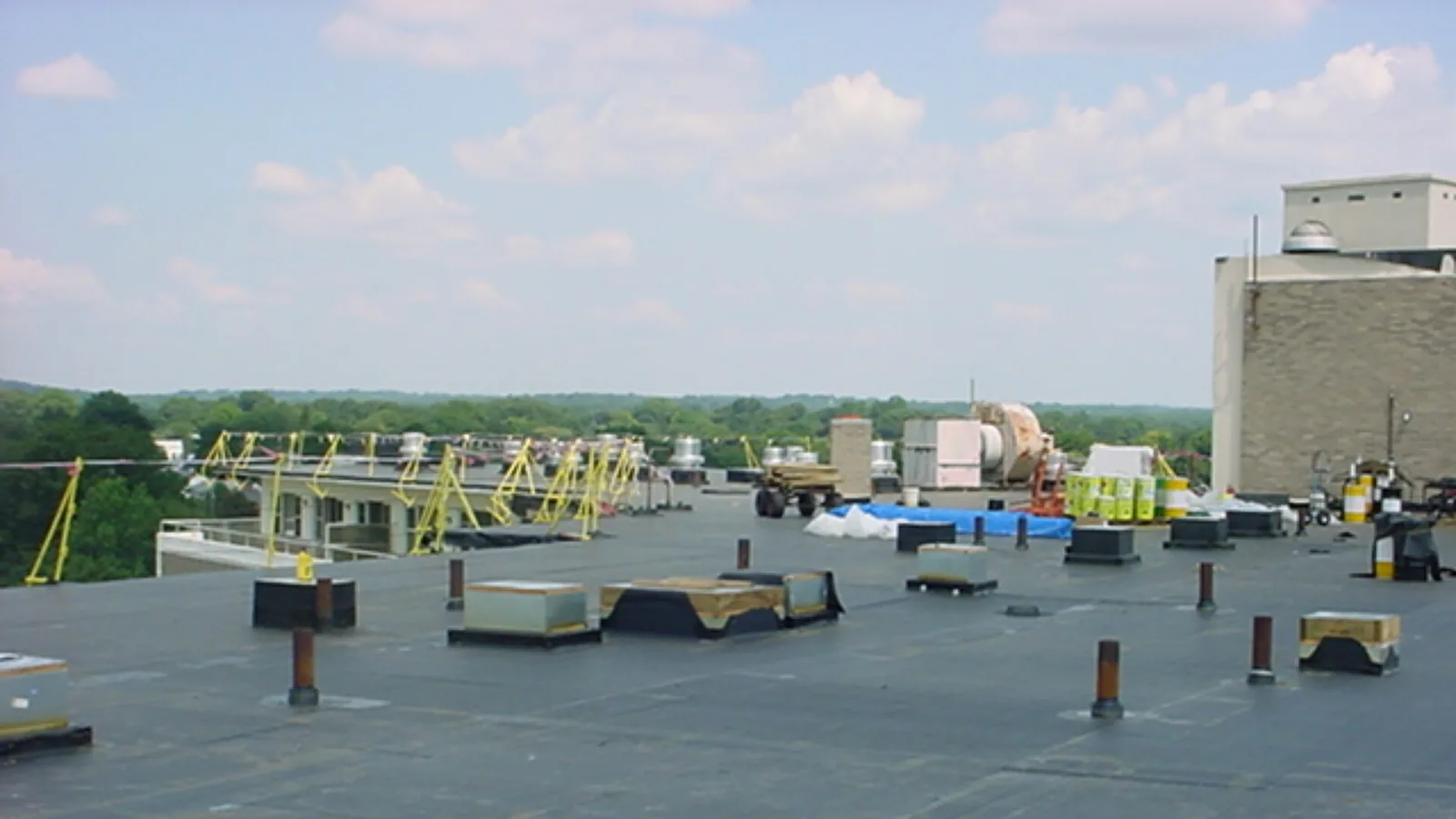
A roof inspection traces the reported leak or defect through the exposed assembly. Check seams, panel laps, flashing corners, drains, overflow routes, curbs, pipe penetrations, support feet, and edges. A ceiling stain is a useful starting location, but water can move along a deck or insulation joint before it appears indoors. Photograph the likely path and relate each finding to a roof plan or section label. If a surface patch hides earlier work, record the patch and verify the surrounding material before specifying a tie-in.
Production sites can place exhausts, process lines, supports, and service platforms near roof details. That makes clearance and access planning part of the roof walk. Confirm whether the operation can pause, whether an escort is needed, and how the area below can be protected from dust, noise, or falling debris. Do not move or disconnect equipment as part of a roofing task unless that work is separately approved and assigned. If an unsafe condition prevents inspection, document the limit and ask the owner to arrange suitable access.
Inspect equipment, seams, and water paths
A sound repair boundary reaches material that can be prepared and closed using the selected assembly's details. We identify the expected work area, surface preparation, materials, fastening or seam method, and temporary protection. When removal reveals wet insulation, corroded metal, or another roof layer, stop at the approved limit, secure the opening, and present the added quantity for a separate decision. Photographs before concealment show the condition that changed the recommendation and keep the repair record tied to evidence.
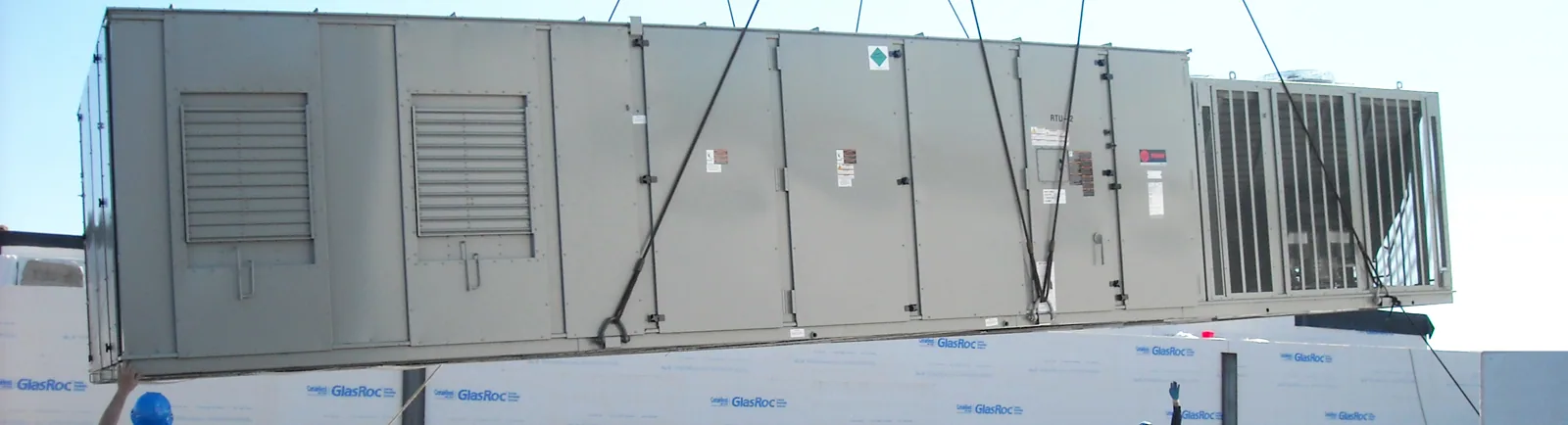
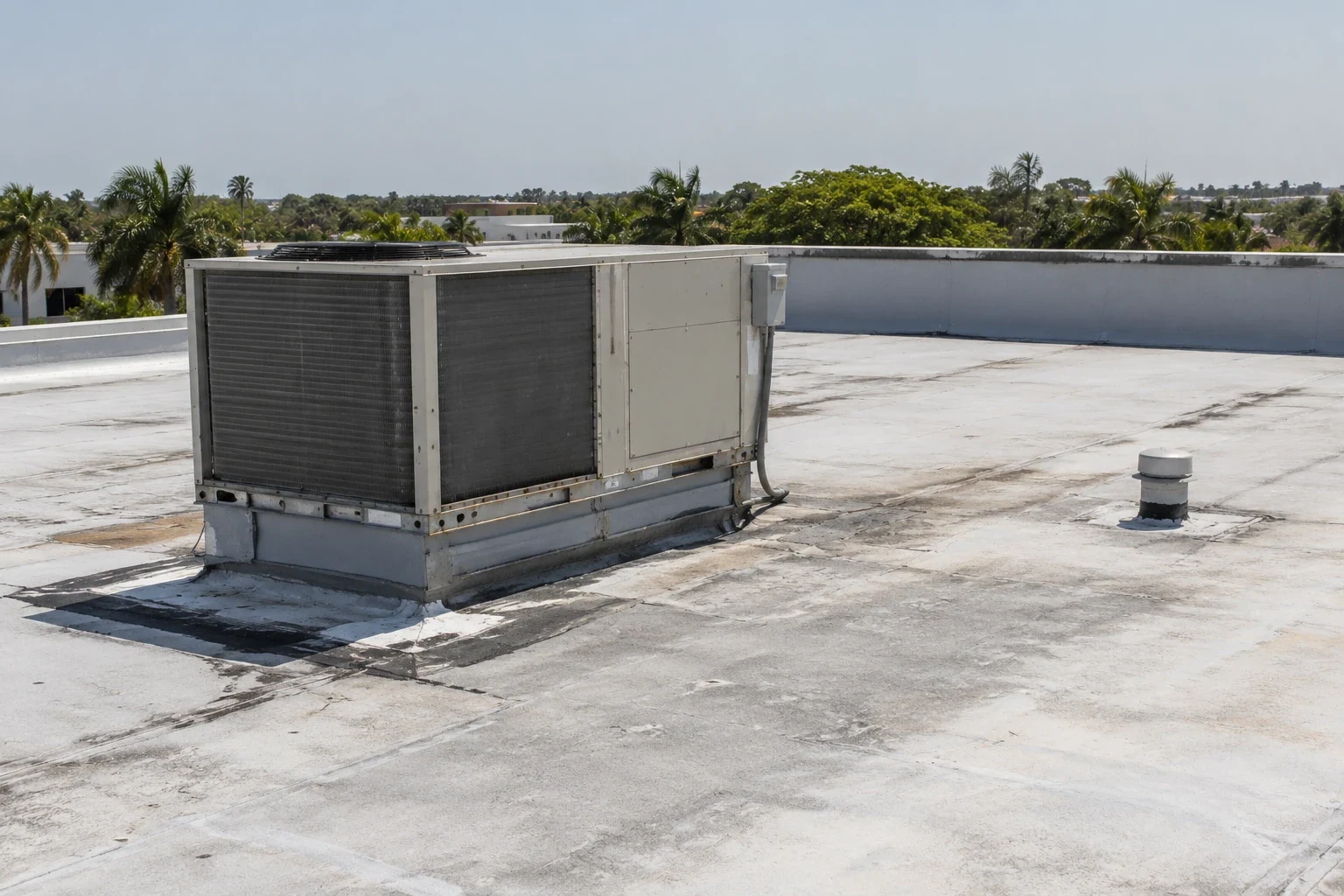
Leaks near production equipment can involve a failed penetration detail, curb, support, drain, or membrane seam. Each has a different closure method. A curb and support inspection evaluates those transitions; drainage work reviews the outlet path; and commercial roof repair addresses the confirmed defect. The proposal separates those quantities and lists any test needed to determine whether lower layers are affected.
Prepare a sound tie-in at the repair limit
Lone Tree Road provides truck-suitable access to the park, but each property sets its own gate, delivery, escort, and staging instructions. The facility contact confirms which entrance is approved, where equipment can be positioned, and which operations cannot be interrupted. We schedule a roof section that can be secured before the shift ends and preserve clear routes below. If production timing narrows the work window, include that limit in the sequence rather than assuming the crew can return at any time.
Heat, wind, rain, and system-specific preparation requirements affect the daily plan. Inspect when conditions are safe, confirm the surface is suitable for the specified work, and close the exposed area at a defined boundary. A maintenance plan can track drains, seams, and flashing by building. For larger deterioration, a replacement scope should coordinate tear-off, deliveries, equipment protection, and any production zones affected by the work.
When an owner manages several buildings, use a roof register that separates production, storage, office, and canopy areas. Record the building identifier, roof section, membrane or panel type where known, last documented work, current leak report, and next action. Unknown dates remain unknown until a document or inspection verifies them. This avoids carrying one building's repair history into an adjacent structure. A portfolio roll-up can show urgent items and planned capital work while the supporting records retain the condition evidence and approval boundary for each roof.
Fit roof work to manufacturing schedules
Repair may be appropriate when damage is localized and the adjacent membrane or panels remain sound. Repeated leaks, separated seams across several sections, widespread deterioration, or wet insulation can justify testing or a replacement comparison. We explain which finding supports that change and which areas remain unverified. A recover option depends on the existing layers, attachment, deck, drainage, edge height, and compatible details; it is not selected simply to avoid disruption.
For a multi-building park request, prioritize each roof on its own condition, use, access, and consequence of delay. The summary can roll up schedule and budget needs, but each work authorization retains its building, quantities, exclusions, and material requirements. A repair to a warehouse does not close a separate production building's leak. Keep completed and future phases distinct on the site plan so maintenance staff know which roof section received work and what still needs inspection.
Compare roof needs by facility
The closeout records the property, building, roof section, visible assembly, inspection limits, seam or flashing work, drainage observations, materials, and photographs. Note any test opening, concealed condition, approved change, or follow-up visit. If the access window prevented completion, record the temporary protection and remaining permanent work separately. This gives the facility manager a clear record to use for the next maintenance cycle or capital decision.
Share the facility name, building list, roof plans, leak reports, production constraints, and access contact when requesting service. We will identify the inspection boundary, document the roof details that drive the recommendation, and return a scope with exclusions and next steps. If the request covers several buildings, listing them individually helps keep pricing, access, photographs, and approvals aligned with the right roof.
Longer-term planning can group roofs by system type or project timing, but the source record should remain building-specific. Capture the inspected date, sections reached, open leak history, work completed, and unresolved needs. Before a capital meeting, separate confirmed repair quantities from allowances that require testing. This makes it easier to compare a roof that needs a near-term patch with another that may enter a replacement study, without assuming the entire industrial park shares one condition.
Keep the production-building record current
Related Roofing Work
Frequently Asked Questions
Does the service area refer to one manufacturer?
No. It covers the broader industrial park; each roofing request concerns an identified commercial building.
Can production continue during a repair?
That depends on the work area, safety controls, access, and owner-approved schedule.
What records help before a roof walk?
Roof plans, leak reports, prior repairs, building identifiers, and site-access instructions are useful.
Will one building's repair close an issue elsewhere?
No. Each building and roof section receives its own findings and closeout.
When might a repair need testing?
Testing may help when the visible defect does not establish whether lower layers are wet or damaged.
Share the building or property, roof plan, reported condition, access contact, and available repair history. We will inspect the authorized roof area, document the details that guide the scope, and outline the next practical decision.
Call 555-555-5555 or email [email protected].