
EPDM Roofing in Victoria, TX
Roof Systems · Victoria, TX
EPDM roofing in Victoria relies on clean seam preparation, secure perimeter details, and compatible flashing at curbs, drains, and rooftop supports.
Next step
Request a Roof Assessment
Call
555-555-5555
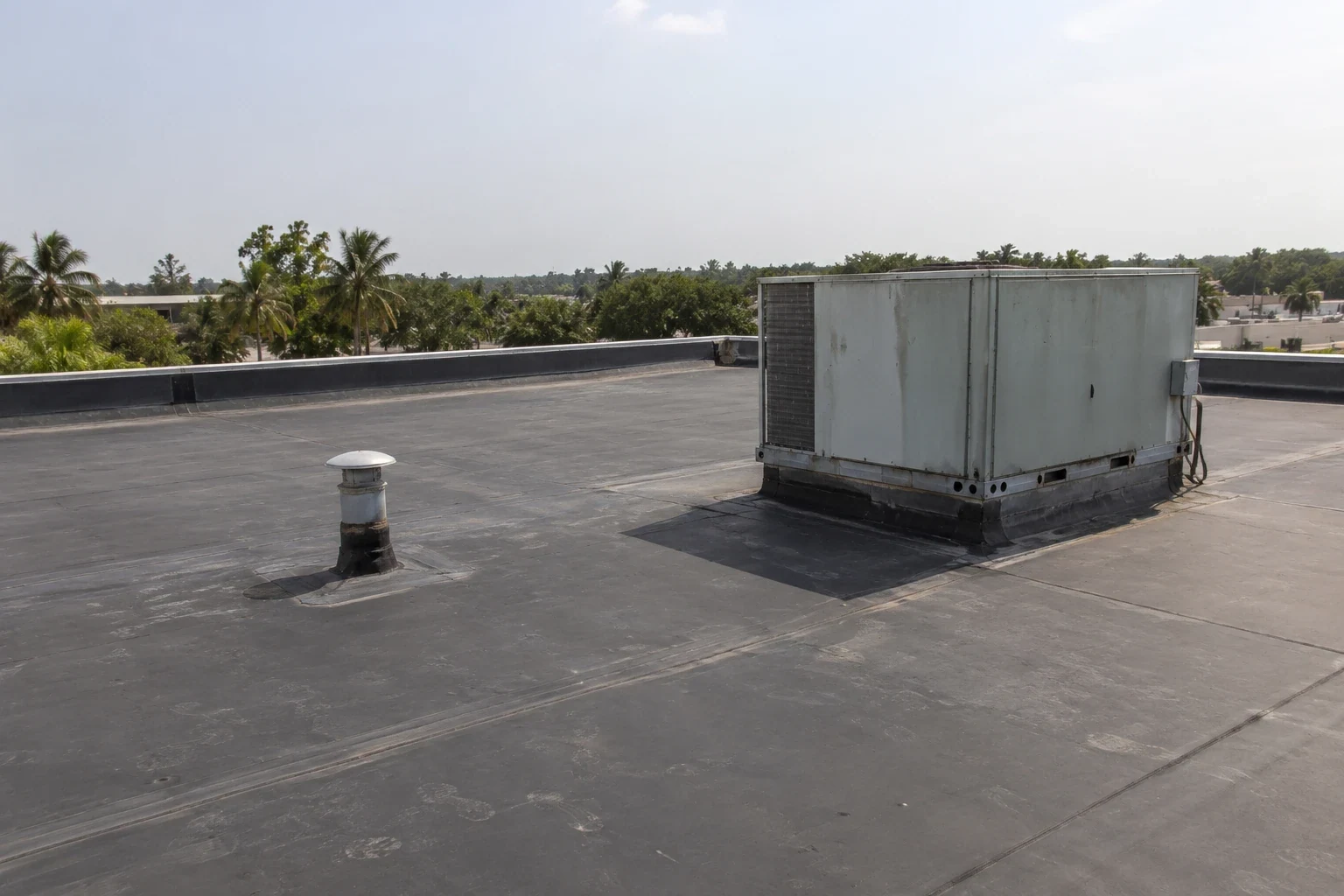
A black membrane field can appear uniform while an adhesive seam or flashing corner has started to release. EPDM is a flexible single-ply rubber membrane, and its repair method differs from heat-welded thermoplastics. In Victoria, summer heat and regional storms make seam condition, attachment, and drainage worth documenting. We confirm the roof material, inspect its transitions, and select a repair or replacement plan that fits the assembly.
EPDM Roofing
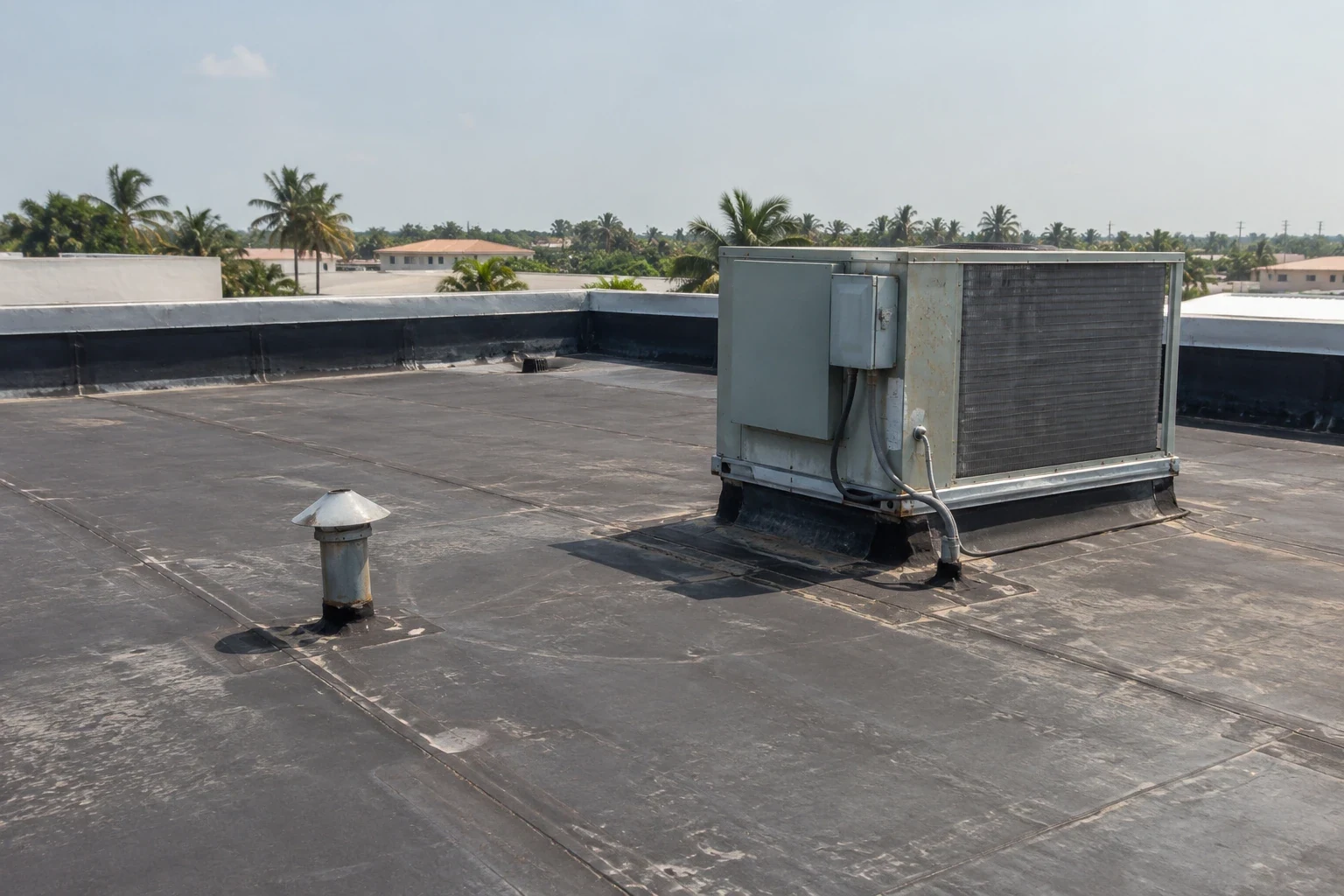
EPDM roofs can use different seam tapes, adhesives, cover boards, and attachment methods. We examine field laps, patches, terminations, edge metal, drains, and penetrations to identify the detail that is present. A black surface alone is not enough to identify the material. If records conflict with field observations, confirm the assembly before ordering repair components or describing a replacement scope.
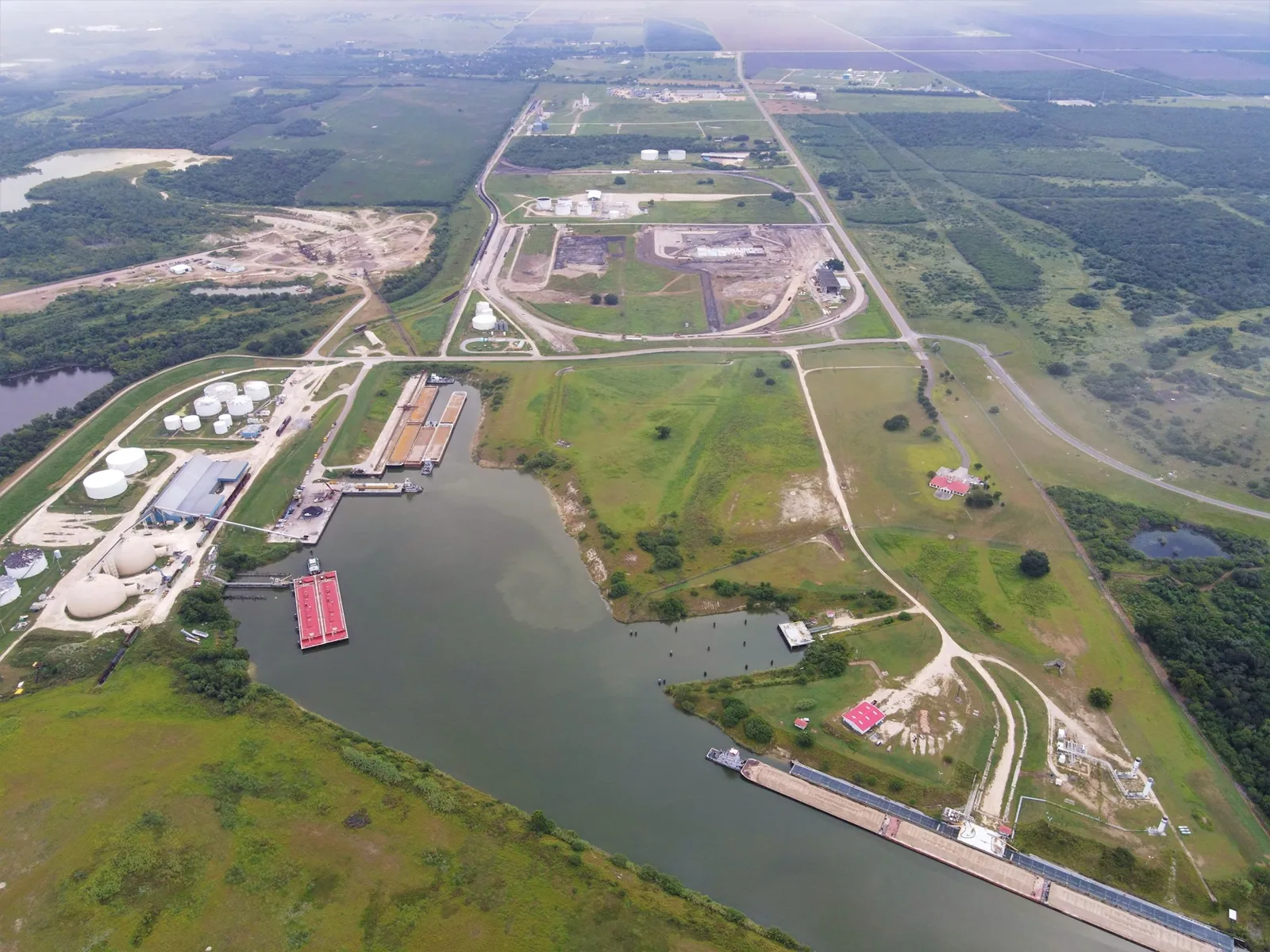
On large industrial buildings near Port of Victoria Industrial Park South, separate roof sections may have been built or repaired at different times. We map those phases and record where membrane, insulation, or flashing changes. The port’s cargo and rail connections are useful local context for access planning; they do not establish any building’s roof condition or system.
Moisture, brittle material, poor attachment, or widespread seam failure may affect whether localized repair is sufficient. An inspection report can locate visible conditions and identify where testing could change the boundary. The owner then has a basis to compare repair with recover or replacement without treating one patch as a solution to a larger assembly issue.
Confirm membrane, seam, and attachment type
Adhesive and seam tape require a clean, dry, properly prepared surface. We remove loose residue within the work area, check the condition of the existing membrane, and use the preparation products specified for the repair system. A new strip placed over dust, moisture, or an incompatible coating may not bond as intended. The field technician tests the repair method at the detail before extending it across a wider run.
Inspect seam edges, cross-laps, corners, patches, and intersections with flashing. A seam that has opened may have lost adhesion, while the membrane next to it could also be punctured or stretched. Probe or test where the procedure calls for it, and photograph the limits of the repair. If the substrate or insulation moves beneath the membrane, surface work may need to wait until the underlying issue is assessed.
Victoria’s VCT weather station records a July normal high of 94°F and a date maximum of 110°F for 2026. Hot surfaces can affect adhesive handling and the approved work window. We follow product directions, protect containers, and monitor the actual roof surface rather than assuming the air temperature represents the membrane.
Prepare the seam before applying new material
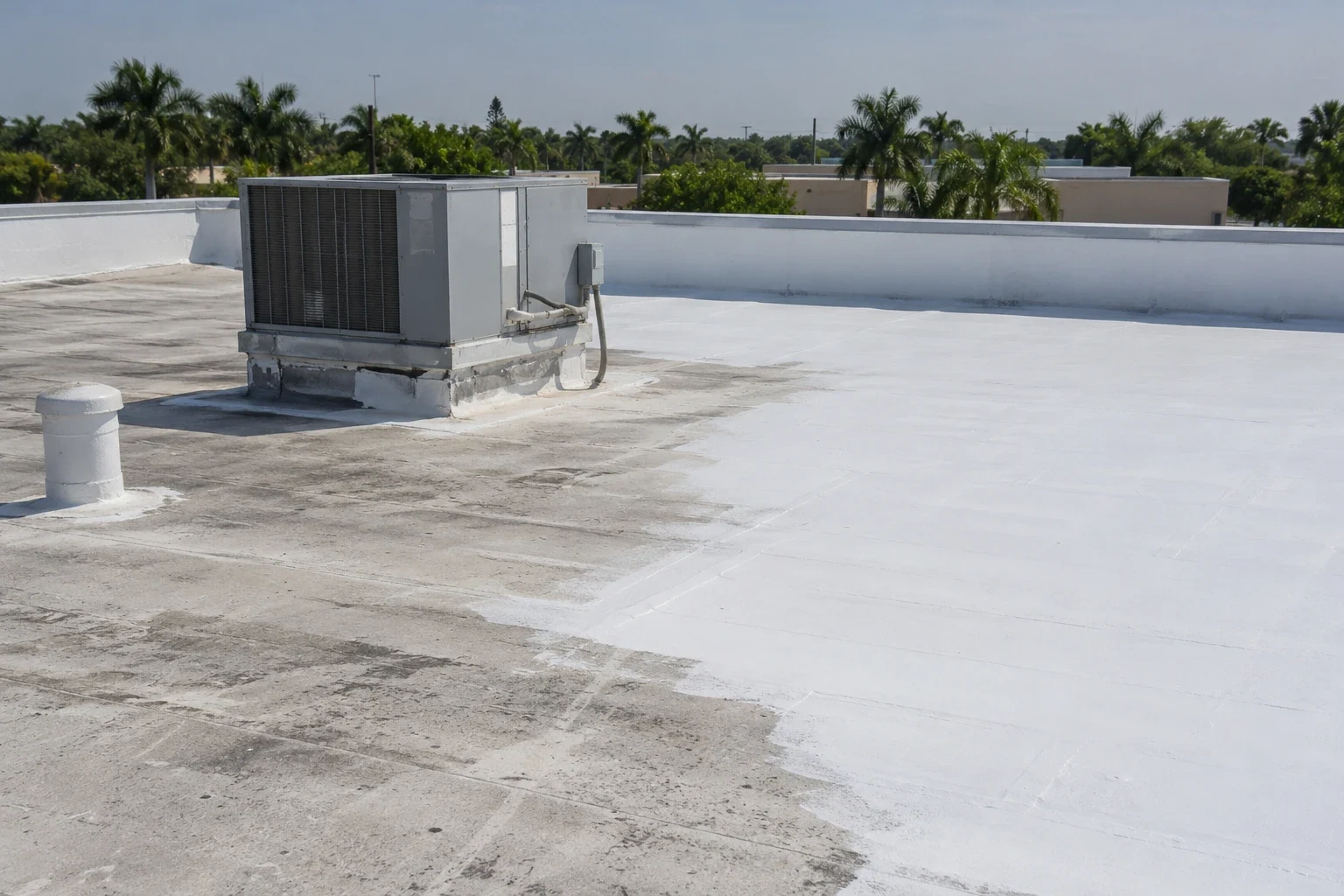
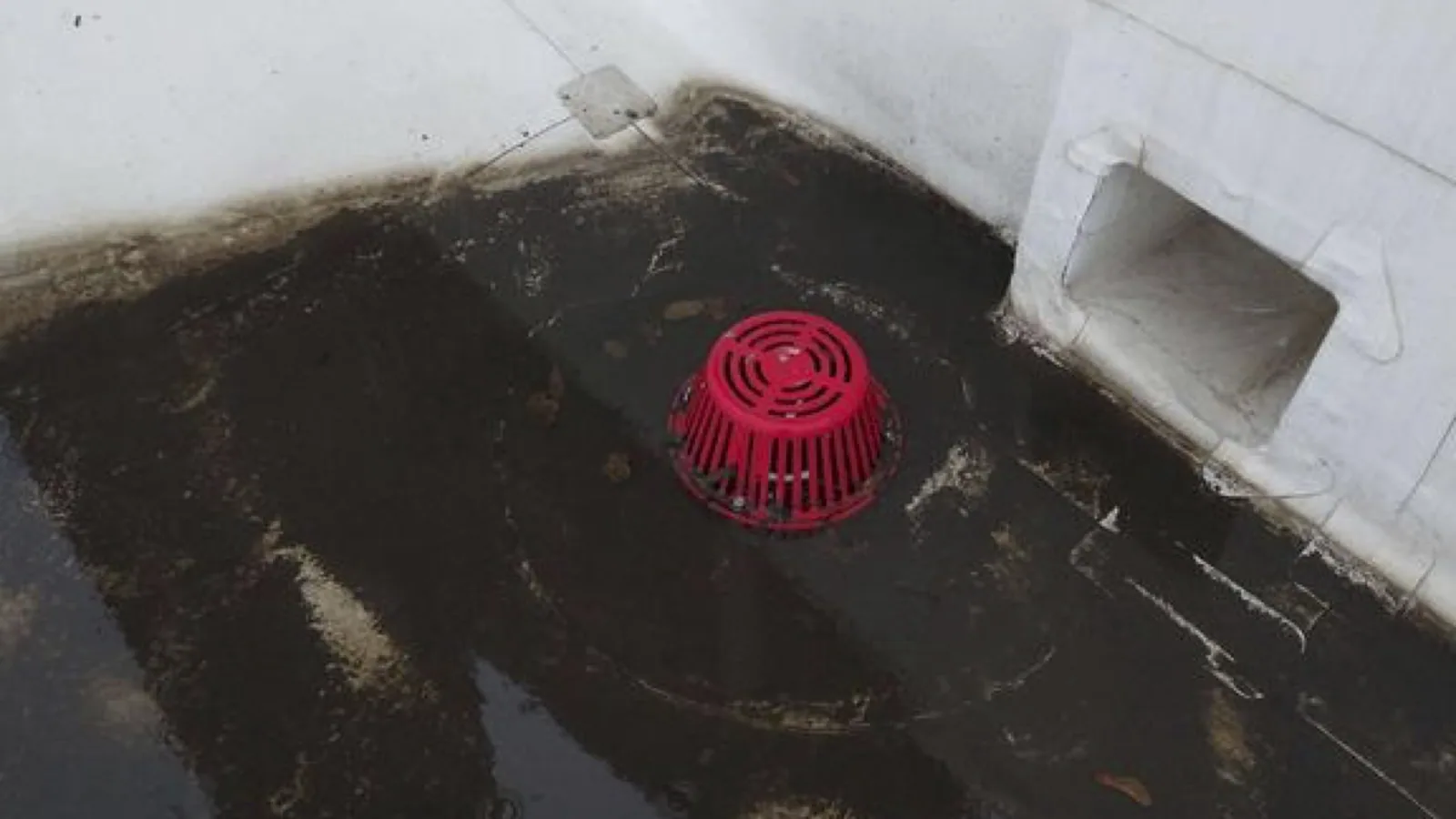
At drain bowls, scuppers, and overflow openings, an EPDM repair must integrate with the specified drain detail and leave the waterway open. The edge of a patch cannot cover a clamping ring or create a dam around the strainer. If the outlet is blocked or sits in a low area, a drainage correction may be needed before closing the membrane detail.
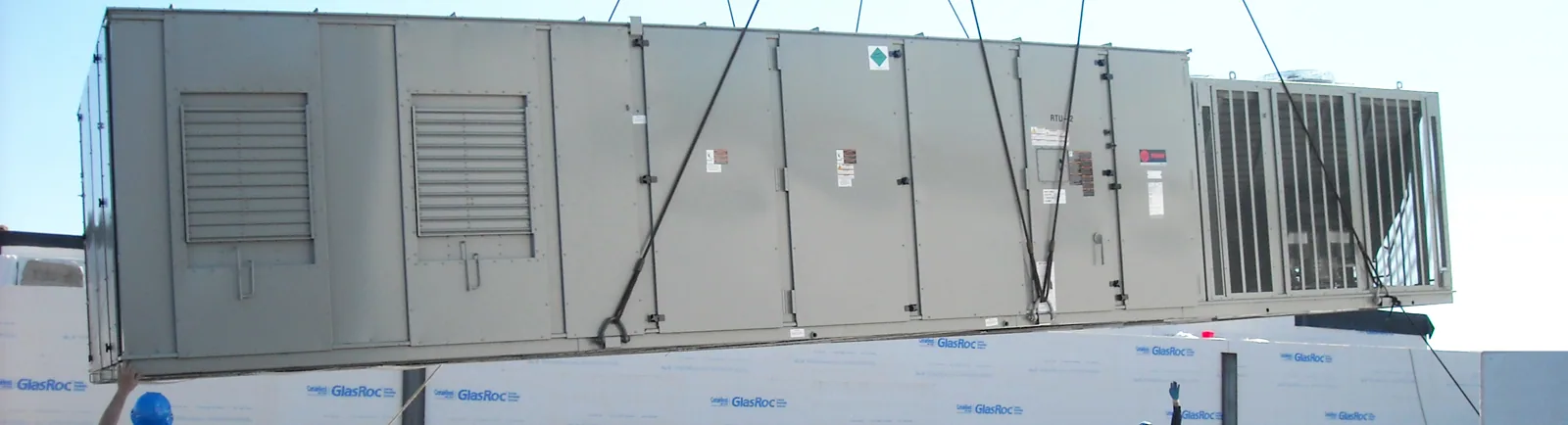
Curbs, pipes, and equipment supports need compatible flashing and secure termination. A boot, pressure-sensitive flashing, or field-fabricated patch is selected for the particular assembly and geometry. If a unit moves or a support has cut into the membrane, first coordinate stabilization with the responsible mechanical contact. A support review can connect roofing work with equipment access.
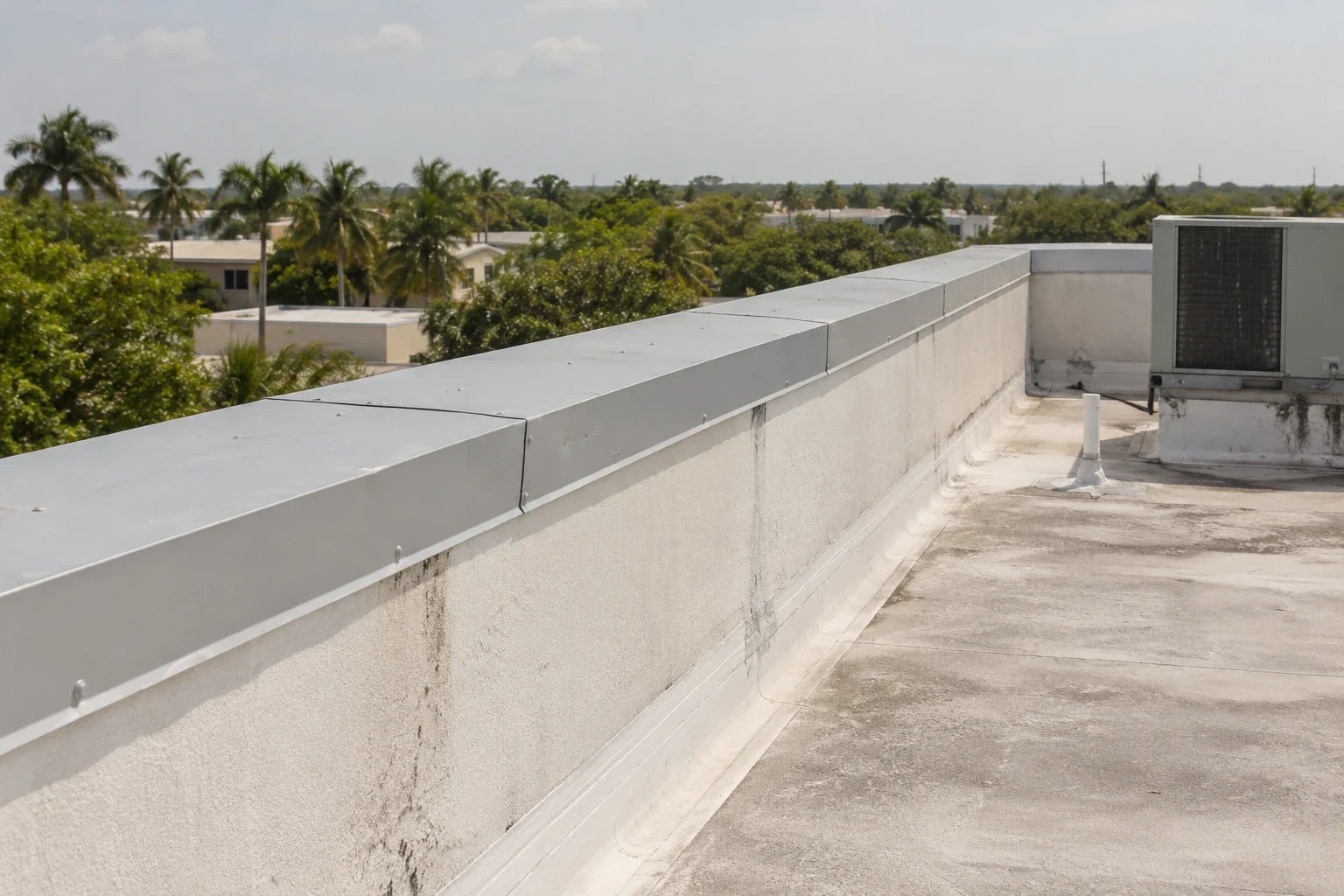
Parapets and gutters add metal transitions where water can travel behind the roof edge. A coping and gutter evaluation checks the termination and discharge route. Each repair should preserve the membrane’s drainage path rather than add sealant that covers the visible opening but leaves water trapped below.
Keep drains and flashing compatible
Adhesives, primers, and seam products have temperature and moisture limits. Rain, dew, dust, and high surface heat can delay a repair. We confirm the product window, substrate condition, and forecast before preparing a large area. If the day changes, protect the open roof boundary and return when the surface is suitable. The installation plan follows the product and field condition, not a fixed calendar date.
Victoria has documented hail and damaging wind as well as a history of tropical systems. After a weather event, inspect exposed edges, pipe boots, skylights, and membrane surfaces for displacement or punctures. Those regional records make a check prudent but do not establish damage at a specific property. A storm damage assessment can separate event observations from older wear and maintenance items.
At the Victoria Regional Airport Business Area, freight and commercial development operate alongside other city uses. Each facility sets its own roof-access and staging restrictions. For an occupied building, coordinate noise, intake protection, service calls, and the area below before unloading material or blocking a roof hatch.
Schedule repairs around heat and operations
A sound EPDM field with isolated seam or flashing issues may support a localized repair. If the membrane has extensive loss of bond, multiple wet sections, or attachment concerns, evaluate a broader scope. We document where evidence supports each option and identify unknowns that call for an opening or test. A recover is considered only when the existing assembly, moisture condition, and project requirements allow the added layer.
Compare TPO or PVC membrane with EPDM only after the building’s use, exposure, substrate, attachment, and repair needs are known. No single material name answers questions about deck condition, drainage, or workmanship. The chosen system must be detailed at drains, curbs, parapets, and mechanical supports.
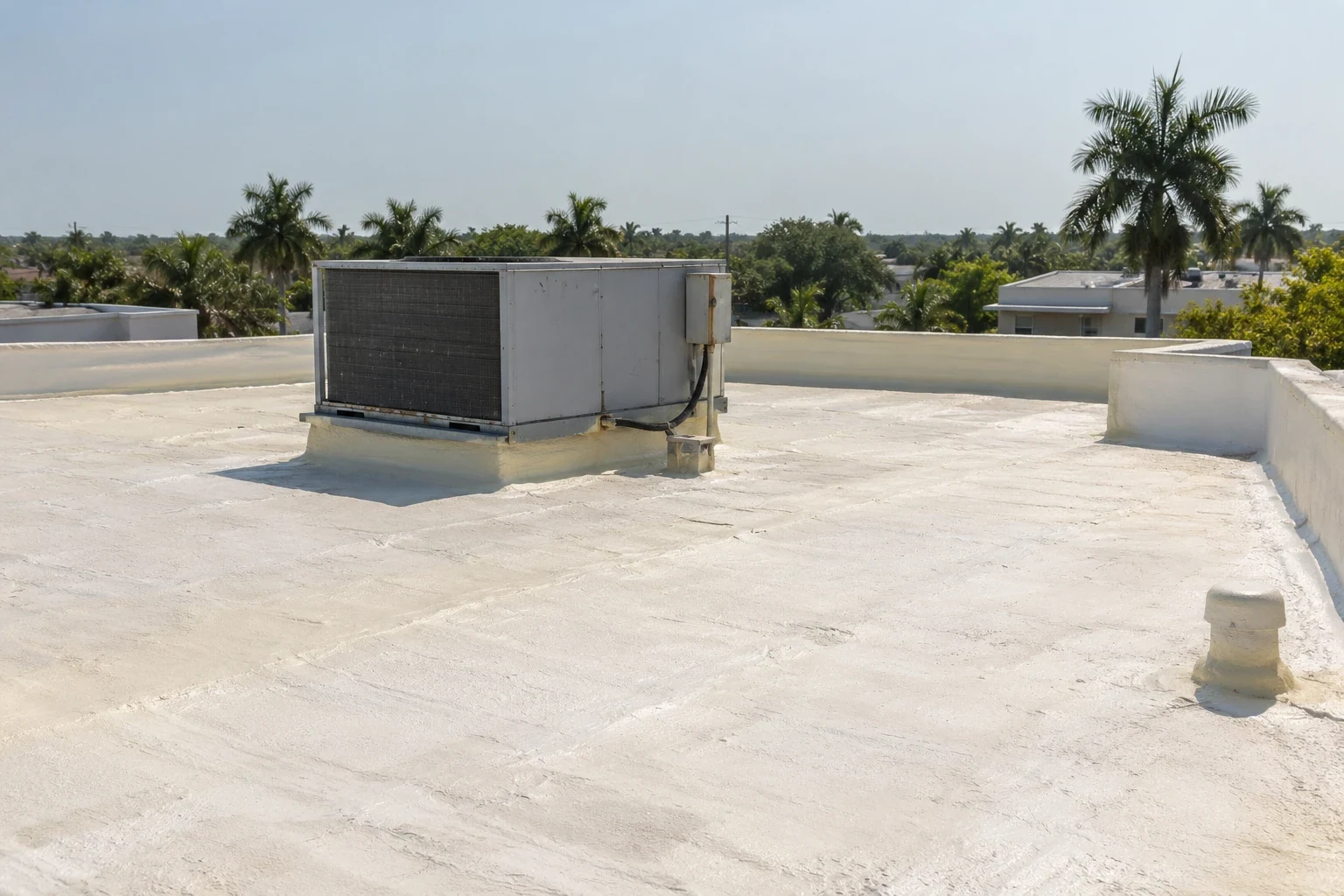
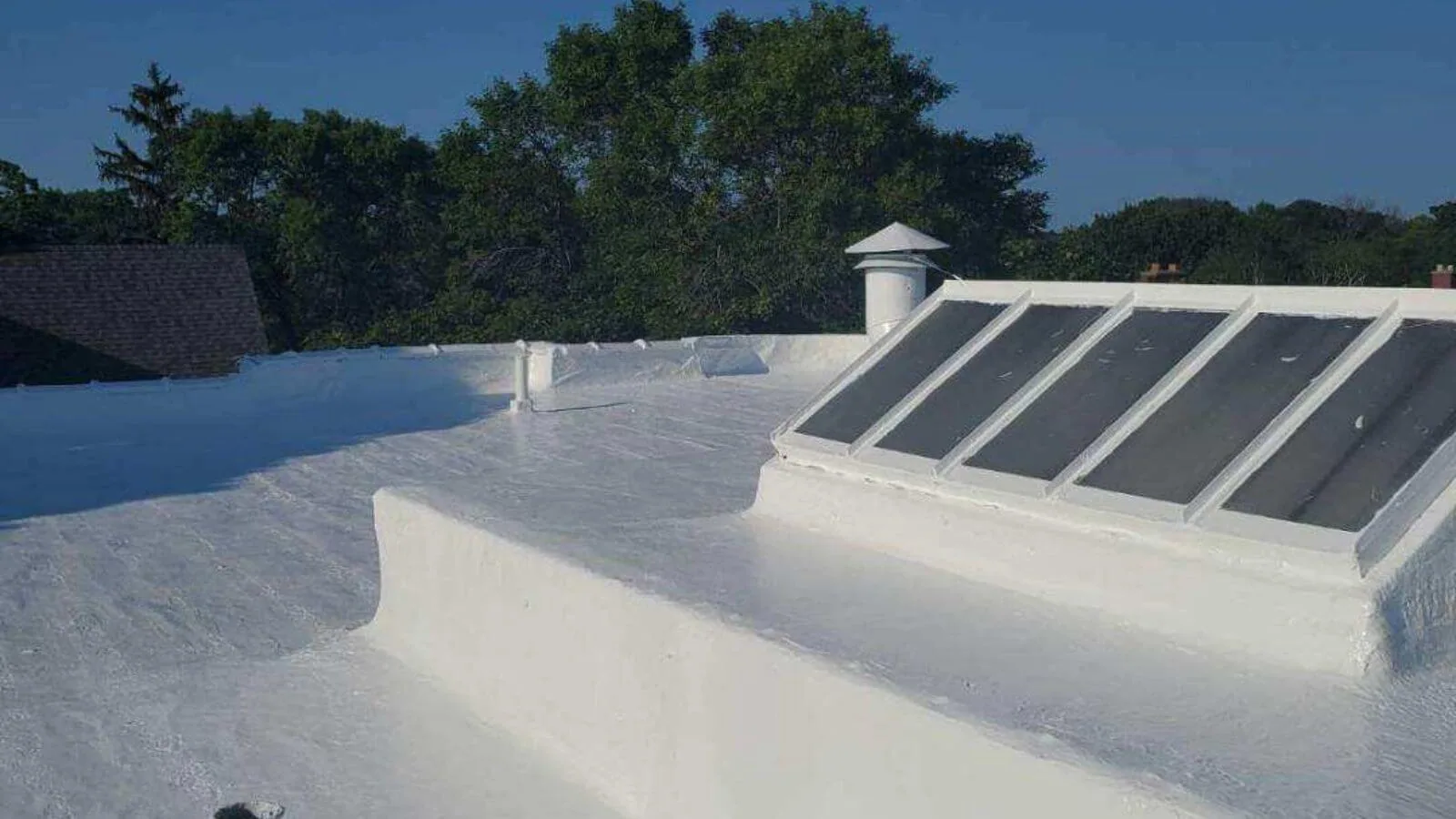
For a future replacement, align roof height with edge metal, door thresholds, equipment curbs, and drainage. If an existing coating or cover board is present, confirm what lies beneath before designing the new tie-in. The recommendation will name the work that is supported and note any area that could not be confirmed without added access.
Choose repair, recover, or replacement by evidence
At closeout, inspect repaired seam edges, patch corners, terminations, drains, and nearby penetrations. Keep before-and-after photographs labeled by building and roof section. The report identifies materials used, preparation performed, any test completed, and details that remain open. If an interior leak report led to the repair, connect the roof-side location to the reported area without assuming that the nearest seam caused the stain.
Store membrane and accessory information with roof plans and later service records. A maintenance visit can compare the same seam, patch, or flashing on a later date and record changes. Preserve any limits from areas that were not accessed or tested.
For EPDM service in Victoria, share the roof plan, leak history, system records, previous patch details, and access window. We will confirm the membrane, inspect the seam and transition, and state whether a repair, additional test, recover, or replacement discussion fits what the roof shows.
Record the completed EPDM detail
Related Roofing Work
Frequently Asked Questions
How do you repair an EPDM seam?
We identify the membrane and seam type, prepare a clean dry surface, then install compatible tape or flashing according to the selected repair system.
Can EPDM be repaired with a TPO patch?
Do not assume the materials are compatible. Confirm the membrane and use the specified repair method for that assembly.
Why does a black roof membrane pull back at the edge?
Attachment, movement, aging, or a failed termination can contribute. We inspect the edge assembly and substrate before securing the membrane again.
Can you coat over EPDM?
Only if the surface and coating are compatible and the roof is stable. Preparation, test areas, moisture, and drainage must be reviewed first.
What information should I have for an EPDM evaluation?
Share the roof plan, membrane and repair records, leak locations, building operations, and safe access instructions.
Provide roof plans, prior repair details, leak locations, and access hours. We will verify the membrane and inspect seams, edges, drains, and penetrations before setting the repair scope.
Call 555-555-5555 or email [email protected].