
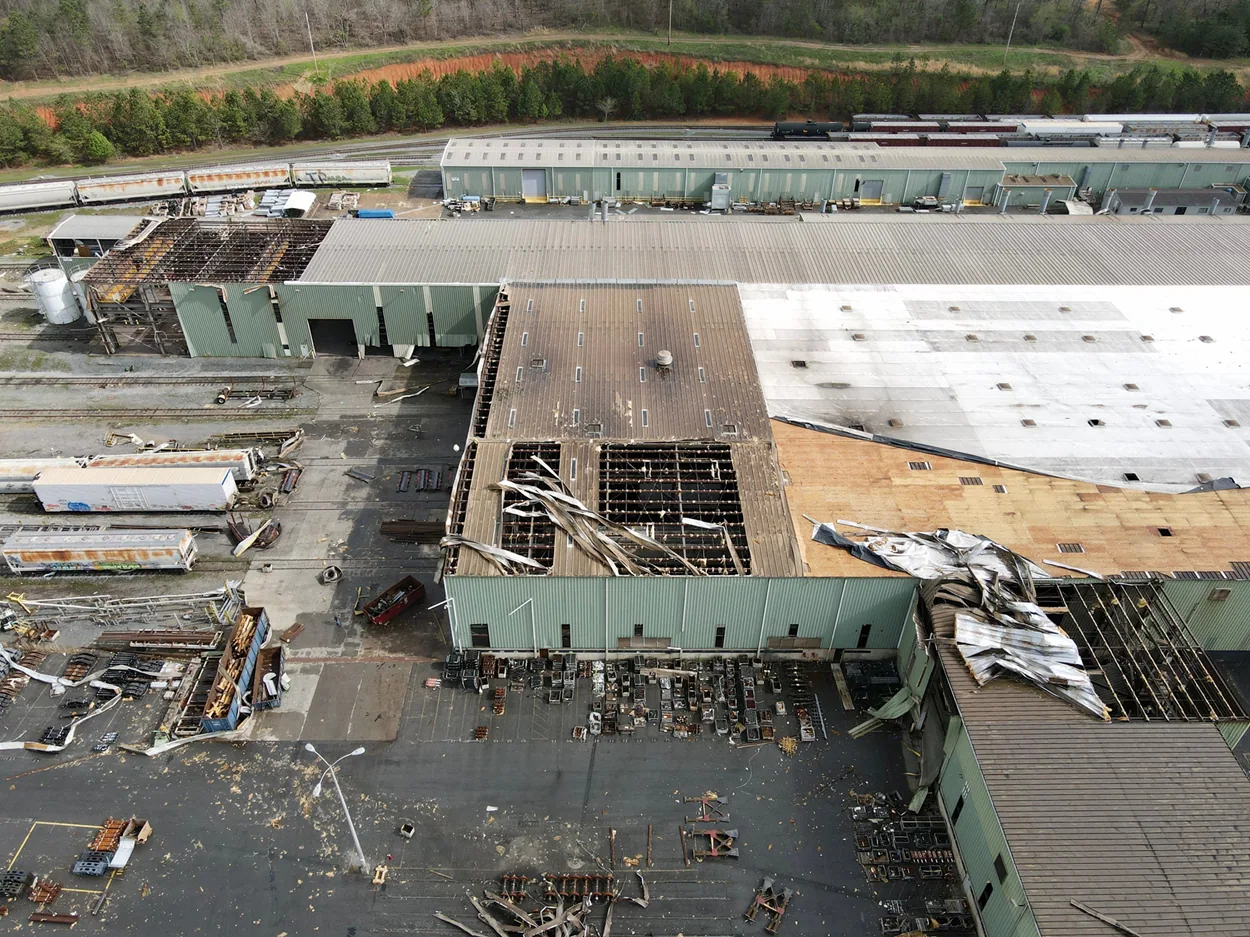
24/7 Emergency Commercial Roof Repair in Victoria, TX
Commercial Roofing Services · Victoria, TX
Get 24/7 emergency commercial roof repair in Victoria, TX with active-leak protection, controlled roof access, temporary dry-in, and a permanent scope.
Next step
Request a Roof Assessment
Call
555-555-5555
A leak over active equipment calls for a safe route, interior protection, and a roof opening that can be secured before the crew leaves. Calls reach our commercial roofing response any hour, including weekends and holidays. We coordinate the affected room, roof access, and a dry-in point with the building contact, then separate temporary stabilization from permanent repair. Victoria's regional exposure includes hail, damaging wind, and tropical rain; near the Port O'Connor coastal community or the Victoria Regional Airport business area, weather and site operations may affect the route. We confirm current conditions at the property before setting the first work boundary.
24/7 Emergency Commercial Roof Repair
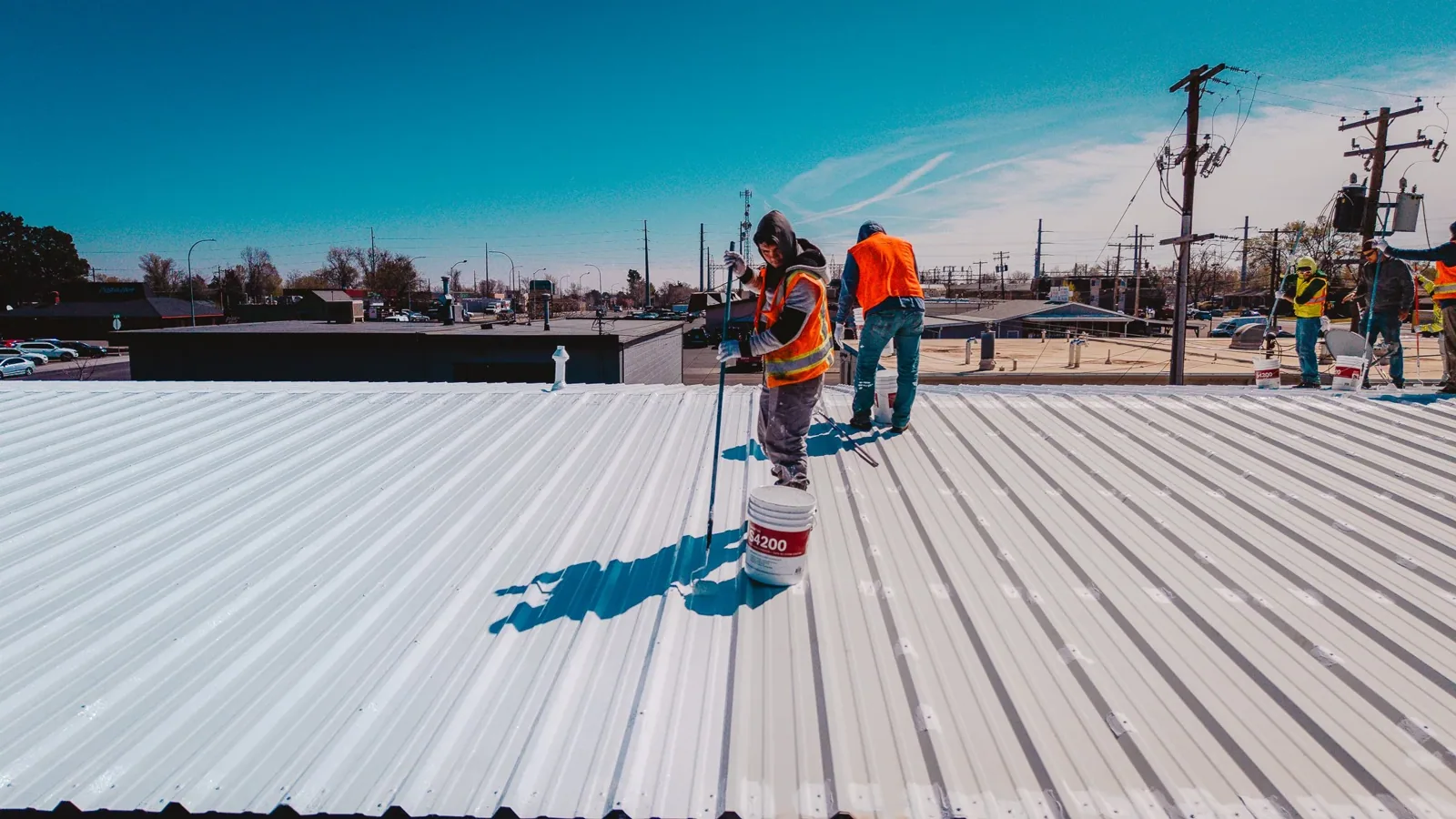
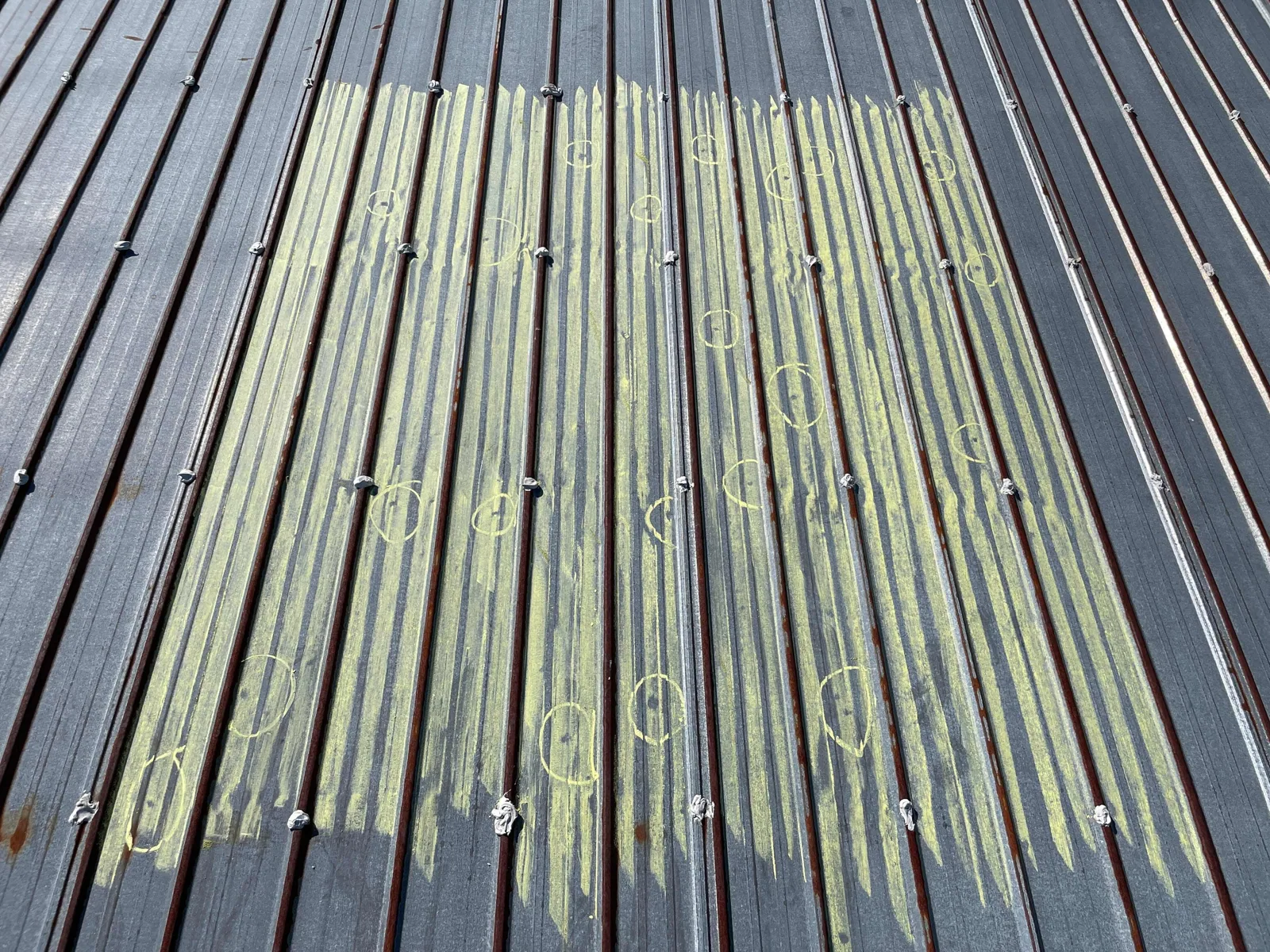
Tell us the address, affected room or equipment, whether water is still entering, when it began, and who can release roof access. If safe, move people and contents away from the drip path; keep water clear of electrical gear and do not climb onto the roof. Ceiling photographs help identify the reported location but not the roof opening. We confirm whether an escort, key, or after-hours contact is needed.
Victoria has industrial, healthcare, education, government, retail, and logistics buildings with different operating controls. The contact identifies restricted spaces, emergency routes, air intakes, loading, and interior safeguards. Near the airport, freight activity may need coordination; at the port, truck, rail, or barge-related site rules may affect entry. We confirm the property's route, safe staging location, and authorized contact. If several rooms are affected, list them separately with the time each one became wet and any equipment that cannot be shut down. That sequence helps the crew distinguish a continuing leak from water already held in the roof assembly.
Give dispatch the details that protect the space
A temporary cover, secured patch, or interior protection can limit exposure while we identify a lasting method. We choose the action from roof condition, weather, access, and material compatibility. The record names the location and limits of temporary work; it is not a completed repair. Drains and overflows stay clear, and the stop point protects the opening if weather interrupts.
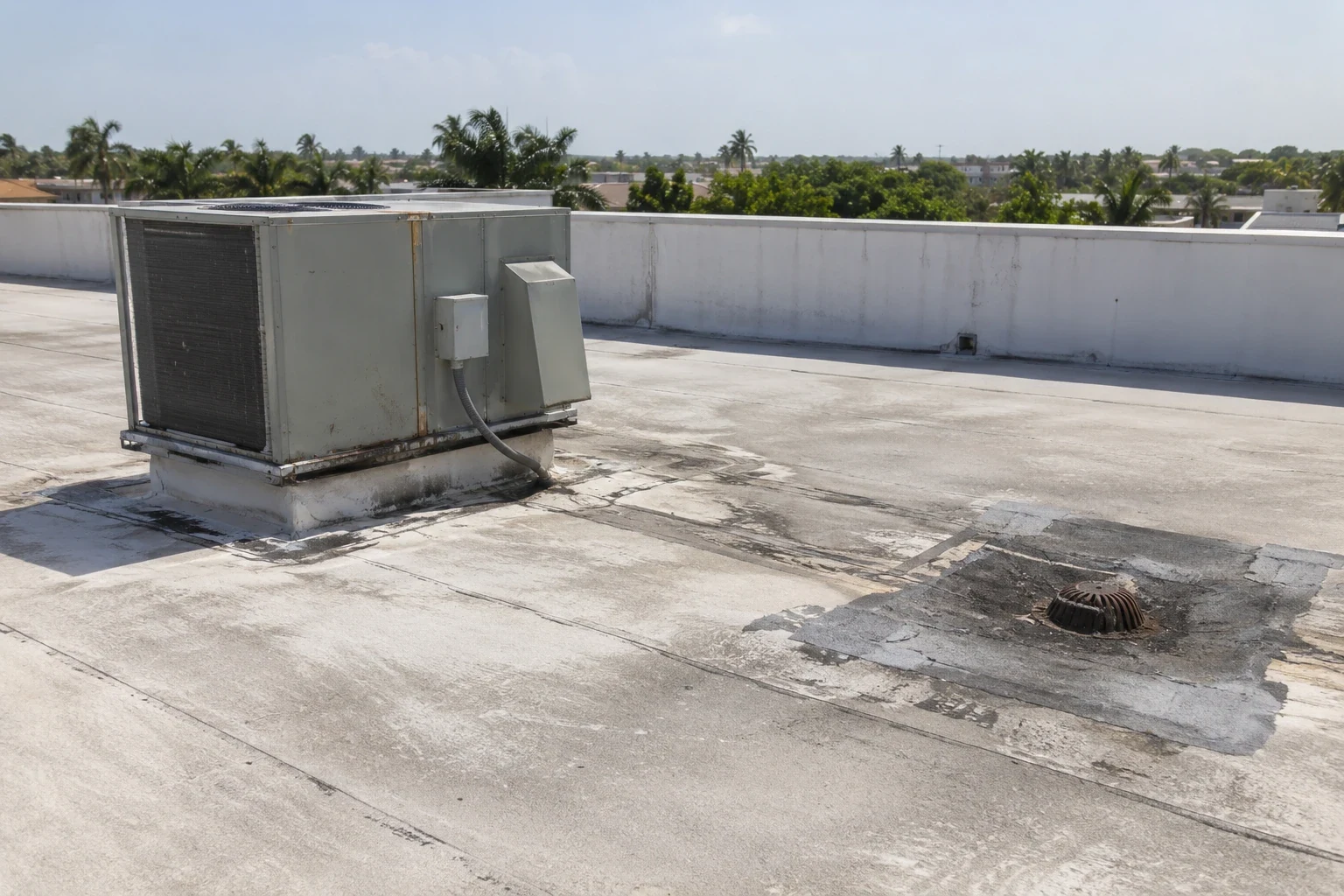
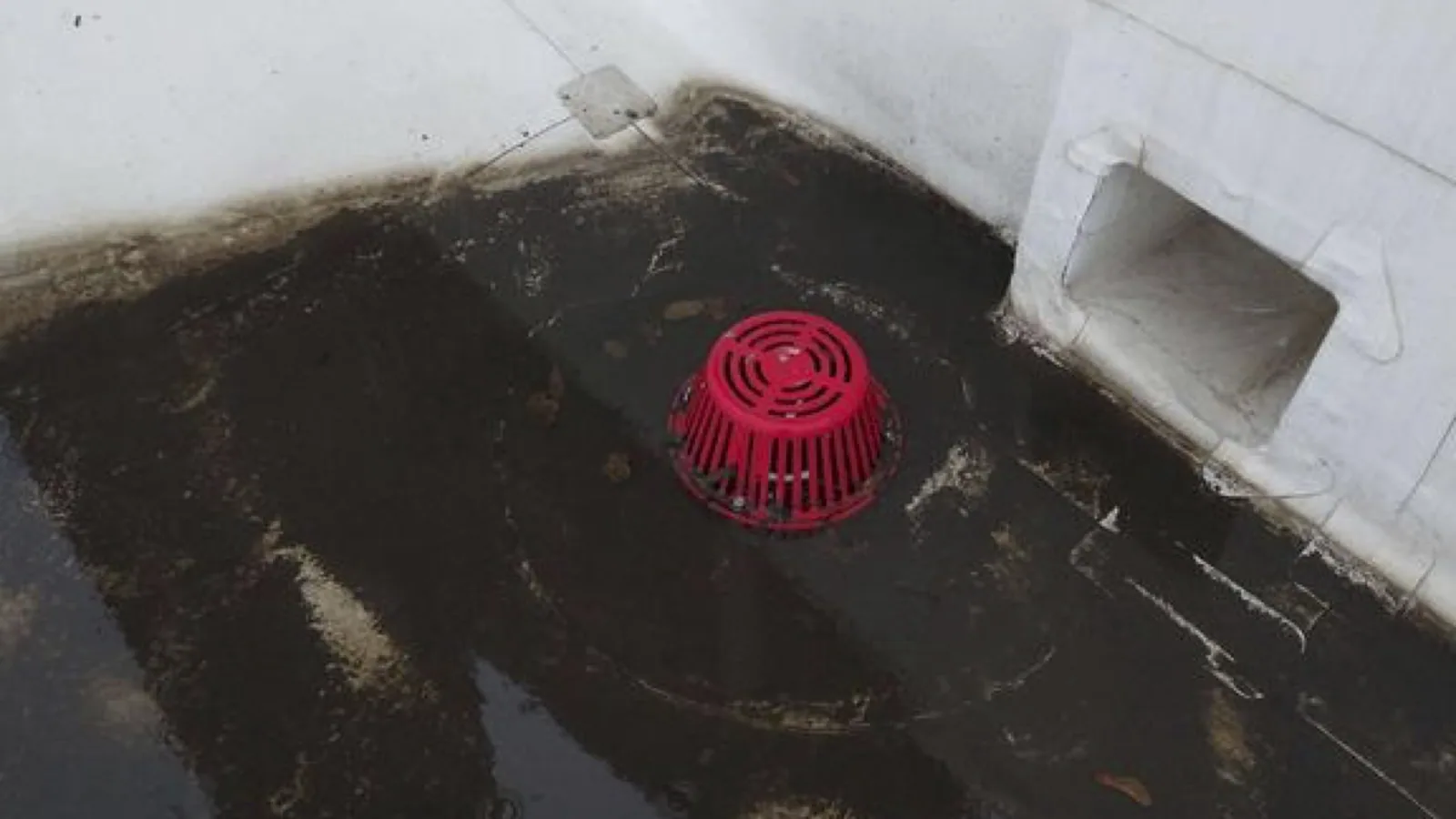
A displaced metal panel may need restraint and an attachment check. A membrane puncture or open lap may accept a compatible temporary cover if the surface can be prepared. A puncture repair defines the permanent boundary after moisture is tested. If a drain, curb, or flashing corner may be involved, we preserve that evidence for inspection.
Victoria's heat, rain, and high winds affect safe preparation and bond conditions. Regional weather records include hail, wind, and tropical-cyclone events, so we check conditions before staging. Permanent work may need a dry substrate, design review, or another access window; the contact receives the limit and return condition. When the temporary measure uses a separate material, we note where it ends and what permanent product must tie into it. A return visit checks whether the roof stayed secure and whether the underlying membrane dried enough for preparation, rather than extending a temporary cover beyond its useful boundary.
Limit water entry without obscuring the cause
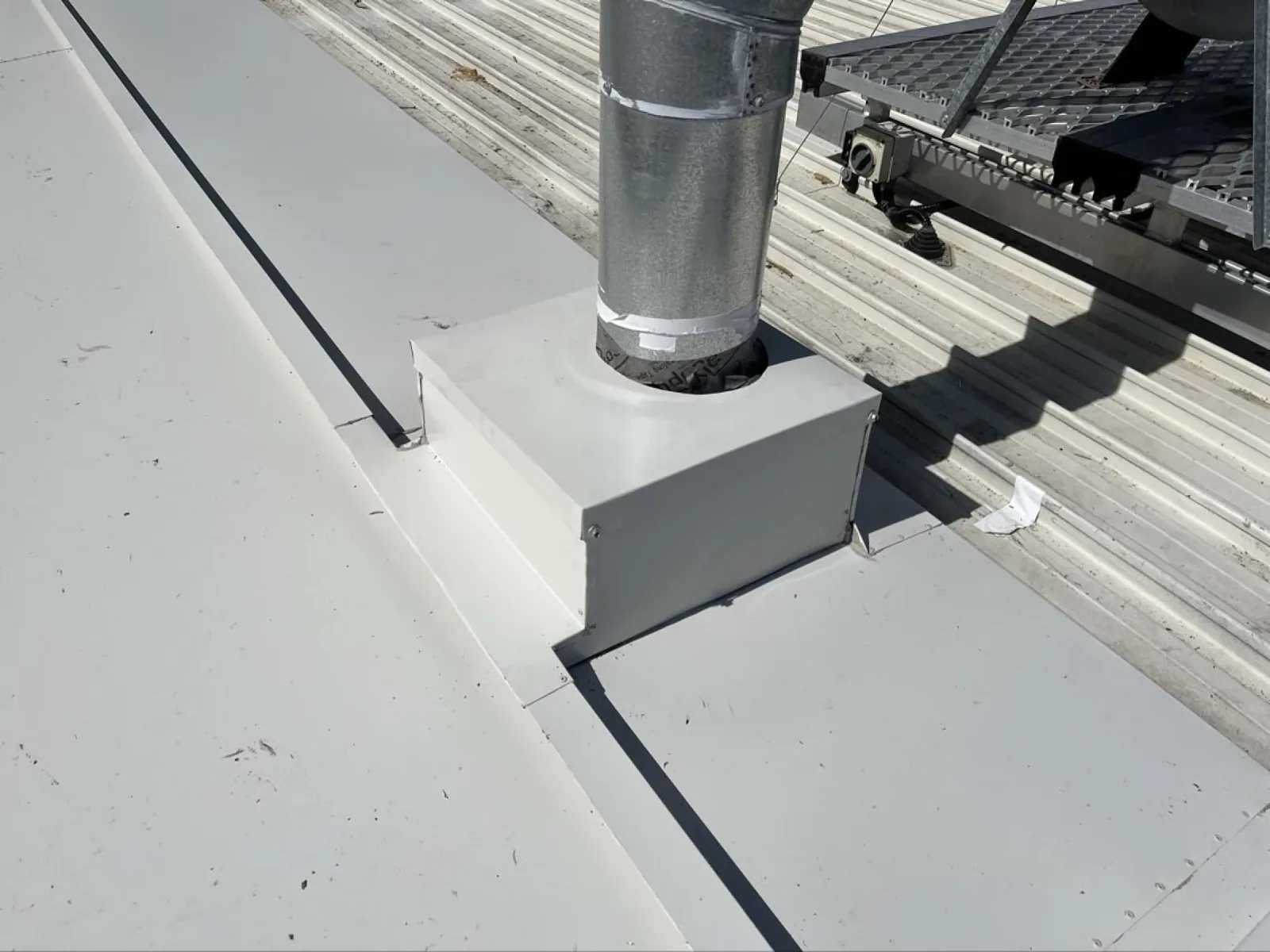
Emergency work requires facility approval and a safe route. The contact confirms hatch access, escorts, equipment shutdowns, occupied rooms, loading rules, and whether another trade controls the affected unit. We mark where tools and debris can move and who can approve a change if water extends beyond the first boundary. An opening into the assembly requires authorization and a closure plan.
Industrial freight areas and healthcare spaces need different coordination. The Port of Victoria Industrial Park South uses dock, barge, rail, and highway connections, so delivery and site entry may need planning. A hospital may prioritize emergency routes, patient spaces, or air intakes. We record the controls for the specific structure. A phased work plan carries them into permanent repair.
If the property is unoccupied, we confirm who can authorize entry and where the crew can wait. The response log names unavailable access and any roof areas left uninspected, supporting a defined return visit. At closeout, the contact should receive the safe route for the next shift, any gate or escort requirement, and the person who can release access again. When conditions change overnight, those details prevent a return crew from relying on an outdated staging or entry plan.
Coordinate access before opening the assembly
After water is controlled, we compare the interior report with roof slope, membrane, flashing, equipment, and drainage. A scan or approved opening can help when concealed moisture changes removal quantities. We measure the tested area, identify the material, and prepare a compatible repair. The leak repair scope separates permanent work from temporary protection and names any deck or trade item awaiting approval.
A water event can reveal more than one issue. The opening may sit at a seam while water collects at a low drain area; we repair the verified connection and record drainage separately. The drain and scupper review can measure that path. Repeated failures or broad moisture may support a larger plan by roof section, separate from the emergency visit.
We state the access dependency, weather condition, and material timing. If the permanent detail cannot be completed on the first visit, the contact knows what protects the opening and what still needs approval.
When damage extends beyond the immediate opening, we identify each affected roof section and separate repair quantities from optional improvements. The building contact can then approve a safe sequence, coordinate tenant or equipment access, and decide whether a later capital review is warranted. This keeps urgent protection moving while larger decisions receive the documentation they need.
Convert the response into permanent work
The emergency handoff includes call time, reported room, roof section inspected, visible opening, temporary measure, photos, test limits, and return trigger. We note who accepted the temporary condition and what still needs approval. Inaccessible areas stay uninspected. A roof condition record can preserve the event beside repairs and maintenance.
Victoria's local storm references include hail reports in the city and nearby Nursery, plus Hurricane Harvey's regional wind and rain north of Victoria after landfall. A storm report does not determine cause at a current building. We document evidence found on the call and compare the section with drainage, seams, and equipment changes at the next visit.
The handoff gives the next shift the location, access contact, and temporary-protection status. If water returns before permanent work, staff can report whether it reached the same room or another area, helping route the inspection and define the next action.
Record what happened before the next storm
Related Roofing Work
Frequently Asked Questions
Is emergency commercial roofing available after hours?
Yes. You can report an active commercial roof leak at any hour, including weekends and holidays. We coordinate access with the authorized building contact and document any temporary protection.
Can the crew make the permanent repair during the first visit?
Sometimes, when the source is clear, the roof is safe, and the surface accepts the selected materials. We use temporary protection when testing, weather, or access prevents a lasting repair.
What should staff do while waiting for the crew?
Keep people away from the affected area and move contents only when safe. Do not climb onto the roof or touch wet electrical equipment. Send the room location, leak timing, and access contact.
How do you handle a leak during a tropical storm?
We check current safety and site access, coordinate interior protection, and secure an opening when conditions allow. Permanent work follows when wind, rain, and substrate conditions permit safe installation.
Does a temporary tarp mean the roof is repaired?
No. We mark a tarp or short-term cover as temporary, identify its limits, and document the inspection or repair still needed to restore the roof detail.
Call with the building address, affected room or equipment, whether water is still entering, and the access contact. We will coordinate a response, protect the area when safe, and document the permanent work still needed.
Call 555-555-5555 or email [email protected].