
Commercial Roofing for Victoria School Districts
Industries We Serve · Victoria, TX
Commercial roofing for Victoria school districts maps roof work by campus, protects occupied spaces, and coordinates repairs with the academic calendar.
Next step
Request a Roof Assessment
Call
555-555-5555
A district needs to know which school, building, and roof section connect to each leak report. Victoria school districts manage classrooms, gyms, kitchens, offices, and support buildings with different operating calendars and roof systems. We inspect the assigned property, label findings by section, and plan protection and access with facilities staff so a repair does not become a campus-wide assumption or an unclear work order.
School Districts
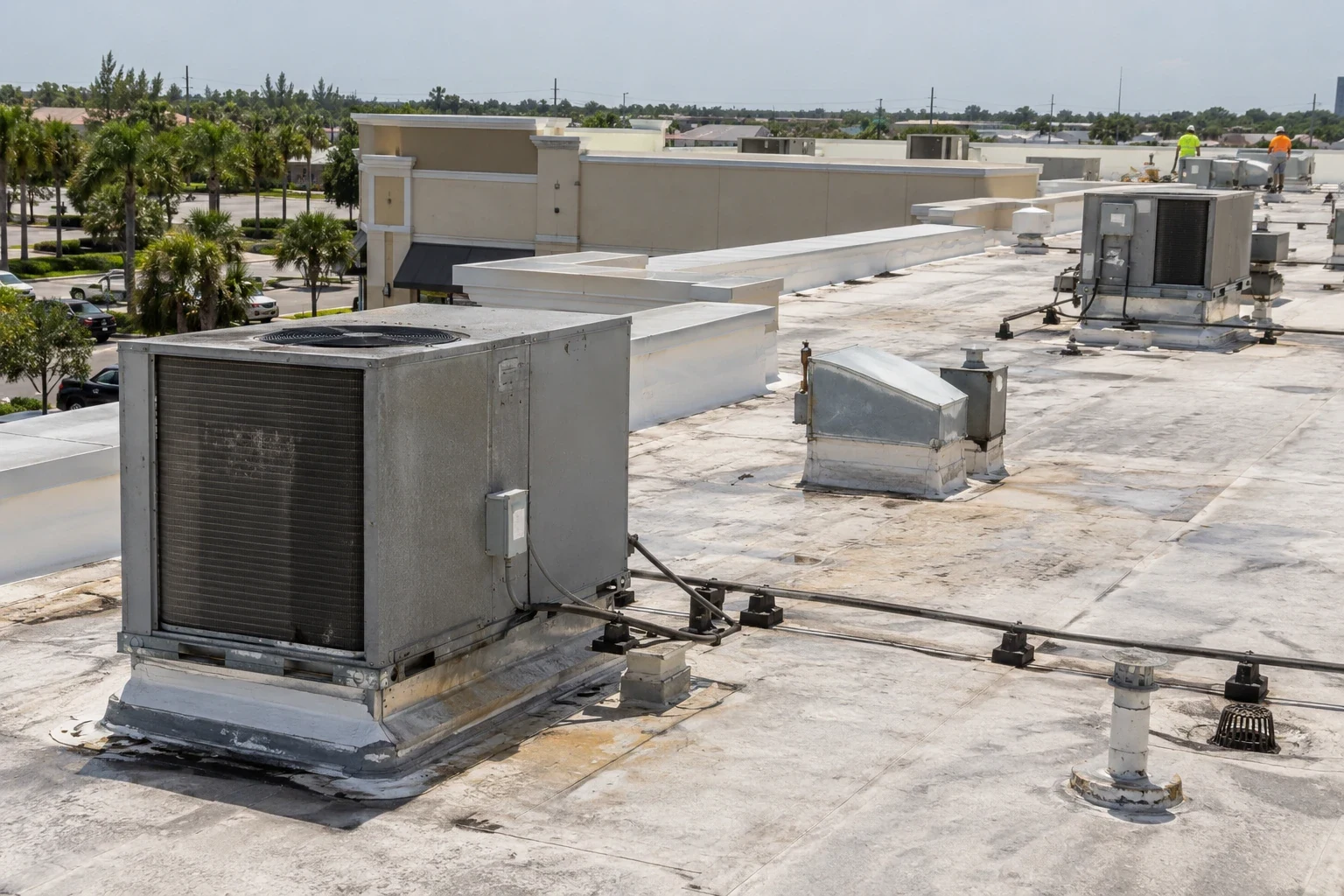
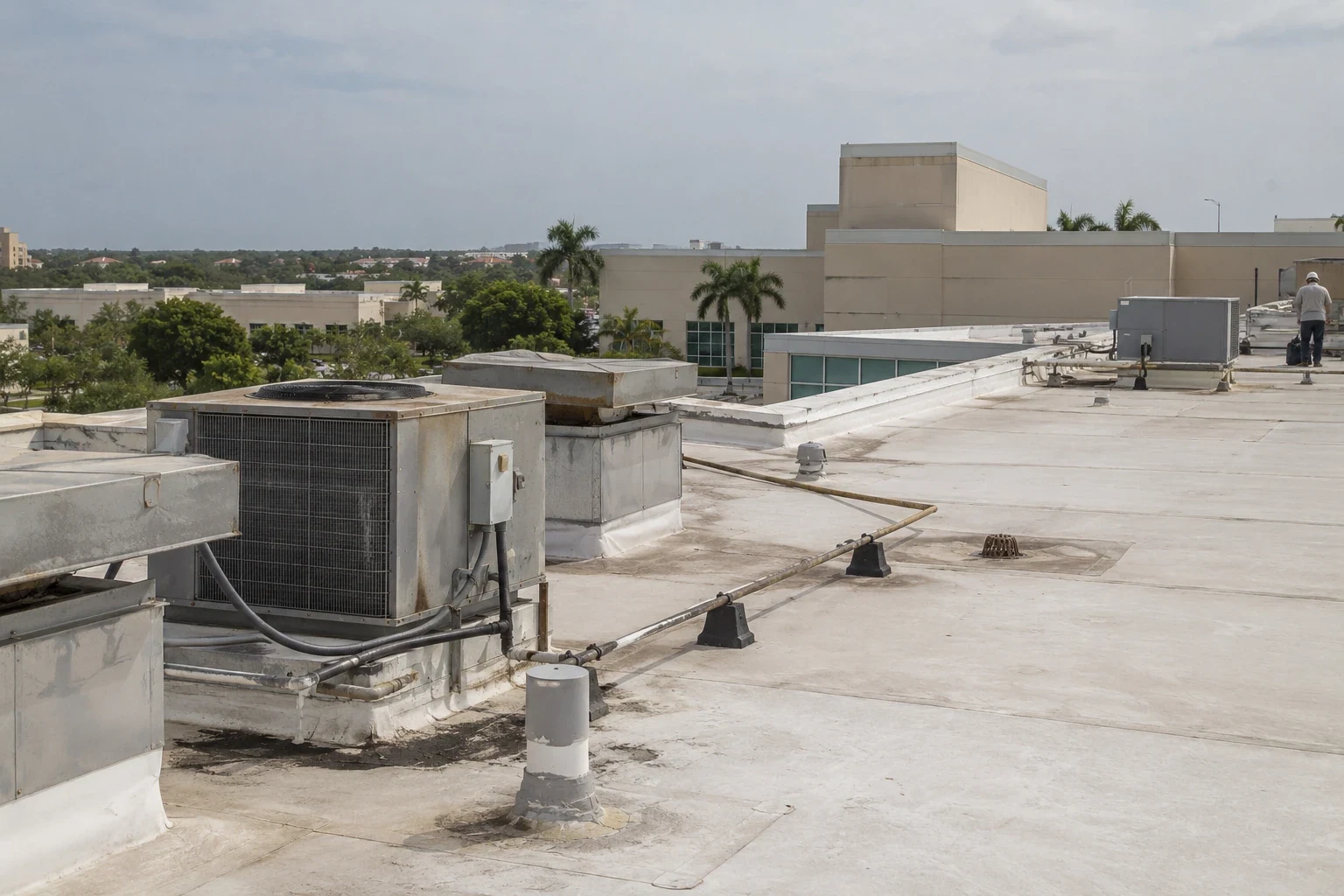
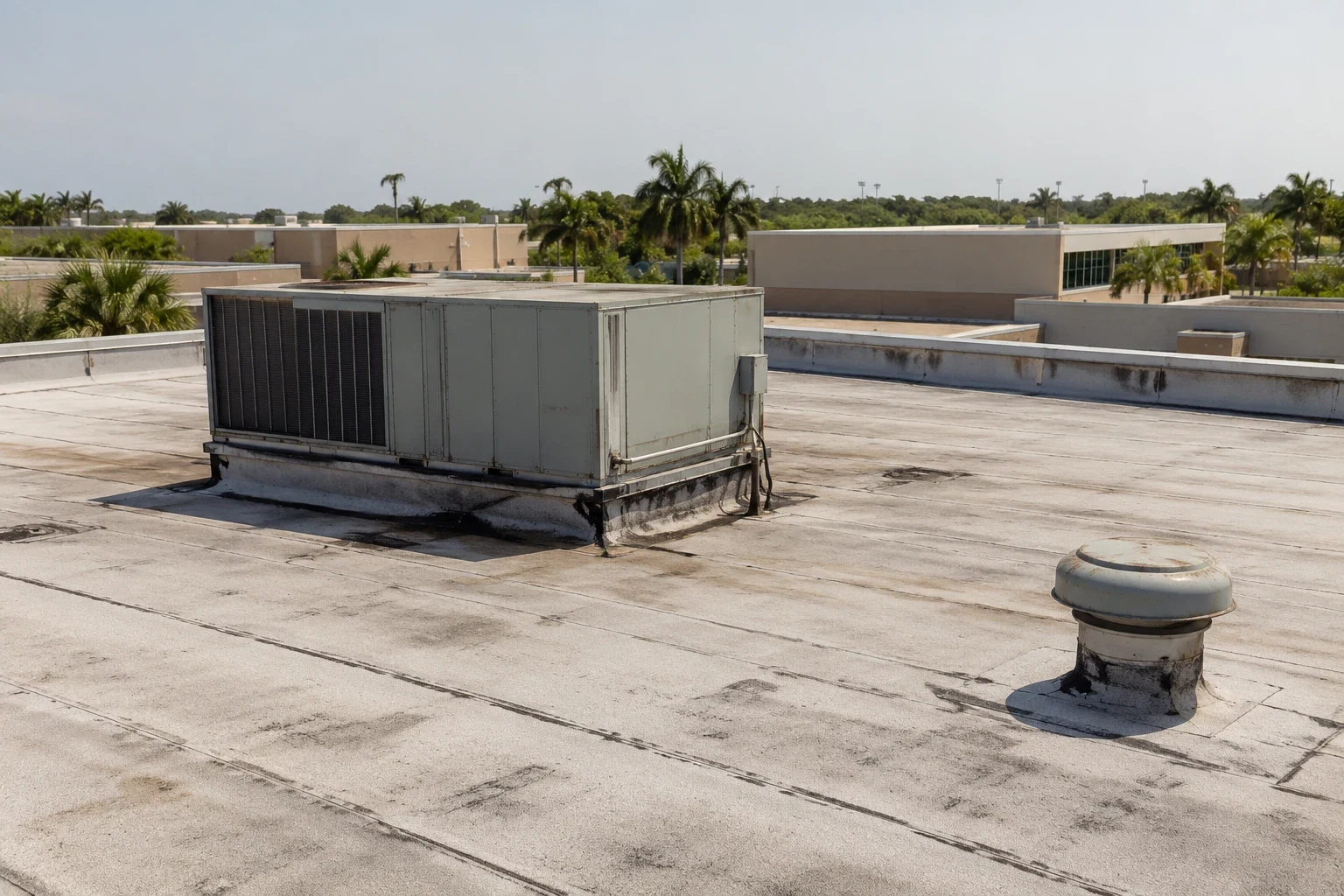
Begin with the campus, building, room, date, and event that preceded the leak. Map the report to roof plans and inspect seams, drains, curbs, skylights, and edge details above the affected space. Water can move through a deck or insulation before it appears on a ceiling. A commercial roof inspection can supply labeled photographs and a room-to-roof record the district can share with custodial and facilities teams.
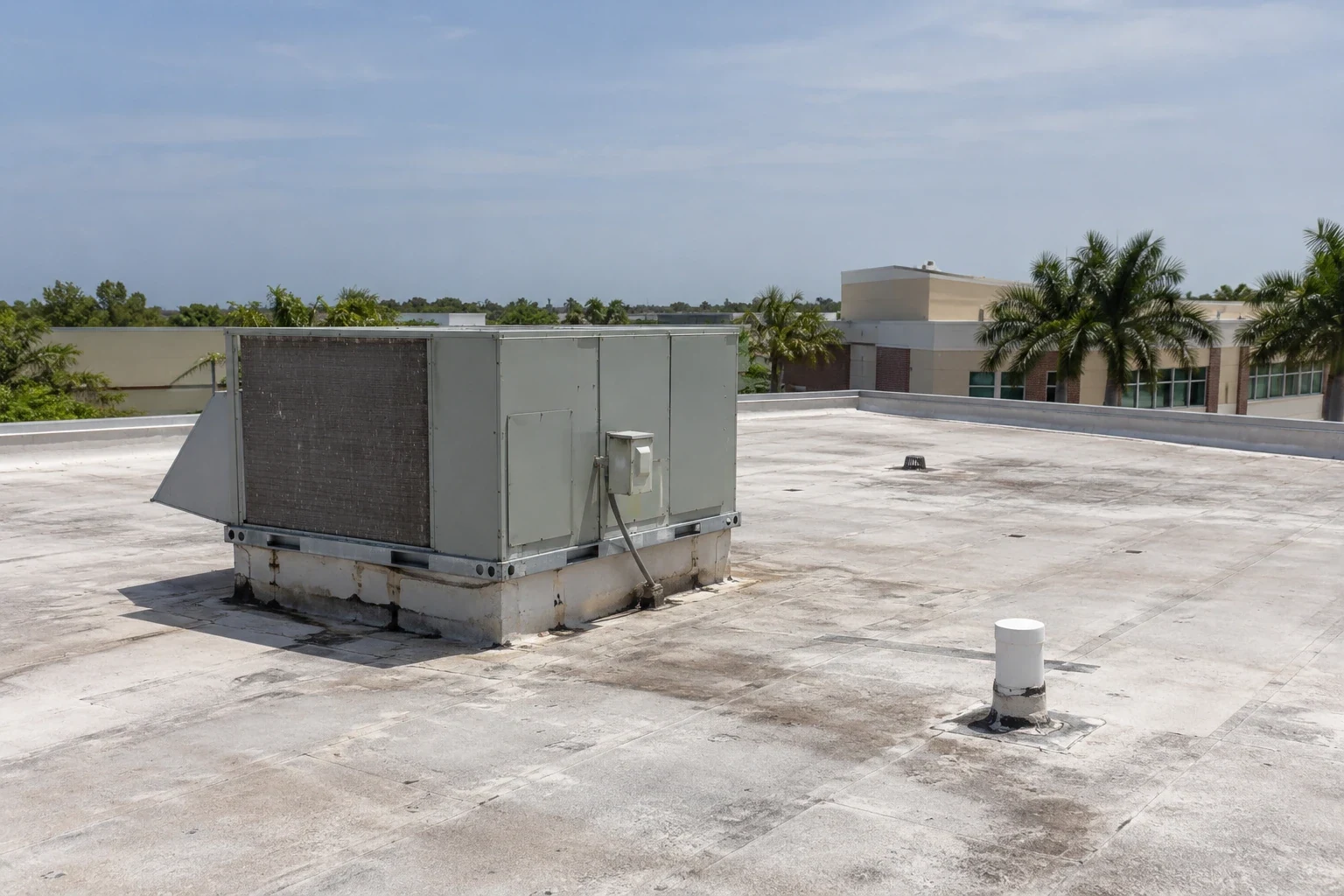
School sites may include separate classroom wings, gyms, cafeterias, libraries, bus or maintenance areas, and portables. We keep condition notes separate by building and connect them during a site walk. Record roof type, additions, rooftop units, drain locations, and any area that could not be accessed. If a new exhaust or equipment unit was installed, identify who restored the penetration and whether the roof drawing reflects the change.
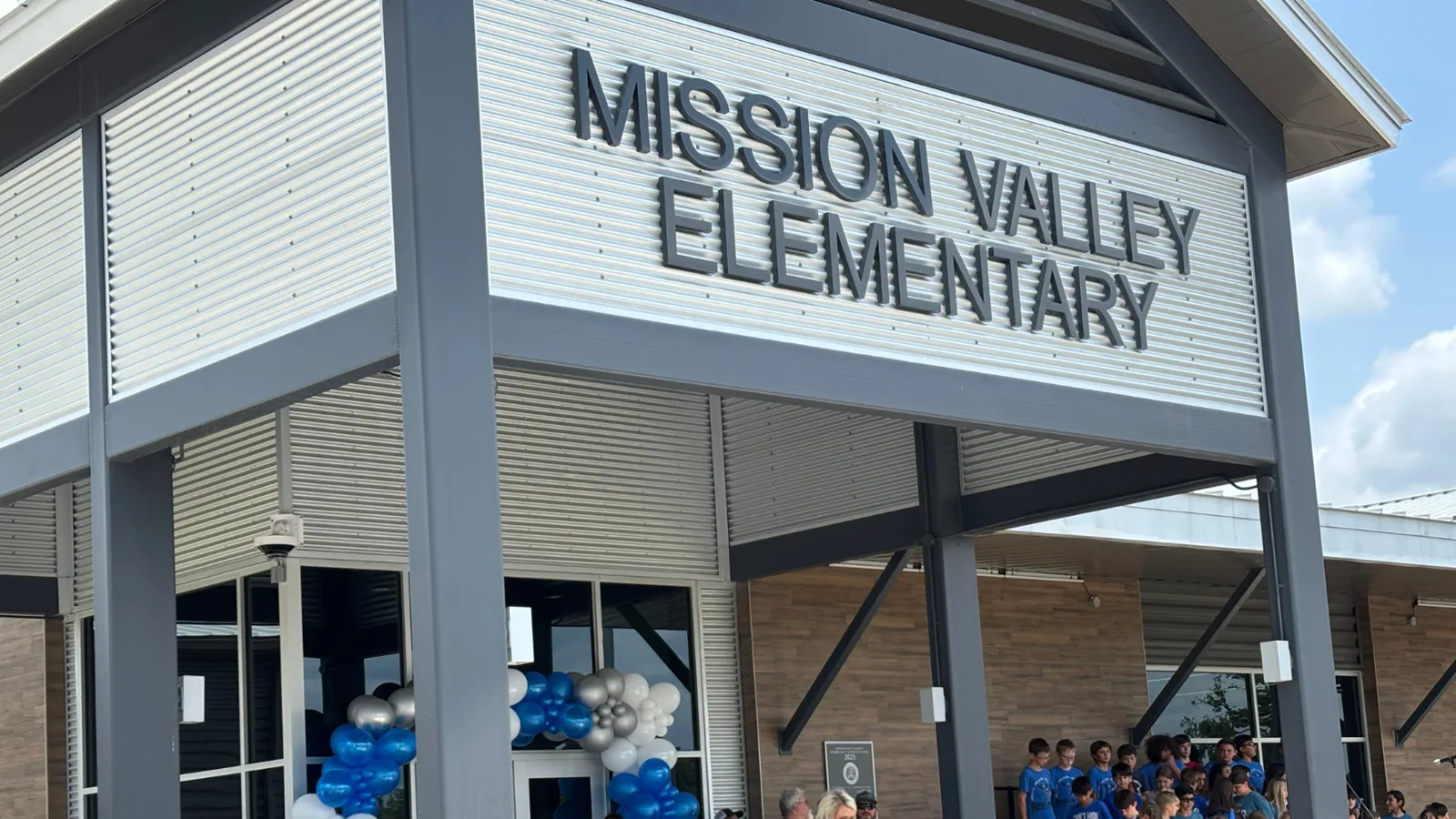
Victoria ISD is among the region’s major employers, while Victoria College’s Main Campus and Emerging Technology Complex provide academic and workforce training. These institutions show the area’s education network. Each district property still follows its own site plan, access rules, class schedule, and work authorization. The Mission Valley service area is one recognized surrounding community within the broader Victoria County market.
Keep each school building identifiable
We confirm testing days, athletic events, summer programs, meals, bus arrival, dismissal, and staff access before setting a roof schedule. A lift may conflict with parent pickup or block an accessible route. We identify the active roof section, the rooms below, where materials stage, and which entrances remain open. The school contact communicates access restrictions to staff and families according to district procedure.
For a larger project, phase work by building or wing and show a daily dry-in point. Summer and school breaks can still bring custodians, maintenance crews, and program staff onto campus, so we confirm active schedules before closing a route. If weather interrupts the work, we secure the roof and tell facilities which rooms or exterior routes remain restricted before leaving.
Summer sun can heat a campus roof well beyond the air temperature. Before welding or applying adhesive, we check the membrane and confirm the material remains within its working range. If not, shift the crew and notify facilities before the scheduled school activity. A storm forecast may also affect delivery or dry-in plans, so the district should have a direct contact for schedule changes and temporary protection status.
Set the repair window around school use
Before opening a roof, we identify occupied rooms, air intakes, playgrounds, bus lanes, fire routes, and areas where debris must be contained. We confirm with the district whether a classroom or gym needs to stay available and which door or hallway must remain clear. We agree on barriers, material handling, and any interior cover before removing wet insulation or membrane.
Rooftop equipment may serve a different part of the campus from the area directly below it. If an HVAC unit needs shutdown or movement, coordinate that step with the district’s mechanical contact. We coordinate roof and equipment responsibilities with the mechanical trade and restore the flashing after a unit is serviced. Any change to the expected sequence should be relayed to facilities before students or staff use the area again.
After hail or wind, we inspect metal edges, skylights, rooftop screens, and attachment points for movement or impact. A Victoria County weather alert has cited quarter-size hail and strong gusts. The report guides a post-storm walk; the roof’s observed condition determines the repair. We document storm findings separately from older patches and routine maintenance.
Protect classrooms and student circulation
A localized puncture, open seam, or failed curb may be repaired if adjacent material and insulation are stable. We remove damaged layers to a sound edge, prepare the substrate, and tie the patch into the installed assembly. A TPO roof requires a different seam repair from an EPDM membrane or standing-seam metal roof. Verify the system before ordering materials or setting a scope.
Repeated leak reports, broad moisture, failing attachment, or deteriorated deck may call for testing or a larger project. We state which conditions are confirmed, whether an opening or moisture survey is needed, and what that evidence could change. Coating is considered only if the existing surface is compatible and dry. It does not correct wet insulation, a loose curb, or a drainage problem.
Cost and timing depend on roof system, height, access, removal depth, classroom protection, staging, and the number of buildings. A school roof plan can handle one building’s detail, while a district portfolio adds campuses and approval coordination. A property management team may coordinate tenants; a public agency may have procurement and public-access steps. District requirements determine the sequence at each school.
Choose a repair by campus roof assembly
At closeout, identify the school, building, roof section, repaired detail, materials, and photographs. Note what drains and penetrations were checked, which interior protection was removed, and whether any area remains under temporary cover. If another trade must change a curb or support, state the interface and who will complete the follow-up.
Keep roof plans, equipment additions, leak tickets, past repairs, and inspection reports under each building record. A maintenance visit can revisit drains, flashing corners, and earlier repairs before the next storm period. District staff can compare new reports with dated photographs and assign an inspection without confusing one school with another.
When comparing estimates, match each proposed repair to the building, roof area, and material in the inspection report. Confirm whether tear-out, insulation replacement, edge metal, interior protection, and daily dry-in are included. An estimate limited to the visible ceiling area may omit the path water followed across the roof. Clear line items help a district prioritize urgent work, set a realistic summer schedule, and keep approved changes attached to the right school. Confirm the closeout contact for each campus before the first delivery and include that name in the final roof record.
Share campus maps, academic calendars, room reports, access rules, roof drawings, and the person who approves work. We will inspect the assigned building, coordinate protection and access, and deliver a repair scope tied to observed conditions. The repair plan keeps each school's scope and approval at the building level.
Make roof condition visible to district staff
Related Roofing Work
Frequently Asked Questions
Can several schools be inspected during one district visit?
Yes. We can coordinate a multi-campus route while recording findings, access limits, and repair needs separately by school and building.
What should facilities send before a roof walk?
Send the campus map, roof plans, room report, school calendar, prior work orders, and access contact. Identify routes that must remain open and any equipment shutdown authority.
How do you keep student areas protected?
The district identifies occupied rooms, pickup routes, playgrounds, and air intakes. We define the work area, containment, staging, and barriers before removing roof material.
Will a summer project avoid school activity?
Not automatically. Summer programs, custodial work, and staff access can continue. Facilities confirms the actual schedule and approves the roof work window for each building.
Share campus maps, room reports, calendars, roof plans, and access rules. We will inspect each building section, document the repair boundary, and return a sequence that facilities staff can coordinate across schools.
Call 555-555-5555 or email [email protected].