Commercial Roofing Services
Commercial roofing in Victoria, TX
Victoria commercial roofing includes inspections, leak response, repairs, maintenance, coatings, and replacement planning for occupied and industrial buildings.
Next step
Request a Roof Assessment
Call
555-555-5555
A roof report should lead to a decision the property manager can use. In Victoria, we inspect, repair, maintain, coat, recover, and replace commercial roof assemblies, with the scope tied to the building and the roof section. A plant near Lone Tree II Industrial Park may need equipment access and production coordination; a retail building in the North Navarro corridor may need customer routes kept open. Those are different schedules, even when the repair detail is similar.
Commercial Roofing Services in Victoria, TX
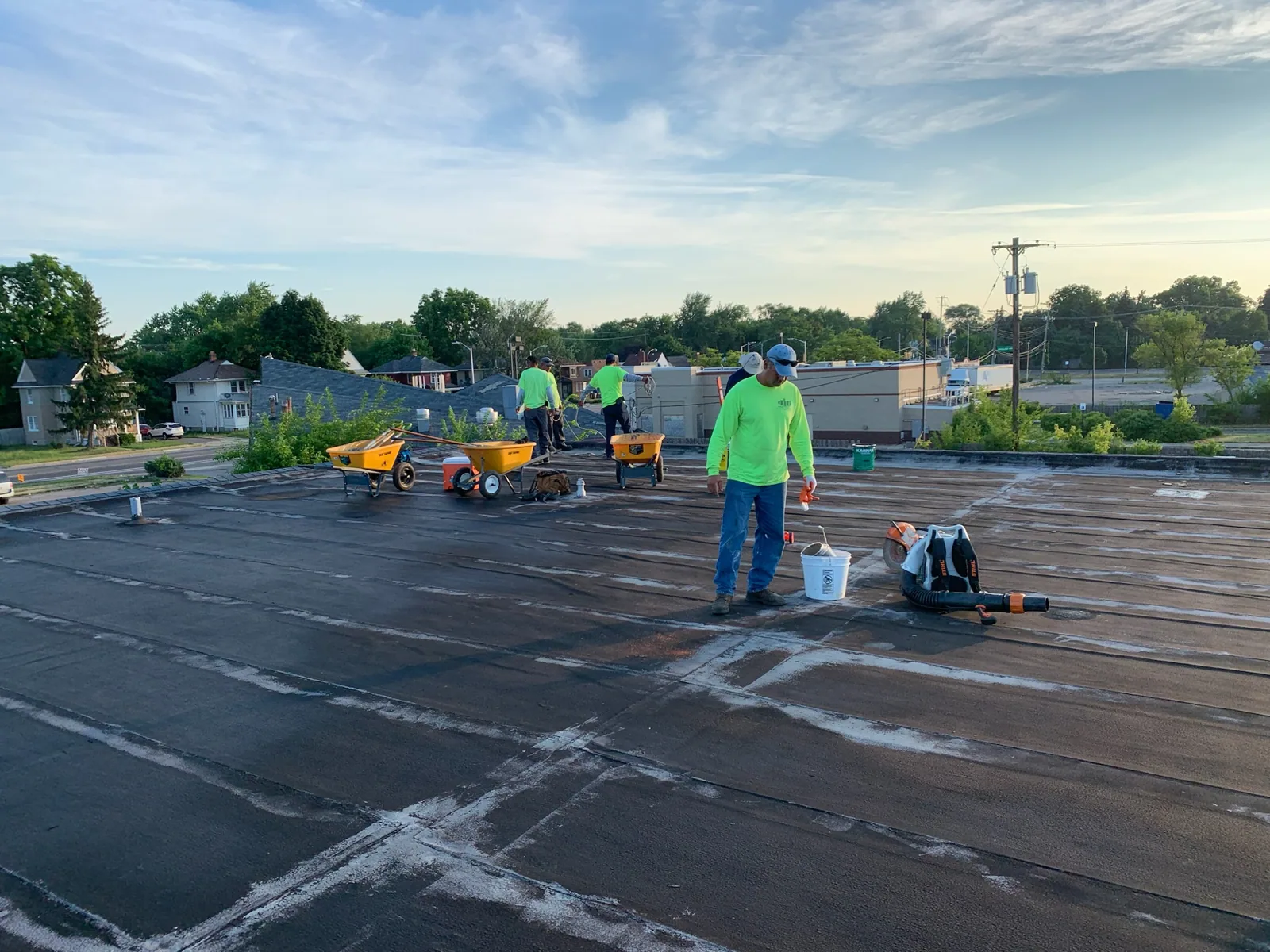
Plan commercial roof replacement in Victoria, TX with measured tear-off zones, substrate checks, drainage details, and an occupied-building sequence.
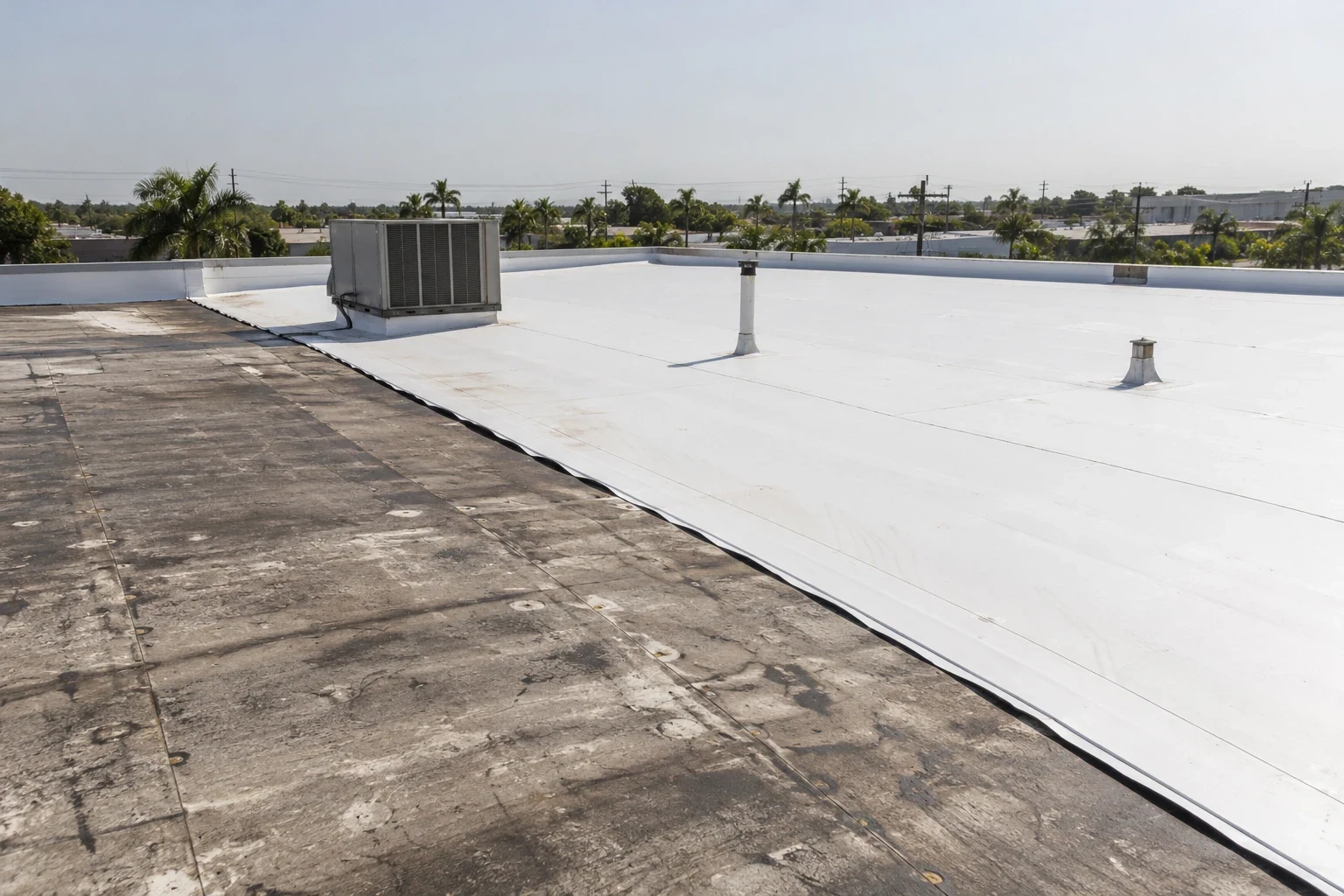
Evaluate a commercial roof recover in Victoria, TX with moisture testing, attachment review, drain-height checks, and clear limits for retained layers.
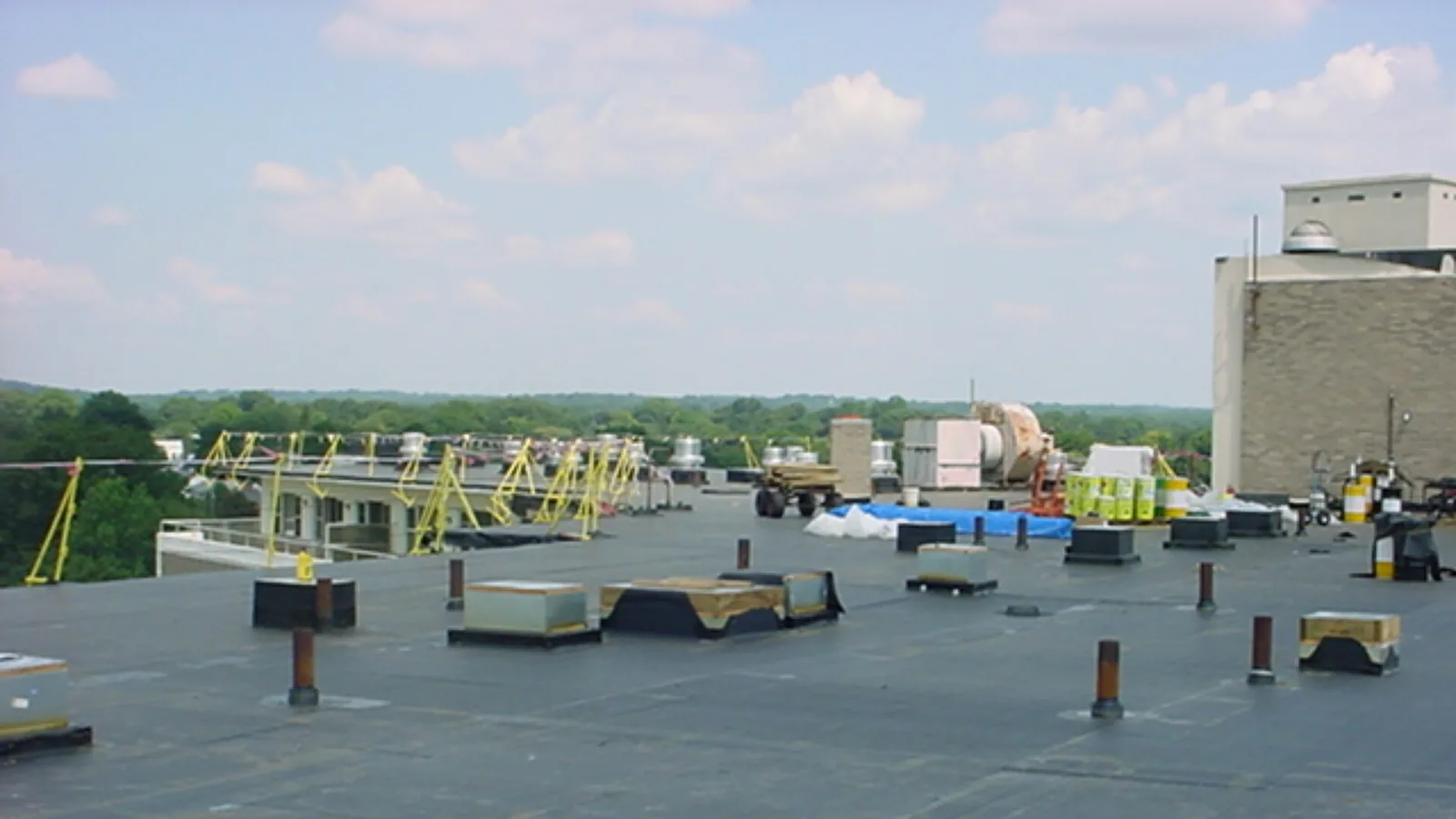
Repair commercial roof leaks and failed details in Victoria, TX with measured boundaries, compatible materials, and clear closeout records.
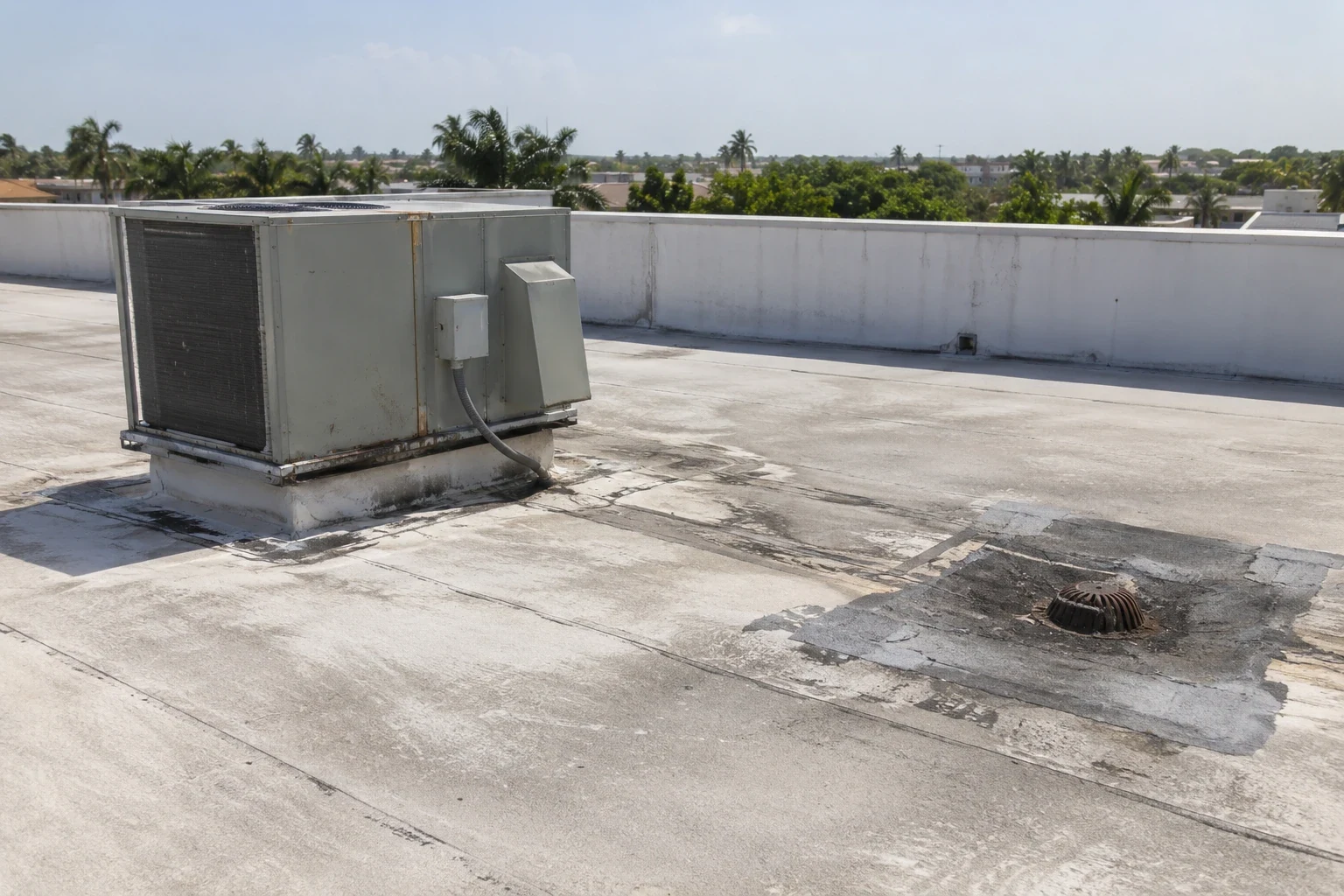
Trace and repair commercial roof leaks in Victoria, TX with roof-zone mapping, controlled testing, temporary protection, and measured repair limits.
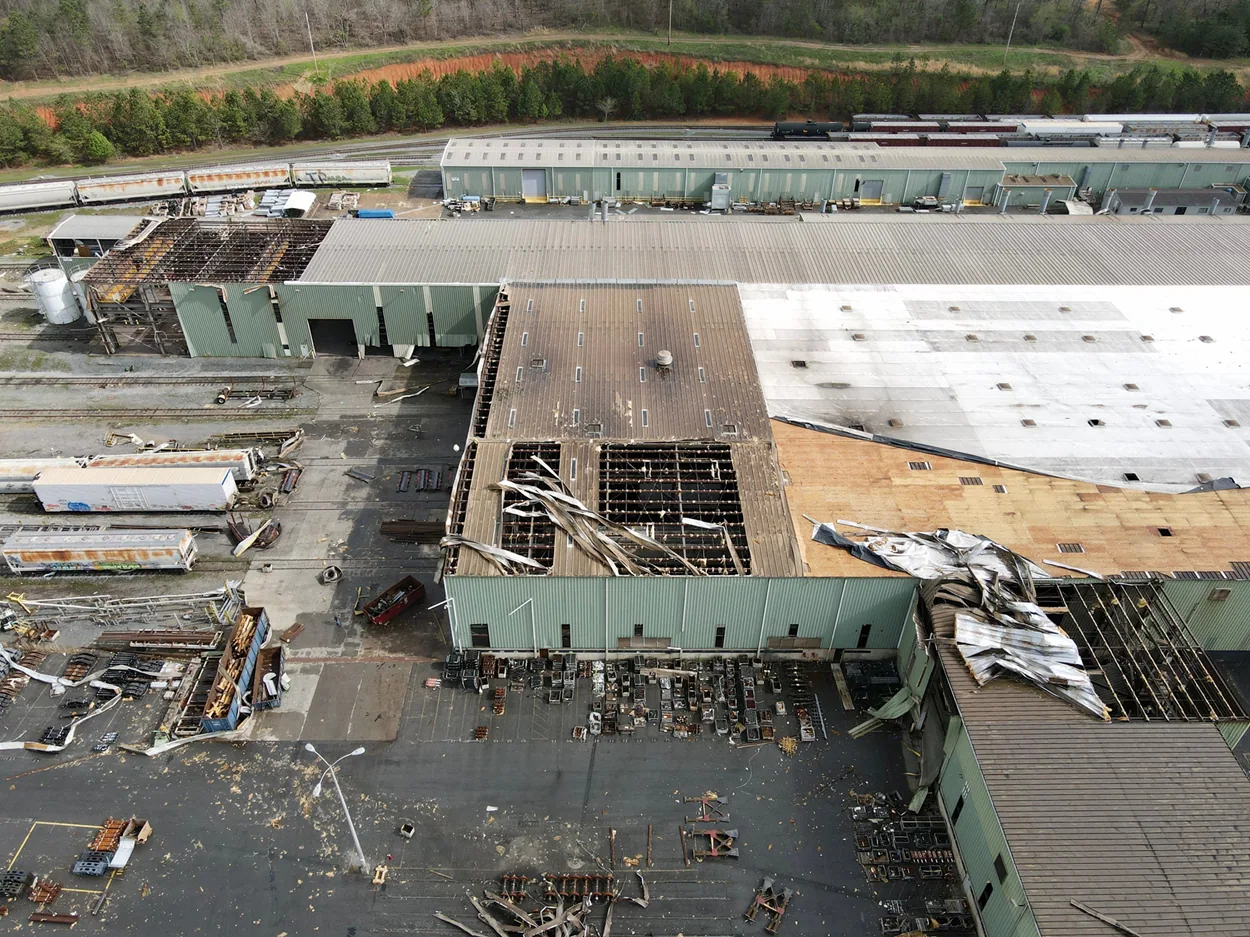
Get 24/7 emergency commercial roof repair in Victoria, TX with active-leak protection, controlled roof access, temporary dry-in, and a permanent scope.
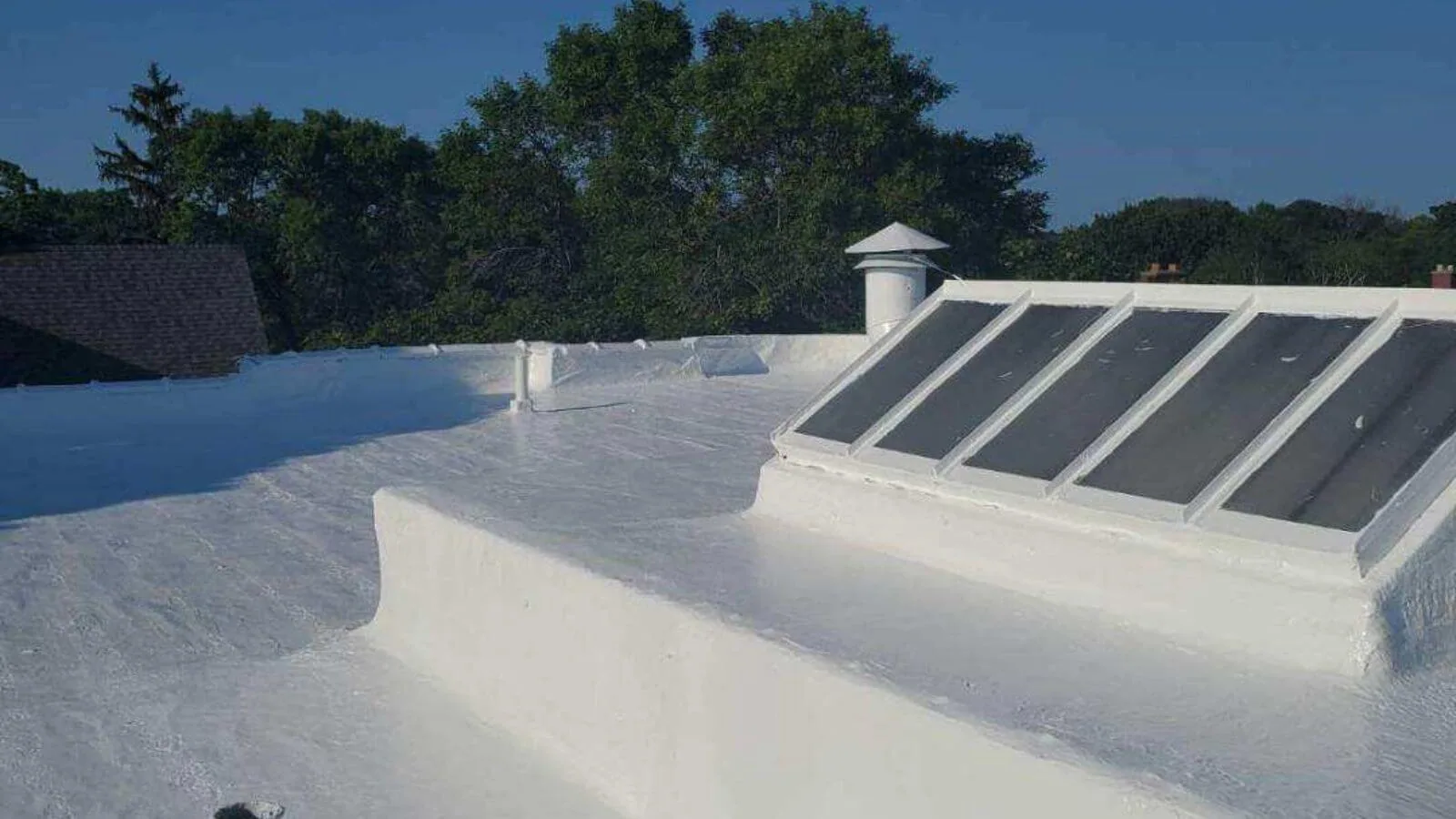
Get a documented commercial roof inspection in Victoria, TX with measured findings, photographs, moisture limits, and prioritized repair options.
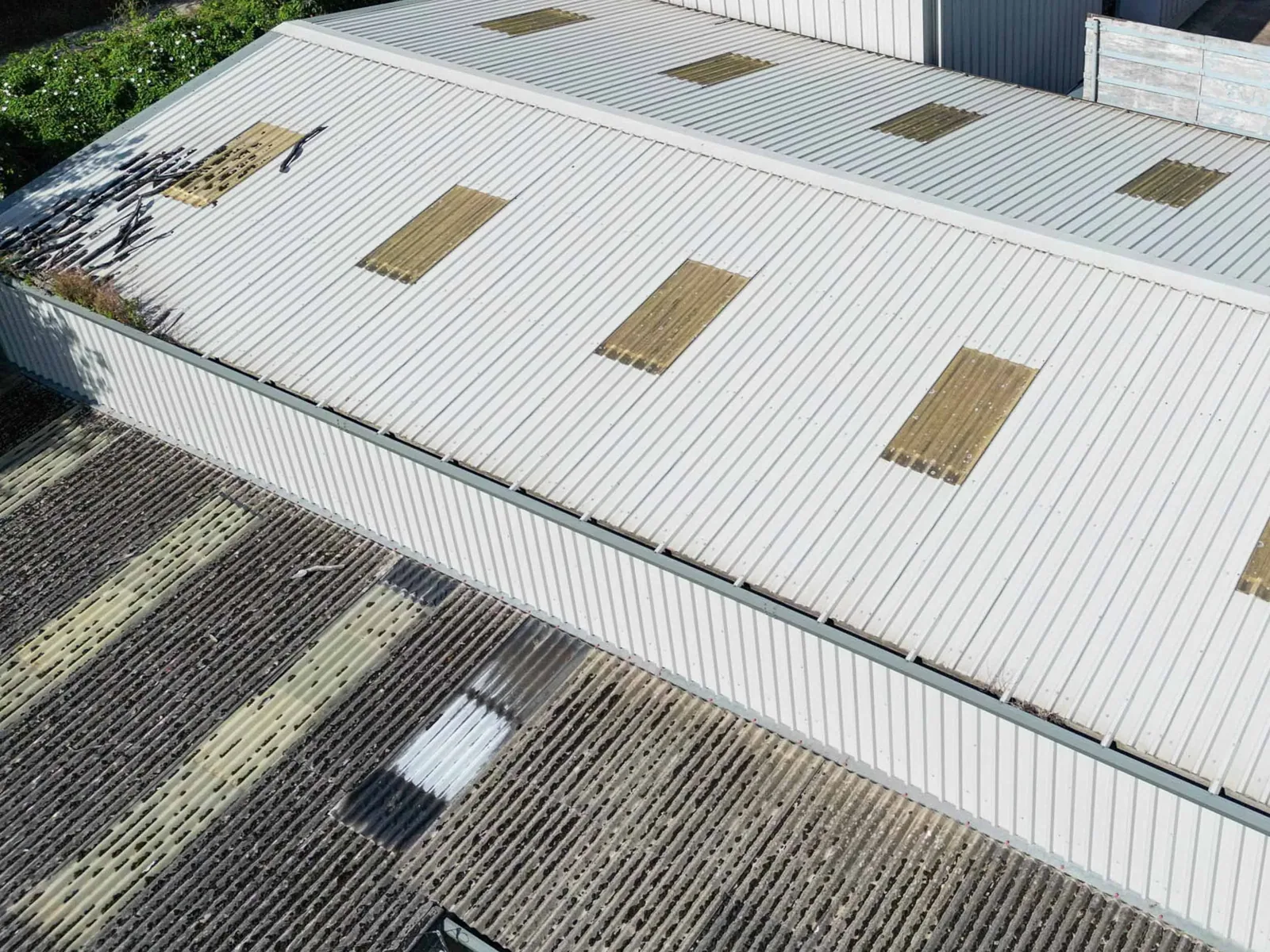
Document hard-to-view commercial roof areas in Victoria, TX with an aerial inspection, labeled imagery, and clear recommendations for close testing.
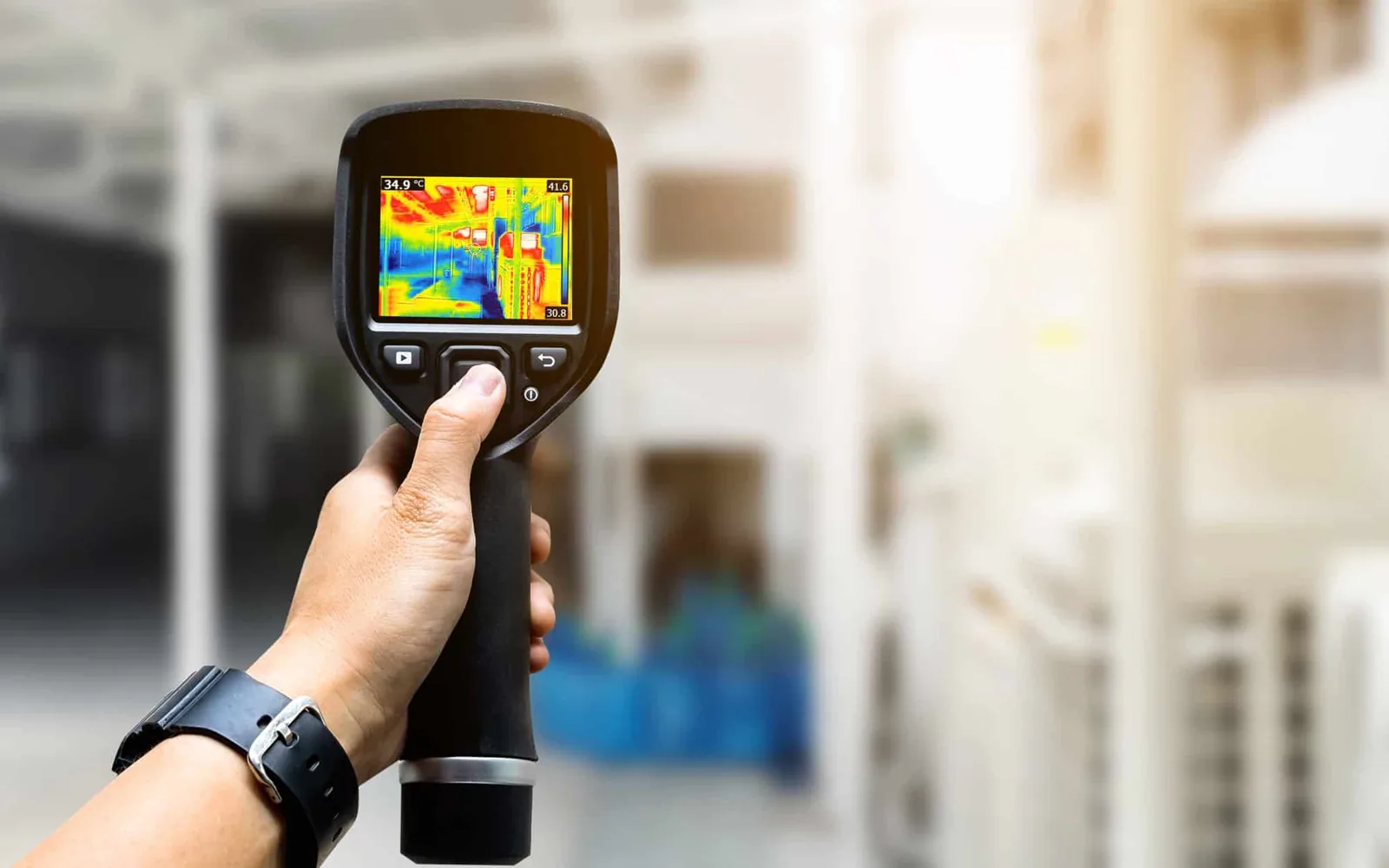
Map roof temperature patterns in Victoria, TX with a qualified infrared survey, documented test areas, and confirmation before repair quantities are set.
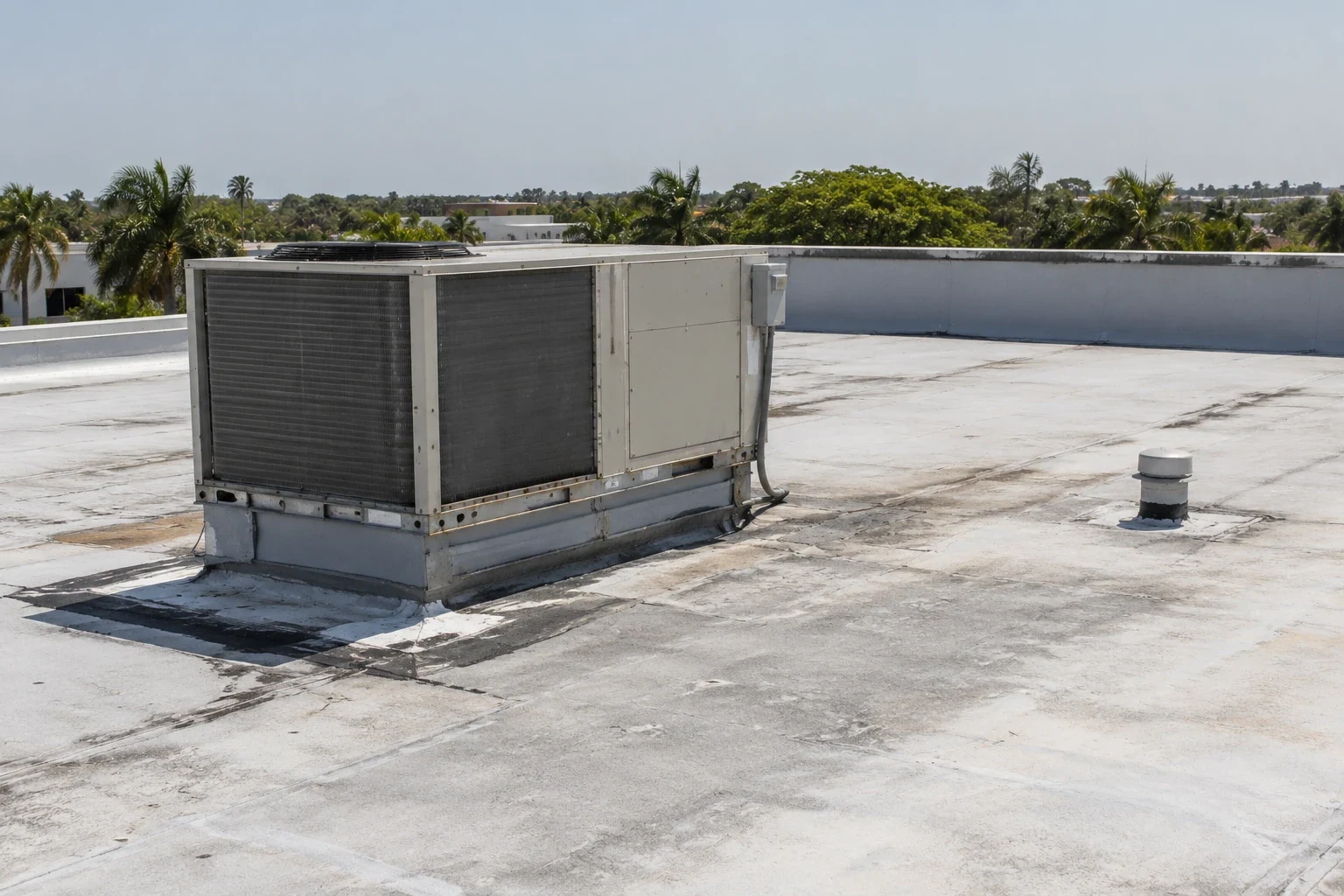
Preventive roof maintenance in Victoria checks drainage, seams, metal edges, and equipment details before heat, hail, or wind exposes a repair need.
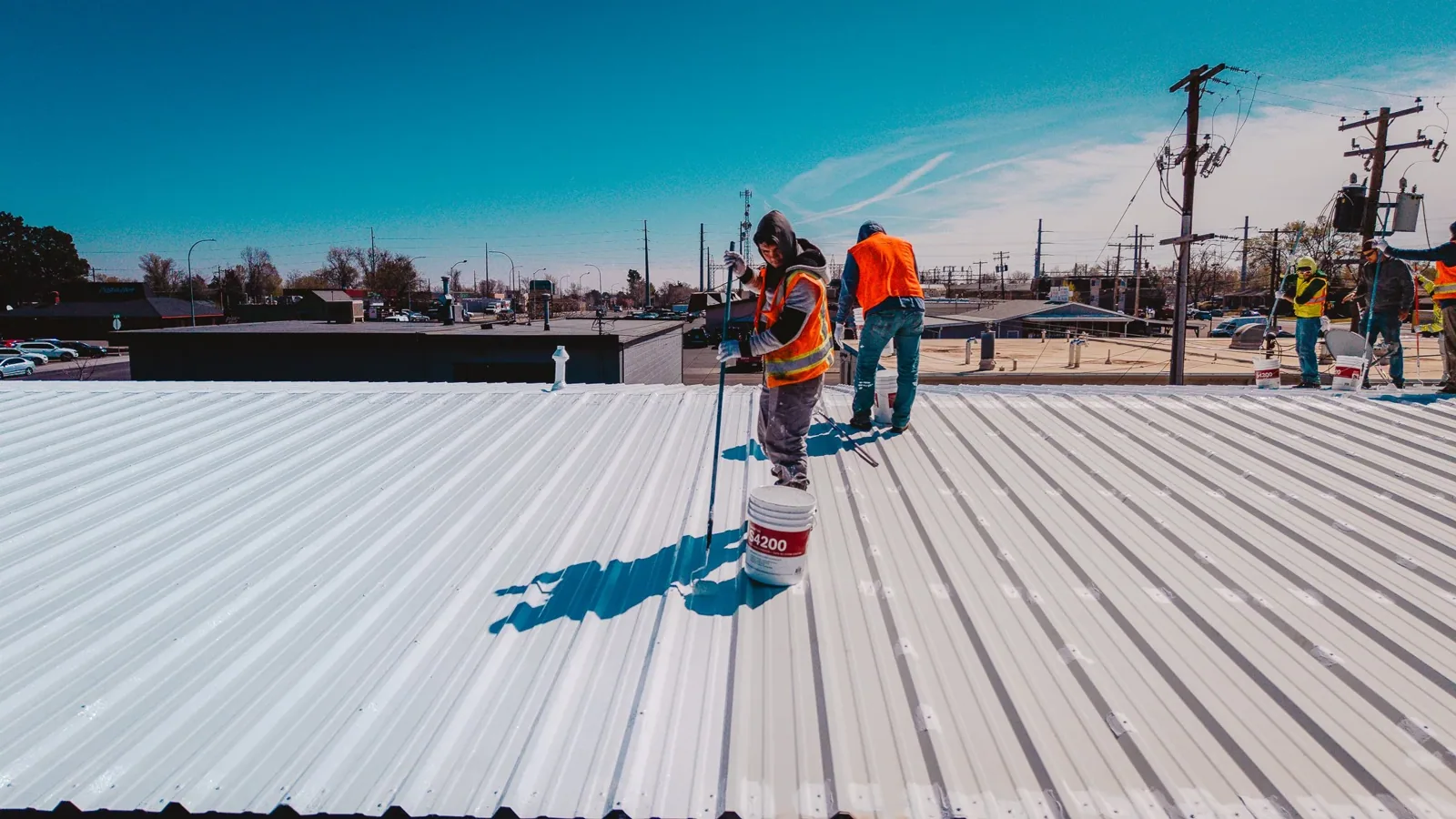
Commercial roof coating in Victoria begins with a sound, dry assembly, verified preparation, and field checks that define whether restoration fits.
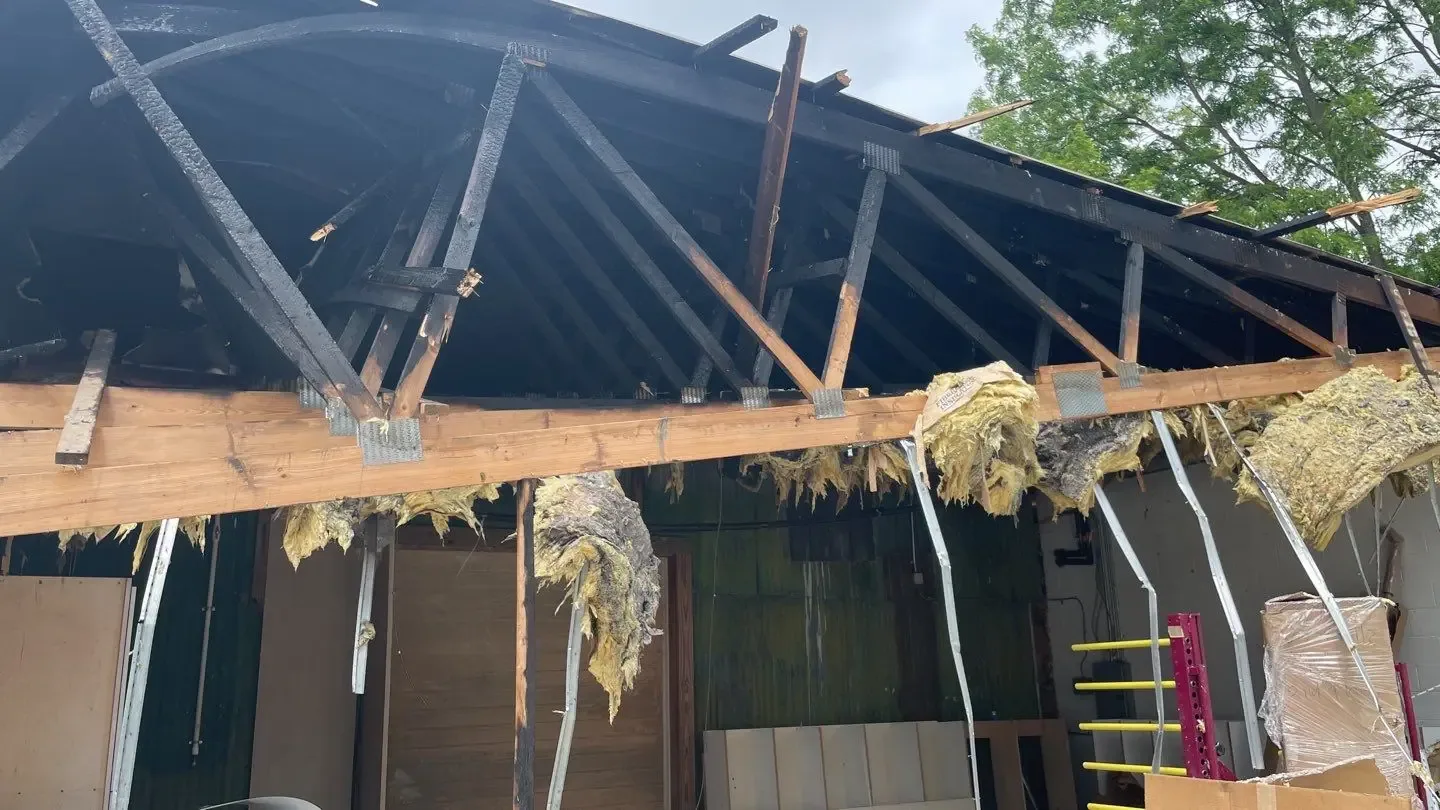
Storm damage roof repair in Victoria separates observed hail or wind effects from existing wear, then protects the building and documents the scope.
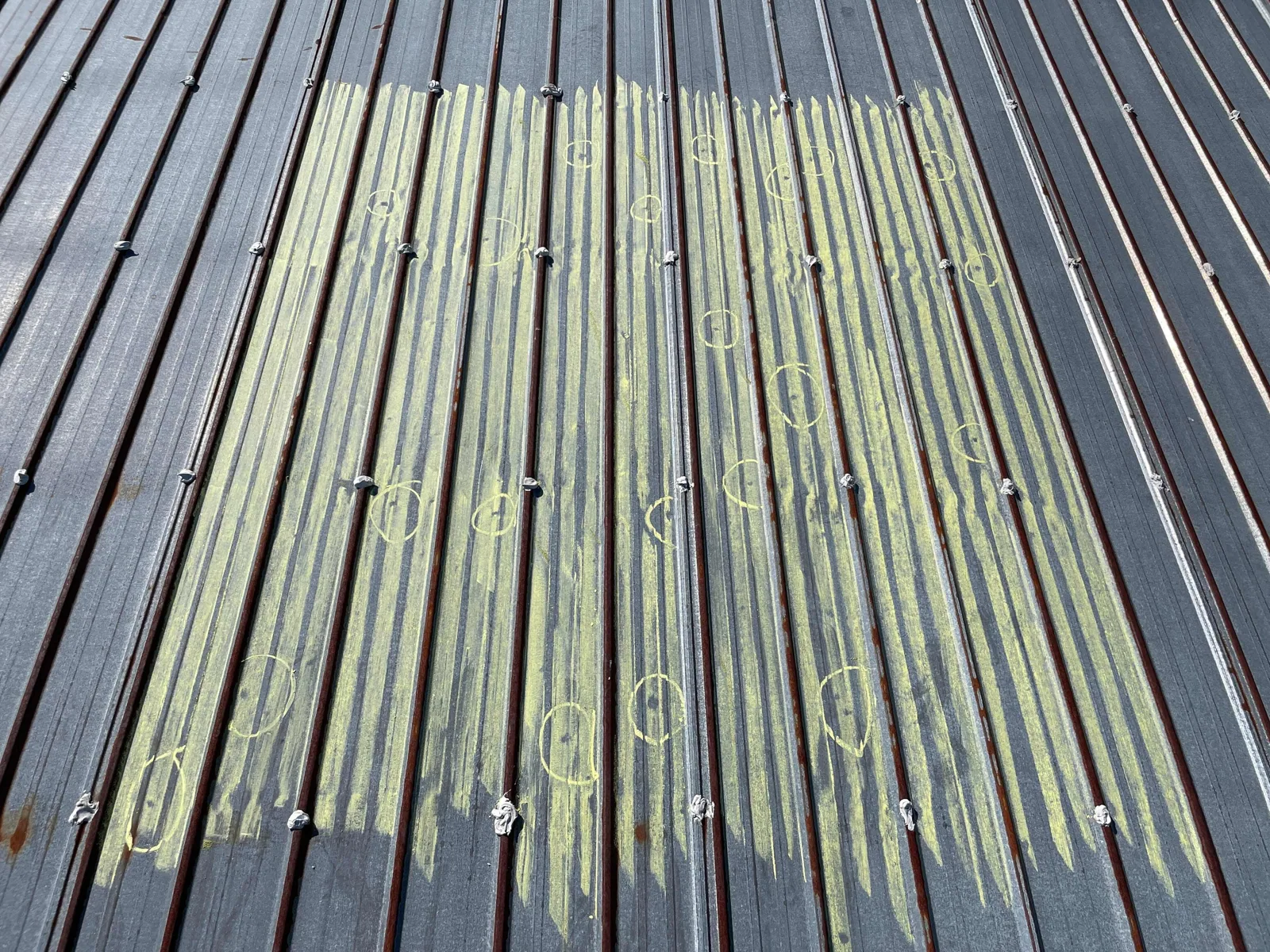
Roof insurance claim assistance in Victoria documents roof conditions, repair limits, and storm observations without promising coverage or outcomes.
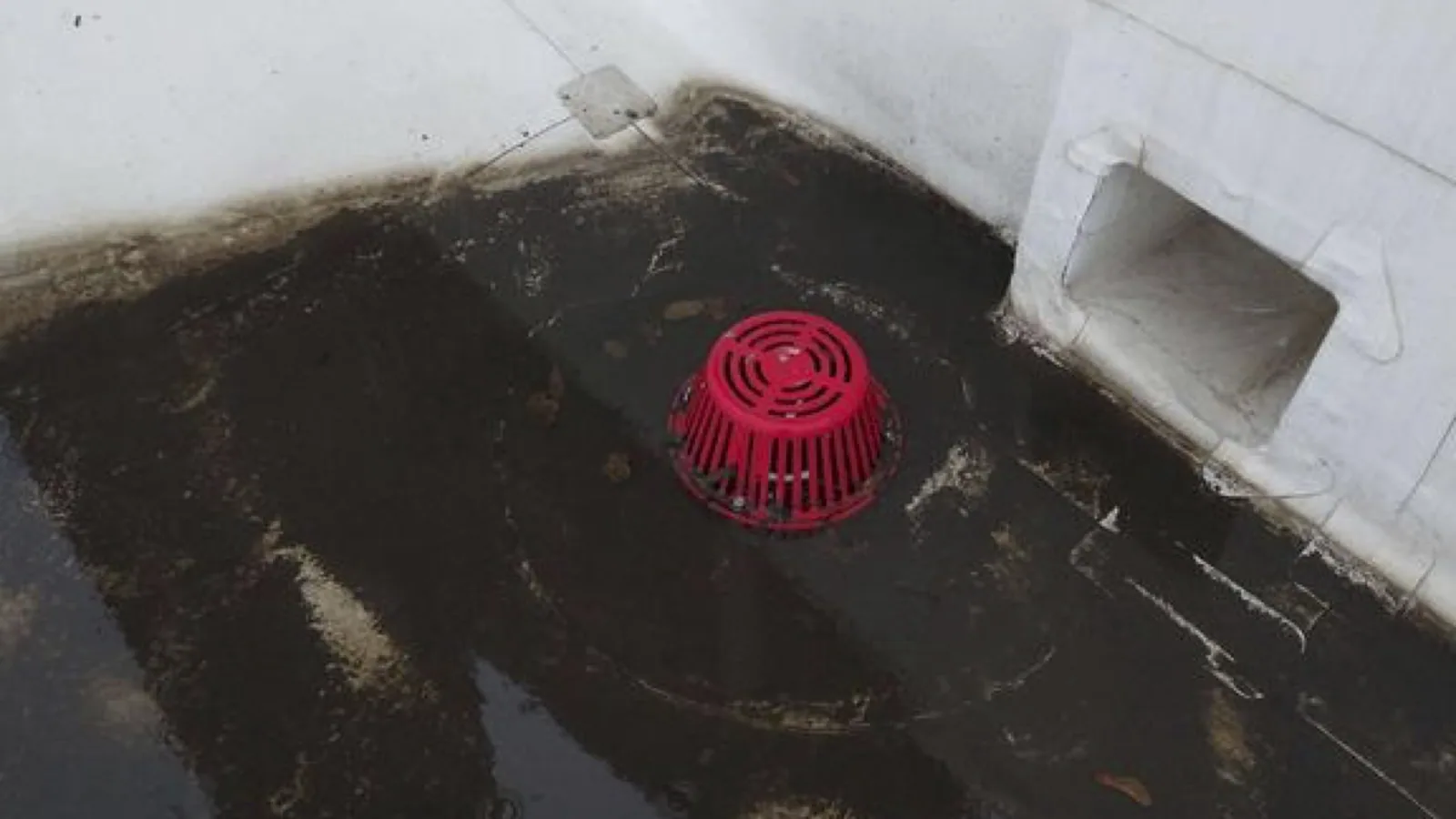
Roof drain and scupper repair in Victoria traces ponding to the outlet, slope, or transition, then records the correction and remaining limits.
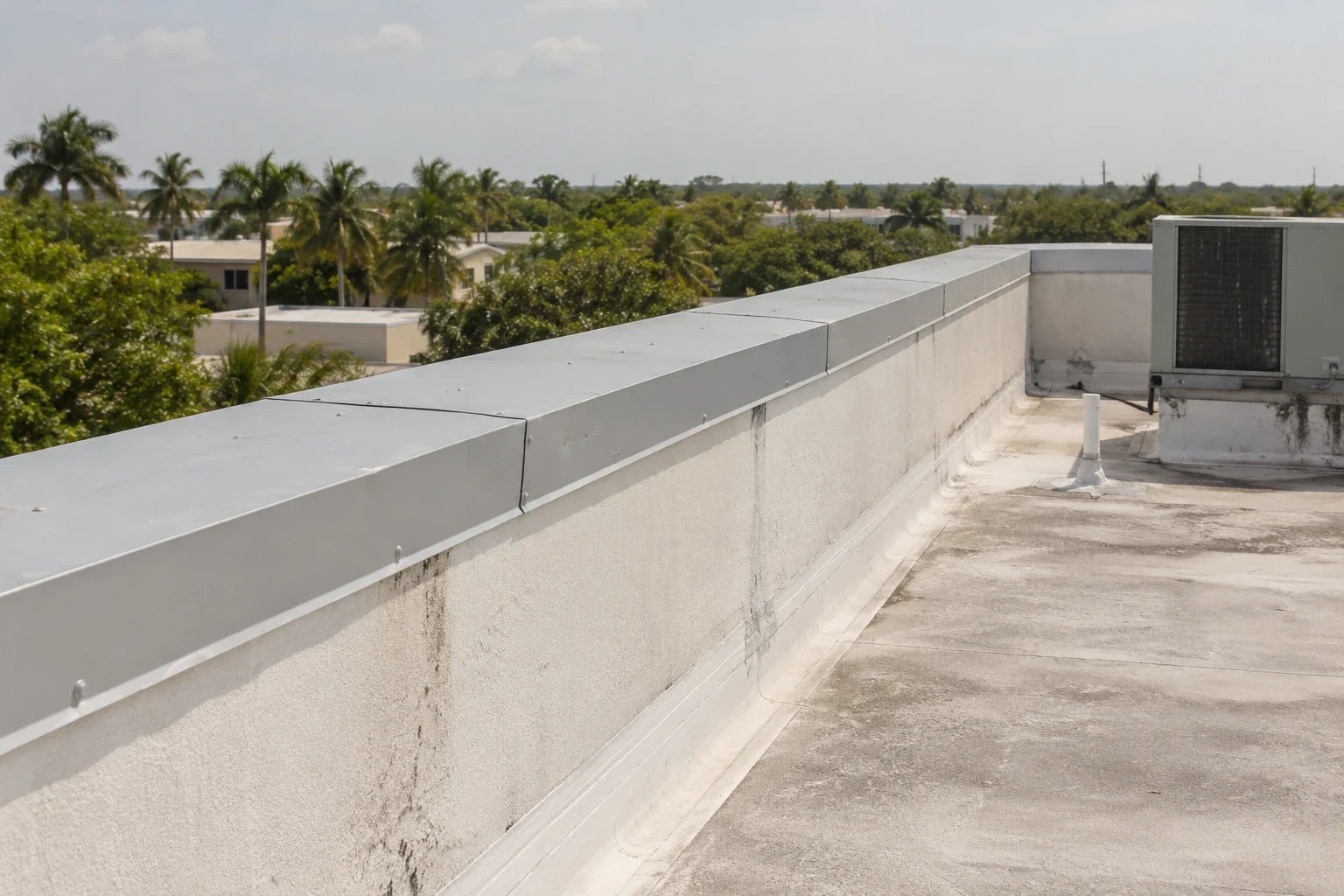
Commercial roof edge and coping repair in Victoria checks attachment, seams, corners, and drainage so the metal transition fits the roof assembly.
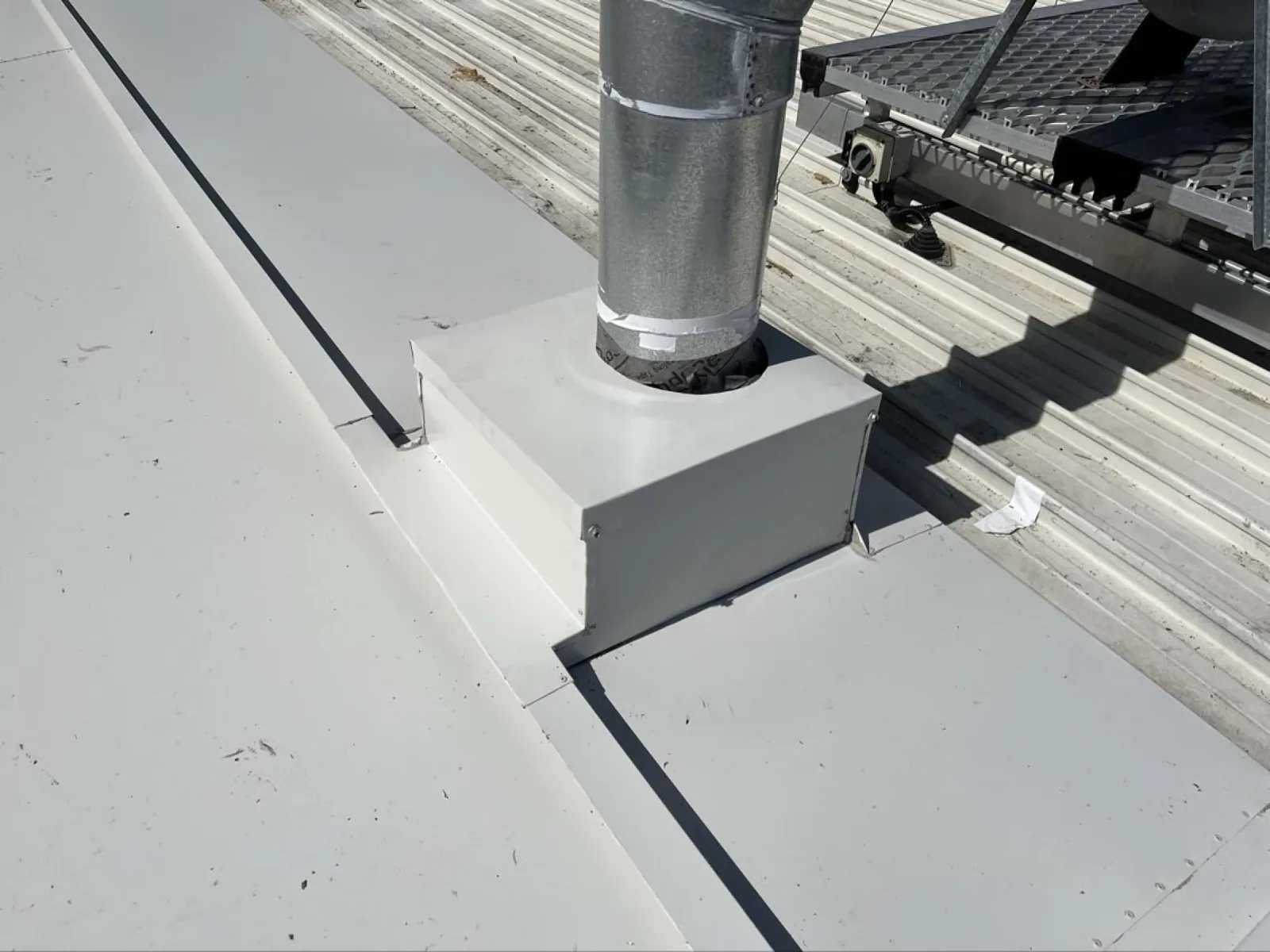
Skylight and penetration flashing in Victoria checks curbs, corners, seals, and nearby membrane so the repair addresses the roof transition.
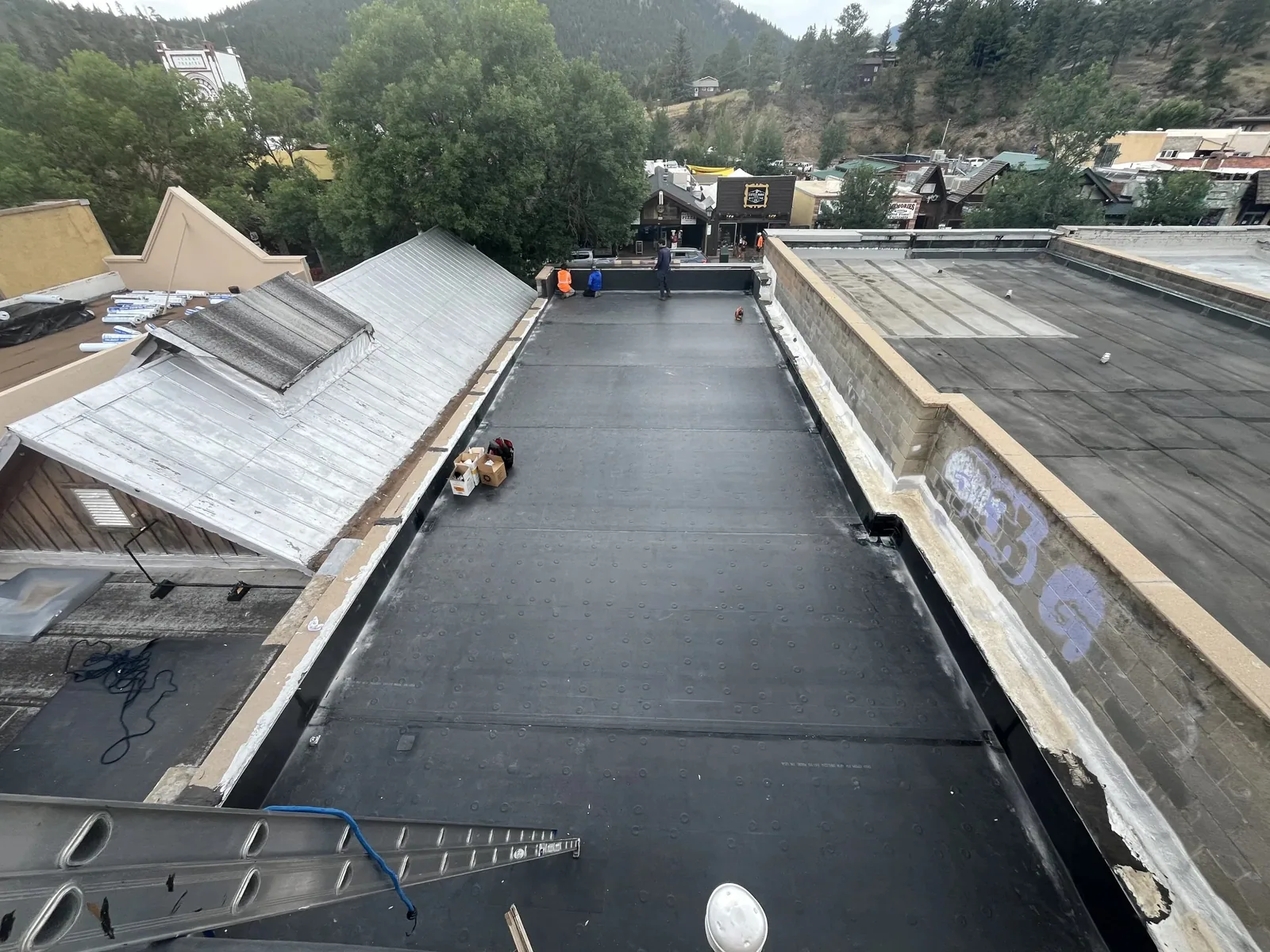
Commercial roof insulation in Victoria evaluates moisture, slope, attachment, and cover board so the new assembly fits the roof and operating plan.
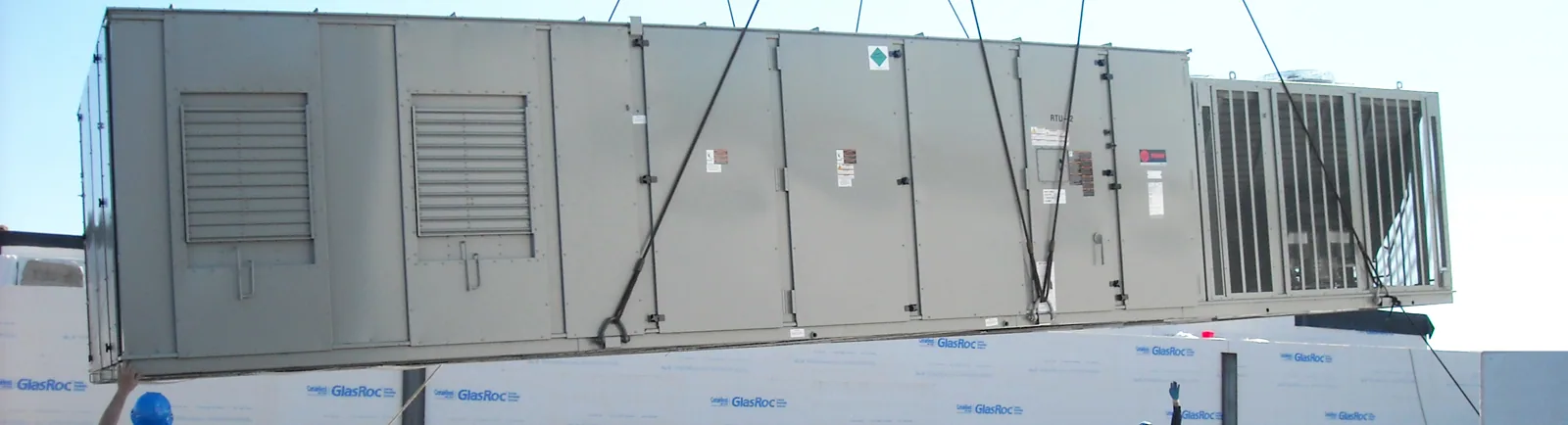
Rooftop curb and equipment support service in Victoria checks movement, flashing, and attachment while coordinating each unit with facility operations.
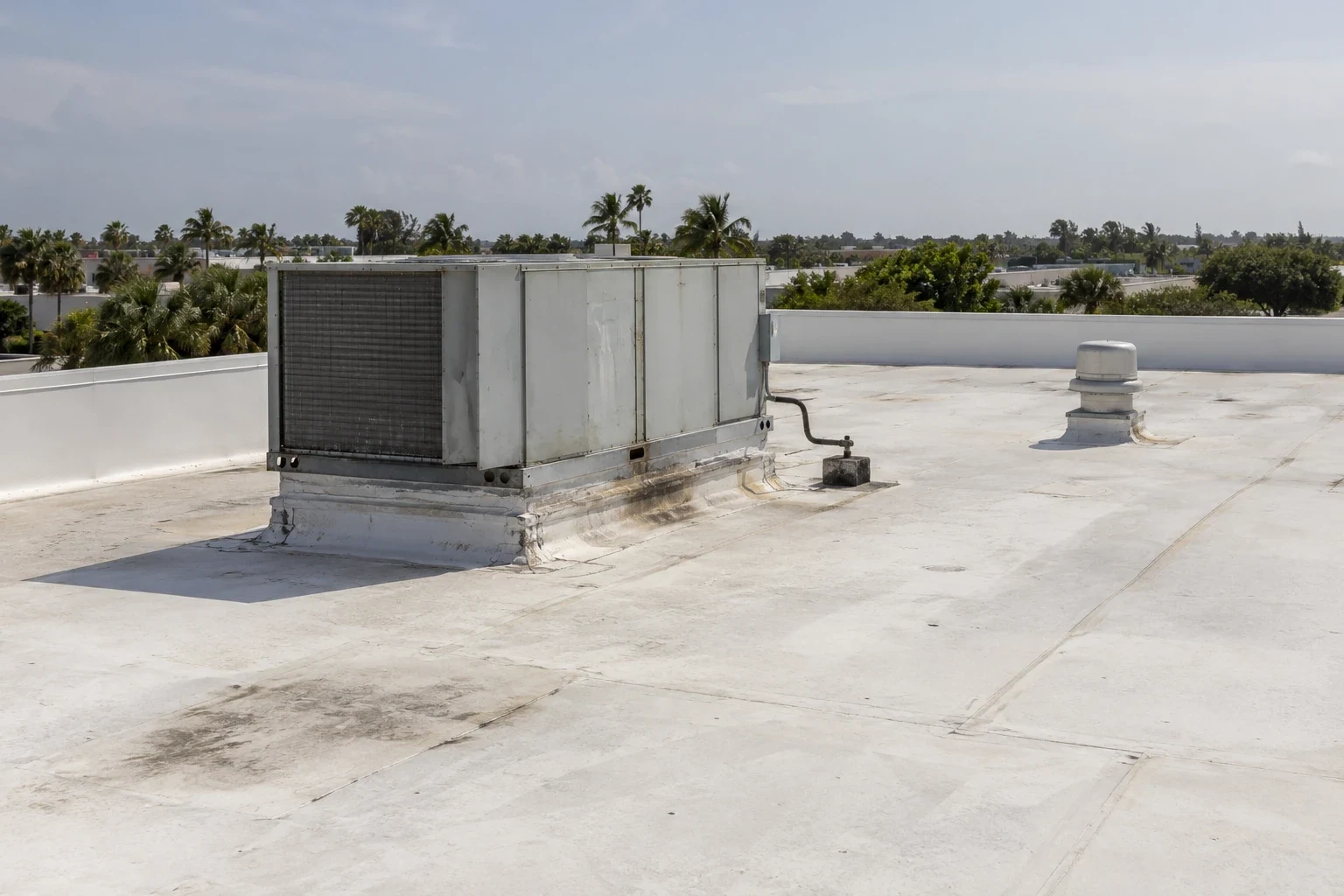
Cool roof installation in Victoria evaluates the existing assembly, surface preparation, and drainage before specifying a reflective membrane or coating.
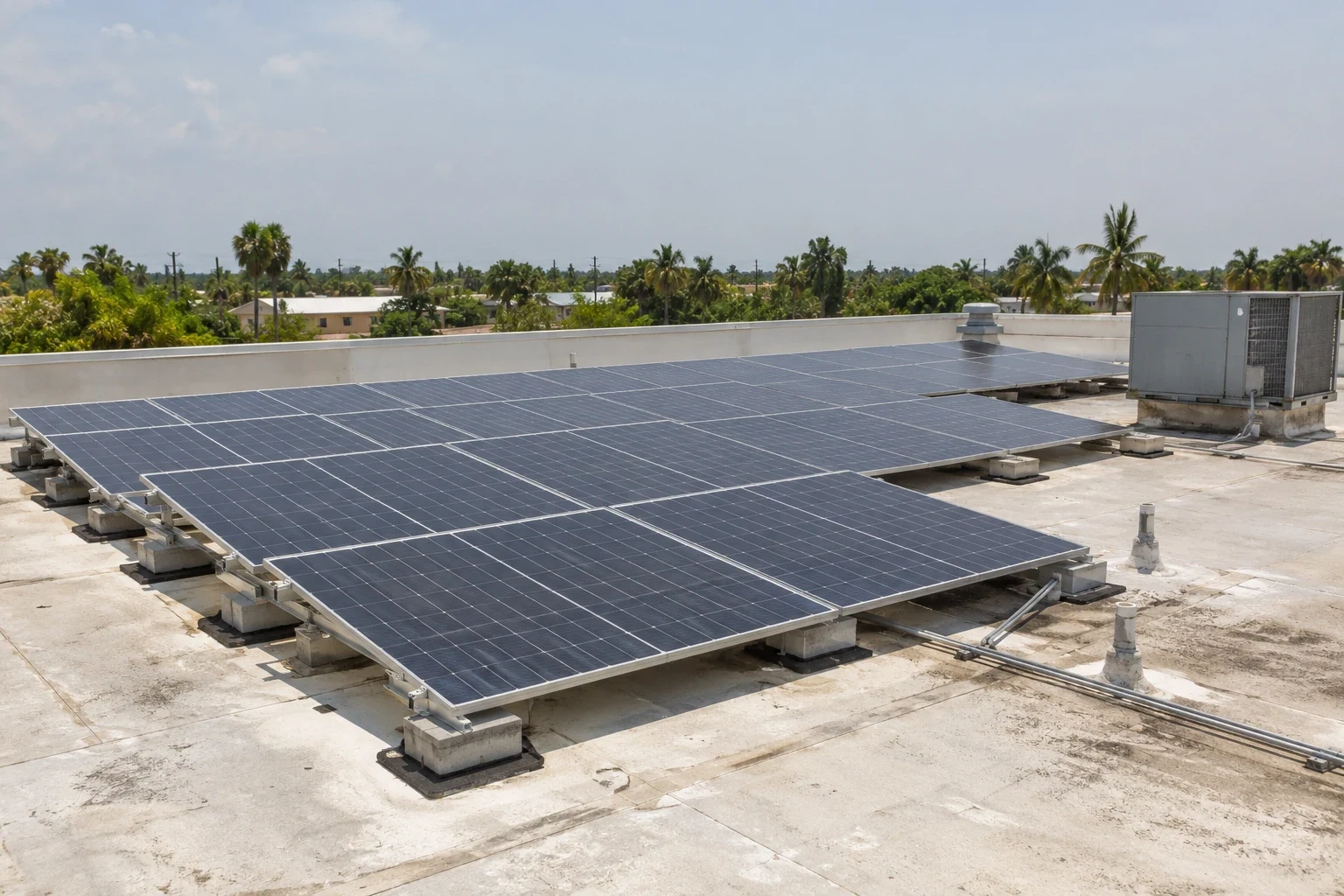
Solar-ready roofing in Victoria checks remaining roof life, attachment, drainage, and access before solar equipment is installed or serviced.
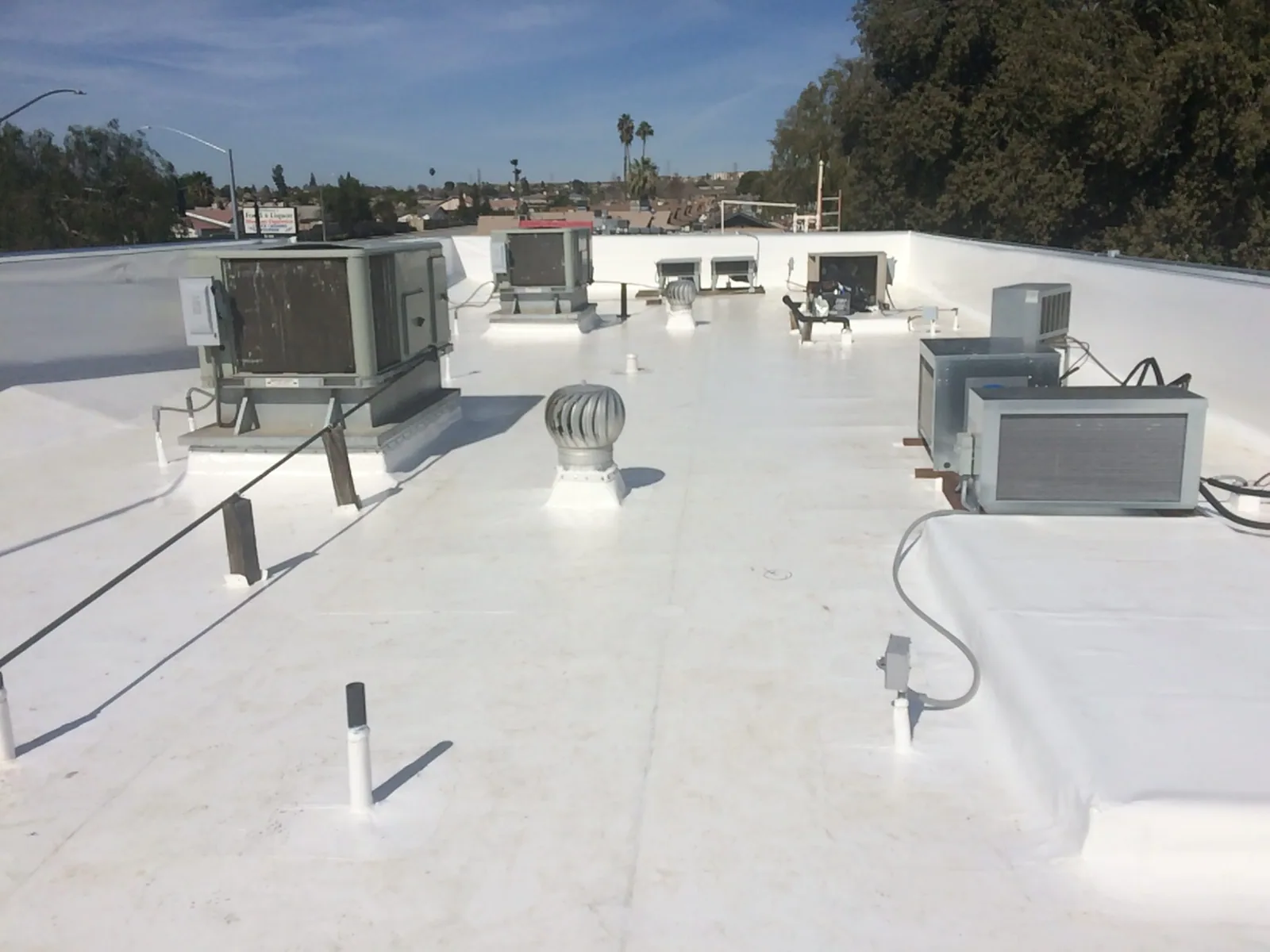
Occupied building reroofing in Victoria maps access, weather protection, tenant impacts, and roof sections before work begins and as conditions change.
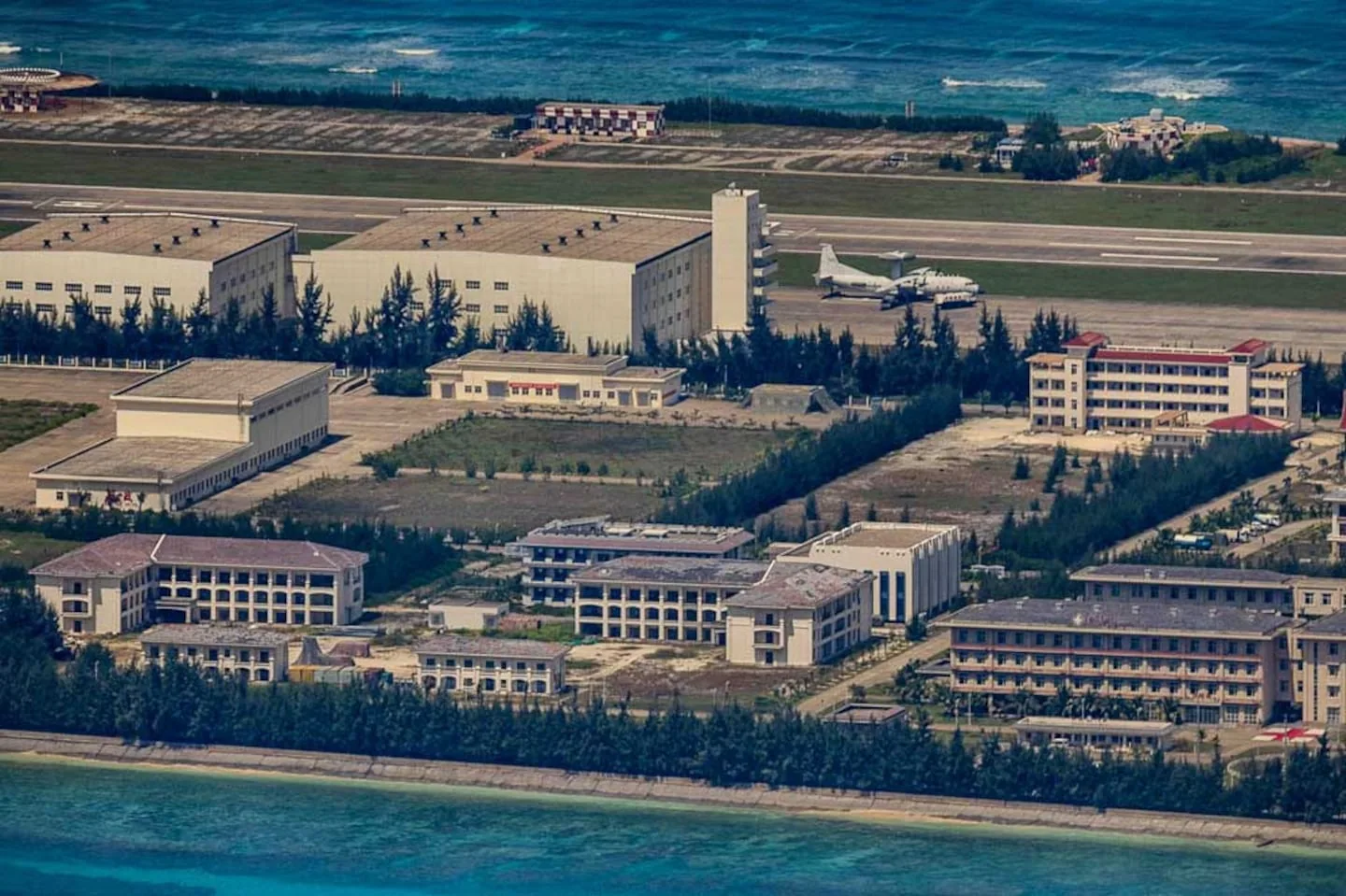
Military roofing in Victoria coordinates submittals, access, escorts, mission schedules, and roof-system details with the installation’s requirements.
A leak report, storm concern, capital review, or recurring maintenance issue calls for a different level of inspection. We review available plans and repair history, then map the accessible roof areas, seams, flashing corners, drains, penetrations, and equipment supports. Photographs and measurements show what was observed. When a visual walk cannot answer whether moisture is concealed, we can discuss a drone or infrared survey and explain what those methods can and cannot establish.
For a confirmed entry point, commercial leak repair can focus on the failed detail. A broader roof inspection records conditions across authorized sections and sets priorities. The report distinguishes visible damage from a suspected cause, and identifies testing or access needed before a firm repair boundary is priced.
Start with the roof condition
For urgent roof leaks, we can respond at any hour, seven days a week, holidays included. The first visit focuses on safe access, water entry, temporary protection, and the areas below. We record a dry-in as temporary and define permanent work after the assembly and repair limits are confirmed. At a medical office or school, the contact helps define occupied rooms and access windows. At the Port of Victoria Industrial Park South, freight and site procedures can affect delivery and staging, so the property's own rules set the route.
Repair scopes name preparation, compatible materials, quantities, flashing or seam details, and closeout. Where opening the assembly uncovers saturated insulation or a compromised deck, we protect the work zone, photograph the condition, and ask the owner to approve a measured change before continuing.
Protect the building while work proceeds
A localized defect with sound surrounding material may support a repair. Repeated failures, wet insulation, poor attachment, or widespread wear can call for testing or a larger renewal study. Depending on the existing assembly, options may include replacement, recover, or a liquid-applied restoration. We check substrate, drainage, edge height, compatibility, and attachment before recommending an overlay or coating. The proposal separates immediate needs from optional work and identifies cost and schedule drivers such as removal volume, penetrations, material lead time, access, and operating hours.
Replacement planning can document the assembly and phasing. Preventive maintenance revisits drains, seams, and terminations before small changes become an unplanned response.
Compare repair with roof renewal
Each closeout connects the building, roof section, photographs, work performed, materials, approved changes, and open items. A portfolio may include industrial sites, downtown offices, airport-area buildings, and public facilities. We keep each building's findings in its own roof record. We keep a separate record for every building, including inaccessible areas and temporary protection. Victoria's heat, hail, damaging wind, and tropical-weather history make dated roof observations useful when planning inspection and maintenance.
Provide the building use, roof plan, reported condition, access contact, and repair records. We will identify the roof details to inspect and the measurements or photographs needed to support the next decision.
Keep findings useful after closeout
Frequently Asked Questions
Can you respond to an active commercial leak after hours?
Yes. Emergency response is available around the clock, including holidays. We first coordinate safe access and temporary protection, then define permanent work from the roof conditions.
What should I send before scheduling an inspection?
A roof plan, building use, leak location, prior repair records, and access limits help us prepare. We confirm which sections can be inspected with the person responsible for the site.
How do you choose between repairing and replacing a roof?
Field condition, moisture evidence, attachment, drainage, repair history, and the owner's planning horizon all shape the comparison. We state what is confirmed and what further testing could change the scope.
Can work be planned around tenants or production?
The site contact sets operating limits, restricted areas, and delivery windows. We phase the roof work and closure plan around those requirements when the assembly and conditions allow it.
Share the building use, roof plan, reported condition, repair history, and access window. We will identify the roof sections to inspect and the field evidence needed to define the work.
Call 555-555-5555 or email [email protected].