
Commercial Roof Leak Repair in Victoria, TX
Commercial Roofing Services · Victoria, TX
Trace and repair commercial roof leaks in Victoria, TX with roof-zone mapping, controlled testing, temporary protection, and measured repair limits.
Next step
Request a Roof Assessment
Call
555-555-5555
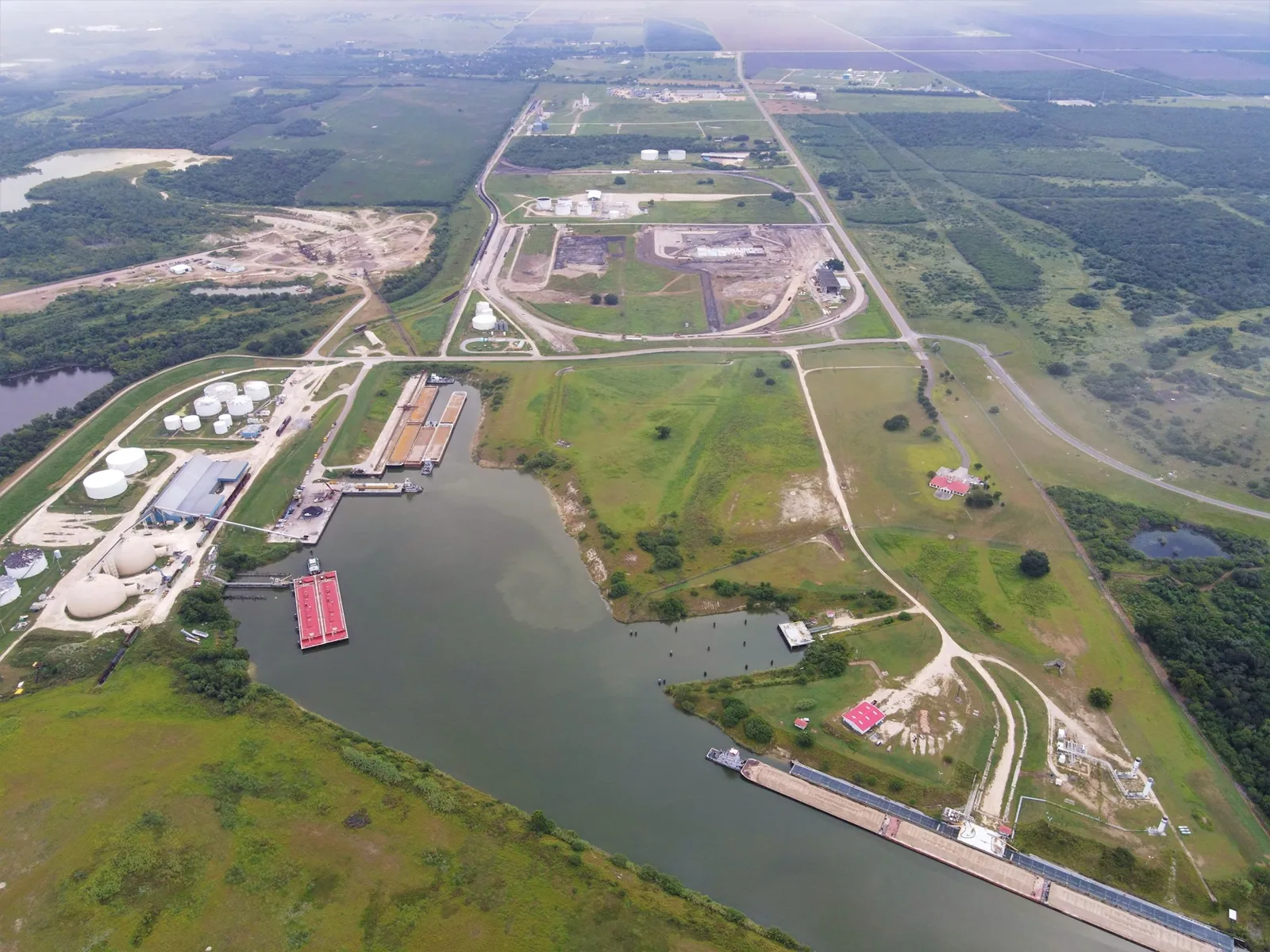
A wet ceiling tile below a rooftop curb identifies a room, not the point where water entered. We compare the report with roof slope, membrane laps, flashing corners, penetrations, and drains, then test where a result changes the repair boundary. A 1996 weather record notes 1.75-inch hail in Victoria and related damage reports in nearby Nursery; those reports support careful inspection after a storm, not an assumption that a building roof failed. Near the Port of Victoria Industrial Park South, roof access and freight operations may also shape when a test can happen. We identify the entry path the evidence supports and keep temporary protection separate from permanent work.
Commercial Roof Leak Repair
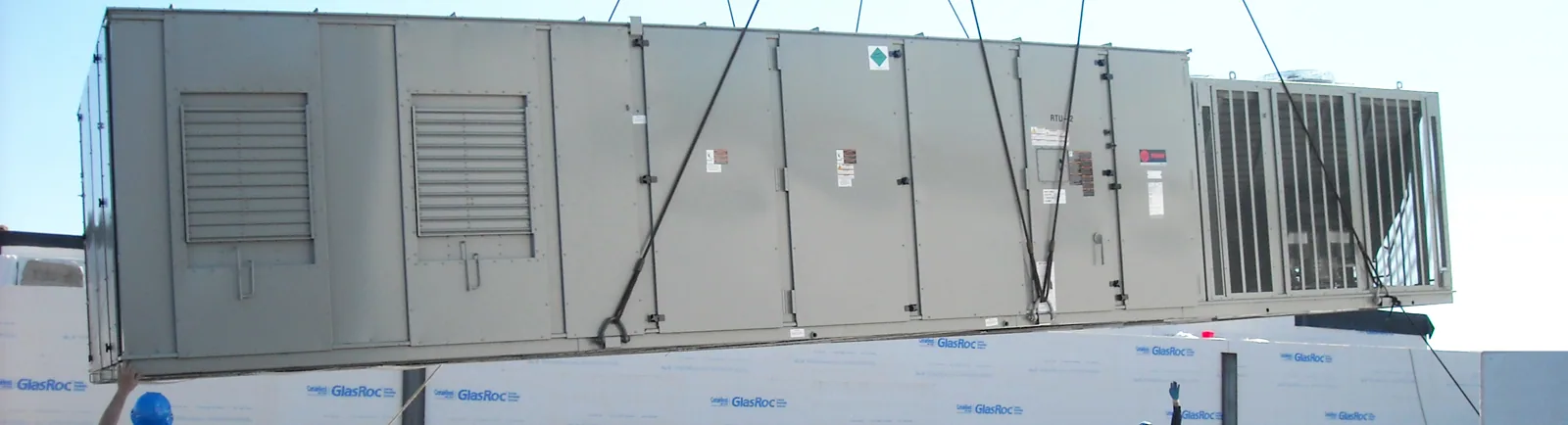
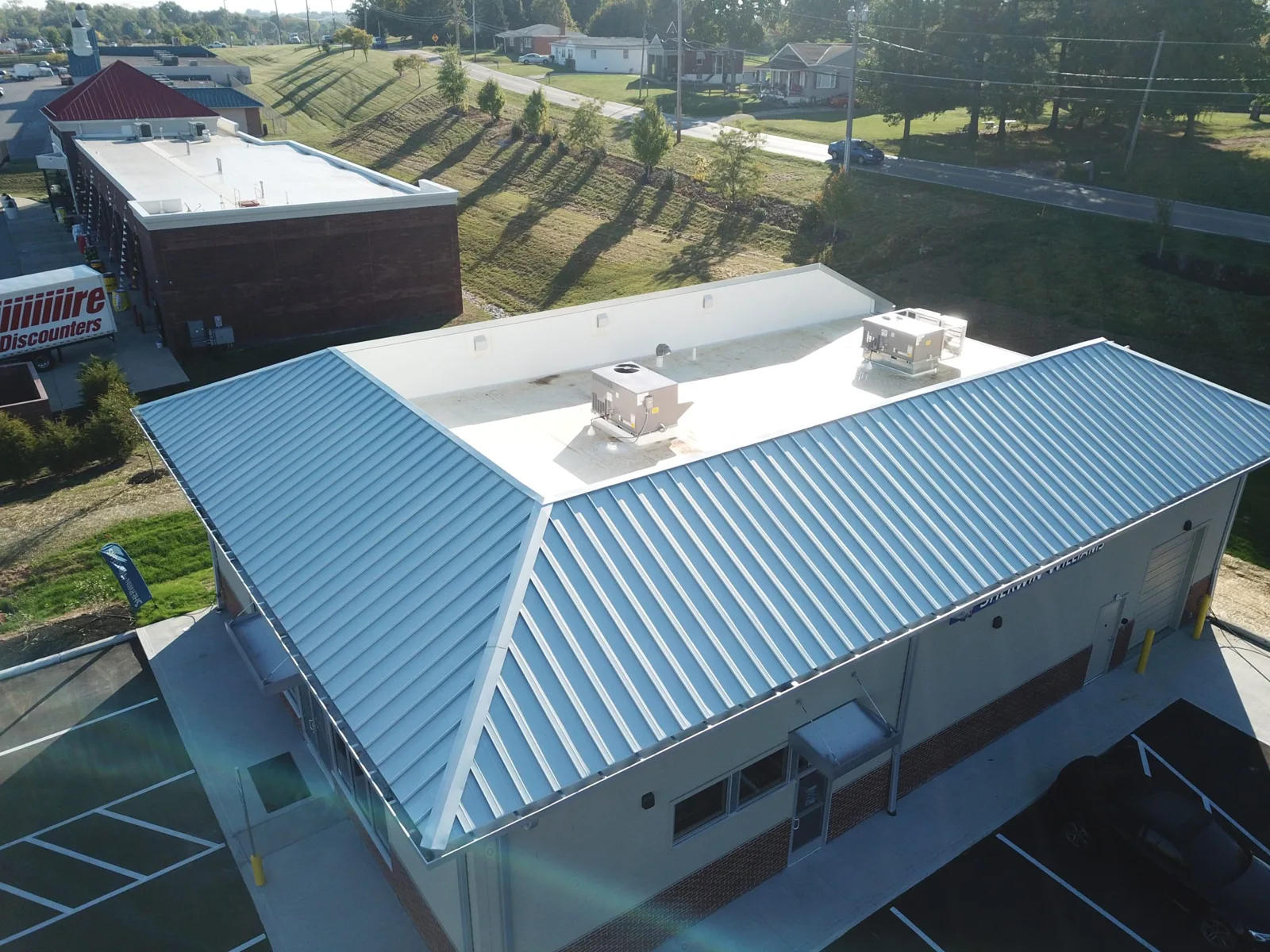
We ask when the water appeared, whether it followed rain or equipment work, and which room or asset needs protection. The property contact can send ceiling photographs, roof drawings, repair records, and access instructions. We compare the reported location with slope, drains, seams, curbs, wall transitions, and penetrations. Water can travel below a membrane before reaching the interior, so a nearby split remains a clue until the path is checked.
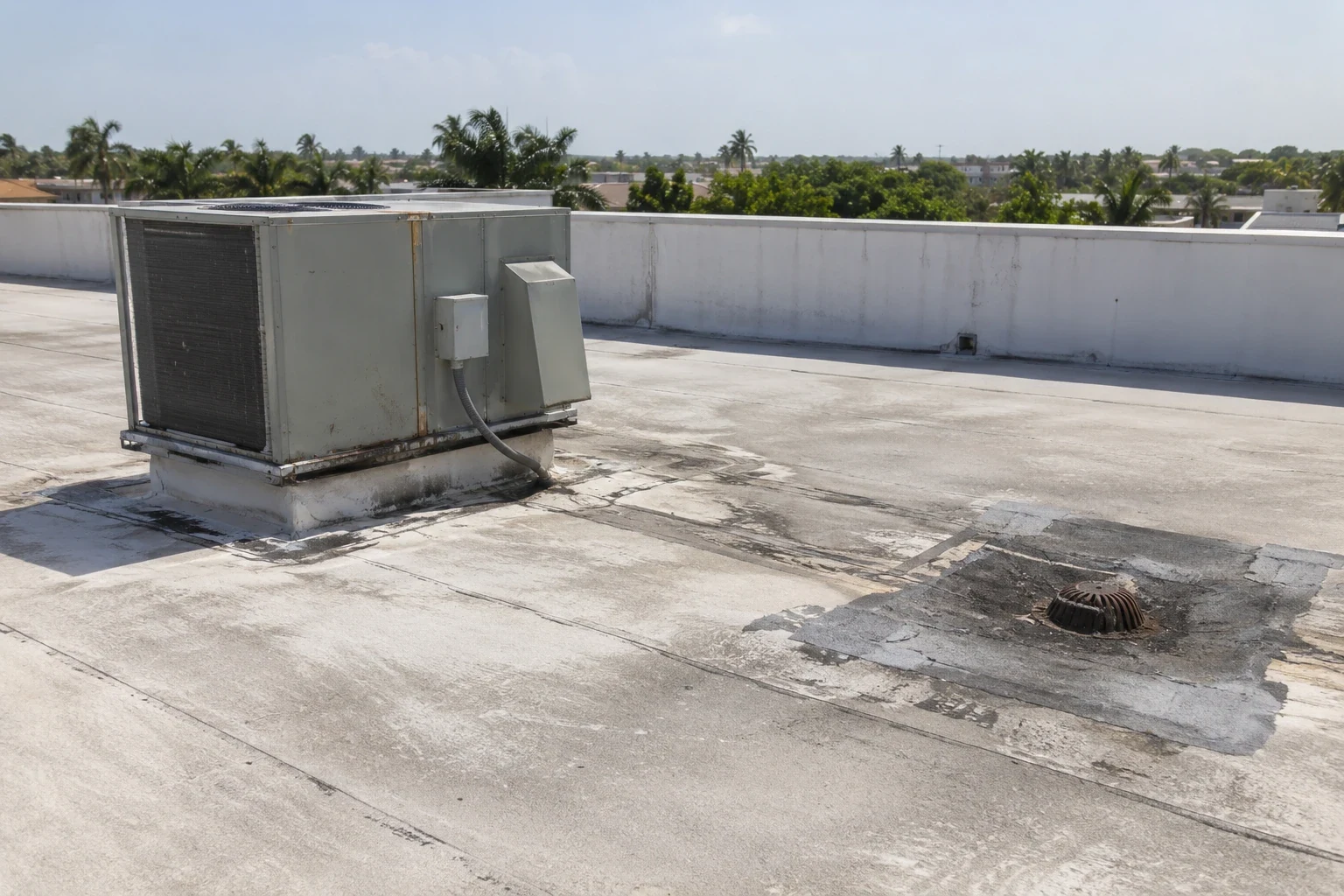
The walk records what was visible, probed, tested, or opened. A drain bowl may be blocked while its connection holds; a curb corner may be open when the seam beside it remains sound. We note roof section, slope, low points, and equipment that interrupts the path. A commercial inspection can map those findings and identify areas that could not be reached.
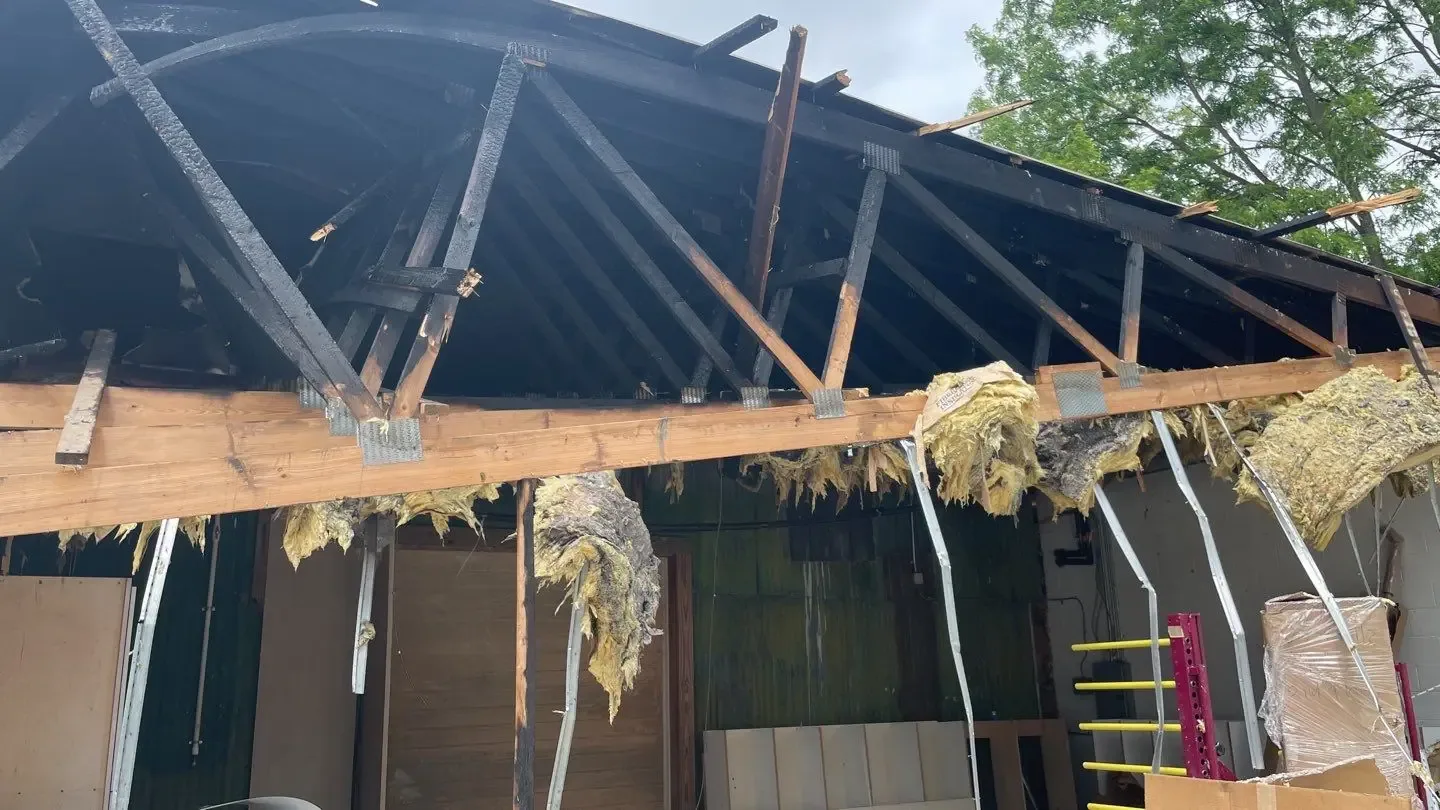
Victoria's hot summers, hail, damaging wind, and regional tropical systems guide the inspection route but do not prove damage at an address. The storm-damage assessment can record the event date, observed impact or movement, and tests needed before a quantity is set.
Match the room report to the roof plan
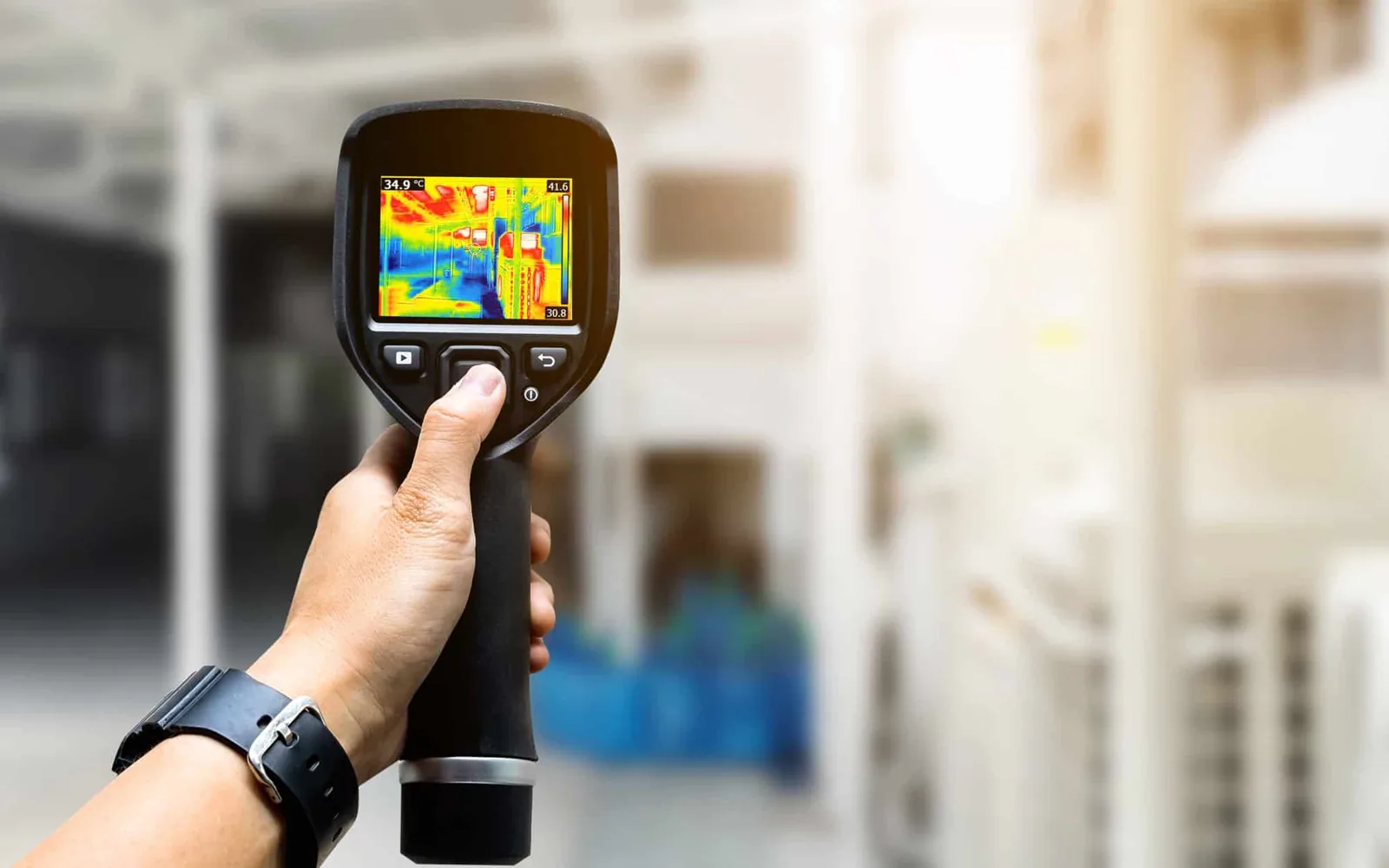
A moisture survey can show a pattern that deserves a closer look, but it does not confirm wet insulation by itself. We consider assembly, surface, weather, and penetrations before selecting test points. If a result could affect quantity, an approved opening verifies the layers there. The infrared moisture survey can focus that decision when conditions support useful readings.
We photograph the opening, measure exposed material, and mark where stable insulation begins. If the opening reveals wet material or damaged deck, we protect it and seek approval before removing more. Untested areas remain open questions. If the room cannot be accessed, we note the limit and identify whether an observation or controlled water test could separate the roof path from plumbing or condensate.
Before cutting, we confirm who releases the roof and space below, where protection can be placed, and how the opening will close against weather. The report names test location, method, result, and the unresolved question.
Use a test only when it changes the scope
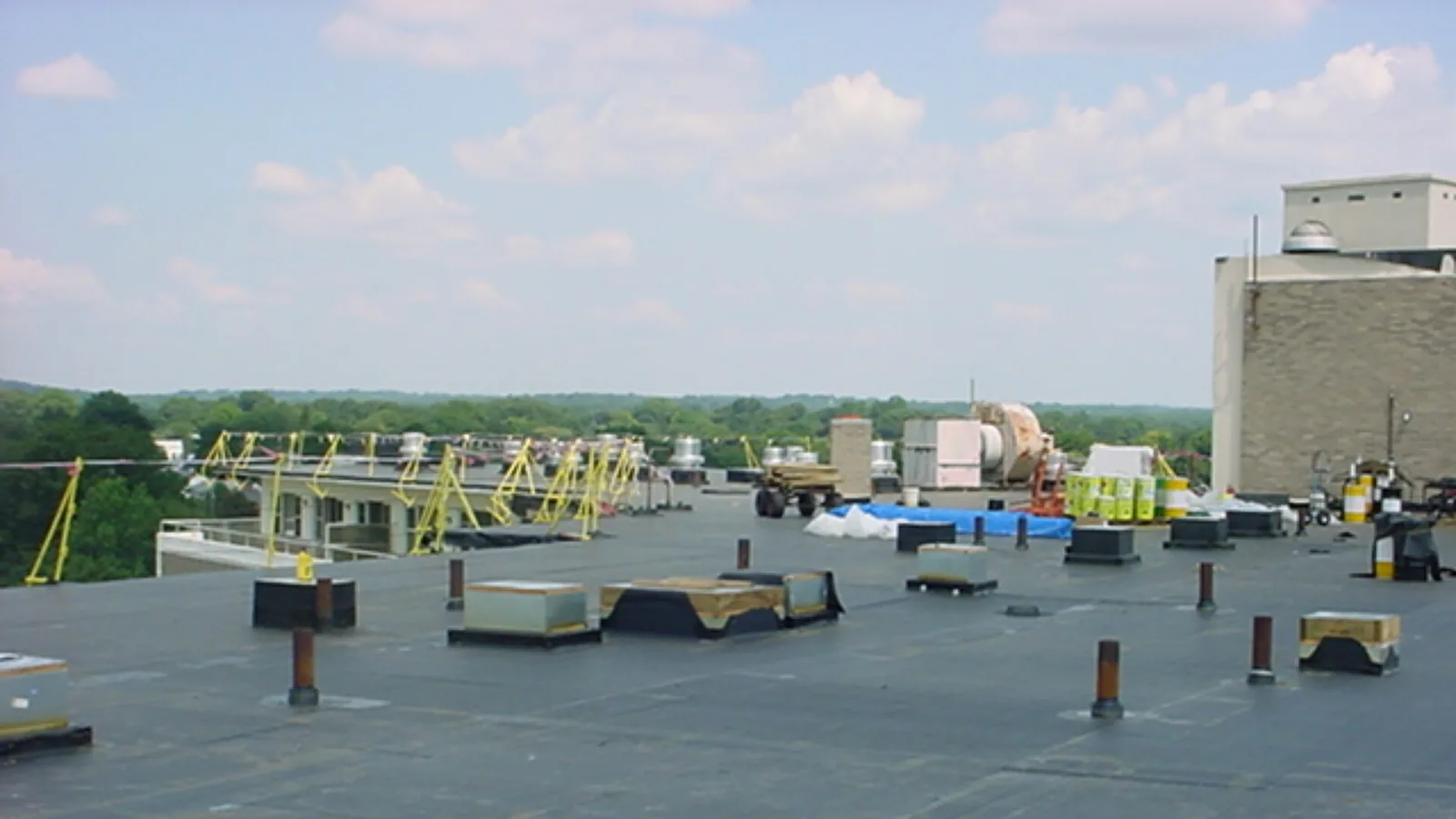
Active water entry may need a temporary cover before permanent repair can be prepared. We identify the room, equipment at risk, roof route, and safe staging area with the property contact. Protection must reduce exposure without blocking drains or loading material onto an unverified section. The record states where the cover was placed and what needs follow-up.
Our emergency response is available around the clock, including weekends and holidays. We coordinate entry, protect the area when safe, and inspect as conditions allow. Rain, heat, or a wet substrate can prevent a lasting bond. We set a secure stop point and return when the roof can be prepared correctly, documenting temporary work separately from permanent repair.
Room protection follows the building's needs: a clinic may require a clear corridor, a warehouse may move stored goods, and a plant may require an escort. We note who accepted the temporary condition and who receives the next update.
Protect the interior while the roof is open
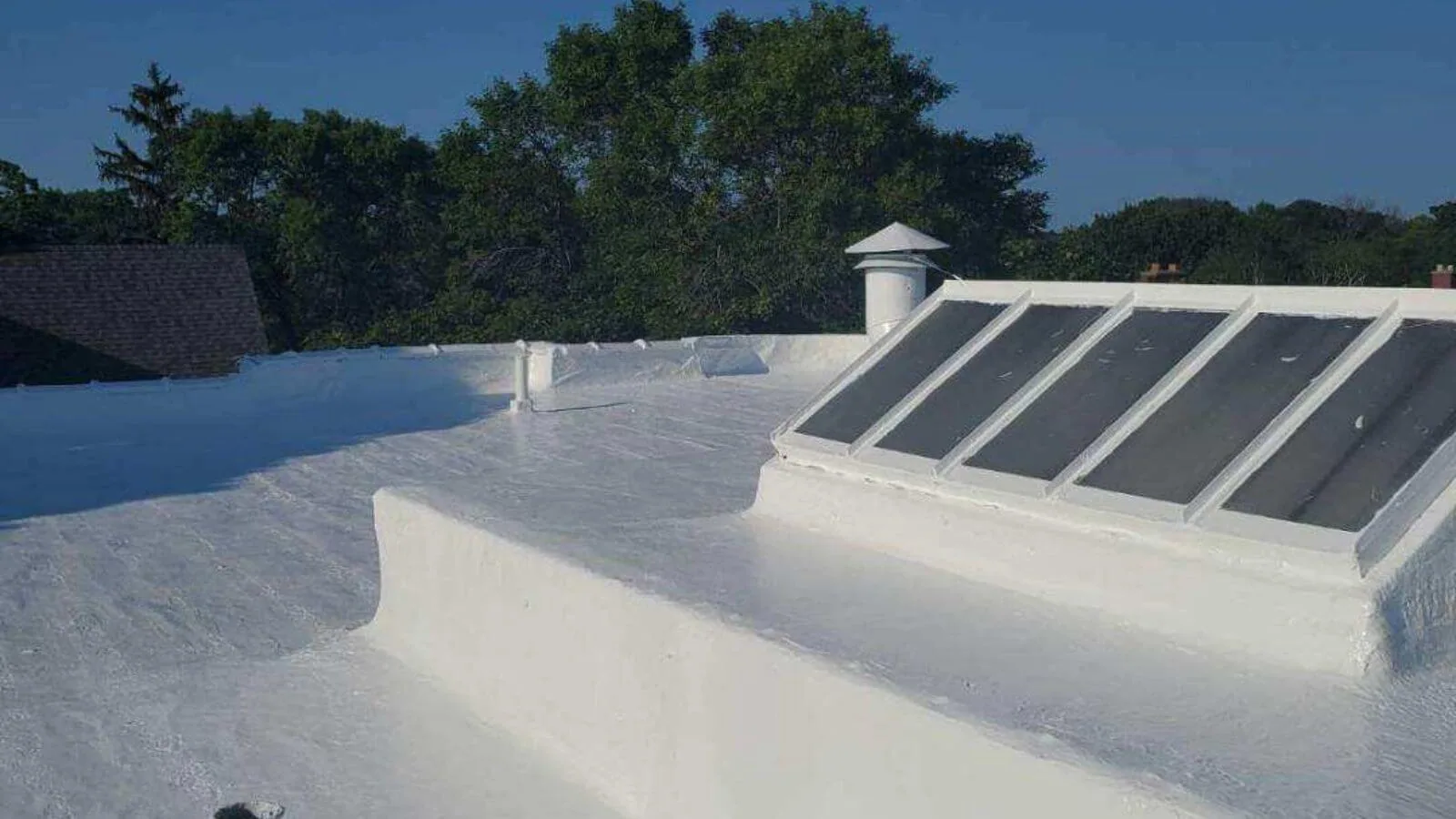
A lasting repair follows the identified system and preparation requirements. We remove failed material to a stable boundary, clean the surface, and tie the patch into compatible membrane or flashing. A seam split needs a different detail from a puncture, loose edge, or failed drain transition. A commercial roof repair scope lists materials, dimensions, preparation, and the final check.
If water reached insulation or deck, the proposal identifies removal quantities separately. We measure additional wet areas before asking for approval. A curb, exhaust, pipe boot, or drain may require another trade; we identify the connection and contact before closing it. For a drain or scupper concern, we follow the bowl, termination, overflow, and discharge path to distinguish an obstruction from a failed connection.
Repeated failures across several zones may justify comparing repair with restoration or replacement. We provide the tested boundaries and evidence behind that choice, keeping immediate leak work distinct from longer-term recommendations.
After an active leak is stabilized, we compare the temporary cover with the roof detail before removing it. The permanent visit confirms whether the opening remains active, whether water moved beneath nearby laps, and whether the substrate is dry enough for the selected material. If wet insulation remains, we retain it under the measured boundary and price replacement separately. The closeout distinguishes temporary mitigation from the finished repair so a later inspection does not treat one as the other.
Repair the confirmed opening and connected detail
Closeout shows the reported room, inspected roof zone, confirmed entry detail, test locations, repair materials, measurements, and dated photographs. We note what remained untested and whether temporary protection still needs follow-up. If a future leak appears near the same curb or seam, the manager can compare its location with the original roof map. A condition report can keep that record with repairs, maintenance, and outstanding decisions.
Victoria's regional storm history includes Hurricane Harvey and other tropical cyclones. Those events make it useful to keep roof and interior records by event date, but a regional storm account does not establish damage at an individual building. We record the conditions observed at the property and whether water entry was active when inspected. In a portfolio that also includes the Port area or the town of Nursery, each address keeps its own photos, system, access contact, and test boundaries.
A return visit can compare the same drain, flashing corner, or membrane lap after weather changes. We identify whether that visit is a repair check, a new leak investigation, or testing of an excluded area. If work was deferred because access or substrate conditions were unsuitable, the file names what must be ready before dispatch. The next scope can then follow the documented roof condition instead of reopening a detail that was already repaired.
Leave a dated path for the next inspection
Related Roofing Work
Frequently Asked Questions
Can a ceiling stain identify the roof opening?
It identifies where water appeared inside. We compare the room with roof slope, drains, seams, walls, and curbs before naming the entry point or repair boundary.
Does an infrared scan prove the insulation is wet?
No. A scan can help select a test location when conditions permit. An approved opening confirms the layers there, and we keep the result limited to that area.
What happens during an emergency leak call?
We coordinate access, protect the interior when safe, inspect the likely roof path, and document temporary work. Permanent repair follows after materials and conditions allow a sound tie-in.
Can a leak be repaired during rain?
We can address active exposure when access is safe, but permanent materials need a suitable surface. If rain prevents preparation, we secure the opening and schedule the lasting repair.
What information helps trace a recurring leak?
Send the affected room, timing, weather, roof plan, prior repairs, equipment changes, and access contact. Dated photographs help us compare the current path with earlier findings.
Share the Victoria-area address, room or equipment affected, leak timing, roof plan, access contact, and previous repairs. We will map the likely path, protect active entry, and document the confirmed scope.
Call 555-555-5555 or email [email protected].