
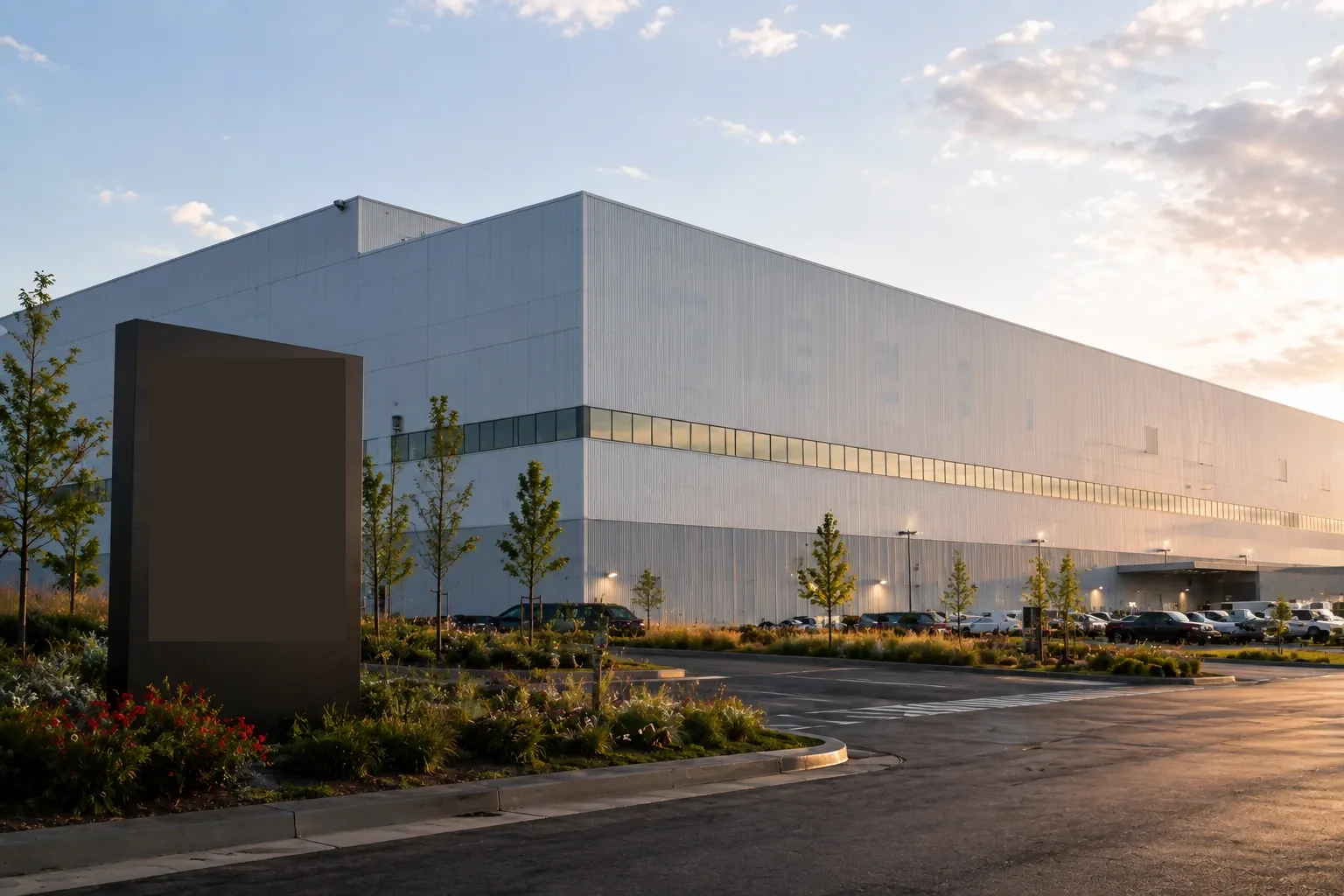
Manufacturing Plant Roofing in Victoria, TX
Property Types We Roof · Victoria, TX
Manufacturing plant roofing in Victoria coordinates process equipment, roof penetrations, access controls, and repair sequences with production operations.
Next step
Request a Roof Assessment
Call
555-555-5555
A pipe support beside a process exhaust may carry vibration from equipment below the roof. On a manufacturing plant, a flashing repair has to account for that movement, the production schedule, and the roof assembly. Victoria's industrial base includes manufacturing and materials operations, so each plant's process schedule and roof assembly guide the work plan. We map equipment, access, drains, and reported leaks before setting a repair sequence.
Manufacturing Plant Roofing
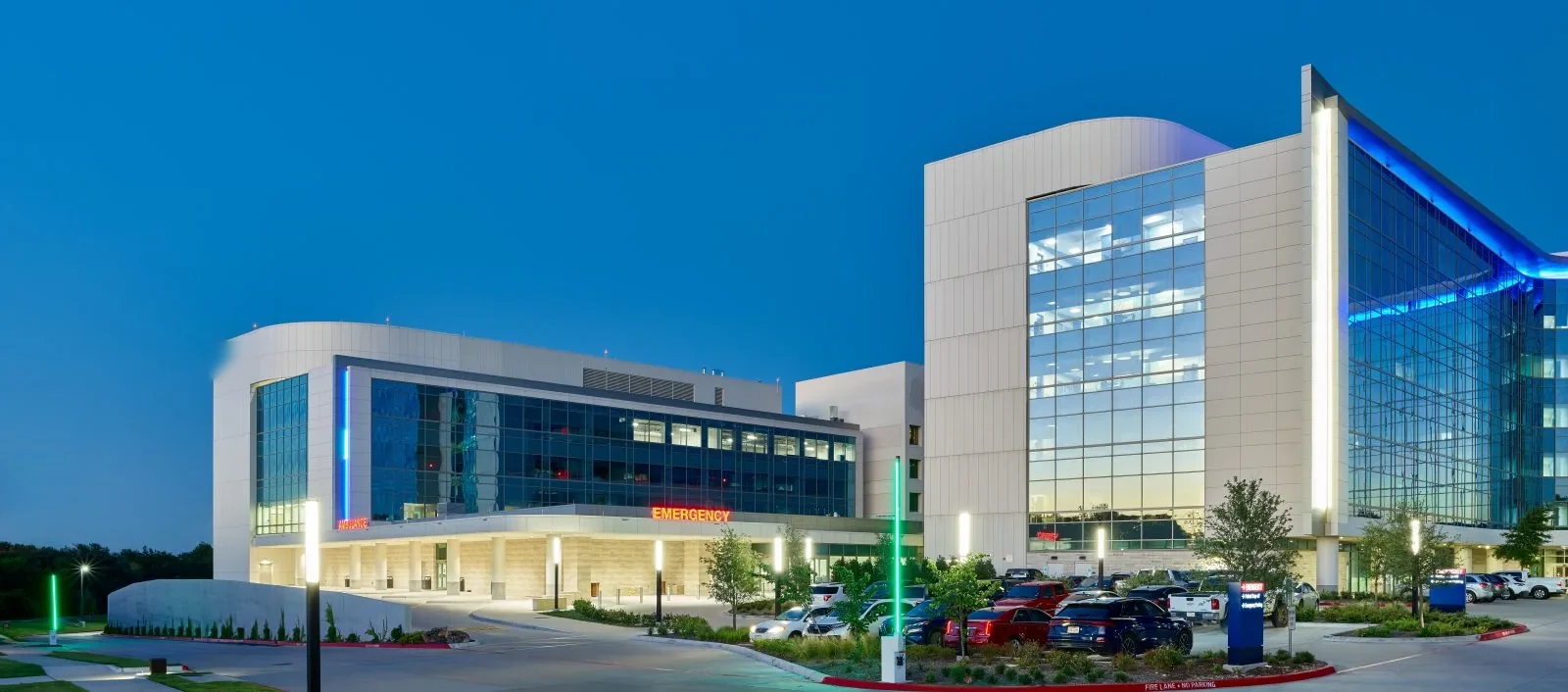
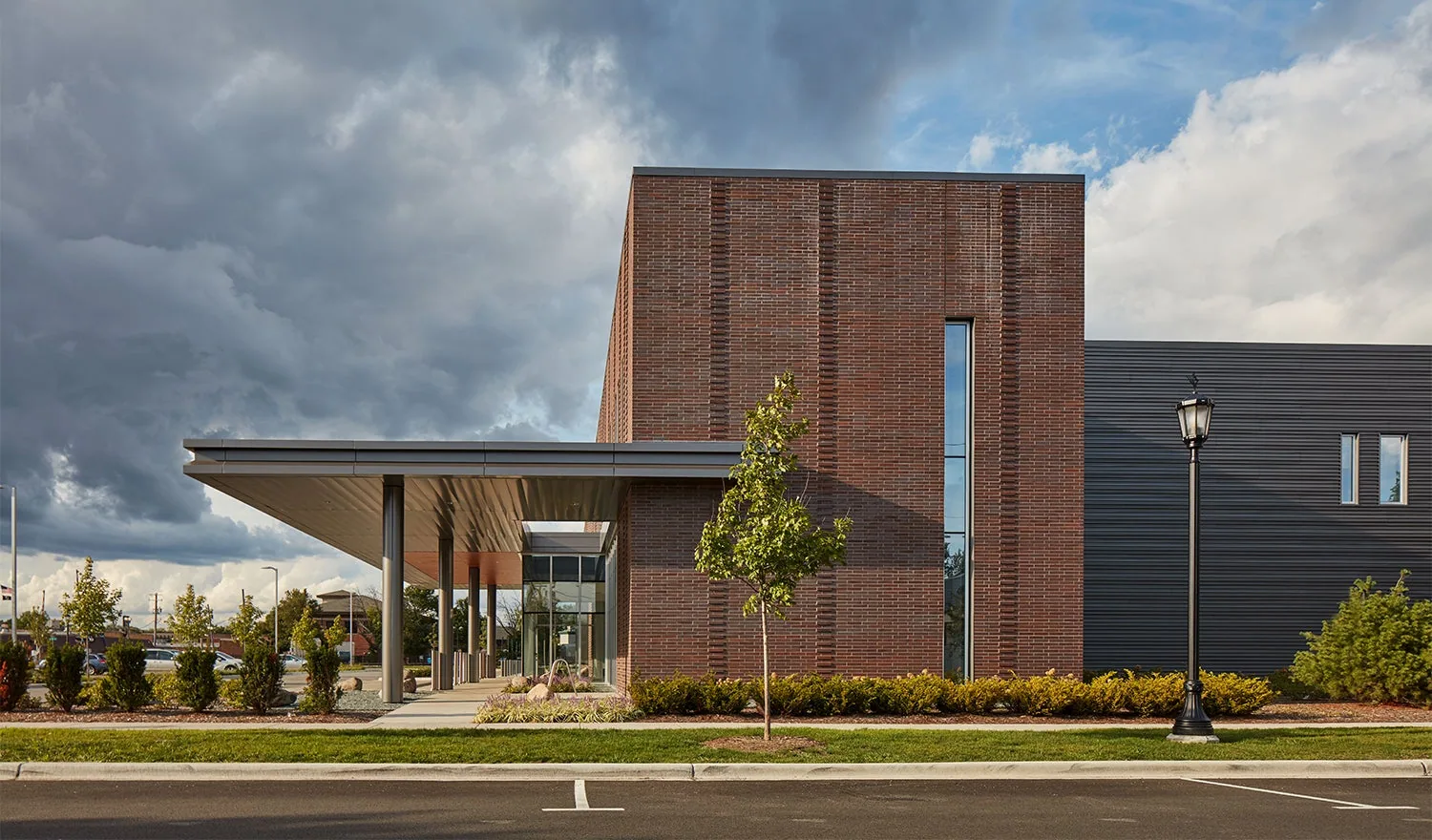
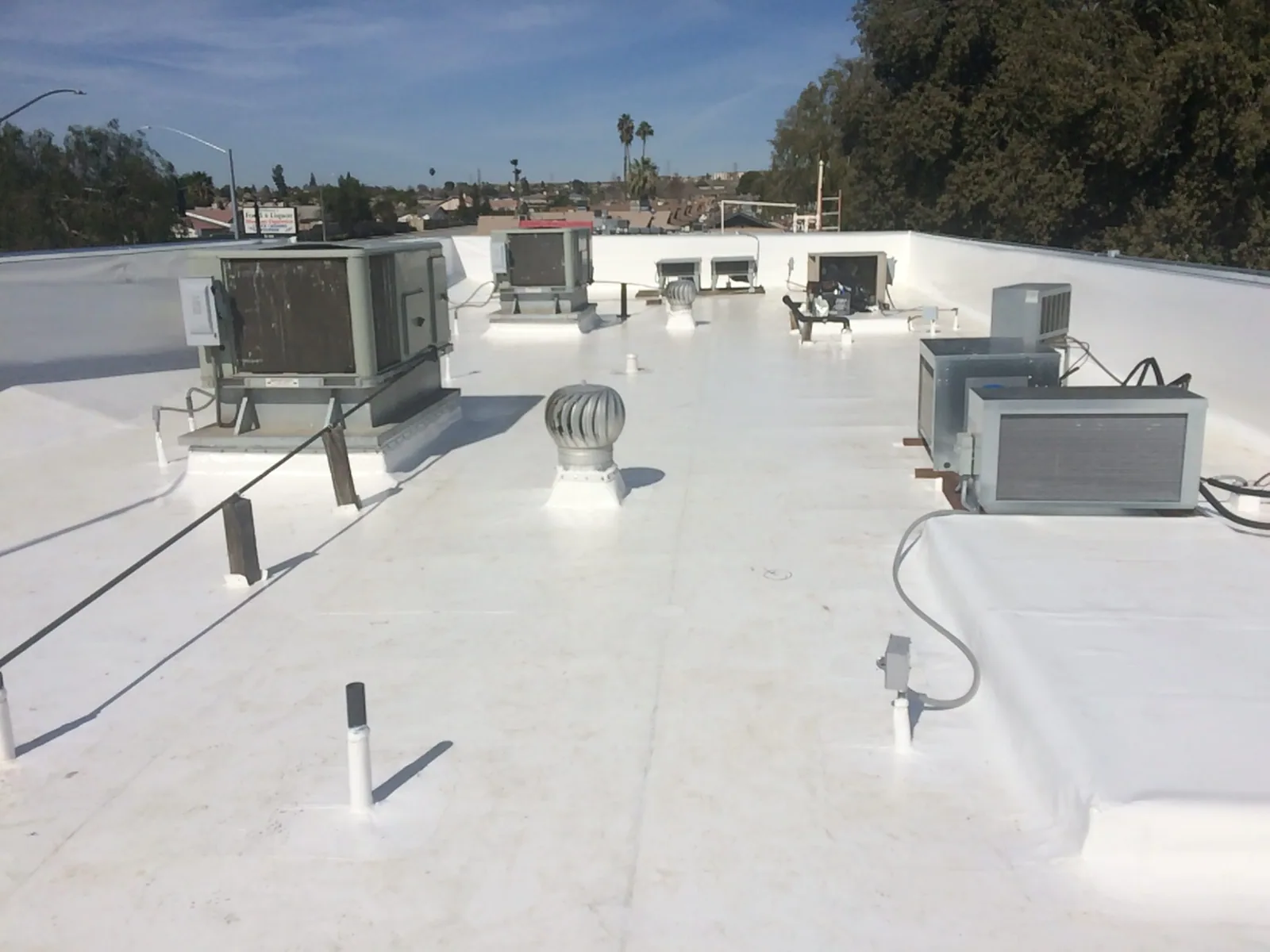
We review the plant roof plan with operations and maintenance, marking exhaust stacks, process vents, cooling units, pipe racks, cable paths, skylights, hatches, and fall-protection routes. We identify the rooms or equipment below each section and coordinate any process pause needed for safe access. A small penetration repair may require the production contact to isolate a line or protect a sensitive intake.
Victoria's plastics, petrochemical, metals, and heavy-equipment operations can put exhausts, pipe supports, and process openings on a roof. Near Lone Tree II Industrial Park, manufacturing and workforce training share an industrial setting. At the plant, we review the actual process area, roof assembly, and access rules with the operating contact.
Freight activity in the Port of Victoria Industrial Park South makes delivery timing part of the work sequence. We confirm the approved gate, route, laydown area, and lift point with the facility manager before bringing materials near production or cargo operations.
Map process zones and roof openings
We inspect each roof section for open seams, failed flashing corners, corrosion, loose metal, ponding, and marks from maintenance traffic. We check where supports contact the membrane and whether conduit or piping has shifted. Staining below exhausts or condensate lines is compared with the plant’s report and operating history before we set the repair boundary.
A leak over a control room or production line can follow a deck flute or insulation joint. Photograph the location and add a reference to the roof plan. An inspection report can separate active repair items from routine maintenance. Where moisture could extend beyond the visible opening, targeted testing or an authorized roof cut may clarify which layers need replacement.
Victoria’s July climate report lists a normal high of 94°F and a daily peak of 110°F in 2026. Hot rooftop conditions affect material handling and safe work periods. We record current surface conditions and follow product requirements when scheduling membrane preparation or adhesive work.
Inspect the roof around active equipment
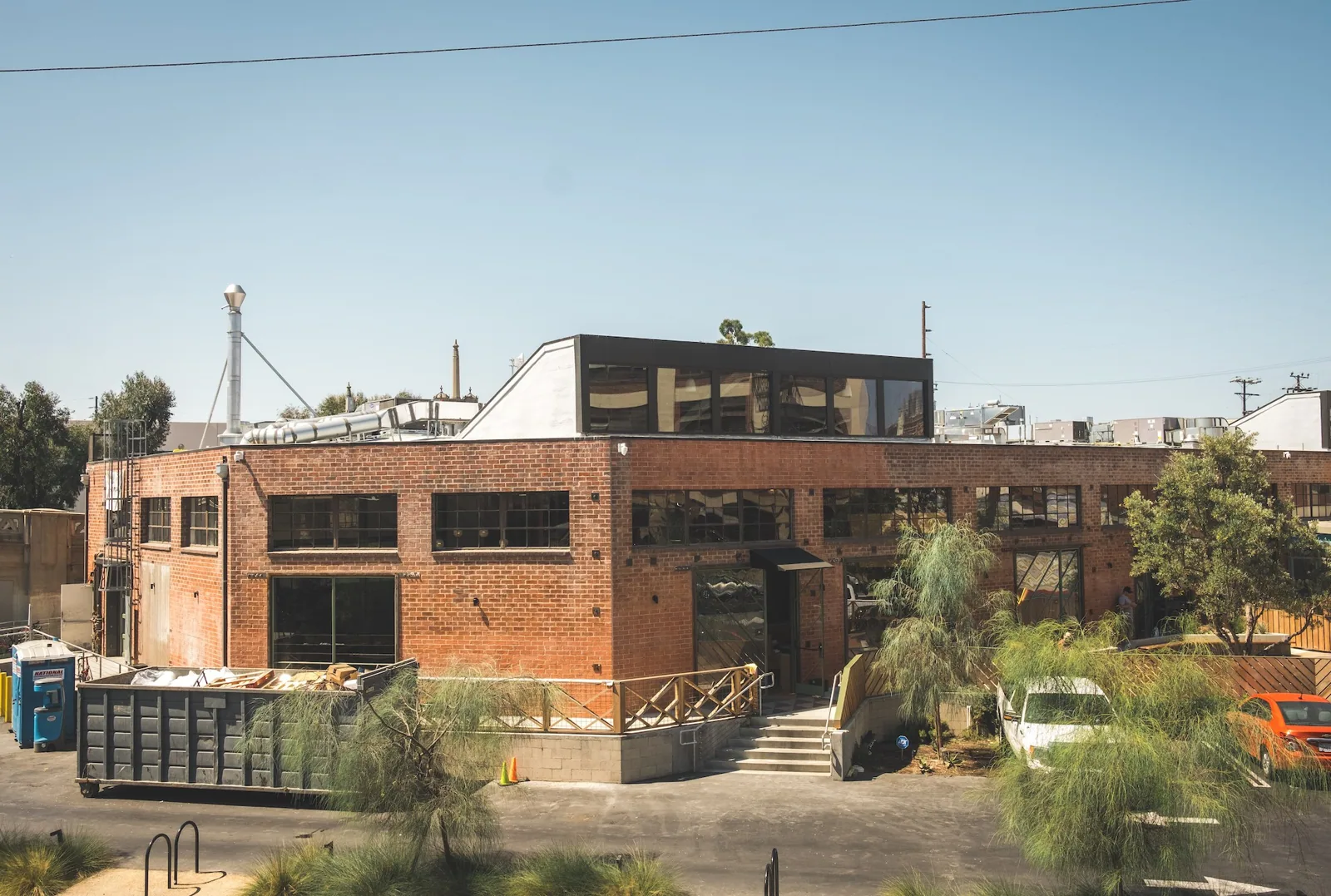
Before opening a curb or pipe flashing, we coordinate with the mechanical or process contractor to determine whether equipment must be isolated, braced, or moved. We set responsibility for power, valves, ventilation, lockout, and restart with the plant contact and qualified trade. The mechanical or process trade controls equipment changes; we restore the roof detail after that work. We protect the roof opening while the authorized trade completes its work, then integrate the membrane or metal flashing into the approved detail.
Supports can transfer vibration or load into the roof. Expansion and vibration near a hot exhaust can loosen flashing while the membrane field remains intact. We compare the roof detail with operating conditions and identify movement before selecting materials and setting repair limits. A curb and support inspection checks the roof interface and identifies when a support itself needs attention. If a pipe boot has cracked, we check whether the pipe can move independently and whether the flashing fits its diameter. A moving pipe needs a flashing detail that allows movement; a rigid clamp or surface-sealant bridge can transfer stress into the roof connection.
Exhausts and intake openings need protection against dust, odor, or overspray during roof work. We coordinate shielding or isolation windows with plant operations. A phased work plan can sequence sections around plant shifts, while we coordinate restricted rooms and process windows with the facility.
Coordinate mechanical and process trades
We identify whether the plant has TPO, PVC, EPDM, modified bitumen, built-up, standing seam, or another assembly. Different membranes need different seam preparation and repair materials. Metal panels require attention to movement, fasteners, and laps. We confirm the system before cutting or applying new material. If records are missing, a representative detail or approved opening can help verify the assembly.
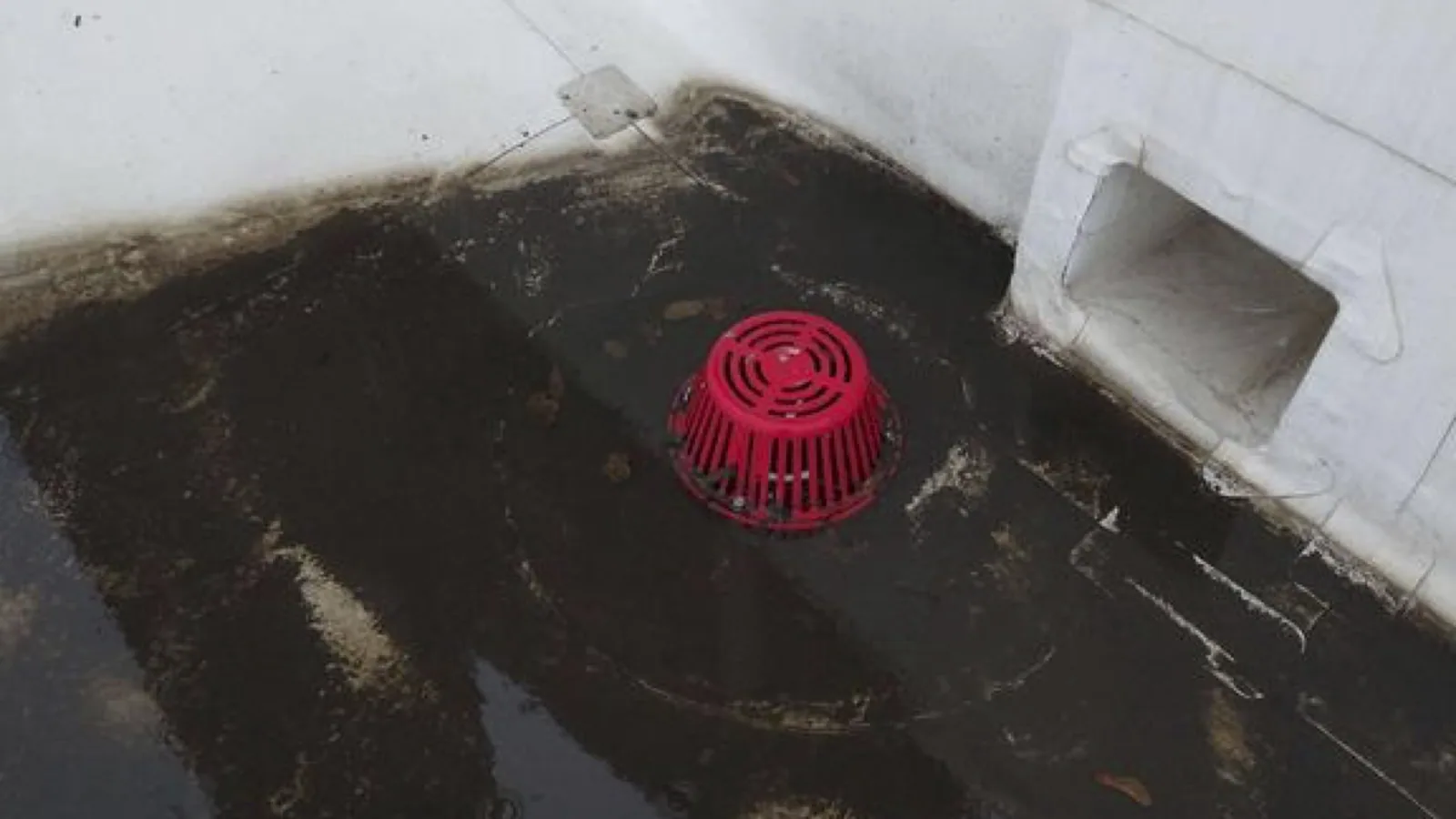
We keep drain bowls, scuppers, overflows, and gutters clear during work. If process residue or dust collects around equipment, we inspect the drain before attributing ponding to the roof field. A drain and scupper review can distinguish a blocked outlet from a damaged connection or low area.
For a larger industrial building, compare distribution center roofing where dock and conveyor operations are part of the roof plan, and cold-storage roofing where temperature-controlled space affects the interior coordination. We match the repair to the plant's actual assembly and project requirements.
Match repairs to the roof system and water path
We schedule roof access around shift changes, maintenance shutdowns, deliveries, and restricted process activity. We confirm the lift location, hot-work controls if applicable, and any temporary access closure with the plant contact. Work proceeds by sections that can be completed or protected before the crew leaves. If a concealed condition changes the scope, we pause, photograph the area, and obtain direction before extending the repair.
Victoria County has recorded hail and damaging gusts, and South Texas has a history of tropical cyclones. Those hazards make edge metal, flashing, and equipment attachments useful items to include in a roof inspection. We monitor current conditions, protect exposed areas when weather changes, and document observed storm impact separately from existing wear.
Near the US 59 Business corridor, we coordinate truck, crane, and material staging against plant traffic routes before delivery. The facility's approved access and safety plan governs each move.
Set a safe work window and weather plan
Closeout records the roof section, process zone below, repairs completed, materials used, and any equipment coordination or access limit. Photos show the curb, seam, drain, or panel detail in context. We note any test or opening that remains incomplete and identify who owns the next step. This gives plant maintenance a clear record without mixing findings between separate production buildings. We identify the room or process zone beneath each repair when it helps staff locate the correct roof section.
Keep equipment changes and later service calls connected to the roof plan. A replacement exhaust, new pipe, or moved support can create a new penetration. A maintenance visit can revisit these locations and identify movement or surface wear before the plant reports another leak.
For manufacturing roof service in Victoria, share the roof plan, process access rules, reported leak, maintenance contact, and any required shutdown window. We will identify the roof detail, coordinate the authorized trade, and document the repair boundary and operating-area protection.
Give maintenance a plant-specific roof record
Related Roofing Work
Frequently Asked Questions
Can roofing repairs be done while production is running?
Often, with approved access, equipment protection, and a work zone coordinated with operations. Some units or processes may need a planned shutdown.
Do you work around process exhausts and pipe racks?
We inspect and repair roof flashing at those interfaces. The plant and process contractors control equipment movement, isolation, and restart.
How do you handle an unidentified deposit on the roof?
The plant contact identifies the material and its safety requirements before work. Our crew pauses until the deposit is identified and a safe handling method is approved.
What if a leak appears near an exhaust?
At that location, we inspect the exhaust flashing and nearby seams, supports, and drainage, then compare findings with the interior report before setting a repair boundary.
What records should a plant keep after roof work?
Retain roof plans, section photos, repair material details, equipment changes, access limitations, and any follow-up assigned to another trade.
Provide the roof plan, process access rules, leak locations, maintenance contact, and shutdown requirements. We will map the affected section and coordinate the roofing scope with plant operations.
Call 555-555-5555 or email [email protected].