
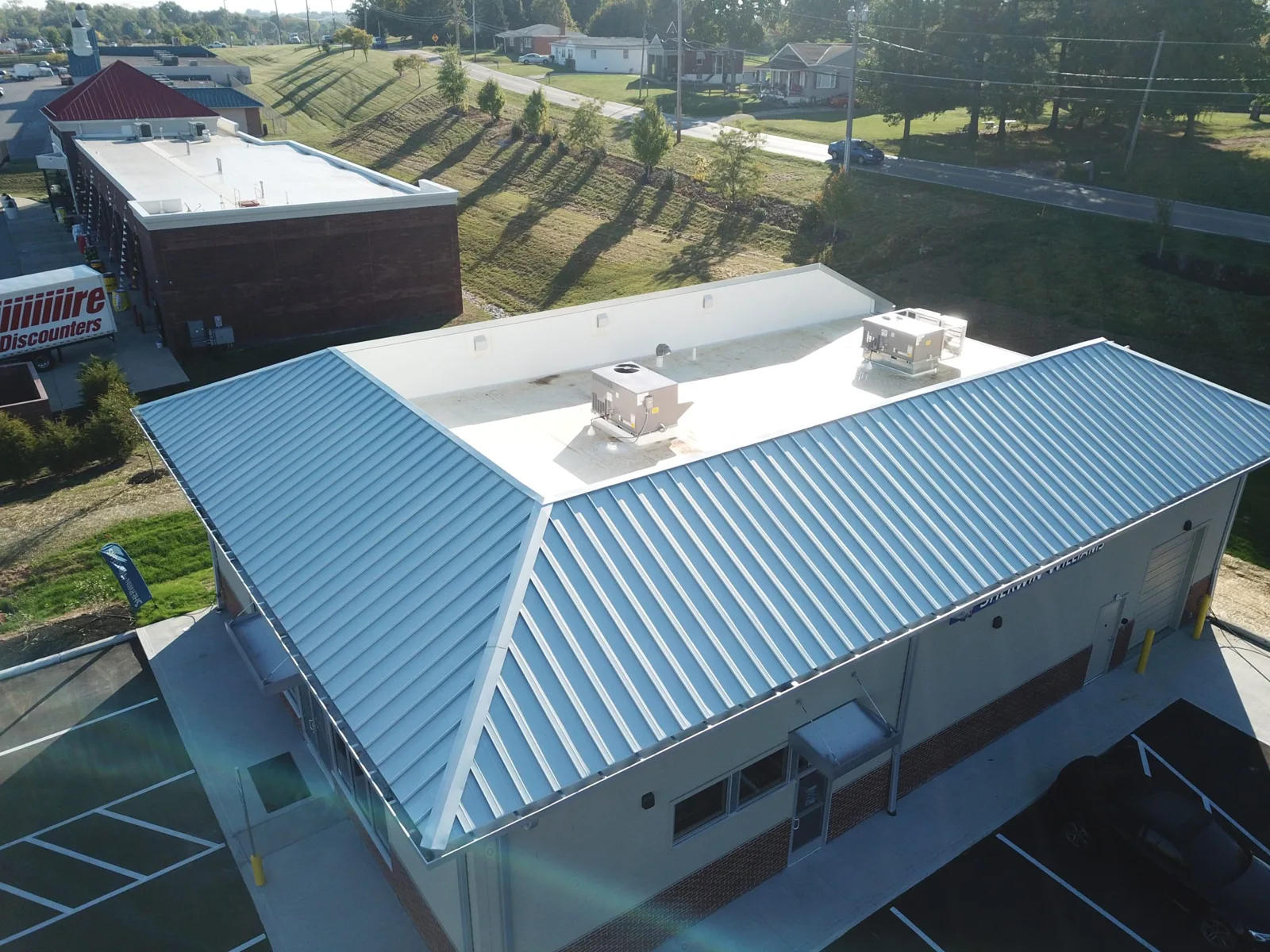
Ponding Water Roof Repair in Victoria, TX
Roof Damage Repair · Victoria, TX
Ponding water roof repair in Victoria traces standing water to drains, slope, deflection, and membrane condition before choosing a corrective scope.
Next step
Request a Roof Assessment
Call
555-555-5555
Water left on a flat roof after drainage time has passed can point to a blocked outlet, a low area, roof movement, or an uneven assembly. Ponding water roof repair in Victoria starts with the location and duration of the water, the drain path, and what happens below. We inspect the roof field and drainage details together, then define whether the right next step is clearing, repair, measurement, or further evaluation.
Ponding Water Roof Repair
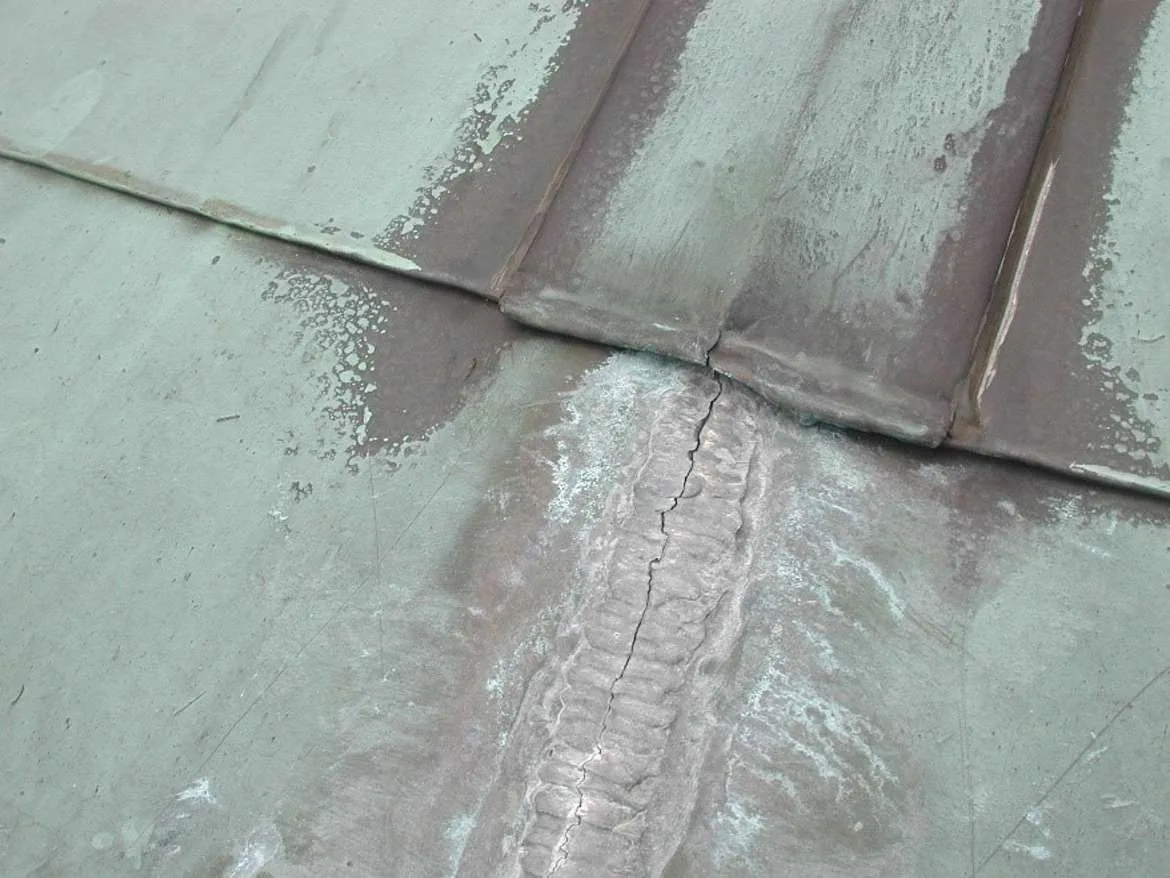
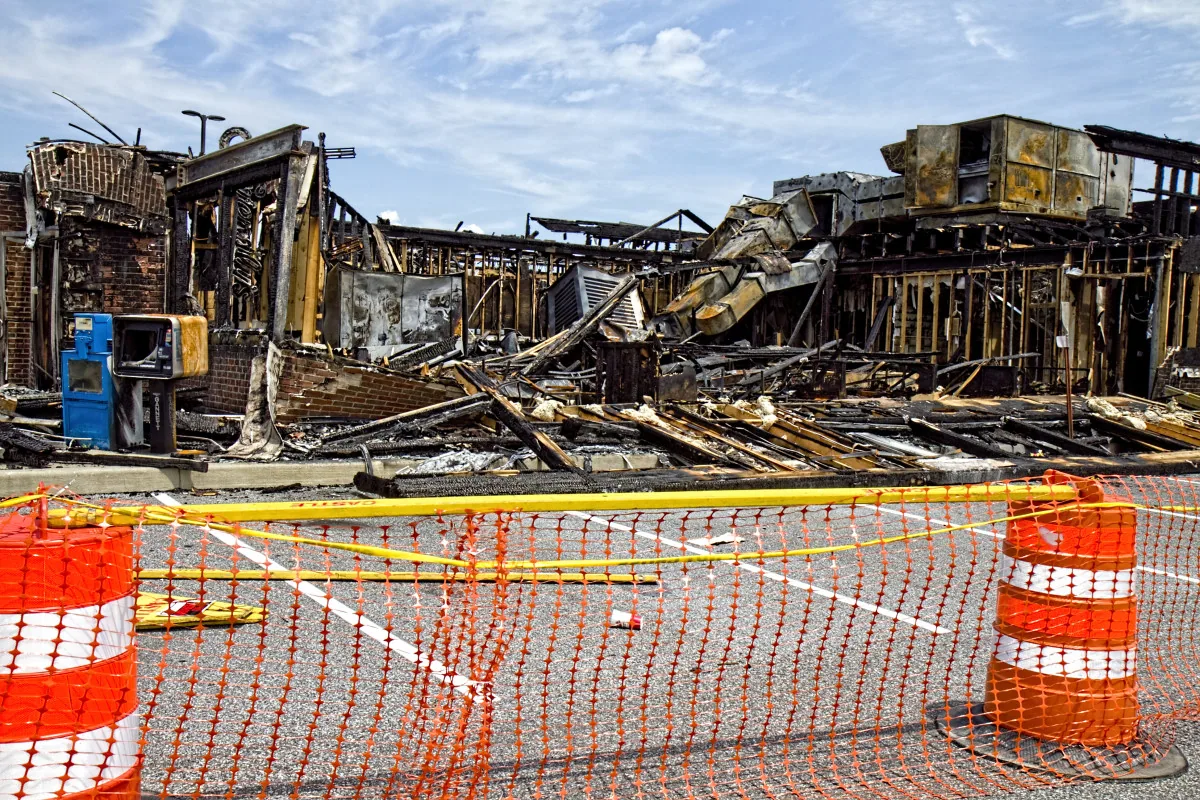
First note the rainfall or washdown timing, the area where water remains, and whether an interior stain or active leak is present. A single photograph taken soon after rain does not show how quickly the roof drained. We compare observations over time when access allows and check whether debris, a closed strainer, or a damaged drain component is limiting flow. If water is entering the building, the priority is to protect the room and locate the roof opening while keeping the drainage issue as a separate work item.
The building contact should identify equipment, storage, production, and occupied areas below the low spot. Do not send untrained staff onto a roof or into standing water to test depth. A commercial roof inspection records the roof condition and access limits before a permanent correction is selected. Properties around Port of Victoria Industrial Park South may have freight or process activity to coordinate, but those site conditions do not establish the reason water is ponding on a specific roof.
Separate standing water from active leakage
We trace water toward each drain, scupper, gutter, and overflow route. The inspection checks strainers, bowls, sumps, clamping rings, seams, and nearby penetrations for debris, damage, or a detail that interrupts flow. We also look for water lines that suggest a recurring low point and compare them with available roof plans. A drain can be open while the roof surface around it still holds water, so clearing debris alone may not resolve the condition.
Where a scupper or downspout discharges beside pedestrian, loading, or landscaped areas, the owner can identify a runoff concern that needs to be considered with roof drainage. Any correction must preserve the assembly at the drain transition and the designed path for overflow. Related flashing failure repair may be relevant when water is entering at a curb or wall; the location and evidence determine whether that is a separate defect. Drainage and flashing observations remain distinct in the report.
Map the path from roof field to discharge
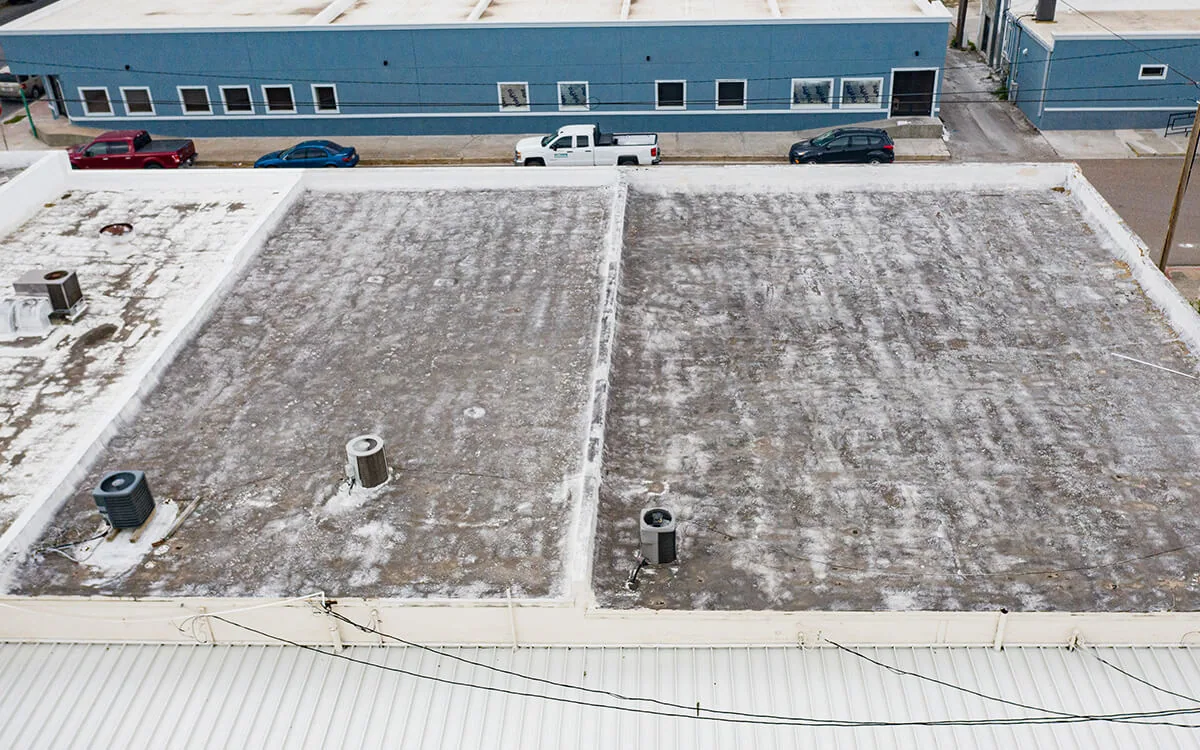
A persistent low area may reflect deck deflection, insulation movement, a changed roof layer, or the original drainage geometry. We record the dimensions and boundaries that can be measured safely, note the surface condition, and compare them with prior reports where available. An owner should not treat a visual impression as a structural diagnosis. If the roof plane appears to have shifted, the next step may involve the building engineer or qualified design professional before altering slope or adding material.
Roof buildup also matters. Added layers can raise drains or reduce curb clearance, and a coating does not correct an uneven deck. The TPO roof assembly or other existing system needs a compatible treatment at seams and drain details. If water has reached insulation or deck, targeted testing may be needed before deciding whether a repair, partial removal, or a replacement scope is appropriate.
Portfolio managers can compare low areas without assuming they share a cause. A roof near the port’s freight and industrial activity may have a different equipment layout from a training or office building at Lone Tree II Industrial Park. The useful comparison is the roof plan, drain layout, observed water boundary, and repair history. We use those records to identify repeat conditions and decide whether to inspect a single outlet, measure the roof plane, or ask for engineering review.
Check whether the roof surface has changed
When an outlet is obstructed, cleaning and restoring the drain components may address the immediate cause. A damaged drain bowl or membrane transition may need a system-compatible repair. If surface geometry keeps water away from the outlet, a correction needs a defined extent and should consider adjacent seams, curbs, and finished roof height. Any proposed taper or new drain path should be reviewed against roof plans, structure, and applicable code by the responsible design professional; we do not estimate structural capacity from a roof walk.
For a localized opening caused by water movement, a commercial roof leak repair can address the confirmed entry point while the standing-water condition is separately documented. A field sketch should show the low area, nearest drains, and any repair boundary. That record helps avoid a broad coating or patch being applied where it cannot change drainage behavior.
Choose correction from the measured cause
Victoria’s weather makes timing and surface condition important to a roof assessment. A National Weather Service climate report for the Victoria airport lists a 94°F normal July high and a 110°F record high for July 2026. Hot membrane surfaces can affect access, material handling, and the reading of sealants or coatings; the crew evaluates conditions at the work area rather than assuming one product or repair method fits every roof. We also document whether ponding remains after the weather has cleared.
Industrial, healthcare, education, retail, and government properties operate on different schedules. A manager can identify loading windows, sensitive rooms, ventilation needs, and any shutdown process before work begins. A roof condition report can record the water observation and the open question for future comparison. For a larger portfolio across the Victoria service area, consistent labels help track recurring low points without treating each building as the same assembly.
Account for heat and operating conditions
After a drain or membrane repair, the closeout should name the component, roof section, work completed, and any limits on what was inspected. Photographs show the drain transition and surrounding roof field; measurements identify the water boundary if it remains. If the work only clears debris, say so. If the roof needs later observation after rainfall, the property manager should have a clear comparison point and a time to revisit it.
We note whether a repair restored a watertight detail, changed the path to an outlet, or simply addressed an immediate leak. Where uncertainty remains about deck movement or concealed wet material, the record identifies the next investigation instead of implying that a roof surface is fully resolved. Managers can use that record alongside seam failure repair or membrane findings when coordinating a broader maintenance plan.
When maintenance staff can safely observe the roof from an approved access point, a dated follow-up image taken after a later rainfall can add useful context. It should use the same viewpoint, name the roof section, and note how long after the rain it was captured. That record supports comparison; it does not replace a qualified inspection or confirm concealed moisture. Keeping the observation separate from the repair invoice helps future staff understand which condition changed and which still needs evaluation.
Record drainage behavior after the work
Related Roofing Work
Frequently Asked Questions
How long can water remain before it is called ponding?
The assessment depends on the roof design and drainage time. We document when the water was observed and whether it remains after the roof should have drained.
Will clearing a drain always solve ponding?
No. Clearing may restore flow when debris is the cause, but a low area, damaged drain, or changed roof plane may need additional work.
Can a coating correct a low spot?
A coating does not change roof slope or deck geometry. The cause and assembly must be evaluated before choosing a repair.
Does standing water prove the roof is leaking?
No. Ponding and leakage are separate observations. We trace any interior report to a roof detail and document drainage independently.
Should water depth be checked by building staff?
Keep untrained personnel off the roof. A qualified crew can assess the area using safe access and the property’s roof procedures.
Share the rainfall timing, drain locations, roof plan, and any interior leak reports. We will map the drainage path and document the cause and repair boundary.
Call 555-555-5555 or email [email protected].