
KEE Roofing in Victoria, TX
Roof Systems · Victoria, TX
KEE roofing in Victoria is evaluated at seams, penetrations, drainage, and attachment before repair or replacement is matched to the roof assembly.
Next step
Request a Roof Assessment
Call
555-555-5555
A KEE membrane needs the right repair material at the surface and the right transition at the curb. KEE refers to a PVC-based roof membrane modified with ketone ethylene ester resin. That composition does not remove the need to inspect seams, attachment, flashing, and substrate. In Victoria, summer heat and storm exposure make those field details part of the service decision.
KEE Roofing
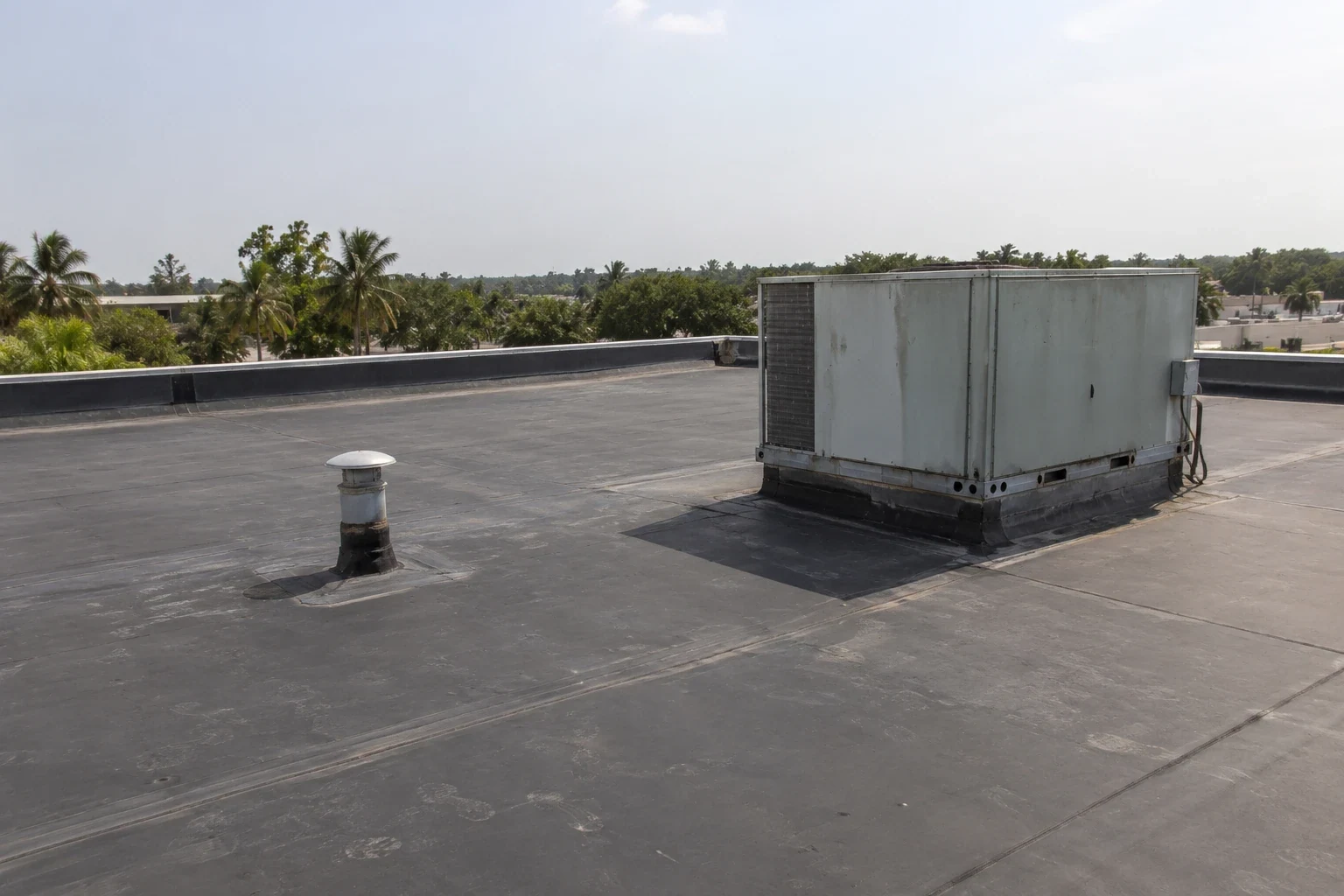
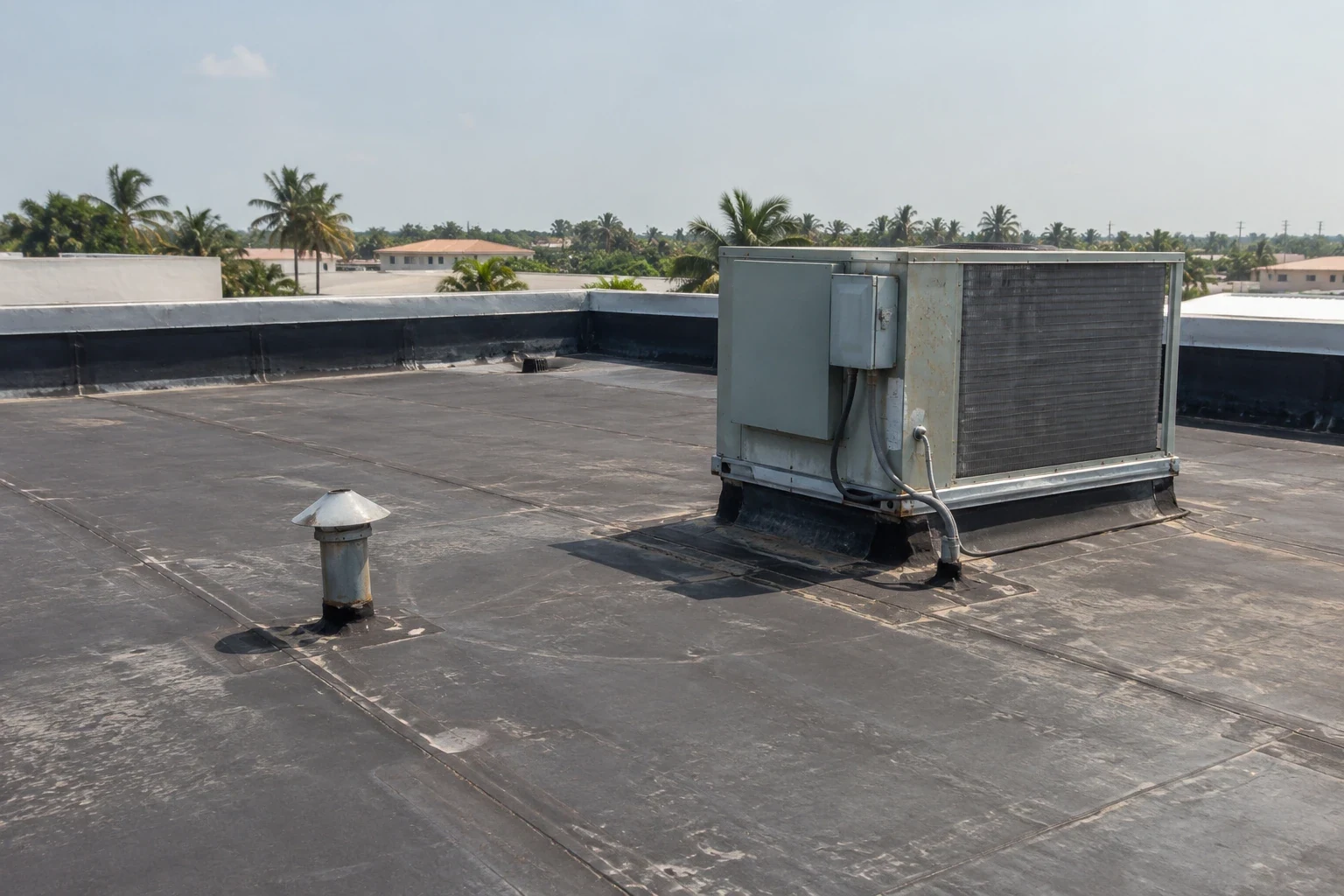
Confirm the roof designation from records, markings, and field details. KEE and conventional PVC can appear similar but may call for product-specific accessories or preparation. The membrane name alone does not tell us thickness, attachment, insulation, or the condition of an older repair. We map roof sections, note patches and coatings, and verify compatibility before applying cleaner, primer, sealant, or a new flashing piece.
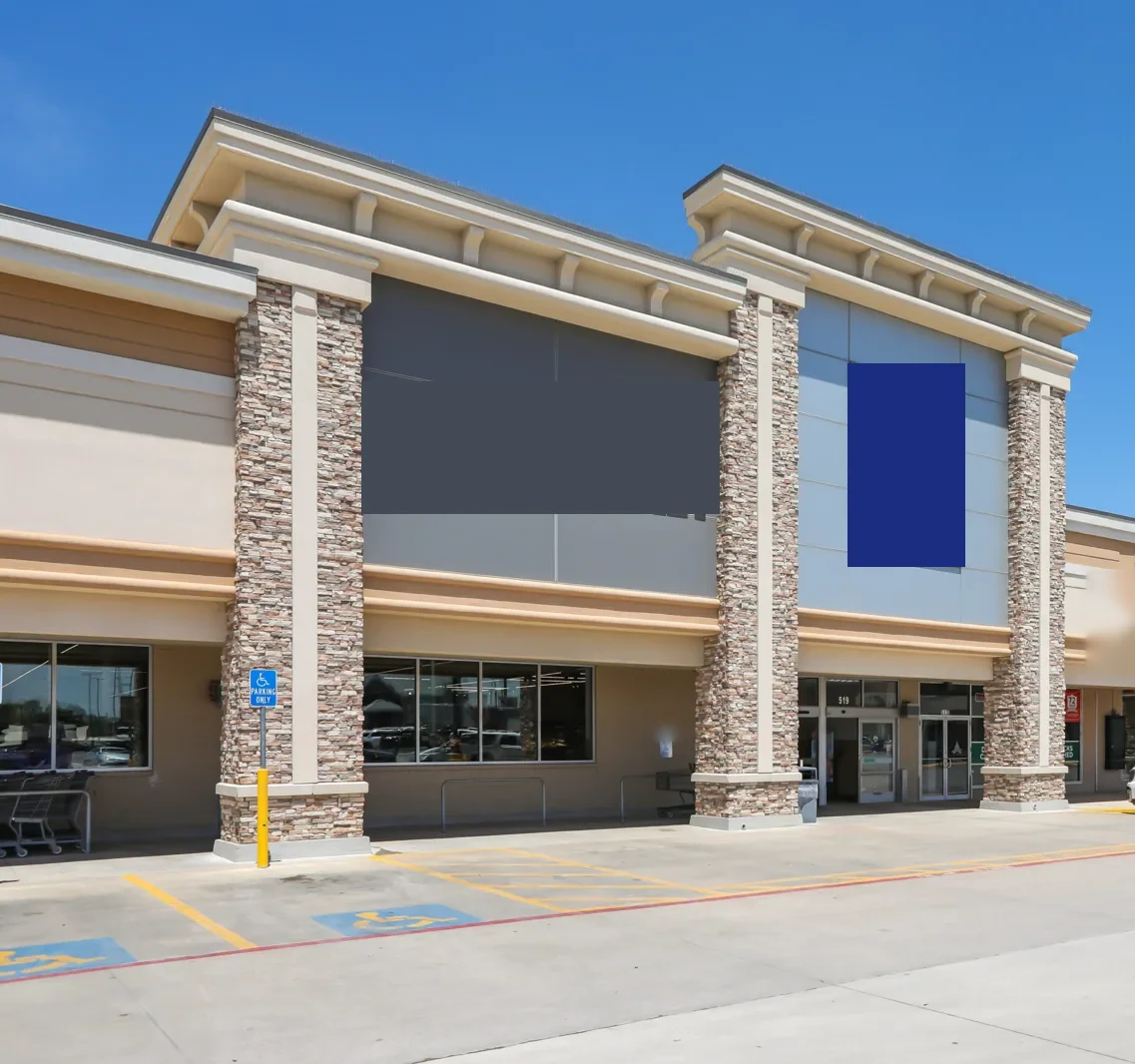
On a service roof near the North Navarro Street Retail Corridor, deliveries, tenant access, and equipment schedules may shape the available work window. The corridor is an established retail concentration in Victoria; each building still has its own roof plan and tenant rules. We coordinate with the property contact and inspect the actual assembly instead of inferring roof material from the property type.
Moisture or movement beneath the membrane can change the scope. If the roof has recurring leaks, separated laps, or soft insulation, an inspection can identify visible findings and areas where further testing may be useful. Do not bury a substrate problem under a new surface flashing.
Verify the membrane before ordering repair parts
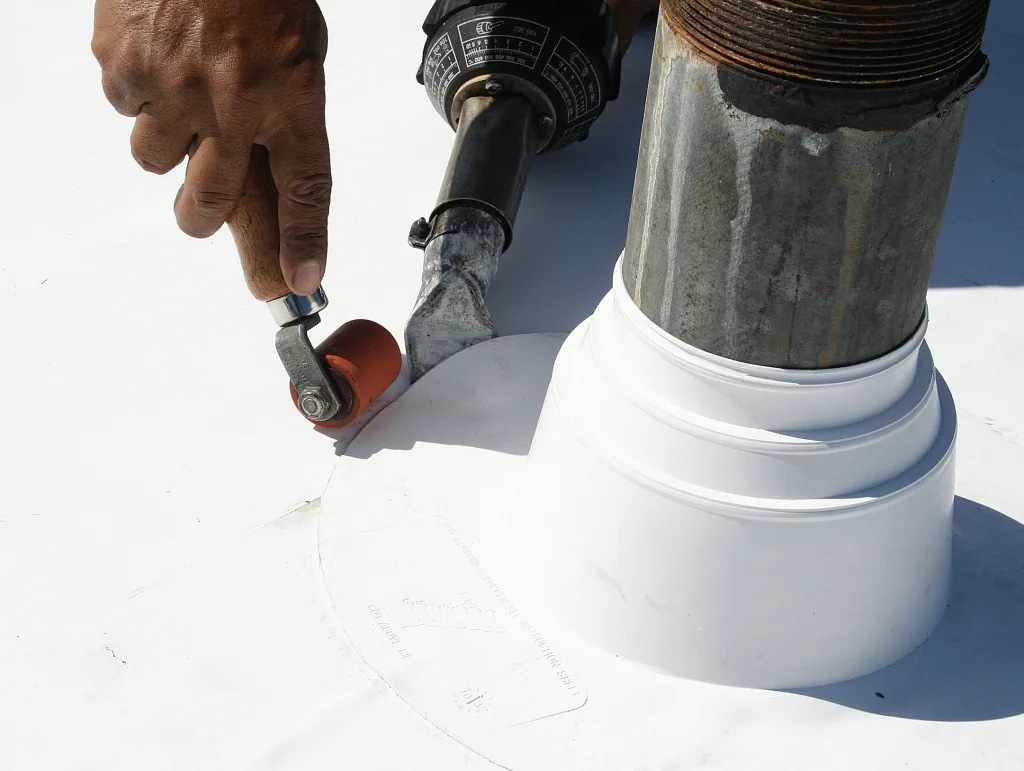
Thermoplastic KEE seams are joined with heat, but a sound repair still depends on clean compatible surfaces, overlap, temperature, and pressure. We make test welds where required, verify the cooled bond, and inspect seam edges at cross-laps and patches. A heat-welded bead does not prove the full width is bonded, so the field check follows the specified procedure.
Look for lifted seam edges, fish-mouths, cuts, punctures, wrinkles, and patches that bridge a moving joint. Identify where a repair stops and whether adjacent membrane is stable. If the sheet is contaminated or coated, preparation may require a manufacturer-approved method or a field compatibility test. When a repair area cannot be made suitable, define removal and replacement rather than adding layer after layer.
Victoria’s weather station VCT recorded a July 2026 normal high of 94°F and a daily record of 110°F. Heat can change surface conditions and work timing. The crew checks the actual membrane temperature and project requirements before welding. Local climate data does not determine how a roof has performed or how long a future repair will last.
Check welded seams and field repairs
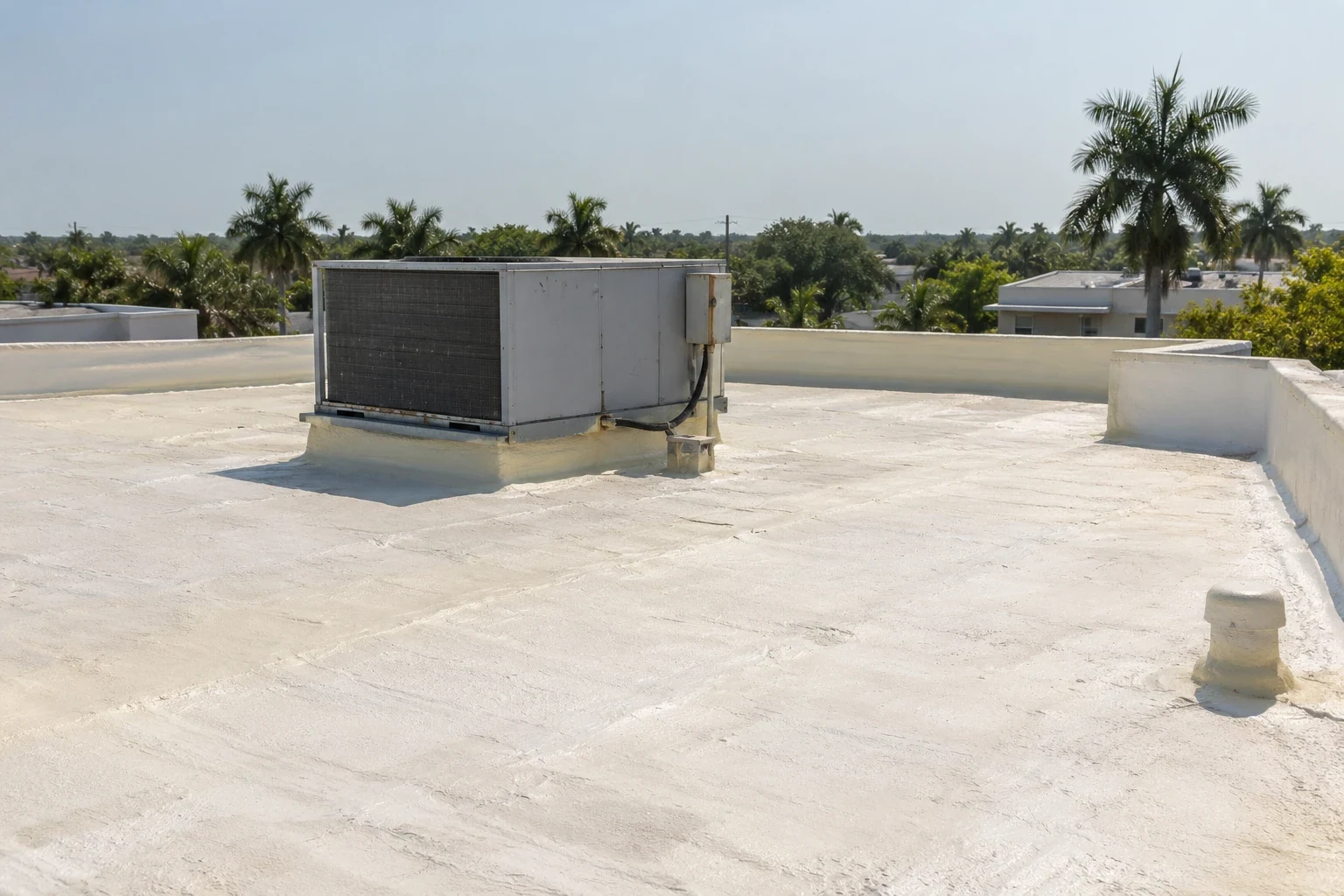
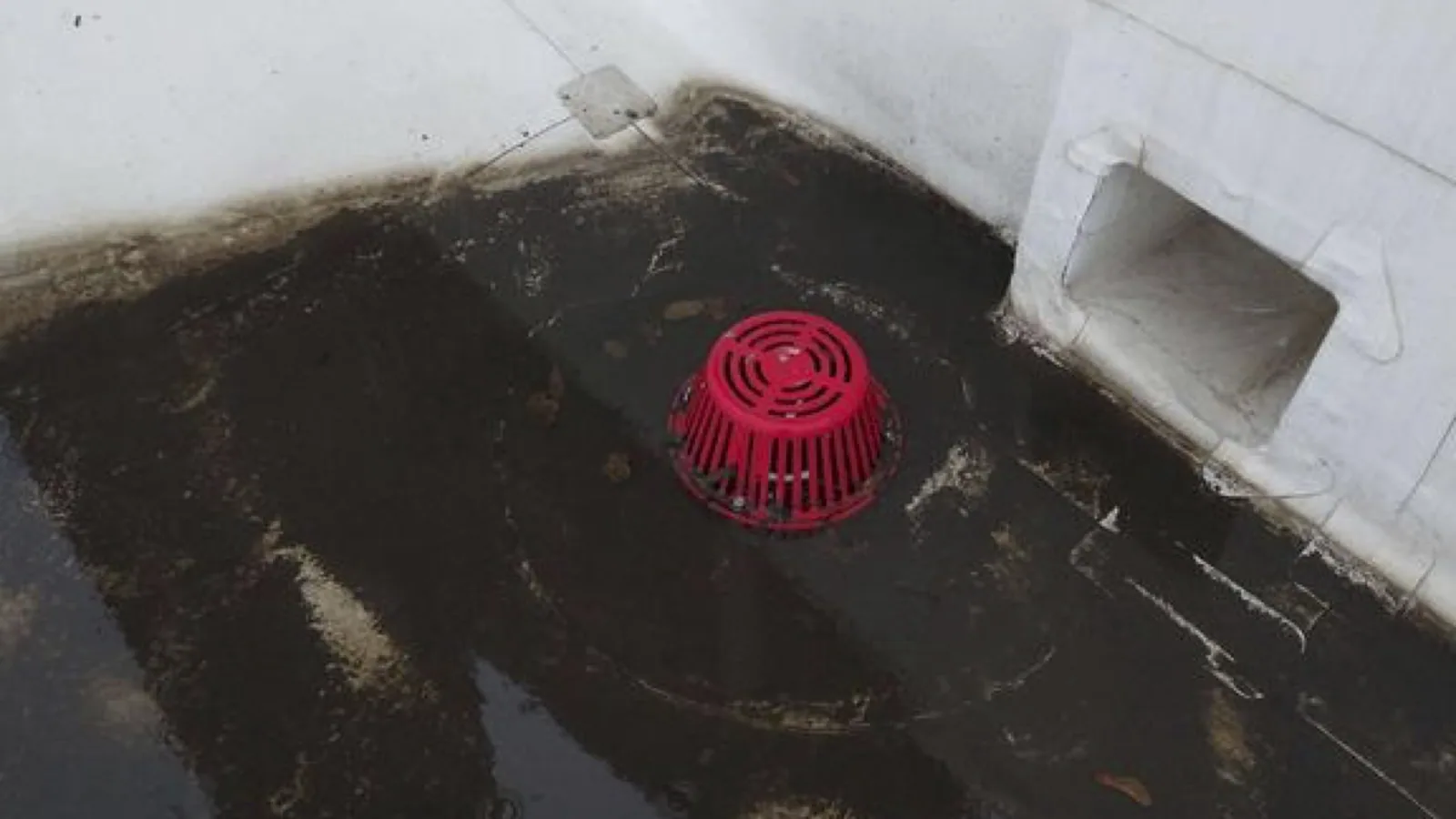
At drains, align the membrane with the approved bowl and clamping detail, keep the strainer clear, and inspect the adjacent slope. Scuppers need an open throat and a sound transition at the parapet. If water stays at the outlet or a low area, separate blockage from roof geometry before deciding on a repair. A drainage inspection can define whether the next step is cleaning, component correction, or a slope evaluation.
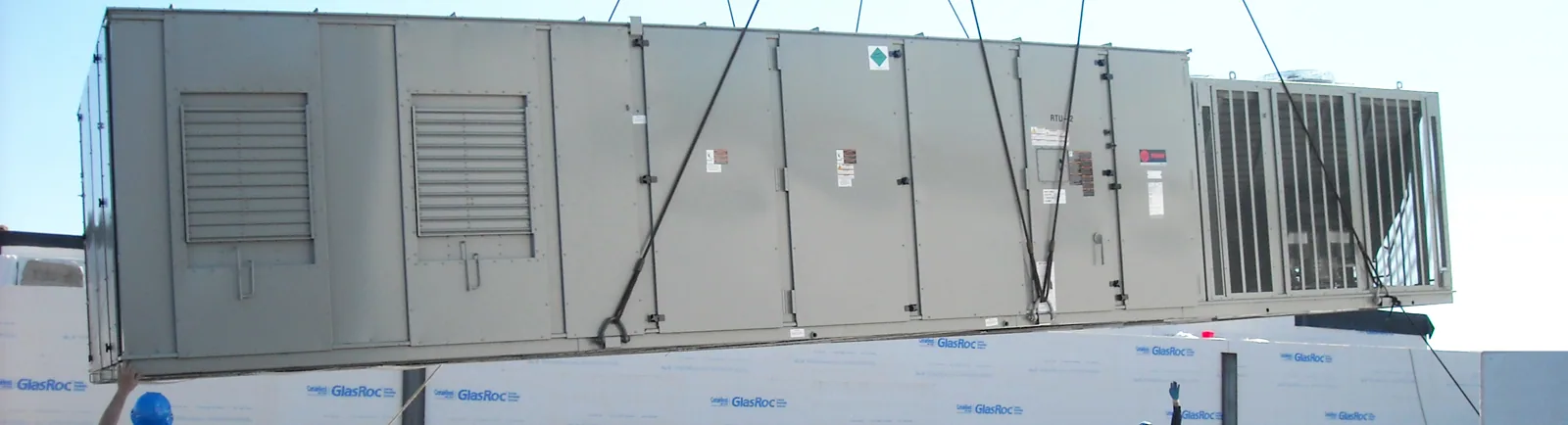
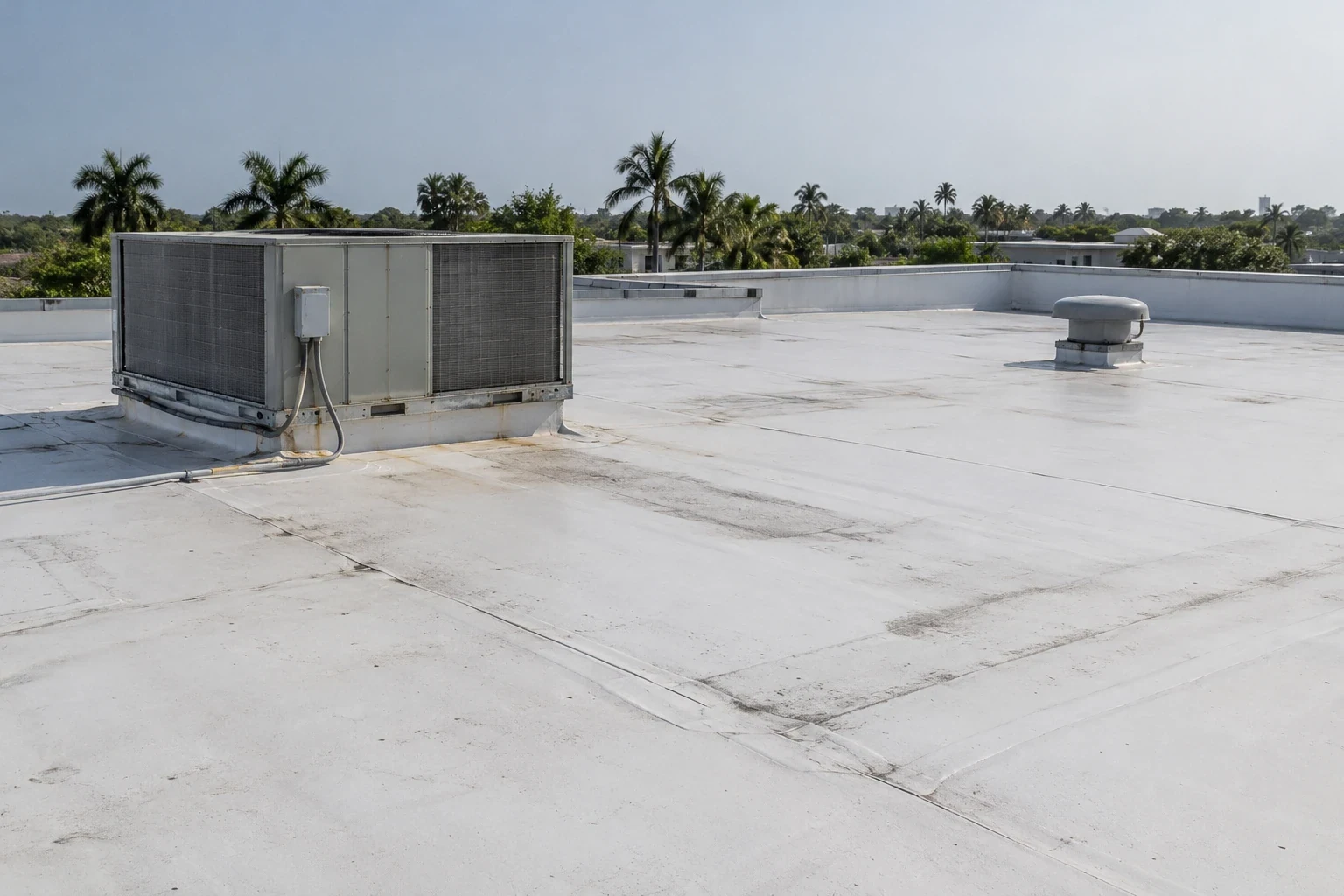
At a curb, pipe, or equipment support, the flashing should rise and terminate according to the system detail. A loose unit or support foot needs stabilization before the KEE sheet is patched around it. A curb and support review can coordinate the roof interface with mechanical access. Protect the membrane from service traffic and restore the tie-in if another trade opens it.
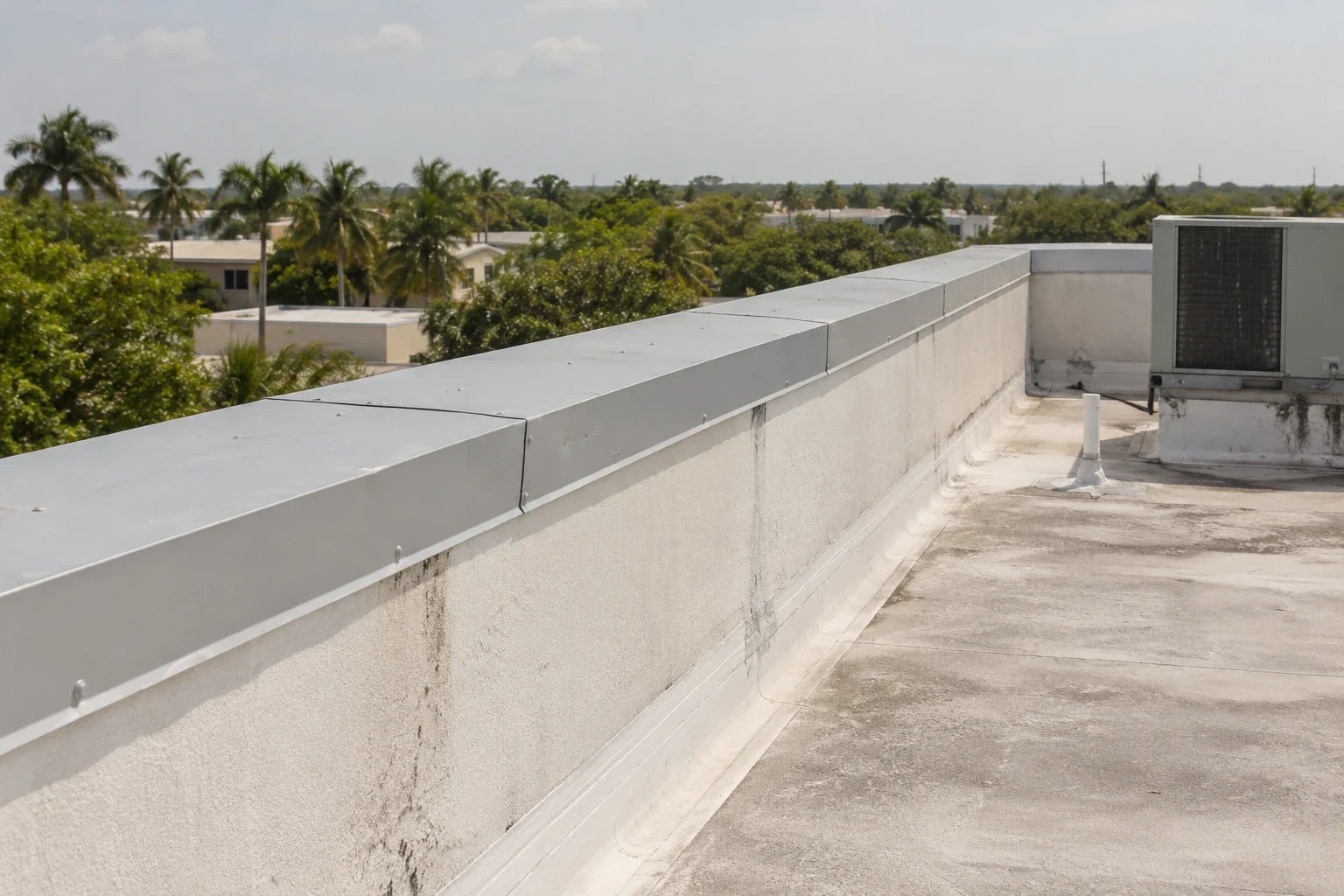
Parapet caps and perimeter metal should hold the membrane termination in place without trapping water. Review coping and gutter work where the edge is loose, corroded, or no longer connected to the roof. At retail or office properties, protect pedestrian routes below while metal or equipment is moved.
Continue the KEE detail into drains and edges
KEE is not selected solely by its chemistry. Consider roof slope, deck, insulation, exposure, access, attachment, and the specified use of the building. For a replacement, confirm how the selected assembly handles corners, drains, curbs, and edge transitions. If a recover is proposed, inspect the existing layers and moisture condition first. The owner should understand which repairs remain outside the planned membrane scope.
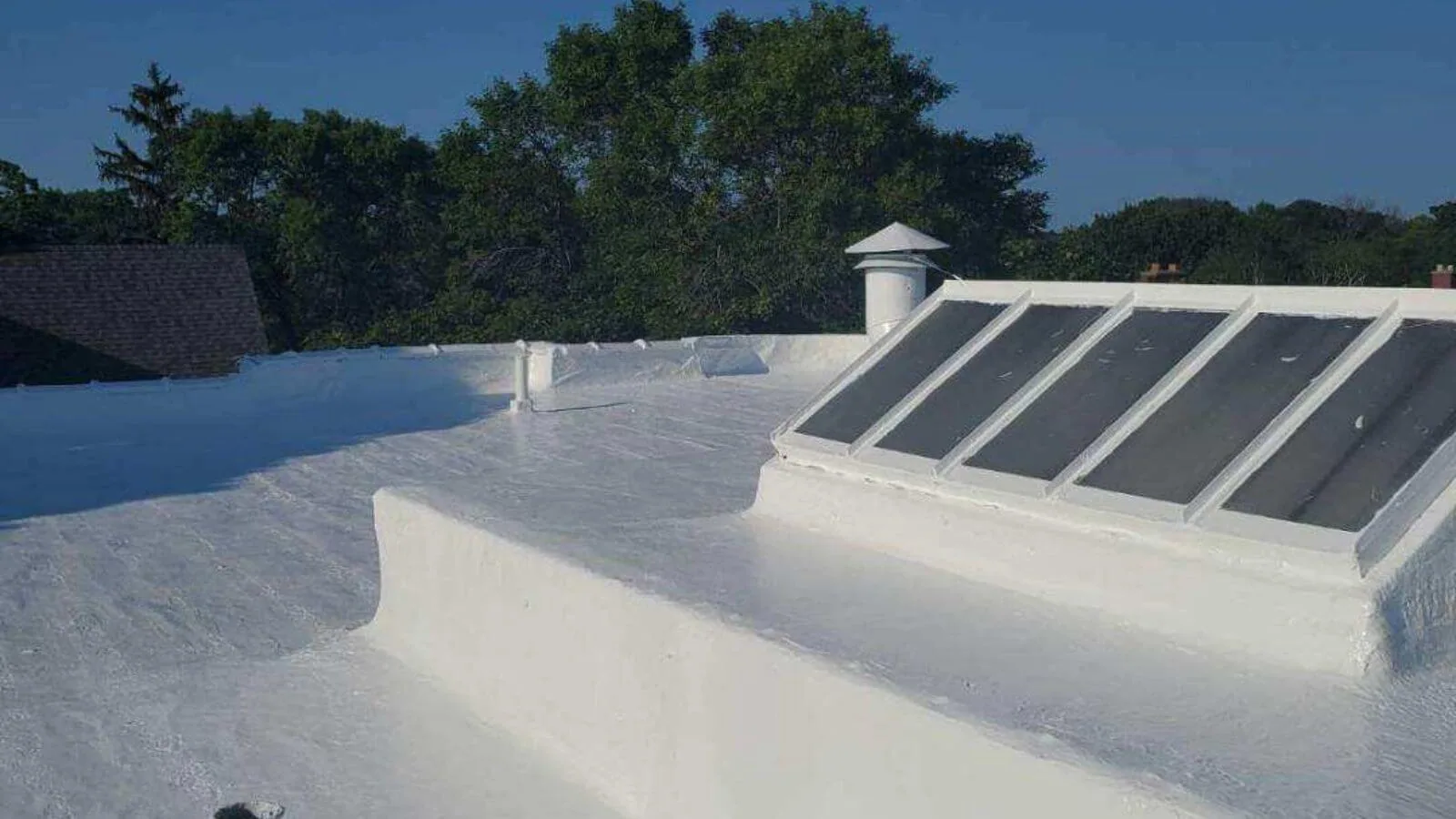
A PVC roof system and a TPO system have different formulations and installation requirements. Compare them against the actual roof, not a generic ranking. A coating option is considered only when the existing surface is sound and compatible with the selected restoration material.
The Downtown Victoria Business District contains older commercial properties as well as professional and service uses. Roof age and prior construction phases can vary block by block. Review available drawings and inspect transitions where additions or reroofs meet so a new membrane is not asked to bridge an unconfirmed change in level.
Compare KEE with other roof systems
Before new membrane work, verify the deck, insulation, cover board, and attachment pattern. Replace wet or damaged material only within the approved boundary and document concealed findings for direction. A mechanically attached field, adhered system, or hybrid assembly has different requirements. Edge and corner zones may also require specific fastening or securement. Follow the project documents and manufacturer instructions for the selected system.
Keep the substrate clean and dry before welding. Protect rolls from damage and stage only the material the crew can install under the current conditions. Rain, condensation, dust, or excessive roof heat can interfere with preparation. If the schedule changes, secure the exposed area and tell the property contact what remains open. Do not trade seam quality for a short weather window.
For occupied buildings, map HVAC intakes, tenant areas, and rooftop service paths. The phased work plan can help coordinate deliveries and daily weather protection. The crew closes each section and removes loose material before access is returned.
Control preparation and attachment
Closeout checks seams, patches, drains, curb flashings, perimeter terminations, and any areas opened during the work. Record the KEE product information available, installation method, repairs, and limitations. Photos need a roof-section label and detail view so a future inspector can locate the same seam or transition. Do not characterize an inaccessible substrate as confirmed.
For maintenance, use compatible materials and preserve the membrane manufacturer’s care instructions with the building records. A maintenance visit can track condition changes at seams, penetrations, and drains. If storm or service work disturbs a flashing, recheck the repair boundary and record the new tie-in.
To discuss KEE roofing in Victoria, provide the roof plan, membrane history, leak locations, previous repairs, and access window. We will verify the system, inspect the roof details, and explain whether a targeted repair, test, recover, or replacement is supported by what the assembly shows.
Document the membrane and repair boundary
Related Roofing Work
Frequently Asked Questions
What does KEE mean in commercial roofing?
It refers to a PVC-based membrane modified with ketone ethylene ester resin. The roof details and repair materials still need to match the specific product.
Can you weld a repair onto any KEE roof?
Only after confirming the membrane and surface compatibility. Preparation, test welds, and the selected repair procedure determine whether a weld is appropriate.
How is KEE different from ordinary PVC?
The membrane formulation differs. Selection depends on product requirements, roof conditions, exposure, and project specification rather than the name alone.
Can a coating fix a KEE seam leak?
A leaking seam should be located and repaired with compatible material. Coating does not replace a sound seam or correct movement beneath the sheet.
What should I send for a KEE inspection?
Provide roof plans, product or repair records, leak locations, building use, and access restrictions so we can identify the right areas to examine.
Share the roof plan, KEE product information if available, leak history, previous repairs, and access schedule. We will inspect seams, drainage, flashing, and attachment before defining the scope.
Call 555-555-5555 or email [email protected].