Roof Systems
Commercial roofing in Victoria, TX
Compare commercial roof systems in Victoria, from single-ply membranes and metal panels to built-up, foam, and coating assemblies.
Next step
Request a Roof Assessment
Call
555-555-5555
A membrane lap, metal seam, or coating termination tells us more than a roof label by itself. Commercial buildings in Victoria use several low-slope and metal assemblies, and their repair details depend on the materials already in place. We identify the system, inspect transitions and drainage, then match preparation and tie-in to the roof section. Heat and storm exposure add wear to the maintenance picture, while industrial activity near Lone Tree II Industrial Park and freight movement at the Port of Victoria industrial area can shape access and work timing.
Roof Systems in Victoria, TX
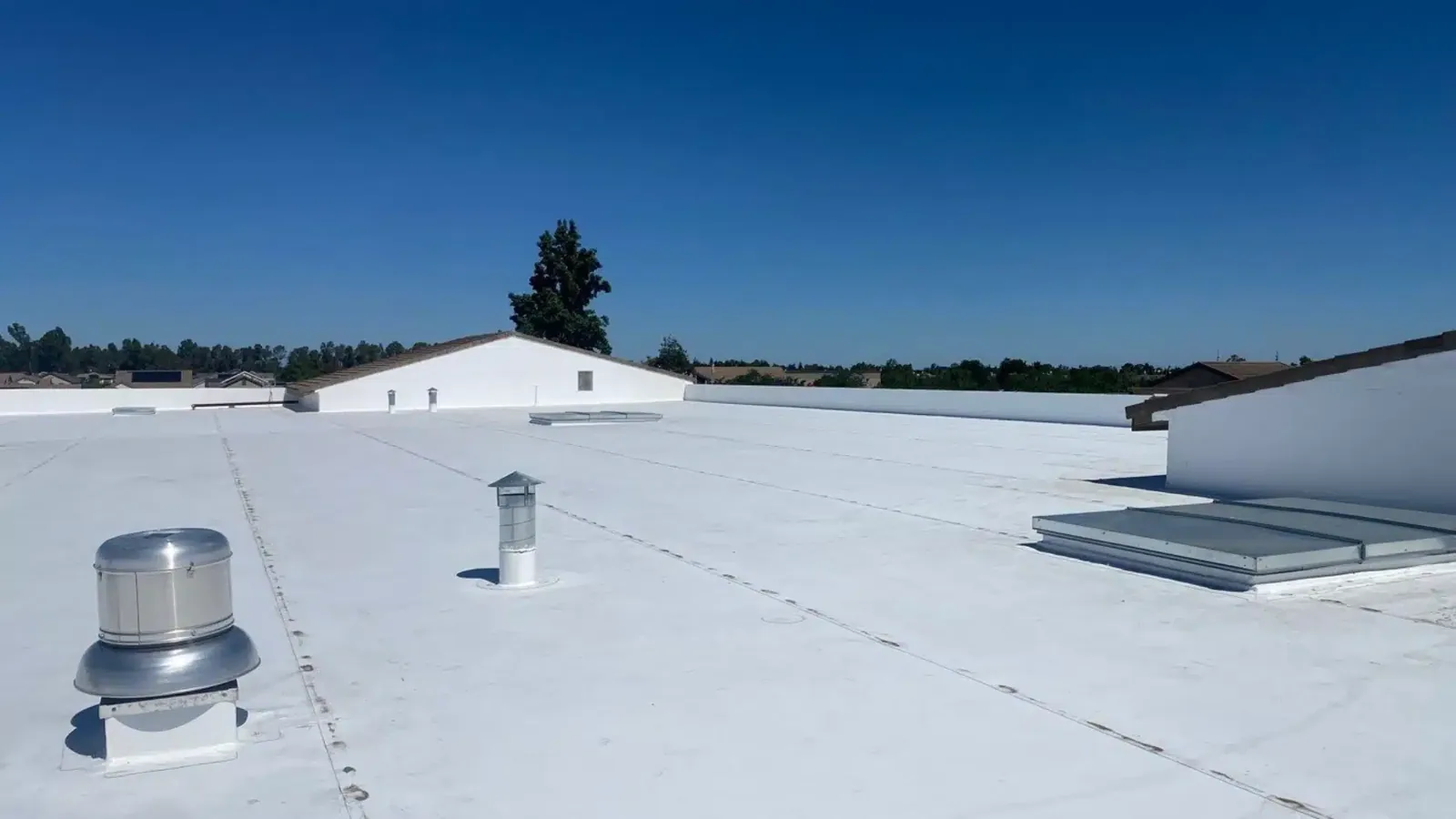
TPO roofing in Victoria depends on sound attachment, clean hot-air welds, and detailed tie-ins at drains, curbs, edges, and equipment supports.
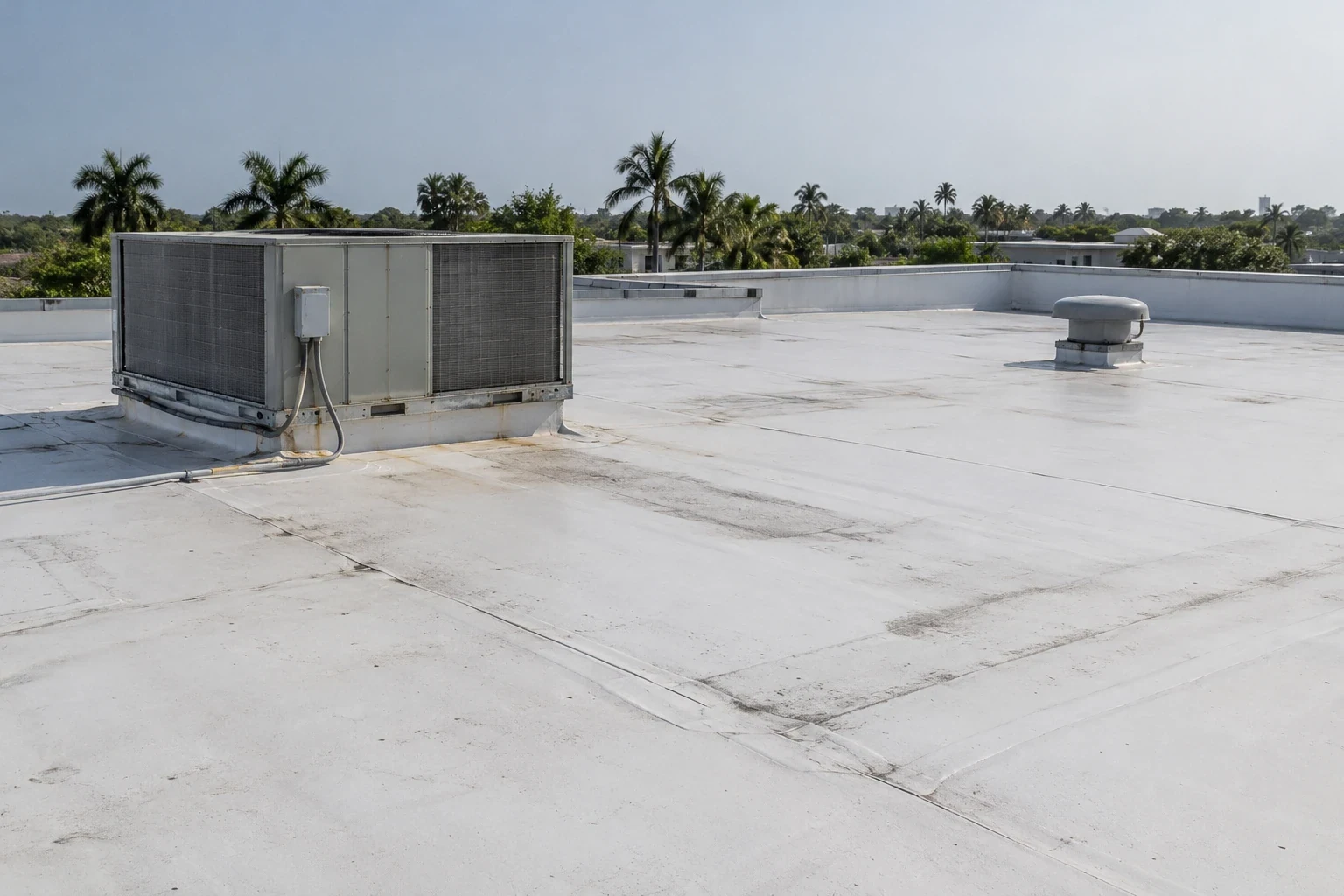
PVC roofing in Victoria requires a compatible assembly, clean welded seams, and careful flashing at drains, equipment, walls, and roof edges.
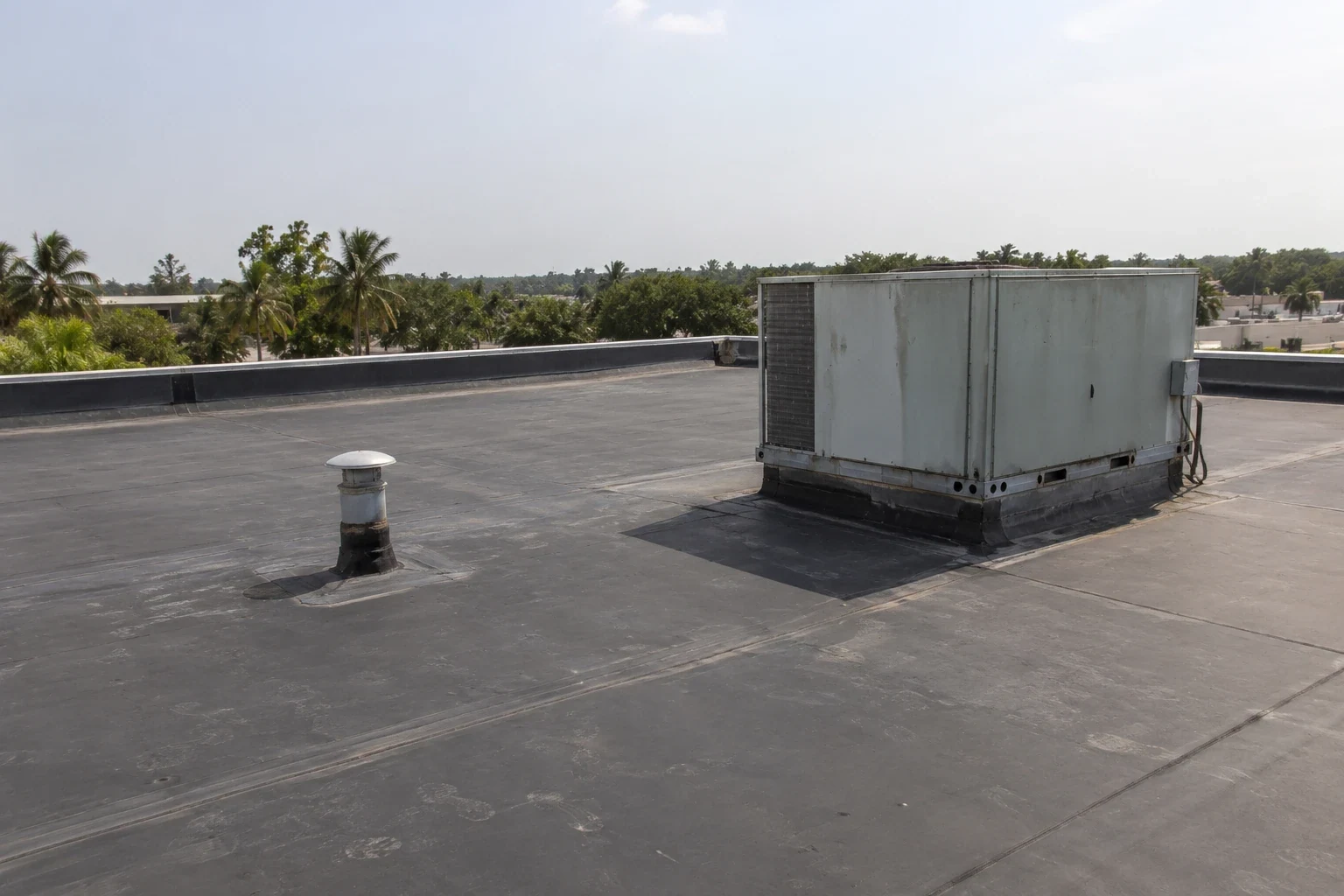
EPDM roofing in Victoria relies on clean seam preparation, secure perimeter details, and compatible flashing at curbs, drains, and rooftop supports.
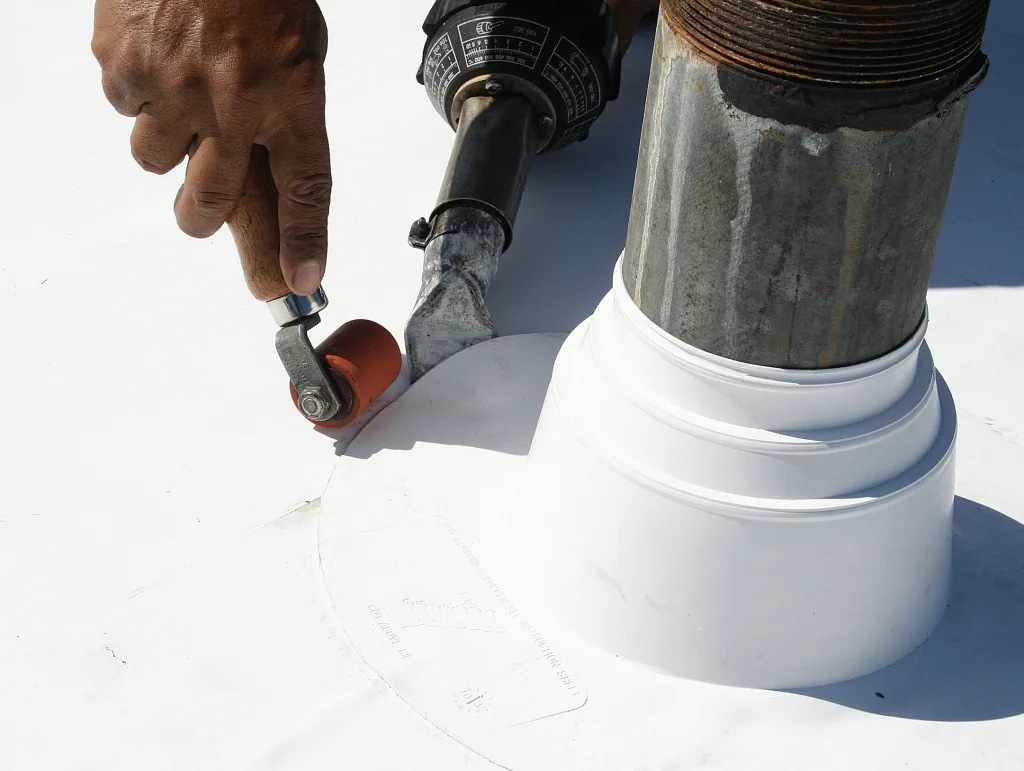
KEE roofing in Victoria is evaluated at seams, penetrations, drainage, and attachment before repair or replacement is matched to the roof assembly.
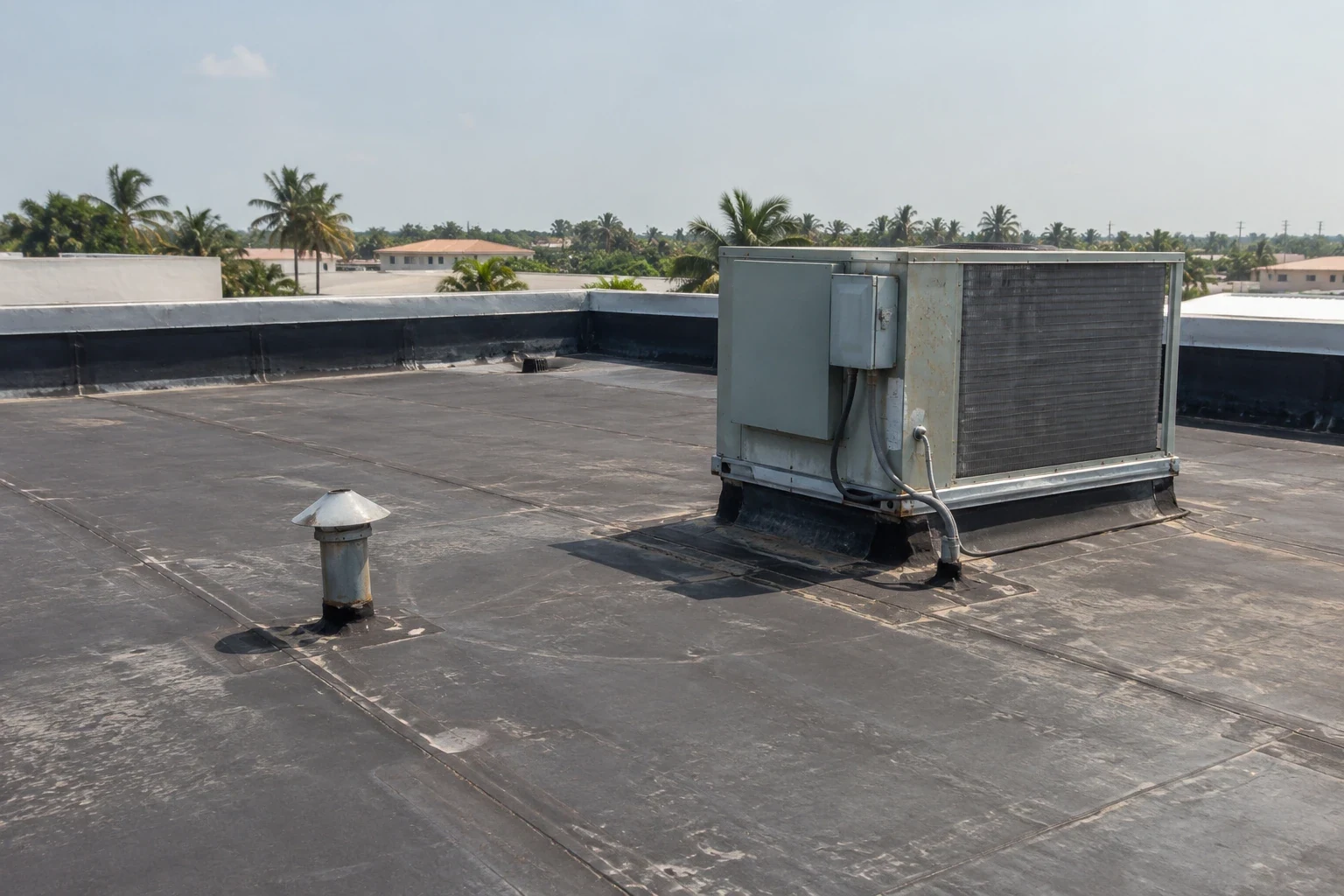
Modified bitumen roofing in Victoria is evaluated by ply condition, attachment, seams, and drainage before a repair or new assembly is selected.
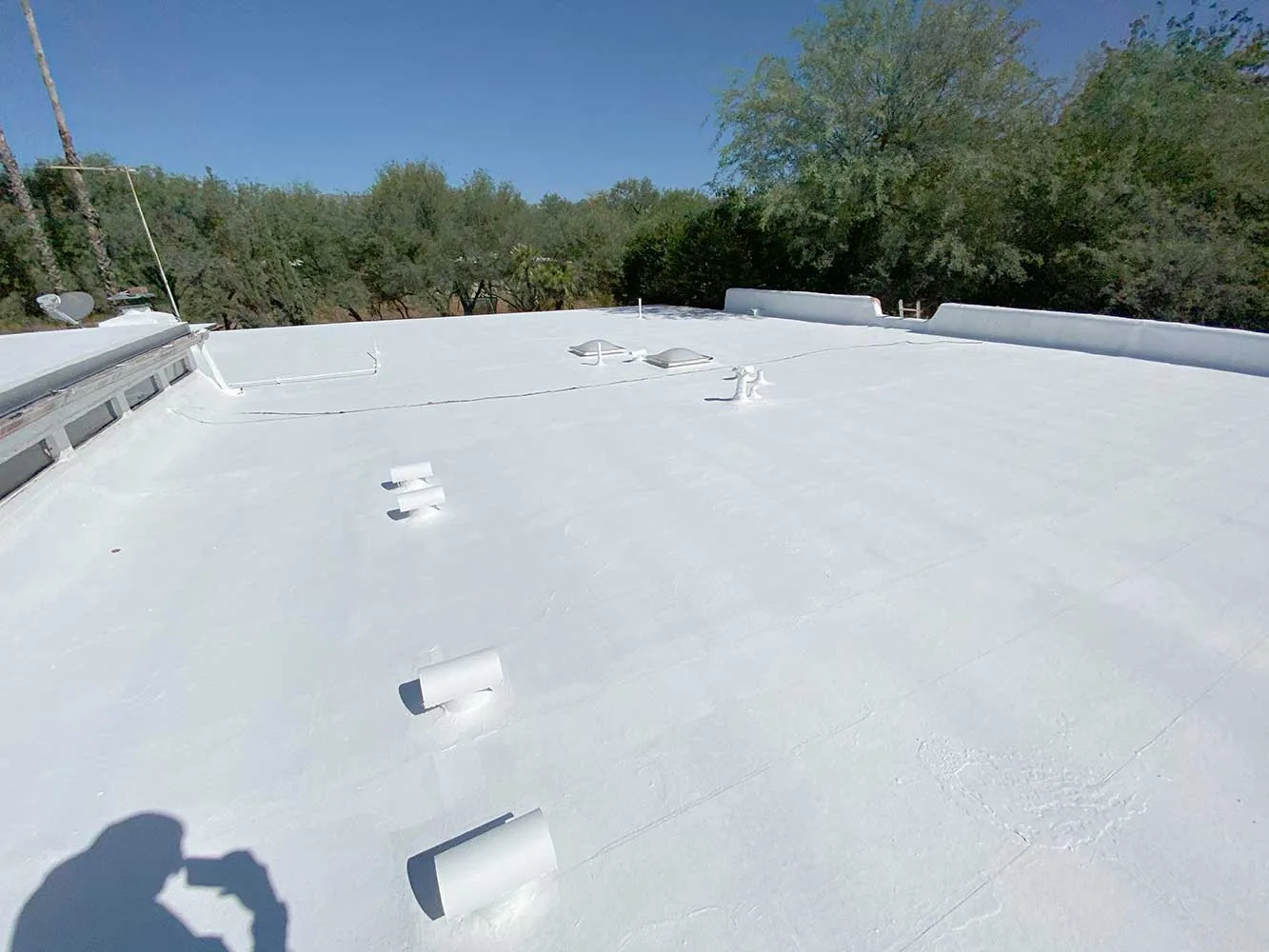
Built-up roofing in Victoria is assessed by ply condition, bitumen adhesion, drainage, and flashing before repair or replacement is planned.
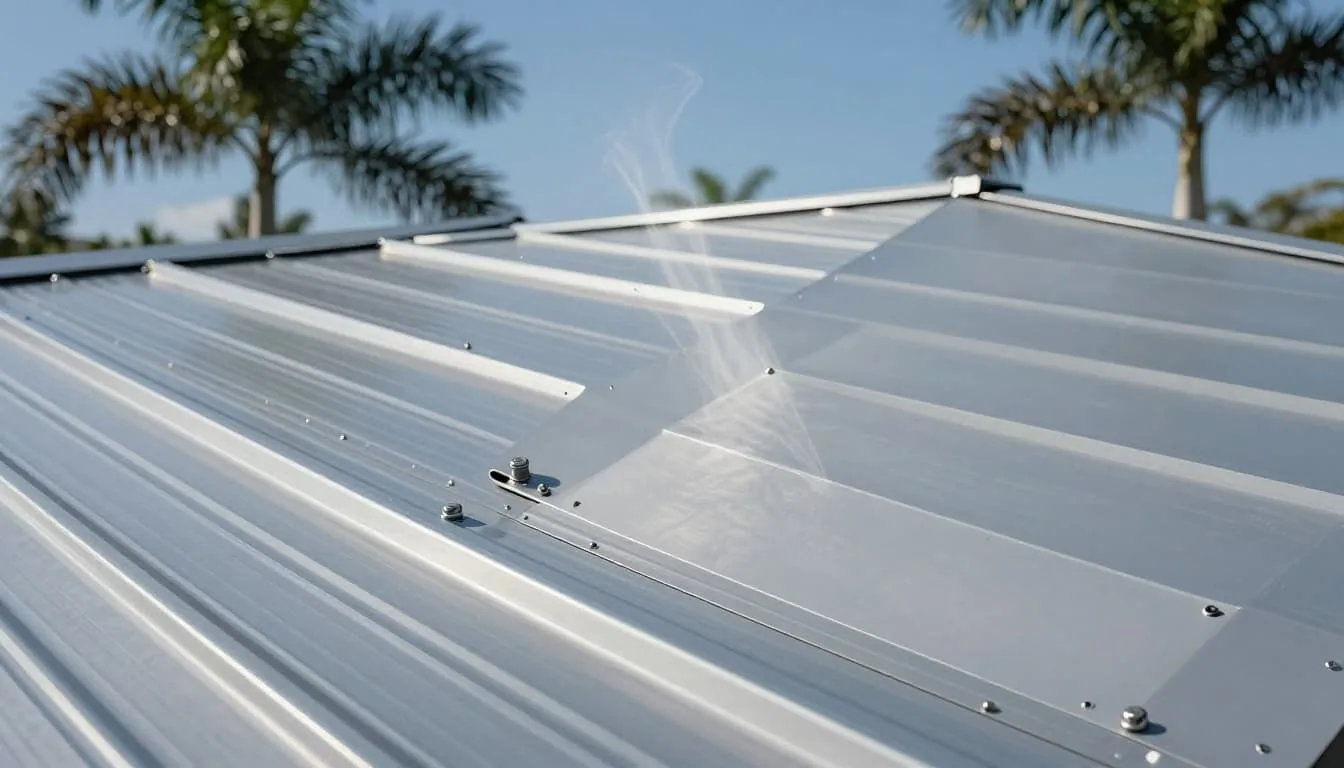
Standing seam metal roofing in Victoria depends on panel movement, clip attachment, underlayment, and complete flashing at penetrations and edges.
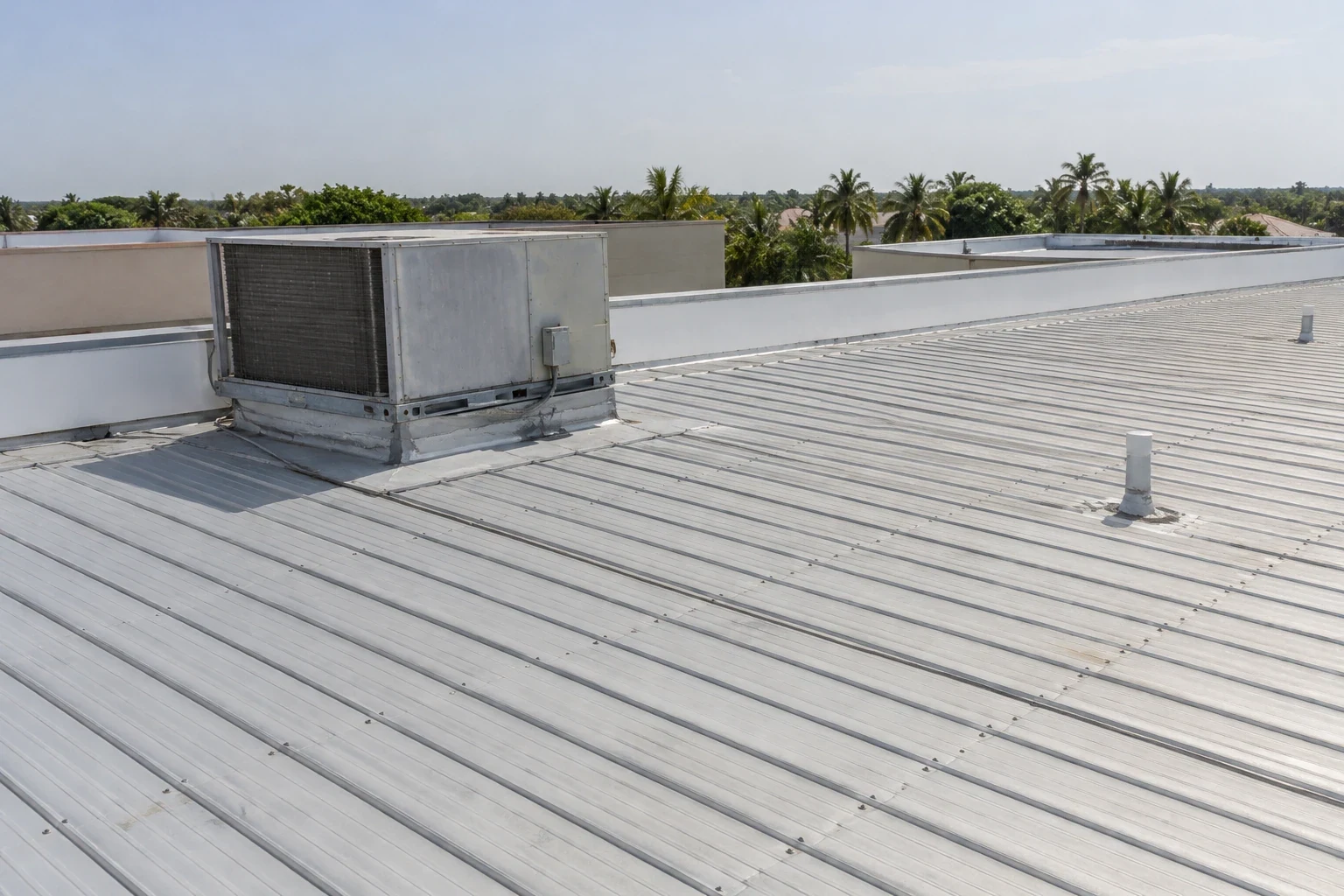
Metal roof retrofit in Victoria evaluates panel attachment, corrosion, drainage, and structural conditions before a new over-roof system is designed.
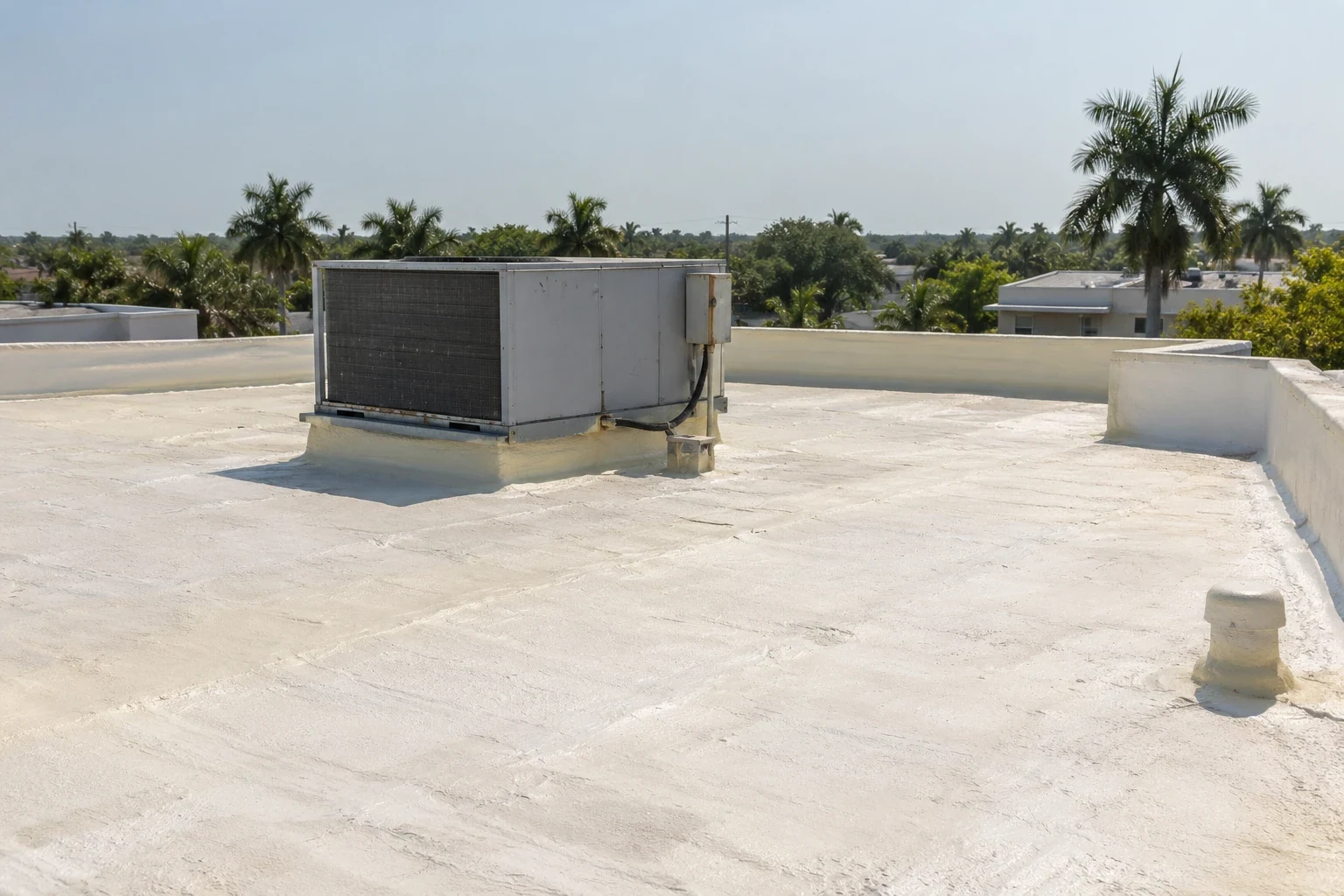
Spray polyurethane foam roofing in Victoria needs dry substrate, controlled application, correct foam thickness, and a maintained protective coating.
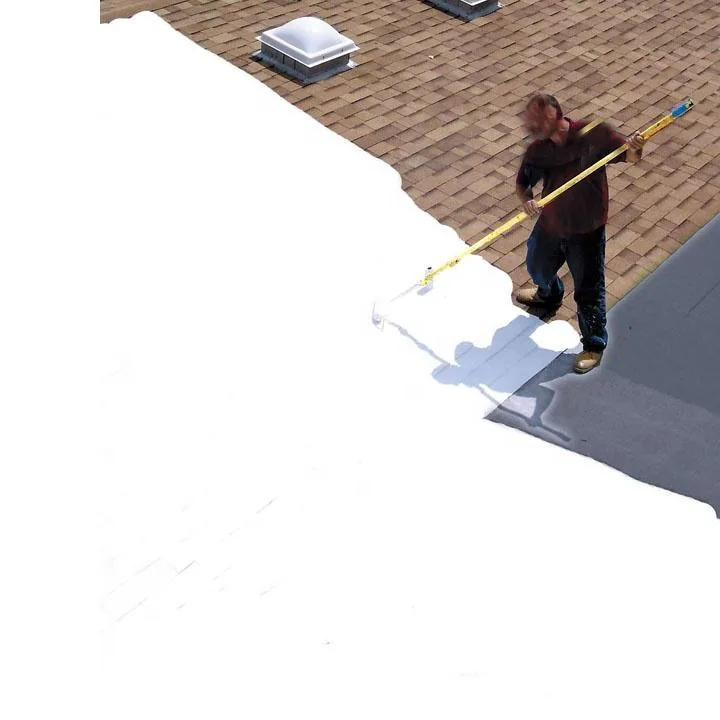
Silicone roof coating in Victoria requires a stable, dry substrate, compatible preparation, and clear inspection of drains, seams, and transitions.
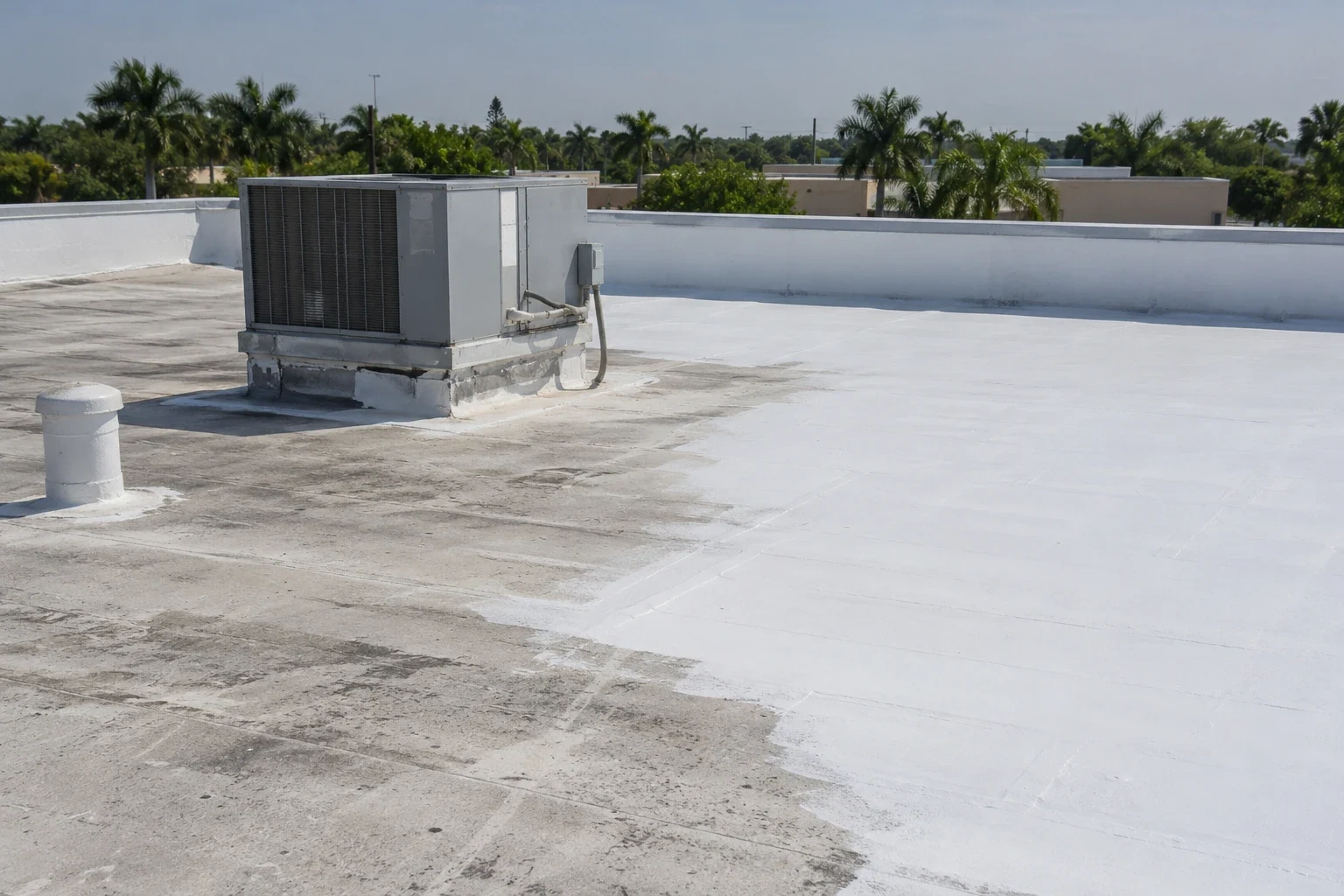
Acrylic roof coating in Victoria is planned around roof slope, dry weather, compatible preparation, and secure repairs at seams and transitions.
Single-ply roofs use welded or adhered sheets, but TPO, PVC, KEE, and EPDM do not share every repair method. We check seams, corners, penetrations, attachment, and the product visible at the roof before specifying a patch. A TPO assembly may need a compatible welded detail; EPDM work uses a different seam and flashing approach. When records are missing, a field inspection can document what is visible and identify where testing is needed.
Built-up and modified-bitumen roofs have layered construction, surfacing, and transitions that should be assessed before an overlay. Metal systems need review of panel laps, fasteners, clips, closures, penetrations, and perimeter trim. A retrofit may change the drainage path or attachment strategy, so we map the existing structure and edge conditions first.
Identify the assembly before choosing a repair
A sound tie-in starts with a clean, stable surface and a known substrate. We remove loose material within the approved boundary, check adhesion or fastening where accessible, and confirm that the proposed repair product is compatible with the existing membrane or coating. Spray foam, silicone, and acrylic systems also depend on surface condition, moisture, temperature, and the layer below. The chosen material cannot correct movement, weak attachment, or drainage that remains active.
Victoria's summer heat affects safe work windows and product application conditions. The measured roof surface and current forecast matter more than a regional reading. After hail or damaging wind, inspection should distinguish punctures, impact marks, displaced metal, and older wear. A condition inspection records those observations, while a coating restoration is considered only after the assembly and substrate are suitable.
Match preparation to the material
One split seam or loose flashing corner may be repaired without changing the larger assembly. Repeated failures, saturated insulation, corrosion, or broad surface wear can justify testing and renewal planning. A recover can reduce tear-off only when the existing roof, drainage, edges, and attachment support another layer. Coatings require adequate preparation and a compatible base. We explain the condition supporting each option and list what remains unverified before pricing.
System-specific records help future crews find the repair boundary and avoid treating different roof sections as interchangeable. For replacement, a proposal identifies tear-off, insulation, fastening or adhesion, membrane or panels, perimeter details, drainage, and closure sequence. The standing-seam metal option and spray foam assembly each have different substrate and detail requirements.
Compare maintenance, restoration, and replacement
We label changes between roof sections, additions, and system types, then tie photographs and measurements to those labels. At Victoria Regional Airport's business area, industrial and commercial development shares a broader aviation setting; that context does not establish a particular building's roof assembly. The same rule applies downtown or on a distribution property: field evidence identifies the actual materials and limits of the inspection.
Send available plans, prior repair records, the reported issue, and an access contact. We will document visible system details, note testing needs, and define a work boundary that fits the verified assembly.
Keep the roof map tied to each system
Frequently Asked Questions
Can one repair material work on every membrane?
No. We identify the existing sheet and surface, then select a compatible repair method for that assembly and detail.
When is a coating a reasonable option?
The roof needs a suitable substrate, attachment, drainage, edge condition, and compatible surface. Inspection may identify preparation or testing required first.
Can a metal roof be coated instead of repaired?
Coating does not correct loose panels, failed fasteners, movement, or wet insulation. We inspect those conditions and compare a targeted metal repair with restoration options.
What records help identify an older assembly?
Previous specifications, invoices, warranty documents, and roof plans are useful. We compare them with visible materials and note any mismatch.
Send roof plans, past repair records, a description of the issue, and an access contact. We will document the assembly, transitions, and conditions that guide a compatible repair or renewal.
Call 555-555-5555 or email [email protected].