
Roofing Manufacturers
Commercial roofing in Victoria, TX
Manufacturer-specific commercial roof work in Victoria starts with the installed system, product records, compatible details, and a documented repair boundary.
Next step
Request a Roof Assessment
Call
555-555-5555
A product name on an invoice does not tell us whether a later patch is compatible with the roof in front of us. We identify the installed assembly, read available product records, and inspect seams, flashings, penetrations, and transitions before selecting repair materials. This matters on industrial roofs near Lone Tree II Industrial Park as much as on a downtown commercial building. Victoria's heat and storm exposure also make surface condition and attachment part of the review.
Roofing Manufacturers in Victoria, TX
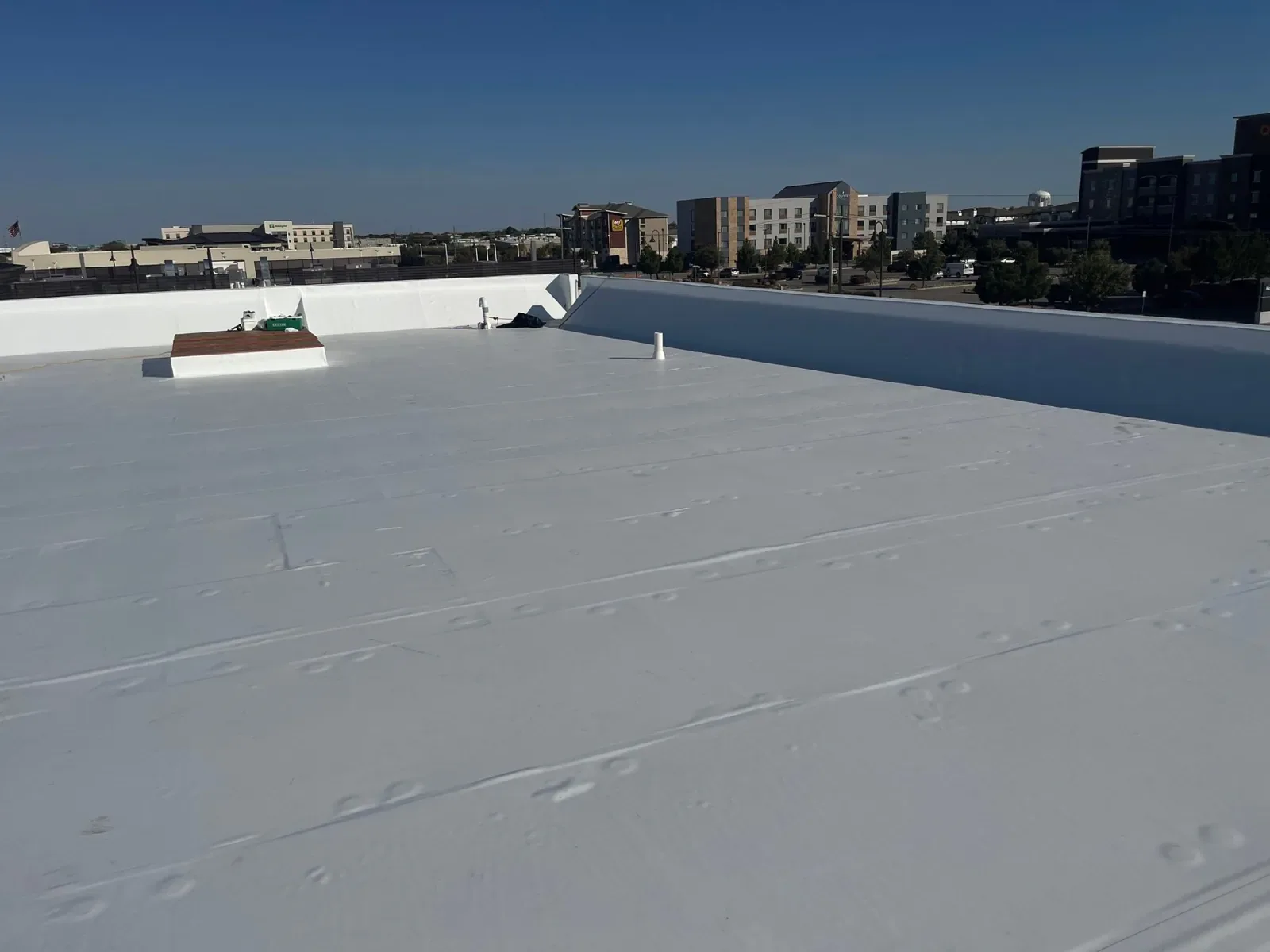
GAF commercial roofing in Victoria, TX, with field checks for membrane seams, drainage, edge details, and repair or replacement scope.
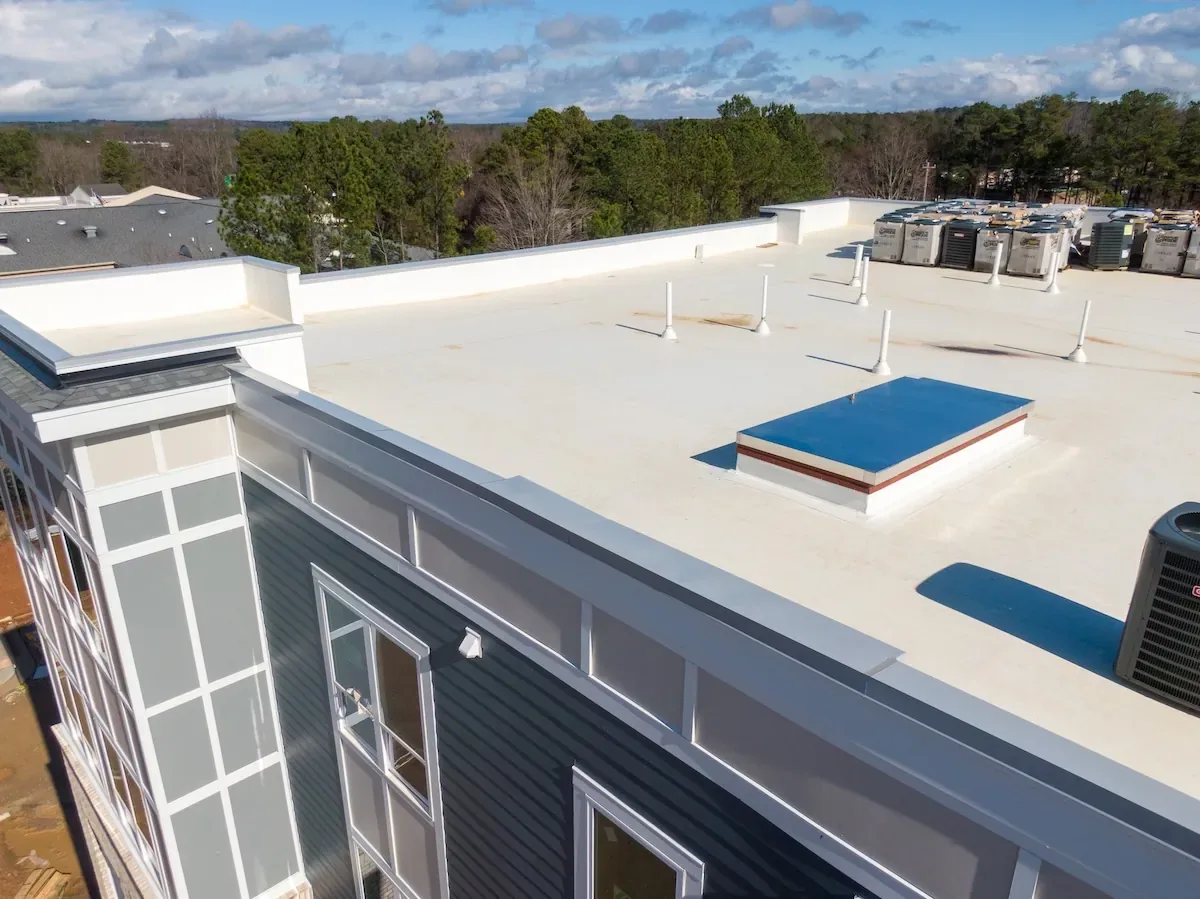
Carlisle SynTec roofing in Victoria, TX, with field review of membrane condition, seam work, perimeter details, and repair boundaries.
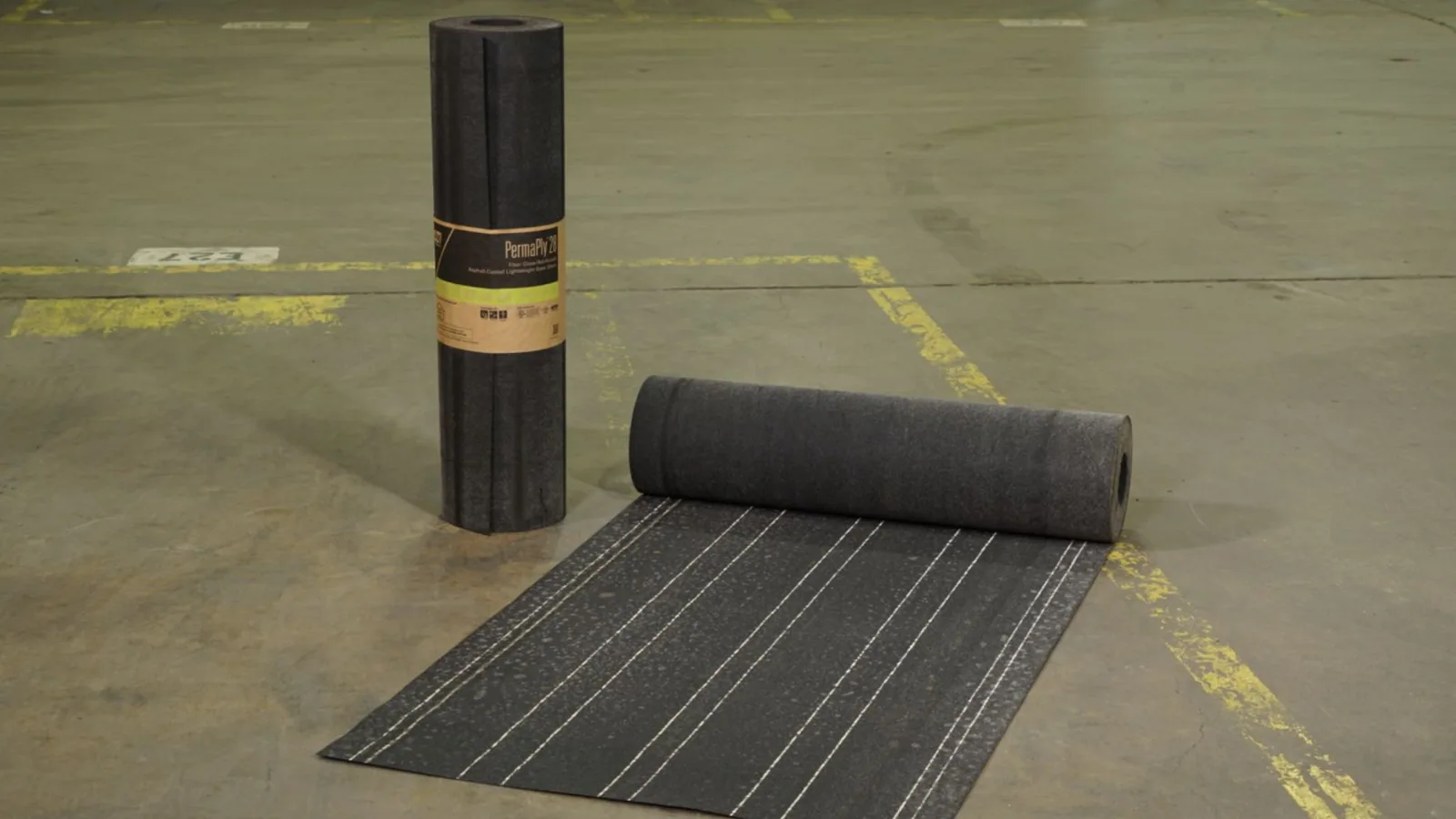
Johns Manville commercial roofing in Victoria, TX, with inspection of membrane, insulation, flashing, and scope choices for repair or renewal.
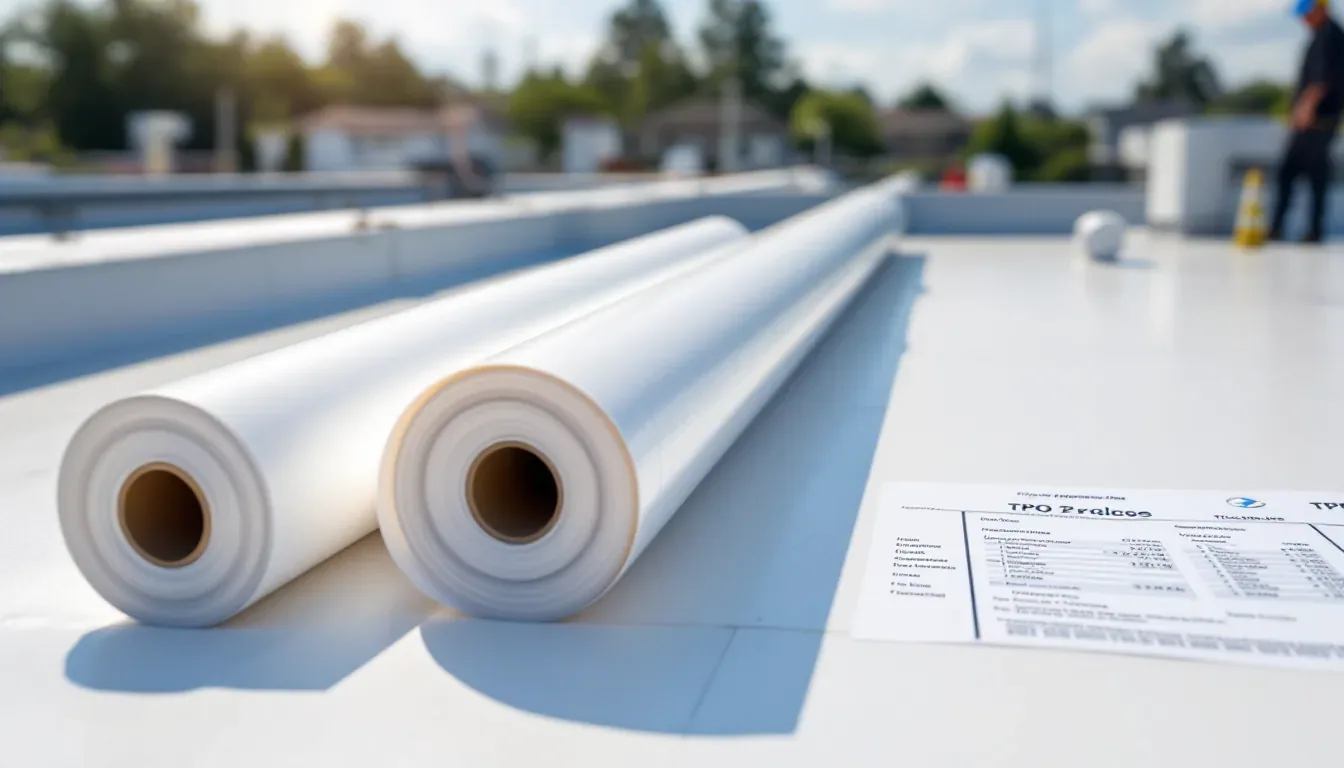
Holcim Elevate roofing in Victoria, TX, with inspection of membrane, insulation, drainage, flashing, and the repair boundary before work begins.
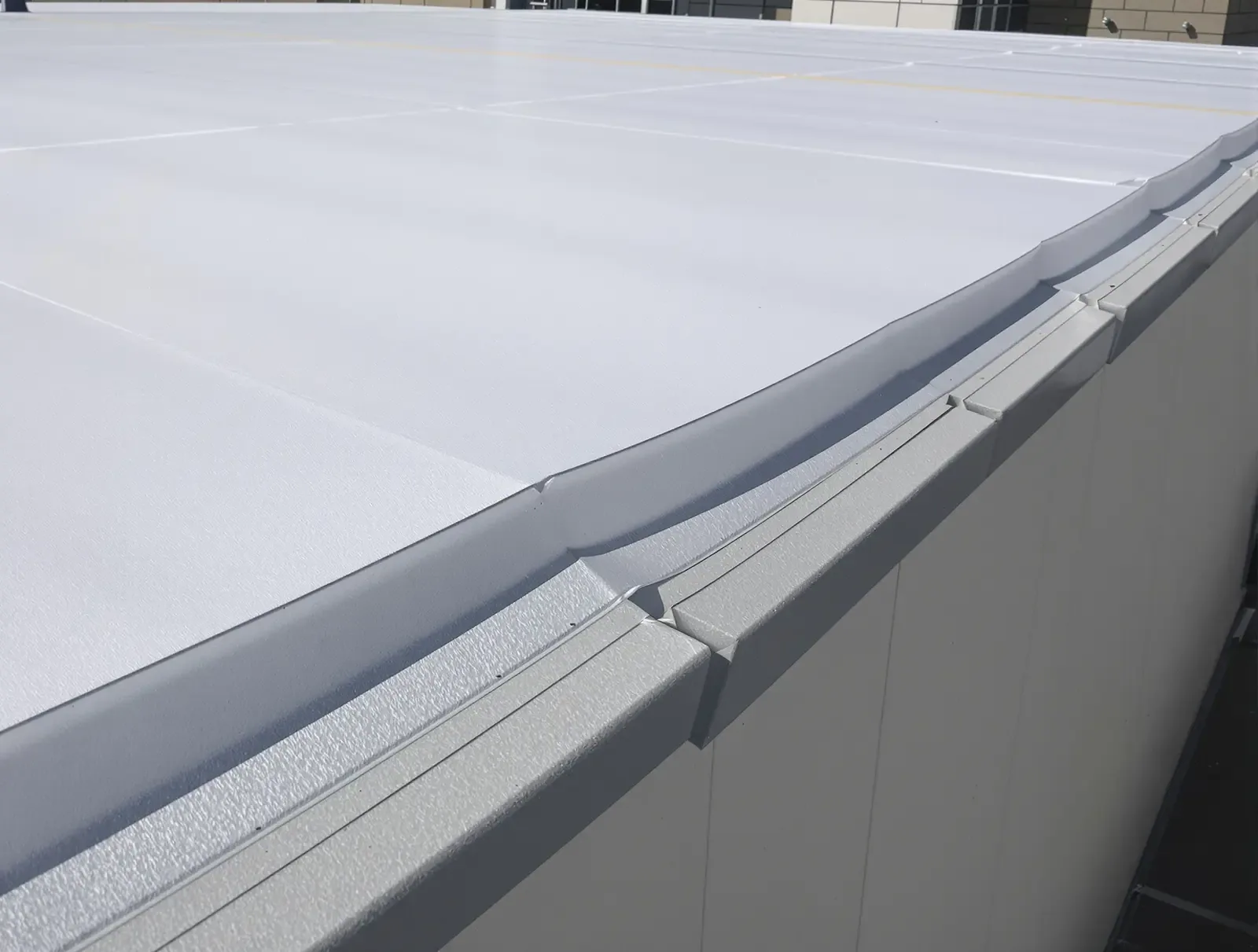
Sika Sarnafil roof work in Victoria, TX starts with membrane identification, seam review, drainage checks, and a repair boundary tied to the roof section.
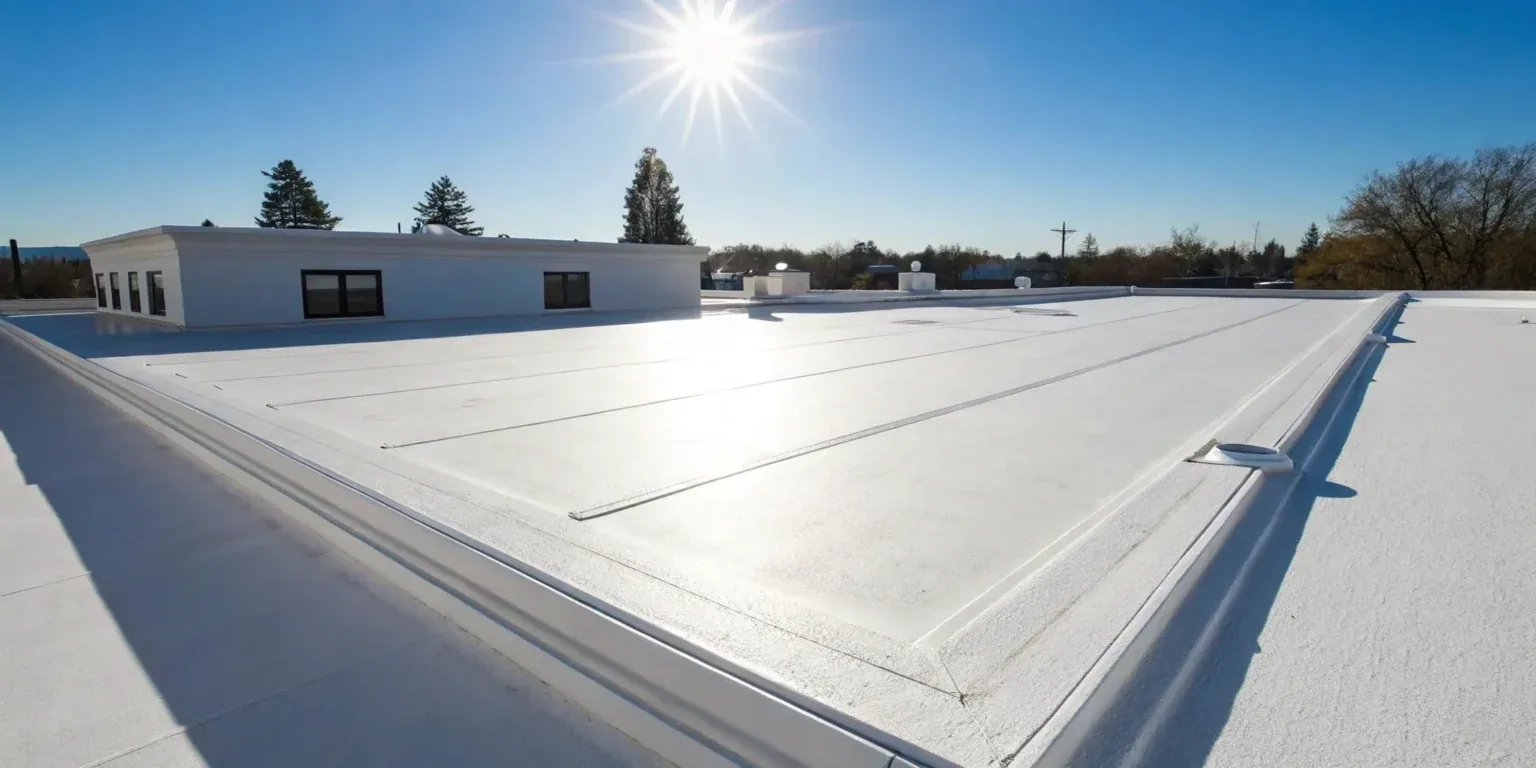
Versico roof repair and replacement in Victoria, TX begins with system identification, seam and flashing checks, drainage review, and a defined work limit.
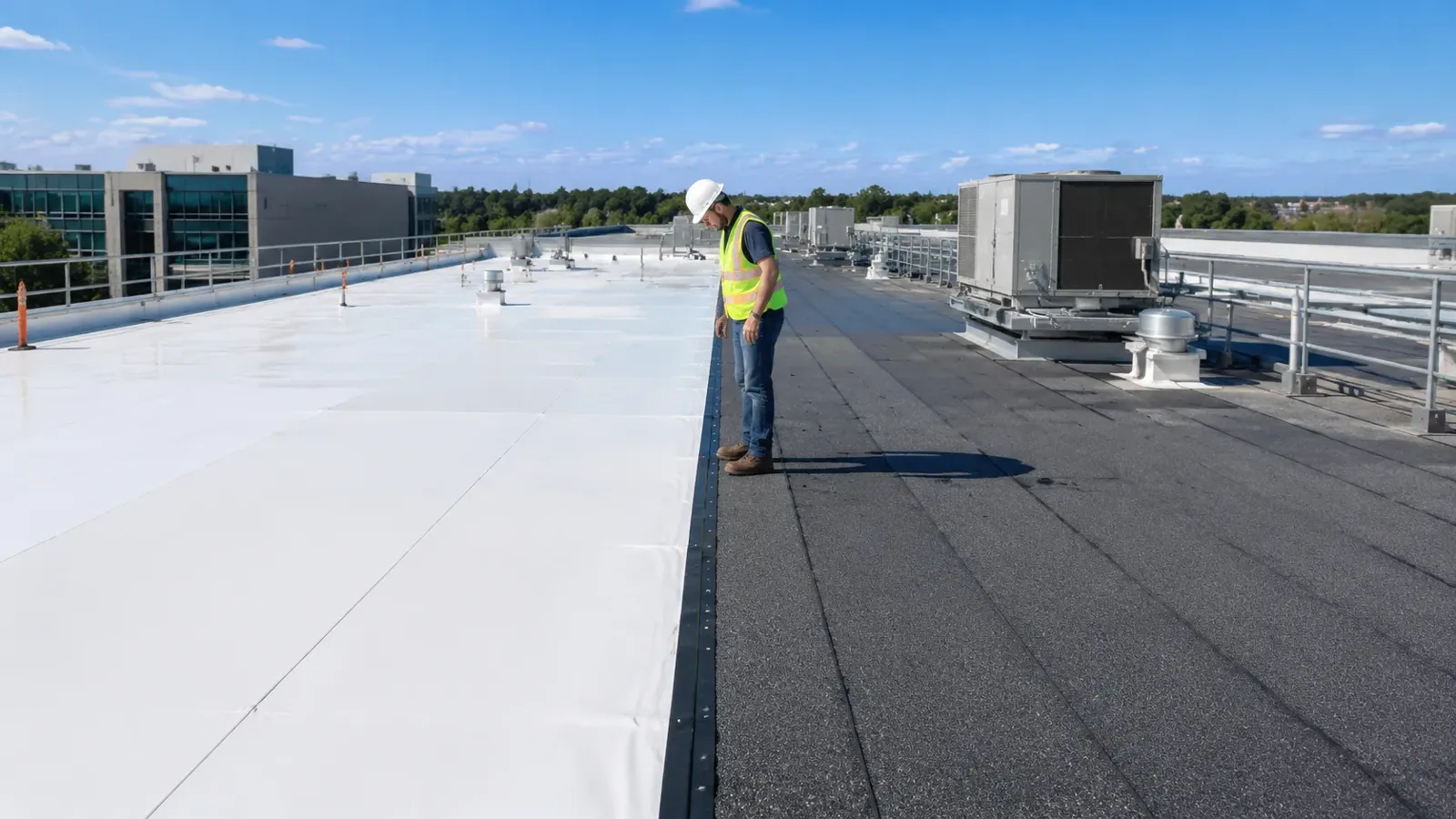
Soprema roof work in Victoria, TX starts with identifying the installed membrane or bitumen system and separating repair, coating, and replacement scope.
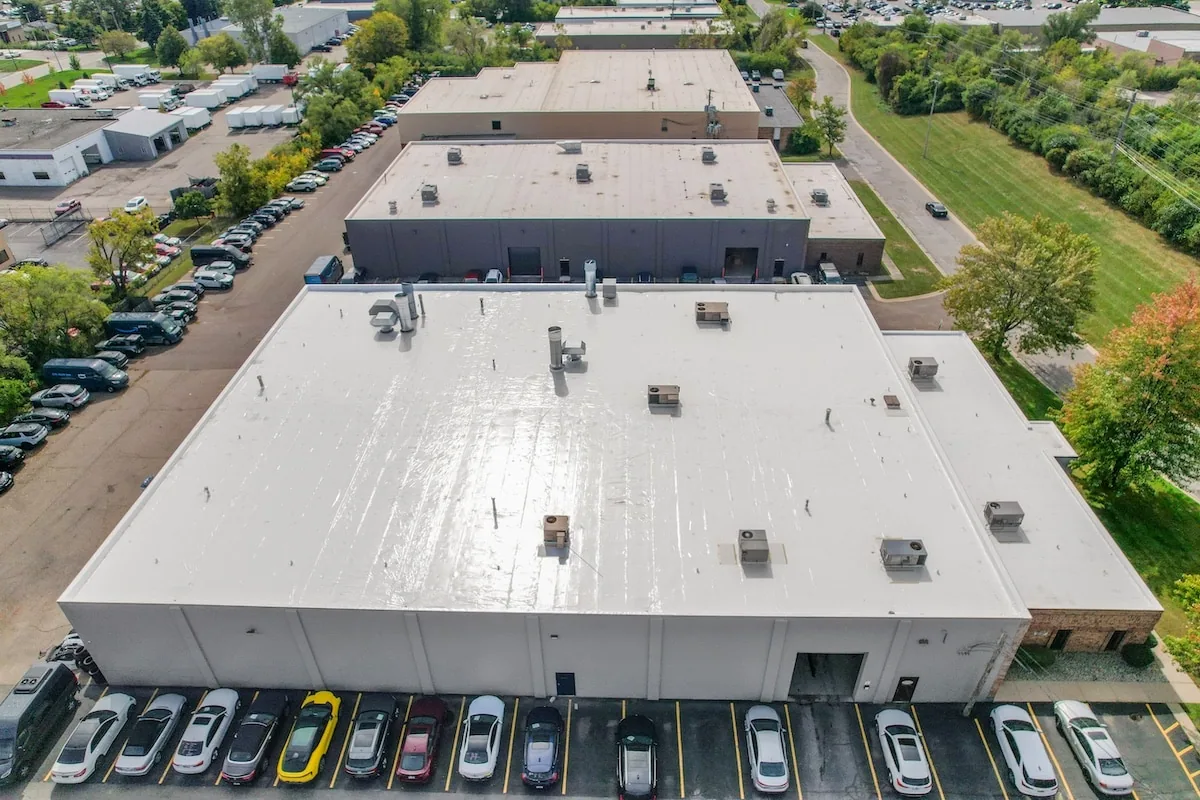
Duro-Last roof repair in Victoria, TX starts with sheet and seam identification, flashing review, drainage checks, and a written limit for each roof section.
Single-ply membranes, metal panels, modified bitumen, built-up roofs, foam, and coatings each use different preparation and tie-in methods. We inspect the field sheet, attachment, existing flashing, and any coating or repair layer. If records identify a manufacturer or product line, we compare them with visible details and note uncertainty. A patch should not be specified from brand name alone.
Our work includes installation, repair, maintenance, recovery, restoration, and replacement of compatible commercial systems. A Carlisle SynTec roof and a Sika Sarnafil assembly require their own confirmed materials and details. The same diligence applies when assessing GAF, Johns Manville, or Versico systems. We do not infer a certification or manufacturer relationship from the product in place.
Match the product to the installed roof
At a membrane seam, we check bond or weld condition, contamination, movement, and nearby penetrations. Metal work considers panel laps, clips or exposed fasteners, closures, and perimeter trim. With foam or a liquid-applied coating, the substrate and adhesion matter, as do wet areas and existing layers. We document the location and preparation needed before pricing a tie-in. If hidden moisture or deck damage could change the repair, testing is considered before material is removed.
The roof inspection records accessible conditions by section. A measured repair names the material, surface preparation, and work boundary. For a roof that no longer supports a localized fix, we compare replacement or restoration after reviewing the full assembly and drainage.
Inspect the detail before approving a tie-in
Keep product submittals, invoices, repair records, roof plans, and photographs with the building file. A future visit can compare the installed detail with prior work and note changes at additions or equipment curbs. The record should identify system sections separately where materials differ. For a property in Port Lavaca or a freight-oriented building at Port of Victoria Industrial Park South, the area provides context; the property itself establishes the roof and operating rules.
Send the product information you have, the leak or damage location, access limits, and a contact who can authorize inspection. We will compare those records with the roof and identify the compatible next step.
Retain product and service history
Material delivery and roof access can be significant at a working facility. We confirm the gate, staging area, lift position, occupied areas below, and daily closure with the property contact. At a port-connected or airport-area site, the facility's rules determine the approved route and timing. Product selection also depends on forecast conditions, surface temperature, moisture, and the manufacturer's published application requirements. The crew documents what was installed and where, so a later inspection can find the same seam, flashing corner, or repair boundary.
Coordinate installation with site use
Frequently Asked Questions
Do you need the original product records?
They help identify materials and prior details, but we still inspect the installed assembly before selecting a repair method.
Does manufacturer system installation imply a special credential?
No. We state the work performed and the product records available, without suggesting a manufacturer credential or partnership.
Can different roof sections use different manufacturers?
Yes. Additions and prior replacements can leave a building with several systems. We label each section and keep its findings separate.
What if the brand or system is unclear?
We document what can be identified in the field and note where product records, sampling, or further review would resolve uncertainty.
Share the roof plan, product records, repair history, reported issue, and access contact. We will inspect visible materials and define a compatible repair or renewal scope.
Call 555-555-5555 or email [email protected].