
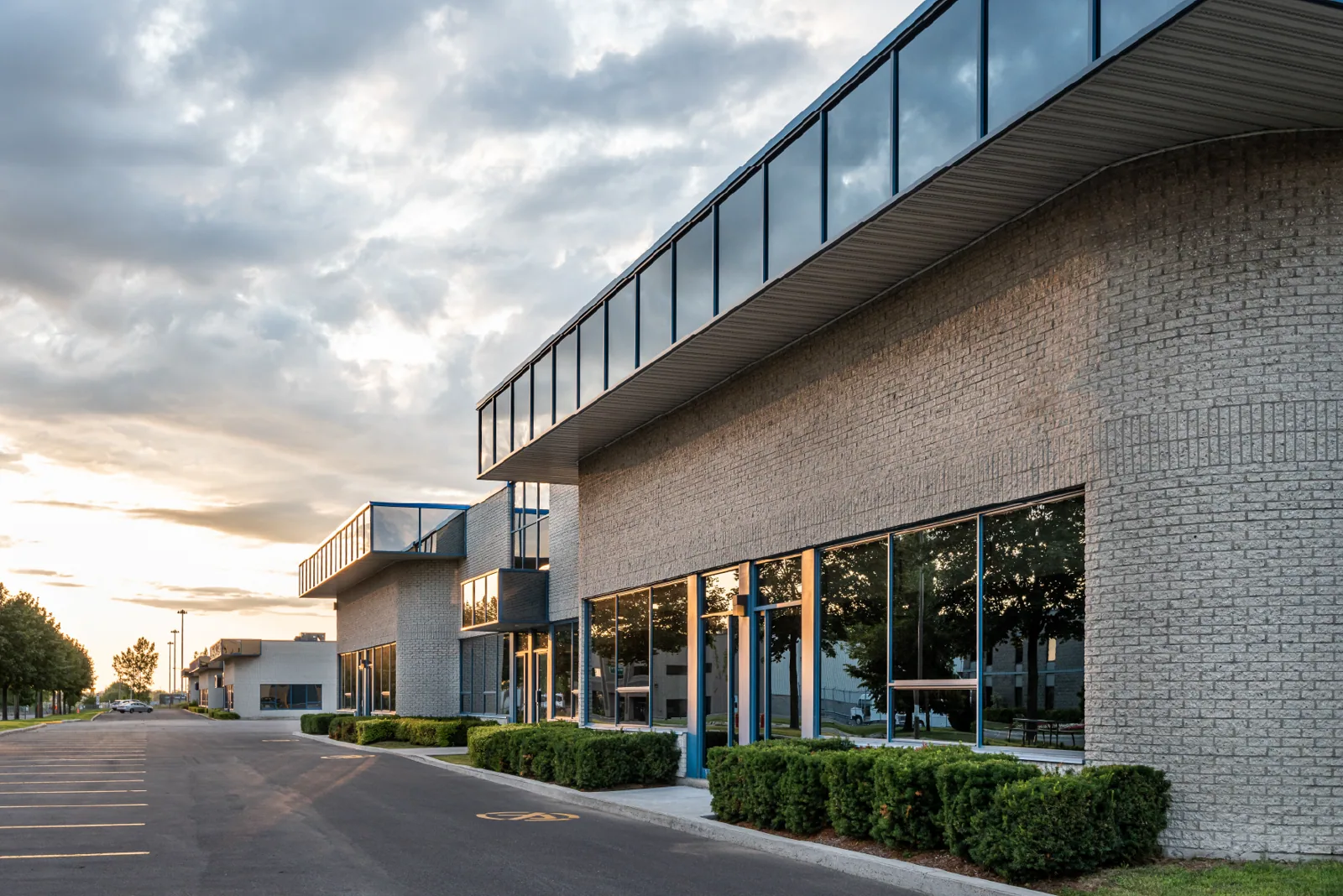
Commercial Roofing for Victoria Real Estate Investors and REITs
Industries We Serve · Victoria, TX
Commercial roofing for Victoria investors and REITs documents roof condition, repair boundaries, capital choices, and property-level operating impacts.
Next step
Request a Roof Assessment
Call
555-555-5555
An acquisition or portfolio review needs roof findings tied to a specific building, not a general statement about the market. Victoria real estate investors and REITs need to understand visible condition, moisture risk, access limits, and repair scope before assigning capital. We inspect each roof by section, compare available records with field conditions, and document which findings are confirmed and what additional access could change the decision.
Real Estate Investors and REITs
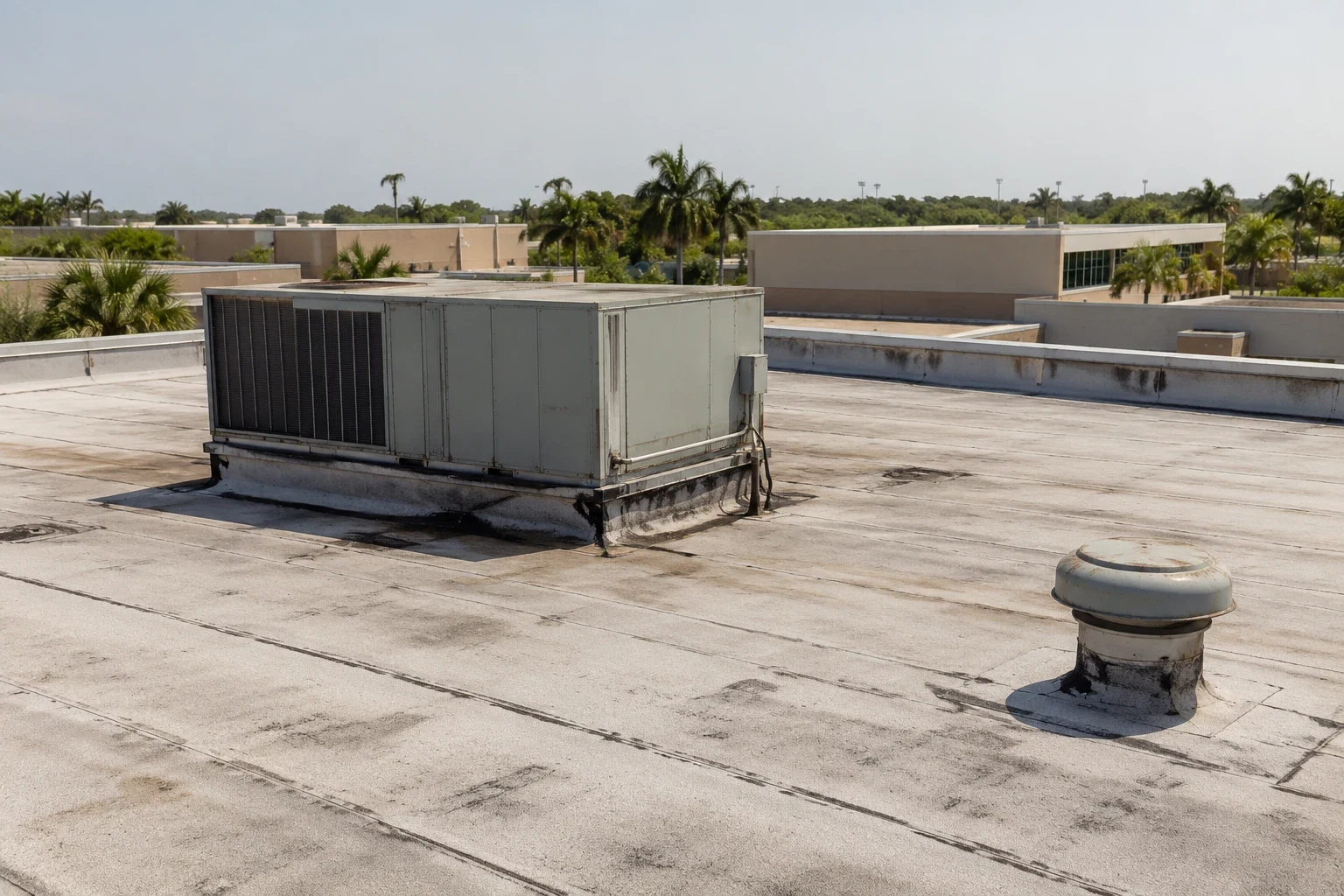
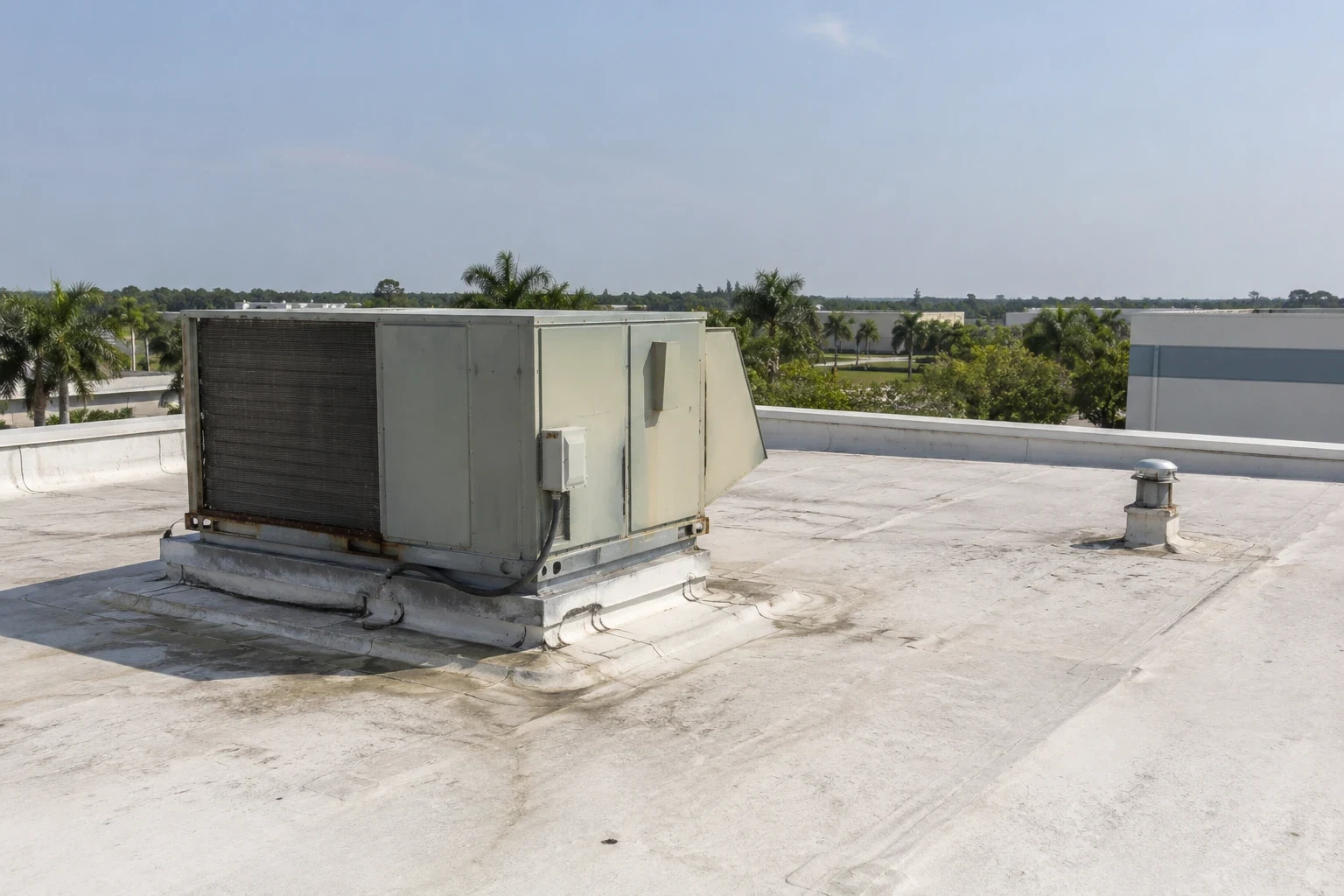
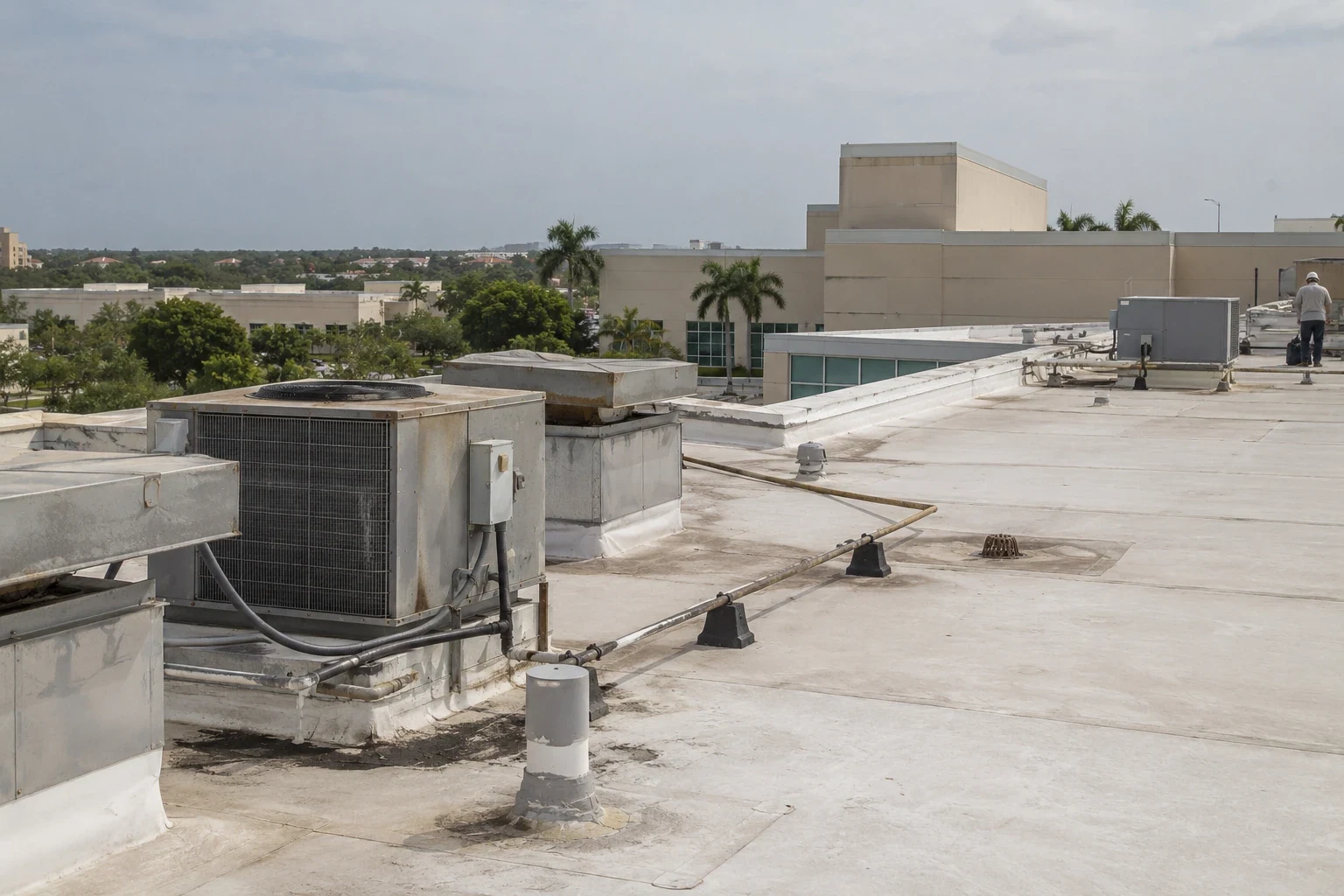
For each asset, record the system, installation or recovery history, repairs, equipment changes, drainage layout, and access limits. A building’s age or use does not establish its roof assembly. Verify the system, number of roof layers, and any change in insulation depth before comparing bids; these details affect removal and tie-in requirements. Note whether drains discharge to a known system and whether rooftop equipment has been altered since the last survey. We verify membrane, insulation, attachment, edge details, penetrations, and roof-to-wall transitions in the field. The due diligence roof survey should distinguish observed defects from conditions that could not be accessed or tested.
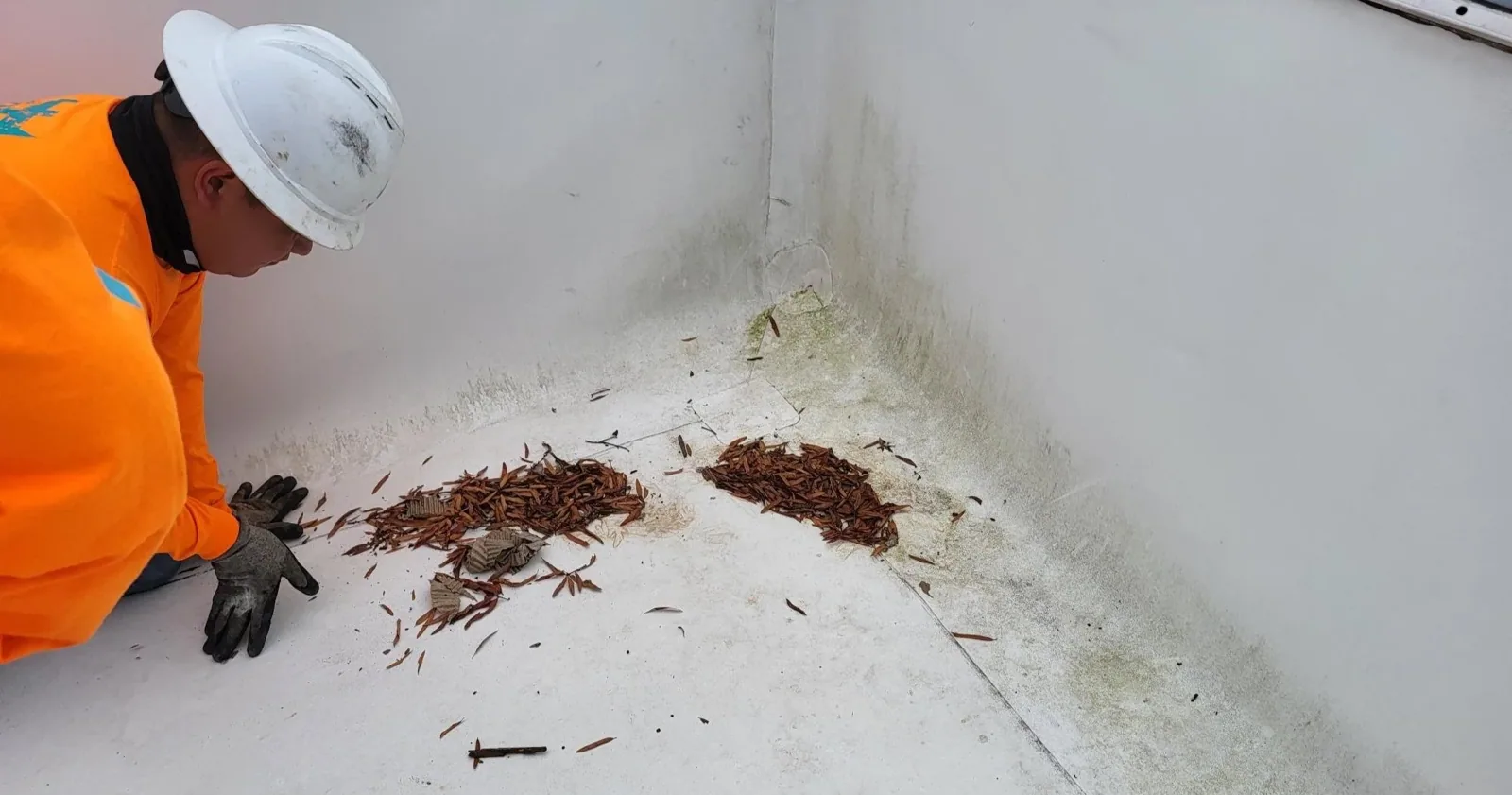
Photographs need a location reference, such as building, roof zone, and nearby equipment. The investor can then compare a repair estimate with the inspection record and identify follow-up items for the seller, property manager, or lender. If a test opening or infrared survey would affect the repair boundary, state what question it answers, who approves it, and how the finding changes the scope.
Review roof work against current lease and service responsibilities. The owner may fund a replacement while the manager coordinates access, and a tenant may control equipment that touches the roof. Identify who owns maintenance of the curb, who keeps the drain clear, and who can approve a change to the membrane. A clear responsibility map reduces delays when a repair requires a mechanical shutdown or access to an occupied suite. Keep any lease interpretation with the transaction and property team; the roof report records the physical conditions and observed interfaces.
Victoria’s commercial inventory spans industrial parks, retail corridors, offices, healthcare, and education. North Navarro Street Retail Corridor is a city-identified retail concentration, while Lone Tree II Industrial Park is dedicated to manufacturing and assembly. A roof in the Business US 59/Houston Highway corridor still needs its own asset record and inspection walk. Each property still needs its own roof records and walk.
Separate roof findings by property
A localized repair may be appropriate where the surrounding assembly is sound. Repeated leaks, moisture in insulation, widespread seam release, or deteriorating attachment may change the comparison to selective replacement or a reroof. We define the repair boundary and describe the consequences of leaving each confirmed issue open. An allowance should identify the uncertainty it covers rather than treating an unknown area as a measured defect.
Cost drivers include removal depth, roof access, equipment density, staging, protection below, disposal, and the number of separate transitions. A coating may extend service when the substrate is dry and compatible, but it will not resolve wet insulation, deck failure, or active movement. We compare the assembly and restoration options with field conditions and owner requirements, then identify what records or testing could narrow the range.
When reviewing bids, compare scope boundaries as well as totals. One proposal may include removing wet insulation and resetting a curb, while another prices only a surface patch. Confirm whether temporary protection, disposal, edge metal, penetrations, and closeout photographs are included. If the building has several roof sections, match each line item to a plan so the owner can see what remains outside the bid. This makes contingency and owner-held work visible before mobilization.
Victoria’s heat and severe-weather exposure make dated inspections valuable. The July climate record gives a 94-degree normal high and 110-degree record; recent storm alerts have cited hail and damaging gusts. Those facts guide inspection priorities, while roof-specific photos show what actually changed. A roof condition report can separate current repairs from maintenance and future budget items.
Compare near-term work with capital timing
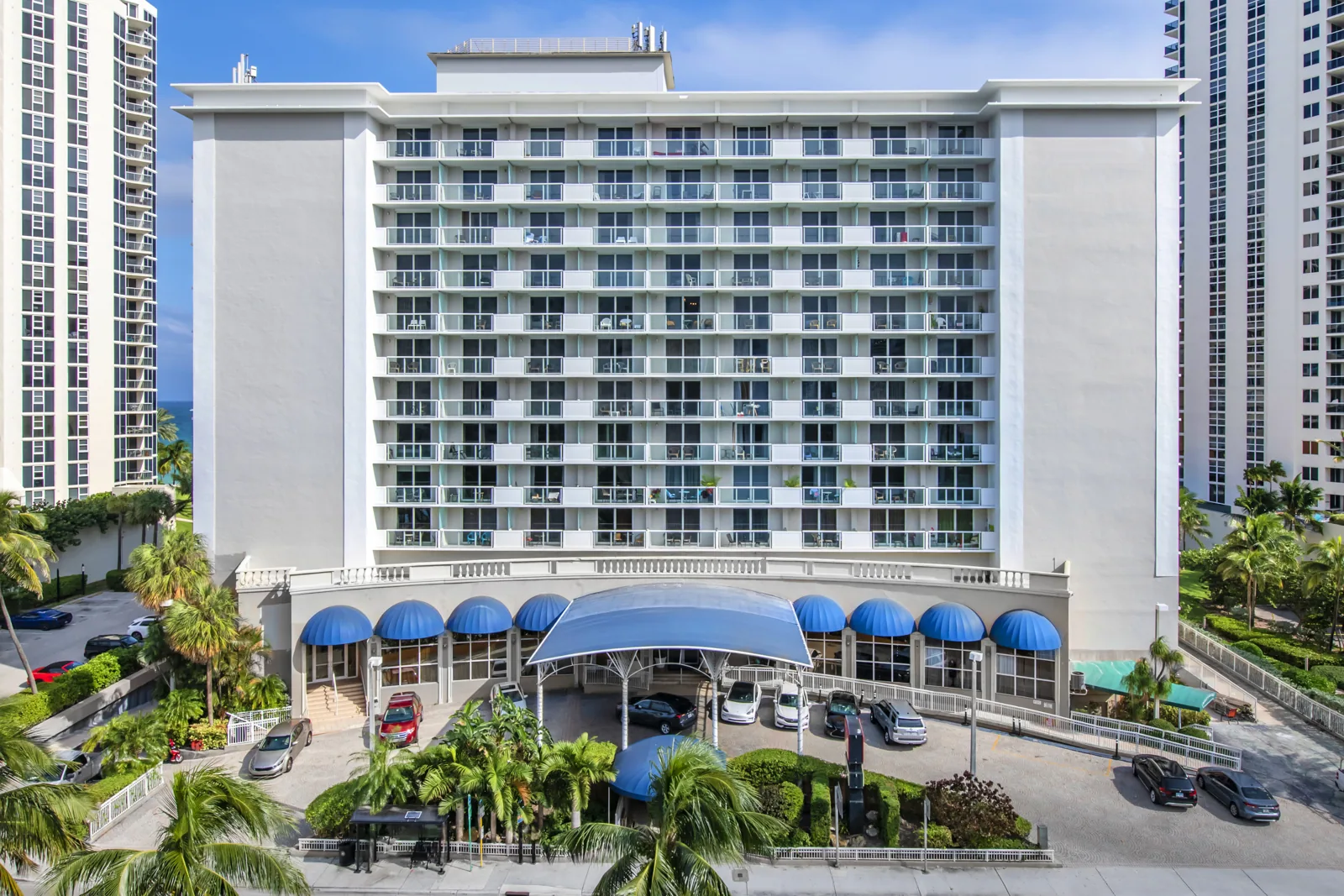
Capital work affects tenants through noise, access, deliveries, equipment shutdowns, and interior protection. Before pricing, identify occupied rooms, loading hours, public entrances, and areas that must remain operational. The scope should state the sequence, dry-in plan, temporary restrictions, and which contact approves each change. For phased work, show where crews start and stop each day, how exposed insulation is protected, and which temporary weather seal is inspected before the site reopens. Identify whether a tenant or another trade must clear access before the next phase can begin. A large roof may be divided into phases, but a phase is only useful if the building can be made weather-tight at each shift close.
For multi-tenant assets, clarify who controls the roof and who can authorize access to suites below. For industrial or healthcare property, identify equipment and ventilation systems that need coordination with another trade. A property manager can supply tenant contacts and site rules, while the investor decides how findings fit ownership and capital priorities. A healthcare system may set additional patient-area and critical-equipment restrictions.
Emergency response is available around the clock when water is actively entering. The immediate measure should be recorded separately from the permanent scope, with the area protected and the next inspection or repair stated. That distinction gives acquisition and operating teams a traceable status rather than combining temporary work with completed capital improvements.
Include tenant and site impacts in the scope
At closeout, the owner receives photos tied to the roof plan, materials installed, areas inspected, and any item left outside the approved work. Keep the records with the asset file and share relevant findings with the property manager. A later leak report can then be compared with a prior repair boundary instead of being treated as an unrelated condition.
A portfolio schedule can sort repairs by urgency, access, and property impact, but it should preserve building-level detail. Similar construction does not prove similar condition. Track inspections, patches, equipment additions, drain service, and roof replacement history by asset. A roof capital planning review can organize those documented needs into a budget sequence without substituting a portfolio average for an individual roof survey.
Victoria’s regional economy includes manufacturing, healthcare, education, logistics, and government, creating different building uses across one market. The Port of Victoria Industrial Park South supports highway, rail, and barge freight, while downtown includes older commercial properties. Provide asset addresses, roof records, tenant constraints, decision deadlines, and requested level of testing. We will report observed conditions and options with each property’s scope kept distinct.
Make each roof record usable after closing
Related Roofing Work
Frequently Asked Questions
Can a roof survey support an acquisition decision?
Yes. The survey records visible system, condition, repair needs, access limits, and areas requiring testing. It can support due diligence when the scope and limitations are clear.
How do you estimate remaining roof life?
We document current materials, observed deterioration, moisture findings, and repair history. A field report does not assign a precise remaining life where the roof records or concealed condition do not support it.
Can we combine several buildings into one capital plan?
Yes, while retaining a separate condition record for every asset. The plan can group work by timing and operating impact without treating one building’s findings as another’s.
What changes a repair into a replacement recommendation?
Widespread moisture, repeated failures, unstable attachment, or an unsound substrate can make isolated patches ineffective. We state the field evidence and compare repair, selective removal, restoration, and replacement.
Send asset addresses, available roof records, access contacts, and the decision timeline. We will inspect each building, label findings by roof section, and return photographs and scope options that the investment team can compare.
Call 555-555-5555 or email [email protected].