
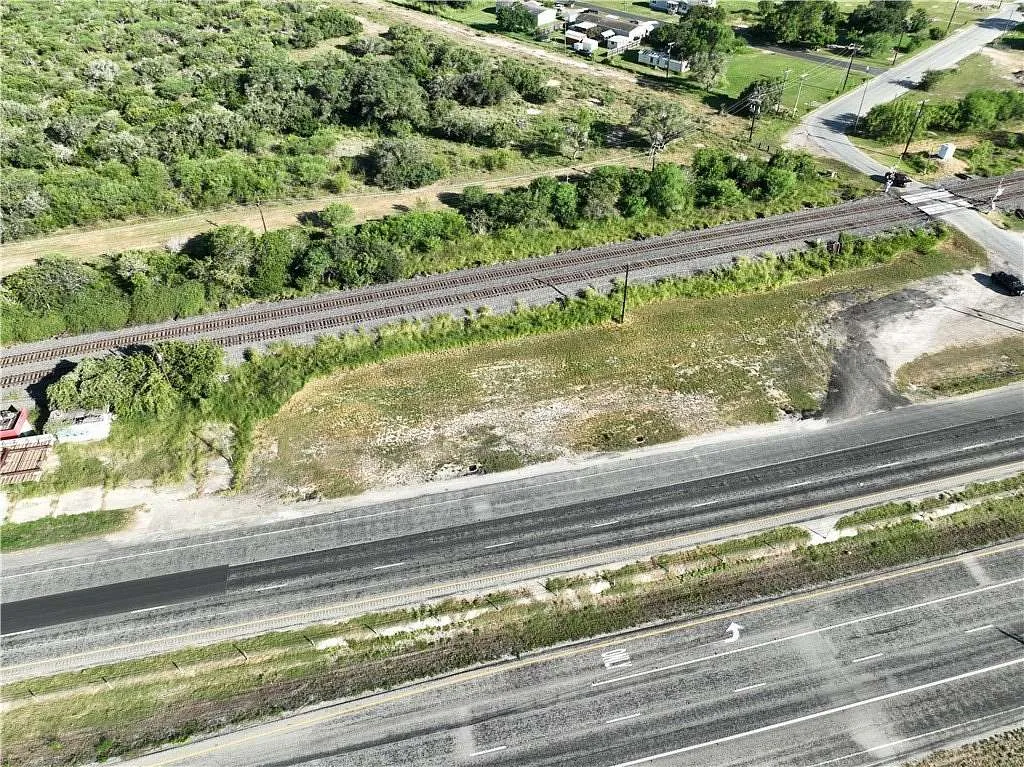
Commercial Roofing in Woodsboro, TX
Service Areas · Victoria, TX
Commercial roofing in Woodsboro, TX, with inspections and repair scopes planned for each business property and surrounding service area.
Next step
Request a Roof Assessment
Call
555-555-5555
Woodsboro is an incorporated Texas town with its own municipal government and a building-permit process that includes commercial work. Commercial roofing service here starts with the actual property, its roof plan, access contact, and reported condition. We inspect the authorized roof sections, document visible details, and explain what supports repair or further investigation. The town's priorities include guided growth and preservation of its heritage, so an owner may be balancing current use with long-term care. The access contact can identify a lift point, staging limit, or area needing protection. A roofing scope should respect the building's needs without assuming a uniform town-wide roof condition.
Woodsboro
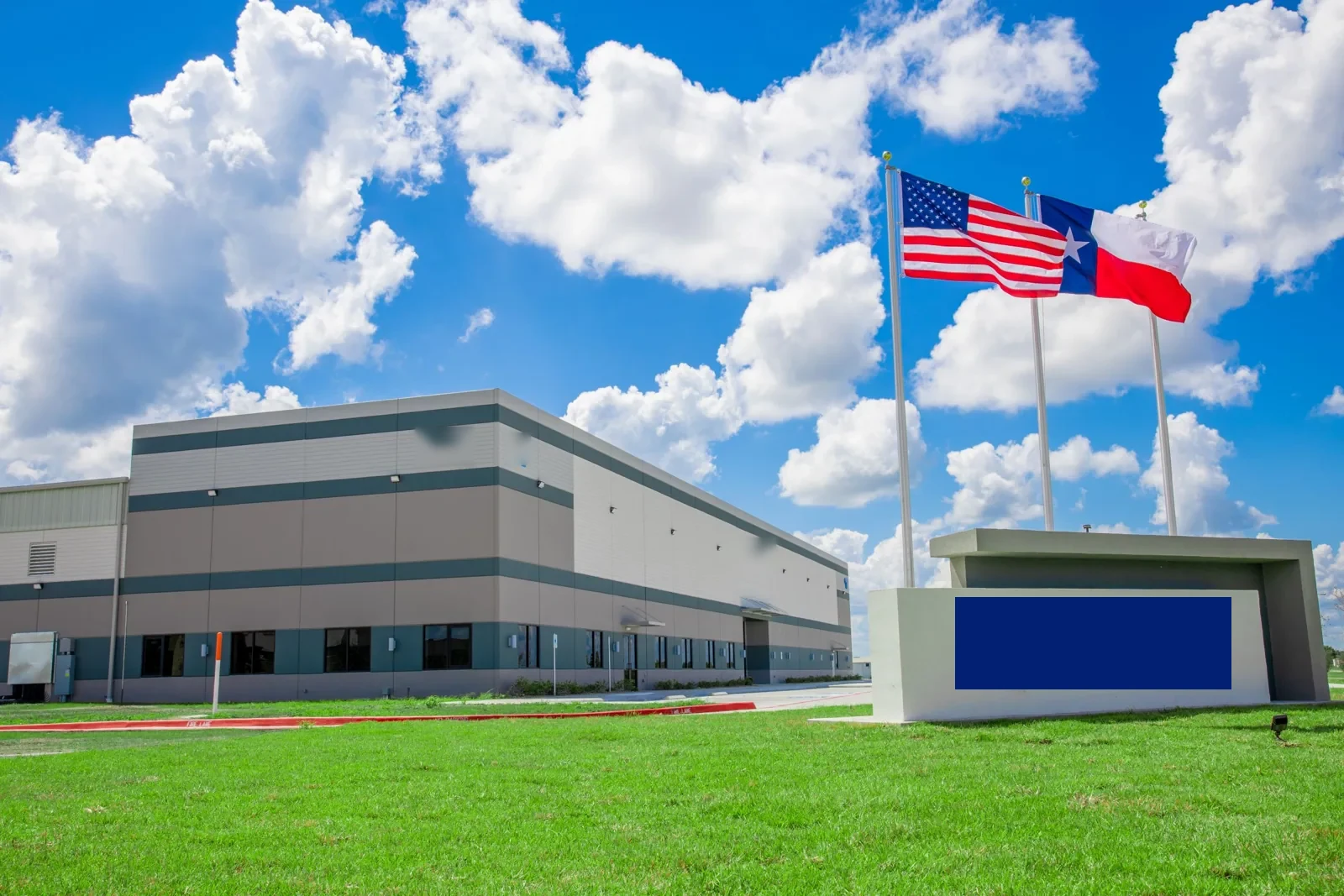
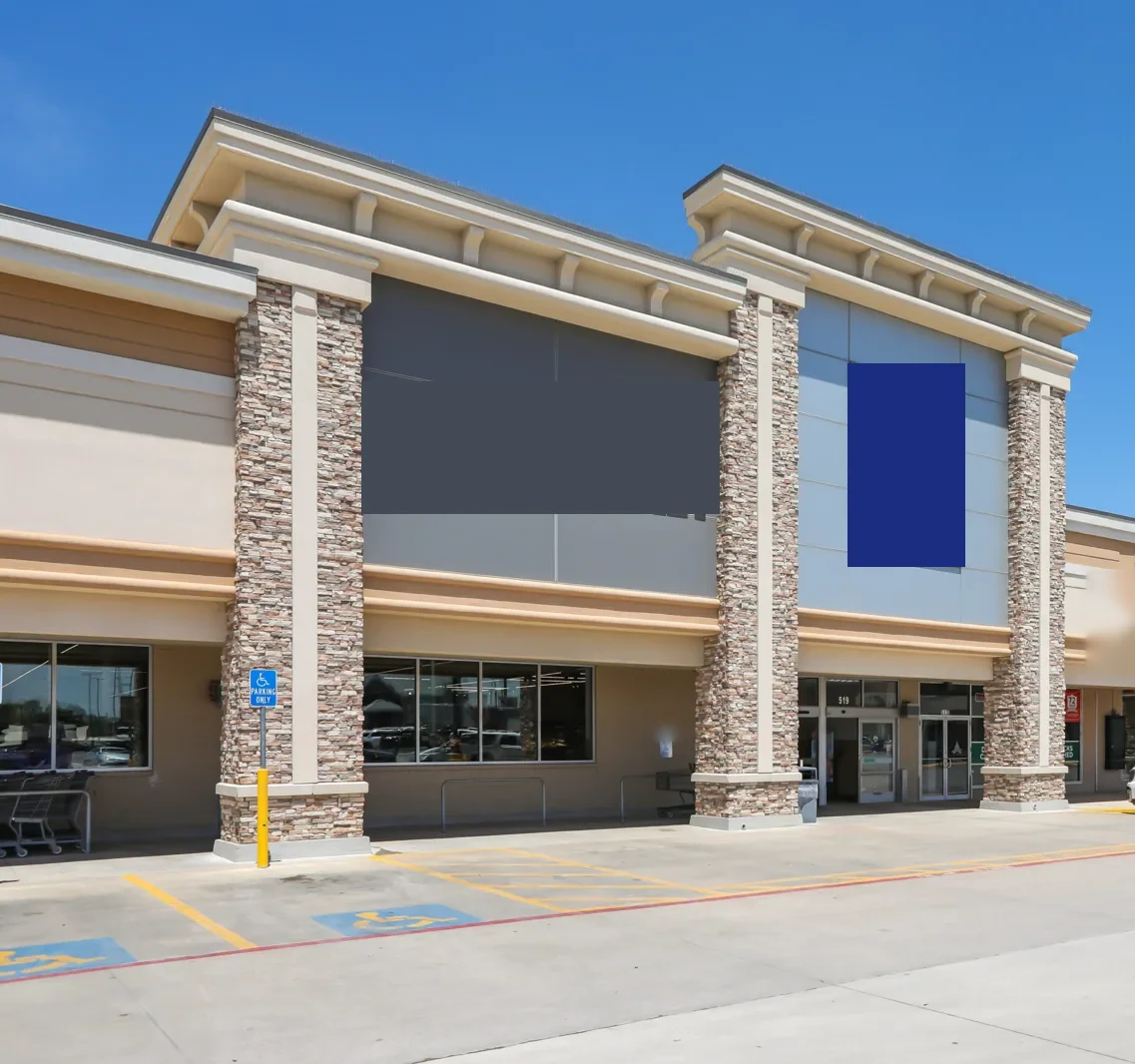
A town-wide service area is broader than any one civic or commercial property. Woodsboro requests may involve business premises, service buildings, or other commercial structures, each with its own owner, roof system, and access rules. The building-permit process is a reminder to confirm project requirements with the town before construction; a contractor should not assume that a repair and a replacement follow identical review steps. We identify the property and proposed work before estimating or scheduling.
When a property sits outside town boundaries or an owner has nearby sites, confirm the municipality and travel requirements for each request. Owners coordinating work in Refugio or Victoria can schedule those visits separately. Each inspection keeps its own roof section, access plan, and approval record. A clear request lists the property, use, roof access, symptom, and the person who can authorize testing or added work.
Plan service for Woodsboro properties
The roof walk begins with the reported symptom and the type of surface visible at the work area. We inspect panel laps or membrane seams, flashing corners, drains, scuppers, curbs, pipe penetrations, edge metal, and prior repairs. Water can travel beneath a roof layer before reaching the room below, so the leak location is a clue rather than a confirmed entry point. Mark roof zones and relate each photograph to a visible detail. If an area cannot be safely reached, note the limit instead of implying full coverage.
A useful inspection separates what was seen from what the owner or tenant reported. Record the inspection date, roof sections accessed, weather conditions, surface material, visible openings, and any test performed. If roof plans or prior invoices use an old building name, check it with the property contact. The roof record should also identify whether a prior patch appears to use a different material. That distinction can affect compatibility, repair preparation, and the boundary needed for a durable tie-in.
Inspect the roof surface and details
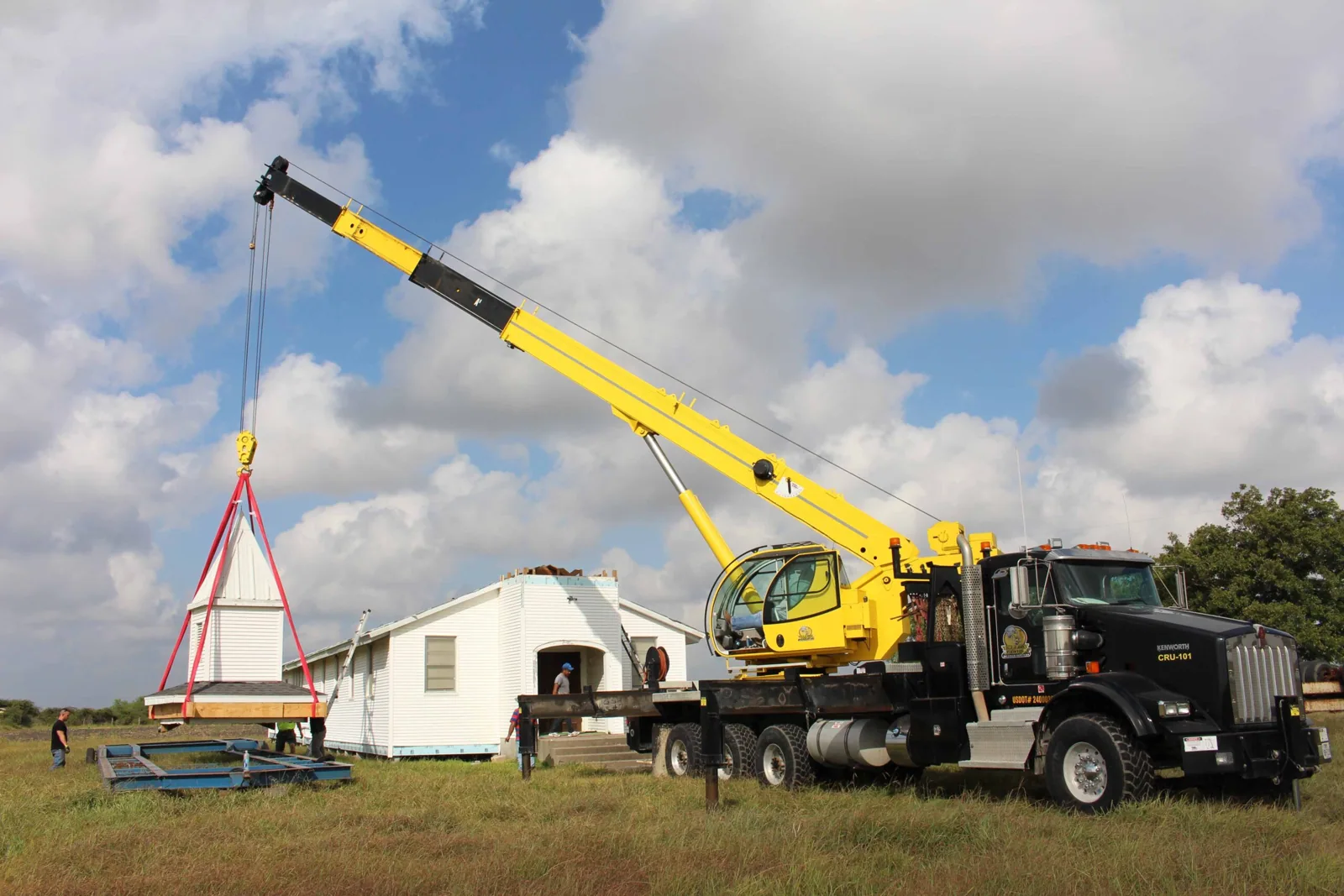
For a localized defect, prepare the repair area to sound material and use a detail compatible with the confirmed assembly. The scope states the work boundary, preparation, membrane or metal repair, flashing treatment, and closure expected before the crew leaves. If an opening reveals wet insulation or a damaged deck, stop at the authorized limit, protect it, and return the added quantity for approval. Photographs before concealment show why the repair changed and help the owner decide whether to extend the work.
A leak may trace to a field seam, an edge, a penetration, or a drainage problem. Those conditions need separate work descriptions. A roof inspection documents the visible condition, while leak repair follows the confirmed water path. A drain and scupper review checks outlets and overflow routes. The proposal should distinguish a completed repair from a test, temporary dry-in, or unrelated roof area that remains open.
Repair only the confirmed boundary
Before dispatch, confirm how the crew reaches the roof, where a ladder or lift can be placed, who will provide access, and which areas below need protection. If the property is occupied or deliveries are active, set a work window with the person responsible for site operations. The schedule should include material staging, debris removal, and the point at which a roof section can be left safe. If access depends on another trade or a permit, identify that dependency rather than allowing the roof scope to assume it is resolved.
Weather and the selected product's installation instructions determine whether a work area can be prepared and closed during the visit. Check the forecast, surface condition, and required cure or welding sequence before removing material. A maintenance visit can track drains, seams, and flashing over time. When larger work is needed, a replacement plan should list quantities, exclusions, access, disposal, and temporary protection so the owner can compare bids on the same basis.
Set access and closeout timing
A limited repair makes sense when the defect is defined, adjacent material is sound, and a compatible closure can be made. Repeated leaks, widespread deterioration, failing attachment, or wet material across a larger area may justify testing or a replacement comparison. We explain what observation changes the recommendation and what remains unknown. A recover or coating approach depends on the existing layers, moisture, attachment, surface preparation, drainage, and edge conditions; appearance alone does not establish that the roof is a candidate.
The owner should see the next decision in plain terms: approve a measured repair, authorize an exploratory opening, schedule a maintenance visit, or request a broader capital scope. If multiple structures are included, compare each roof separately. A combined schedule may be useful, but quantities, materials, exclusions, and approvals stay attached to their building. That makes later service simpler and avoids carrying one roof's condition into a different property.
For a town property with limited repair records, begin with what can be verified: current roof sections, visible materials, prior invoices, and the owner's leak history. Do not assign a roof age from appearance alone. If the first walk identifies several open details, separate immediate water-entry work from longer-term maintenance. A practical proposal gives the owner a sequence: protect the opening, confirm whether lower layers are affected, complete the measured repair, and schedule a follow-up where needed. That sequence is easier to maintain than a broad recommendation with no assigned next step.
Choose a measured path for future work
Closeout records the property, roof section, inspection limits, observed system, work completed, materials, photographs, drainage notes, and unresolved conditions. It distinguishes permanent repair from temporary protection and states whether a return visit or additional test is needed. Keep a dated roof plan or section label with the photos so a future facility manager can find the same location. If the work changed after opening the roof, include the revised scope and approval with the closeout.
To request service in Woodsboro, share the property or building, roof plan if available, reported leak or damage, access contact, and prior repair documents. We will inspect the authorized area and explain the evidence behind the recommended next step. If you also manage property in Refugio or Victoria, identify those buildings separately so inspection records and approvals remain tied to the correct municipality.
Build a record the town property can use
Related Roofing Work

Frequently Asked Questions
Does service cover the whole town?
The route covers the municipality; each project is still limited to the authorized building and roof area.
What information should I provide?
Share the property, roof plan if available, reported issue, access contact, and prior repair history.
Do permits apply to commercial roof work?
The Town has a permit process. Confirm the requirements that apply to your project with the Town before work.
Can you inspect more than one building?
Yes, if each building and roof section is identified and access is arranged.
Can a visual roof walk confirm hidden moisture?
No. Concealed conditions may require testing or an approved opening.
Share the property or building, roof plan, reported condition, access contact, and available repair records. We will inspect the authorized roof area and explain the evidence and next decision.
Call 555-555-5555 or email [email protected].