
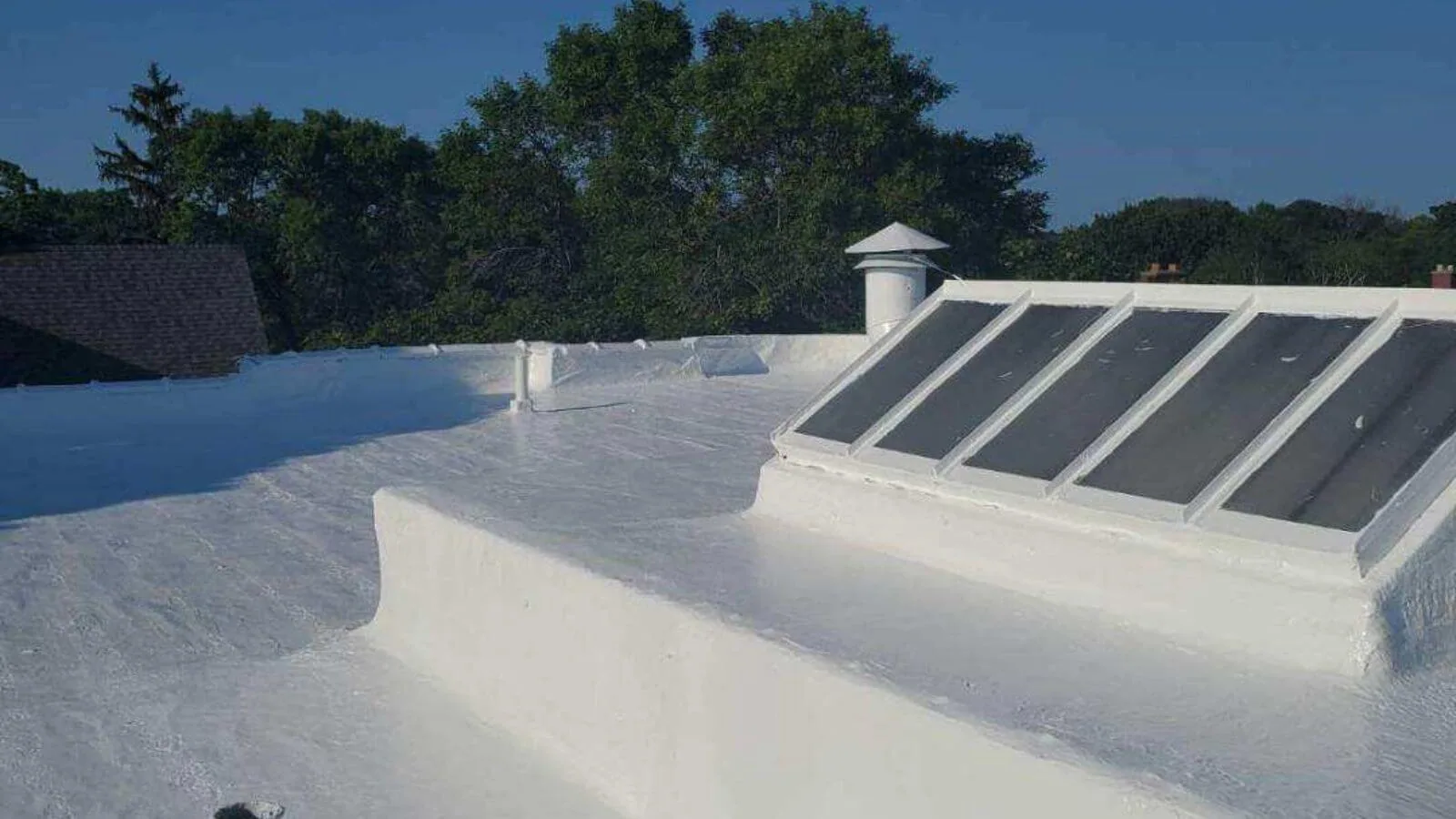
Commercial Roof Inspection in Victoria, TX
Commercial Roofing Services · Victoria, TX
Get a documented commercial roof inspection in Victoria, TX with measured findings, photographs, moisture limits, and prioritized repair options.
Next step
Request a Roof Assessment
Call
555-555-5555
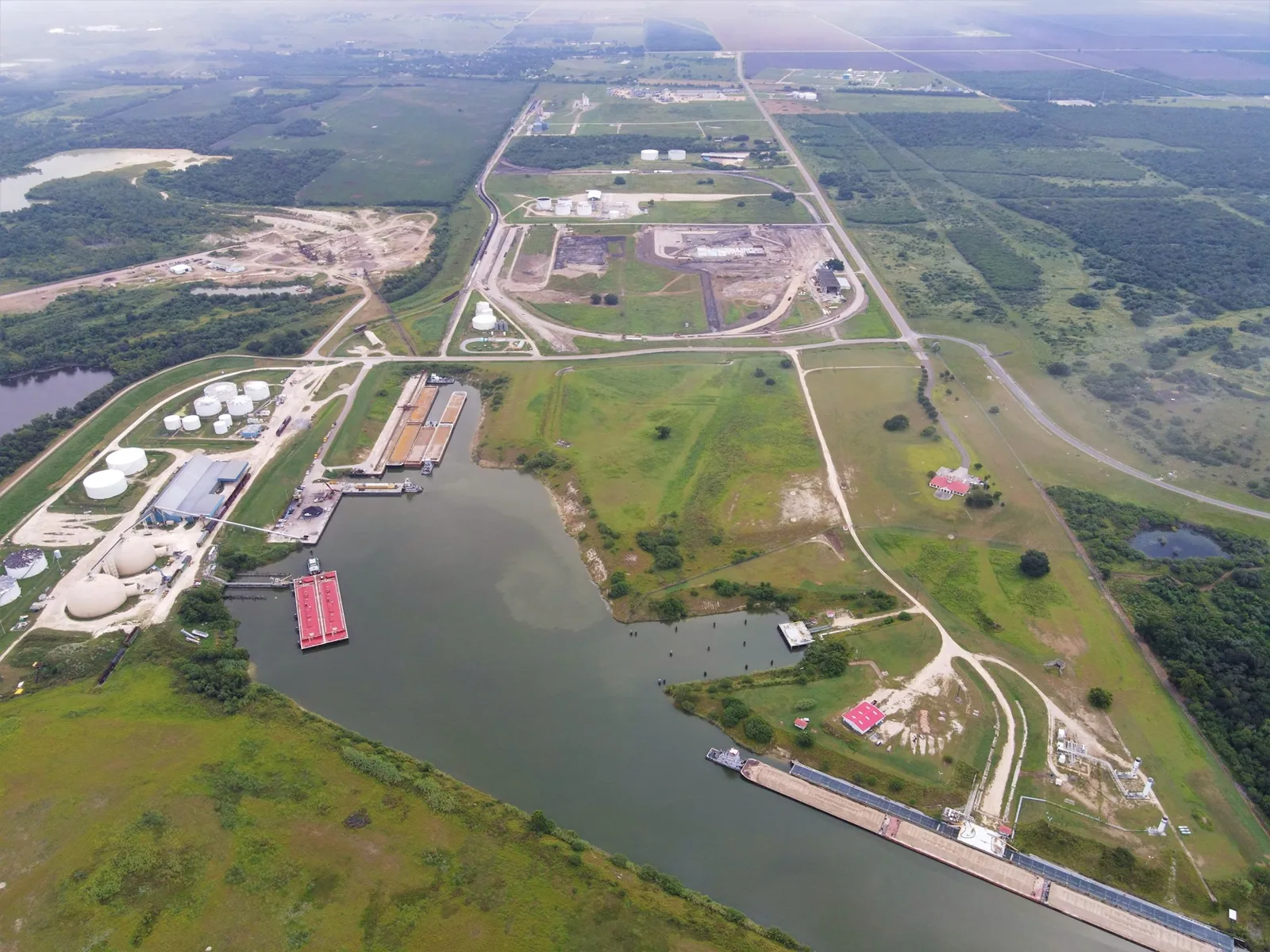
A roof inspection should answer a property decision: what needs attention, what can be monitored, and what should be budgeted. Our commercial roof inspections in Victoria map membrane, seams, edges, penetrations, drainage, equipment, and interior reports to labeled roof areas. Local owners manage buildings around the Port of Victoria Industrial Park South, across the Victoria service area, and throughout the city. Each roof gets its own observations; a facility's industry or neighborhood never substitutes for roof-level evidence.
Commercial Roof Inspection
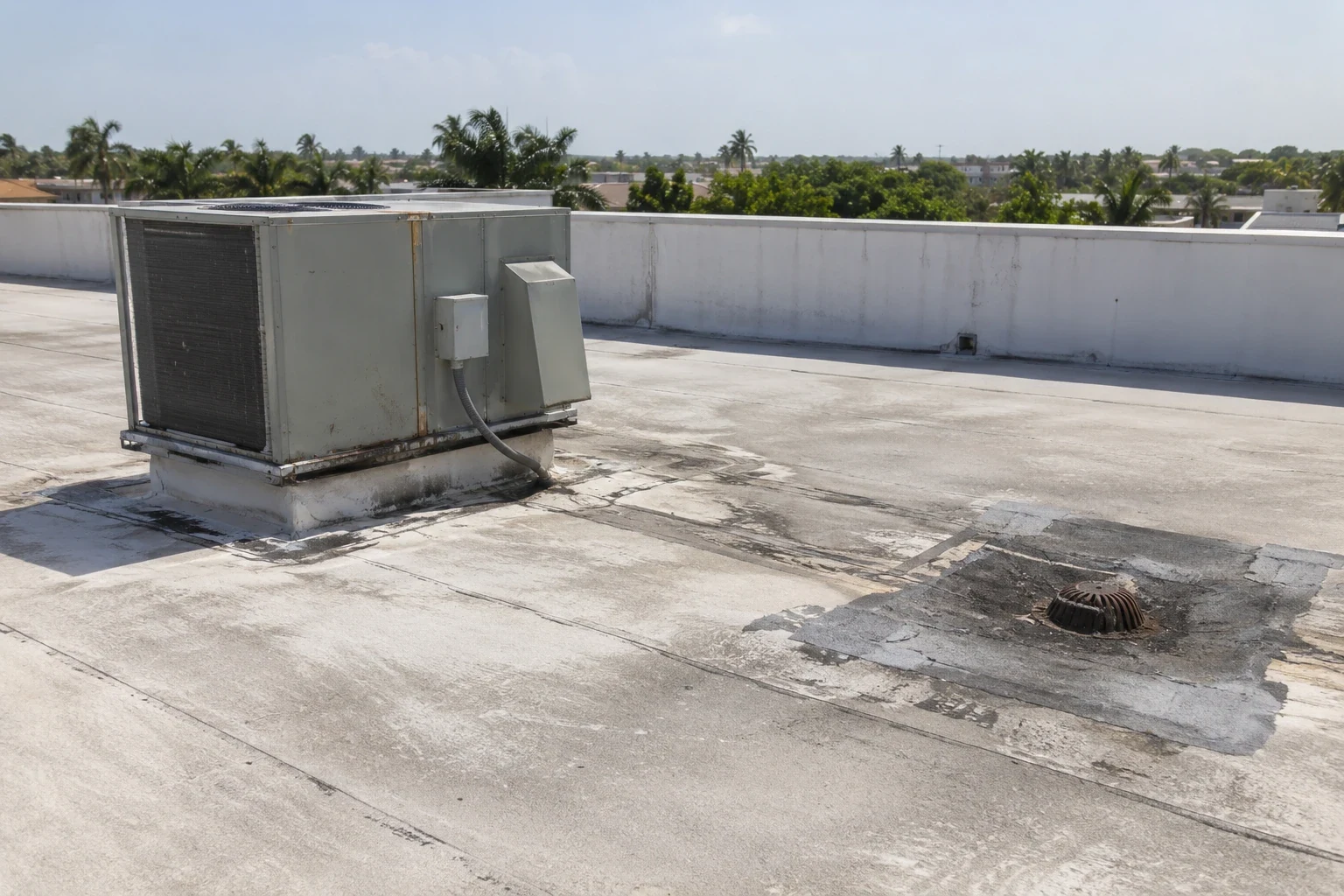
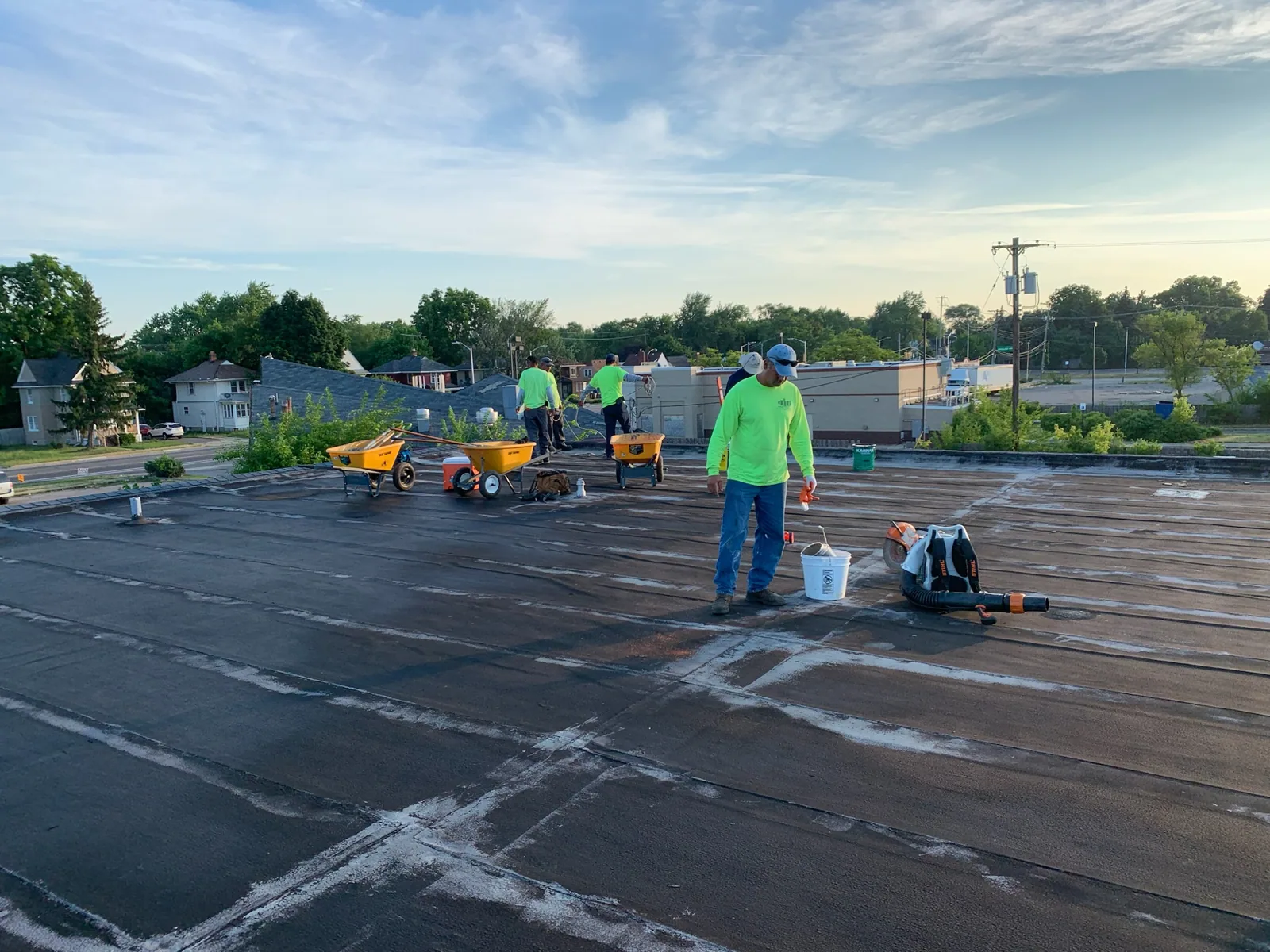
Before access, we ask whether the inspection supports preventive maintenance, a reported leak, a purchase review, a repair estimate, or capital planning. The purpose sets the level of detail and any limits. We review available roof records, previous repairs, warranties, tenant reports, and equipment changes, then agree on access, occupied areas, and safety controls. When an interior stain has been reported, we map its room and date without assuming the source is directly above it.
Victoria includes manufacturing, freight, education, healthcare, retail, government, and office facilities. A roof over a loading floor has different access and shutdown needs from a classroom or clinic. At the port, site procedures can affect escort and delivery planning; at a campus, work may need to avoid occupied buildings and scheduled programs. The contact identifies restricted roofs, fall-protection requirements, hatches, ladders, and areas that cannot be entered. A occupied-building access plan can carry those controls into subsequent work.
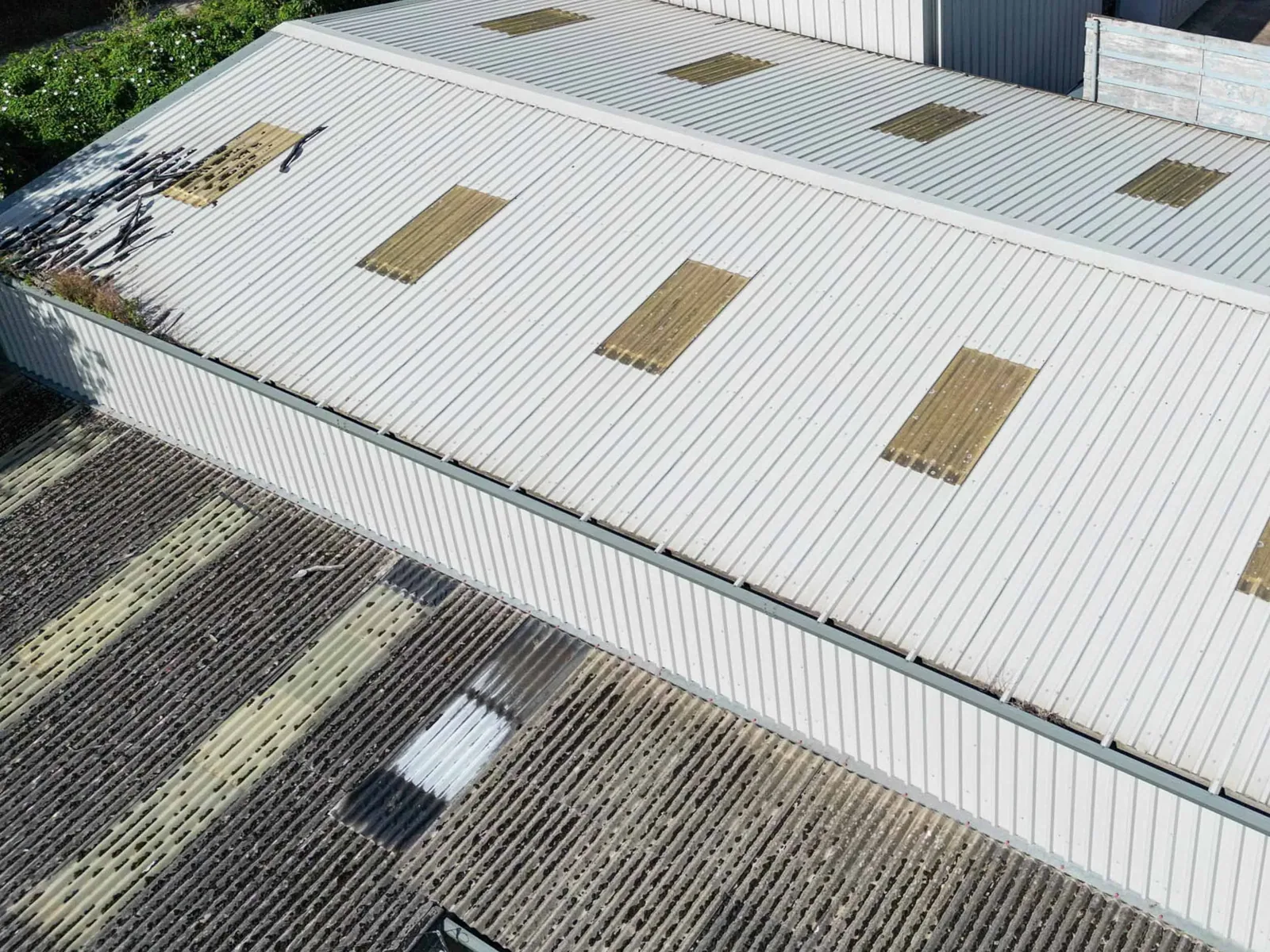
We divide the roof into identifiable sections rather than report one building-wide condition. A sketch or aerial base map helps locate observations by slope, elevation, drain, curb, and access point. Where a structure has additions or several roof systems, labels distinguish construction phases. If plans or warranty documents conflict with visible conditions, we note the discrepancy and inspect the accessible assembly rather than assume the paperwork reflects current installation.
Set the inspection around a decision
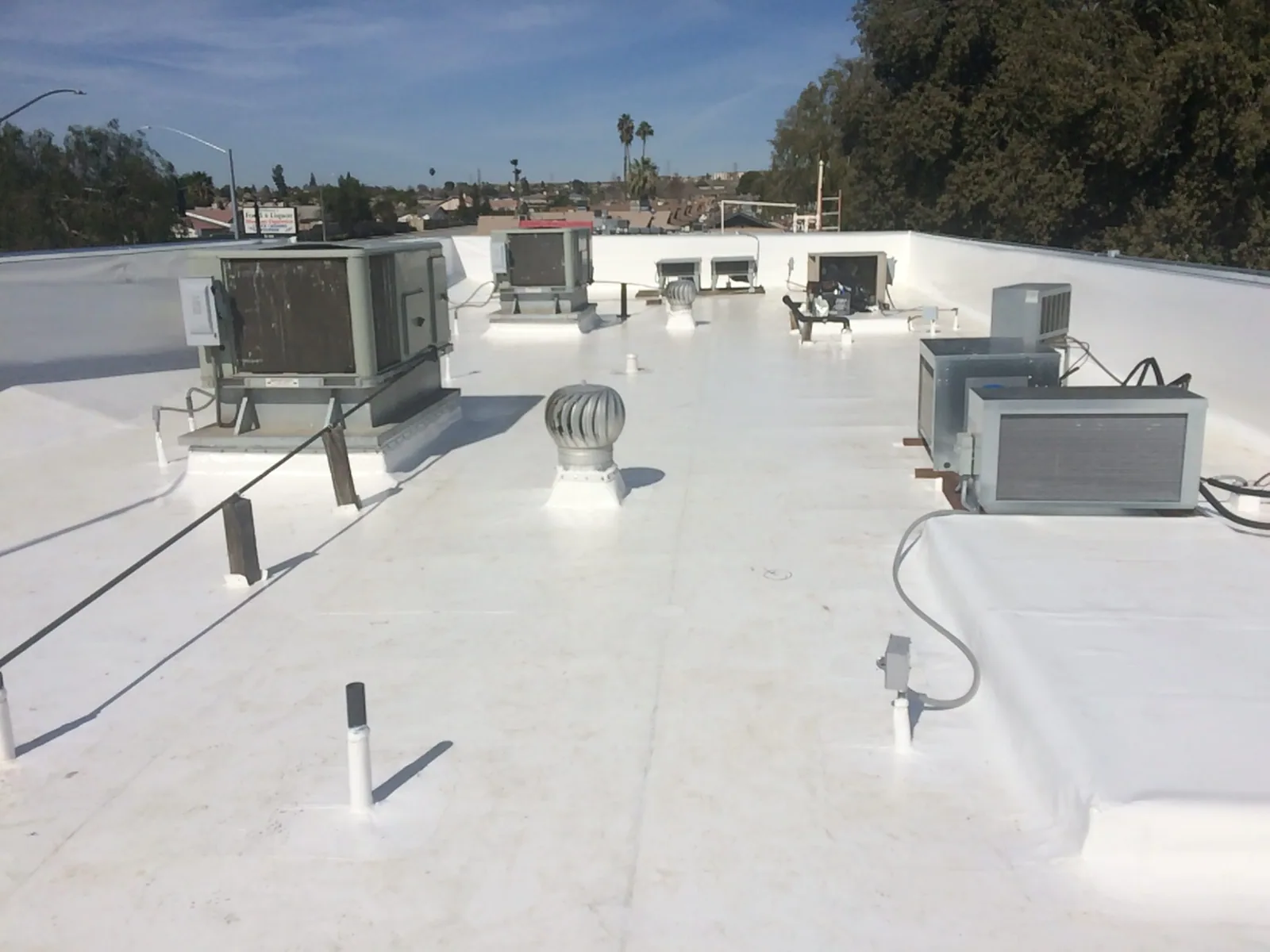
Field review follows the roof assembly. We examine membrane laps and seams, patches, penetrations, curbs, walls, edge metal, expansion joints, fasteners, and visible drainage components. We look for open or lifted details, abrasion, punctures, ponding evidence, displaced ballast, coating wear, corrosion, and debris. One condition may affect another: a seam opening beside an equipment curb deserves a separate location and photograph, while a blocked inlet does not establish a membrane failure.
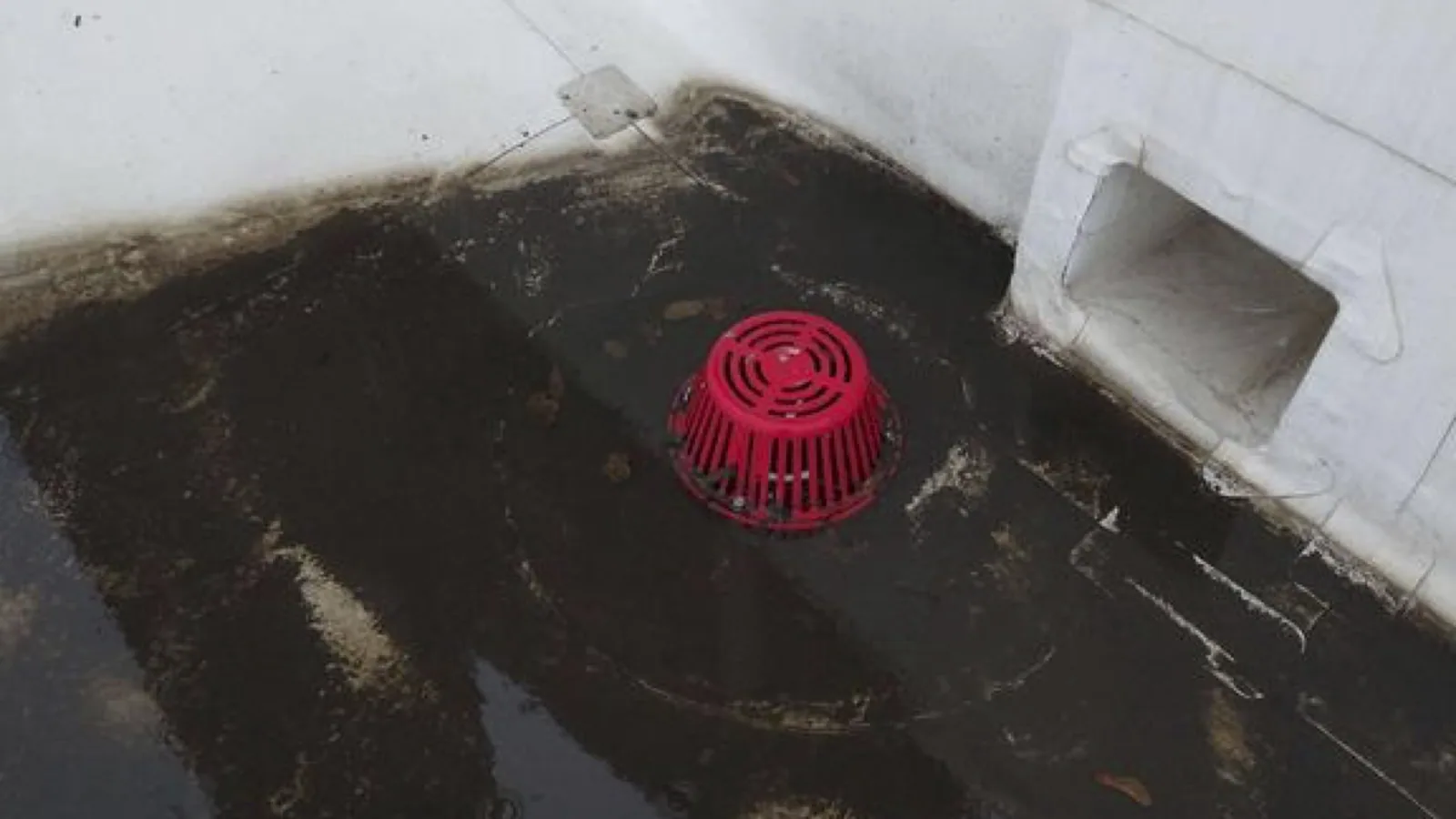
At drains and scuppers, we record debris, visible blockage, standing water, strainers, flashing transitions, and discharge conditions that can be observed safely. We note low areas and the path water appears to follow. The drain and scupper inspection can measure those details for a defined repair. At metal roofs, we review exposed fasteners, laps, sealant, panel movement, and perimeter conditions. On single-ply roofs, observations distinguish sheet, seam, flashing, and attachment issues.
Interior access can connect roof findings to reported impacts. We compare stains, damp materials, ceiling conditions, and equipment beneath the inspected area, while recognizing that water can travel laterally. The report names the rooms or zones that were made available and records inaccessible areas. If a suspected source cannot be safely reached or inspected without opening the assembly, we state that limit and identify the next step needed to answer the question.
A drone roof inspection may document broad surface patterns where flight and site rules permit, but it does not replace close review of details that need touch, probing, or a controlled opening. Likewise, a thermal survey shows temperature patterns, not moisture by itself. We recommend additional testing only when its result could change the repair boundary, risk rating, or owner decision.
Inspect the surface and its transitions
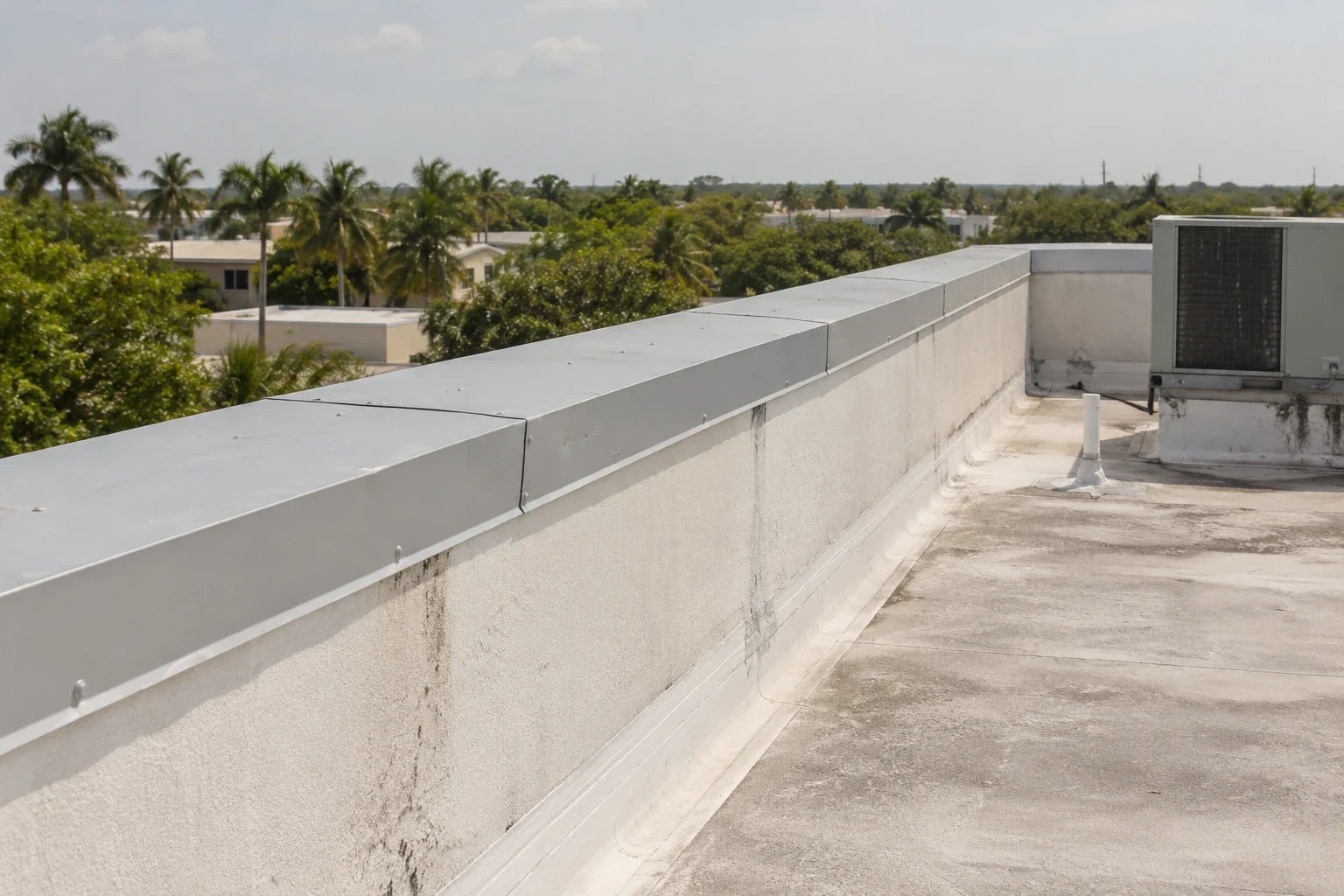
Victoria's warm season brings sustained rooftop heat, and National Weather Service climate reporting lists a July normal high of 94 degrees Fahrenheit with a record high of 110. Hot surfaces can accelerate aging and change safe work windows, so our report describes the observed material condition rather than assigning a remaining service life from age alone. We flag exposed seams, brittle or poorly bonded patches, open terminations, and coating wear for closer evaluation.
Wind, hail, and tropical rain also belong in a local inspection program. A National Weather Service warning for central Victoria County cited quarter-size hail and 60-mile-per-hour gusts. Historical reporting records 1.75-inch hail in Victoria, while nearby Nursery had reports of broken windshields and downed power lines. NOAA's Hurricane Harvey account places the storm north of Victoria after landfall near Port Aransas. These events support post-storm inspection, but none proves that a current defect came from a particular storm.
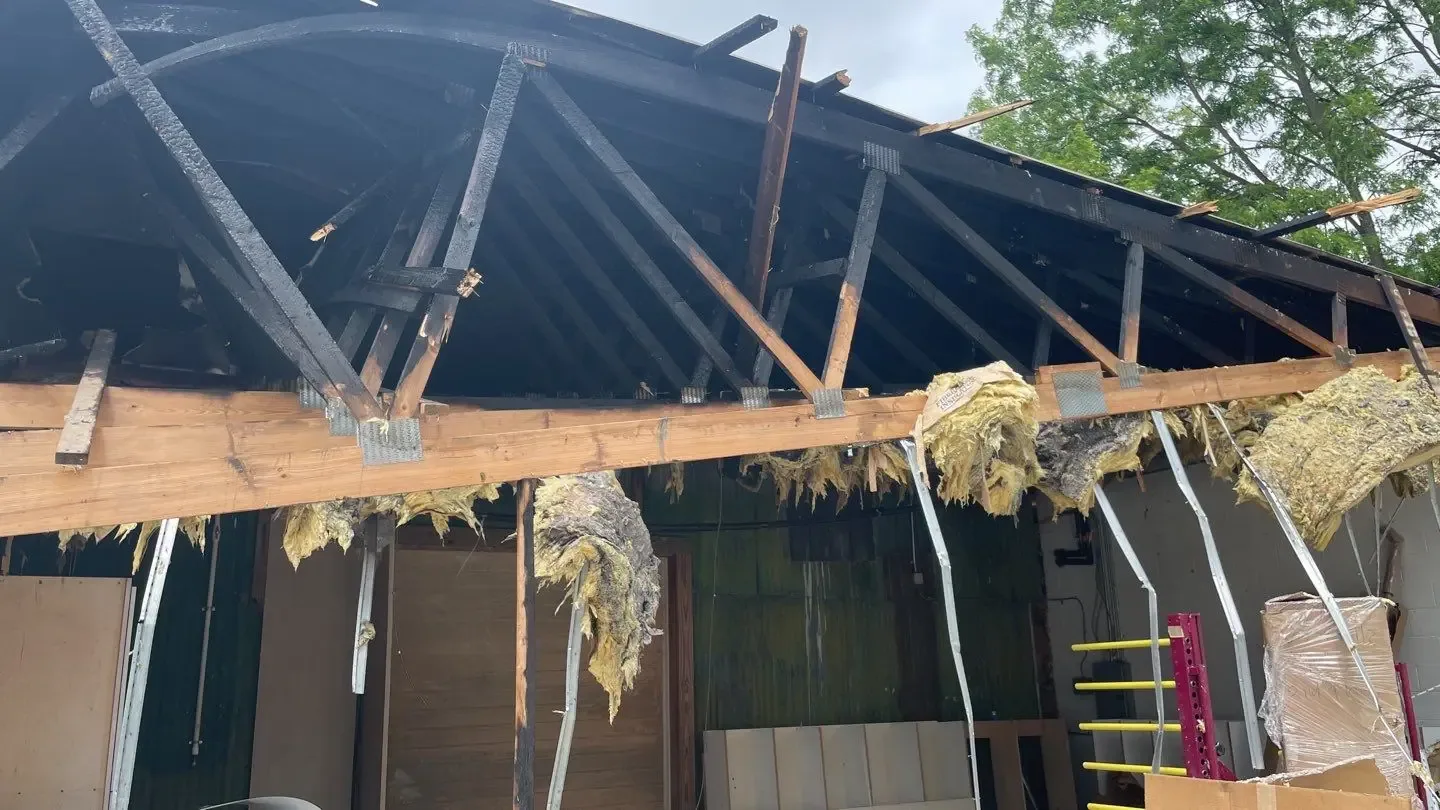
We compare dated photographs, work orders, and available weather information when the owner asks about a change. A storm-damage inspection can separate visible impacts from older wear, maintenance needs, and conditions that require testing. Where evidence is inconclusive, we state what is seen, what cannot yet be confirmed, and whether additional records or an approved opening would be useful. The City lists the 2021 International Building Code with local amendments; proposed work that changes an assembly or attachment may require the owner and project professional to review applicable requirements.
Account for Victoria's heat and storm exposure
Each finding includes a location, description, supporting photograph, and recommended next action. We separate active water entry or unsecured material from conditions that can be scheduled and from routine observations. Priority reflects the visible consequence and exposure, not a promise that no other defect exists elsewhere. A concealed wet area, uncertain material, or inaccessible perimeter appears as a limitation with a proposed test or access step.
Repair recommendations define a practical boundary. A localized seam or flashing condition may fit a repair; widespread wet insulation, repeated failures, or poor drainage may call for a larger evaluation. A commercial roof repair scope measures the work separately from optional upgrades. If records show a documented repair, we can compare its location and detail with current conditions. The roof condition report can preserve observations for the next inspection and future budgeting.
For portfolios, the summary can list roofs by building identifier, system, area, and priority so managers can compare needs without blending findings between properties. We can note which work is suitable for routine maintenance, which requires pricing, and which depends on moisture testing, a structural review, or trade coordination. An estimate should follow the decision to investigate or repair; this inspection is a condition snapshot, not a construction proposal or warranty extension.
Rank findings by consequence and next action
Deliverables can include a roof-area map, labeled photographs, observation notes, priority list, and recommended follow-up. We identify the inspection date, weather, accessible sections, visual method, and tests performed. If destructive testing, concealed deck conditions, or blocked areas are outside scope, the report states that clearly. We distinguish visible evidence from likely cause and repair recommendation.
The owner can use the record to schedule maintenance, request a measured repair, plan testing, or prepare a capital forecast. For active leakage, arrange a separate response so temporary protection is not delayed. For a roof approaching replacement, the inspection may inform a replacement evaluation after assembly, moisture, attachment, and code questions are addressed.
We list open decisions such as access, sampling, material identification, drainage correction, or a return after rainfall. A later visit can compare the same marked locations and photographs to show whether conditions changed.
Use a record built for follow-through
Related Roofing Work
Frequently Asked Questions
What does a commercial roof inspection include?
We inspect accessible roof surfaces, seams, flashing, edges, penetrations, drainage, equipment transitions, and reported interior areas. The report identifies findings by roof section, with photographs and limitations.
What inspection schedule fits a commercial roof?
Frequency depends on roof age, system, exposure, maintenance history, and owner requirements. Many owners schedule routine reviews and add inspections after significant weather or interior leakage.
Can an inspection confirm a leak source?
It may identify a visible pathway, but water can travel inside an assembly. We map the reported area and recommend testing or an approved opening when the source remains uncertain.
Do you provide repair pricing with the inspection?
The report can recommend a measured repair. We prepare pricing after confirming the boundary, material, access, and any testing needed to define the work.
Does a drone replace walking the roof?
No. A drone can help document broad surface conditions where permitted, but close inspection and testing may still be needed at seams, flashing, drains, and concealed areas.
Share the building address, roof records, reported issues, access limits, and the decision the inspection should support. We will define accessible areas, document findings by section, and identify the next action.
Call 555-555-5555 or email [email protected].