
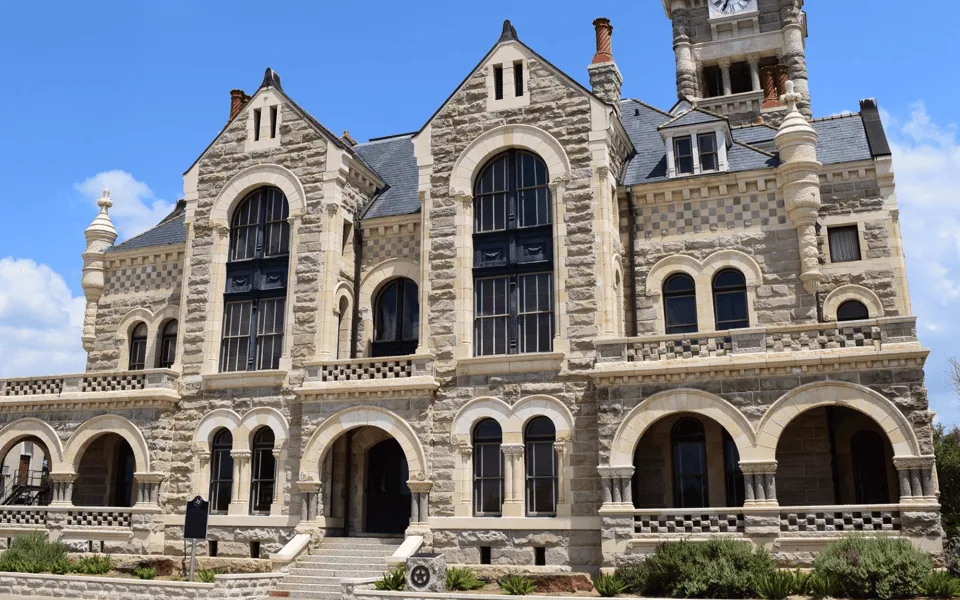
Roofing Capabilities
Commercial roofing in Victoria, TX
Roof inspections, condition reports, moisture surveys, maintenance, and capital planning for Victoria commercial properties and multi-site portfolios.
Next step
Request a Roof Assessment
Call
555-555-5555
A useful roof record lets a property manager answer three questions: what was inspected, what needs action, and what should be budgeted next. We provide field inspections, photo reports, drone and infrared surveys, maintenance programs, claim documentation, and multi-site planning for commercial buildings in Victoria. The approach fits a downtown office, a public facility, or industrial property near the Port of Victoria Industrial Park South. Each report stays tied to its roof and the access granted for that visit.
Roofing Capabilities in Victoria, TX
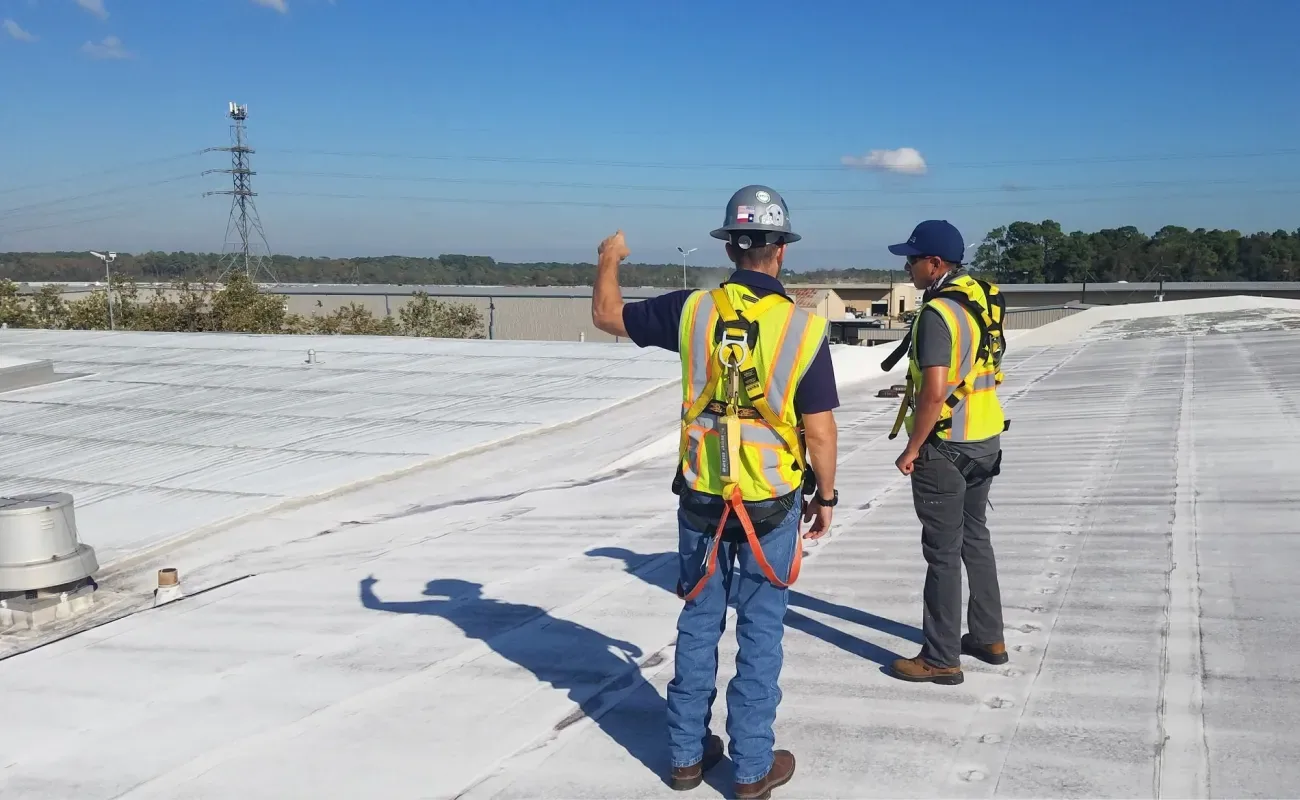
Commercial roof asset management in Victoria organizes roof records, inspection findings, repairs, and priorities by building and assembly.
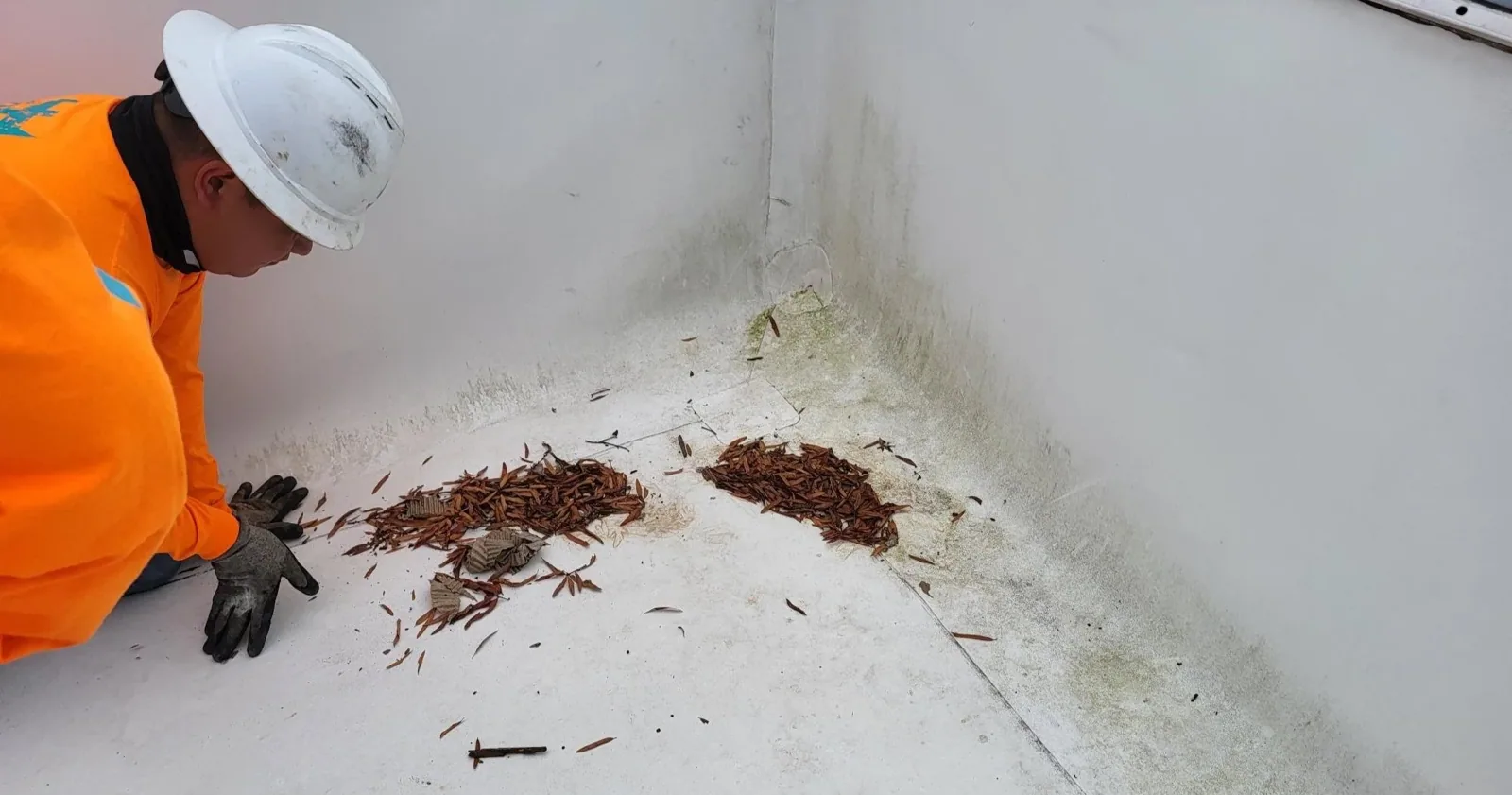
Commercial roof capital planning in Victoria ranks verified conditions, operating needs, repair options, and project dependencies into a practical sequence.
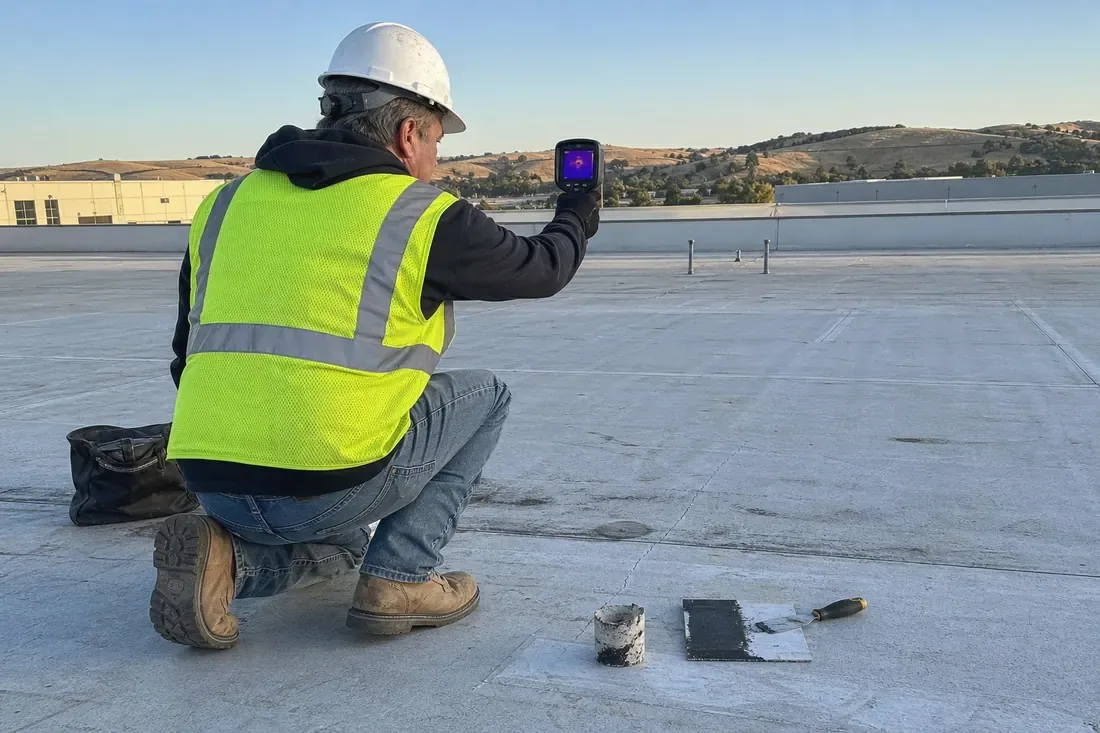
Commercial roof condition reports in Victoria connect photographs, roof sections, defects, inspection limits, and recommended next steps to a useful record.
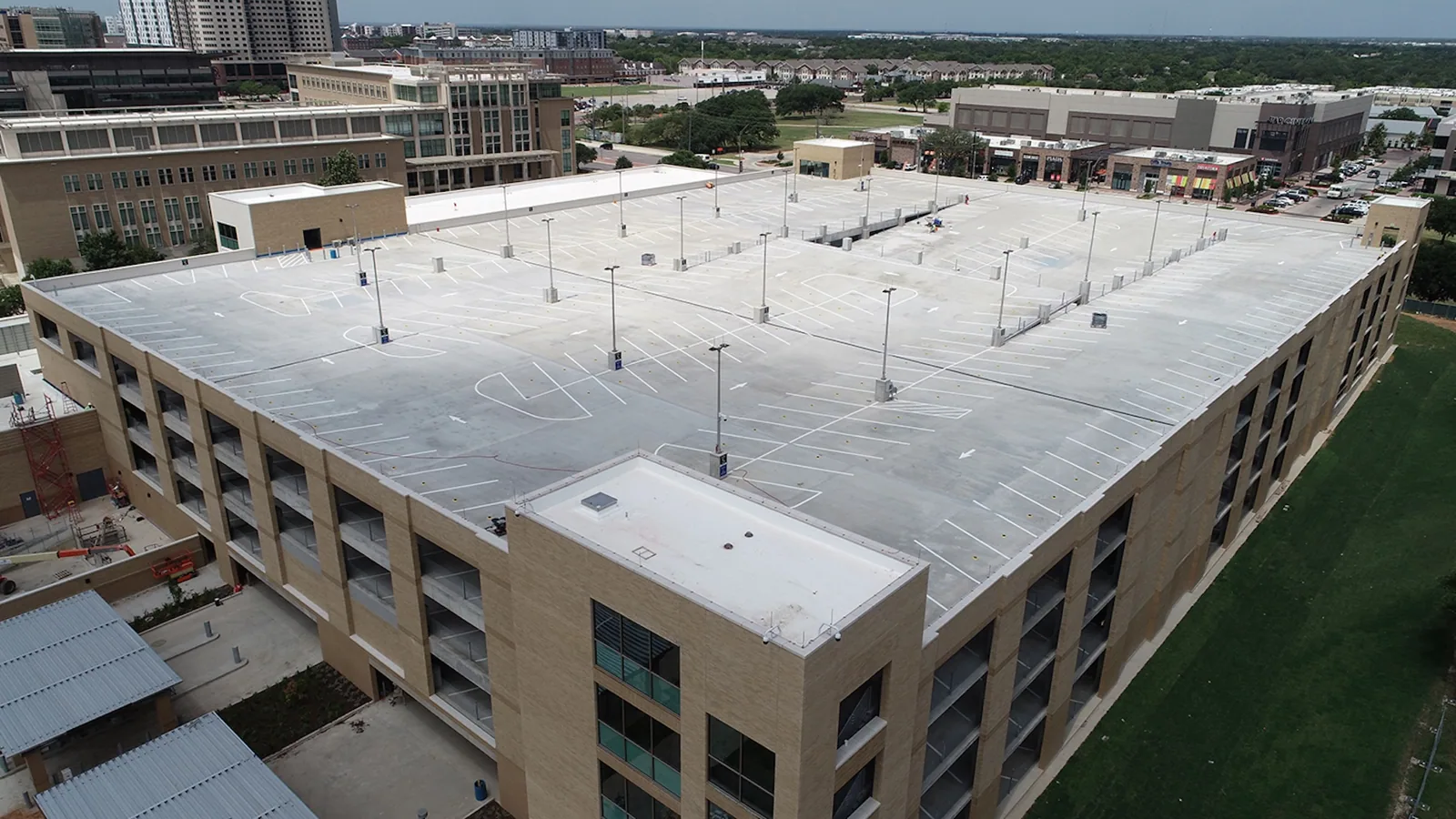
Commercial roof warranty management in Victoria organizes documents, maintenance records, repair notices, and contacts without presuming coverage or terms.
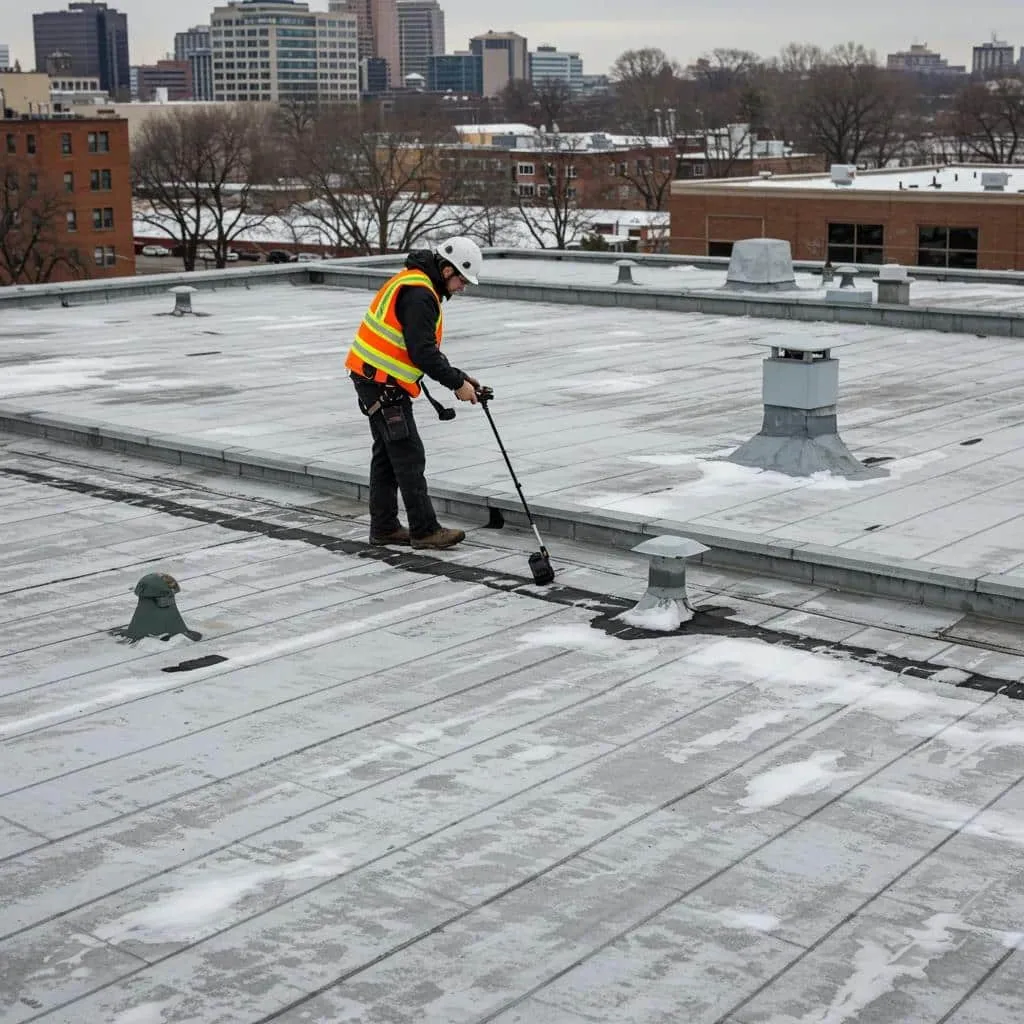
Commercial roof due diligence surveys in Victoria document visible roof condition, access limits, repair needs, and follow-up questions for a property decision.
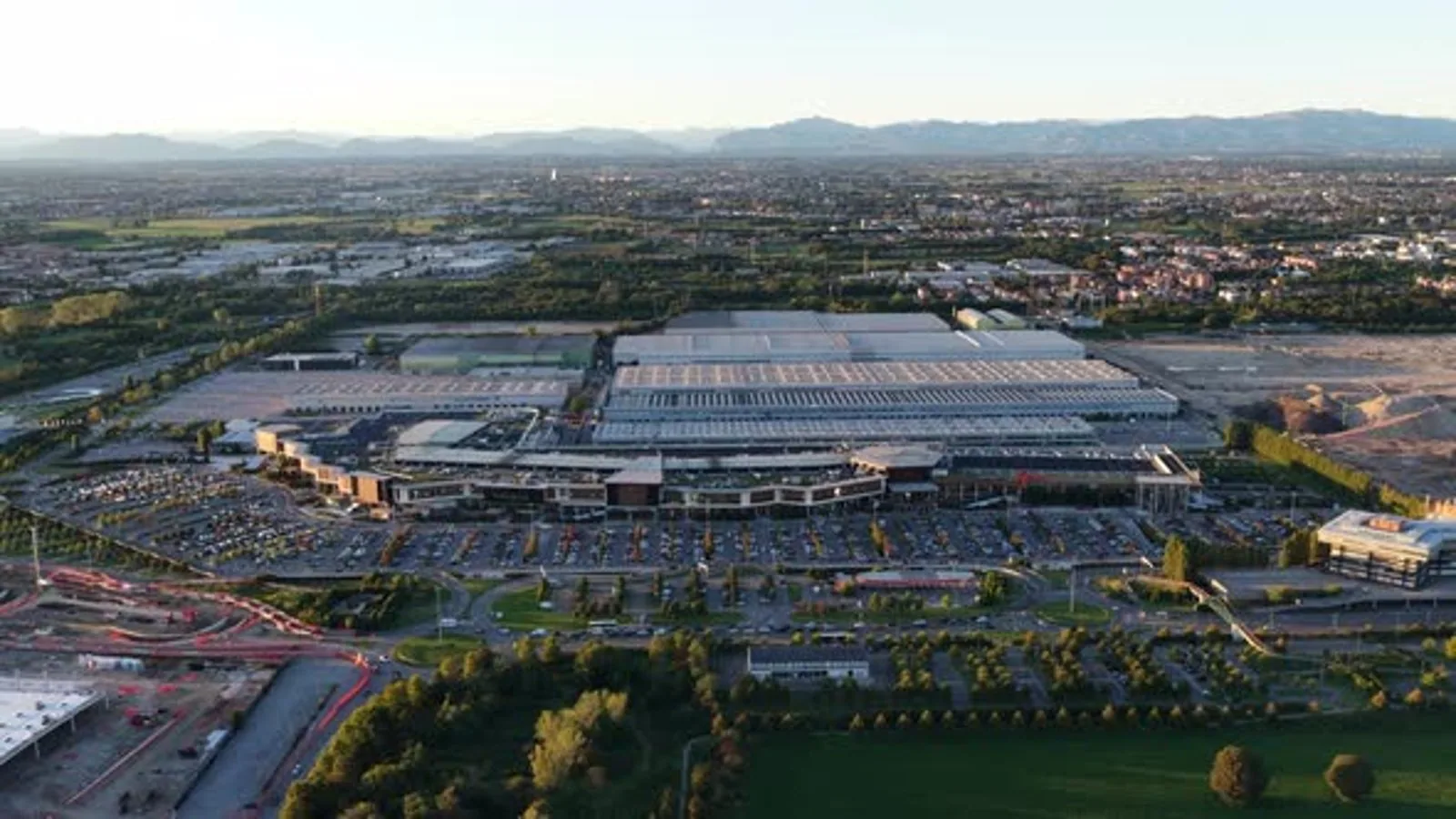
Multi-site commercial roof programs in Victoria standardize intake and reporting while keeping each building’s access, system, findings, and scope separate.
We review available drawings, repair history, reported leaks, and the decision the owner needs to make. During the visit, we label roof areas and photograph seams, flashing corners, drains, curbs, metal edges, and visible surface conditions. The record identifies the sections reached and any limitation. A condition report can organize findings by urgency and next action; it does not claim to reveal layers that could not be inspected.
Drone imagery may help show broad surface patterns where site rules allow it. Infrared temperature patterns can guide further investigation, but they are not a moisture conclusion by themselves. If sampling or a controlled opening could change the repair choice, we define the test area and restoration before proceeding.
Build a baseline by roof section
For an active leak, we distinguish temporary protection from the permanent repair. For a larger portfolio, the next step may be a measured repair, additional testing, routine maintenance, or a capital plan. A capital plan compares condition, exposure, access, and consequence while preserving the evidence behind each rating. At Lone Tree II Industrial Park, industrial access and manufacturing schedules may influence timing; a separate office or school has its own operating limits.
Maintenance revisits known seams, terminations, drains, and previous repairs. We use consistent labels and dated photos to check whether a condition changed. For an owner with several buildings, the schedule can group visits without combining their roof plans, authorizations, or findings.
Turn observations into a work sequence
When an owner reports hail, wind, or water damage, we record observable conditions and the date of inspection. Victoria has documented severe hail and wind, while coastal communities such as Seadrift have hurricane exposure. Those facts inform the reason for a visit; they do not prove that an individual roof was affected. A storm inspection can separate visible impacts from prior wear and list additional information needed for a claim discussion.
Warranty records, product information, prior repairs, and access conditions may affect follow-up. We document what is available and avoid representing that a roof warranty has been extended or that a claim will be approved. The property owner can use the report to organize questions and next decisions.
Document storm and warranty questions
A portfolio summary can show which roofs need a response first and why. Each property's underlying report keeps its own photos, observed system, repair boundary, limitations, and open decisions. This is important when one owner manages a plant, a retail building along North Navarro, and an office elsewhere in Victoria. The summary helps schedule work; it does not replace building-level evidence.
Share the roof plans, site list, reported issues, responsible contacts, and the budget or maintenance decision at hand. We can define a survey sequence and a record format that the facilities team can use after the visit.
Keep portfolio decisions traceable
Frequently Asked Questions
What is included in a roof condition report?
The report can include roof-zone labels, photographs, observed conditions, access limits, priorities, and recommended follow-up. Testing or concealed conditions are identified separately.
Does infrared imaging confirm wet insulation?
No. It shows temperature patterns that may guide investigation. We confirm moisture with appropriate field methods when that answer could change the scope.
Can you prioritize a portfolio of buildings?
Yes. We can compare recorded condition, consequence, access, and next action, while maintaining a separate evidence file for every property.
Can an inspection determine a claim outcome?
No. We document visible roof conditions and relevant records. The insurer applies the policy terms when deciding a claim.
Send building plans, repair records, known leak areas, access contacts, and the decision the report should support. We will define survey limits and document each roof by section.
Call 555-555-5555 or email [email protected].