
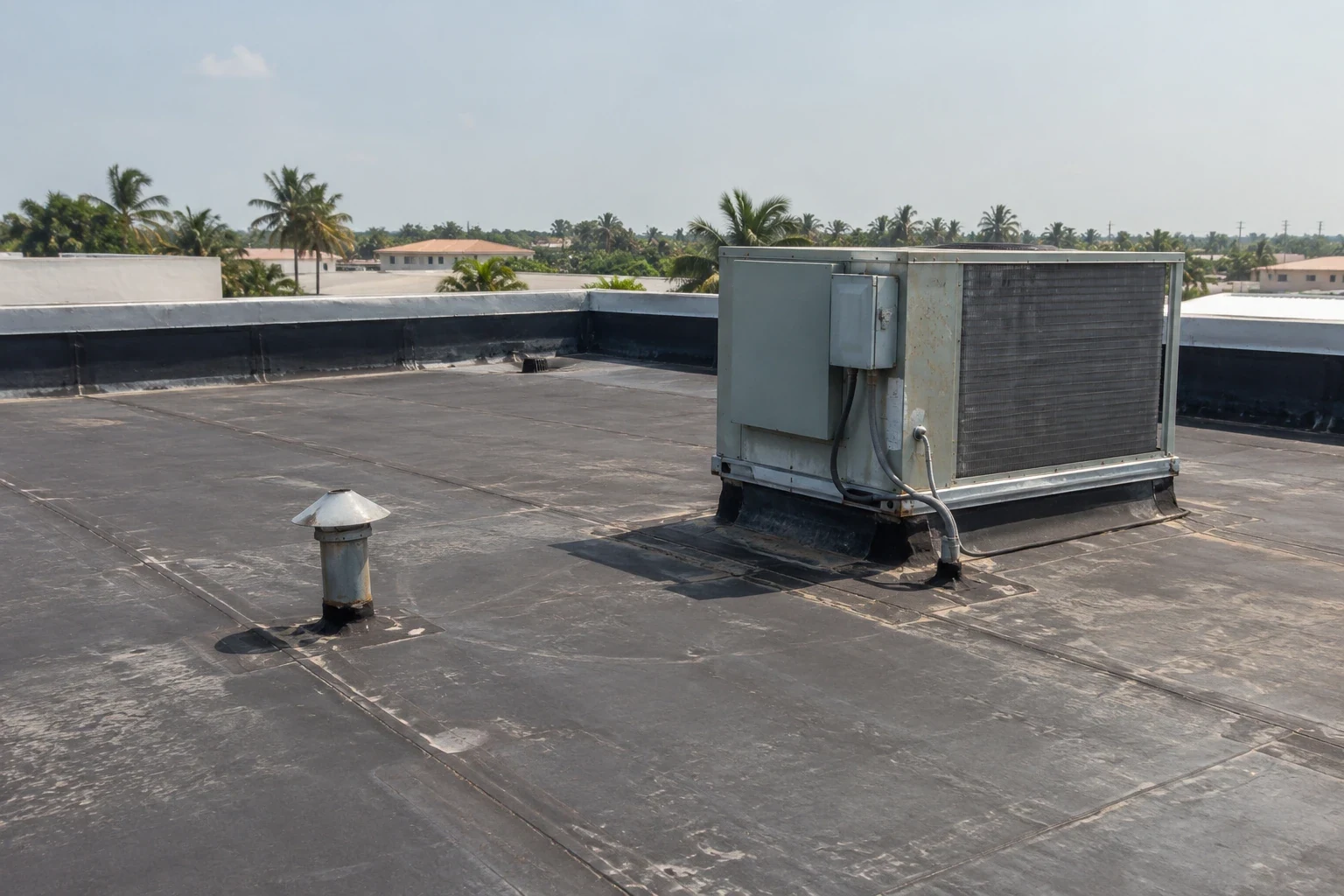
Modified Bitumen Roofing in Victoria, TX
Roof Systems · Victoria, TX
Modified bitumen roofing in Victoria is evaluated by ply condition, attachment, seams, and drainage before a repair or new assembly is selected.
Next step
Request a Roof Assessment
Call
555-555-5555
A blister in one modified-bitumen ply does not show how the layers below are performing. This multi-layer roof needs examination at laps, flashings, drains, and transitions before a repair is selected. In Victoria, hot weather and heavy-rain events make surface condition and drainage important parts of the inspection. We confirm the roof build-up, map visible distress, and define the work by the layer and detail that needs attention.
Modified Bitumen Roofing
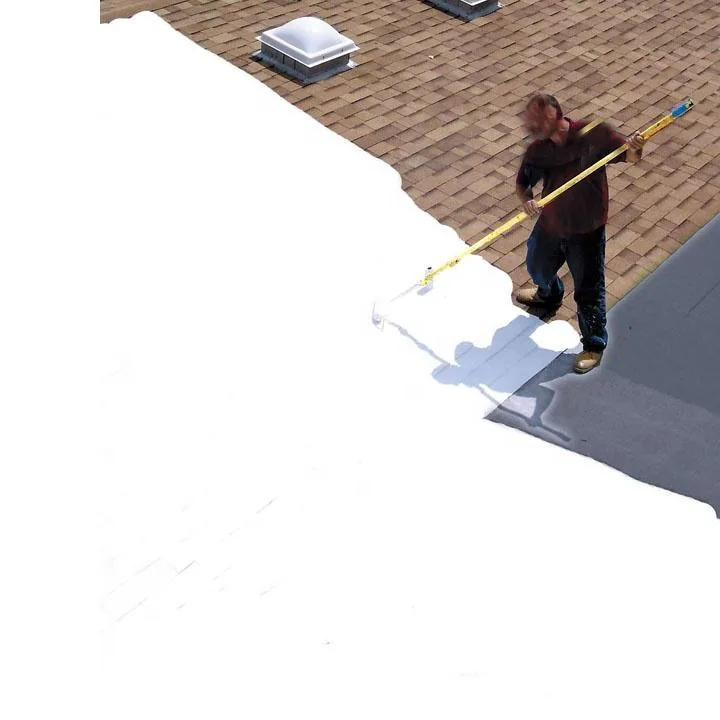
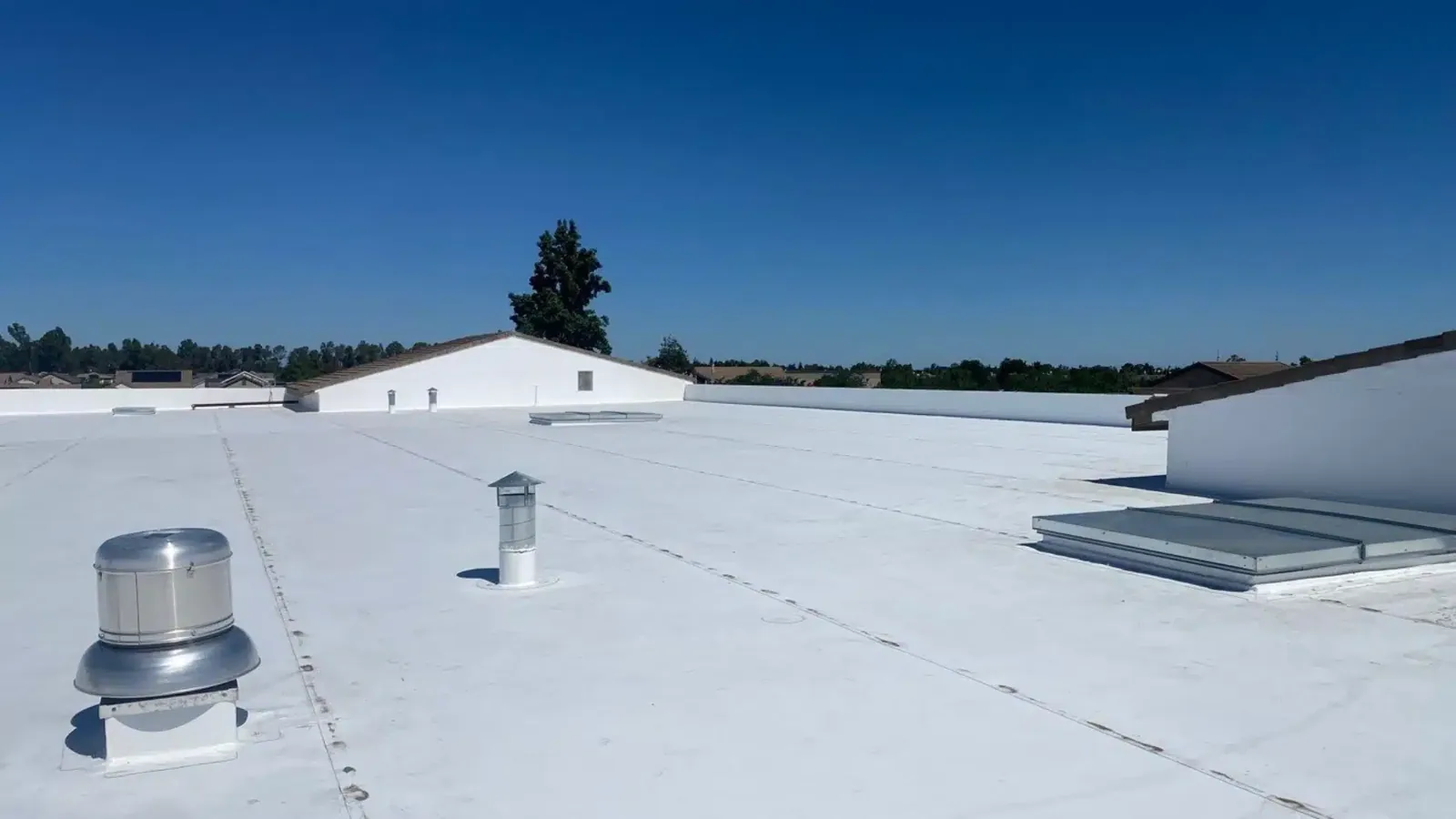
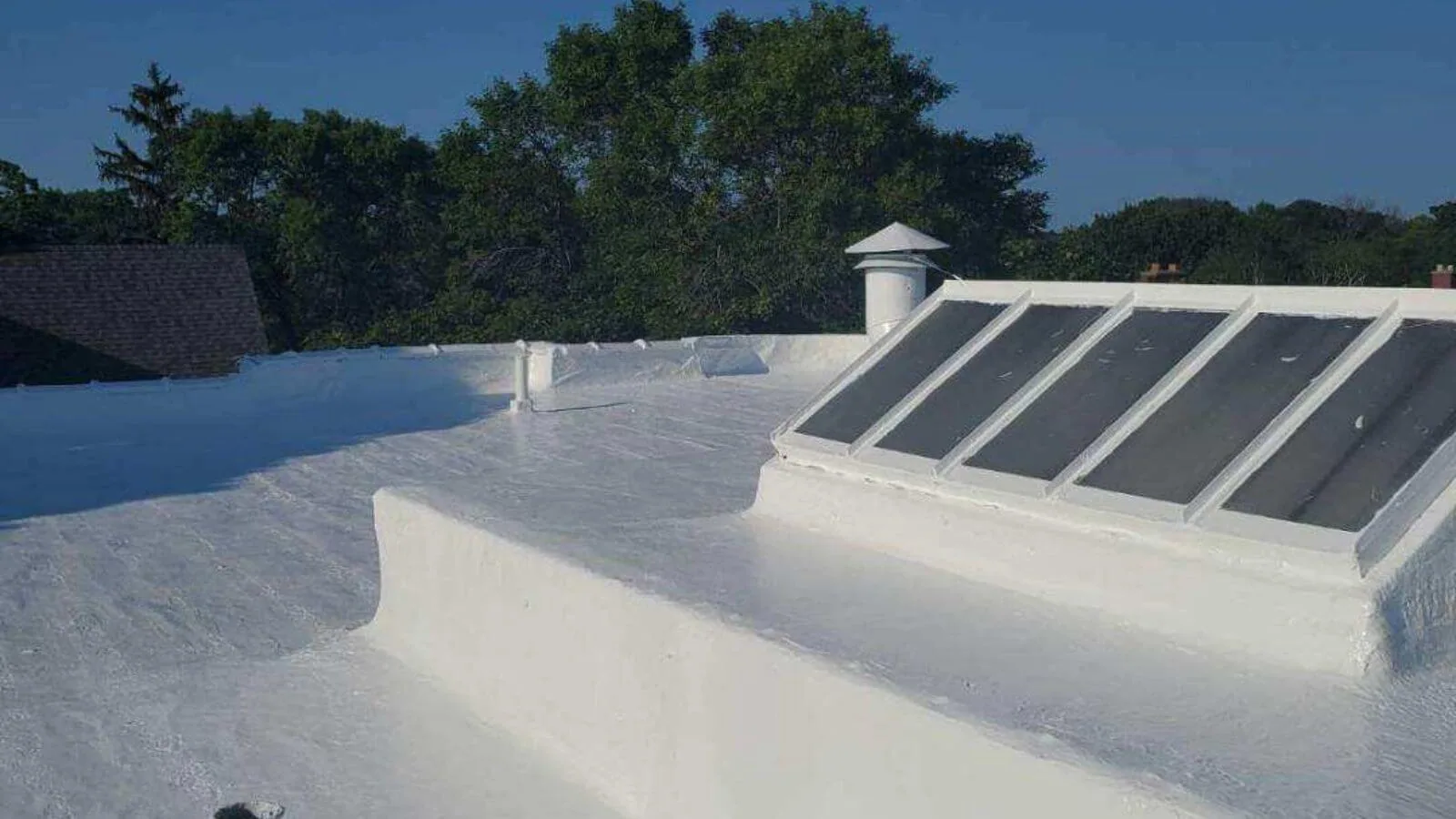
Modified bitumen roofs may use SBS or APP-modified sheets installed in a multi-ply assembly. Surface surfacing, reinforcement, base sheet, insulation, and attachment vary by system and project. We check records against exposed edges and roof details where possible. Do not infer the membrane from granules, color, or one patch alone; identify the assembly before choosing a repair material or application method.
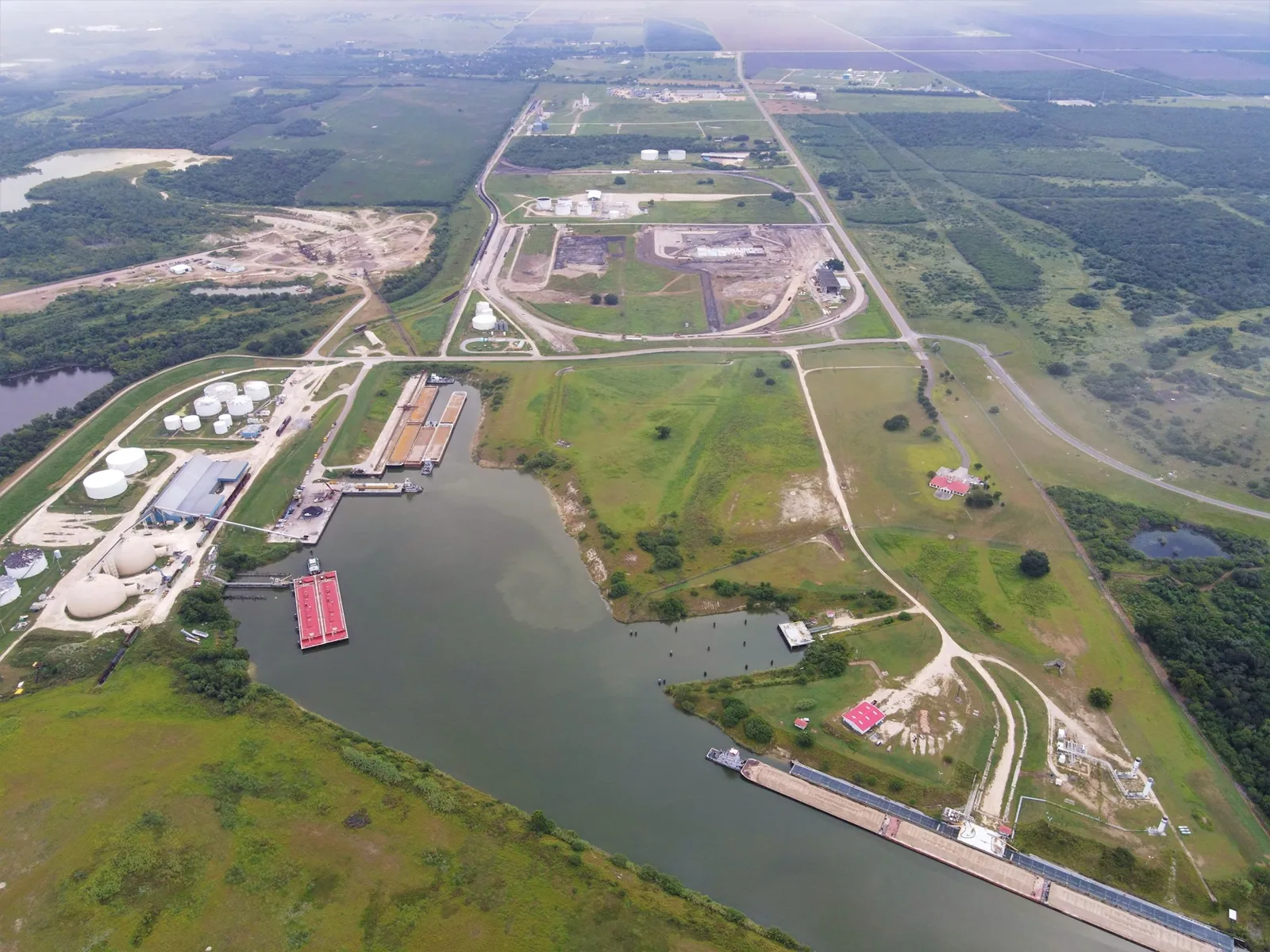
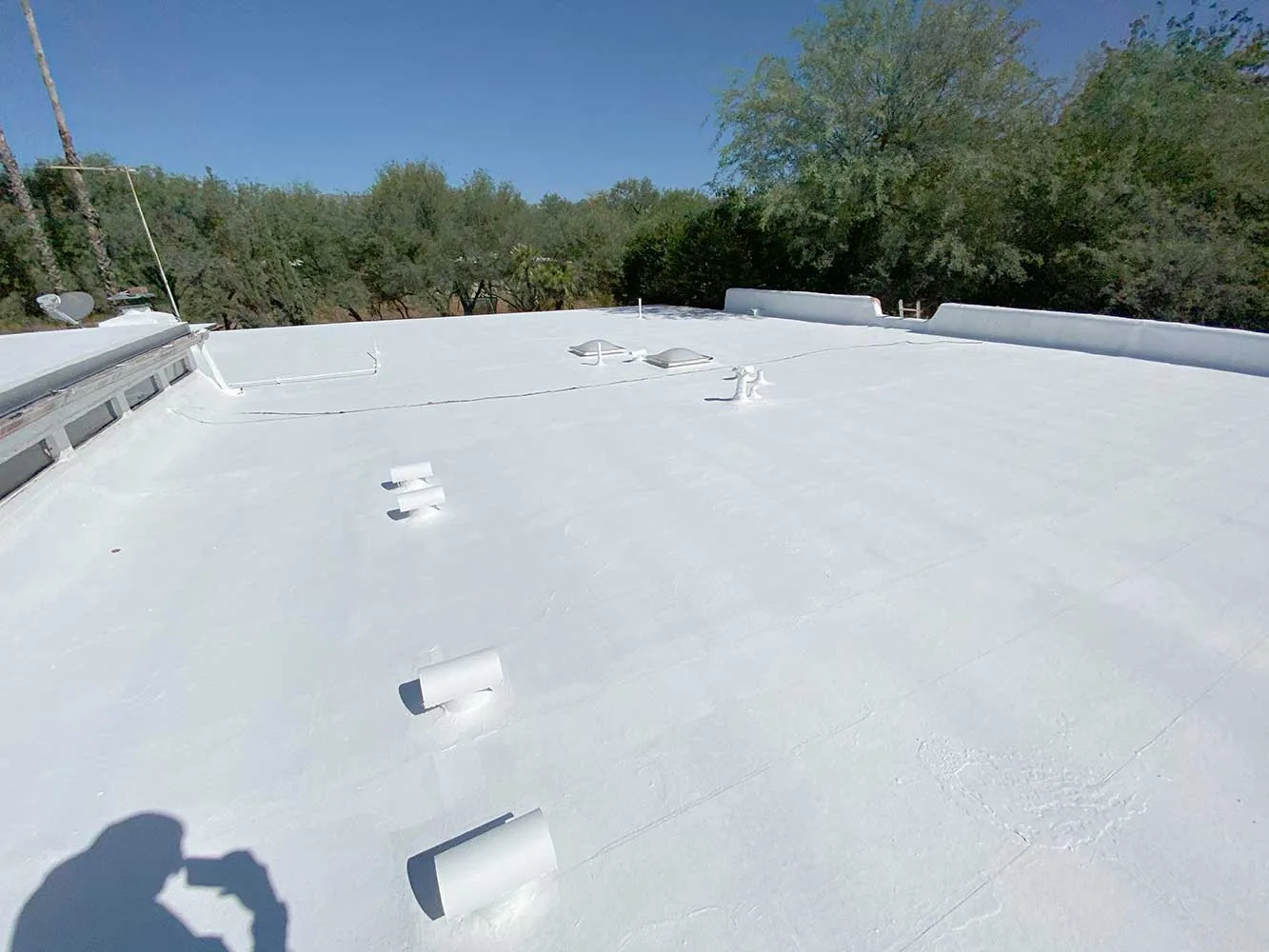
At buildings serving the Port of Victoria Industrial Park South, roof sections can be broad and contain separate construction phases. Freight and industrial use inform access planning, while the roof plan and field details determine the assembly. We label each section and note where a buried layer or deck cannot be confirmed without a selective opening.
Moist insulation, loose plies, splits at seams, and repeated repairs can point to different scopes. A roof inspection documents the visible condition and can identify where testing is needed. If a local patch would cover a moving or wet layer, the report states why further investigation should come first.
Read the plies and attachment together
Check side and end laps for separation, fish-mouths, ridges, or areas where bitumen no longer seals the interface. At granulated surfaces, look for missing granules, exposed asphalt, cracking, and mechanical damage. A top-ply defect may allow water into lower layers, so trace the path to adjacent seams, penetrations, and the drain rather than stopping at the first visible split.
Repair preparation depends on the sheet and surfacing. Remove loose material within the repair boundary and prepare a sound tie-in. The selected patch may require compatible bitumen, reinforcement, membrane sheet, or surface treatment specified for the assembly. A coating or mastic cannot correct saturated insulation, loose attachment, or a lap that continues to move.
Victoria has a history of tropical systems and intense rain, including Hurricane Harvey passing north of the city after landfall near Port Aransas. That regional history supports checking laps, parapets, and drainage after severe weather. It does not prove that a current defect came from a storm; the roof surface, maintenance history, and event report guide the finding.
Inspect laps and exposed surfacing
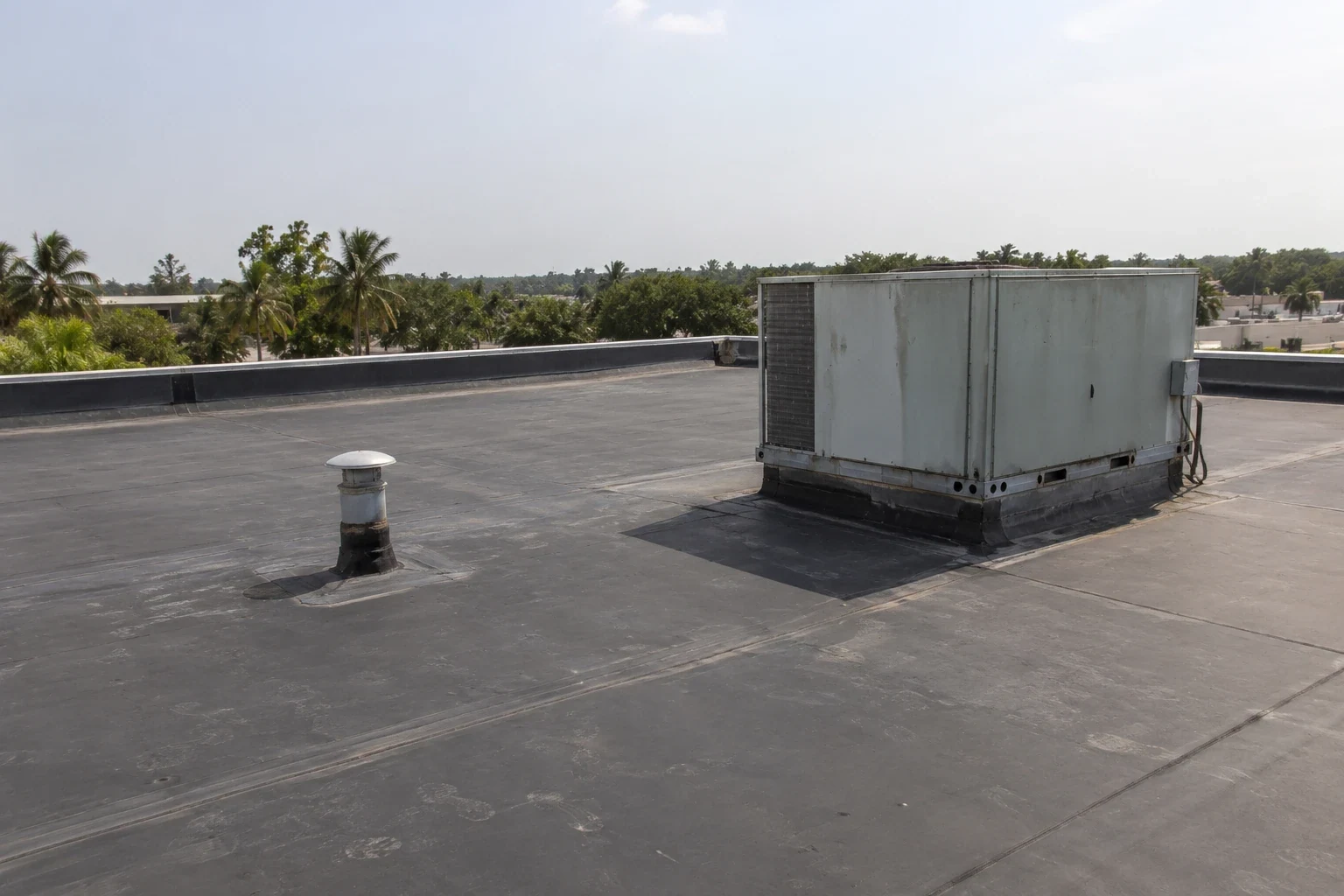
Modified bitumen sheets can be installed by torch, hot asphalt, cold adhesive, or self-adhered methods when the selected system and substrate permit. Each method has different surface, temperature, ventilation, and fire controls. The specification and approved installation guide determine what is allowed. Where heat application is proposed, follow the required fire watch and protection procedure, and keep combustibles and occupied areas within the project’s controls.
At a recover or replacement, check insulation and deck condition, roof height, edge metal, and transitions before adding another layer. The built-up roof system also uses multiple plies but has different materials and installation details. For a flexible single-ply alternative, compare EPDM roofing against the same building and project requirements rather than treating system names as interchangeable.
Victoria’s July 2026 climate sheet gives a 94°F normal high and a 110°F record. Heat affects storage, work periods, and some adhesive methods. Crews follow actual product limits and conditions at the roof; the record itself does not substitute for a site weather check.
Select an installation method for the project
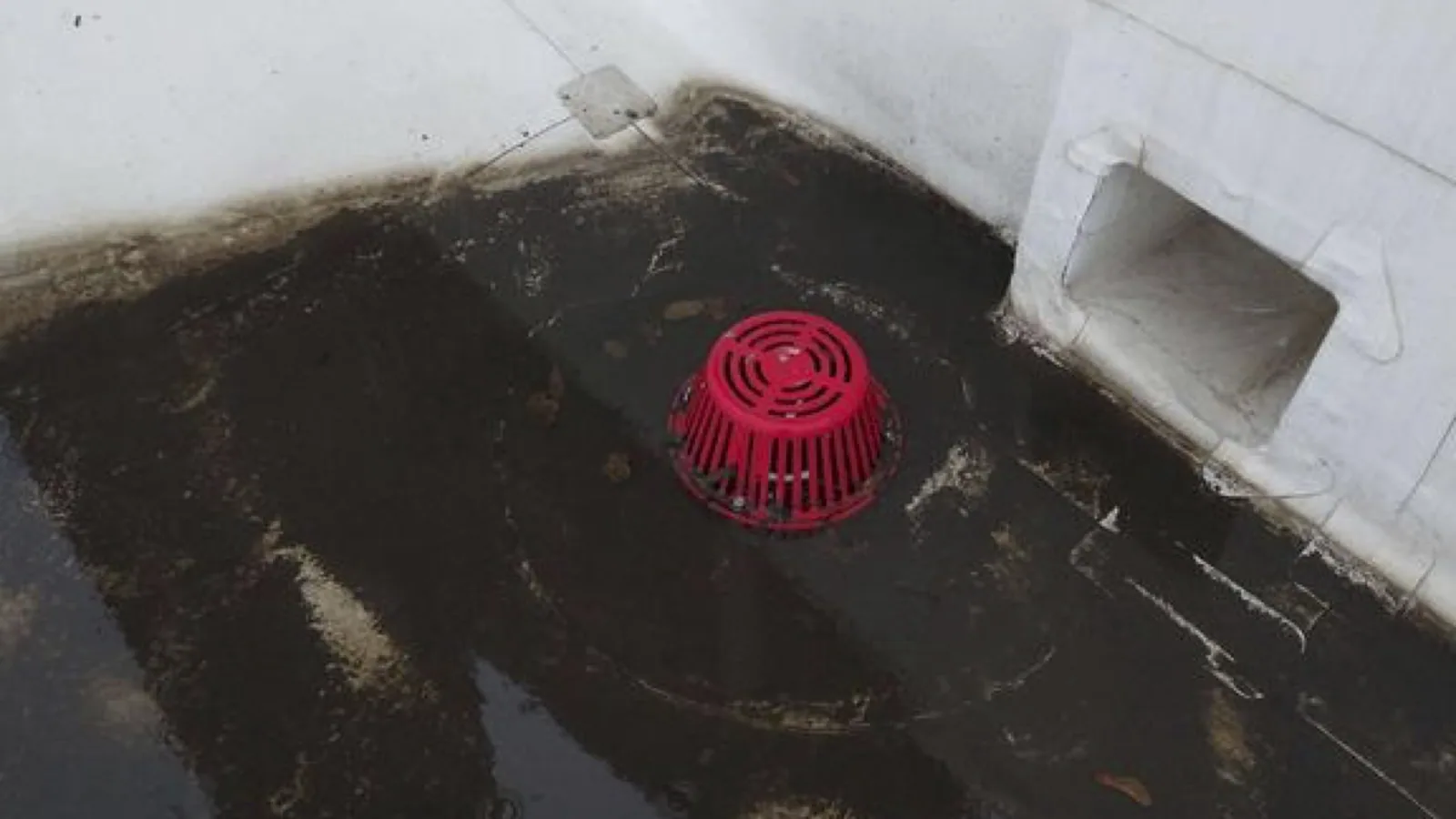
At drains, inspect the bowl, clamping assembly, and membrane connection. A bituminous patch should not cover an outlet, overflow, or loose drain flange. If ponding reflects a low area or restricted throat, a drain and scupper assessment can separate the outlet repair from slope correction. Keep each layer’s termination visible until the next ply or flashing is in place.
Wall flashings, curbs, vents, and expansion joints need a compatible upstand and secure termination. Check counterflashing, metal corners, and any termination bar or reglet detail. Equipment that vibrates or moves can pull on the membrane. A curb and support review can coordinate roof work with a mechanical contractor when the support or unit requires attention.
At Victoria Regional Airport Business Area, commercial and freight activity brings scheduled operations and delivery access into the project setting. Each property contact confirms roof access, material staging, and any equipment shutdown. We protect the opening while a flashing is rebuilt and document the tie-in before it is covered. Retain enough height at the curb and parapet for each ply, termination, and counterflashing specified for the assembly.
Tie plies into drains, curbs, and walls
Cold adhesive, hot asphalt, and torch methods each have conditions that affect application. Rain, moisture on the roof, dust, and high heat can change the schedule. Monitor the work surface and secure open sections before leaving for the day. If a storm warning or site restriction interrupts installation, protect the roof and tell the facility contact which area remains incomplete.
For an occupied facility, plan deliveries, roof access, exhaust controls, and protection below. The Port of Victoria’s freight connections are part of the regional context, but truck access and loading rules are set by the individual property. A phased reroof plan can coordinate work sections, interior notices, and daily closeout.
During removal, concealed conditions can extend beyond the visible split. Photograph the opened area, identify wet or deteriorated layers, and follow the approved process for direction before expanding the repair. Keep the repair boundary tied to the actual assembly and the project authorization.
Plan the work around weather and occupants
At completion, check lap edges, embedded reinforcement, flashing, drains, and terminations. Record which ply or layer was replaced and the material used. Photos show the repair’s location and finished tie-in. If the lower assembly was not opened, state that limit so the owner understands what the repair did and did not examine.
Preserve roof plans, product data, repair history, and any fire-watch or inspection records required by the project. A maintenance visit can recheck exposed surfacing, drainage, and prior patches as conditions change. It should not assume an older repair remains sound without field review.
For modified bitumen service in Victoria, share the roof plan, surfacing type if known, leak locations, prior patches, and access window. We will inspect the plies and transitions, then explain whether a local repair, additional test, recover, or replacement is supported by the roof condition.
Record the repair and the layer it reached
Related Roofing Work
Frequently Asked Questions
What is the difference between SBS and APP modified bitumen?
They use different polymer modifiers and system products. We identify the installed assembly and follow its repair or installation requirements.
Can you torch a repair over an occupied building?
Only when the approved method and site controls allow it. Fire watch, combustible protection, ventilation, and operations below must be addressed first.
Why does a modified bitumen roof blister?
Moisture, trapped air, adhesion loss, or substrate conditions can contribute. We inspect the affected ply and adjacent assembly before selecting a repair.
Can another layer go over the existing roof?
A recover depends on moisture, attachment, deck, layer limits, and project requirements. The assembly should be evaluated before covering it.
What should I send before a bitumen roof inspection?
Provide the roof plan, system records, leak history, previous patches, building use, and access rules so the crew can map the affected sections.
Send roof plans, system details, leak history, patch locations, and access limits. We will inspect the plies, laps, drains, and flashing before defining a repair or replacement scope.
Call 555-555-5555 or email [email protected].