
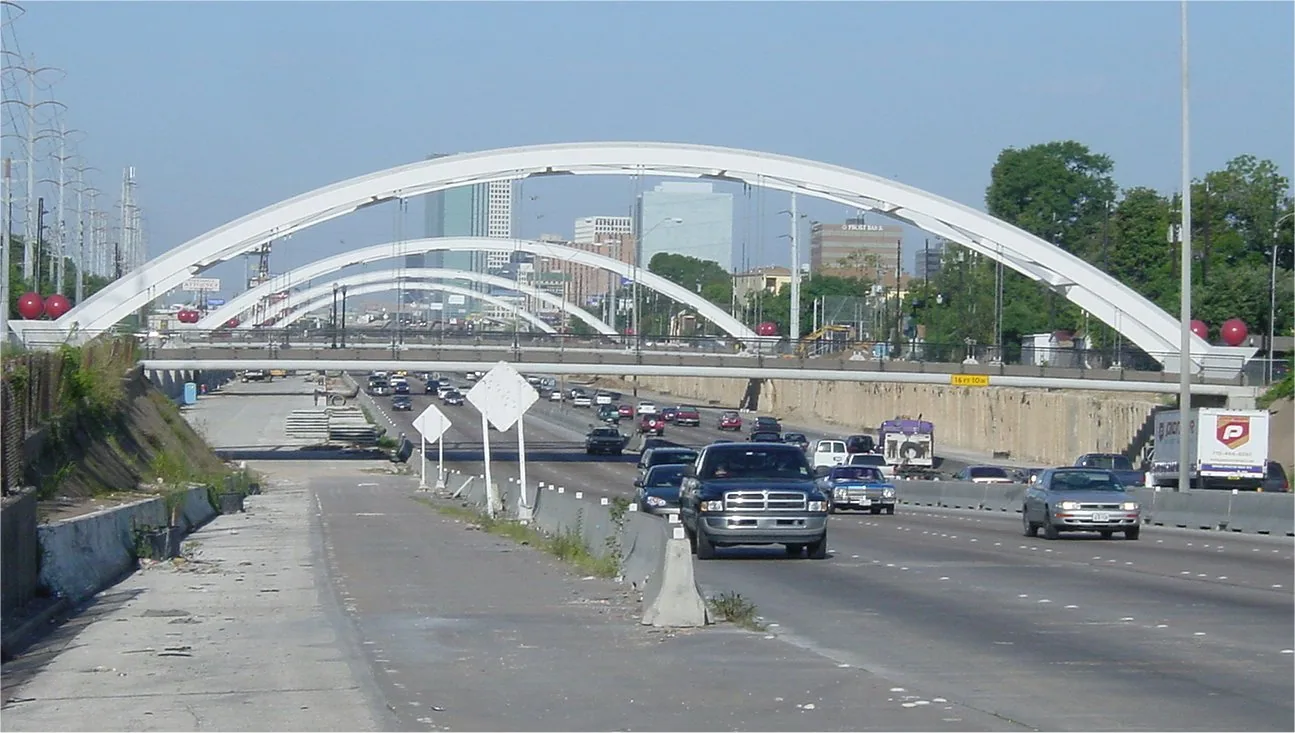
Commercial Roofing in Business US 59 / Houston Highway Corridor, TX
Service Areas · Victoria, TX
Commercial roofing along Victoria’s Business US 59 and Houston Highway corridor, scoped to each property and roof section in the surrounding area.
Next step
Request a Roof Assessment
Call
555-555-5555
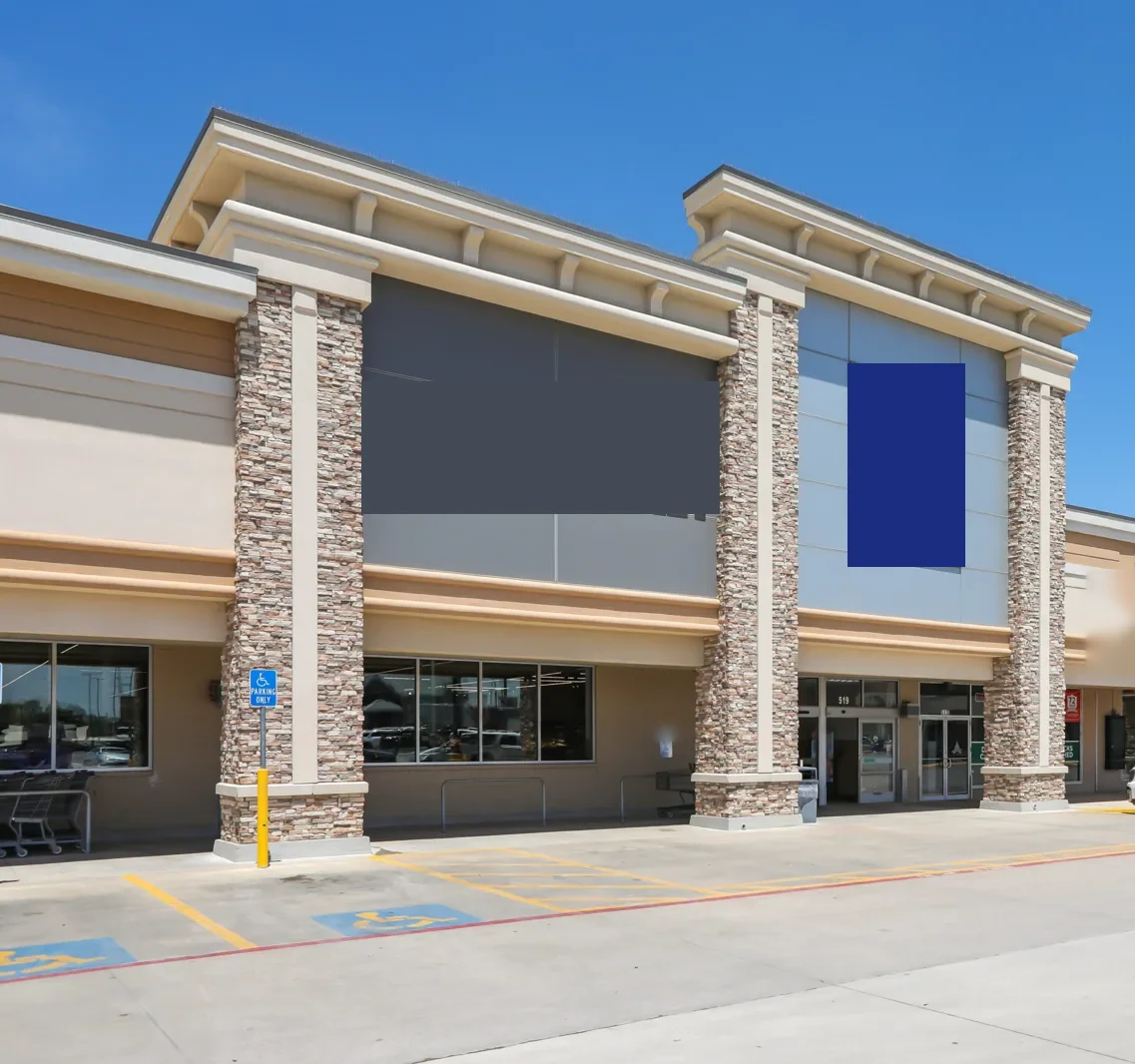
Business US 59 and Houston Highway form a citywide commercial corridor that the City identifies as an established retail concentration and a focus for corridor planning. The route covers that broader geography, not a single shopping center or intersection. Roofing service begins with the particular property and its authorized roof areas. We confirm the building, current assembly, leak report, access limits, and operating needs before defining inspection, repair, or replacement work. Traffic context informs staging, while the roof condition and owner approval determine the actual scope.
Business US 59 / Houston Highway Corridor
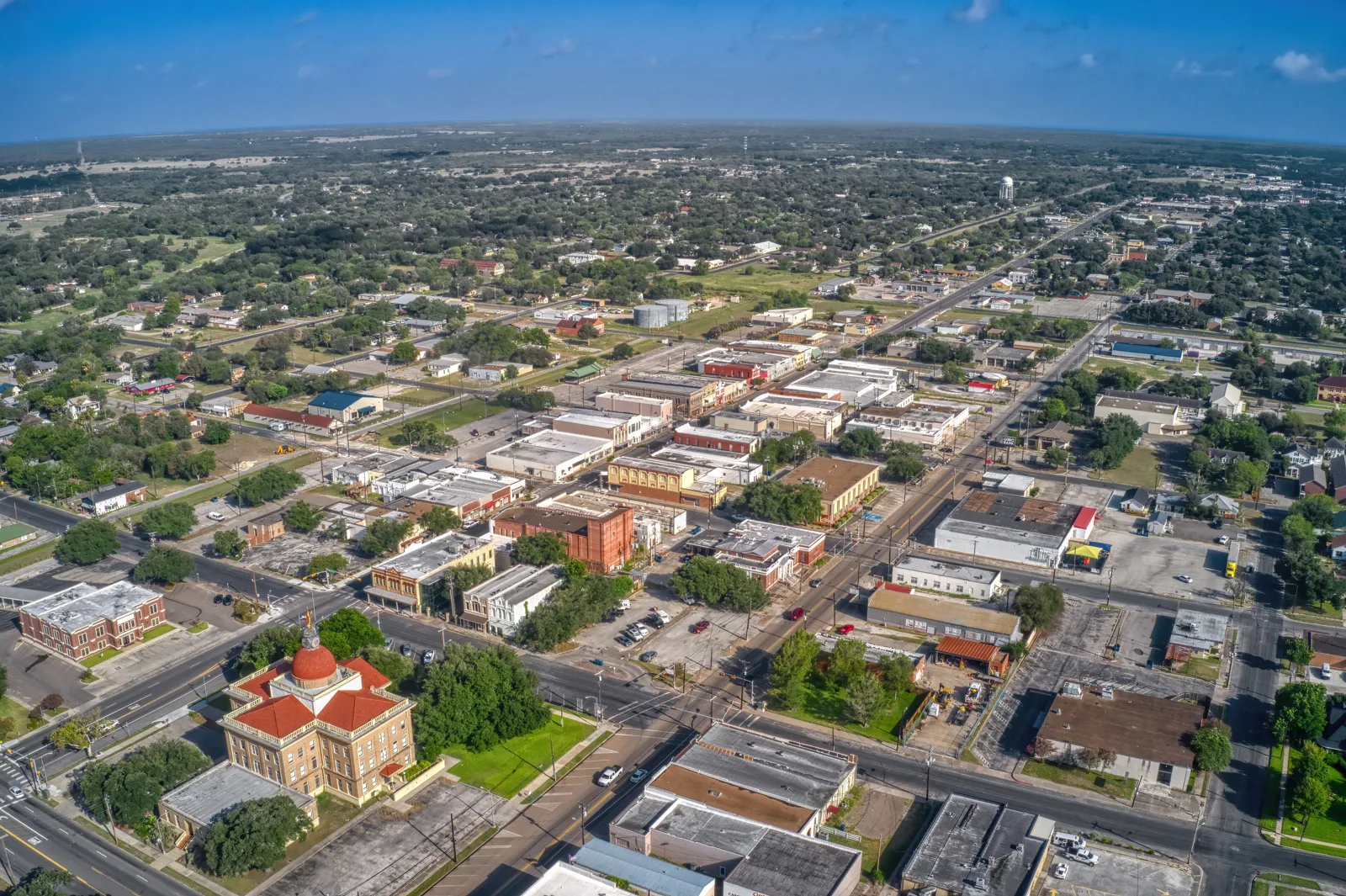
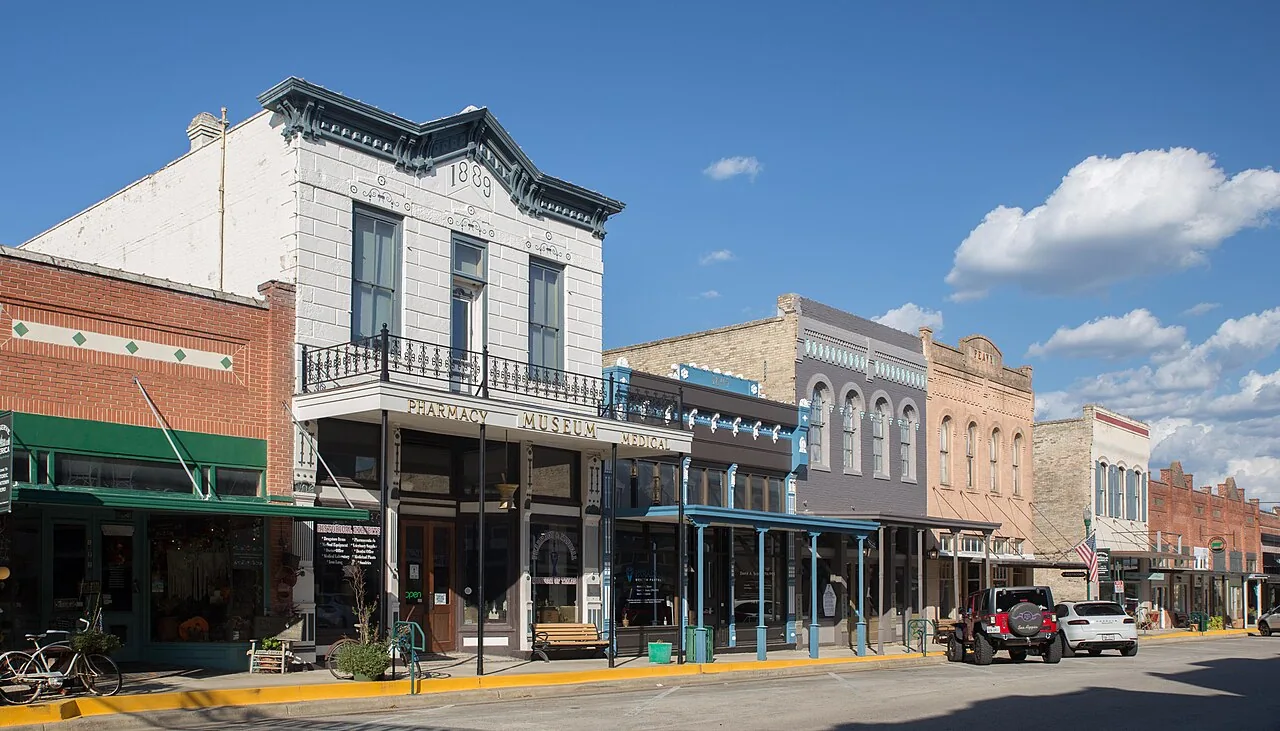
The City's mobility plan records high-volume intersections along Business US 59 near Laurent, Ben Wilson, Ben Jordan, and Main streets. That roadway setting can affect delivery timing, lift placement, customer access, and debris routes. It does not indicate the condition of any roof. Before scheduling, confirm the site's driveway, loading area, approved work hours, and entrances that must remain available. A corridor project should still identify separate properties and roof sections where ownership or maintenance responsibilities differ.
Commercial uses along a highway corridor may include retail, service, offices, and mixed property layouts. A parcel can have an older building, an addition, a canopy, or separately maintained tenant space. Ask for a roof plan, property contact, service history, and leak location, then label the sections that are actually included. Nearby service geography includes the North Navarro corridor and Victoria citywide area.
Define the Business US 59 service area
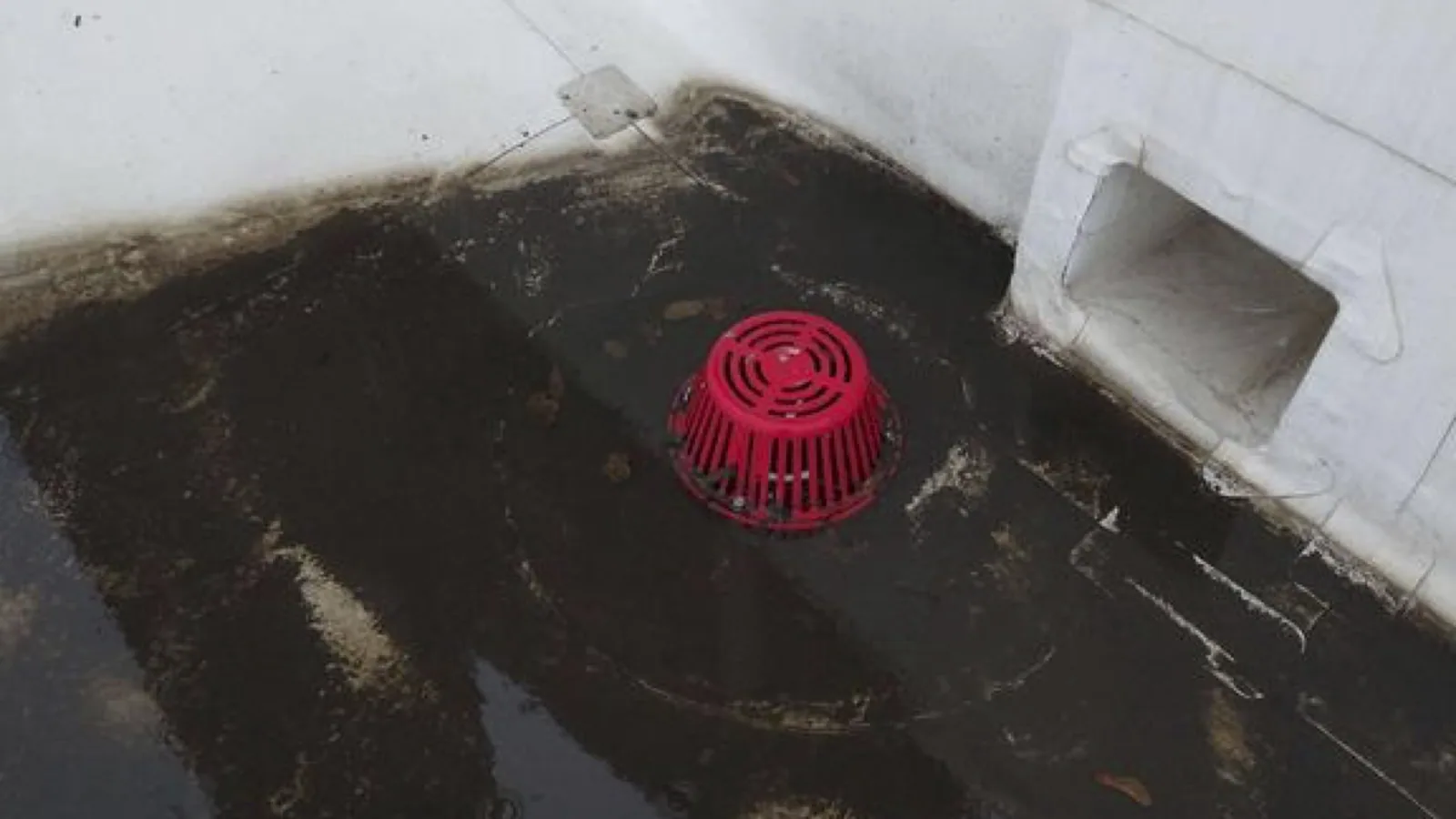
Start at the reported interior symptom and inspect the corresponding roof zone. Follow laps and membrane seams, check wall flashings, curbs, pipe penetrations, drains, overflow paths, and perimeter metal. Water can move laterally before entering the occupied space, so an interior mark does not prove the roof opening is directly overhead. We map photographs to a roof section and describe what is seen. If a second tenant or building has a separate report, document it as another inspection area.
High traffic along a corridor can add pressure to the work plan: trucks, customer entries, deliveries, and shared parking need a safe route while a crew stages material. Roof access also depends on the property, not the highway's public right-of-way. Confirm who controls the roof, whether an escort is needed, and where a lift may be positioned. If utility lines, signs, or canopies affect access, note them before the crew arrives and keep that work outside the roofing scope unless separately approved.
Inspect the roof, not the traffic corridor
Set a repair boundary where the selected material can be prepared and tied into sound existing construction. State the assembly when confirmed, work area, surface preparation, seam or flashing detail, and temporary closure. If removal exposes wet insulation, damaged deck, or an unexpected layer, protect the opening and price the added work for approval before proceeding. The scope should identify what is complete and what condition remains outside the authorized repair.
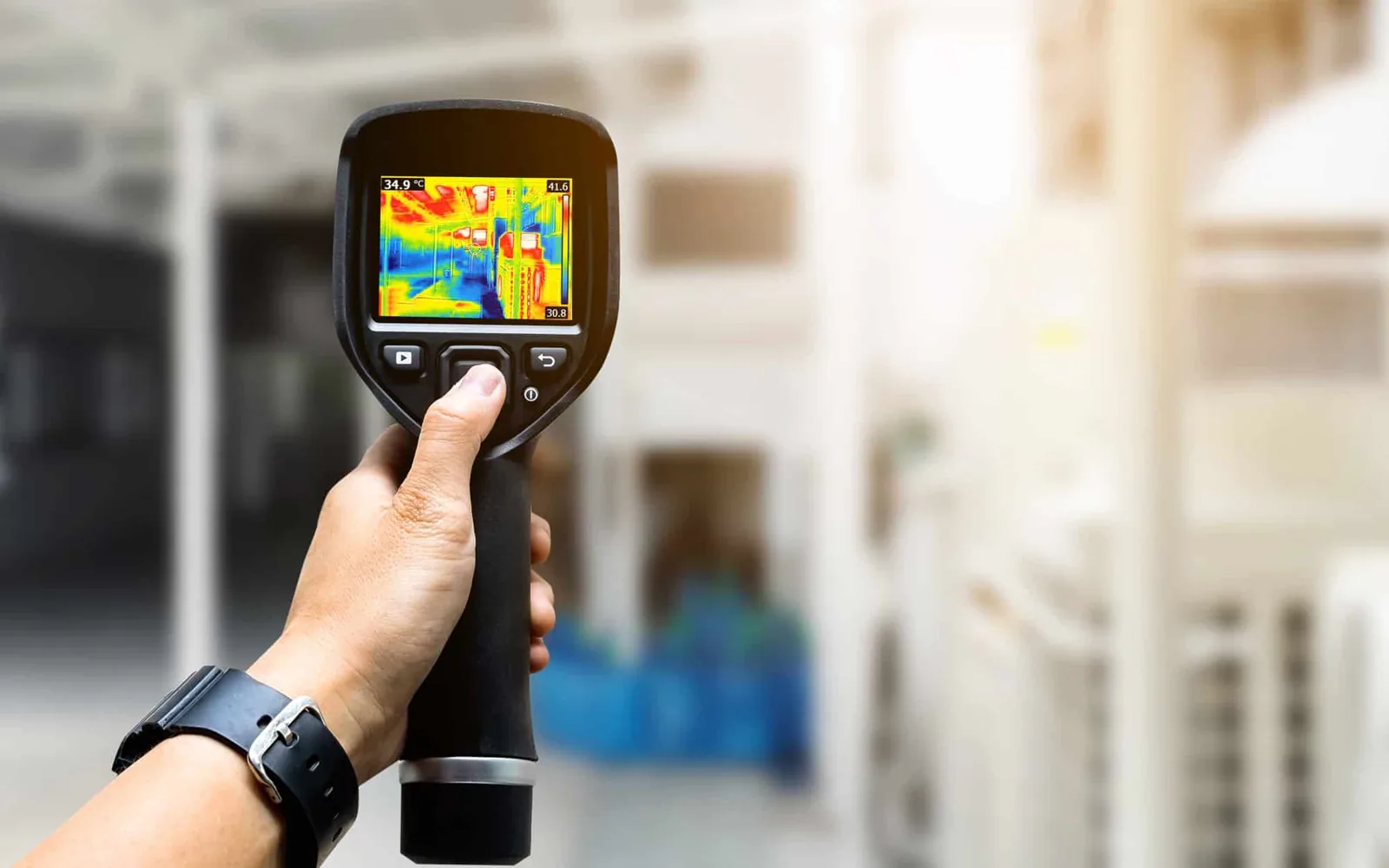
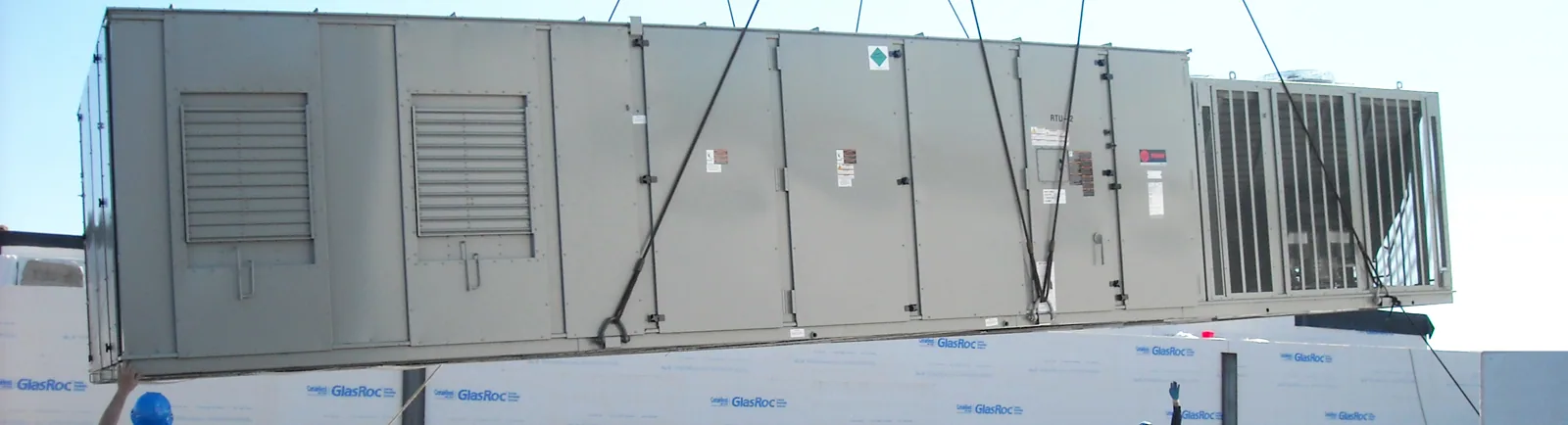
A commercial inspection records the visible condition; leak repair addresses a confirmed path; and drainage work evaluates the outlet and overflow. Where equipment creates a transition, a curb and support check can keep that detail separate from field membrane. Avoid a single blended allowance when edge metal, flashing, and roof field require different preparation or materials.
Scope repair details separately
Plan staging around the property entrance, traffic flow, delivery hours, occupied space, and the approved roof-access route. Agree on barriers, debris handling, and where people can safely pass while work proceeds. For a phased project, list each roof section and the closure sequence. The crew needs a contact who can authorize an added test or respond if concealed conditions change. If a safe work zone cannot be established, hold mobilization until the owner and site representative resolve it.
Victoria's heat and severe-weather records are regional context for scheduling, not proof that a corridor property has been damaged. Check the forecast and surface conditions against the selected product's requirements. Keep the day's opening within a boundary that can be secured. A maintenance visit can record drainage and seam conditions; a replacement scope should state traffic, access, deliveries, roof quantities, and interior protection assumptions.
When several properties sit near a busy intersection, confirm the staging plan separately for each one. A truck route, customer entrance, loading bay, and lift location may be controlled by different parties. The owner should identify who can approve a closure or a revised delivery time. Roof work also needs a defined debris path and end-of-day protection. These practical details belong in the proposal because access delays can change the sequence even when the roof repair itself remains straightforward.
Keep the estimate readable: list roof access, work hours, quantities, removal assumptions, and any traffic-control or delivery constraint supplied by the owner. If a schedule depends on a public right-of-way permit or a separate contractor, show that dependency clearly. The roofing scope should state what can proceed inside the property boundary and what must be coordinated before mobilization.
Coordinate delivery and public access
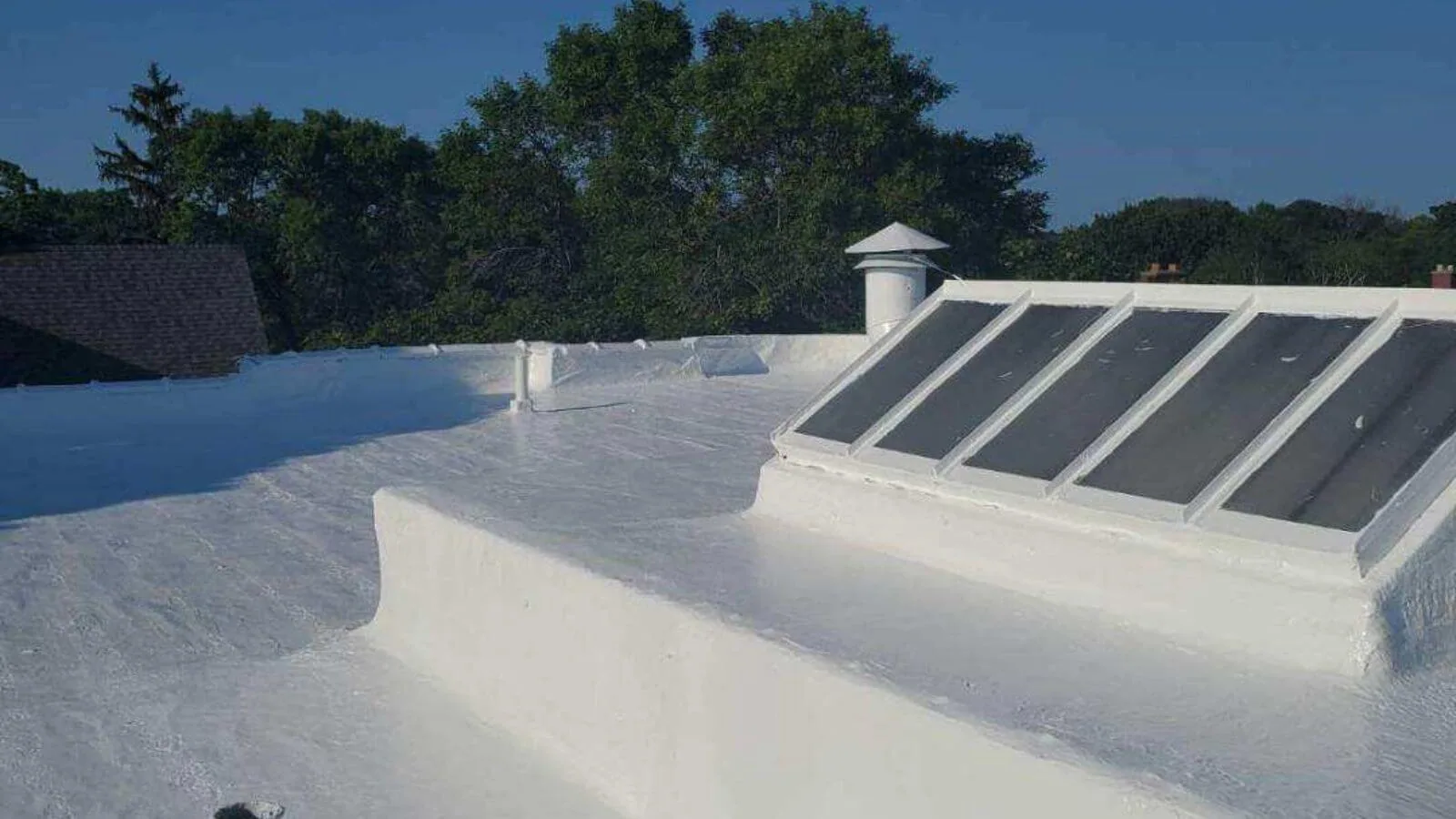
A local repair may be enough when the defect is isolated and the adjacent assembly remains suitable. Repeated leak calls, broad membrane deterioration, failed attachment, or moisture under several sections may justify testing or replacement planning. We connect the recommendation to visible evidence and identify what is unknown. Recover or coating options require review of existing layers, substrate, drainage, edge heights, and material compatibility. They should not be presented as a permanent answer until those conditions are understood.
For owners who manage multiple corridor properties, compare each roof by condition, consequence, access, and next action. A shared schedule can reduce repeated mobilization, but the scope, quantities, exclusions, and approvals stay property-specific. If one building must remain open later than another, phase roof sections around that need. A city plan or traffic map can help orient dispatch; it does not replace the owner's roof plan or confirmation of access.
Plan repair or replacement from evidence
Closeout records the property, roof section, inspection date, observed system, repair detail, materials, photos, drainage findings, and open items. Note any temporary dry-in, excluded area, test opening, or approved change. Keep the completed work matched to the correct property even if one owner coordinates several buildings along the corridor. A clear record supports future maintenance and helps distinguish a roof repair from adjacent facade, sign, or roadway work.
To request work, provide the property or building, roof plan, issue location, access contact, traffic or delivery limits, and prior repair history. We will inspect the authorized section and explain whether the next step is repair, additional testing, maintenance, or a broader capital estimate. Connected commercial areas include the North Navarro corridor and East Airline Road; each request still needs its own roof scope.
After a highway-adjacent repair, check that temporary barriers, staging, and debris have been removed from the approved work zone. Confirm drains and overflows are clear, roof access is restored, and the property contact knows which section is complete. Record any area that remains excluded because access or weather prevented work. If the owner manages buildings along several corridors, keep each report tied to its site rather than carrying one approval across neighboring parcels.
Record the property-level result
Related Roofing Work
Frequently Asked Questions
Does this route target a particular intersection?
No. It covers the broader commercial corridor; each roofing scope is tied to a property and roof section.
Does traffic volume prove a roof needs repair?
No. Traffic is access context; roof decisions follow inspection evidence.
What should a request include?
Share the building, roof plan, reported condition, access route, work hours, and site contact.
Can several businesses share one roof visit?
Only if ownership, access, and authorization are confirmed for each property.
How are hidden conditions handled?
They are documented and priced for separate approval if opening the roof changes the scope.
Share the property or building, roof plan, reported condition, access contact, and available repair records. We will inspect the authorized roof area and explain the evidence and next decision.
Call 555-555-5555 or email [email protected].