
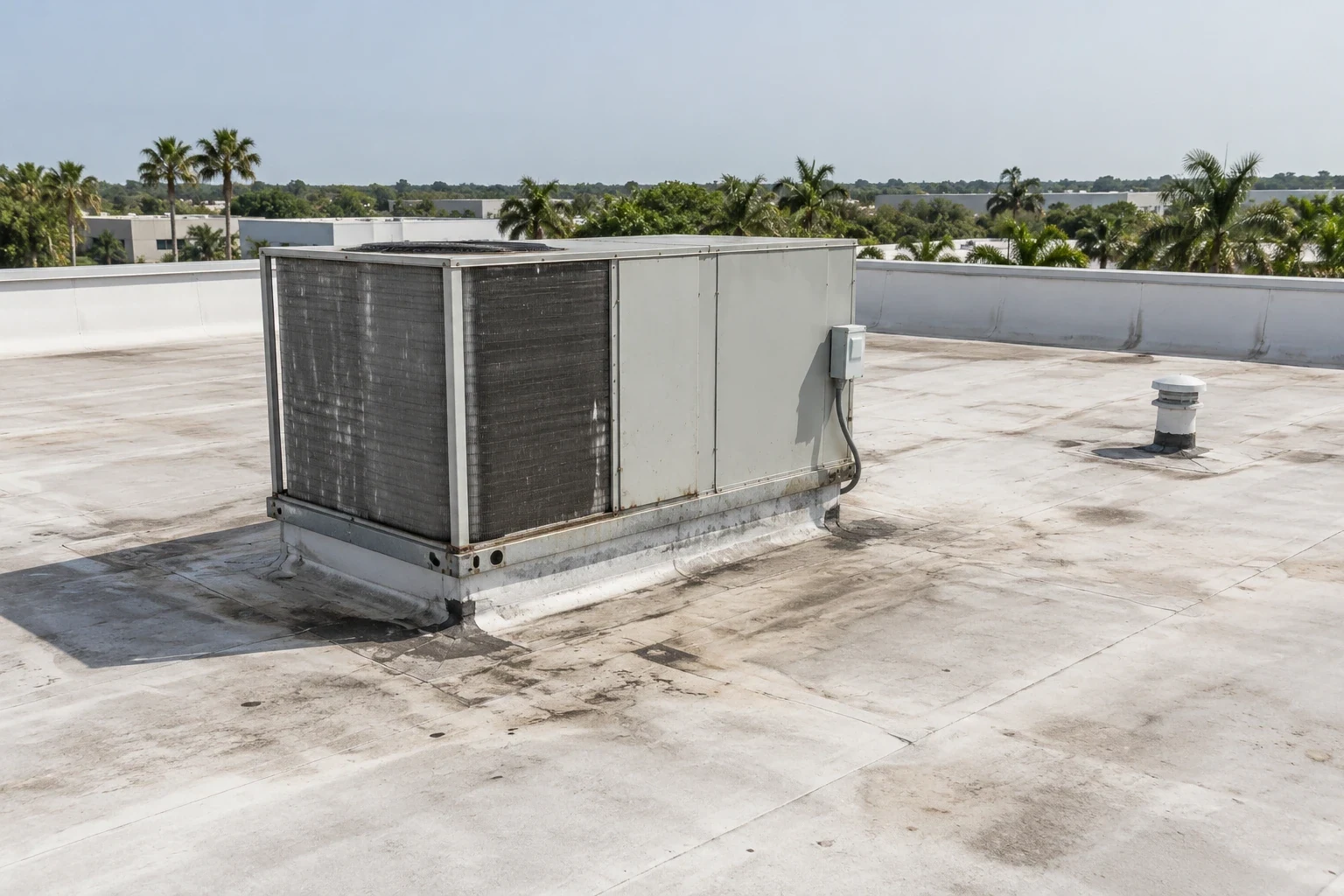
Distribution Center Roofing in Victoria, TX
Property Types We Roof · Victoria, TX
Distribution center roofing in Victoria plans around conveyors, dock cycles, roof access, and weather protection while tracking each work zone clearly.
Next step
Request a Roof Assessment
Call
555-555-5555
A conveyor line or sortation system can keep moving while the roof above needs repair, but the access route must be planned before a crew arrives. Distribution centers combine long roof spans, busy docks, rooftop equipment, and shift changes. In Victoria, heat and storms also affect the work window. We map the operating zones, trace roof conditions by section, and coordinate a repair sequence with the facility contact.
Distribution Center Roofing
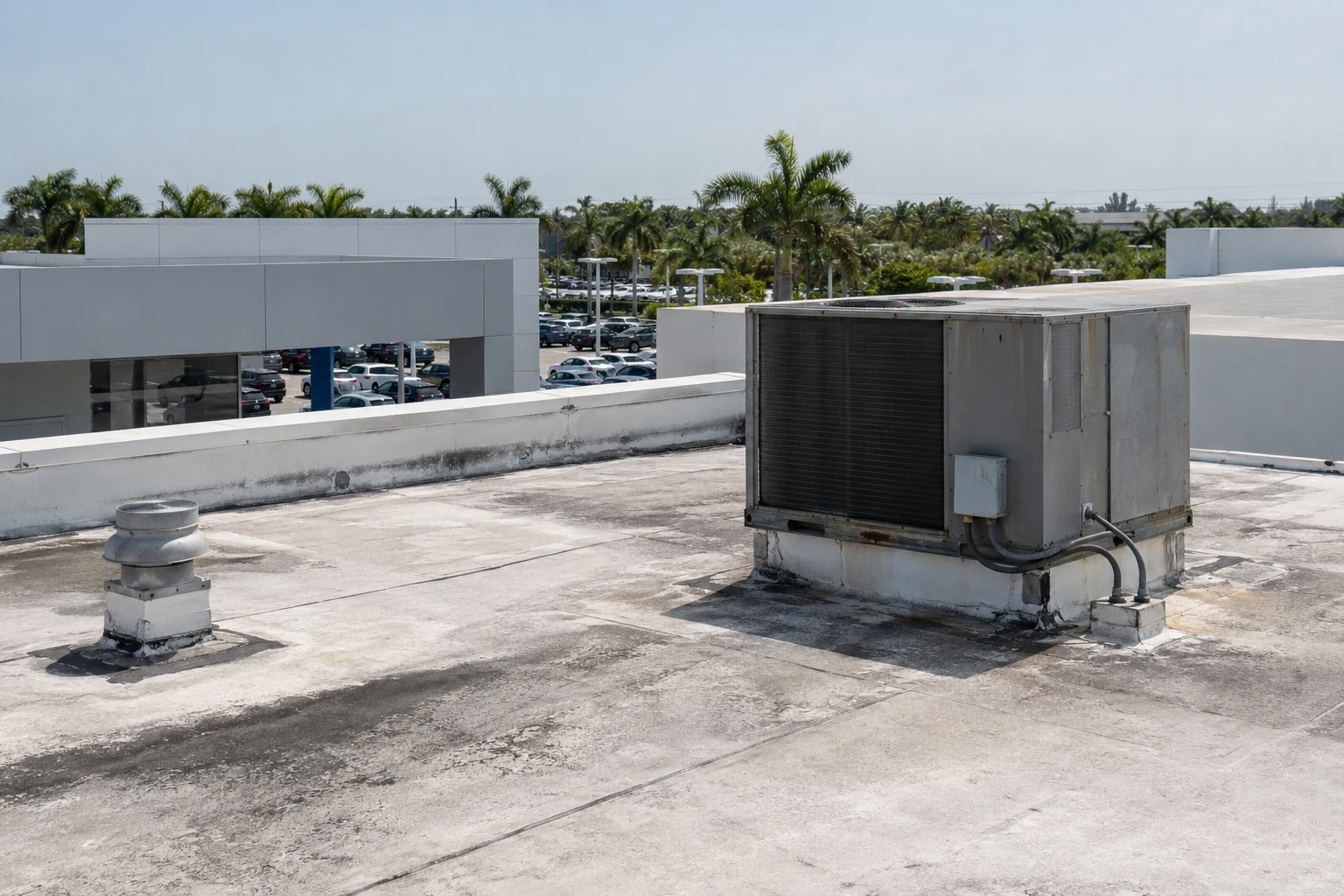
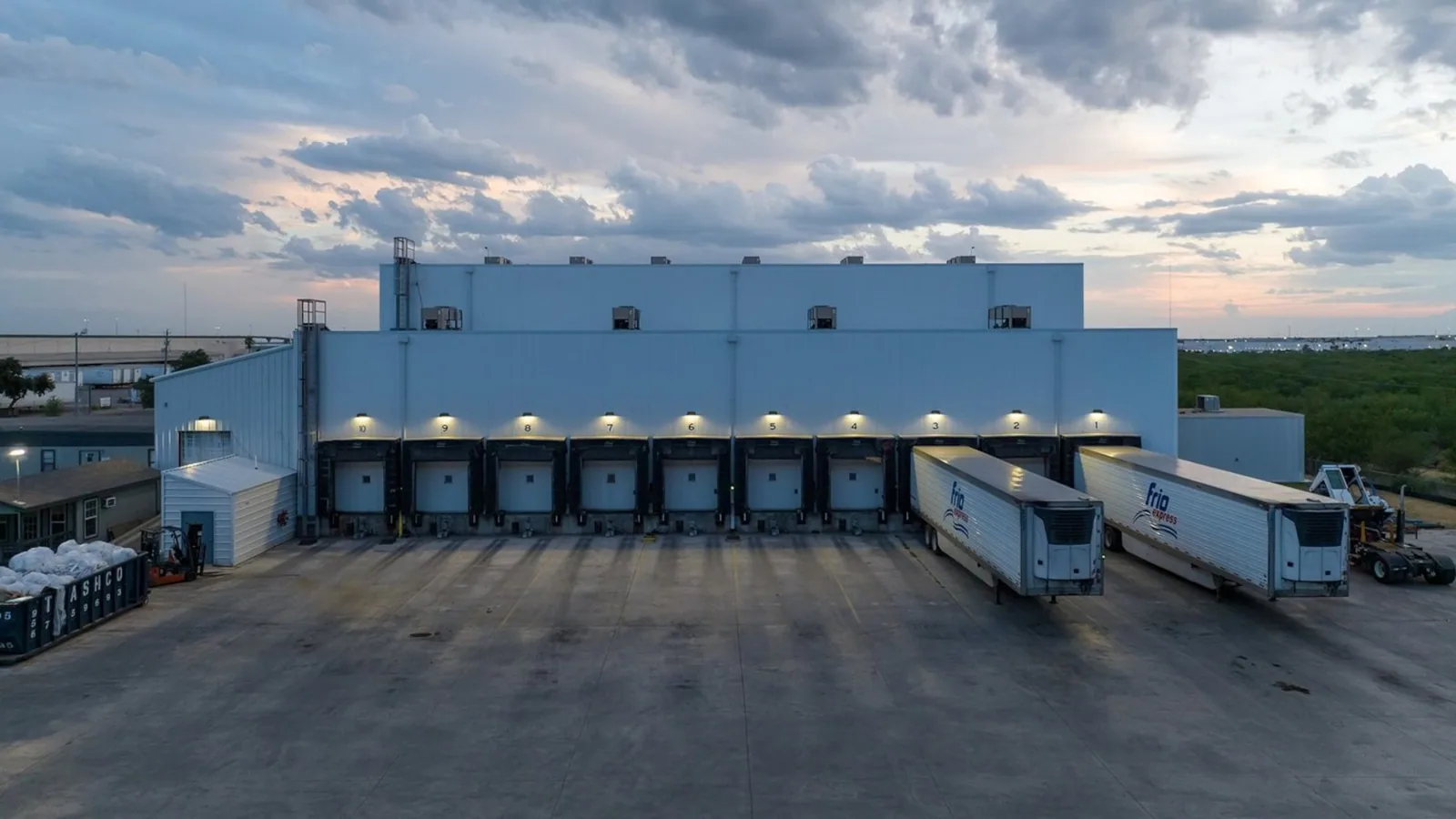
Mark receiving and shipping docks, trailer yards, conveyor areas, mezzanines, maintenance corridors, offices, and roof access points. Ask operations which lanes must remain clear and when a lift can occupy the yard. The roof plan should identify penetrations, skylights, expansion joints, drains, and equipment supports above each zone. A leak report gains value when it names both the interior process area and the roof section over it.
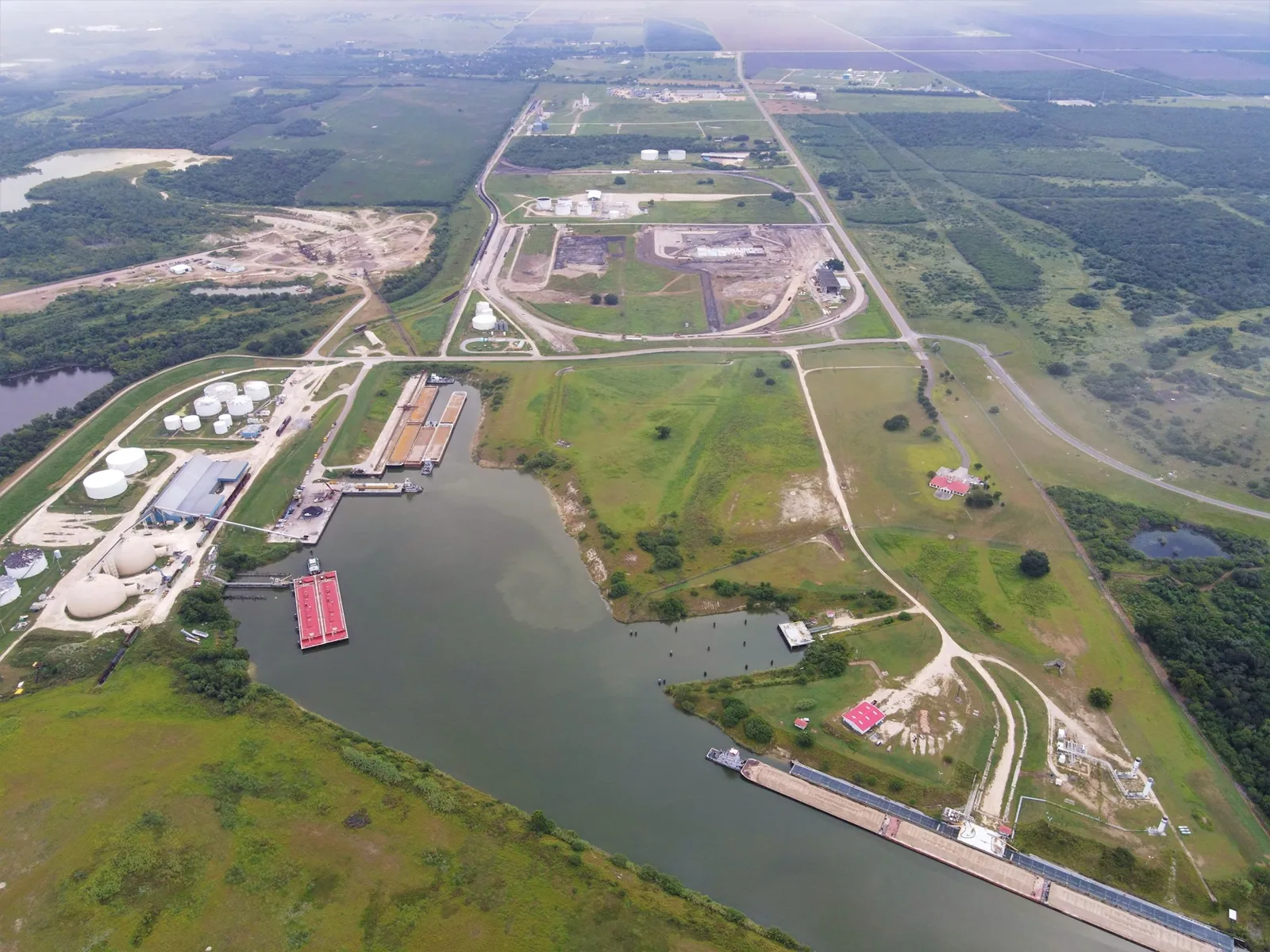
Victoria’s freight network includes the Port of Victoria Industrial Park South, where barge, rail, and highway service meet industrial land. That regional connection makes delivery scheduling relevant, while the distribution building sets its own dock and yard rules. We coordinate material arrival and staging with the facility rather than assume freight access translates into roof access.
A center handling temperature-sensitive goods needs its interior protection plan connected to the roof sequence. A warehouse roof review may share drains or roof details, but sortation equipment and continuous dock flow create additional operating constraints. We record the affected area and confirm whether the process below can continue during repair.
Connect the roof plan to facility flow
Inspect membrane seams, drains, skylight curbs, unit supports, and edge transitions above reported leaks. Water may follow a deck flute or insulation joint before reaching a conveyor control cabinet or packing line. We compare interior reports with the roof plan and photograph the detail with a section reference. Do not move equipment or cut a roof opening until the site contact confirms protection and access.
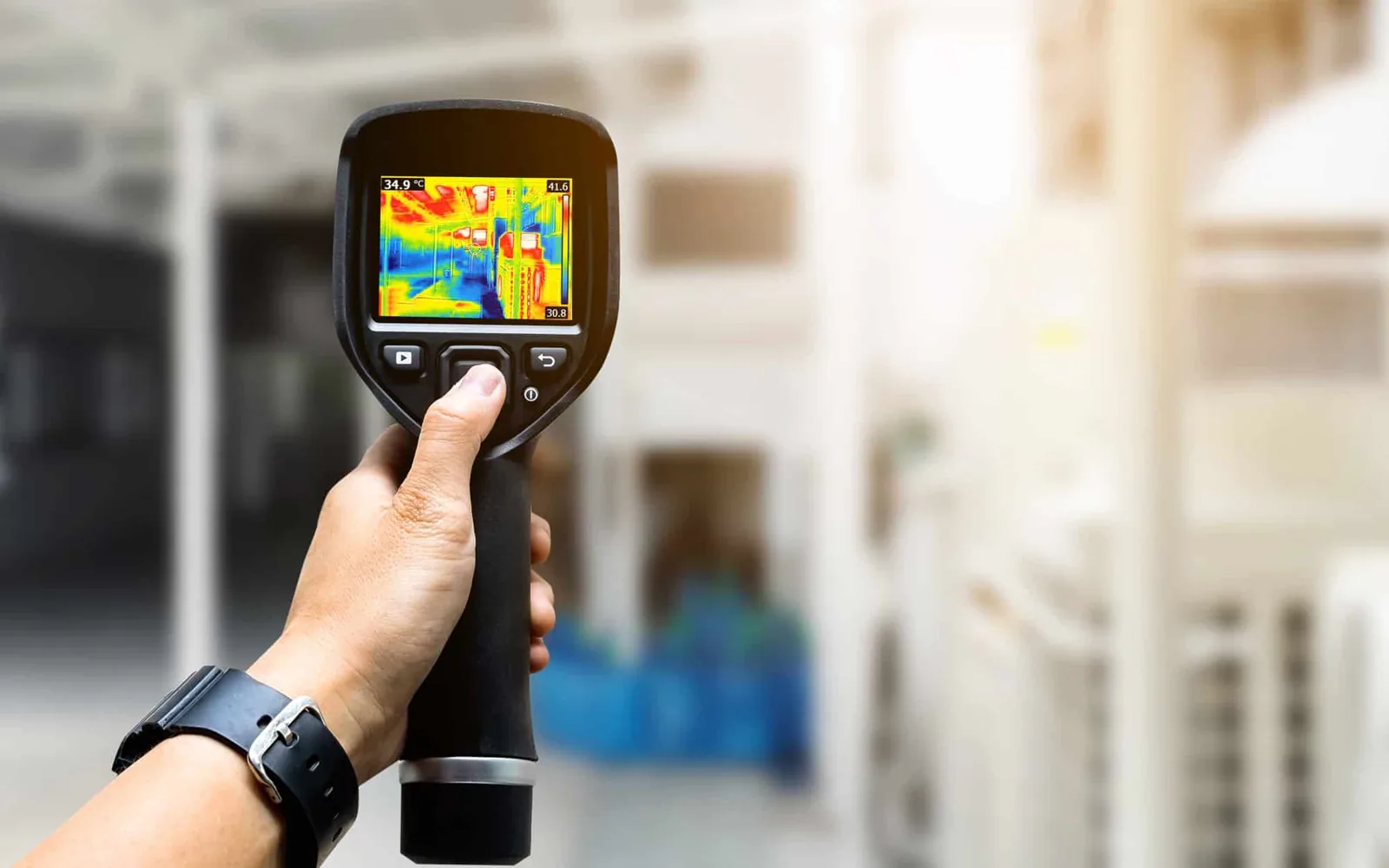
High-bay interiors make ceiling leaks difficult to trace from the floor. A lift or other access equipment may be needed, with travel paths approved around active conveyors and forklifts. On the roof, check whether prior repairs cross construction phases or cover an expansion joint. An infrared moisture survey can help target areas for further testing when moisture boundaries are not visible from the surface.
Victoria Regional Airport supports freight and commercial traffic and has associated development areas. The local logistics setting underscores why access windows and deliveries should be confirmed early. It does not tell us the roof assembly at a particular distribution property; field inspection and project records establish.
Locate roof conditions over critical systems
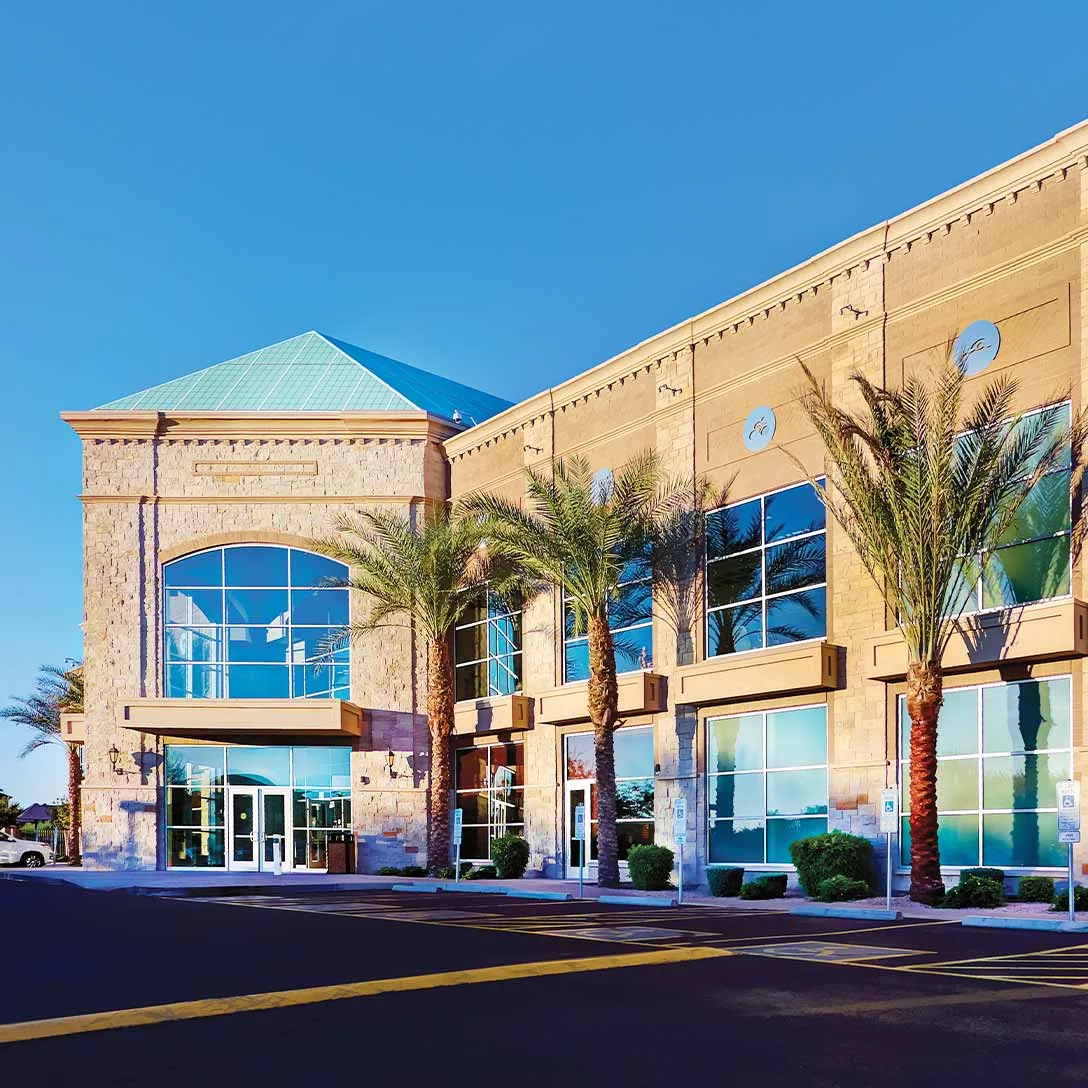
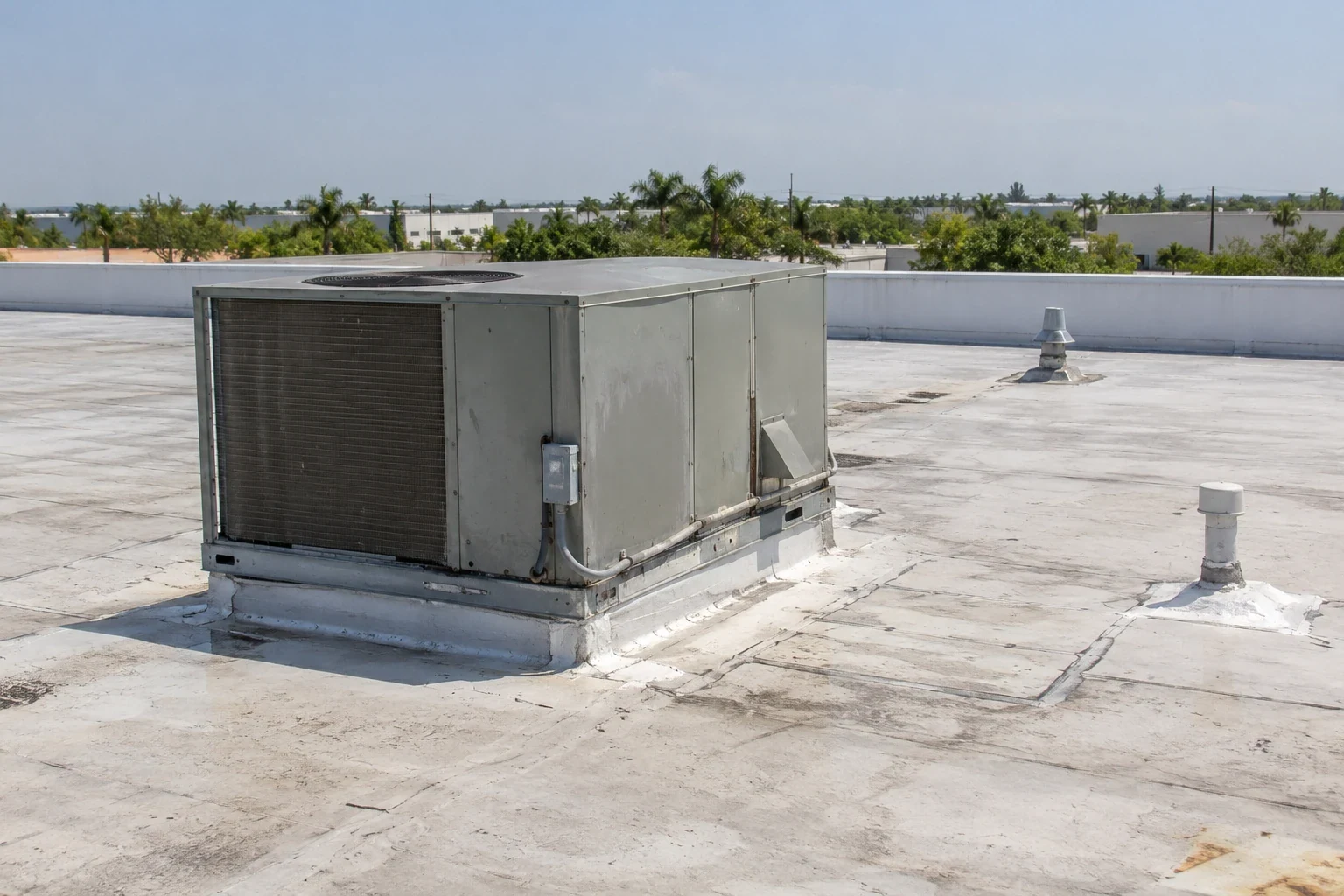
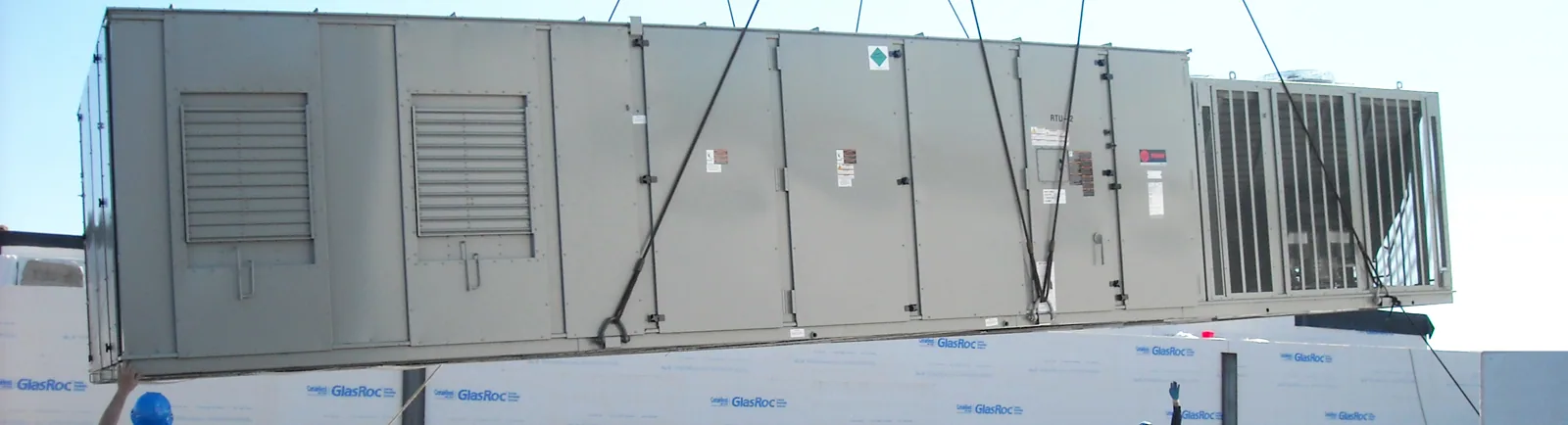
Roofing work can affect air intakes, rooftop exhaust, temperature controls, and equipment schedules. Identify units serving sensitive zones and confirm who can approve a shutdown. Protect intakes from dust and keep service panels reachable. If a mechanical contractor must move a unit, set the flashing sequence with that trade before opening the curb detail.
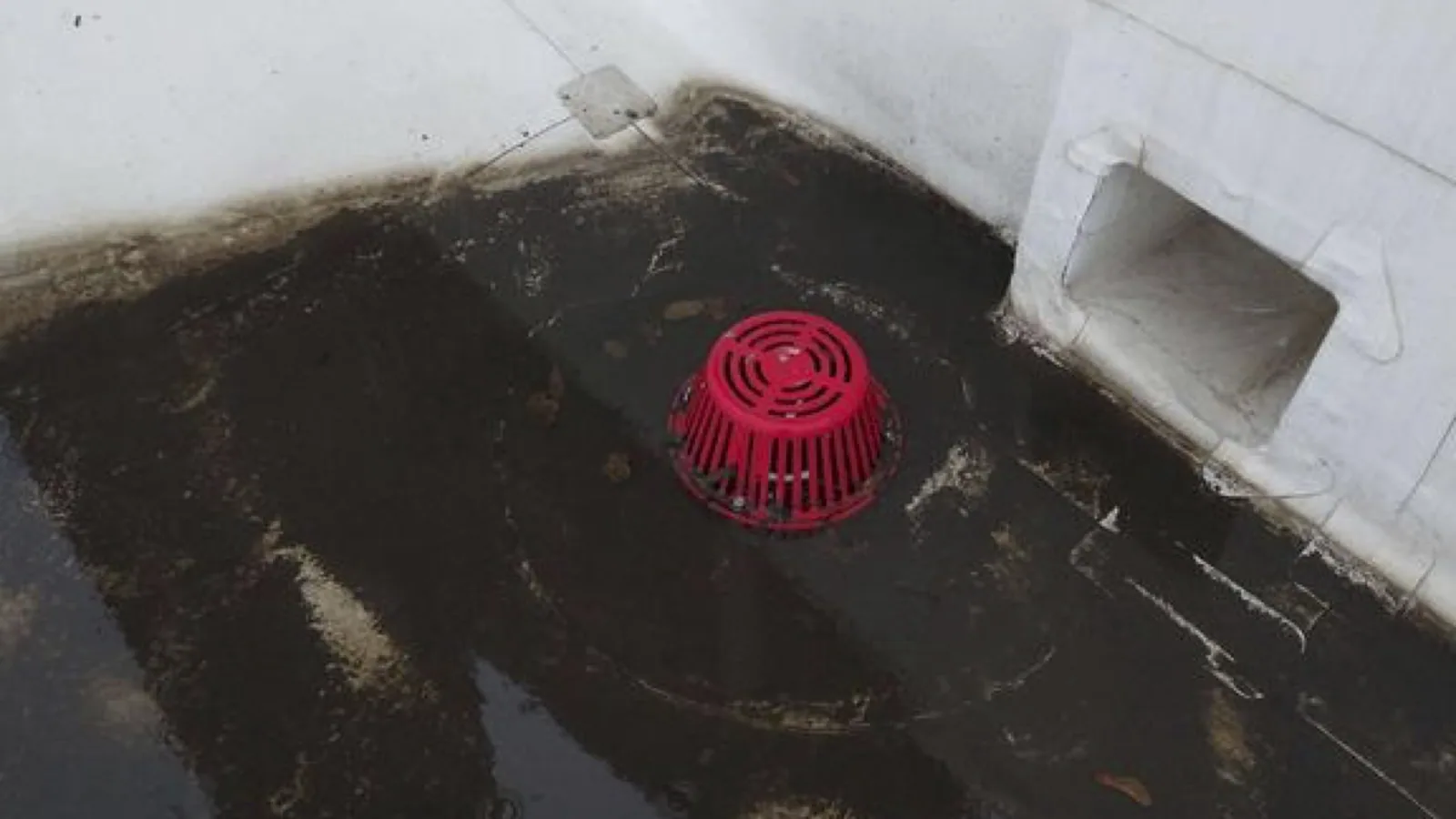
At a drain, scupper, or overflow, keep material and debris out of the flow path. A drainage evaluation can distinguish a blockage from a low field or damaged connection. Where the membrane has pulled at a curb, a support inspection may clarify whether movement below the flashing continues.
When a repair lies above a conveyor, protect the equipment and product below based on facility instructions. The work area should identify which line is affected and who verifies the protection. A small roof opening may expose wet insulation or damaged deck that changes the authorized scope. We pause, document the condition, and seek direction before increasing the open area.
Keep the repair boundary away from active process needs
Divide a large roof into zones with a clear start and secure end point. The crew opens only the section it can repair or dry-in for the shift. Confirm when loud preparation can occur and when material lifts can cross the yard. The manager receives a daily update on restricted roof access, dock impacts, and any changed completion window.
Victoria’s VCT station logged a 94°F normal high and a 110°F record during July 2026. Actual roof surface and product requirements shape the work window, while heat can affect how long crews remain on exposed surfaces. The area also experiences hail and damaging gusts. If weather interrupts a shift, protect the active roof boundary and report which process zones remain under precaution.
On buildings in the US 59 Business corridor, truck and lift access can involve roadway-facing entrances and active customer or carrier traffic. The site contact confirms staging and safety controls. A phased reroof schedule can align closures with facility shifts without treating the whole building as one work area.
Sequence work against the shipping schedule
The roof may use TPO, PVC, EPDM, built-up, modified bitumen, or metal. Confirm the installed assembly before choosing welding, adhesive, bituminous, or panel repair methods. A new system should account for insulation, deck, wind attachment, drains, curbs, and clearances above sortation equipment. We distinguish a localized leak correction from broader replacement planning and note any concealed conditions that testing may resolve.
Cold storage operations require tighter coordination of temperature and vapor-control details than a general fulfillment floor. Compare cold-storage roofing when freezers or refrigerated spaces are part of the building. For a new distribution footprint or added conveyor phase, review equipment clearances and roof openings before the line is installed beneath them.
If building ownership is planning a reroof, retain plans for rooftop units, fall-protection routes, and maintenance access. A future equipment addition can affect membrane flashings and safe service paths. The roofing scope should identify the route available after the repair, not just the finished field area.
Match roofing scope to the building’s future use
Closeout records each roof zone, details repaired, photos, materials, and any access or inspection limit. Identify which dock, conveyor, or office area sits below the completed section when that location helps the facility manager coordinate later service. Confirm roof hatches, equipment paths, drains, and yard access are clear before reopening the work zone.
Keep roof drawings, work records, and equipment changes together. A roof asset record can connect leak reports and repairs to the correct building and line area. Maintenance checks should revisit drains, penetrations, and earlier seam repairs rather than repeat a patch without examining the current condition.
For a Victoria distribution-center review, provide the roof plan, shift schedule, leak map, dock routes, sensitive equipment zones, and access rules. We will identify the affected assembly, plan protection below, and report the roof work needed to return each section to service.
Hand the operating team a zone-specific record
Related Roofing Work
Frequently Asked Questions
Can roof repairs happen while conveyor systems are running?
Sometimes. The facility contact identifies safe access, vibration or shutdown limits, and the equipment below the work zone before repair begins.
How should we report a leak in a high-bay area?
Name the aisle or process zone, time observed, affected goods or equipment, and roof section if known. We compare that report with the roof layout.
Can a distribution center roof be repaired one zone at a time?
A section plan can limit open areas and coordinate docks and shifts. The roof design and weather protection determine which zones can be completed independently.
What if the leak is near a rooftop unit?
We inspect the curb, support, membrane, and nearby drains. Mechanical movement or condensate may require a separate trade alongside roofing work.
What should be ready before material delivery?
Confirm truck route, yard staging, dock schedule, lift location, roof access, and the contact who can adjust the window.
Share roof plans, shift and dock schedules, leak locations, sensitive equipment zones, and access routes. We will map the work area and coordinate protection and delivery timing.
Call 555-555-5555 or email [email protected].