Commercial Roofing for Victoria Logistics and 3PL Operators
Industries We Serve · Victoria, TX
Commercial roofing for Victoria logistics and 3PL facilities coordinates dock access, inventory protection, drainage, and repairs by operating zone.
Next step
Request a Roof Assessment
Call
555-555-5555
A leak above an active dock can disrupt freight handling before the roof opening is located. Logistics and 3PL roofing in Victoria must account for loading schedules, inventory, trailer circulation, and the roof details over each operating zone. We inspect by building and section, trace the water path from the affected aisle or dock, and set a repair sequence that keeps material movement and weather protection visible to facility staff.
Logistics and 3PL Operators
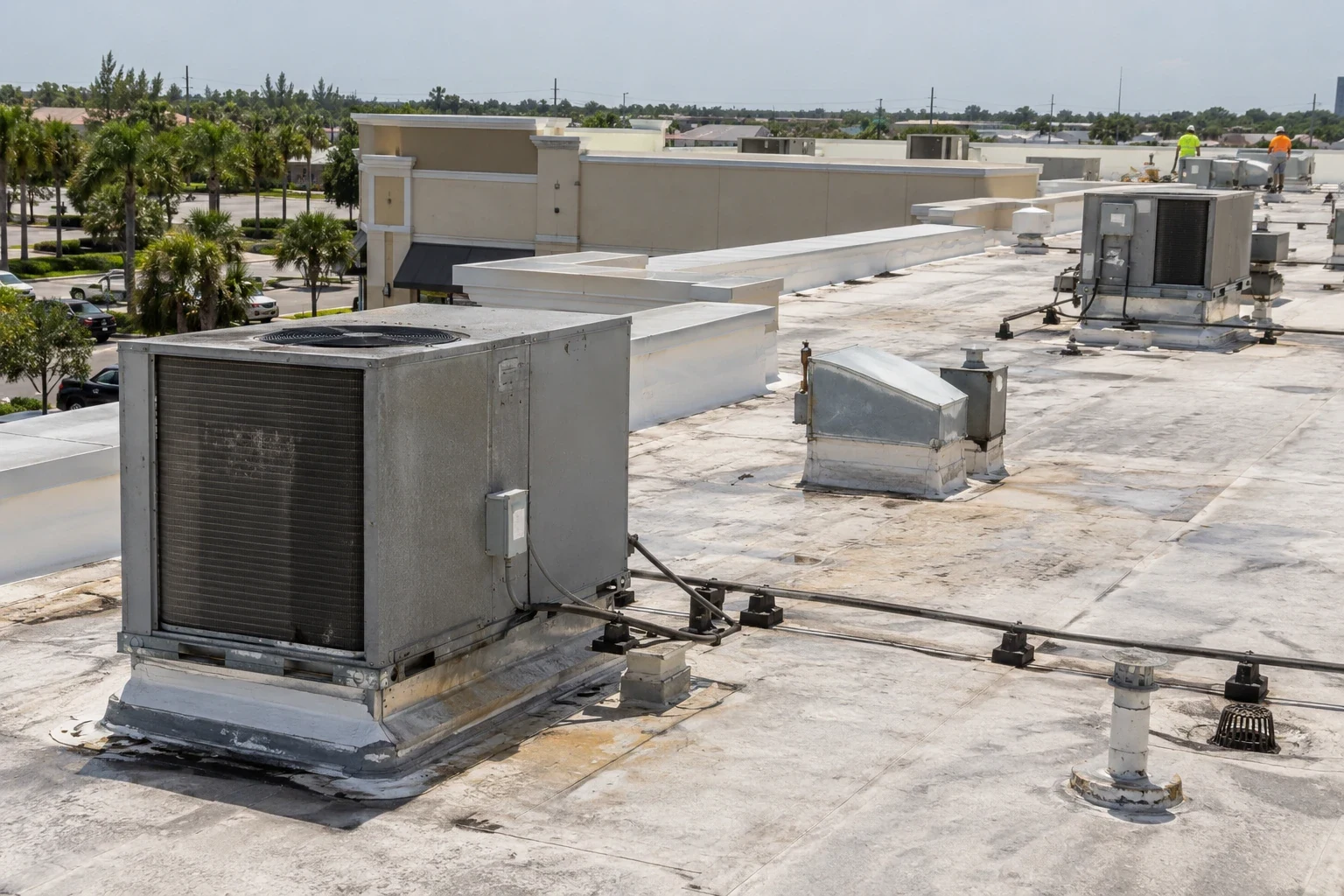
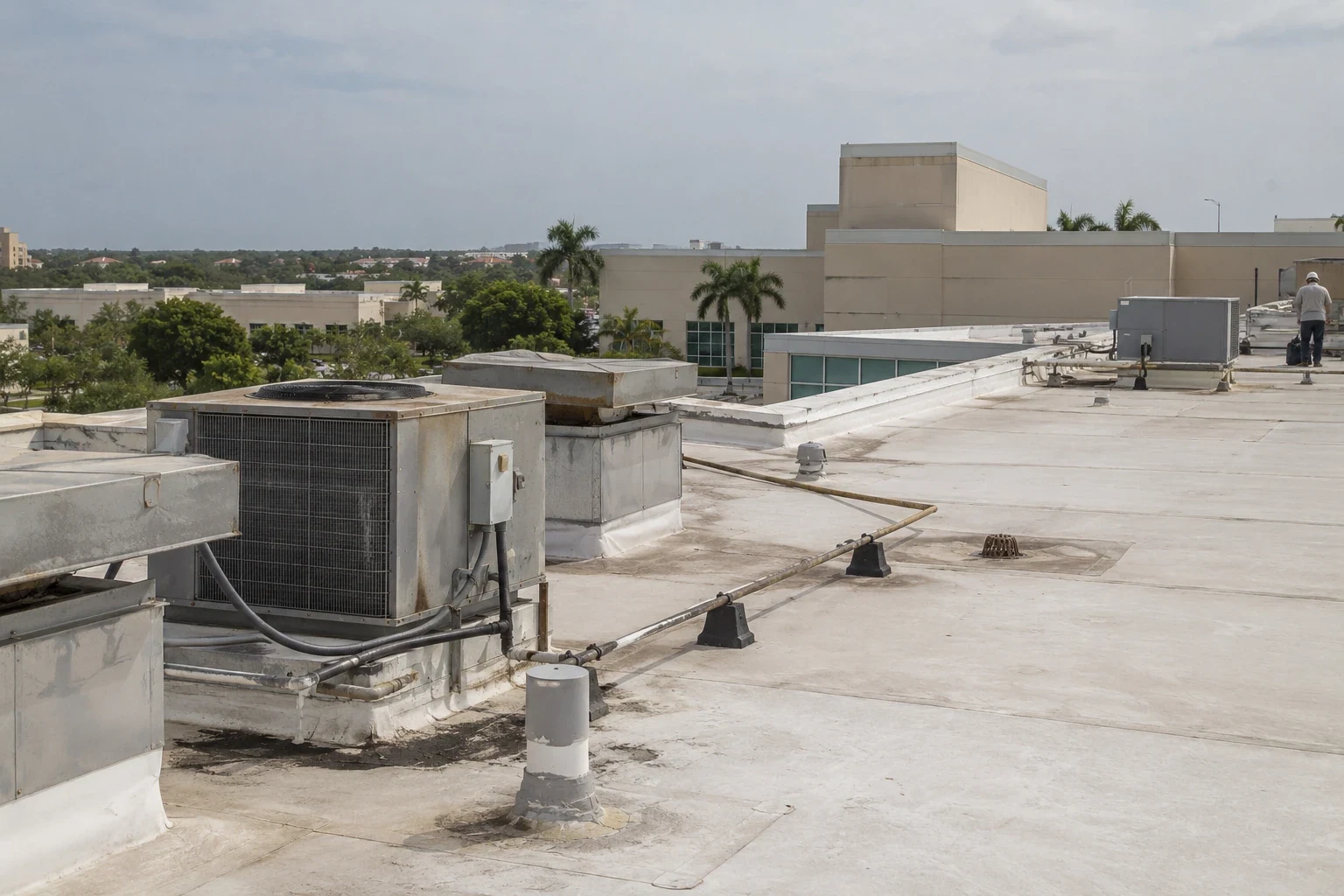
Record the dock door, bay, storage aisle, time of the leak, and whether freight or equipment was exposed. Water may travel along a deck flute from a seam, curb, or drain farther away. We compare the interior report with roof plans, membrane joints, skylights, and drainage paths. A commercial roof inspection labels photographs so a shift manager can connect the roof finding with a work order and affected inventory zone.
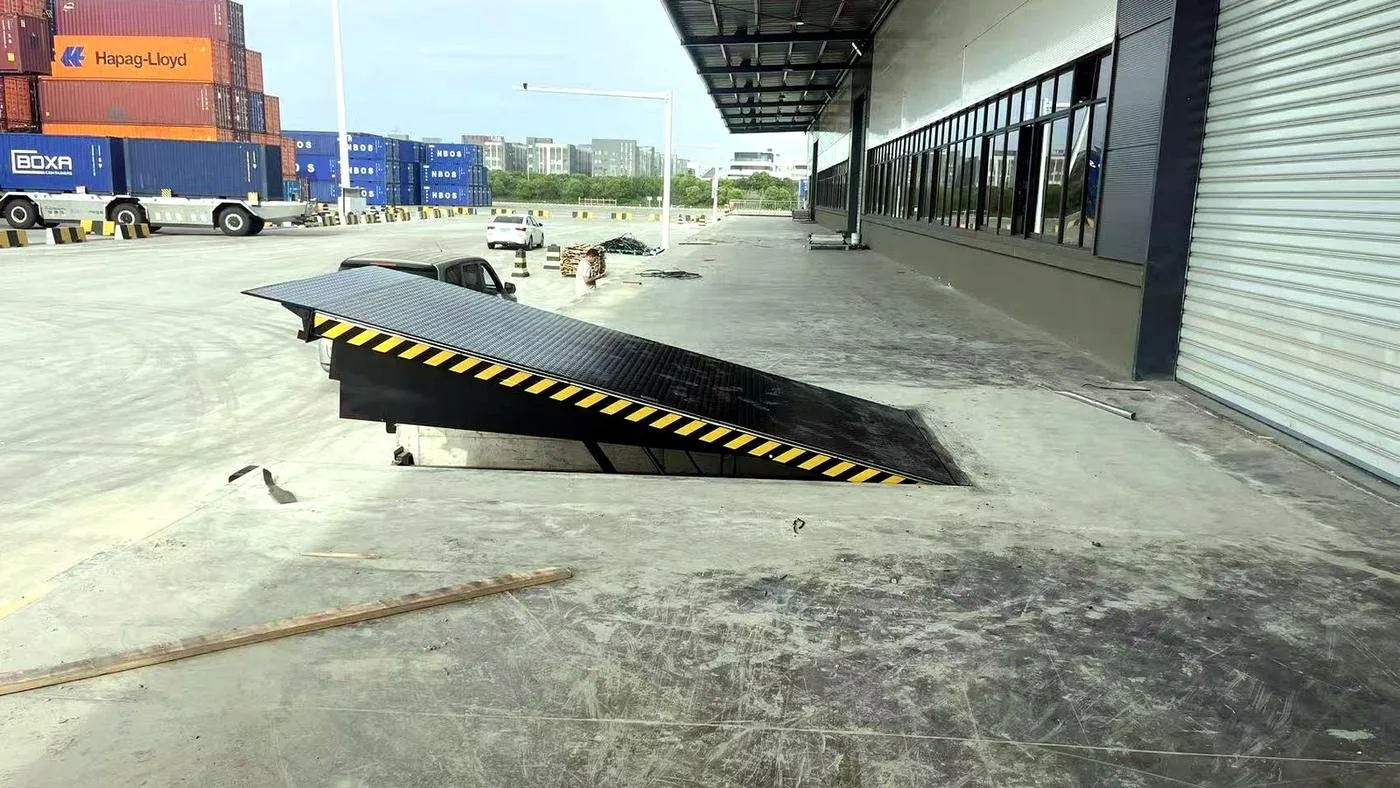
Distribution buildings can combine cross-dock areas, high-bay storage, offices, battery charging, maintenance, and refrigeration. Each zone has a different protection and access requirement. Mark forklift routes, truck courts, pedestrian entrances, and fire lanes before placing lifts or material pallets. The facility contact identifies the operating window and whether a dock door or aisle can be temporarily restricted while a roof section is open.
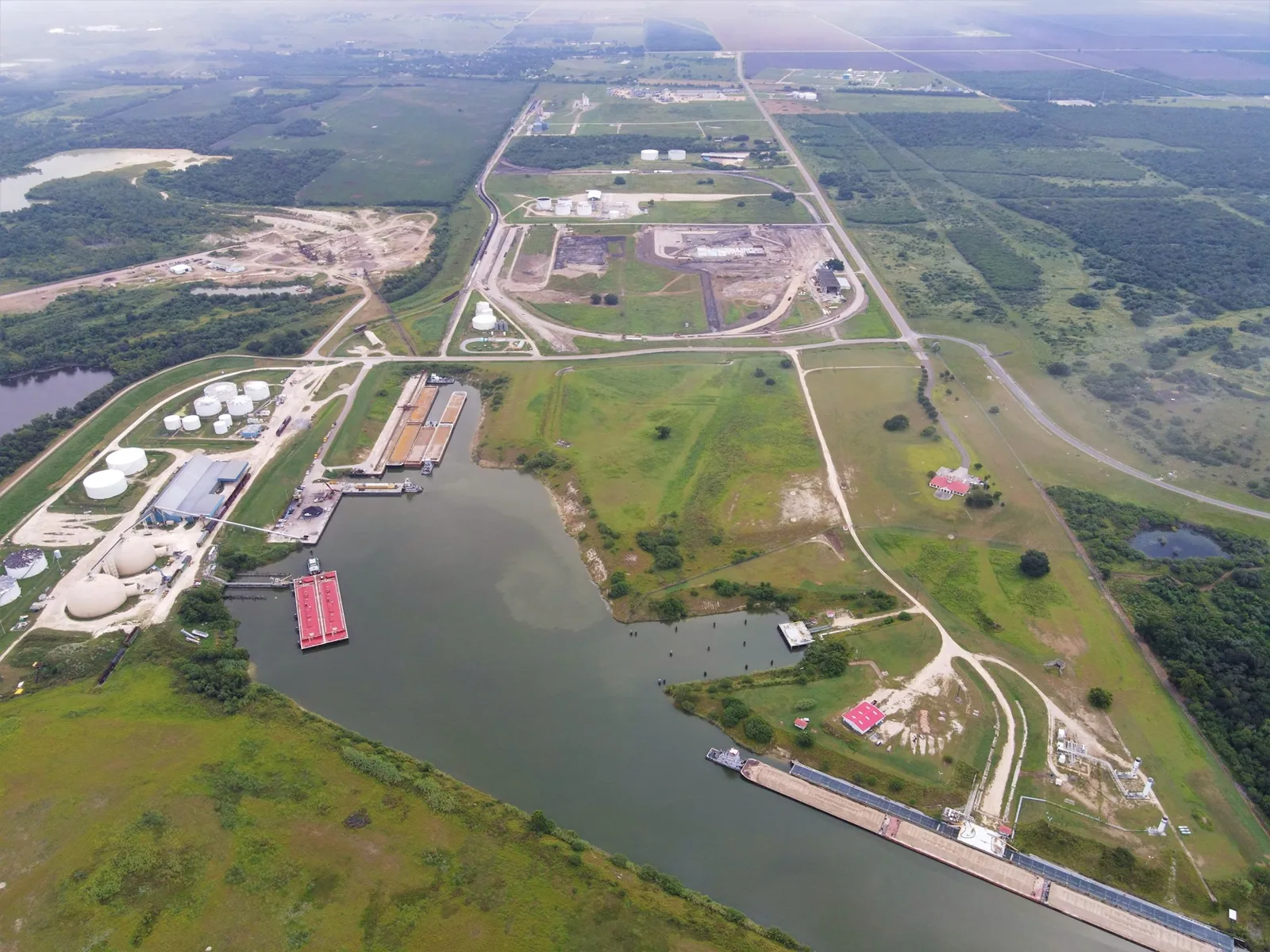
The Port of Victoria Industrial Park South covers more than 2,200 acres along the Victoria Barge Canal and combines a bulk-cargo dock, barge staging, dual rail, and US 59/I-69 access. Victoria Regional Airport also provides freight service and development sites. These are distinct logistics areas that show the region’s freight network. The Port of Victoria Industrial Park South is a broader multi-site service geography, not a claim about a specific customer facility.
Map docks, inventory, and roof access
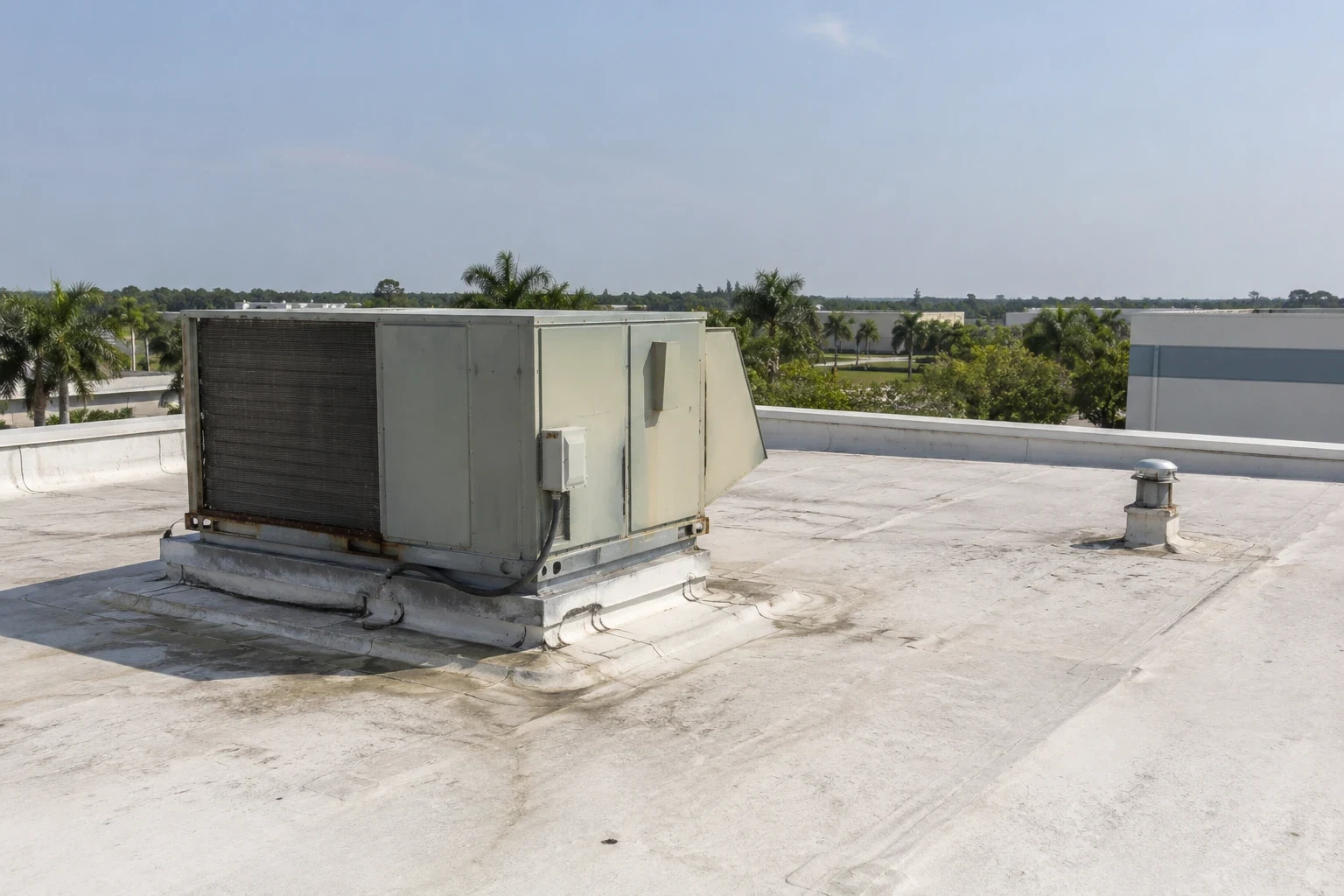
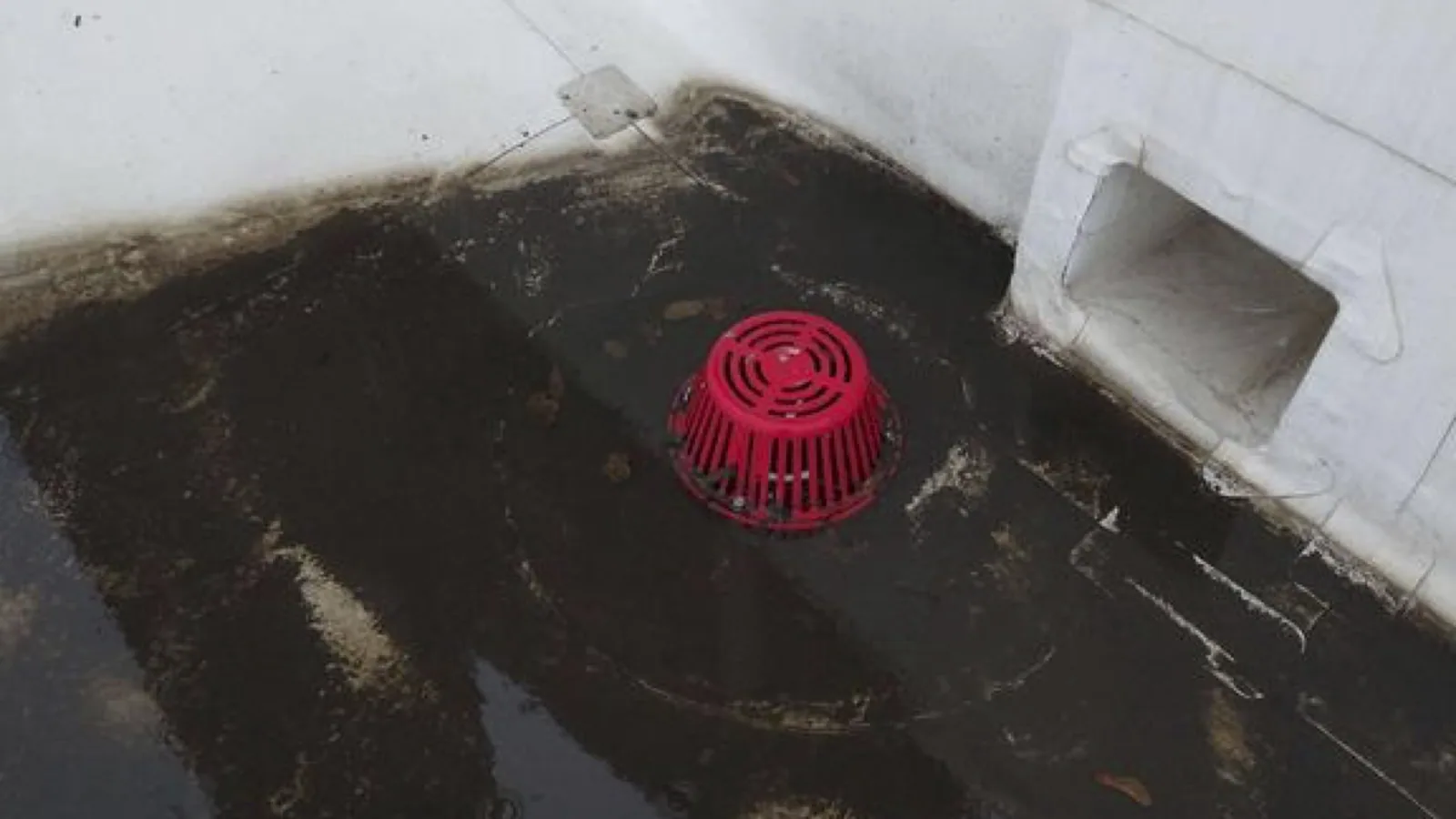
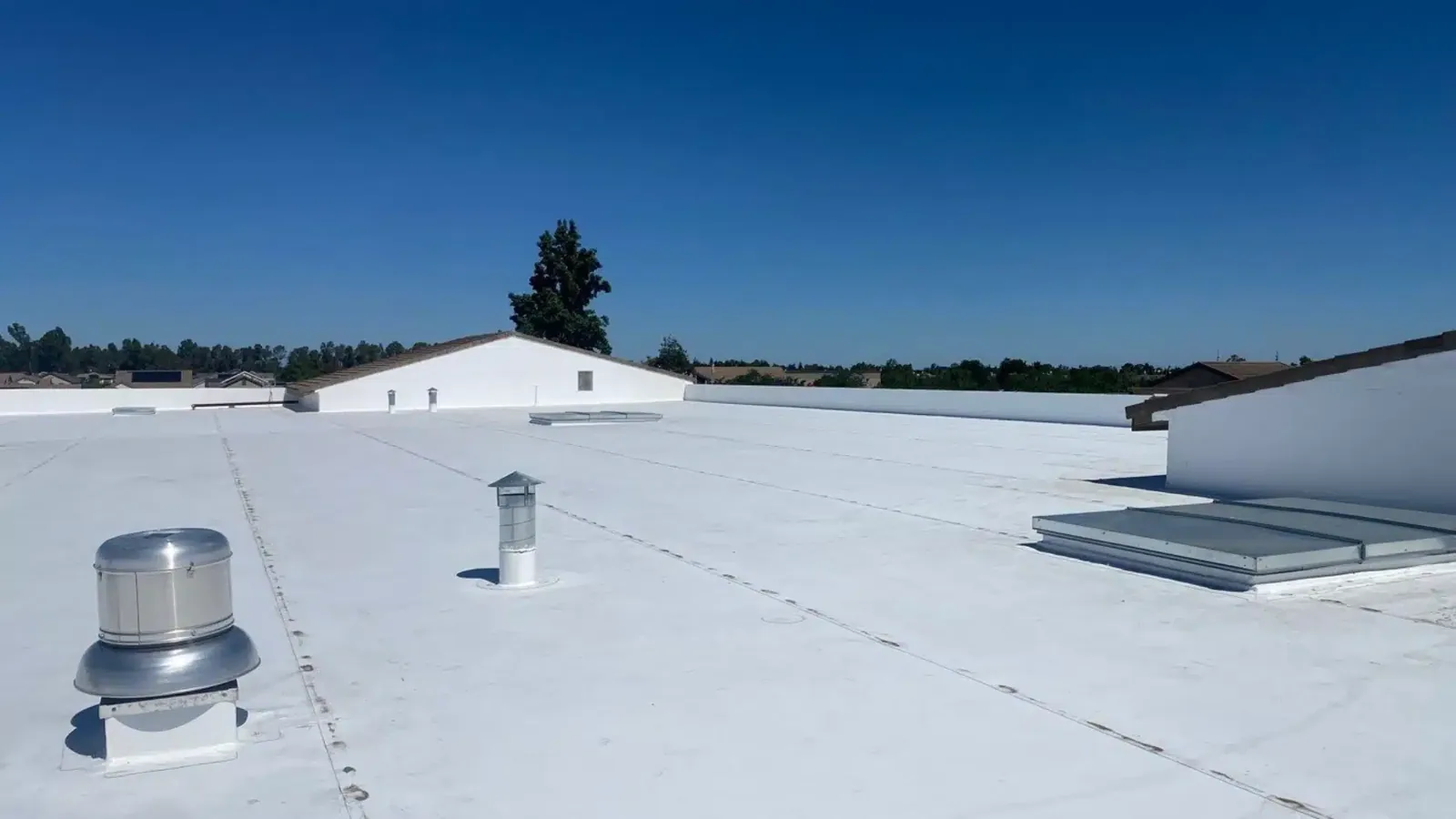
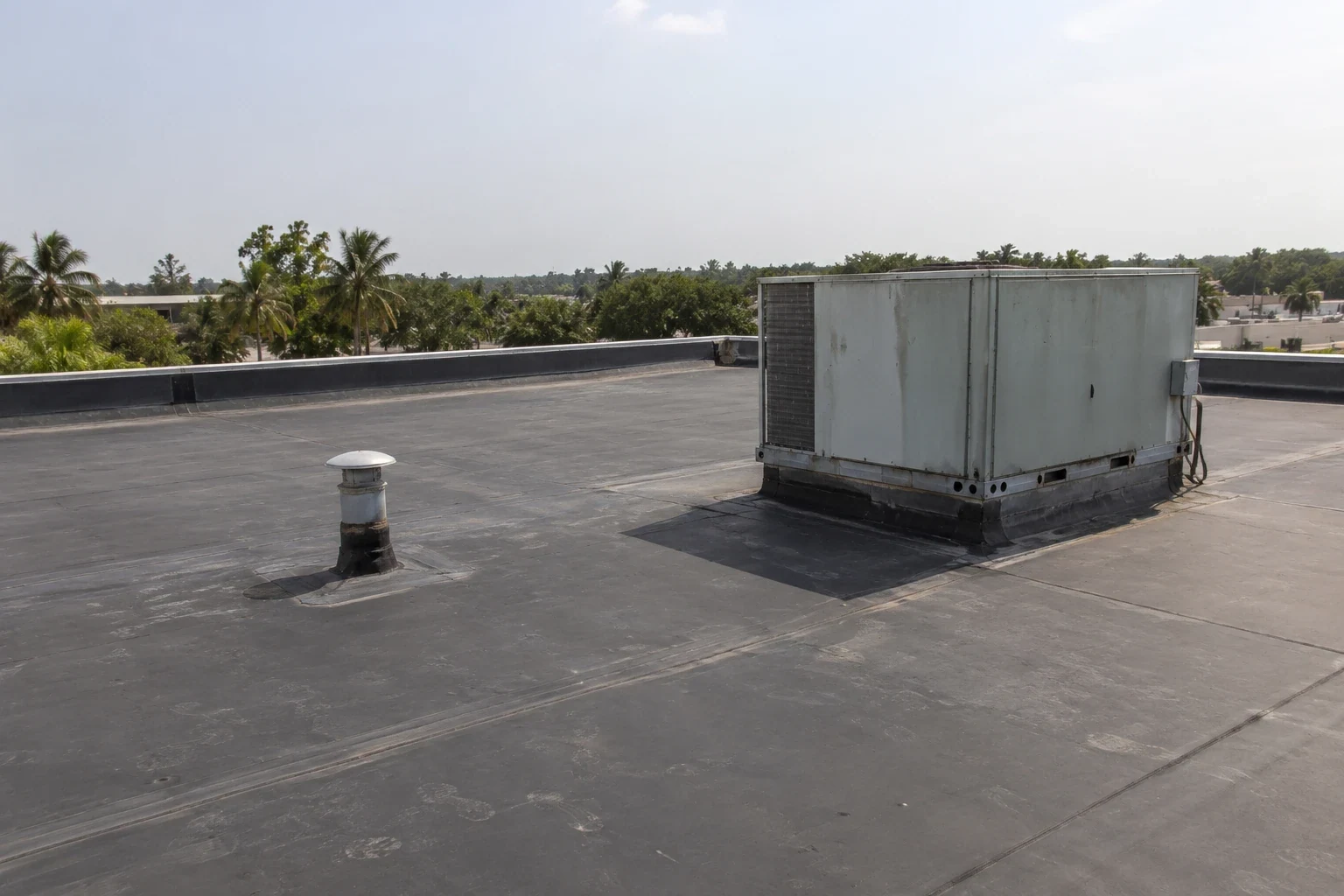
Inspect membrane seams, roof penetrations, skylight curbs, drain bowls, scuppers, parapets, and perimeter metal above the report. On a large roof, the entry point may be well away from the interior drip. Photograph the detail with a roof-zone reference and follow the water path to the nearest outlet. A drainage inspection should check the strainer, bowl, overflow, connection, and surrounding membrane rather than treating debris as the only possible issue.
Dock canopies and wall transitions can receive runoff from a broad field. Check whether the edge gutter is clear, whether a scupper discharges freely, and whether splash or wind-driven rain is entering at the door. A wet dock floor may relate to a roof edge, exterior seal, or yard drainage, so compare roof evidence with the loading-bay condition before ordering material. We state which element the roof scope addresses and which may require another trade.
Sun-exposed membrane can become too hot for some adhesives or surface work. We check conditions where the repair will be made, follow system instructions, and choose a suitable shift. After a storm, inspect skylights, metal edges, and equipment attachments for movement before freight traffic returns below the affected zone.
Check seams, drains, and dock-side edges
Before work starts, review appointment schedules, inbound and outbound waves, trailer parking, yard rules, and the path for emergency vehicles. A lift or delivery truck can block a dock lane during a narrow operating window. We agree on staging and a route to the roof, then identify which doors or aisles remain open. If a portion of inventory must move, the facility determines its destination and the work area is protected before material is removed.
Temperature-controlled or sensitive goods need a plan for water protection and HVAC continuity. Identify air intakes, refrigeration equipment, electrical rooms, and controls below the active section. Coordinate shutdowns with the facility’s mechanical contact, not through an assumed roof work window. We define whether materials can be installed and the roof closed before operations need the affected area again.
For active water entry, emergency response is available at any time. The immediate visit evaluates safe access and temporary protection; a permanent repair follows after the assembly and moisture extent are inspected. If the roof cannot be completed before a weather change, tell the shift manager which zone is protected and what access restriction remains. That status should follow the building through shift handoffs.
Keep freight moving through the repair
At one dock bay, a seam patch may be enough if neighboring insulation is dry and the membrane can accept a sound tie-in. We prepare the area to match the existing material. At multiple leaking bays, use survey findings to decide whether removal should extend beyond the visible openings. A TPO system uses welded sheet details, while a rubber membrane has a different seam and flashing method. Verify the roof type and prior repairs before selecting the repair material.
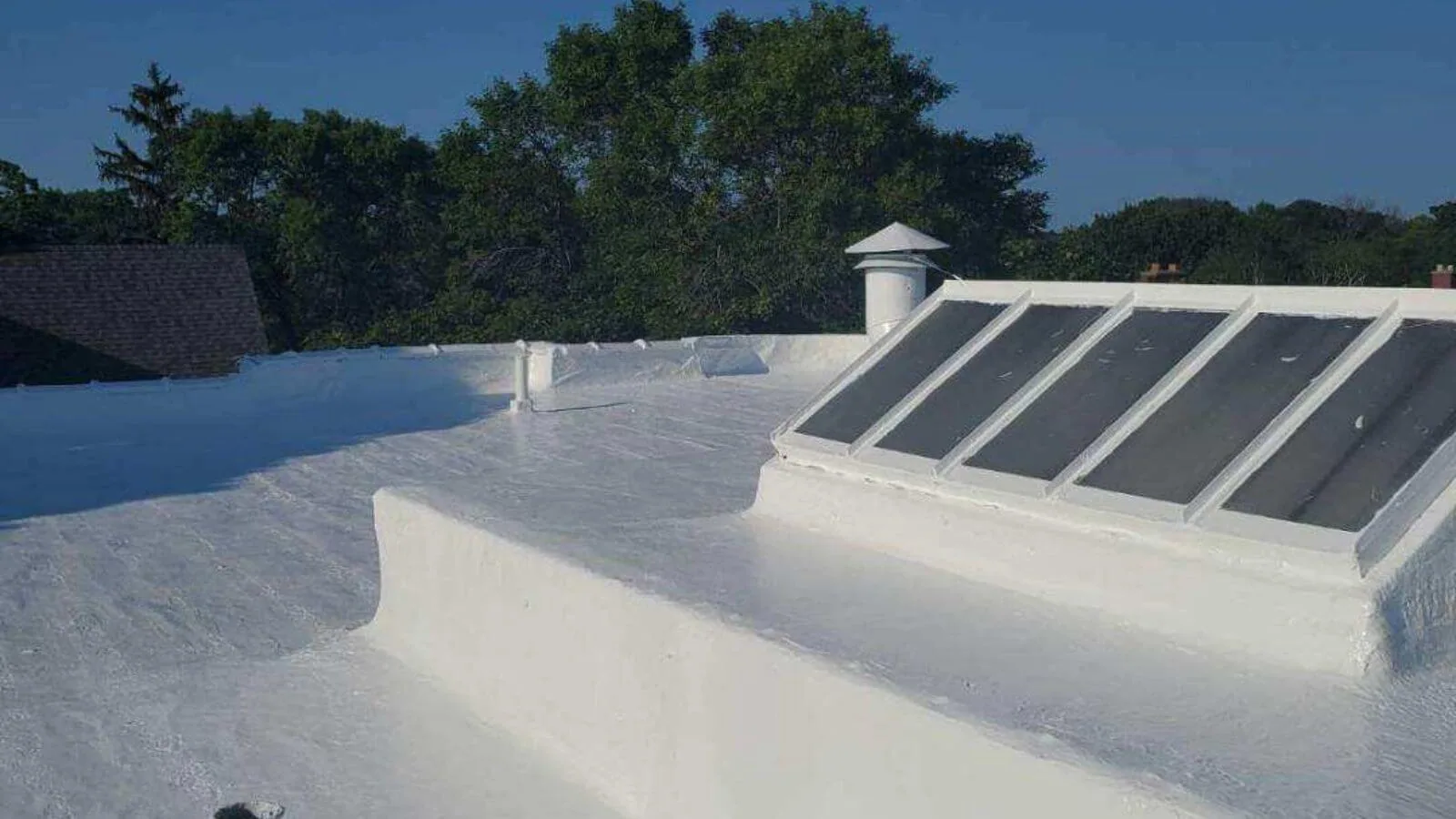
Several wet areas, widespread seam failure, wet insulation, or recurring leaks above separate docks may justify selective replacement or a larger project. We define the confirmed boundary and identify where testing would change the decision. A roof coating is viable only if the existing assembly is dry, compatible, and suitable for restoration. It will not resolve blocked drainage, failing attachment, or movement at a rooftop unit.
Cost and timing depend on building height, roof system, dock occupancy, inventory protection, drainage work, equipment access, removal depth, and material delivery. A manufacturer may need process shutdown coordination, while a property manager coordinates tenants and owner approval. A logistics facility centers its sequence on freight flow and dock availability, with each operating window confirmed on site.
Choose a repair that matches freight facility needs
The handoff names the repaired roof zone, nearby outlet or edge, and the next action for any unfinished item. Attach field photos and material details to the dock work order so a different shift can find the same repair. The facility should know which dock or aisle returned to service, whether a follow-up is planned, and who owns the next step if a connected system needs repair.
Keep roof drawings, dock maps, prior leak reports, equipment changes, and maintenance photographs with the building file. A roof asset management program can help a multi-site operator compare conditions while retaining separate records for each facility. Review recurring leak locations and loading impacts together; repeat water entry above the same lane may call for a different boundary than a single isolated puncture.
Victoria’s port, rail, highway, and airport connections shape its distribution role, but property access and roof details vary by site. Provide the facility address, loading schedule, affected dock or aisle, roof records, inventory constraints, and access contact. We will inspect the roof section, coordinate staging and protection, and return a work record that a manager can carry into the next shift and maintenance review.
Make the repair status clear to every shift
Related Roofing Work
Frequently Asked Questions
Can roof repairs happen while trucks continue to use the dock?
Often, if the lift and material route can stay clear of active doors and emergency access. We coordinate dock windows and define the area restricted during each phase.
How do you protect inventory under a roof opening?
The facility identifies the goods and equipment below the work. We set containment and temporary cover before removing material, and state which aisle or dock remains affected.
Why can water show up far from the leaking roof seam?
Water can travel along deck flutes, insulation, or framing before it drips into the building. We compare interior reports with roof plans and inspect likely seams, curbs, and drainage paths.
What if weather delays the repair?
We secure the open section before leaving and give the facility a status for the affected dock or aisle. Permanent work resumes when access and material conditions support a reliable tie-in.
Send the dock map, delivery windows, leak report, roof records, and access rules. We will inspect seams, drains, equipment curbs, and perimeter edges, then return photos and a repair sequence coordinated with operations.
Call 555-555-5555 or email [email protected].