
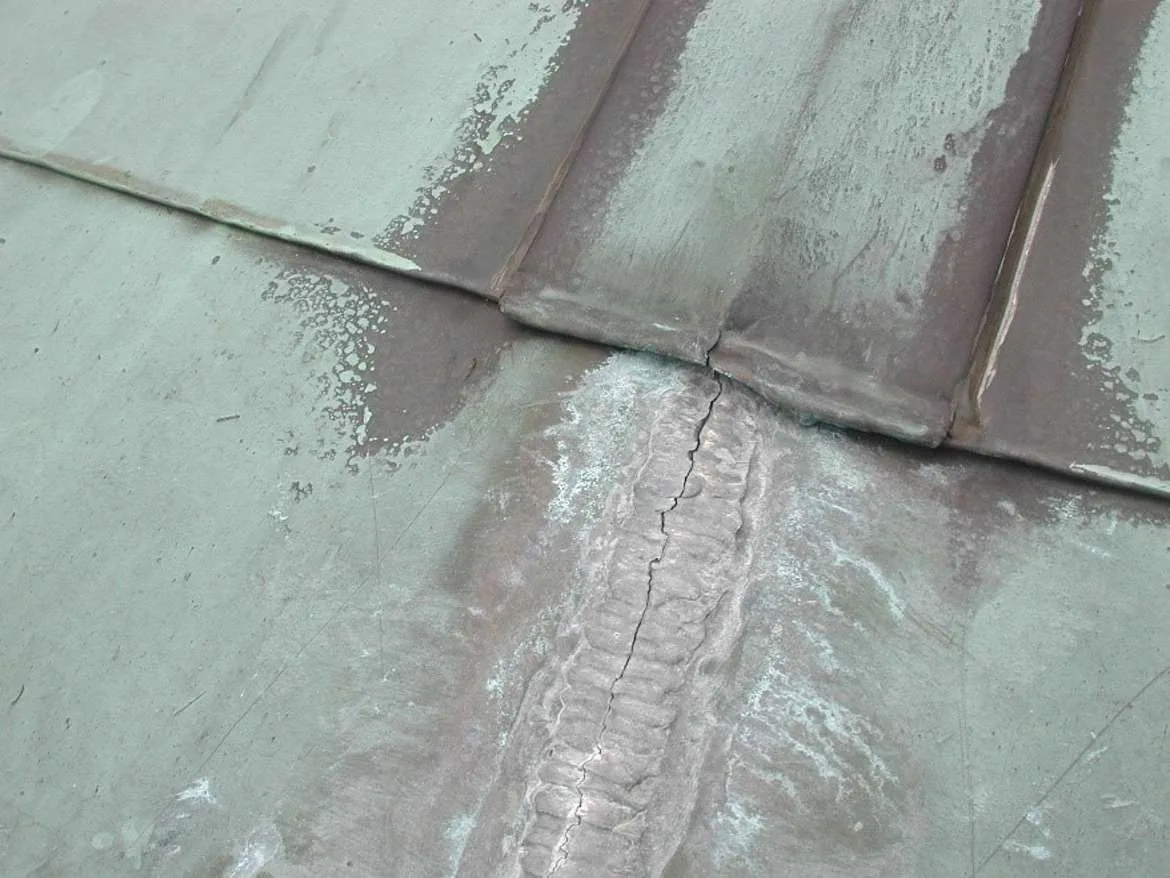
Commercial Roof Seam Repair in Victoria, TX
Roof Damage Repair · Victoria, TX
Commercial roof seam repair in Victoria checks lap condition, roof-system compatibility, water entry, and the substrate before defining each repair boundary.
Next step
Request a Roof Assessment
Call
555-555-5555
An open lap, fishmouth, or seam that separates under movement can let water into the roof assembly. Commercial roof seam repair in Victoria begins with the exact joint, the membrane type, and what changed around it. We inspect the seam and adjacent field, compare it with leak reports and prior repairs, and mark a boundary that can be prepared and rejoined using materials compatible with the assembly.
Commercial Roof Seam Repair
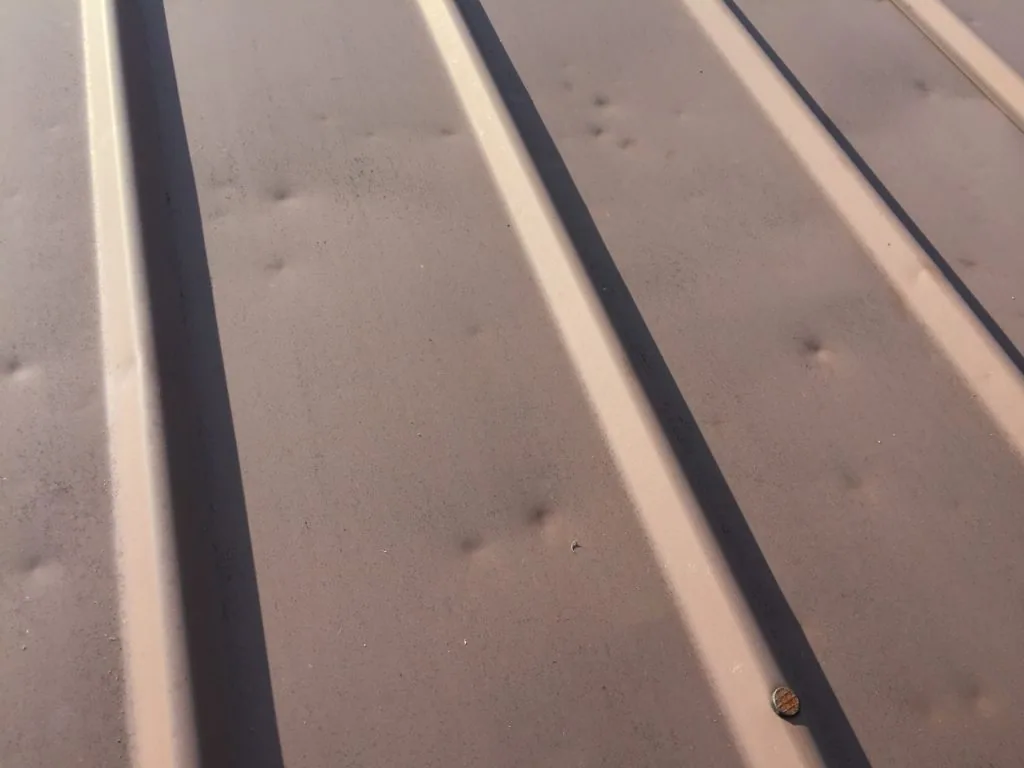
Start with the reported location and what the manager observed: a visible separation, recurring water, a repair that lifted, or a change after a storm. A discoloration near a lap does not by itself show where the roof opened. We examine the seam for separation, wrinkles, contamination, loss of adhesion, broken weld, trapped debris, or movement at a nearby curb or edge. The adjacent surface matters because stress can concentrate where one detail stops and another begins.
On facilities across Victoria, the roof system can differ between additions or buildings under one owner. Keep the plan and manufacturer information with the work request where available. A commercial roof inspection can map the joint, identify access limits, and establish whether the visible defect is isolated or appears at several transitions. We state what was observed before deciding whether to test a longer seam run.
Distinguish seam movement from surface wear
We record the seam orientation, lap width where accessible, nearby drains and penetrations, and whether the joint runs across a field, at a perimeter, or through a repair area. A sketch or roof plan reference helps another crew return to the same point. Look at changes in substrate, patches, equipment supports, and sheet direction that can concentrate stress. If the seam is close to water movement or standing water, inspect the drainage path without assuming ponding caused the opening.
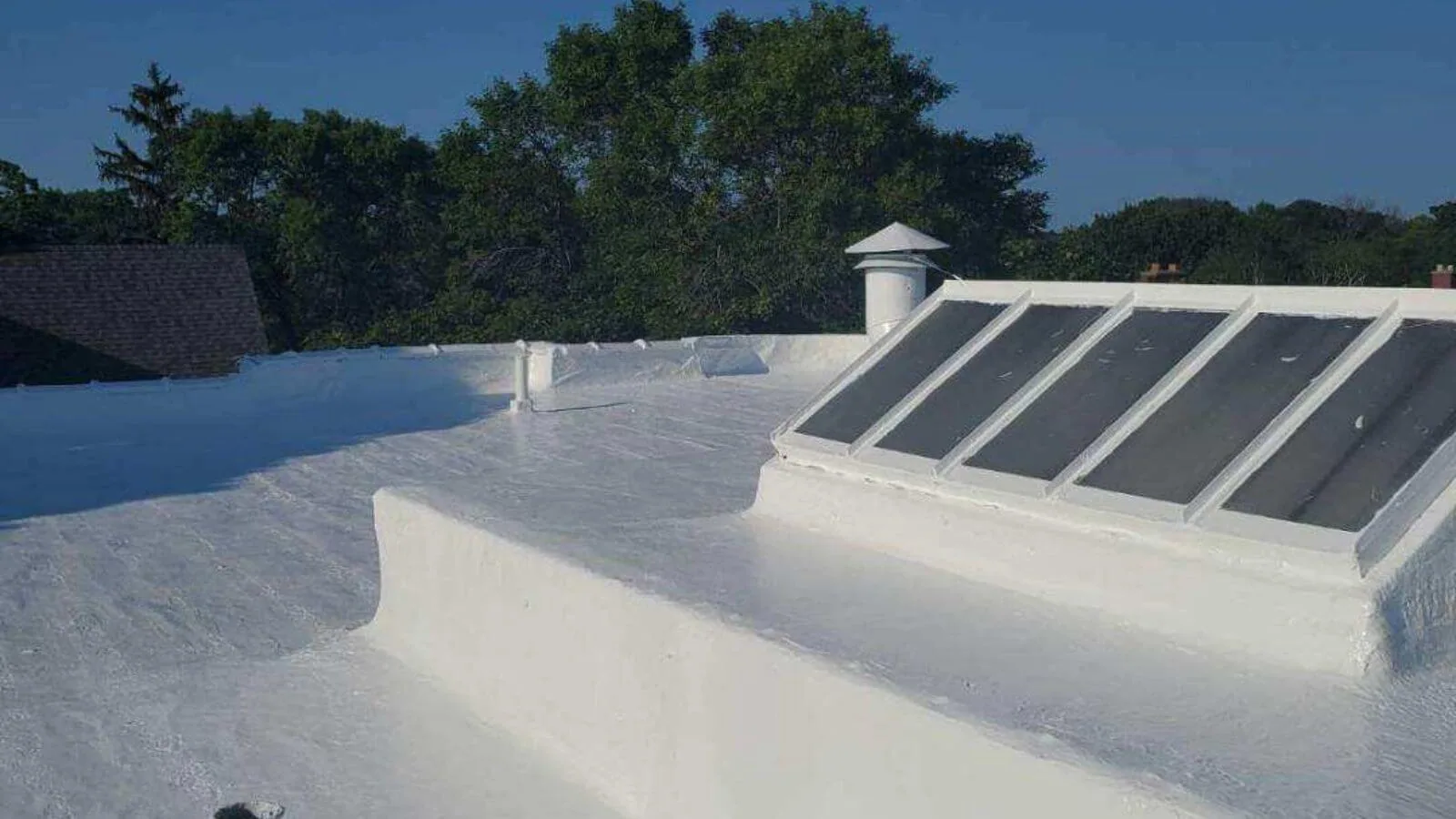
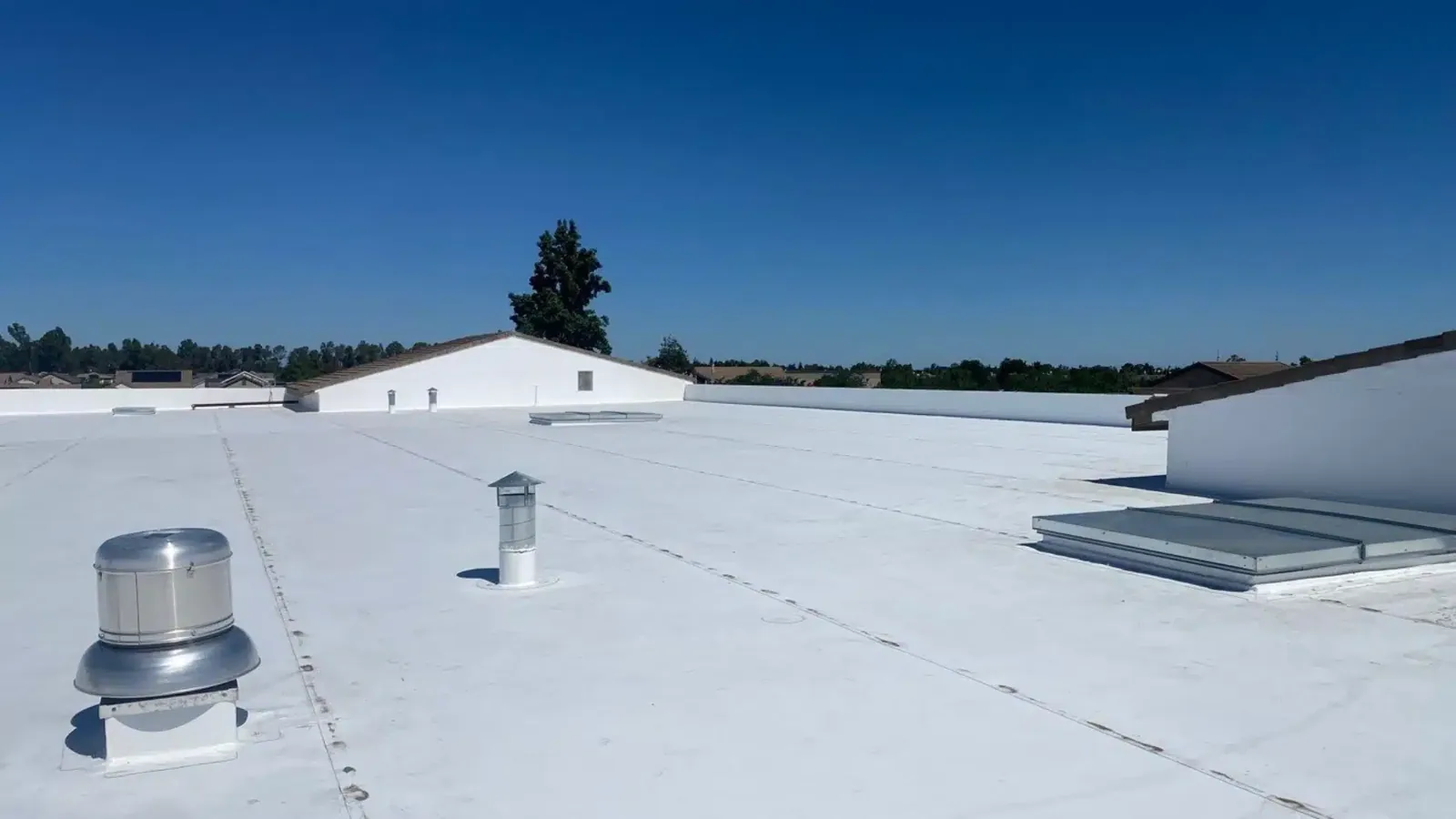
Some Victoria roofs use single-ply membranes; others use built-up, modified bitumen, coatings, or metal. A TPO roof system review focuses on the compatible seam-welding process for that assembly; a different system may require another preparation and tie-in. A seam that opens because a curb or flashing transition has moved may need a separate flashing failure repair scope, not just a longer field patch.
Mark the lap, direction, and surrounding details
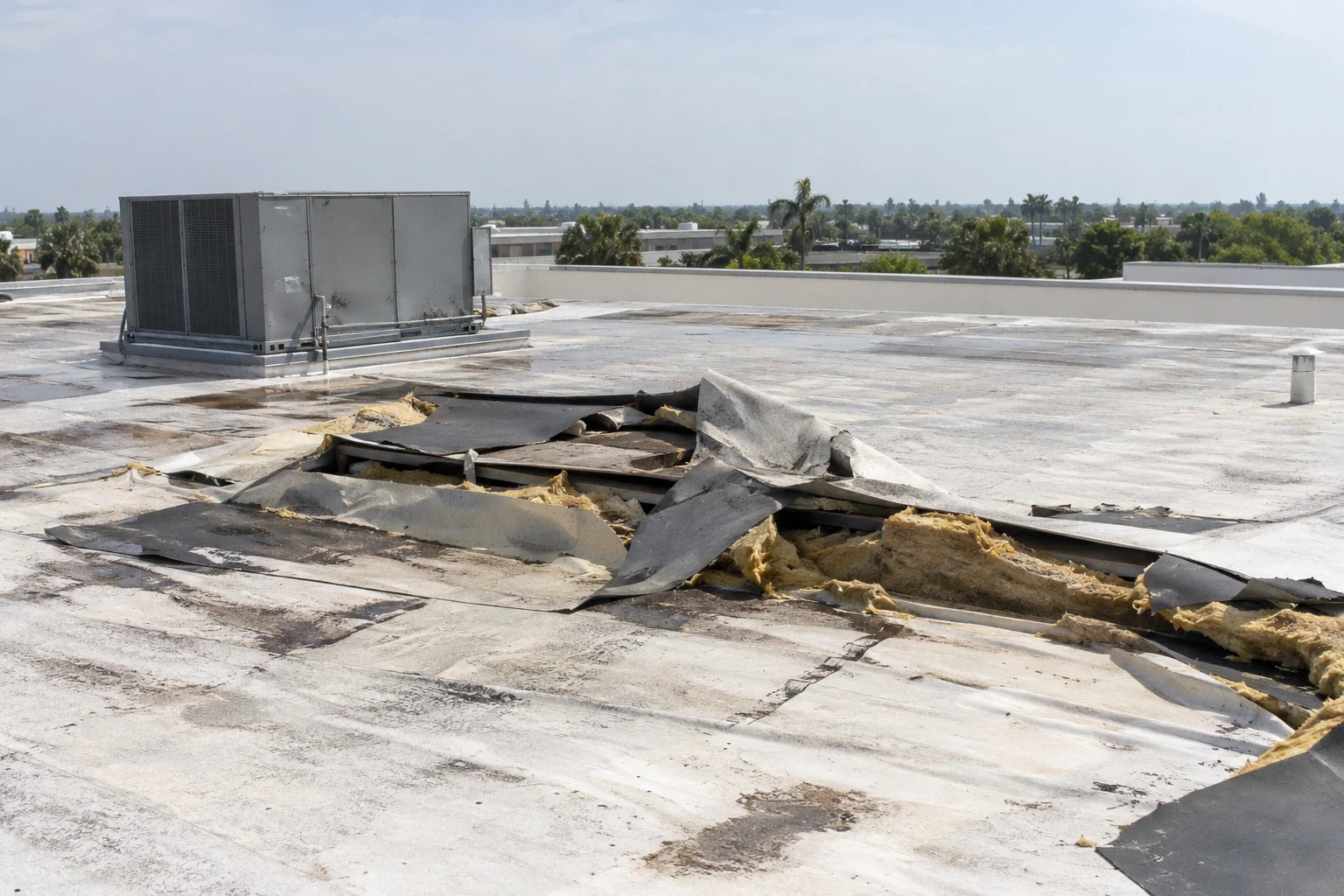
Before selecting a material, we assess the condition of the membrane on both sides of the joint and whether the surface can be prepared to accept a new tie-in. Dirt, oxidation, moisture, coating, old sealant, or a previous patch can affect adhesion or welding. The crew should identify the existing system and test compatibility as needed. If the manufacturer, membrane type, or prior coating is unknown, the scope should say what sample or testing will resolve that uncertainty.
A superficial bead over an open seam may leave the original bond failed beneath it. We look for the full extent of separation and determine whether the membrane, reinforcement, or substrate is also compromised. Where the leak report lies away from the joint, a commercial roof leak repair inspection compares both paths before any opening is assigned as the source. Any testing method and repair limits are agreed with the property contact before work begins.
Confirm what the repair will bond to
A durable repair starts with the preparation required by the roof system. That may mean cleaning and drying the bond area, removing an unsound patch, preparing the membrane, and welding or adhering a compatible reinforcement over a sound boundary. The method depends on system type and the condition of the material. We avoid claiming a repair is complete until the new lap is checked using the method suitable for the assembly and the work area is photographed.
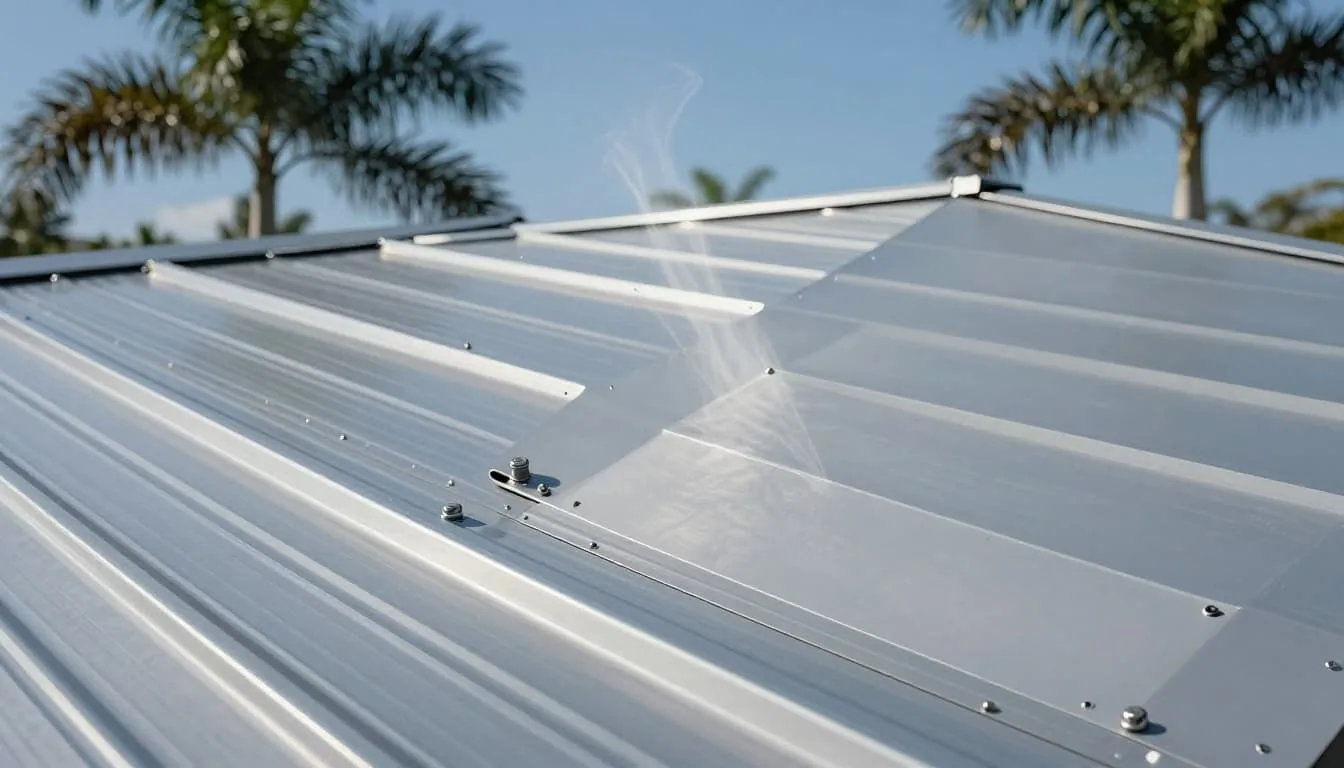
If the seam is part of a metal panel roof, movement, fasteners, sealant, and panel geometry need a different review from a membrane lap. When multiple joints have separated or the roof field is brittle, a broader commercial roof replacement evaluation may be more practical than repeated patches. A distinct membrane puncture repair is used only when an opening in the sheet itself is observed.
After the new tie-in is installed, the crew checks it using the inspection method appropriate to the roof material and records the result. A probe or visual review should be limited to the repair and adjacent seam area it can actually assess. Do not describe a seam run as fully sound if only one point was checked. If the inspection reveals another opening, map it as a separate observation and confirm whether it belongs in the agreed scope.
Rebuild the seam with a compatible tie-in
Victoria’s July 2026 climate report lists a 94°F normal high and a 110°F record high. Surface temperature and weather conditions can affect safe access, preparation, and the product-specific conditions needed for a seam repair. We check the actual roof and follow the product instructions rather than relying on the air temperature alone. If rain, moisture, or wind prevents proper preparation, the repair window should move instead of forcing a poor tie-in.
Industrial, healthcare, school, and retail sites also have different access and occupancy constraints. A roof near freight activity at Port of Victoria Industrial Park South may require a site escort or delivery coordination, while a clinic or school may prioritize an interior work window. Those details affect the schedule, not the diagnosis. Document the route, roof hatch, staging zone, and any area below that needs protection.
Work timing also depends on whether the building can provide a dry, controlled area for preparation and whether the repair material has the conditions it needs to cure or bond. The owner can confirm weather exposure, roof access, nearby operations, and any site permit process. We state those dependencies before mobilization so a crew does not open a joint when the conditions are unsuitable. Where a repair must be postponed, the owner receives the documented reason and the next decision needed.
Set timing around heat, wind, and building activity
The closeout should identify the seam by roof section, system, and reference point; show the defect before preparation; and record the finished tie-in. List the repair material, the length or limits addressed, and any part of the run that could not be inspected. If an active interior leak was reported, state whether post-repair monitoring or follow-up testing remains. The record supports the next maintenance decision without suggesting that unrelated seams have been tested.
For a portfolio manager, a roof condition report can group photographs and open issues by building. A repaired seam near Lone Tree II Industrial Park should still be recorded under its own roof plan and system; nearby properties do not share a repair history just because they sit in the same industrial area.
Keep the seam repair traceable
Related Roofing Work
Frequently Asked Questions
Can every open seam be resealed with a bead of caulk?
No. The method depends on the membrane or panel system, the joint condition, and the material the repair must bond to.
How do you find the full extent of a seam failure?
We inspect the joint and adjacent membrane, compare it with the leak report, and test or open areas when the findings justify that step.
Can a roof seam fail without water appearing inside?
Yes. A visible joint defect may not have reached the interior. It still needs a documented assessment and appropriate repair scope.
What if the roof system is unknown?
We record what is visible and may recommend a material sample or compatibility test before selecting the tie-in method.
Will one seam repair address other open joints?
Only the seams included in the inspected and defined scope are repaired. Other joints need their own location record and evaluation.
Provide the roof system, seam location, prior repairs, leak timing, and access rules. We will inspect the joint and document the compatible repair boundary.
Call 555-555-5555 or email [email protected].