
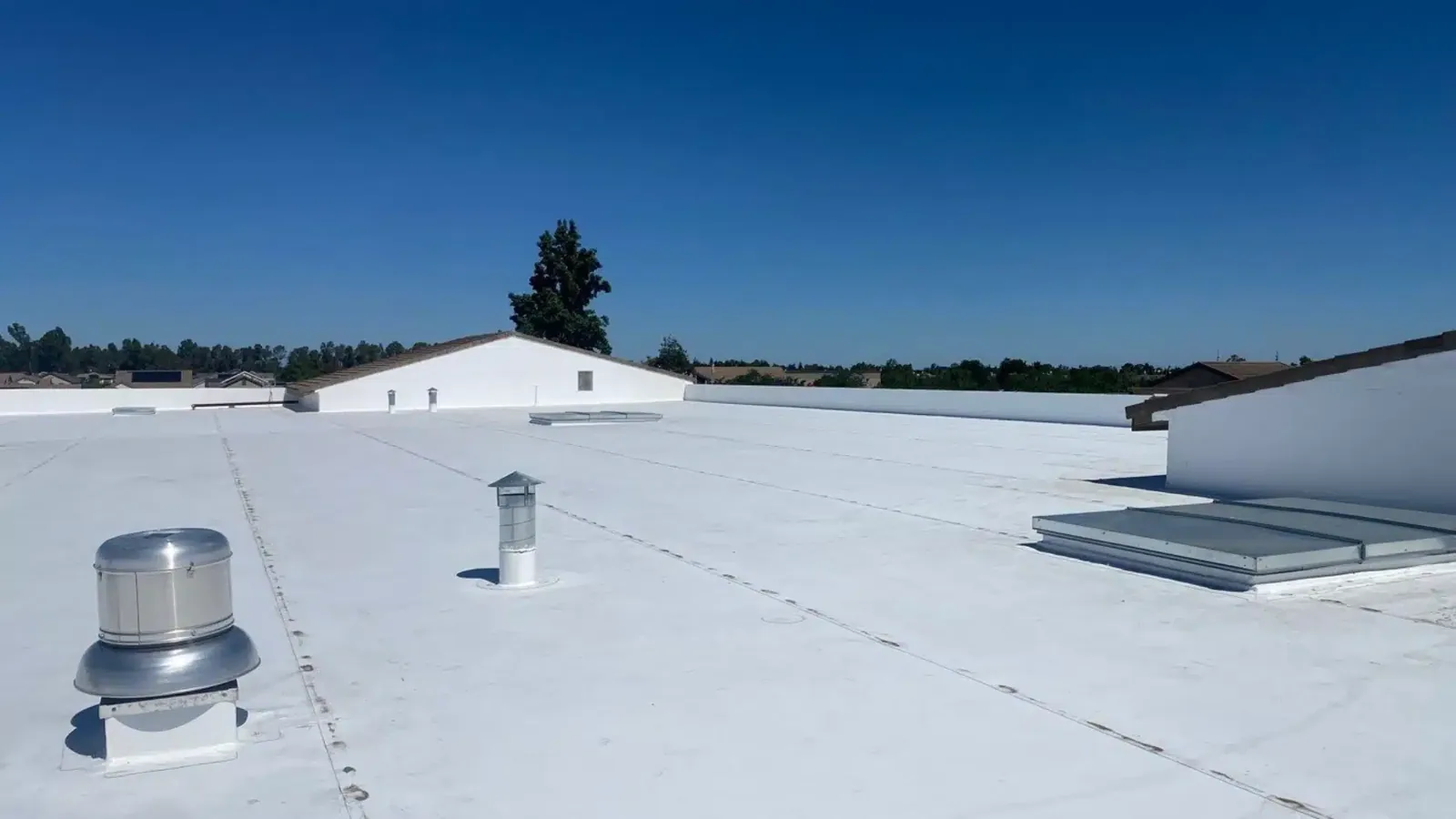
TPO Roofing in Victoria, TX
Roof Systems · Victoria, TX
TPO roofing in Victoria depends on sound attachment, clean hot-air welds, and detailed tie-ins at drains, curbs, edges, and equipment supports.
Next step
Request a Roof Assessment
Call
555-555-5555
A TPO seam can look closed at a glance and still need a probe at the edge or a closer look where it meets a curb. On commercial roofs in Victoria, heat and storm exposure make attachment, flashing, and perimeter details part of the system decision. We inspect the deck and existing assembly, verify the membrane type, then repair or install TPO with attention to the tie-ins that carry water away from the building.
TPO Roofing
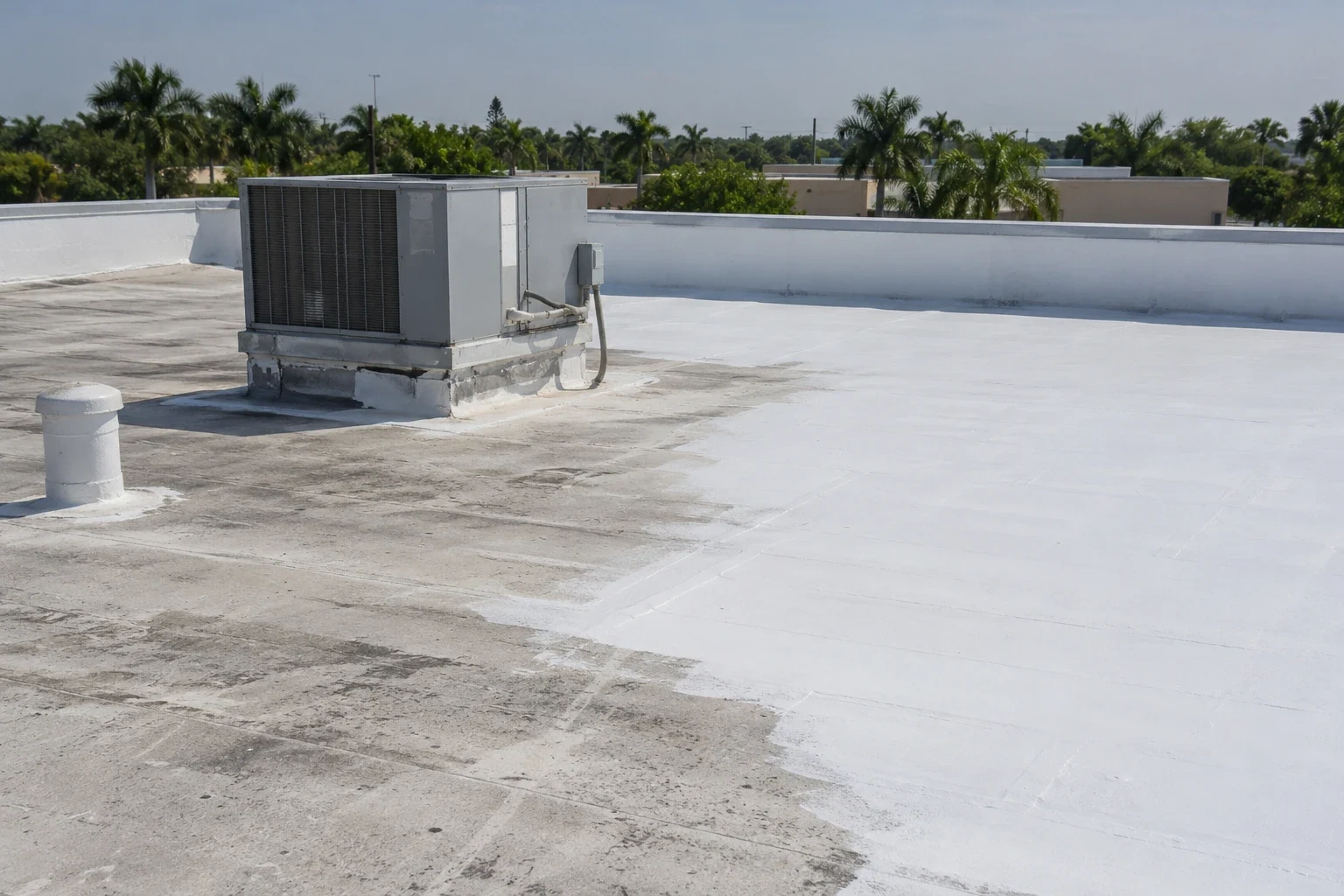
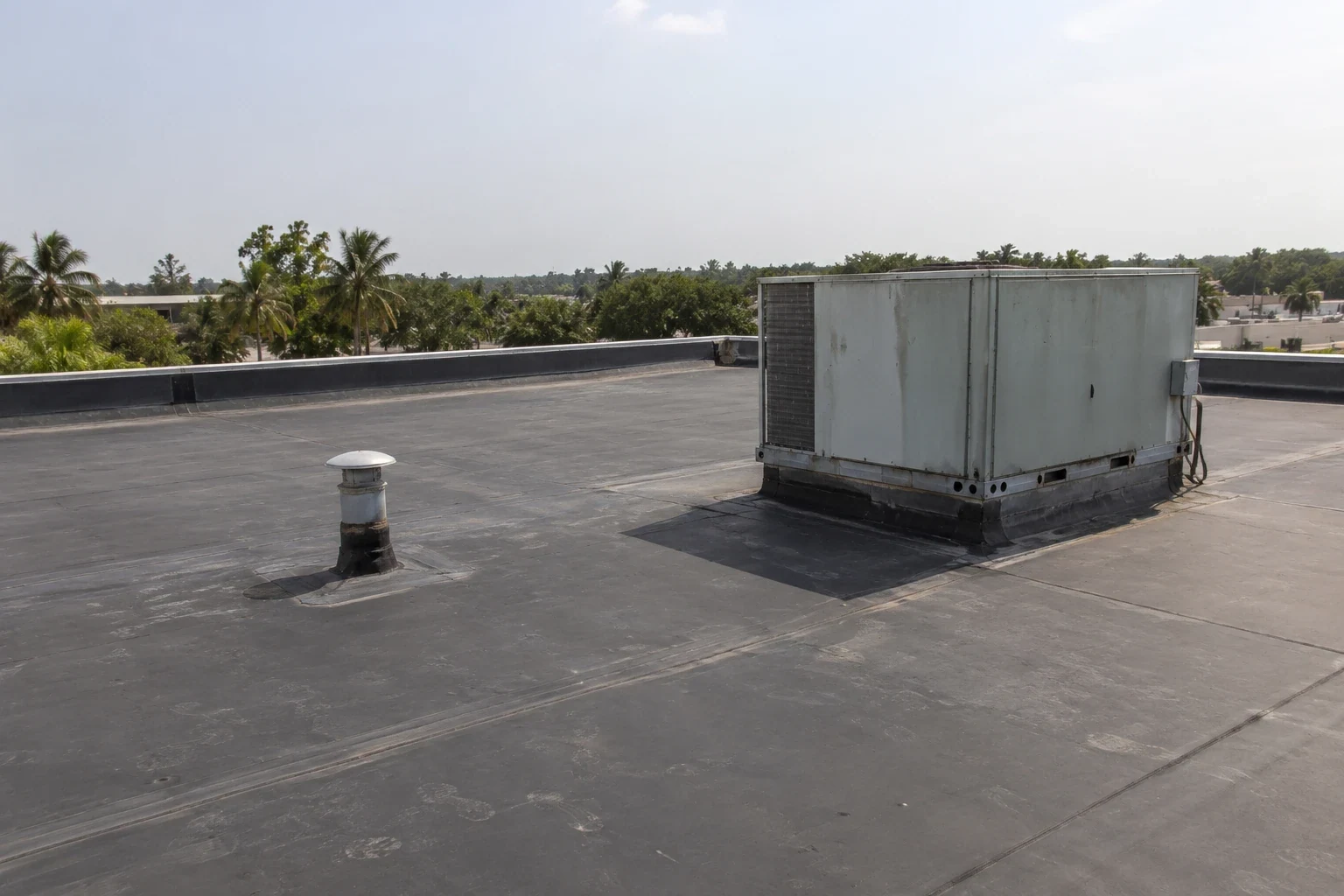
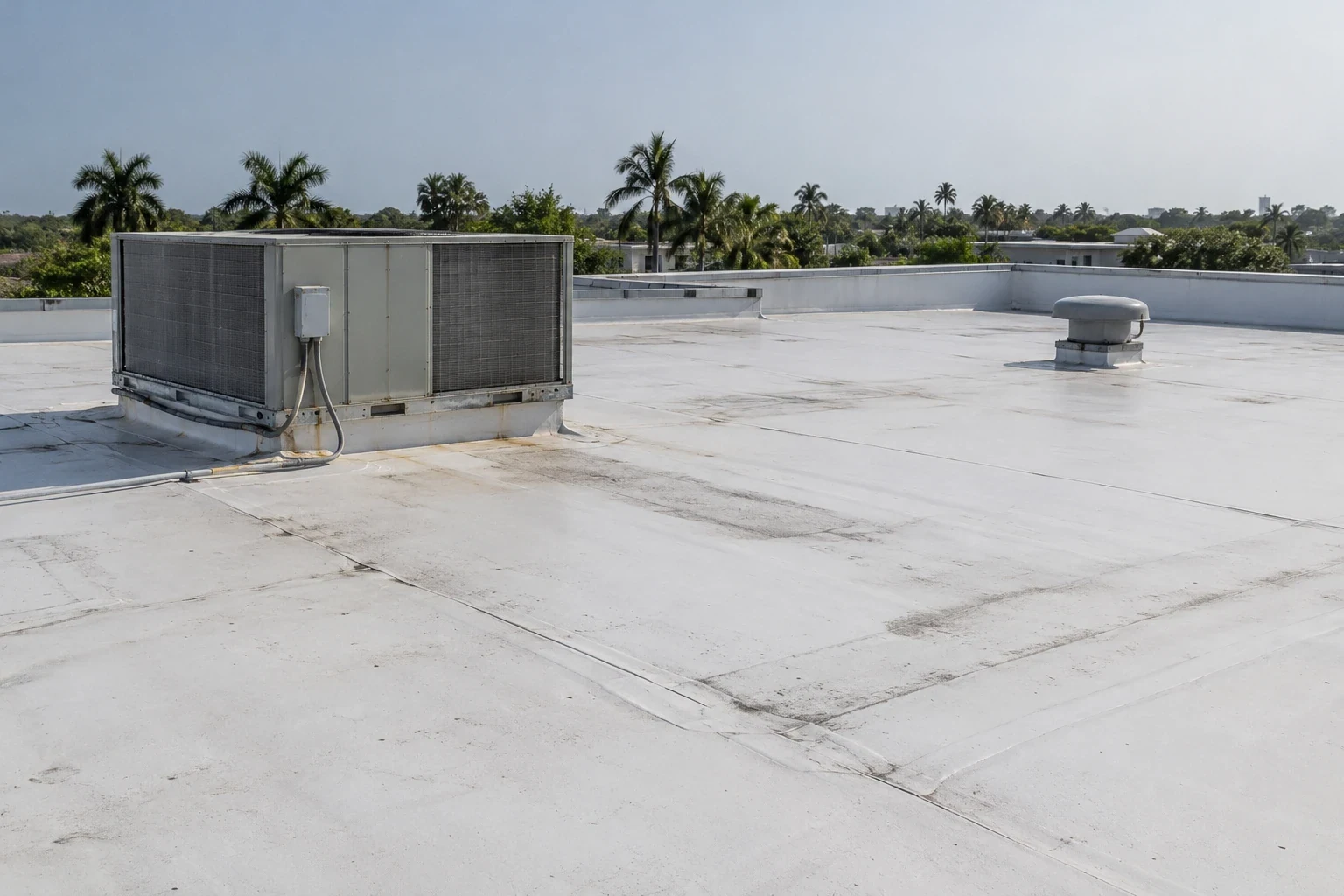
TPO is a single-ply thermoplastic membrane whose seams are joined with heat. System fit depends on the deck, insulation, attachment method, roof geometry, drainage, and project requirements. We look at expansion joints, curbs, drain bowls, edge metal, and existing layers before proposing a replacement or recover. An old roof plan may help, but a field inspection confirms what is present and identifies where an opening or test could change the recommendation.
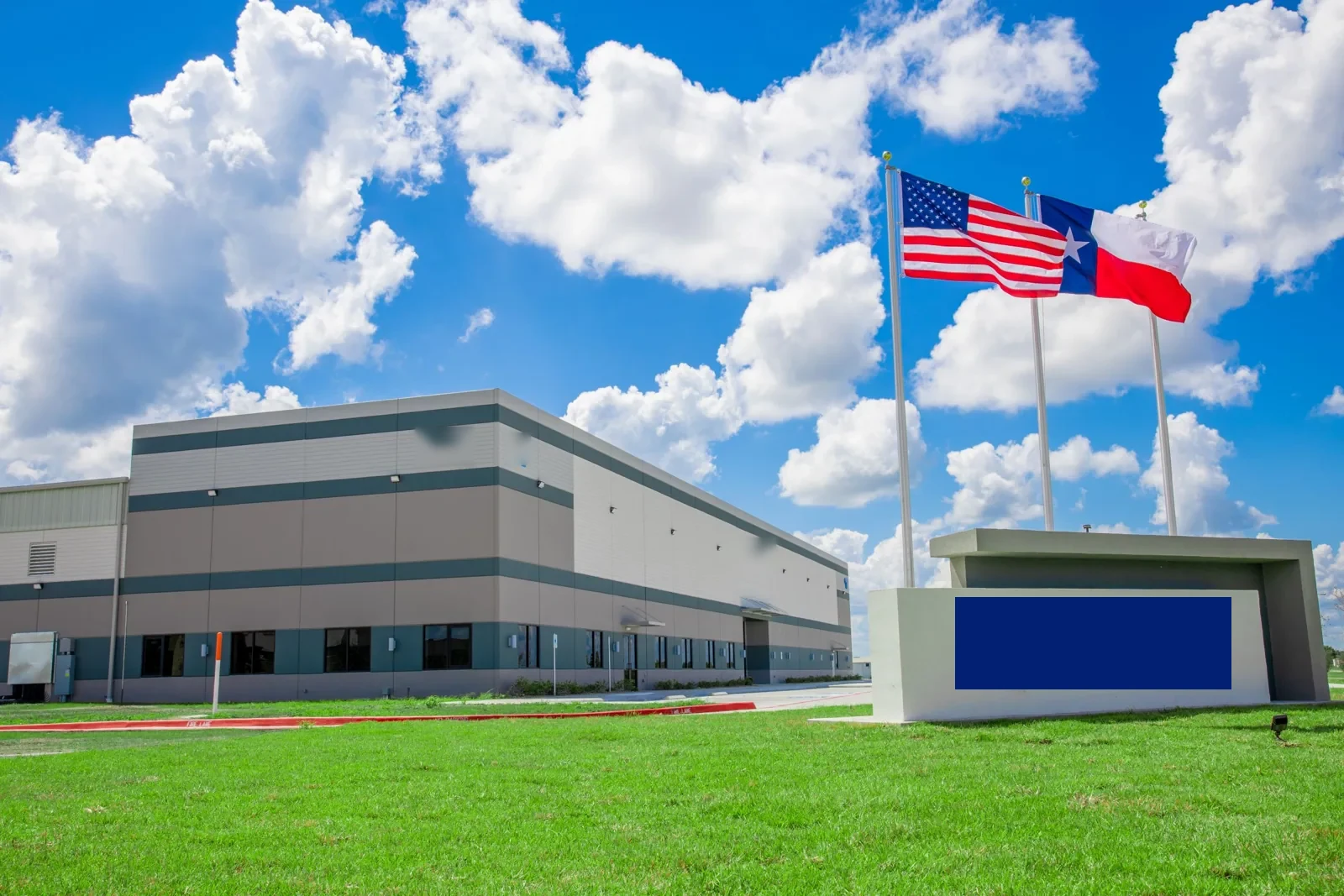
Industrial buildings near Lone Tree II Industrial Park can have a mix of equipment, supports, and service routes across a broad roof. That industrial setting does not tell us the membrane or deck at any specific property. We map roof sections and coordinate access with the site contact before choosing a seam and attachment approach.
Where an existing roof has wet insulation, widespread seam trouble, or unstable attachment, a new membrane surface will not resolve the concealed condition by itself. A roof inspection can document the current assembly and repair boundary. A recover may be considered only when the existing roof and project requirements support that method. A PVC roof uses a different membrane formulation, while an EPDM assembly calls for another seam method.
Check whether TPO fits the building
Hot-air welding depends on clean, compatible membrane surfaces and a machine setting suited to the material and field conditions. The crew makes test welds, checks the bond, and adjusts before moving into production. Seams need consistent overlap and pressure; corners, patches, and changes in direction require their own detail. A weld is tested at the required interval after cooling, not judged only by the bead’s appearance.
Dust, moisture, residue, surface oxidation, wind, or a substrate that moves can compromise a seam. We prepare the field, keep contamination away from the joint, and check each section as it advances. At transitions, the membrane must meet a sound flashing surface and maintain the intended drainage path. If an existing surface cannot be made suitable, we define the additional preparation or removal needed before proceeding.
Victoria’s July weather record includes a typical high of 94°F and a date record of 110°F. Roof-surface temperature can exceed the surrounding air, so the crew monitors actual conditions and the system’s installation requirements. Heat informs scheduling and handling; it does not replace a seam check or determine expected service life.
Make welds on a prepared surface
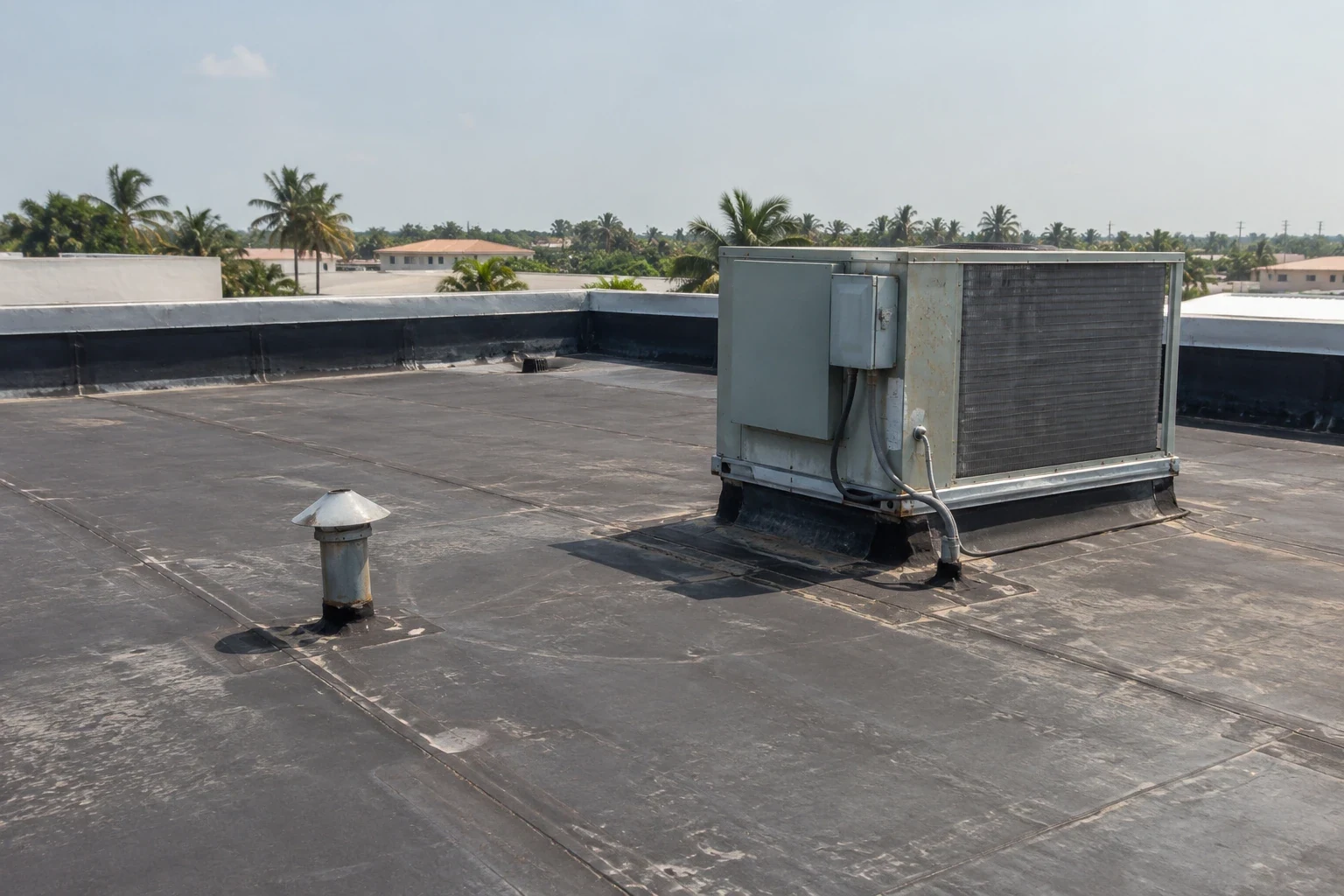
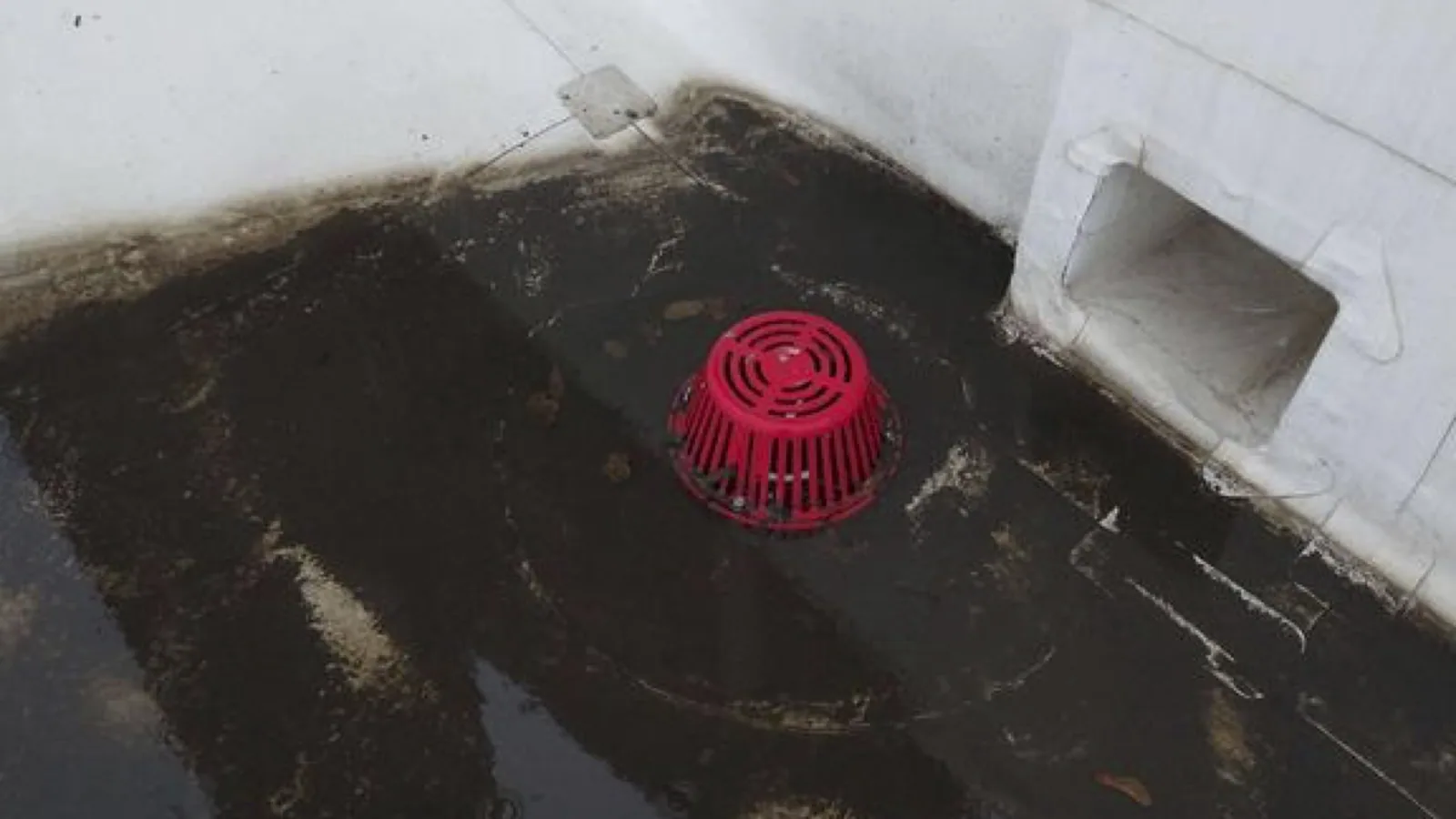
At a drain, cut and fasten the membrane to the approved drain detail, keep the bowl and strainer clear, and tie the field sheet into a secure clamping area. At scuppers, check the throat, corners, and metal transition. A blocked outlet or low area may need correction before the new membrane is closed in. The drain and scupper scope should identify cleaning, component repair, and slope issues separately.
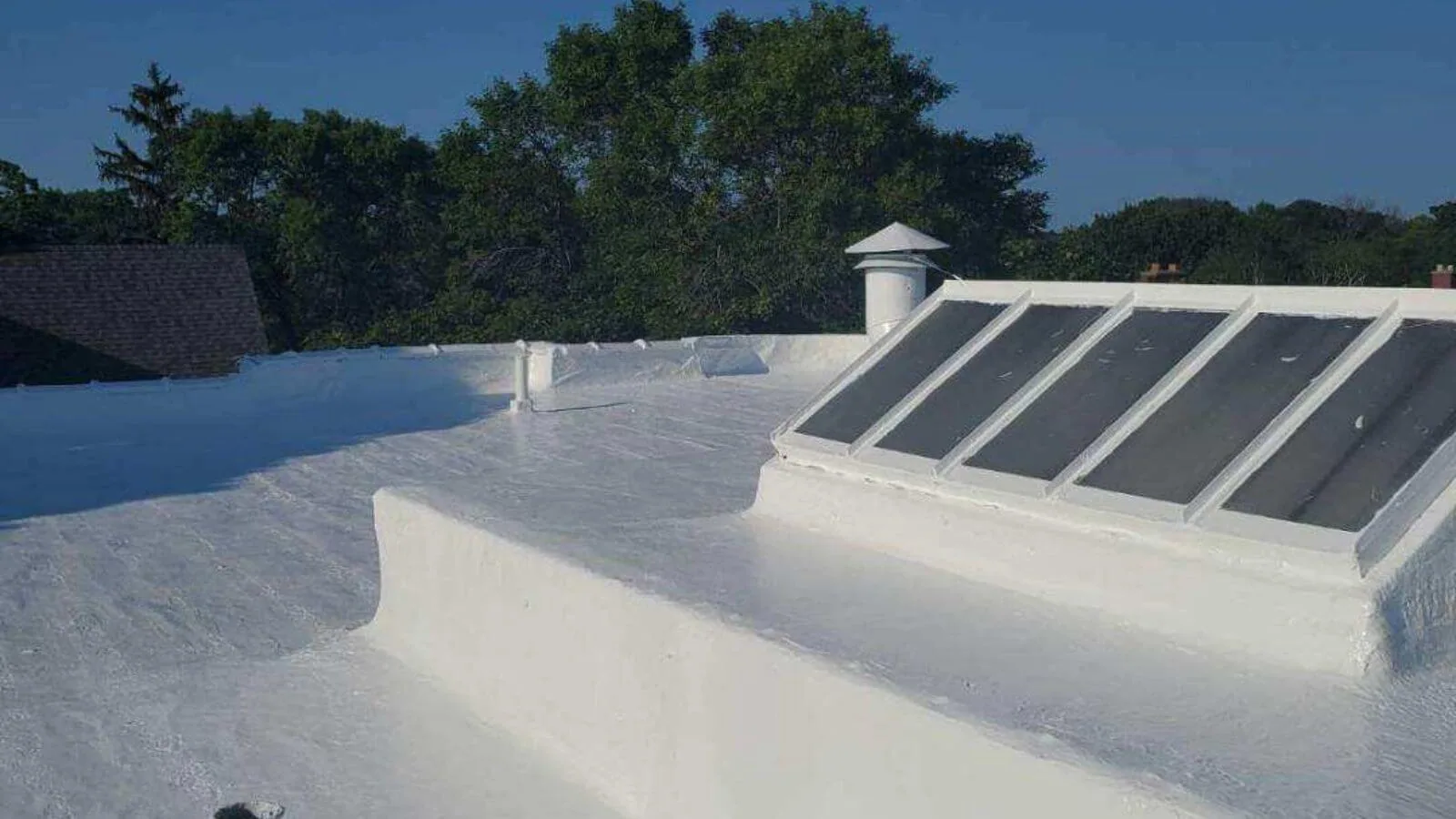
Curbs, pipes, equipment supports, and skylights each interrupt the roof field. Flashing must rise and terminate in a way that fits the unit and system detail. An unstable support or moving curb needs attention before a new tie-in is installed. Review equipment curb and support work when that interface affects the membrane. A field patch should not hide movement at the frame or equipment below.
Barge, rail, and truck connections at the Port of Victoria support cargo movements. The building manager sets where membrane rolls can be unloaded and which lift route is safe. We protect active areas and coordinate deliveries so roofing work does not obstruct facility routes.
Carry TPO through drains and penetrations
TPO systems can be mechanically attached, adhered, or installed as a component of a specified roof assembly. The deck, insulation, fastener pullout, building geometry, and contract design determine the attachment. Perimeter and corner zones may call for different details from the field. We use the approved fastening pattern or adhesive method and verify that the substrate is ready before covering it.
At edge metal, parapets, and wall transitions, the membrane termination must be secure and connected to a compatible flashing assembly. A coping and edge review can define whether perimeter metal needs correction before the roof field is finished. Where insulation is replaced, check heights at drains and curbs so the new assembly does not obstruct an outlet or undersize a transition.
Wind records for central Victoria County include damaging gusts. That local context supports careful review of attachment and exposed edges but does not substitute for project-specific design or inspection. We document seam and perimeter checks and note where substrate access limited confirmation.
Match attachment to deck and wind design
On an occupied building, identify access paths, tenant restrictions, HVAC service, air intakes, and protection below before materials arrive. Open only the section that can be secured within the shift. If weather changes, the roof lead closes the exposed boundary and tells the property contact what remains. The manager receives a schedule for blocked access, noise, and interior protection.
Victoria Regional Airport Business Area includes freight and industrial development. The roof plan at the assigned building determines where equipment and materials can move. We confirm delivery timing, lift placement, and shutdowns with the property contact rather than applying a general airport schedule to each site.
A phased reroof plan can coordinate daily closure and tenant communication. Keep the final route to drains, rooftop equipment, and hatches clear for future service.
Keep the roof sequence clear for operations
Closeout includes the TPO field areas installed or repaired, seam checks, flashing and perimeter details, drain condition, and any limitation that remains. Photos show roof-section context and close views of representative welds and transitions. If equipment or an access restriction prevented inspection, the record identifies it so the owner does not treat the whole roof as confirmed.
Future repairs need compatible membrane and preparation. Keep product information, roof plan, attachment records, and photographs with the facility’s files. A maintenance visit can monitor seam edges, drains, corners, and rooftop penetrations as the building continues in service.
For a Victoria TPO project, provide roof plans, system details, leak history, building use, and access windows. We will verify the assembly, identify work or testing that should precede installation, and document how the membrane connects to edges, drains, and equipment.
Record seams and transitions by roof section
Related Roofing Work
Frequently Asked Questions
How can I tell whether a TPO seam is sound?
A trained inspection checks the cooled weld and probes the seam edge where required. Surface appearance alone does not confirm the bond.
Can TPO be installed over an existing roof?
An overlay is considered only when the existing build-up is dry, well fastened, and permitted by the project design. We check those conditions first.
What causes a TPO seam to open?
Poor preparation, contamination, incorrect welding conditions, movement, or a weak substrate can affect the joint. We examine the detail and surrounding assembly.
Will a white TPO roof eliminate heat inside?
No. A reflective membrane can affect solar absorption, but insulation, HVAC, controls, occupancy, and weather also influence interior conditions.
What records should be kept after installation?
Keep the roof plan, membrane and attachment information, seam checks, transition photos, repair history, and areas excluded from inspection.
Send the roof plan, system records, leak history, and access window. We will check membrane seams, attachment, drains, curbs, and perimeter transitions before defining repair or replacement work.
Call 555-555-5555 or email [email protected].