
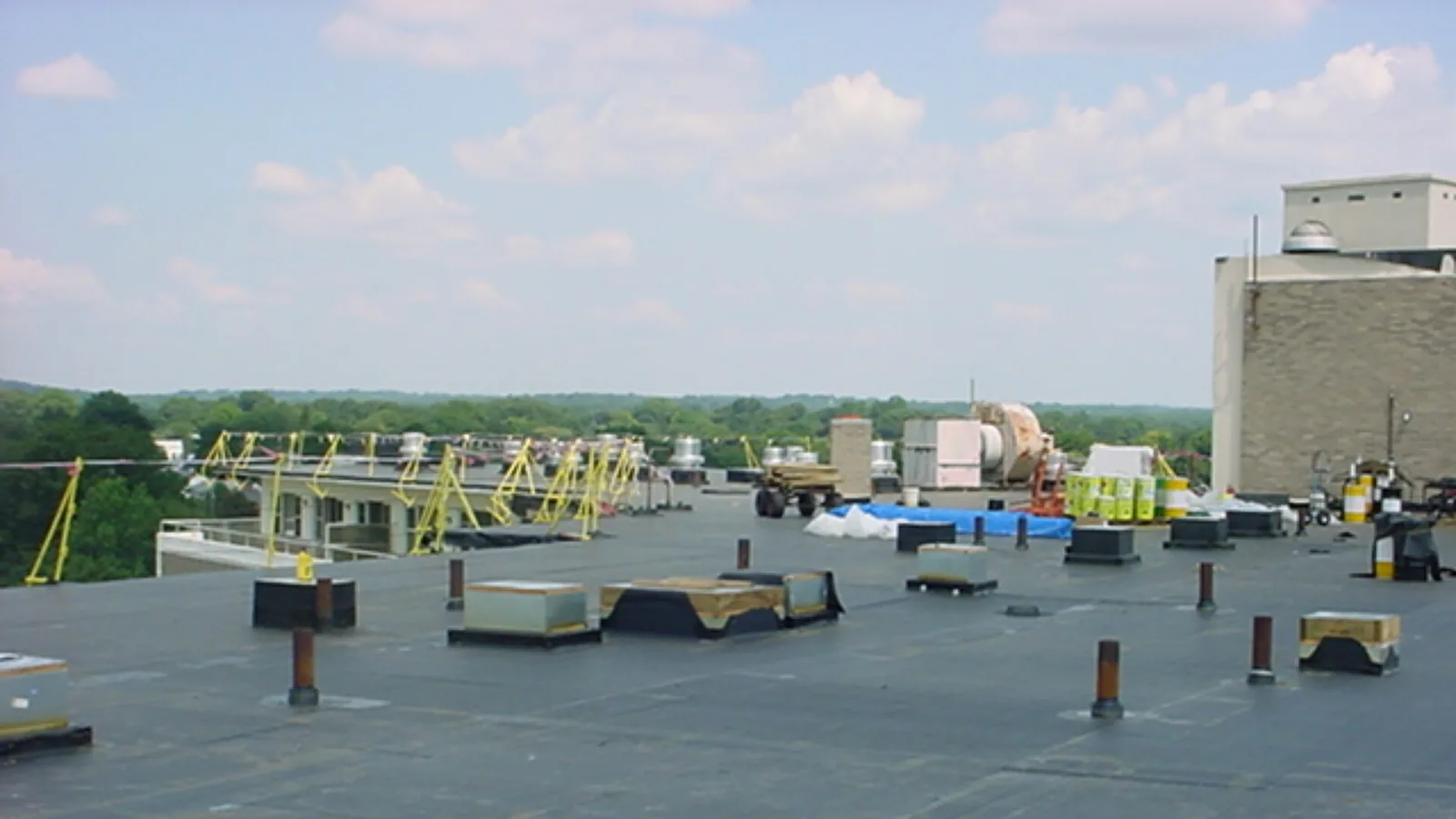
Commercial Roof Repair in Victoria, TX
Commercial Roofing Services · Victoria, TX
Repair commercial roof leaks and failed details in Victoria, TX with measured boundaries, compatible materials, and clear closeout records.
Next step
Request a Roof Assessment
Call
555-555-5555
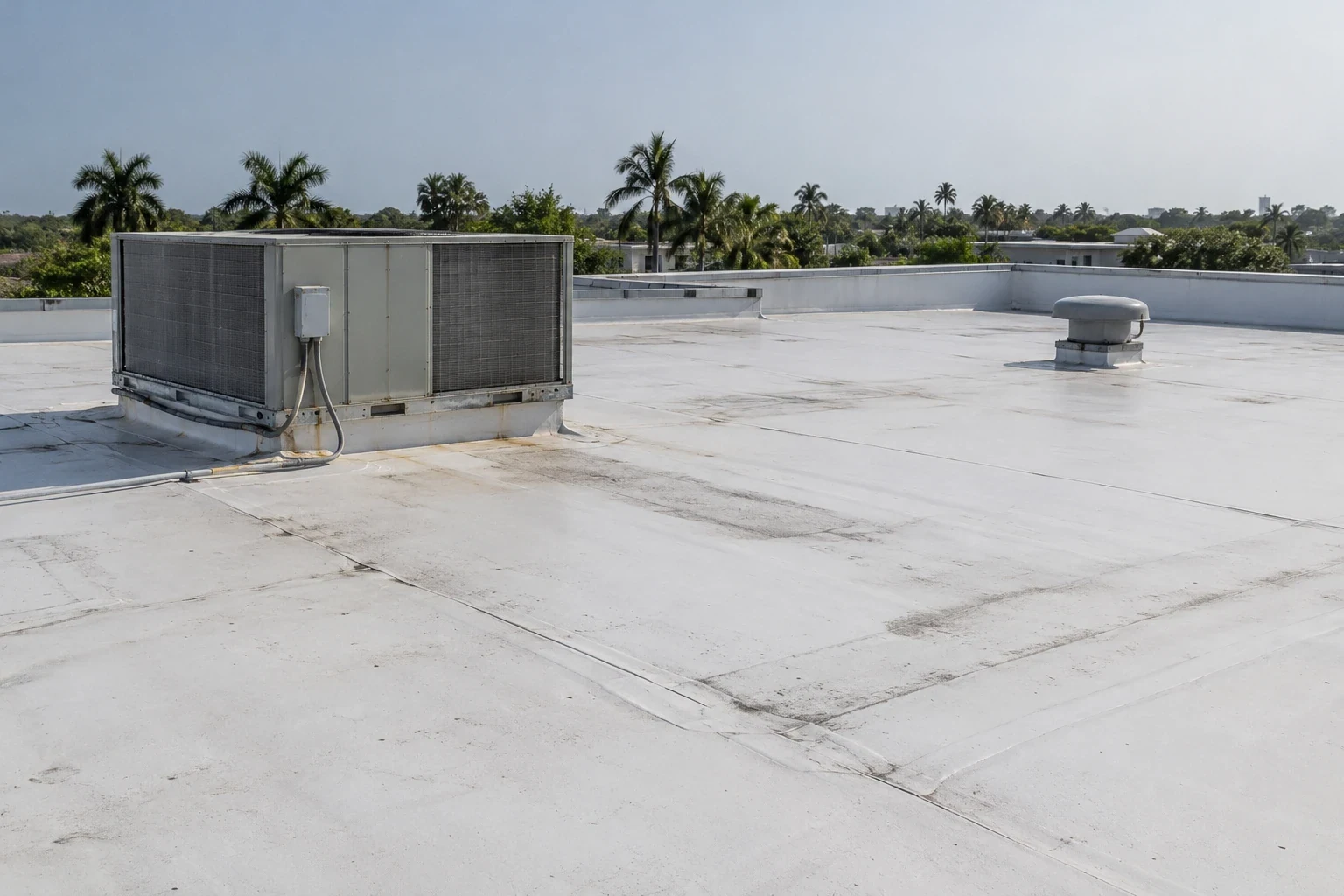
A loose termination at a parapet can admit water well before a ceiling shows a stain. We follow the membrane, flashing corner, seam, and drain path, then mark the repair boundary that the assembly can support. In Victoria, summer heat, hail, damaging wind, and tropical rain put exposed details on the maintenance list. Industrial work near the Port of Victoria Industrial Park South also needs material staging coordinated with the property's freight activity. For a facility tied to Point Comfort, access and nearby industrial use do not identify the roof assembly; the field inspection does. We document what failed, what remains sound, and what must be tested before a patch is priced.
Commercial Roof Repair
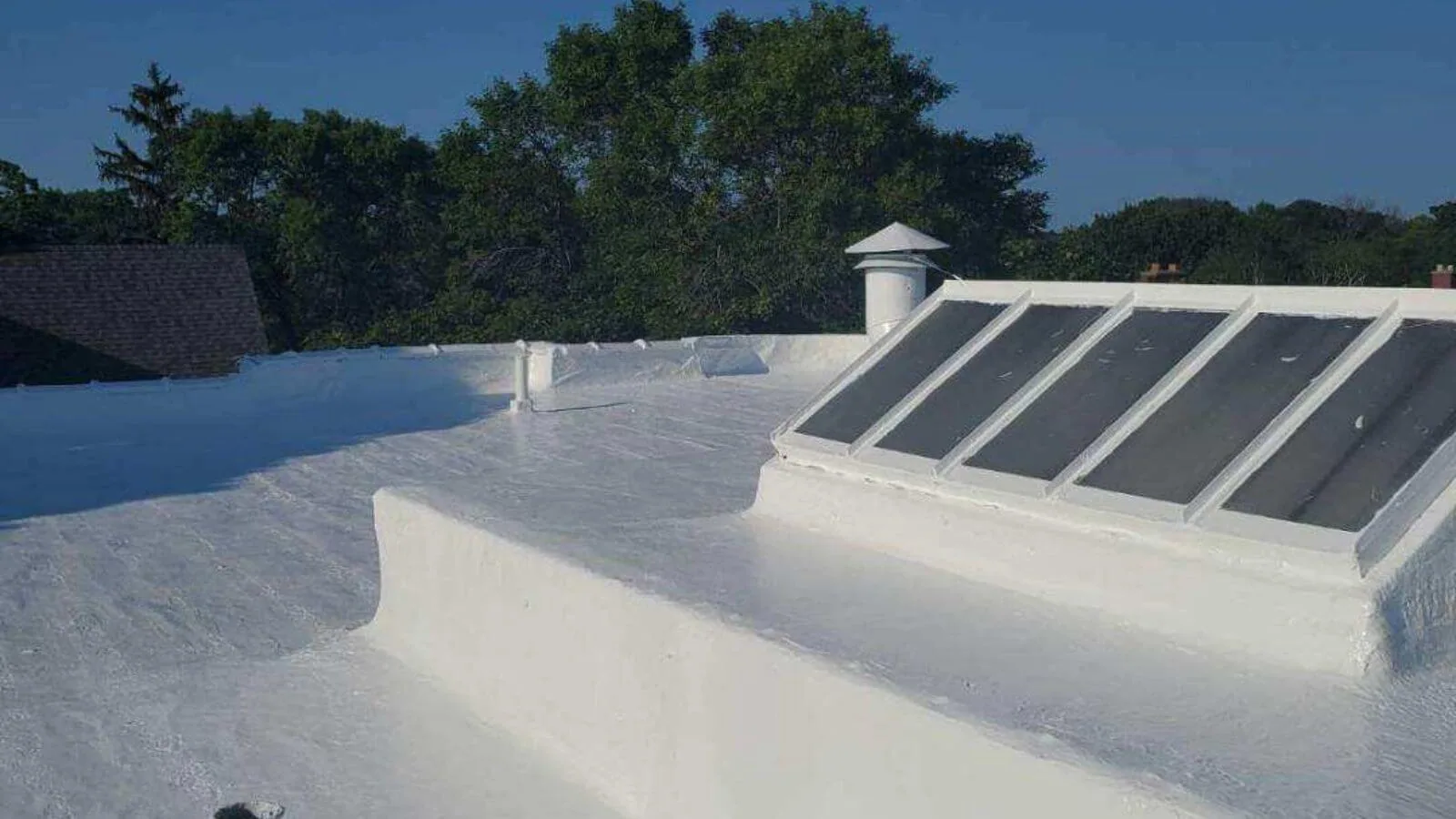
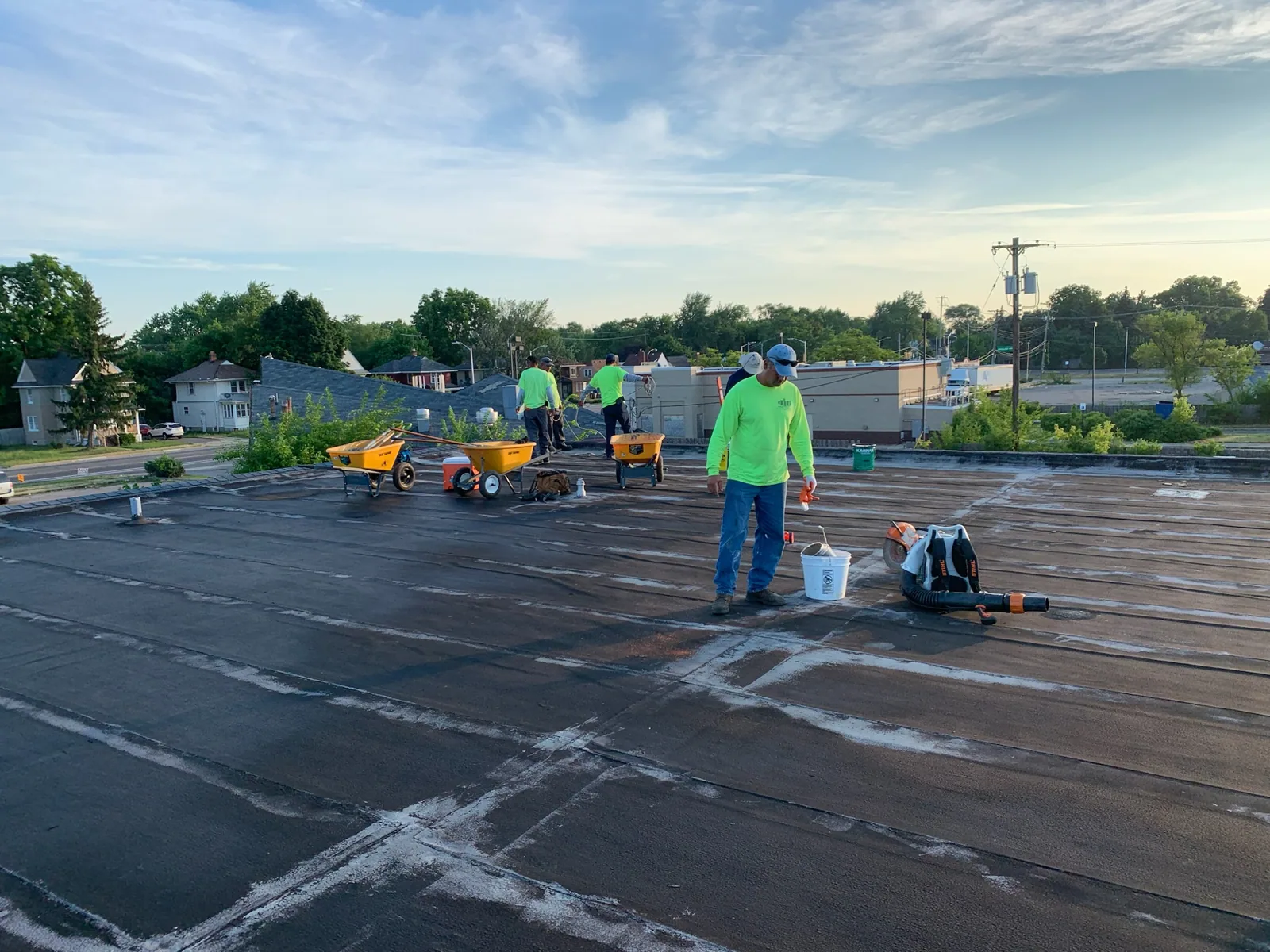
A repair starts with the room or roof zone reported, when the condition appeared, and recent weather or equipment work. We compare the report with slope, seams, penetrations, flashing, drains, and edge metal. Water can travel below a sheet or along the deck, so the stain does not set the work limit. A commercial leak investigation can identify which path the evidence supports and whether a scan or opening would change the estimate.
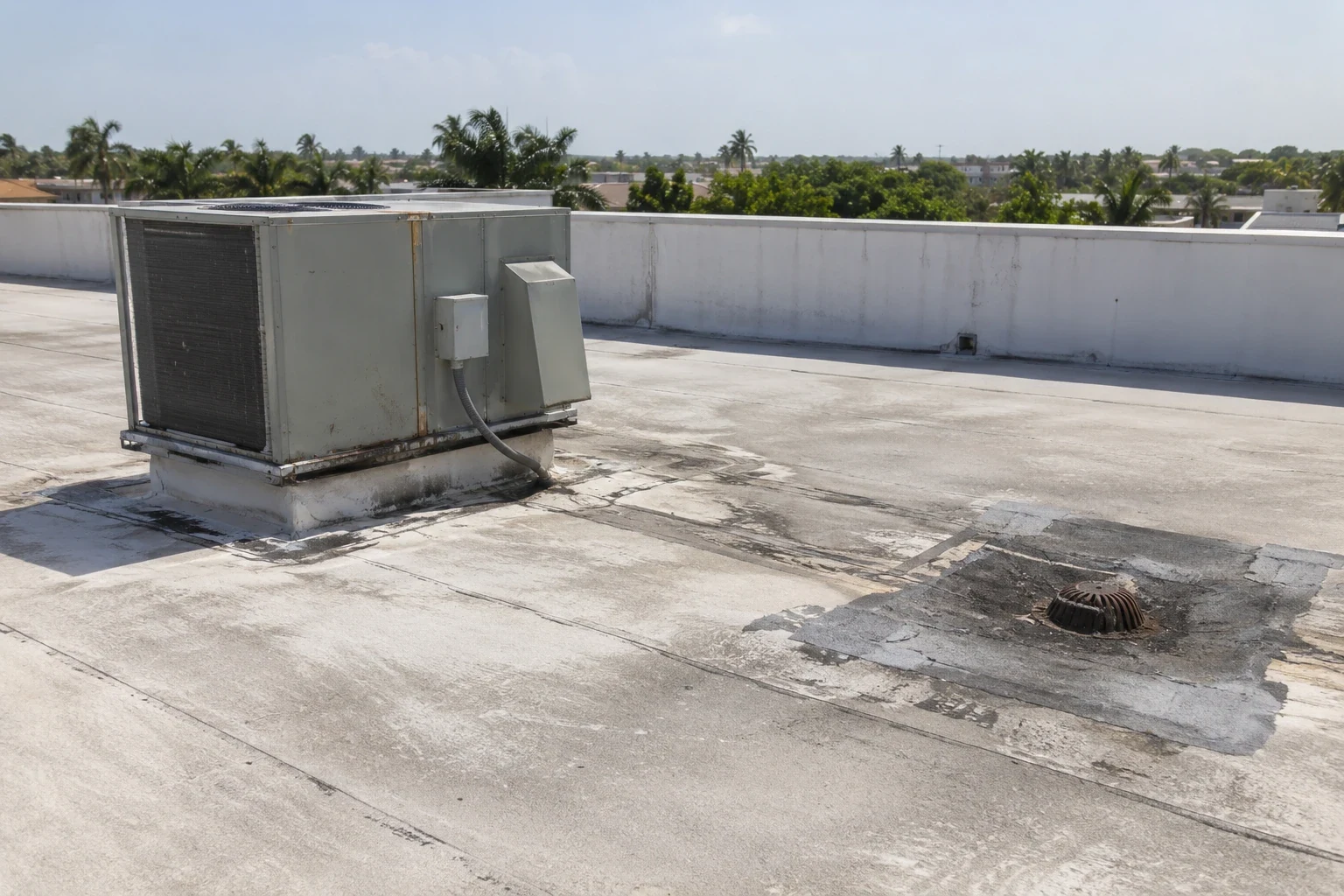
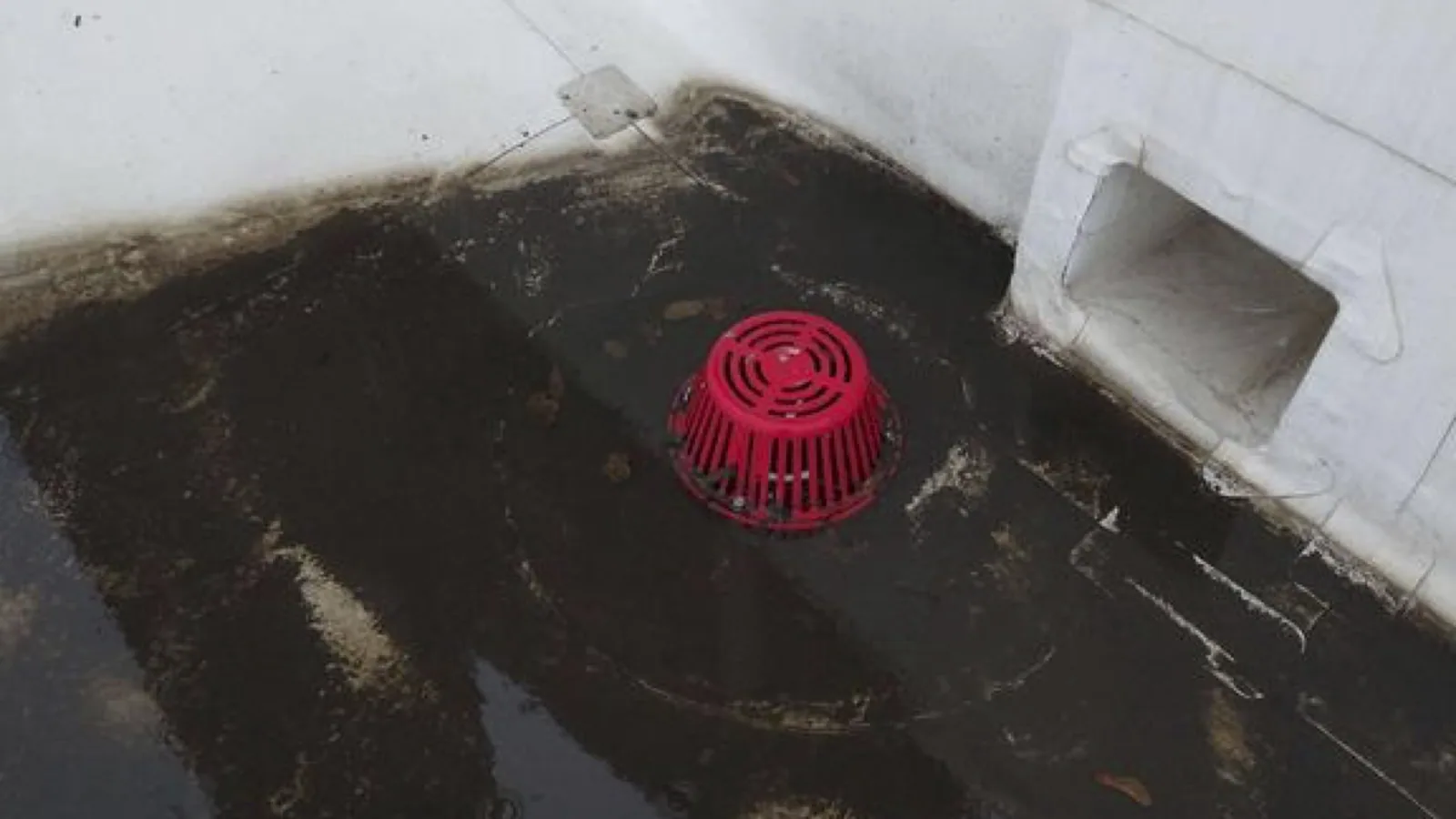
A lifted seam, split seal, puncture, corroded edge, and wet insulation need different scopes. Photographs identify the detail; measurements show how much compatible material can tie into the repair. We note moisture-test location and conditions, and do not price removal from a reading alone. If opening the roof could affect equipment or the room below, the property contact confirms protection and access first. At drains, curbs, and walls, we check the connected termination and record any adjacent detail that remains outside the repair.
Where the water path crosses several roof features, we label each observation rather than combine them as one failure. A drain can be obstructed while the membrane termination remains sound; a curb can show open flashing even when the nearby seam holds. We record which detail was probed, tested, or opened and state what evidence supports the proposed repair. If the owner approves only the confirmed condition, the estimate keeps other possible causes outside that quantity until they can be inspected.
Trace the defect before opening material
The repair material has to match the existing membrane and bond to a clean, suitable surface. We identify TPO, PVC, EPDM, modified bitumen, built-up roofing, metal, or coating from field details and records. A TPO repair needs compatible sheet and a sound heat-welded tie-in; a PVC repair follows its own material and weld requirements. We do not bridge wet material or a moving transition with a surface patch.
Preparation removes failed material to a stable edge, cleans and dries the bond area as required, and checks that the repair reaches sound substrate. Metal transitions need review for movement, corrosion, and fastener condition. Liquid-applied details depend on substrate, reinforcement, thickness, and cure conditions. If the system is unclear, we request records or an approved test before selecting material. A drain connection may need a new clamping detail, while a wall can require termination or coping work; drainage repair remains a measured item alongside the membrane patch.
Prepare a tie-in that can hold
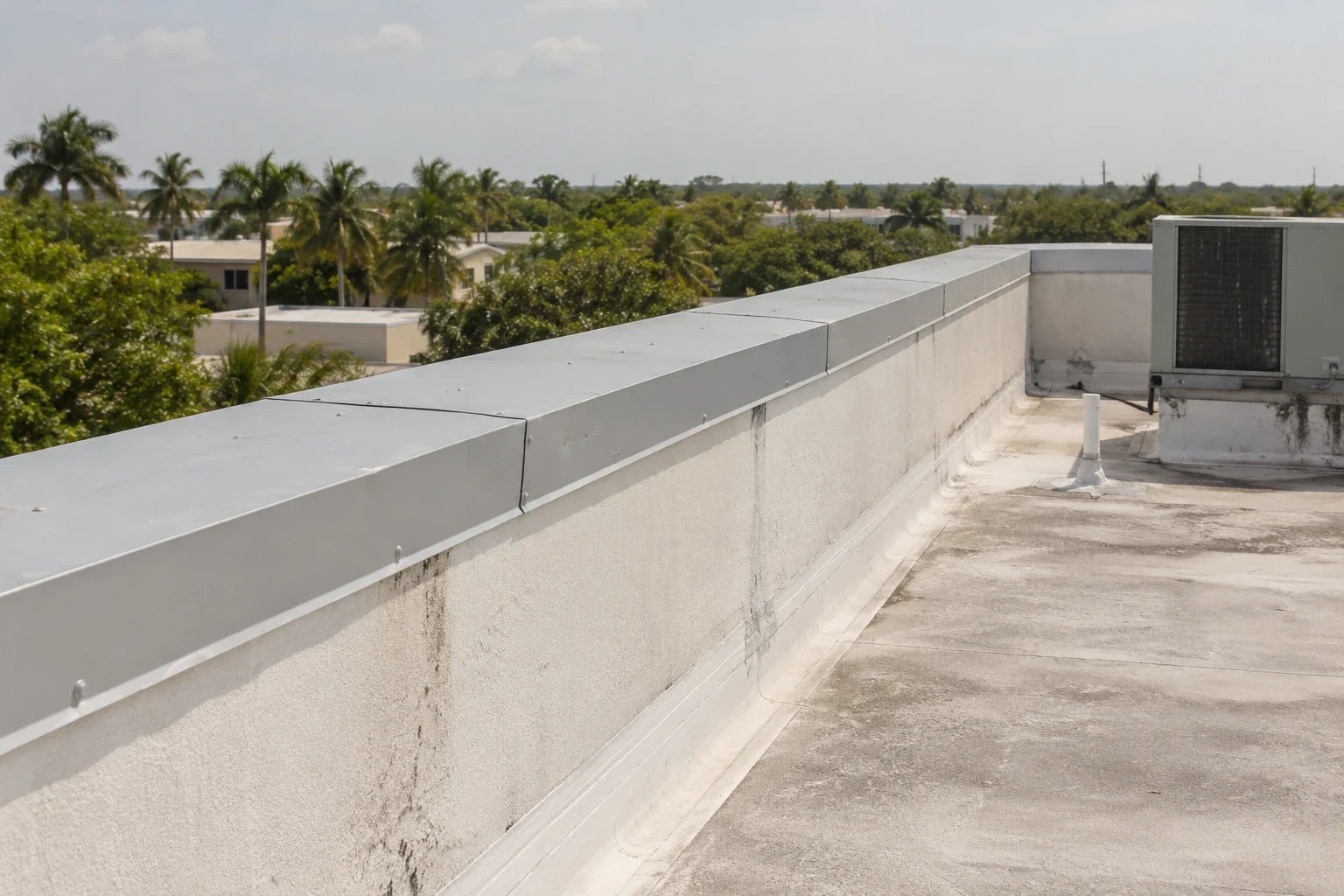
We measure the open defect and the additional material needed for a reliable tie-in. If testing confirms wet insulation beyond the visible split, the quantity extends to stable material. A damaged deck, loose attachment, or failures across several seams can change the scope from a spot repair to a larger section. Photographs show the proposed limit and result so the owner can approve added work with dimensions in view. Untested areas stay separate.
Some work needs temporary protection, insulation replacement, or coordination with the structure below. We identify preparation, closure, and the trade input required at a sleeve, curb, or structural transition. If testing shows that a patch will not restore the assembly, the owner receives a separate replacement option. Victoria's adopted 2021 International Building Code includes local amendments; we identify design review needs with the owner and project professional when a repair changes structural attachment or assembly.
Set the removal and repair boundary
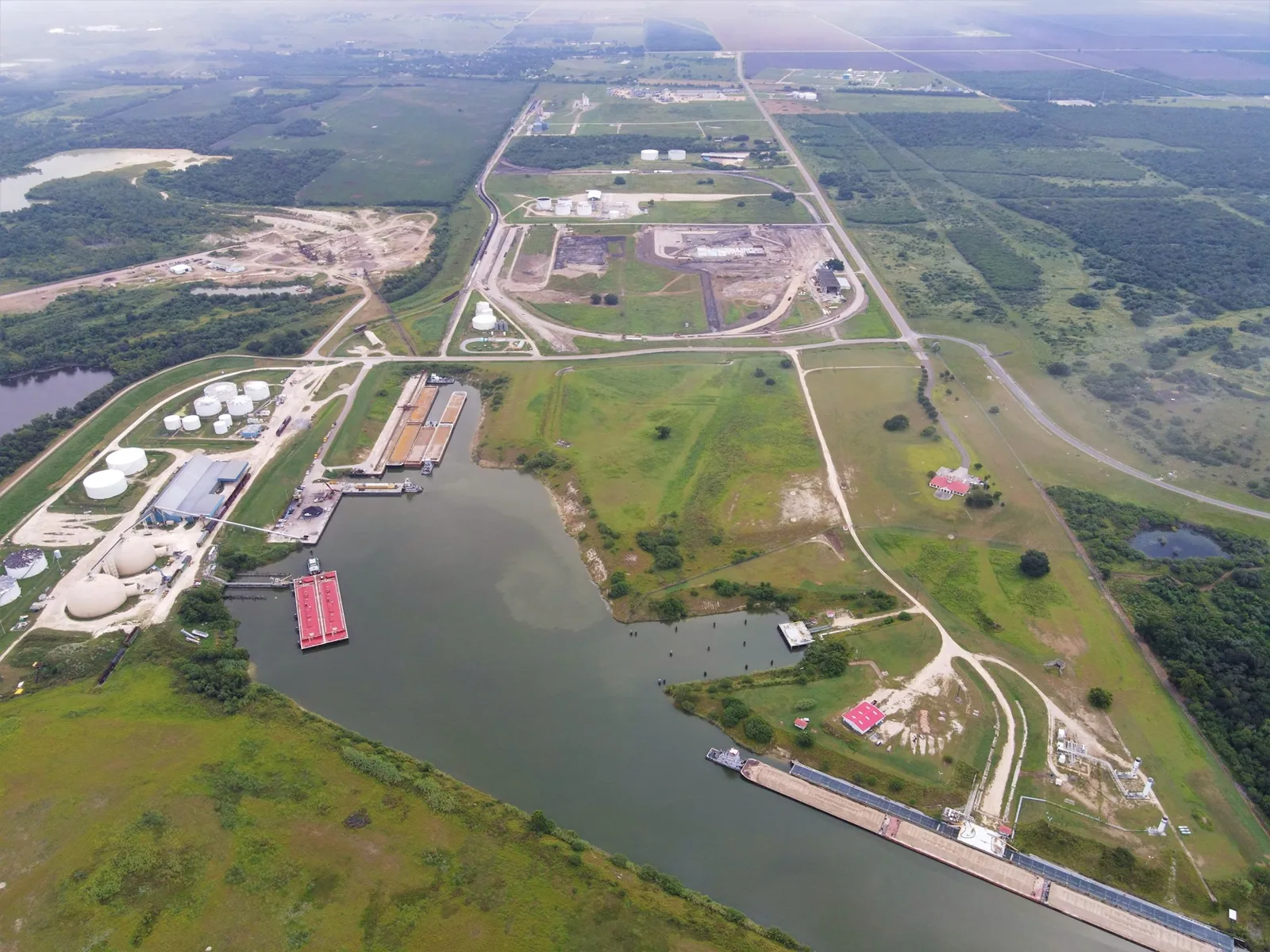
The property contact confirms roof access, loading, equipment shutdowns, occupied rooms, and the material route. The Port of Victoria includes dock, barge-fleeting, and rail facilities, so a property contact confirms its own staging rules. Point Comfort has a different industrial and rail setting. We identify the crew route and work window before opening a detail.
Hot surfaces, rain, wind, or wet substrate can delay a permanent bond. We set a temporary closure, define the stop point, and leave drains and overflows clear. Victoria records hot-season temperatures, hail warnings, and regional tropical-cyclone exposure, so weather watch and edge inspection belong in planning. For active water entry, our emergency roofing response is available around the clock, including weekends and holidays. The daily boundary states what is open, protected, and ready for handoff.
Victoria's July climate record places normal highs in the mid-90s and documents an extreme above 100 degrees Fahrenheit. Work on hot membrane can change surface preparation and bonding conditions, so we confirm the substrate can accept the selected material at the time of repair. If a thunderstorm or tropical system approaches, we secure tools and staged materials, then close the roof at the approved boundary. A return visit resumes from the photographed condition rather than a verbal handoff.
Coordinate the work window and dry-in
Closeout shows the address, roof section, dimensions, materials, preparation, repaired transition, test result, and before-and-after photos. We note untested details and any temporary protection still in place. If work stopped at a stable boundary, the plan marks it so another crew can find the edge. A roof condition report can preserve the findings with the property's service history. Close images frame the flashing return and adjacent membrane, not just the patch surface. We label photos to the roof sketch and note nearby details outside the repair.
For a manager with several properties, keep the building identifier with each photo and work order. The Port of Victoria and Point Comfort share a regional industrial context, but their roof histories stay separate. A later leak can be compared with the repair boundary, weather window, nearby seams, and equipment changes. If water returns at another curb or roof section, that path needs its own inspection rather than an assumed extension of the completed repair.
Leave a repair record the next visit can use
Related Roofing Work
Frequently Asked Questions
Can a small membrane opening be repaired without replacing the roof?
Yes, when the damage is bounded and surrounding material can accept a compatible tie-in. We inspect nearby seams and test where moisture could change the quantity before pricing the patch.
How do you find a leak that appears far from the roof defect?
We map the interior report against slope, drains, walls, curbs, and seams above it. A survey or controlled opening can help confirm the path when the result changes the repair boundary.
Will you repair a roof drain or curb as part of the same visit?
We can inspect and scope those transitions with the membrane work. The proposal identifies each repair, required trade coordination, and any area that needs separate testing.
What if the roof surface is wet on the scheduled day?
A lasting patch needs suitable surface conditions. We can document temporary protection for an active leak and return when the material can be prepared and bonded correctly.
What is included in the repair closeout?
The record includes the roof section, dimensions, materials, photographs, test findings, and any excluded or untested area. We distinguish completed repair from temporary protection and follow-up work.
Send the building address, reported room or roof zone, leak timing, membrane records, access contact, and work window. We will trace the connected detail, test where needed, and document the approved repair boundary.
Call 555-555-5555 or email [email protected].