
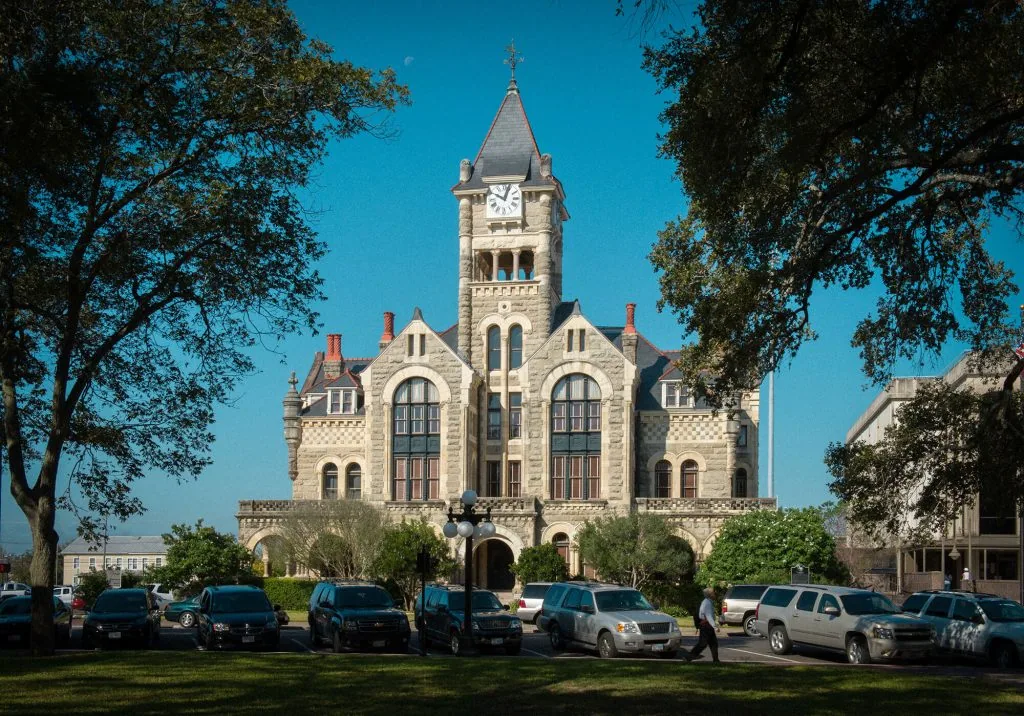
Roof Damage Repair
Commercial roofing in Victoria, TX
Commercial roof damage repair in Victoria addresses wind, hail, heat, leaks, and drainage with documented findings and a defined repair boundary.
Next step
Request a Roof Assessment
Call
555-555-5555
A loose metal edge after a wind event and a leak around a drain call for different checks. We respond to commercial roof damage in Victoria by tracing the reported issue to a roof section, documenting what is visible, and separating immediate protection from permanent repair. The region has documented hail, damaging wind, tropical cyclones, and hot-season exposure. Those events make a timely roof review useful, but a storm record does not establish what happened on one building in Victoria or along the coast near Port Lavaca.
Roof Damage Repair in Victoria, TX
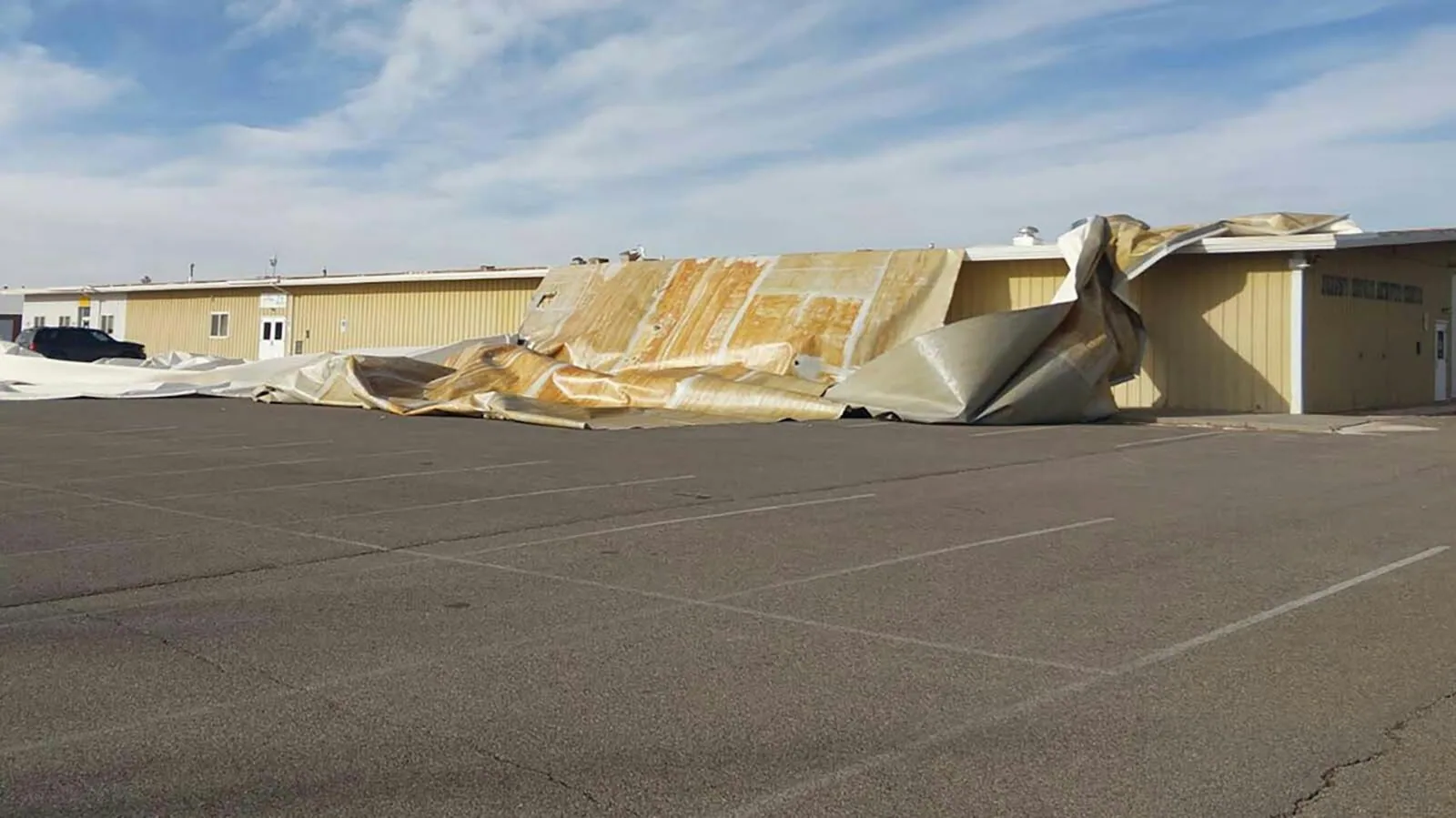
Wind damage roof repair in Victoria starts with safe access, a roof-section map, and repairs tied to observed movement, water entry, and assembly condition.
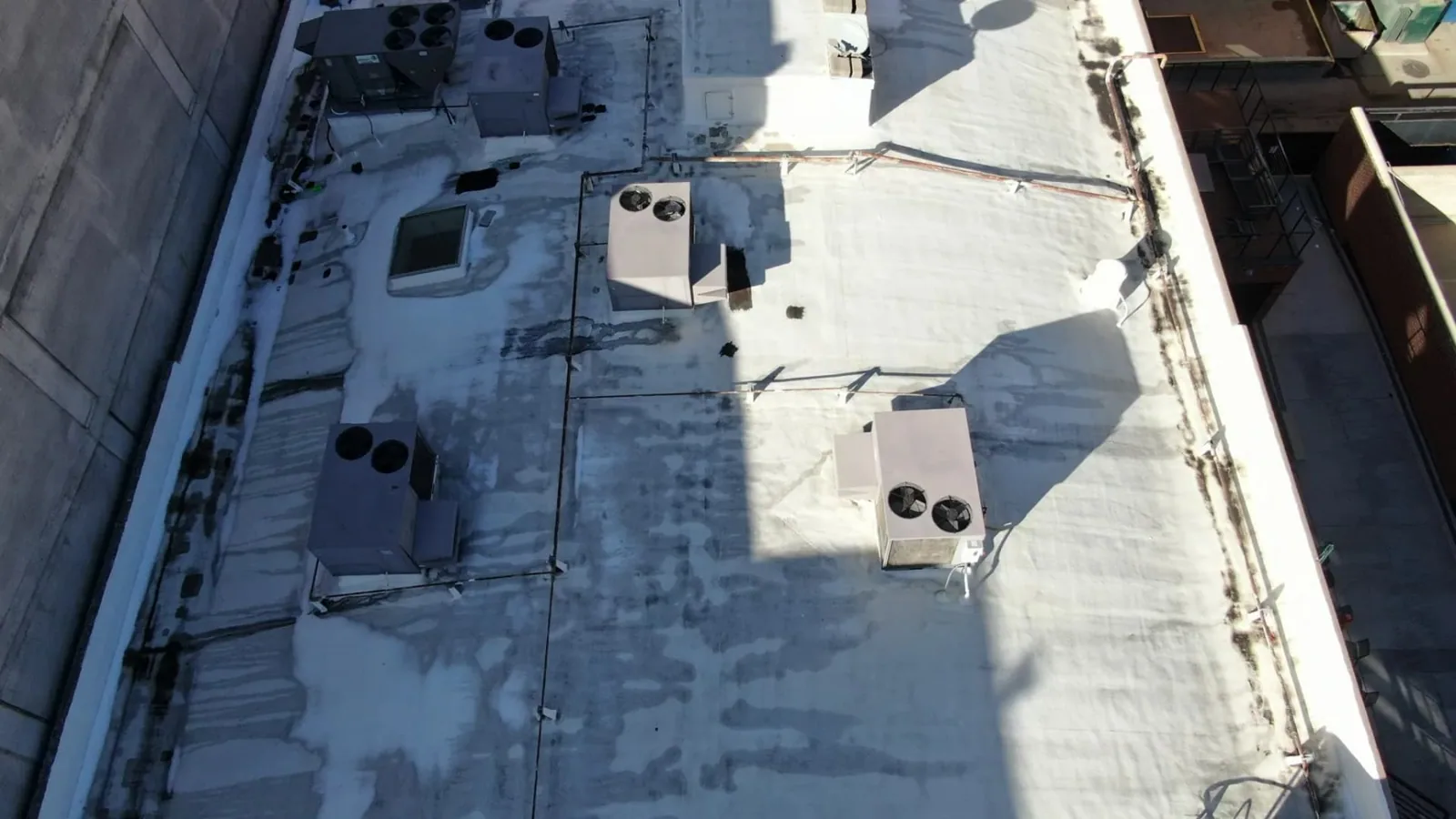
Ponding water roof repair in Victoria traces standing water to drains, slope, deflection, and membrane condition before choosing a corrective scope.
Commercial roof flashing repair in Victoria follows water entry at curbs, walls, edges, and penetrations back to the detail and roof assembly.
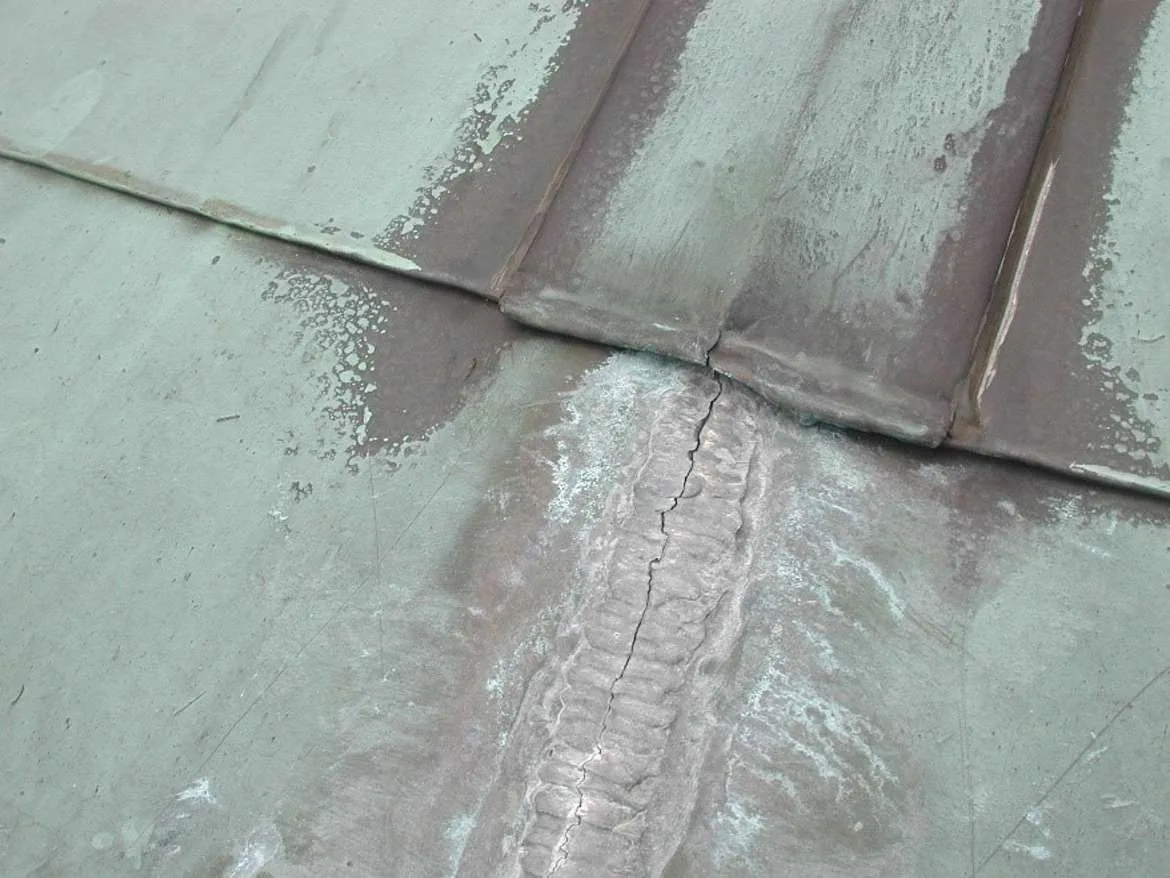
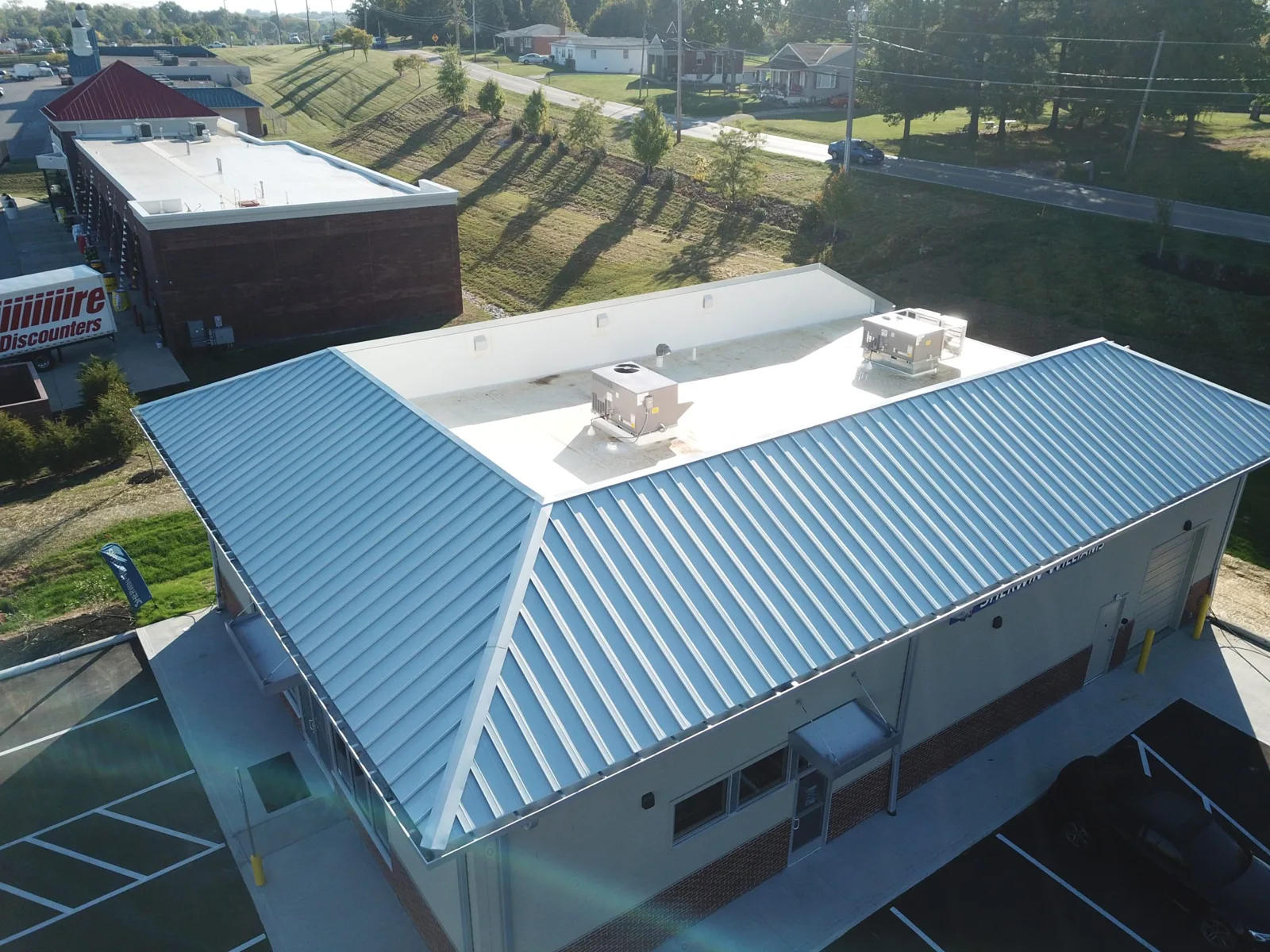
Commercial roof seam repair in Victoria checks lap condition, roof-system compatibility, water entry, and the substrate before defining each repair boundary.
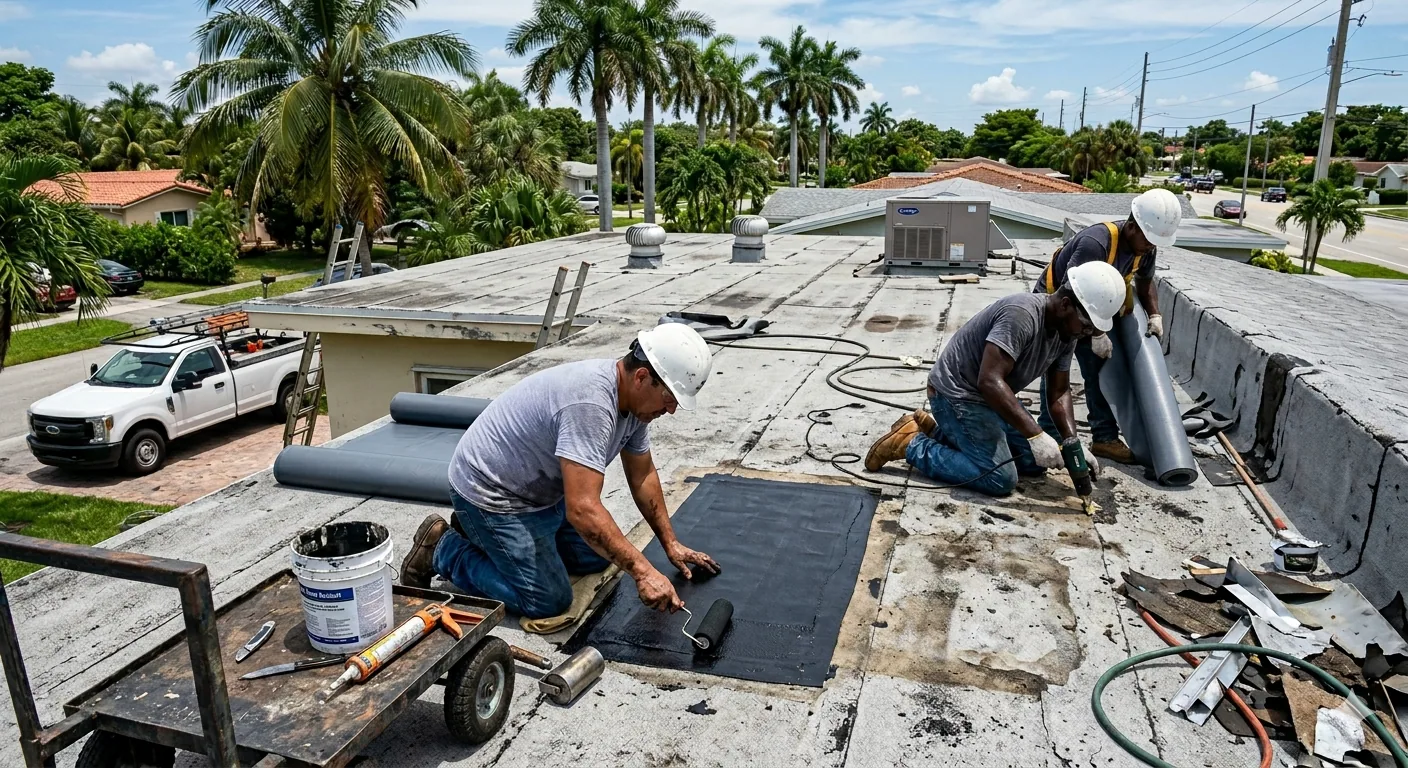
Commercial roof membrane puncture repair in Victoria confirms the opening, checks concealed moisture limits, and ties the patch to a sound compatible surface.
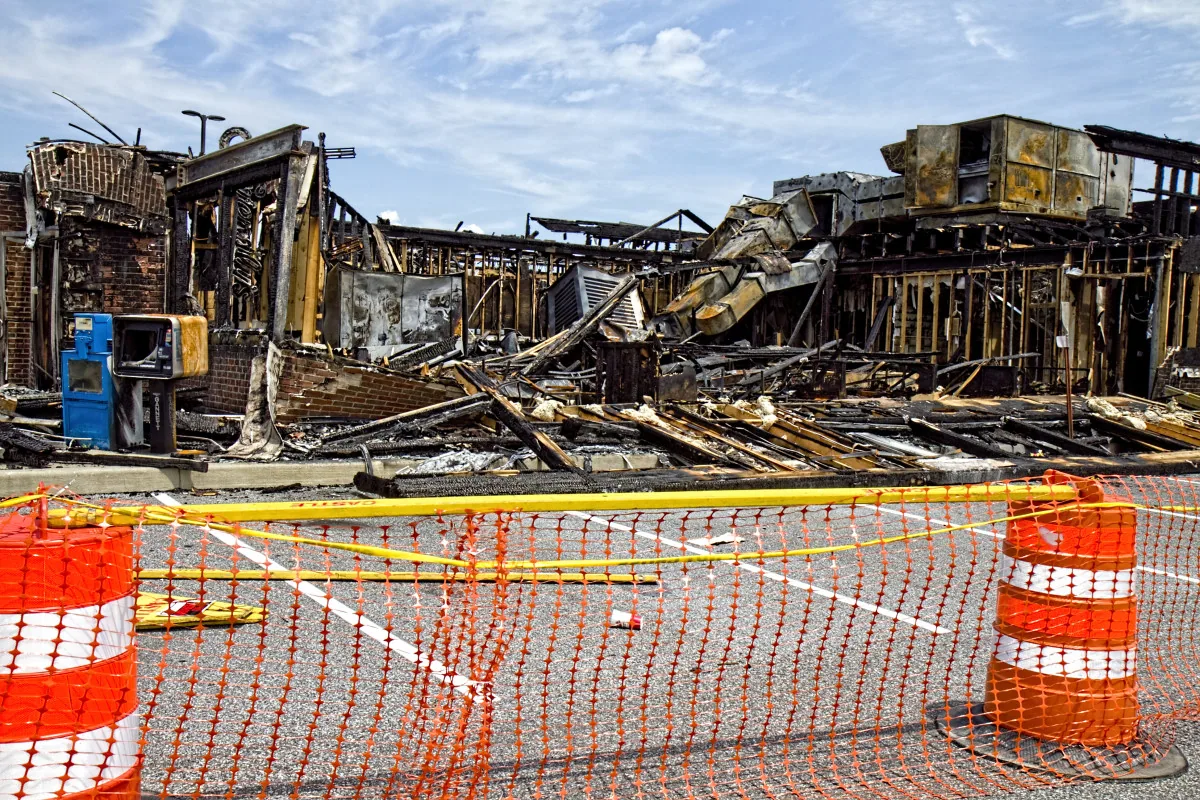
Commercial fire damage roof repair in Victoria begins after site clearance and follows roof, deck, insulation, and interior conditions to a defined scope.
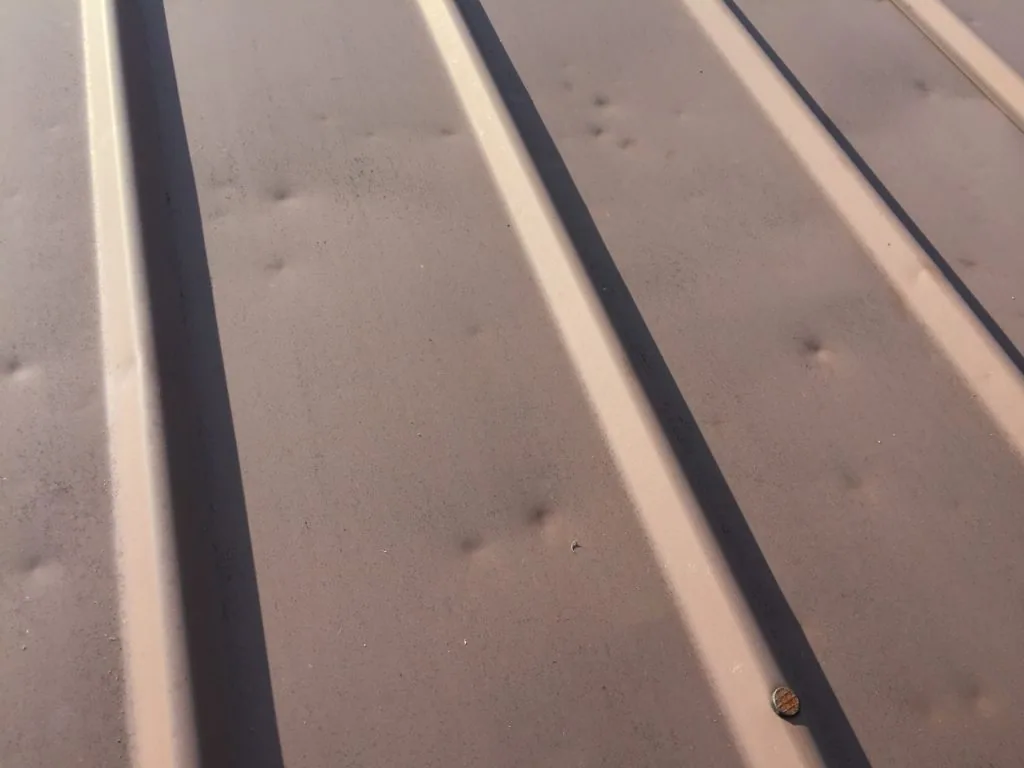
Commercial hail damage roof repair in Victoria documents impact evidence on membranes, metals, and rooftop equipment without treating marks as confirmed leaks.
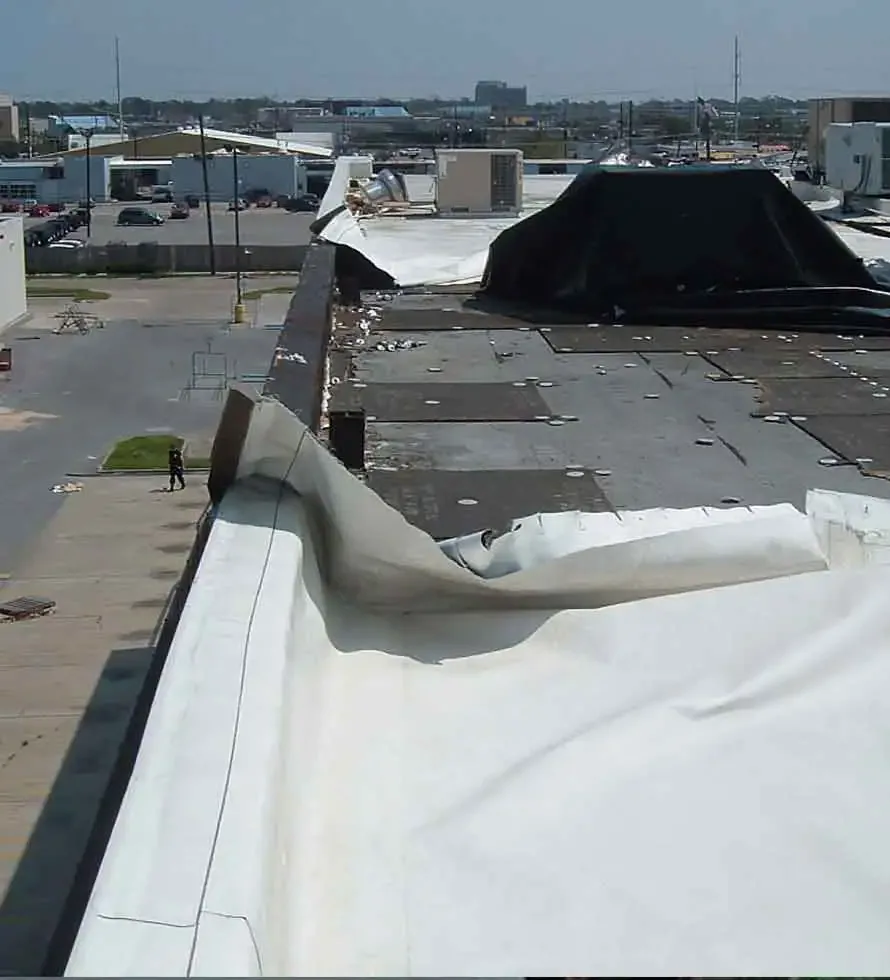
Hurricane damage roof repair in Victoria maps wind and water effects by roof section, coordinates safe access, and documents repairs without guessing at cause.
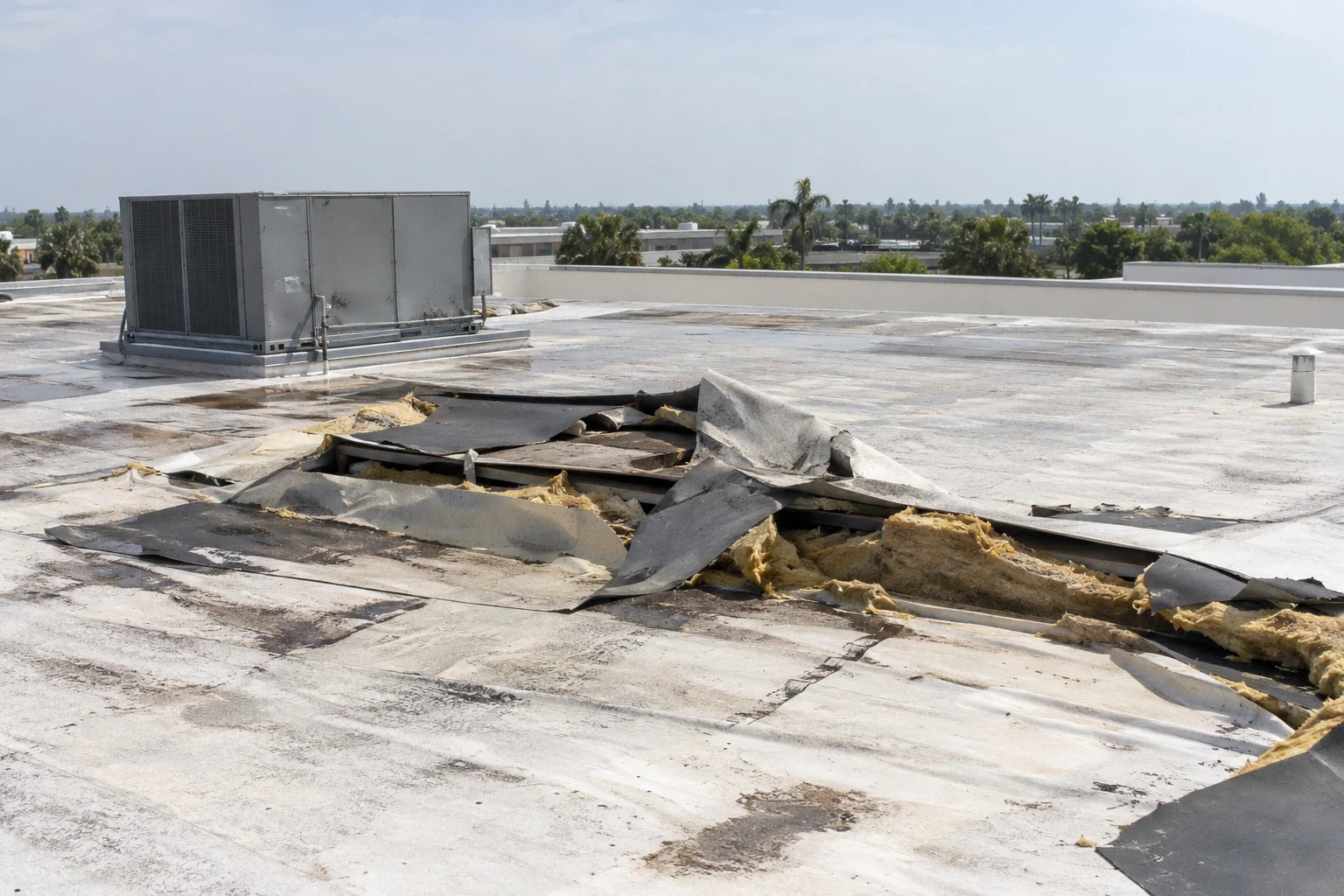
Tornado damage roof repair in Victoria begins with site clearance, structural direction, and a roof-by-roof record of openings, debris, and displaced materials.
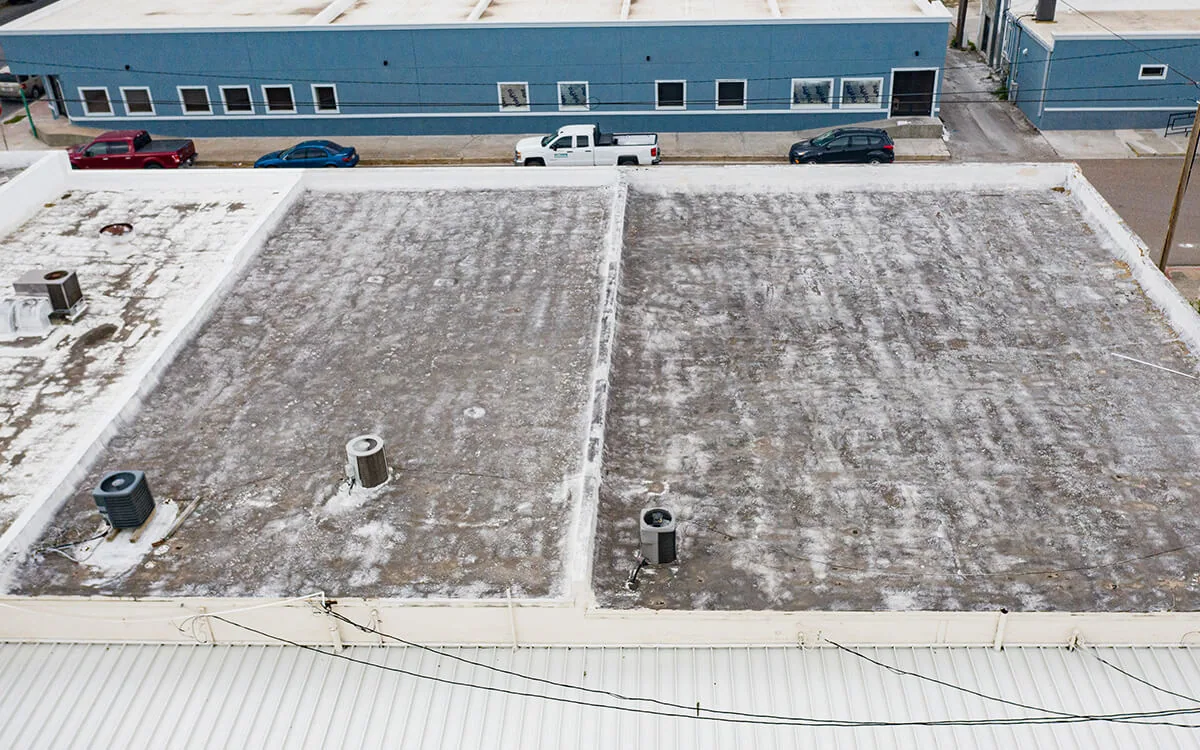
Heat and UV roof damage repair in Victoria checks aging, seam movement, coating condition, and drainage without confusing sun exposure with a confirmed leak.
Emergency response is available day or night, every day of the year. We first confirm safe access, the affected area below, and whether water is entering or material is loose. Temporary protection can limit further exposure while the roof dries or records are gathered. We label that work temporary and return to define a permanent repair after the assembly and damaged boundary can be inspected.
A ceiling stain can be offset from the entry point. We compare the reported room and timing with seams, flashing, penetrations, curbs, drains, and edges above. Where an opening or moisture test would change the scope, its size, protection, and restoration are agreed before the roof is disturbed. A commercial emergency visit can establish safe next steps without treating an initial response as a complete roof survey.
Protect active leakage first
The National Weather Service has reported quarter-size hail and 60-mile-per-hour gusts in central Victoria County. Its historical records also include hail reports in Victoria, while coastal places such as Port O'Connor have hurricane exposure. After a reported event, we photograph dents, punctures, displaced components, open seams, and water entry where visible. The report distinguishes those observations from older patches, corrosion, or wear that may have another cause.
Heat can dry or embrittle exposed materials, and drainage problems can keep water at low areas. We record surface condition, ponding evidence, attachment, and the detail that needs repair. A hail assessment and wind review address different signs of impact. The evidence determines whether the response is a repair, testing, or a broader condition review.
Separate storm impact from prior wear
The written scope identifies the roof zone, surface preparation, repair material, detail to be treated, measured area, and end-of-shift closeout. When concealed deterioration appears, we keep the opening weather-safe and stop at the approved limit. Photos and a measured quantity go to the owner for a decision before the crew resumes. Keep separate line items for temporary dry-in, permanent work, interior protection, and any follow-up inspection.
Repeated failures in several sections may justify moisture testing or replacement planning. A coating or recover requires suitable layers, attachment, drainage, and edge height. At Seadrift, coastal exposure is part of the local setting; at an inland industrial property, process and access limits may drive the sequence. The actual assembly and site rules still govern the recommendation.
Define the repair before adding work
Closeout photos show the prepared surface, finished tie-in, and the larger roof zone. We record material, date, weather, quantities, access limits, approved changes, and items that remain open. If only the reported area was reviewed, the report says so. That record helps the owner compare a later visit without implying that one repair corrected conditions elsewhere on the building.
Send the property, roof plan, reported damage, access contact, and prior repair documents. We will inspect authorized areas, document the roof details, and explain the repair or testing that the findings support.
Preserve evidence after the repair
Frequently Asked Questions
Do you respond to storm damage outside business hours?
Yes. A technician can be reached every hour of the week, holidays included. The first objective is safe access and temporary water control, followed by a review of the assembly.
Does hail size prove a roof needs replacement?
No. A roof inspection documents impacts, material condition, and whether damage is localized or widespread. Replacement is considered only when field evidence supports that option.
Can you separate new damage from older roof wear?
Dated photographs, prior repair records, and the visible condition help distinguish the observations. We note uncertainty where a cause cannot be established from the roof surface alone.
What if the repair opening exposes more damage?
We secure the area, document the exposed condition, measure added work, and request approval before expanding the repair boundary.
Share the property, roof plan, reported event or leak, access contact, and repair history. We will inspect authorized areas and record the evidence that supports the repair scope.
Call 555-555-5555 or email [email protected].