
Commercial Roof Flashing Repair in Victoria, TX
Roof Damage Repair · Victoria, TX
Commercial roof flashing repair in Victoria follows water entry at curbs, walls, edges, and penetrations back to the detail and roof assembly.
Next step
Request a Roof Assessment
Call
555-555-5555
A leak at a wall, curb, or pipe can begin where flashing meets the roof membrane, even when the open roof field appears intact. Commercial roof flashing repair in Victoria starts by identifying the transition, the material on each side, and the path water may have taken. We inspect the connection, document nearby conditions, and set a repair boundary around the detail that failed rather than applying sealant over every visible joint.
Commercial Roof Flashing Repair
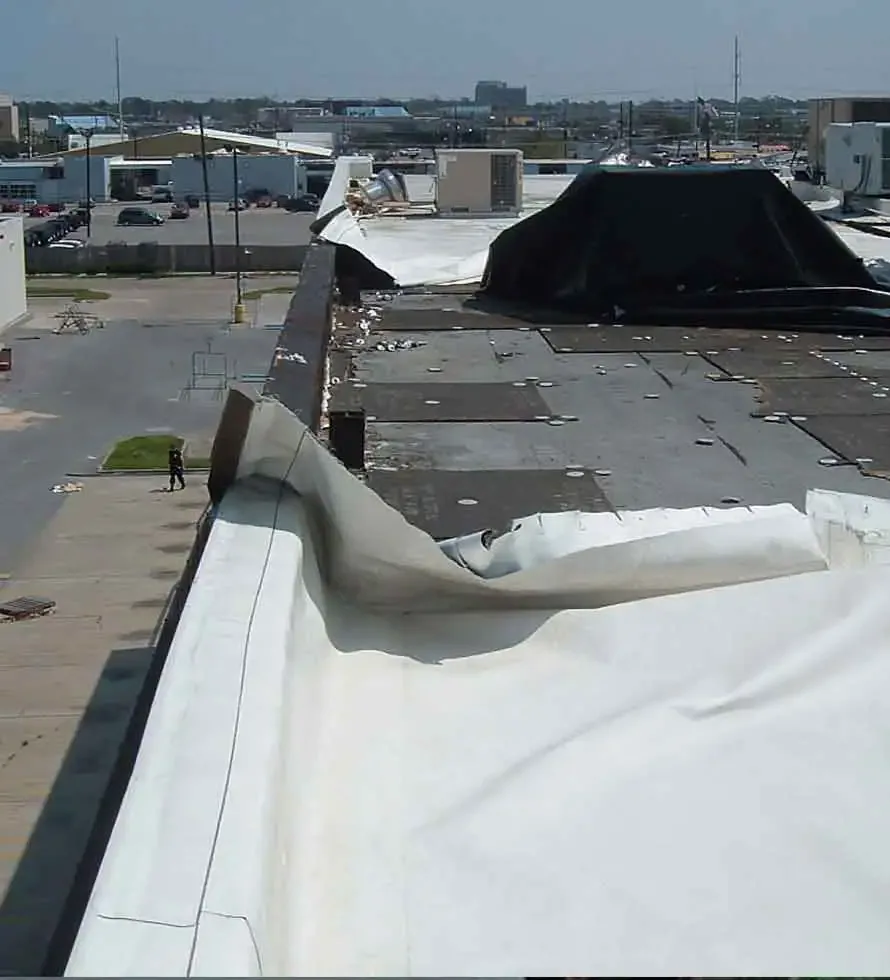
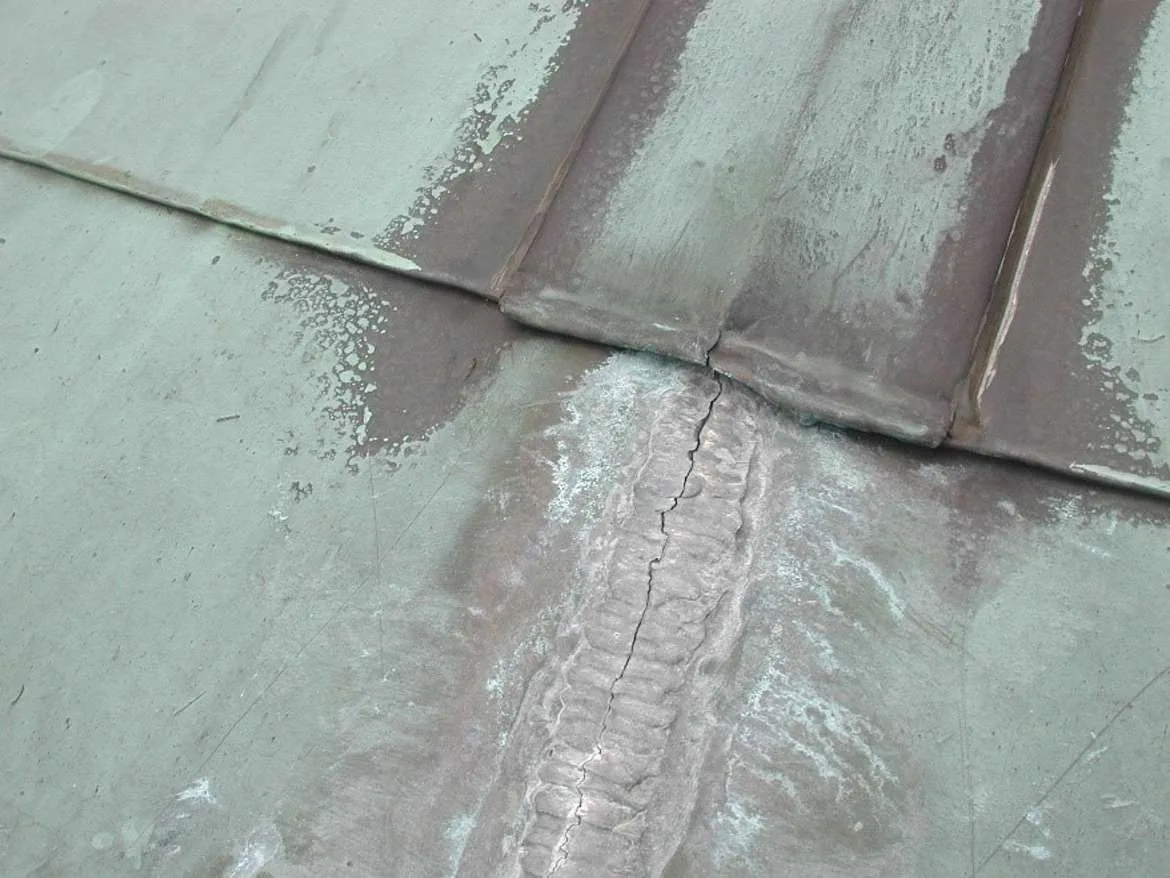
Record the room, date, weather, equipment operation, and any recent roof work. A stain beside an exterior wall may correspond to a termination, coping joint, window opening, or a roof drain farther away. We compare the report with the wall line and roof plan, then check for gaps, open laps, failed sealant, displaced counterflashing, corrosion, or movement around the curb. The observed defect and the suspected water path are listed separately until the evidence supports a clear connection.
On a property group near the North Navarro Street Retail Corridor, roof systems and wall construction can vary from one building to the next. A commercial roof inspection can document each transition before repair pricing. We note whether the detail is accessible, whether interior protection is needed, and whether another trade or building contact must confirm the wall, HVAC, or plumbing connection.
Connect the interior report to the transition
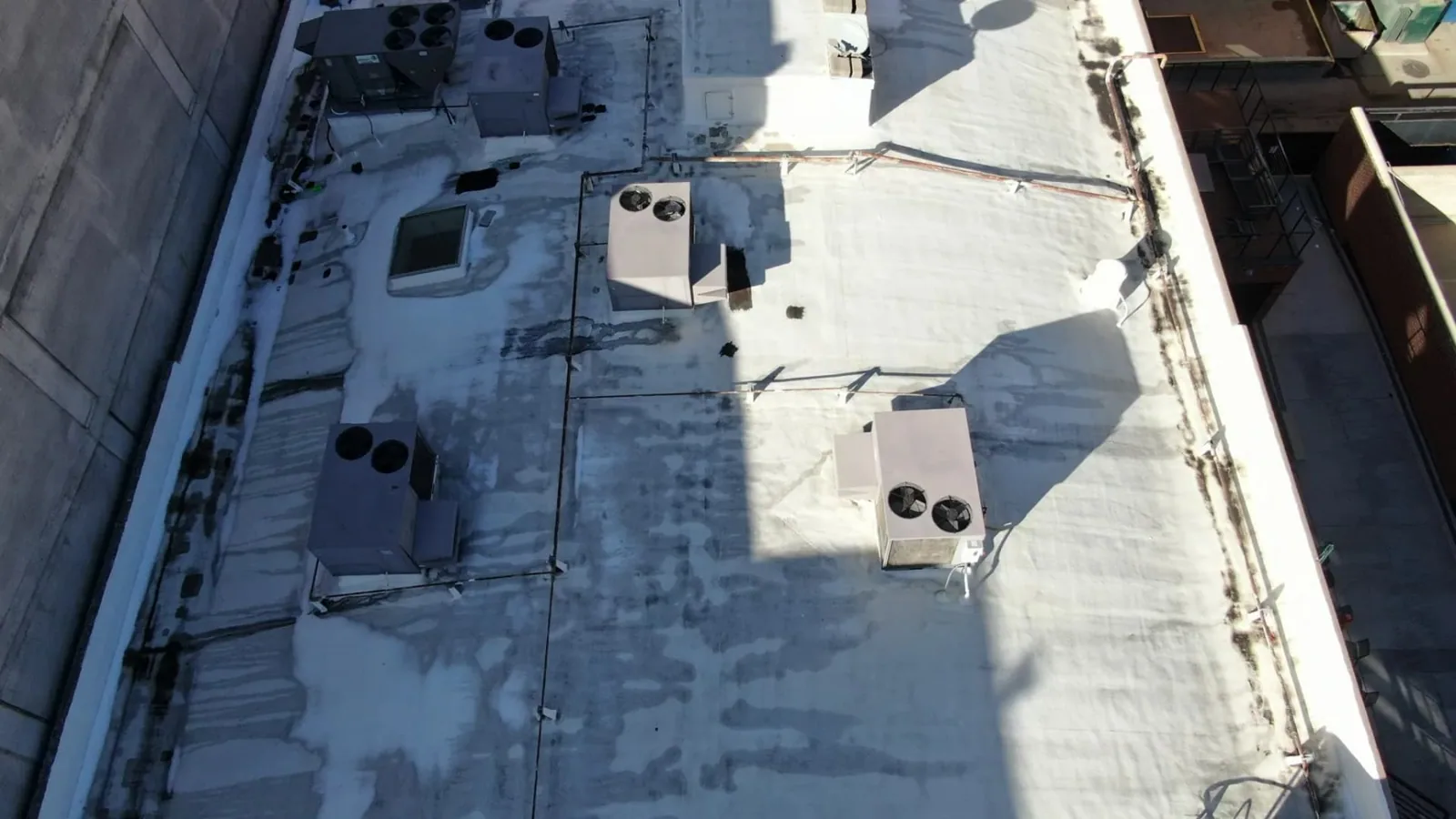
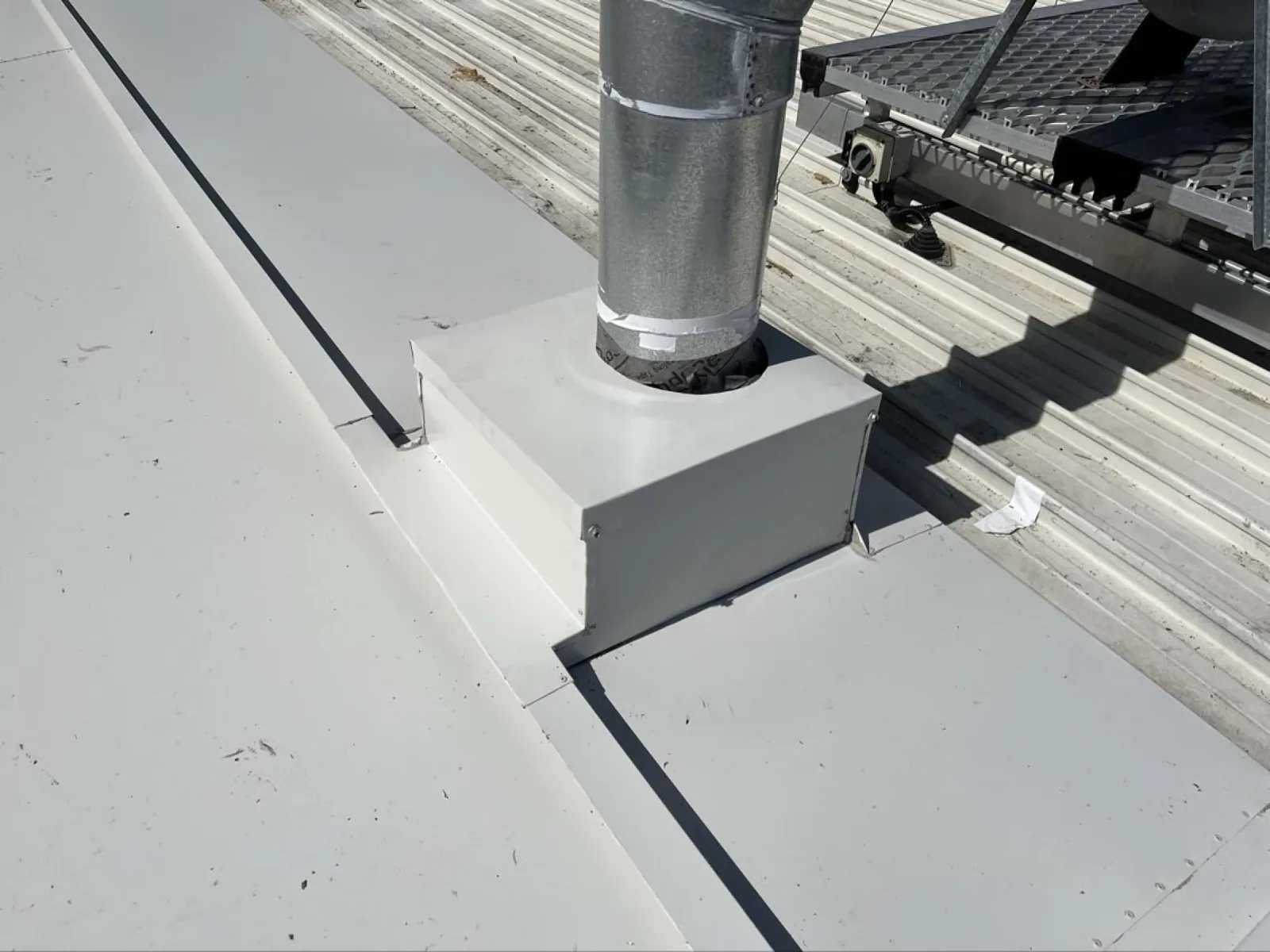
At a curb, we check corners, curb height, counterflashing, fasteners, membrane turn-up, and the transition at the surrounding roof field. At a wall, we look at termination bars, reglets, coping, parapet joints, and the relationship between roof membrane and wall finish. At a pipe or conduit, the boot or pitch pocket must be assessed with its opening, support, and nearby movement in view. We do not assume that a split bead is the only defect or that covering it will restore a durable connection.
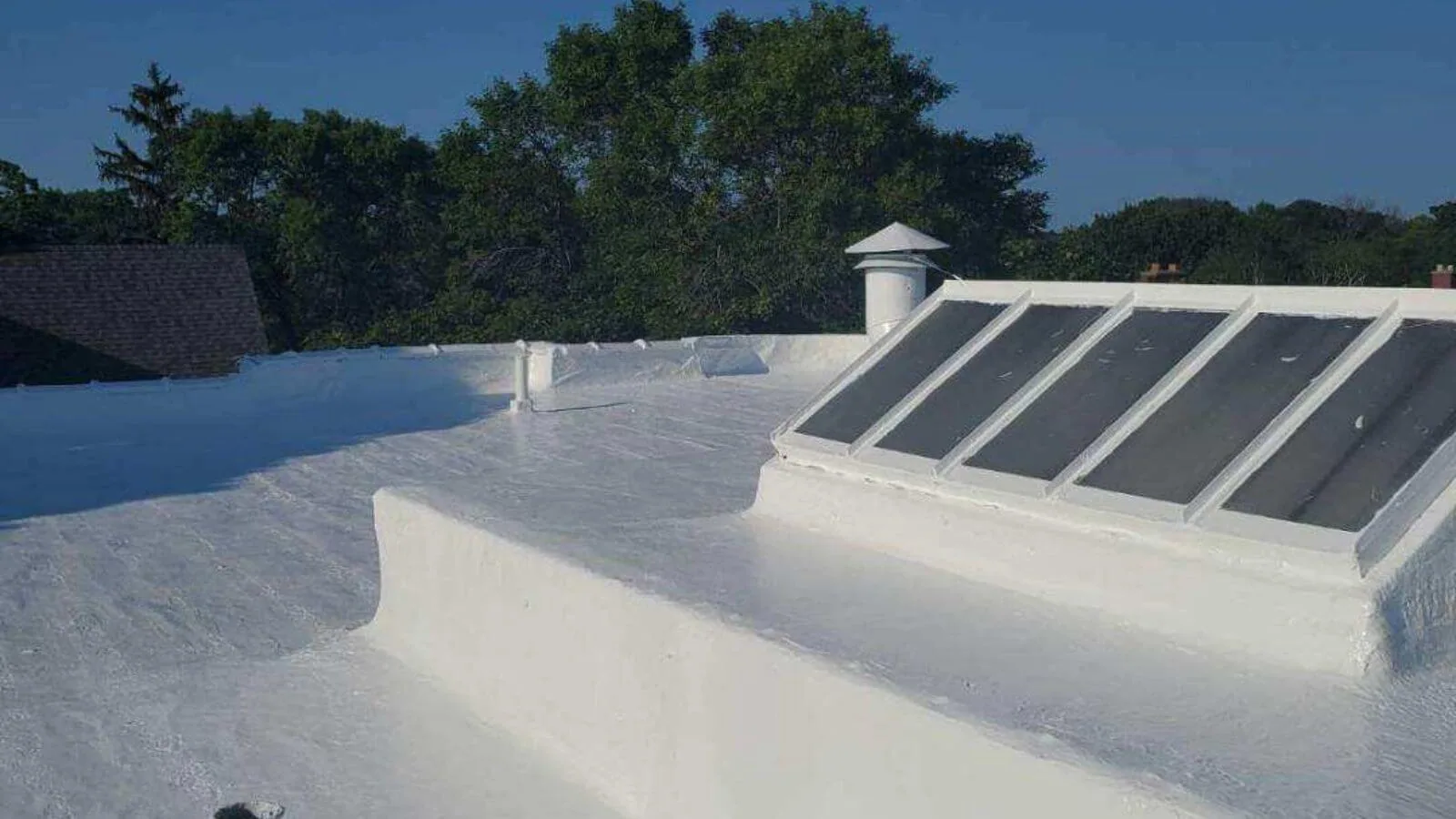
Photographs should show the joint close up and in context so the repair crew can find the same point. If the report involves water near a skylight or equipment curb, compare it with the separate membrane puncture repair scope only when an opening in the field is actually observed. A skylight and penetration flashing inspection may also help document the frame, curb, and membrane connection as one assembly.
Inspect each side of the flashing joint
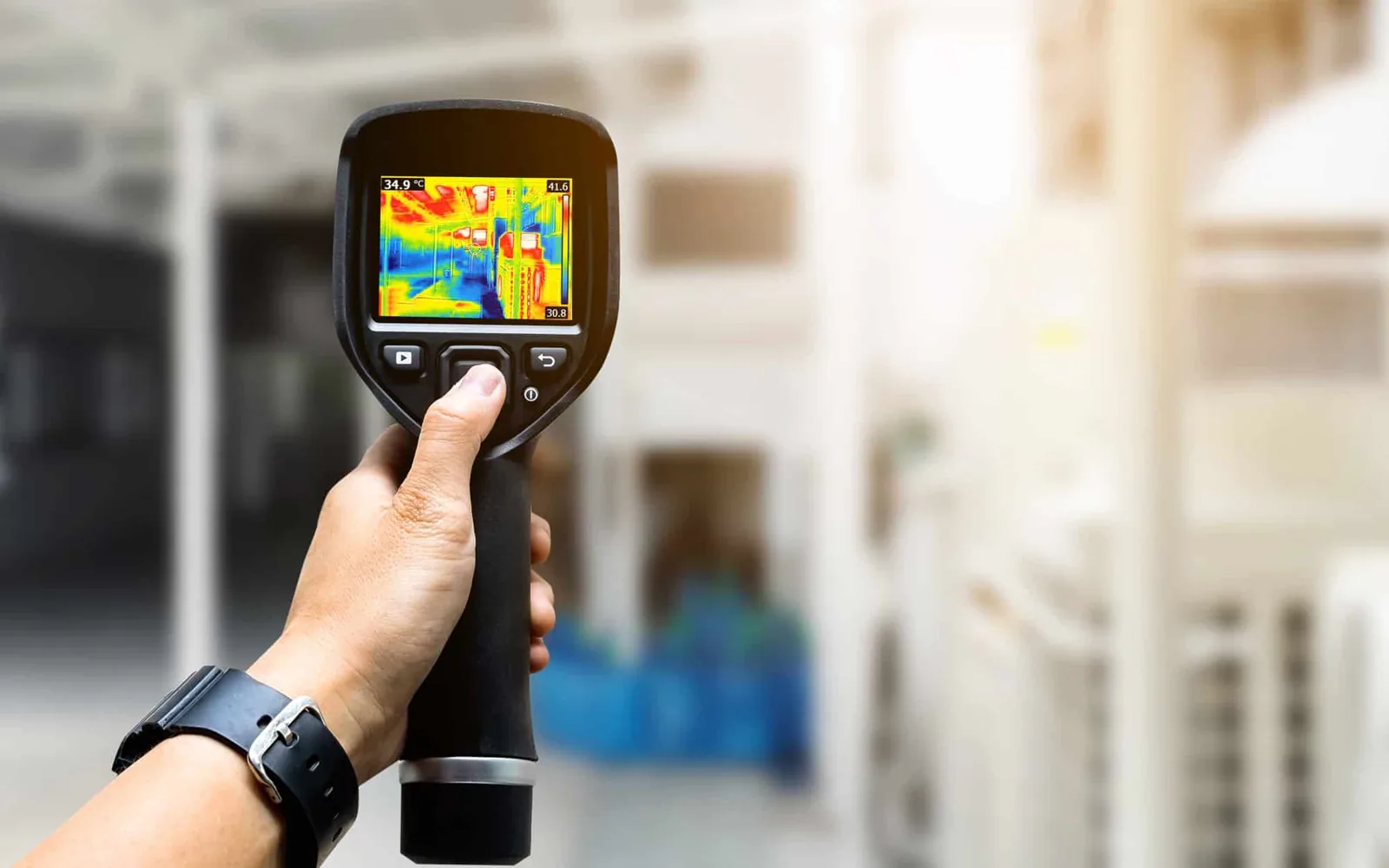
Water can move along a wall cavity, insulation joint, or deck before reaching the interior. We compare leak timing with rainfall and mechanical operation, then inspect likely transitions in a planned sequence. Where safe and appropriate, a controlled test can help isolate a detail, but the test method and limits must be agreed on before water is introduced. We protect sensitive rooms, equipment, and electrical areas and stop if the results could create a hazard or disrupt occupants.
If several transitions are involved, a single patch may only hide one part of the route. The commercial roof leak repair should identify the confirmed opening and any follow-up needed to trace concealed moisture. A Victoria service-area project can involve industrial, medical, school, or office use; the building contact supplies current access rules rather than relying on assumptions about a nearby facility.
Trace water without assuming the stain is overhead
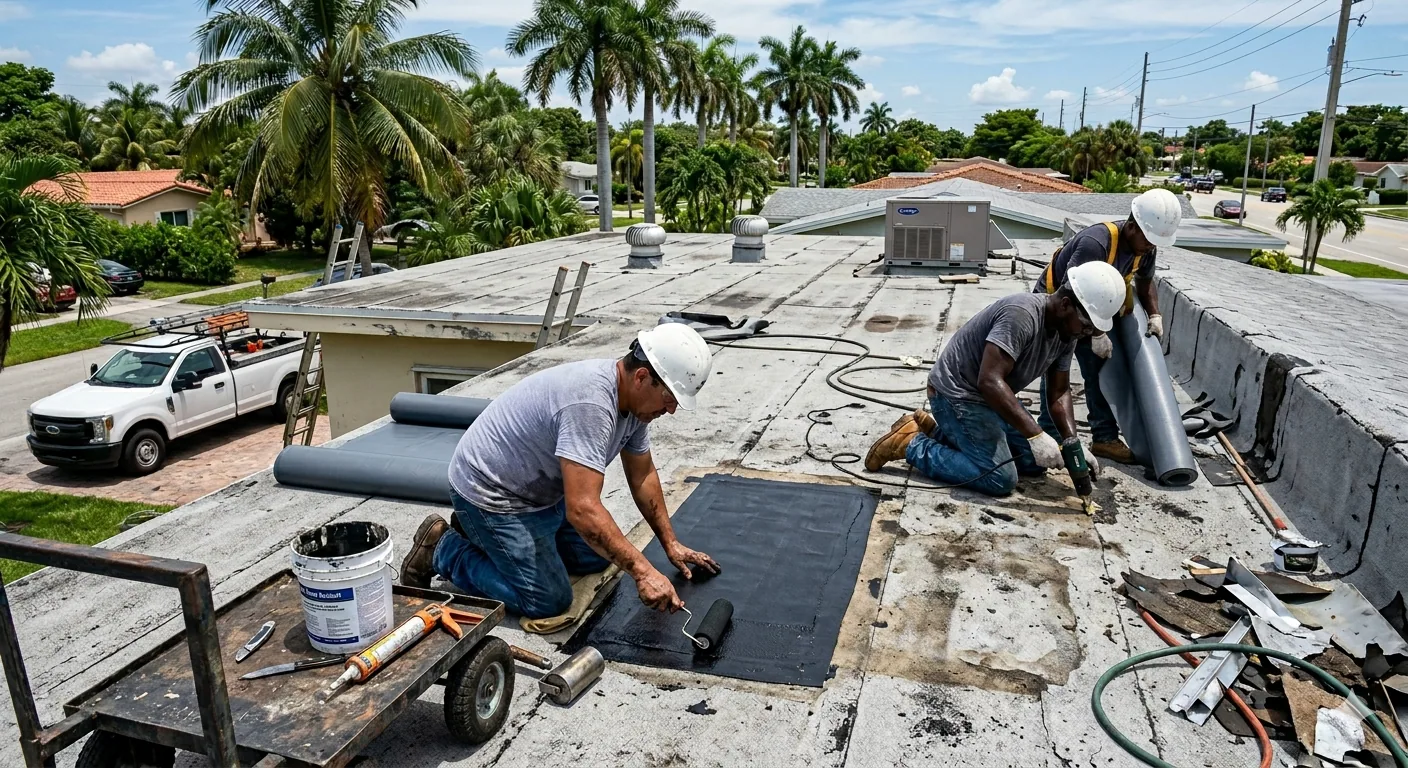
The repair must be compatible with the roof membrane, flashing metal, wall substrate, and existing attachment. We remove failed material to a sound boundary, clean and prepare the surfaces, and make the tie-in using materials that fit the assembly. A surface bead may help at an appropriate sealant joint, but it is not a substitute for missing counterflashing, loose membrane, open fasteners, or a deteriorated curb. The scope describes the exposed components and the work sequence before material is placed.
At a coated roof, the substrate must be clean and suitable for adhesion. At a single-ply or modified bitumen roof, the new flashing needs a reliable connection to the field membrane and compatible reinforcement. When broader assembly condition is uncertain, a TPO roof system review or replacement evaluation may be more appropriate than repeated local patches. A failed seam away from a wall or curb may need a distinct seam failure repair assessment, because the field joint and the flashing transition have different repair boundaries. We explain the condition that makes the larger review useful.
We also check whether the flashing movement follows a loose support, repeated vibration, a change in roof layers, or a wall joint that is moving independently. These observations guide the repair detail but do not establish a structural cause. If the condition suggests movement beyond the roofing materials, the building owner can involve an engineer or the trade responsible for the wall or equipment support. The roofing scope then states exactly where its repair begins and ends.
Prepare the substrate and rebuild the connection
Flashing repairs often require a ladder, lift, roof hatch, or work close to an air intake or occupied room. The facility contact identifies approved access, escort rules, sensitive operations, and the time a room can be protected. We stage material so it does not block a loading lane or public entrance, and we keep removed sealant, metal, or membrane within the controlled work area. If a shutdown or ventilation adjustment is needed, an authorized building representative makes that decision.
At a local industrial site connected to Lone Tree II Industrial Park, a production schedule may shape access, while a school or clinic has its own occupancy controls. Those uses affect coordination, not the technical diagnosis. A roof condition report can preserve the photo, location, and observed defect so the next inspection starts with the same detail.
Victoria’s commercial corridors include office, retail, industrial, and institutional properties. Routes along North Navarro Street Retail Corridor and US 59 can bring different traffic and delivery patterns, but the work plan still needs the building’s own access instructions. We verify the approved staging area and keep public sidewalks, loading access, and marked exits available where required. If access changes after setup, the crew pauses and agrees on a revised route with the site contact before carrying material across another occupied area.
Plan around occupied rooms and rooftop equipment
Closeout records the location and type of flashing, the visible condition before repair, preparation performed, materials installed, and the completed tie-in. Photos should show each corner, termination, and adjacent field condition without concealing limits of access. If the wall or curb itself needs work by another trade, state that dependency and identify what remains outside the roofing scope.
After the area is cleared, the building contact confirms that protection has been removed and any interior condition can be monitored. The report distinguishes a completed repair from a test that could not be performed or a concealed condition that remains unknown. This keeps the next maintenance decision tied to evidence from the transition instead of a generic statement that the roof is fixed.
Confirm the repaired interface
Related Roofing Work
Frequently Asked Questions
Can sealant fix a flashing leak?
Only when the defect is at a compatible sealant joint and the underlying connection is sound. Open metal, loose membrane, or a failed curb may need reconstruction.
Could water appear far from the failed flashing?
Yes. Water may travel along a wall, deck, or insulation before it reaches a ceiling. The roof path and interior report should be compared.
Do you replace every flashing on the roof?
No. We inspect and document the affected details, then define a repair boundary that matches the observed condition and assembly.
What should be ready before the crew arrives?
Provide roof plans, leak timing, access rules, interior protection needs, and any HVAC or wall-system contacts who should join the review.
When is replacement considered?
A broader evaluation is appropriate if damage extends beyond a sound local tie-in or the roof assembly condition is uncertain.
Send the leak location, roof plan, photographs, and access limits. We will inspect the transition and document a compatible repair scope.
Call 555-555-5555 or email [email protected].