
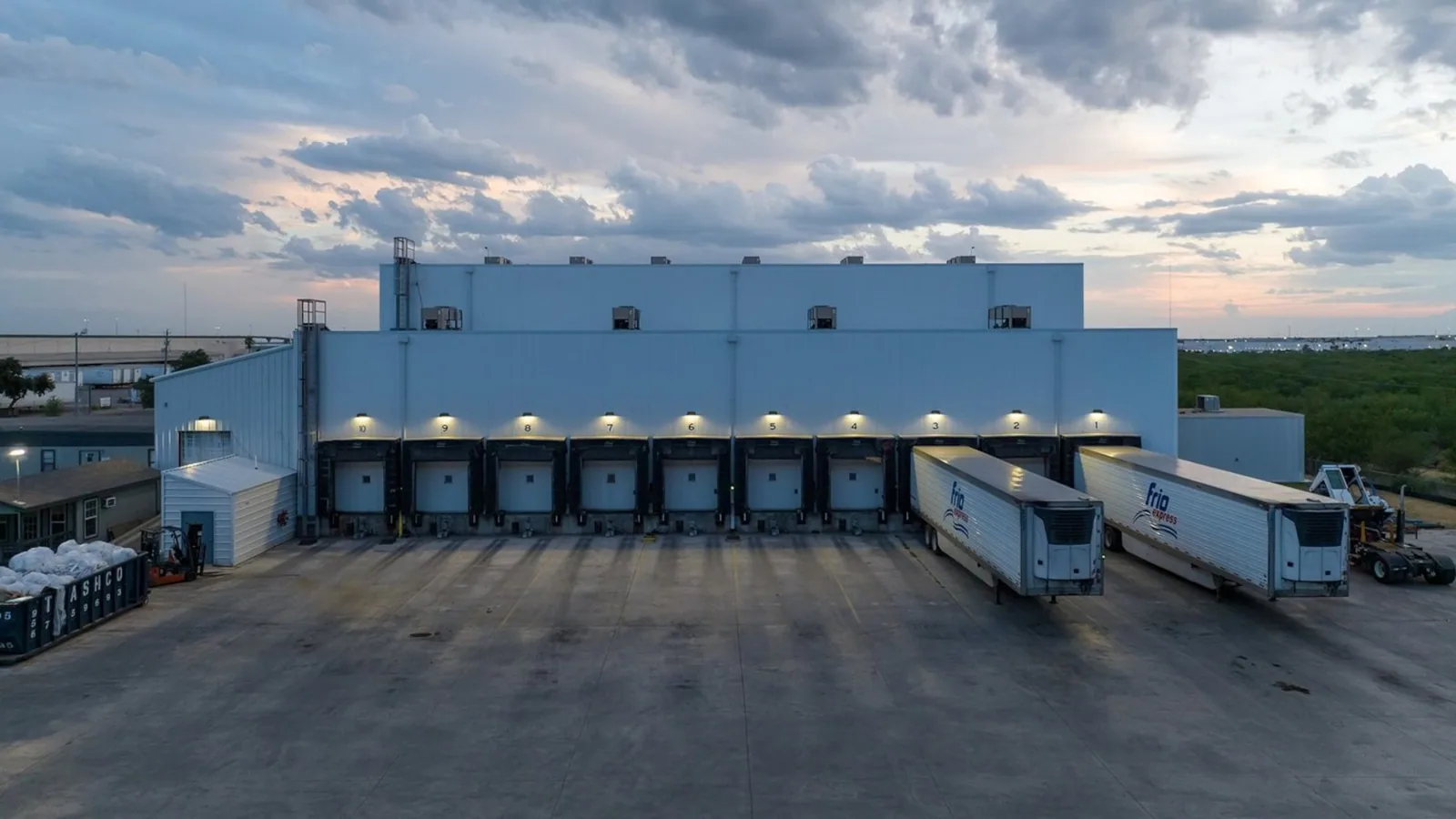
Cold Storage Roofing in Victoria, TX
Property Types We Roof · Victoria, TX
Cold storage roofing in Victoria connects vapor-control details, insulation, drainage, and roof access with refrigerated operations.
Next step
Request a Roof Assessment
Call
555-555-5555
A small gap at a roof penetration can matter more in a refrigerated building than its size suggests. Temperature differences across the assembly can move moisture toward a cold surface, where condensation may damage insulation or create an interior leak. In Victoria’s hot climate, roof and wall transitions need careful review. We map the affected cooler or freezer zone, inspect the roof detail, and coordinate work around refrigeration operations.
Cold Storage Roofing
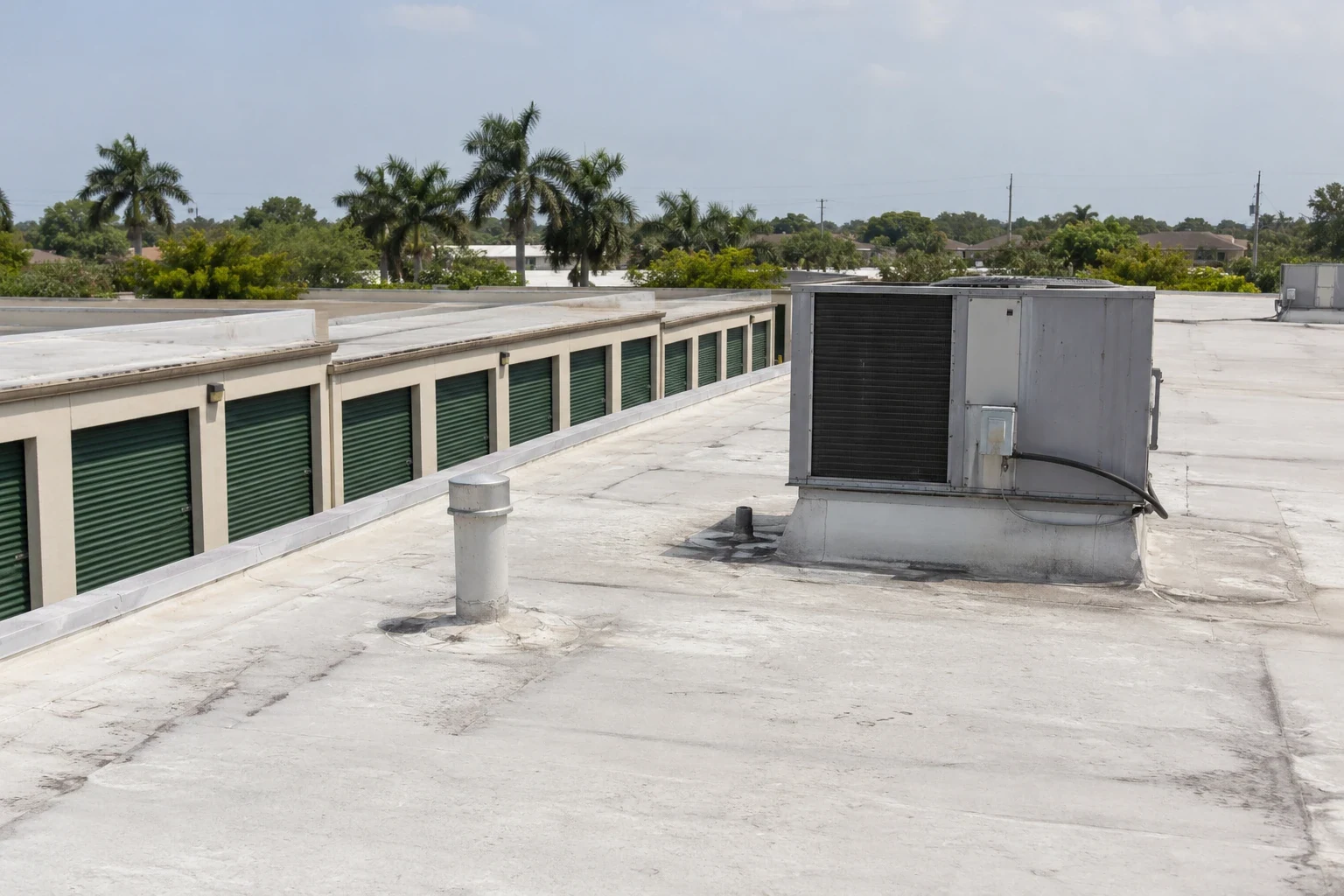
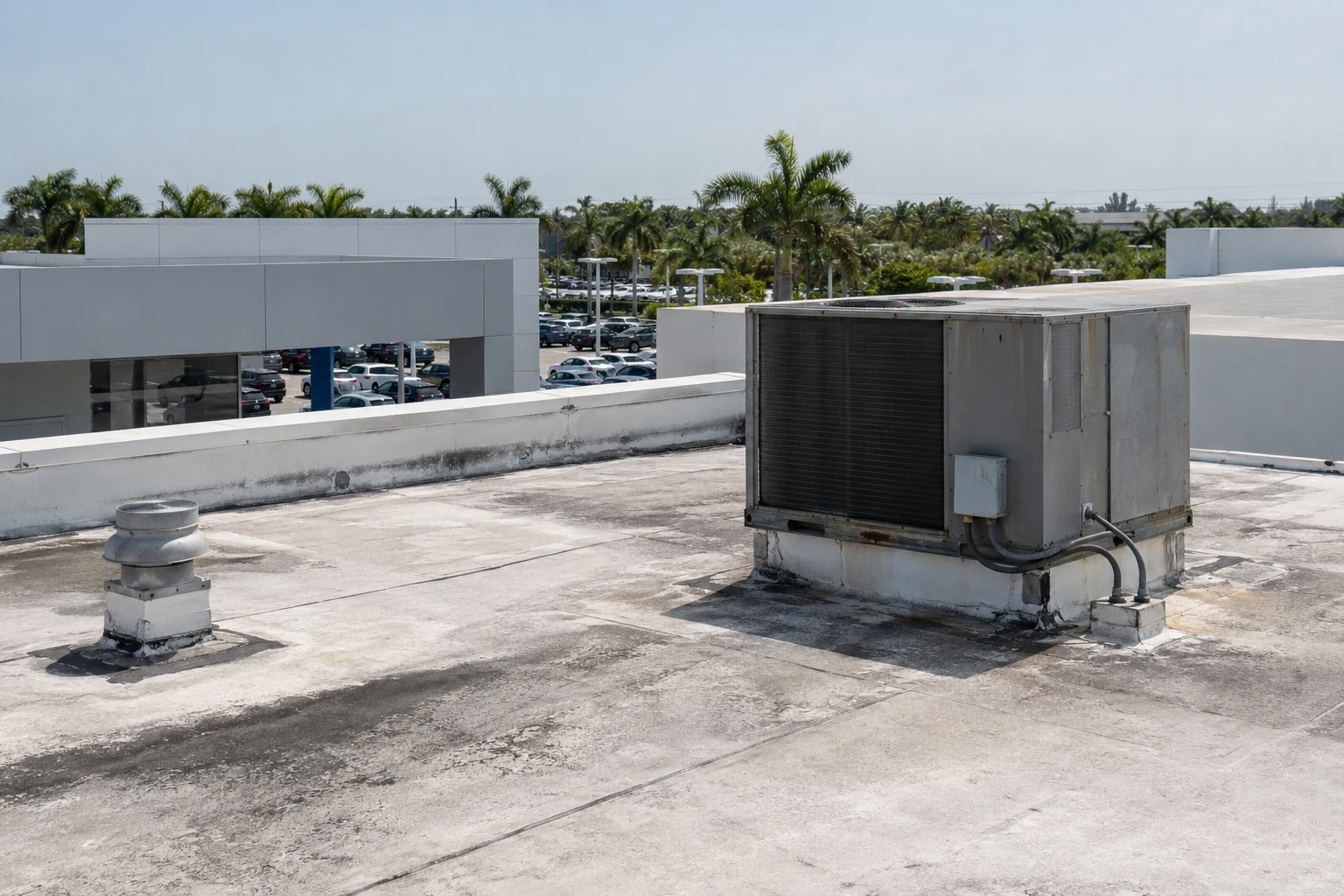
Review the roof plan alongside the cooler layout, freezer zones, roof curbs, wall panel joints, doors, evaporators, and service routes. Confirm which rooms sit below each roof section and where temperature-controlled areas meet office or loading space. A leak may travel within the roof or wall assembly before it appears on the interior surface. Map the reported moisture and compare it with roof-side penetrations, seams, and drains. Compare temperature or humidity records with the leak timing and room location; a change that follows a weather event may help separate condensation from roof entry.
Victoria Regional Airport’s industrial and commercial development areas sit within a city economy that includes logistics and manufacturing. At a cold-storage building, the refrigeration plan identifies temperature-controlled rooms, equipment zones, and access limits that guide the roofing sequence.
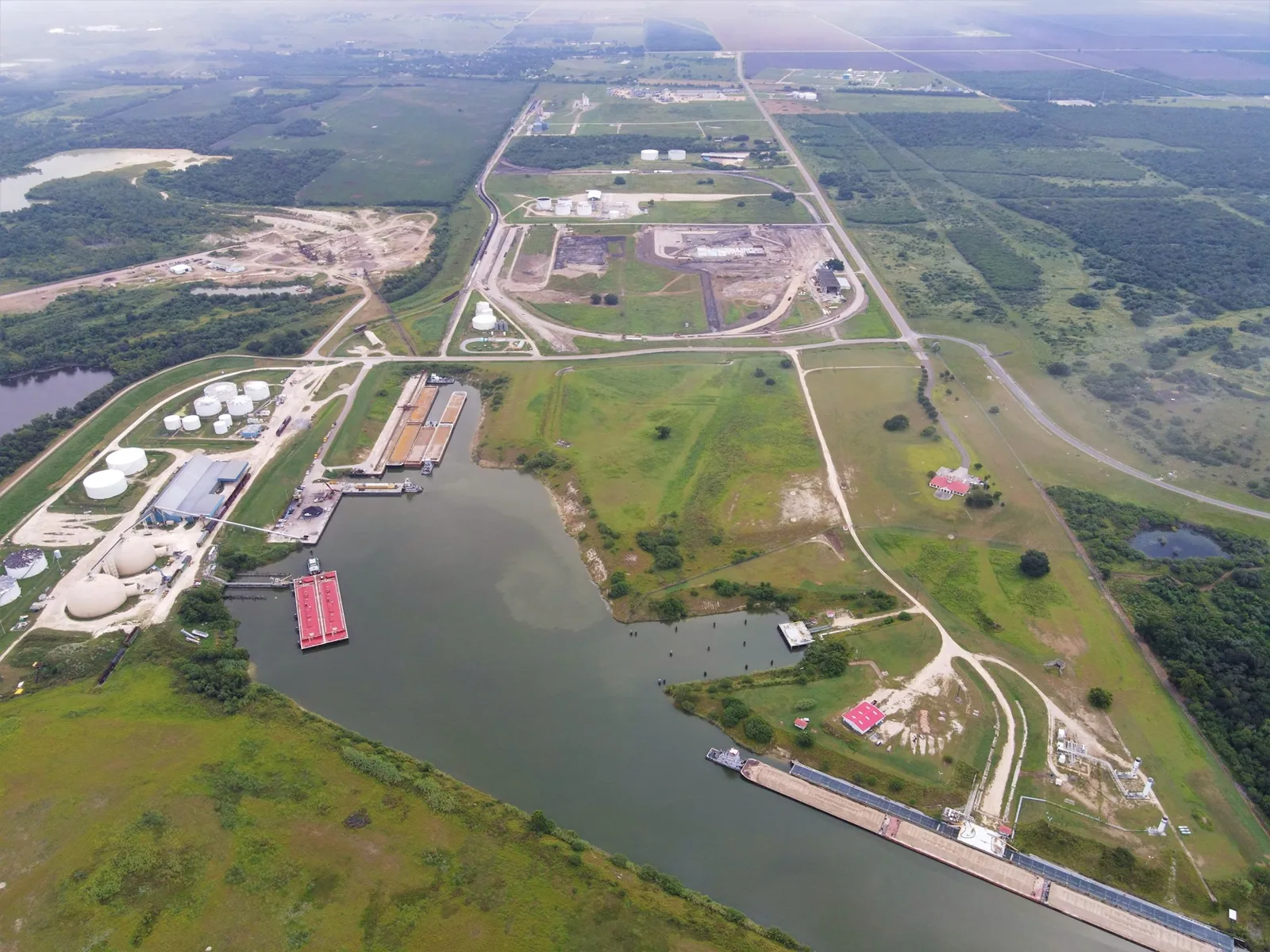
Regional freight links include Port of Victoria Industrial Park South, where water, rail, and highway access support cargo movement. Coordinate any material delivery with the site’s loading windows and keep dock traffic clear. The assigned property contact confirms where a roofing lift can operate.
Connect the roof to the cold-room boundary
Separate roof leakage from condensation by reviewing weather, room conditions, recent refrigeration work, and the location of moisture. We inspect seams, curbs, roof penetrations, and the warm-side transition where the building envelope changes. A wet patch may come from a roof opening, a vapor-control discontinuity, or a mechanical issue. The report identifies what can be confirmed and where the refrigeration or building-envelope specialist should review further.
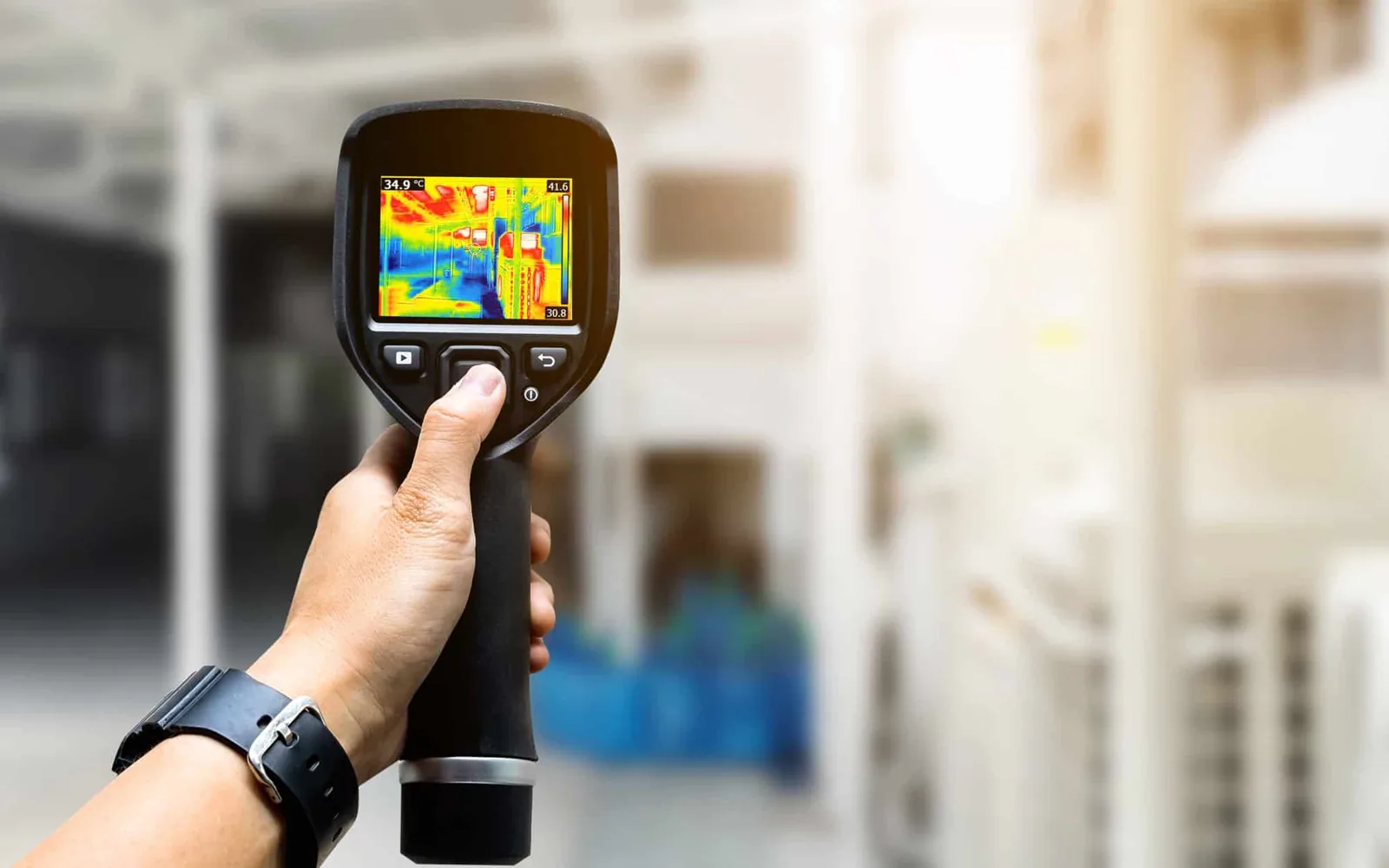
Moisture in insulation can reduce its performance and affect attachment. If a survey indicates an area of concern, test or selectively open it when authorized. An infrared moisture survey can help prioritize investigation, but the reading must be interpreted with the roof construction and interior conditions. We confirm wet layers and the approved repair scope before closing the assembly.
A cold-room roof also needs consistent insulation around curbs and perimeter transitions. The roof height, wall panel connection, and equipment clearance all influence the detail. If a repair changes the layer thickness, review the adjoining flashing and vapor-control connection before installing the final membrane tie-in.
Investigate condensation and wet insulation
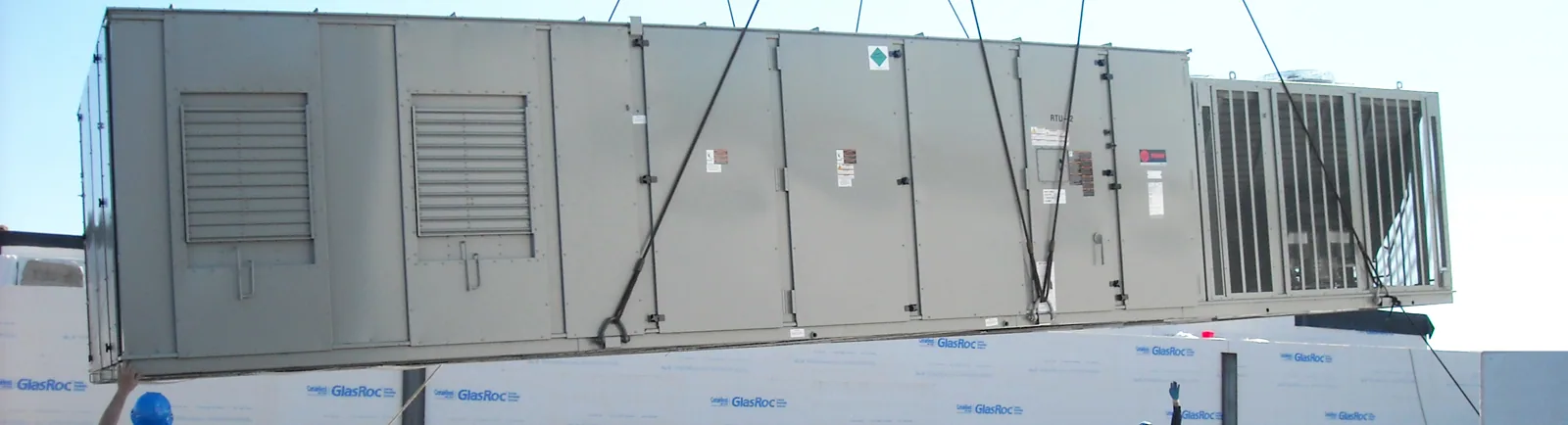
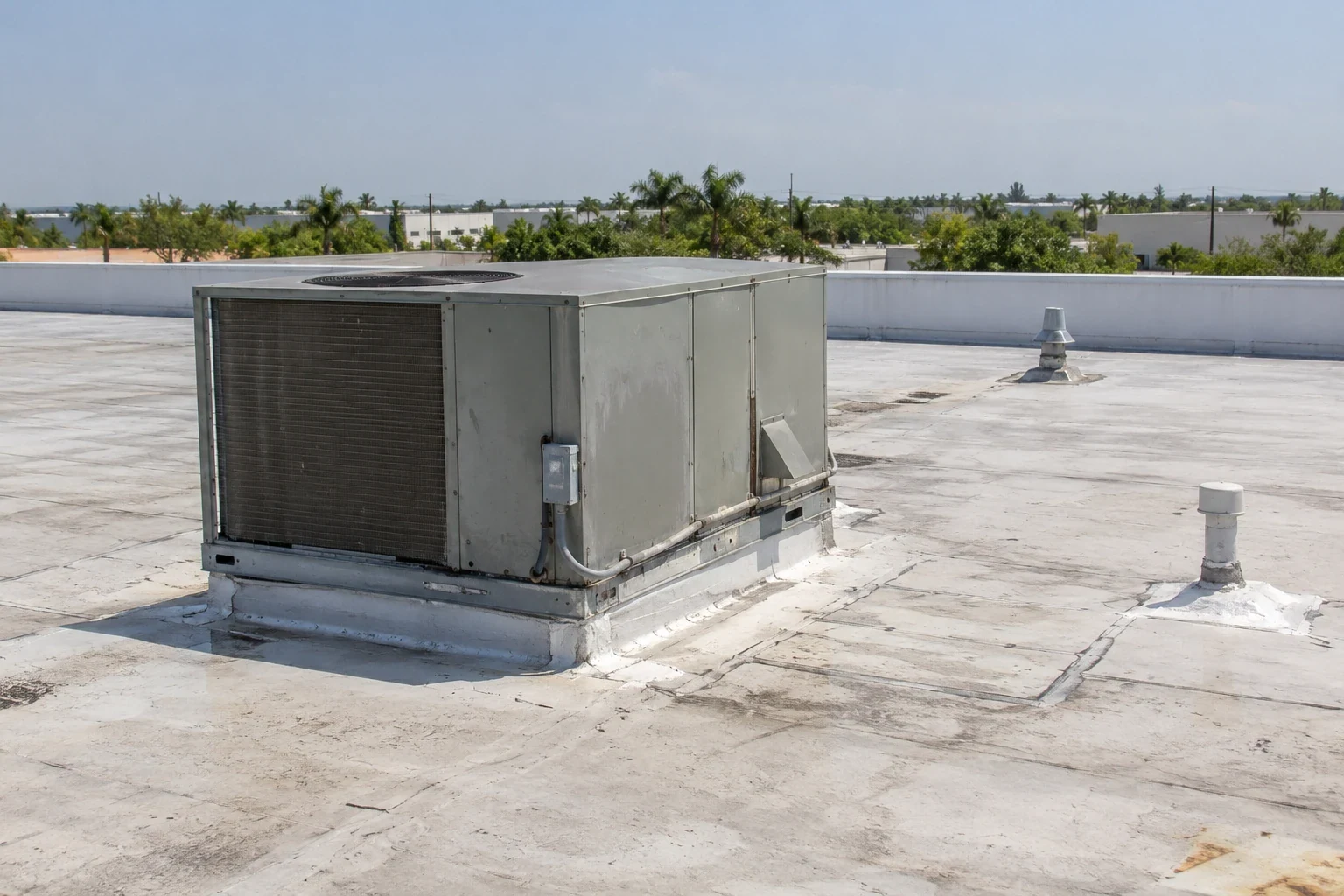
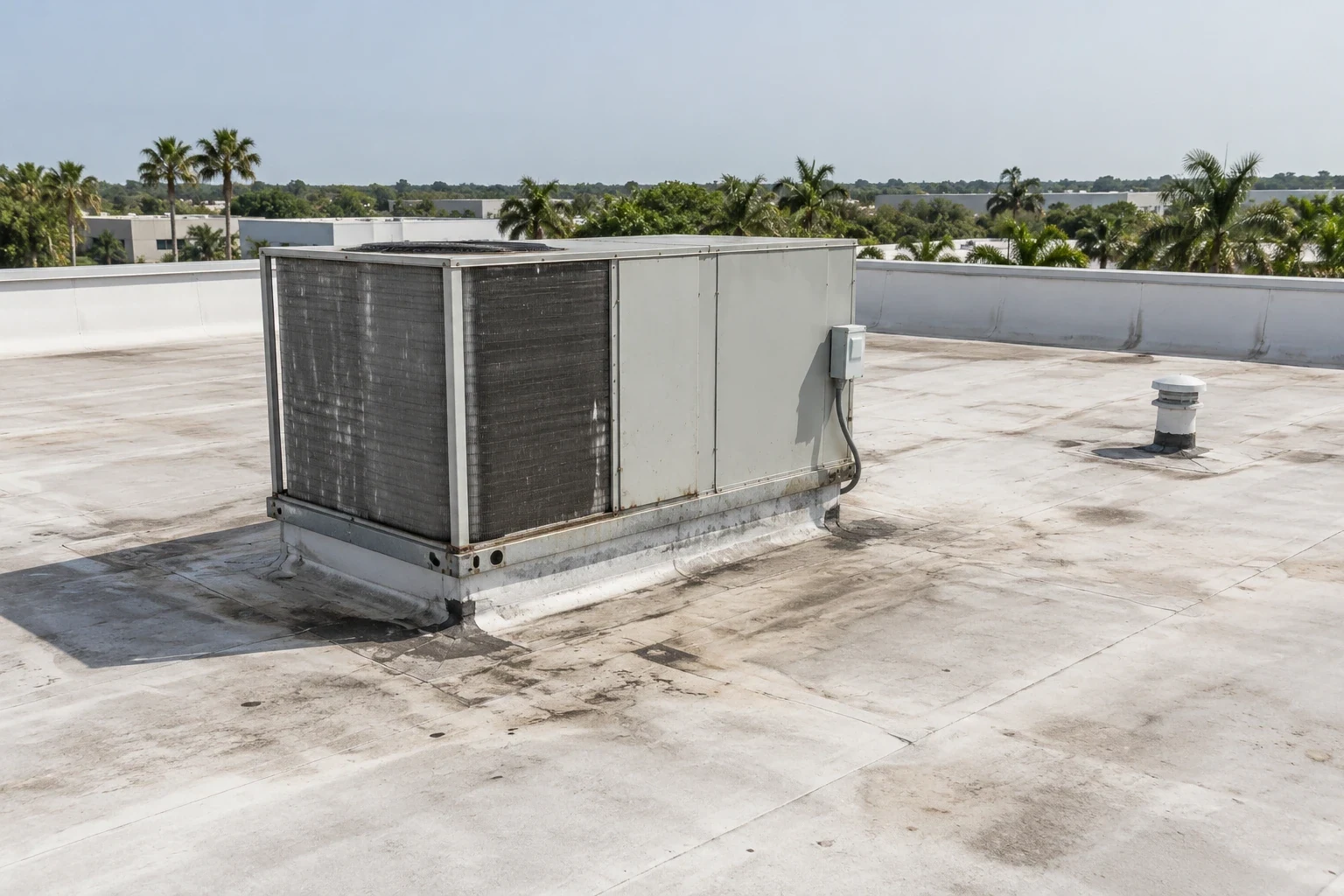
Roof-mounted condensers, exhausts, pipes, and electrical routes interrupt the roof plane. Inspect curb corners, flashing, sealant where specified, and the membrane connection. Refrigeration equipment may need to stay in service, so the plant contact and mechanical contractor decide shutdown and isolation. Roofing work protects the opening and restores the roof tie-in, while the mechanical trade controls the equipment.
A curb and support review can identify movement or load at the roof interface. We check that support feet do not compress or cut the membrane and keep service paths accessible. Where several units share a roof, tag them by cooler zone and preserve the same identifiers in the repair record.
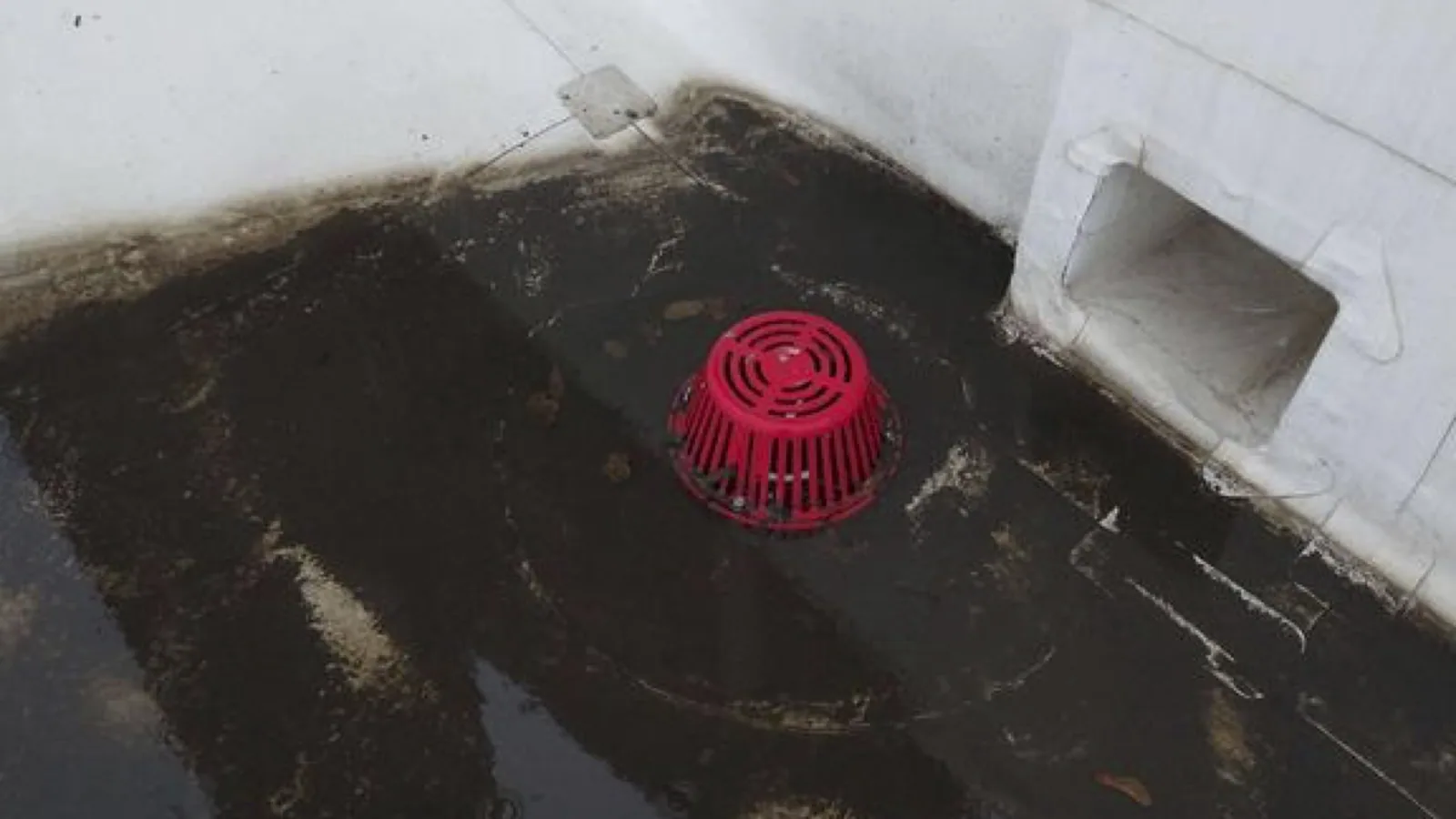
Drains and scuppers should remain open and connected to the correct outlet. A blocked bowl may look like a roof leak when water backs up at the low point. A drain inspection checks the accessible throat and membrane transition; concealed piping may require another trade. Keep temporary materials away from overflows and discharge points.
Protect penetrations, drains, and equipment bases
The roof system must connect to the cooler’s vapor-control and insulation strategy. We identify membrane type, insulation, cover board, attachment, and deck before proposing repair or replacement. A roof detail that seals only the outside surface may not restore a discontinuous vapor-control layer at the interior transition. Use the project documents and design professional’s direction for the complete assembly.
For a warehouse with both ambient and refrigerated space, mark the boundary between zones. The warehouse roof scope can share drains or membrane sections, but the cold-room boundary may need a separate inspection and repair detail. A distribution facility with loading and freezer areas can also benefit from a zone-based roof plan that distinguishes docks, storage, and temperature-controlled rooms.
Where insulation is wet or the deck has deteriorated, a surface patch will not restore the full envelope. We document layer conditions and the repair limit, then coordinate any needed mechanical or interior work. The scope should state if the roofing contractor can access the vapor-control joint or if another specialist must complete that part.
Match insulation and membrane to the envelope
Before opening a section, confirm cooler operations, stored product protection, indoor monitoring, air-intake controls, and who can authorize a shutdown. Keep the exposed roof area small enough to protect by shift end. If a concealed wet area expands the scope, pause, photograph it, and obtain direction before removing more insulation. The facility manager should know which zones need temperature monitoring while work is underway.
Victoria’s hot-season weather brings high outdoor temperatures and periods of heavy rain. Schedule the roof work with current conditions and system requirements, not a generic seasonal window. If rainfall approaches, close the active area or install approved temporary protection. Keep refrigeration doors and dock paths clear while materials arrive and roof access is restricted.
For facilities near Lone Tree II Industrial Park or the Port of Victoria logistics area, confirm each delivery route with the building contact. Local industrial access is not a substitute for a site safety plan. A phased reroof schedule can align roof sections with receiving and refrigeration-service windows.
Schedule work around refrigeration and inventory
Closeout identifies the roof section, cooler or freezer zone below, insulation and flashing work completed, and any condition left unconfirmed. Photographs show the roof detail and relevant transition. Note tests, openings, and repair materials used, plus any remaining mechanical or vapor-control task. Keep the property contact informed if monitoring is recommended after the repair.
Store roof plans, refrigeration layout, service changes, and repair photos together. A maintenance check can revisit penetrations, drainage, and earlier seam repairs. The record should identify where cold and ambient spaces meet, since later unit changes can affect the same roof boundary.
For cold-storage roofing in Victoria, provide roof and cooler plans, leak or condensation reports, equipment restrictions, inventory protection needs, and access windows. We will map the envelope transition, identify what can be confirmed from the roof, and coordinate testing or trade support where the repair requires it.
Leave a record tied to each temperature zone
Related Roofing Work
Frequently Asked Questions
Can moisture in a freezer ceiling come from condensation?
Yes, but a roof leak or mechanical issue may look similar. We compare the roof detail, interior conditions, and refrigeration work before identifying the next test.
Can a roofer work while refrigeration is operating?
Often, if access, interior protection, and the equipment work zone are approved. The site and mechanical contacts determine whether a shutdown is needed.
Why does a roof penetration matter in a cold room?
It interrupts insulation and vapor-control layers as well as the roof membrane. Each curb or pipe needs a compatible detail through the assembly.
Should wet insulation be covered with a new membrane?
Not without defining the moisture boundary and approved repair. Testing or a selective opening may be needed to confirm which layers should be removed.
What should I provide before a cold-storage roof review?
Share the cooler plan, roof layout, temperature zones, moisture reports, equipment schedule, and safe access rules.
Provide cooler and roof plans, moisture reports, equipment limits, and inventory protection needs. We will inspect the envelope transitions and coordinate the roof scope with facility operations.
Call 555-555-5555 or email [email protected].