
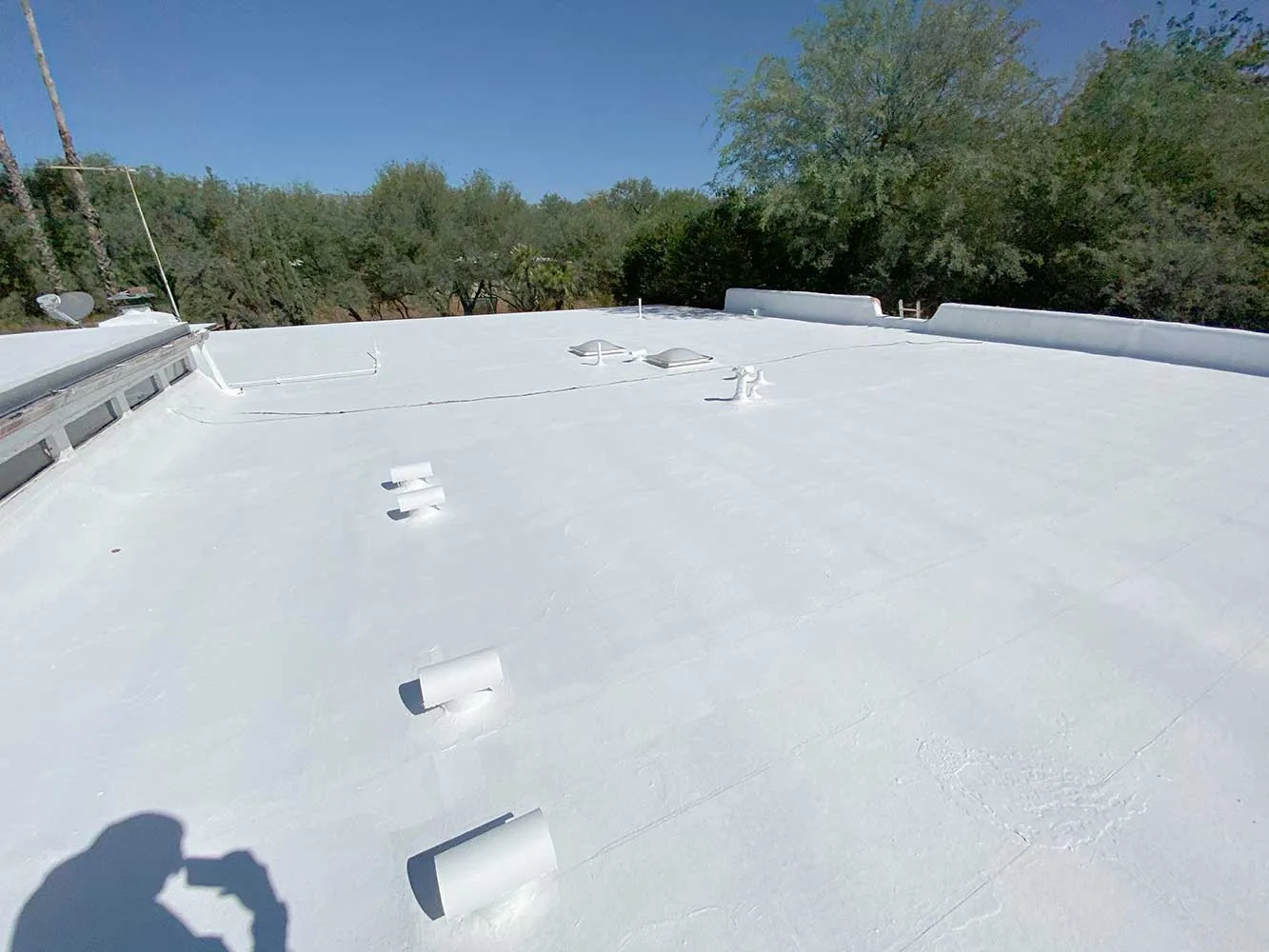
Built-Up Roofing in Victoria, TX
Roof Systems · Victoria, TX
Built-up roofing in Victoria is assessed by ply condition, bitumen adhesion, drainage, and flashing before repair or replacement is planned.
Next step
Request a Roof Assessment
Call
555-555-5555
A built-up roof is a layered assembly, so the top surface may conceal conditions that matter below. We inspect the surfacing, ply edges, drains, flashings, and repair history before selecting a method. In Victoria, heat and periods of heavy rain put attention on exposed asphalt, water paths, and edge details. The recommendation names the layer or transition that can be confirmed and identifies where opening the assembly would change the decision.
Built-Up Roofing
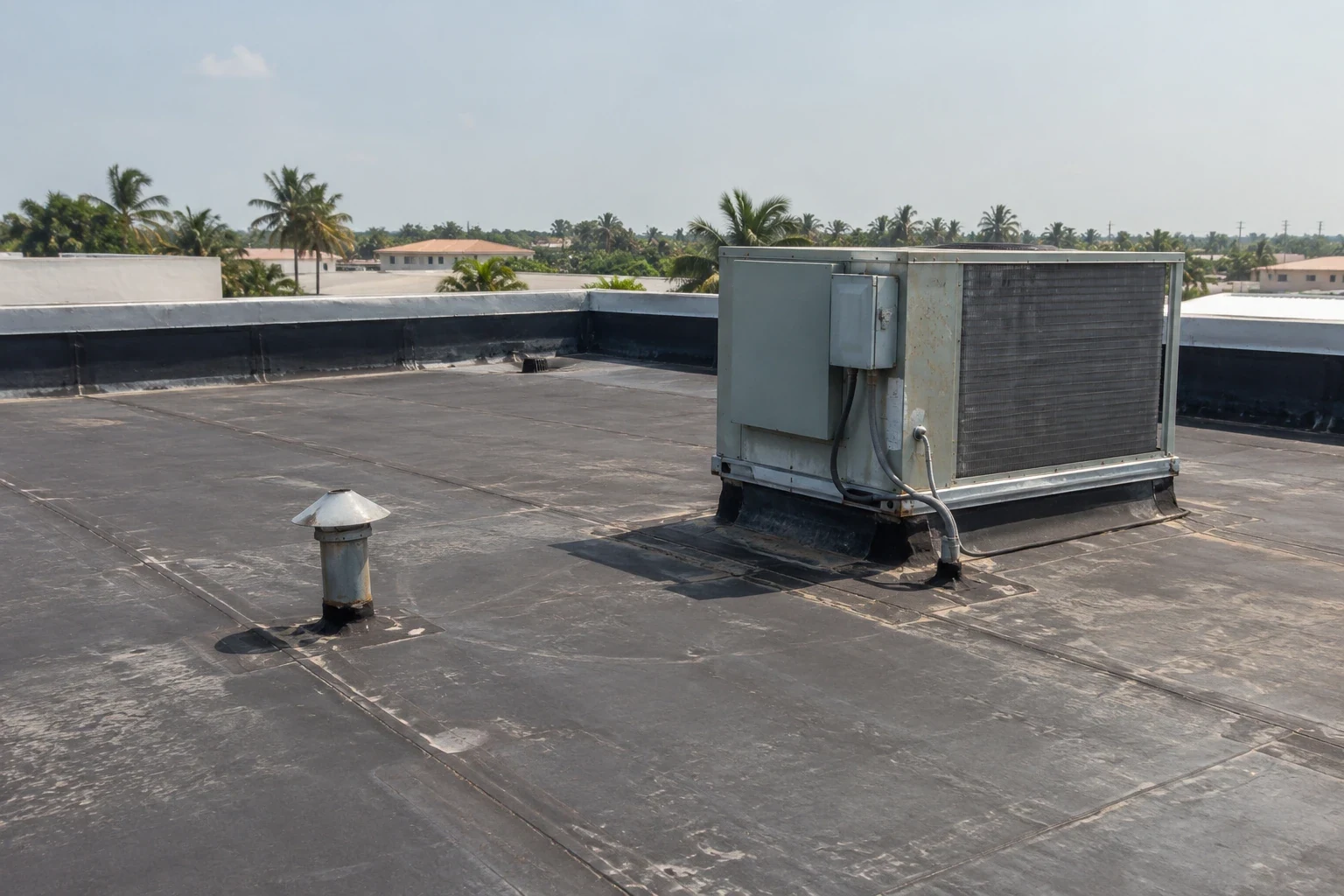
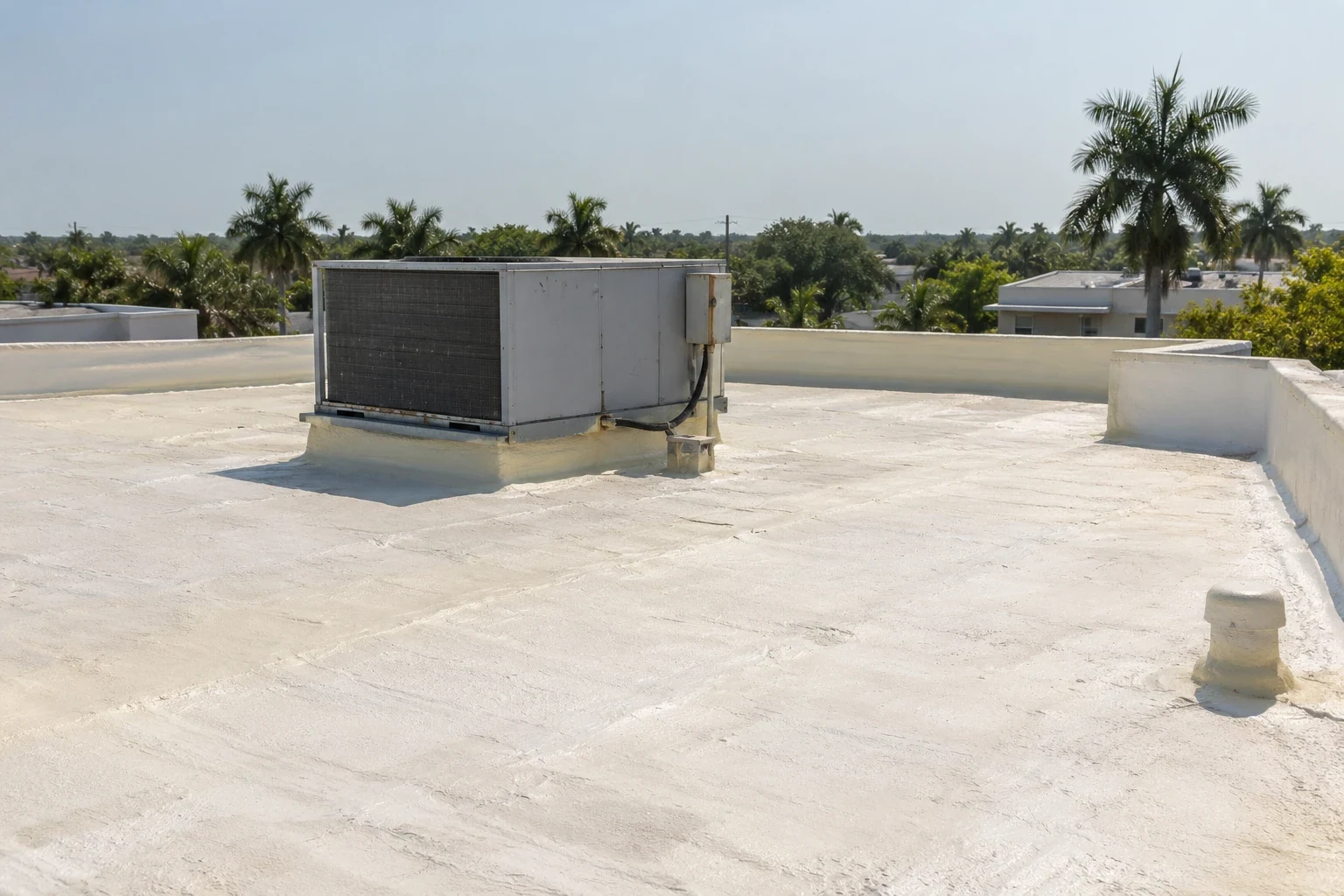
Built-up roofing uses multiple reinforcing plies set in bitumen, with surfacing and insulation depending on the design. We look at aggregate or coating condition, exposed bitumen, alligatoring, blisters, ridges, splits, and prior patches. At an edge or drain, visible layers may help identify the build-up, but records and selective openings can be needed to confirm what lies beneath the field.
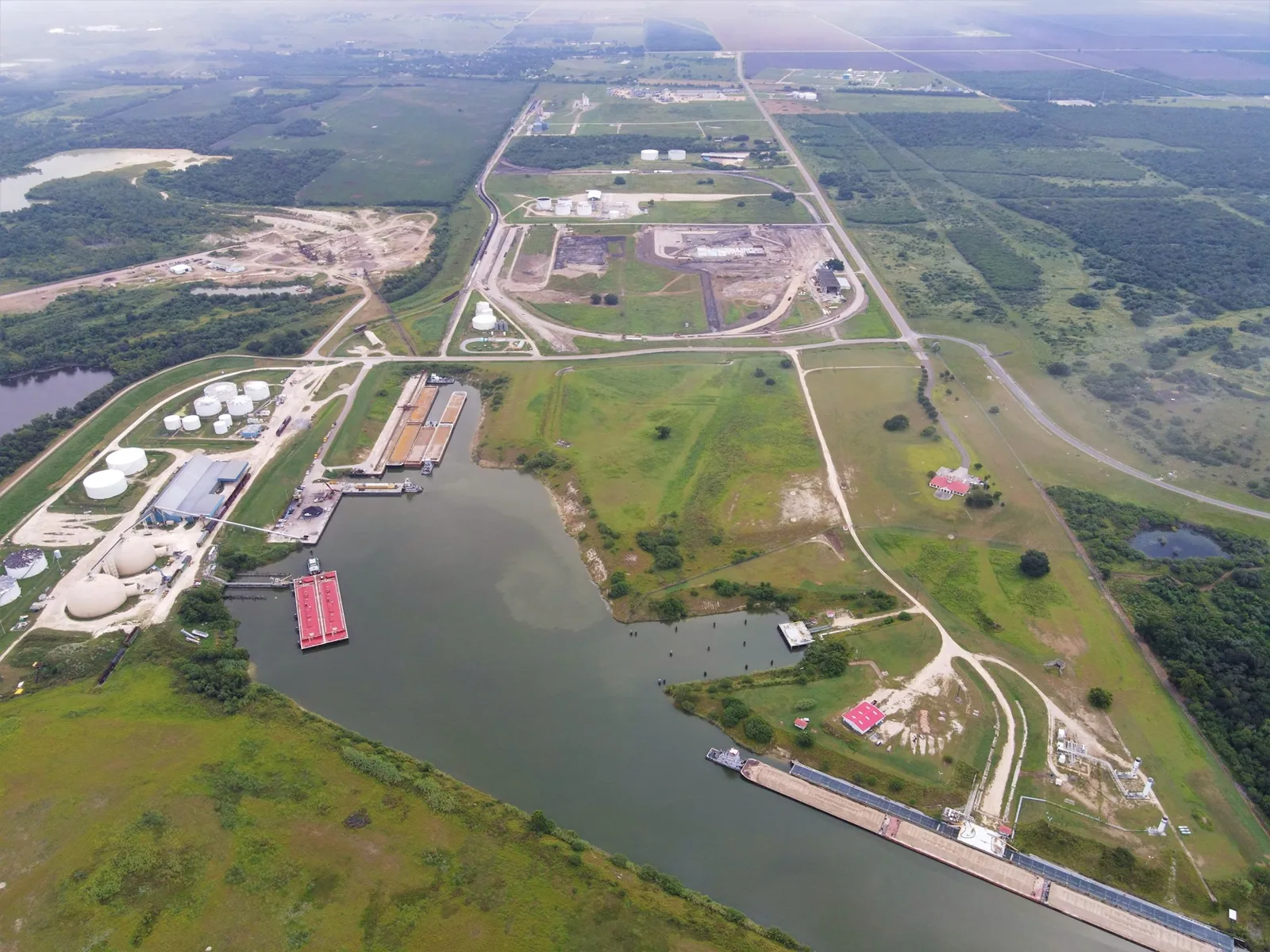
On large buildings serving Port of Victoria Industrial Park South, separate roof phases may have different insulation, surfacing, or repair layers. We map each section and mark where construction transitions occur. Freight activity around the park influences material staging conversations, while the building contact approves the actual lift and delivery locations.
Moisture, loose plies, or deck deterioration can change a localized repair into a larger scope. A roof inspection documents the accessible assembly and identifies areas for additional testing. Avoid covering soft or wet material before the owner knows where it is and what confirmation may be needed.
Read the roof from surfacing to substrate
Loss of gravel or coating can expose bitumen to sun and traffic, but it does not by itself show that every ply has failed. A crack, split, blister, or open lap needs inspection at its edges and adjacent layers. We record the size and location, check whether water is beneath the surface, and look for movement at a nearby curb or wall. Repair limits follow the material that remains sound.
A blister can form where moisture or air is trapped; cutting it without understanding the lower layers can spread damage or leave the cause in place. Where an opening is necessary, follow the project’s safe work and weather protection requirements. Replace wet or deteriorated layers within the approved boundary and tie new work into stable material. Do not describe a surface coating as a substitute for rebuilding failed plies.
Victoria’s summer weather includes intense heat, and regional rain events can test drainage. We check roof conditions during the work and use the specified repair method for the assembly. A local weather record informs scheduling, but physical evidence and the roof history guide the diagnosis.
Separate surface aging from ply failure
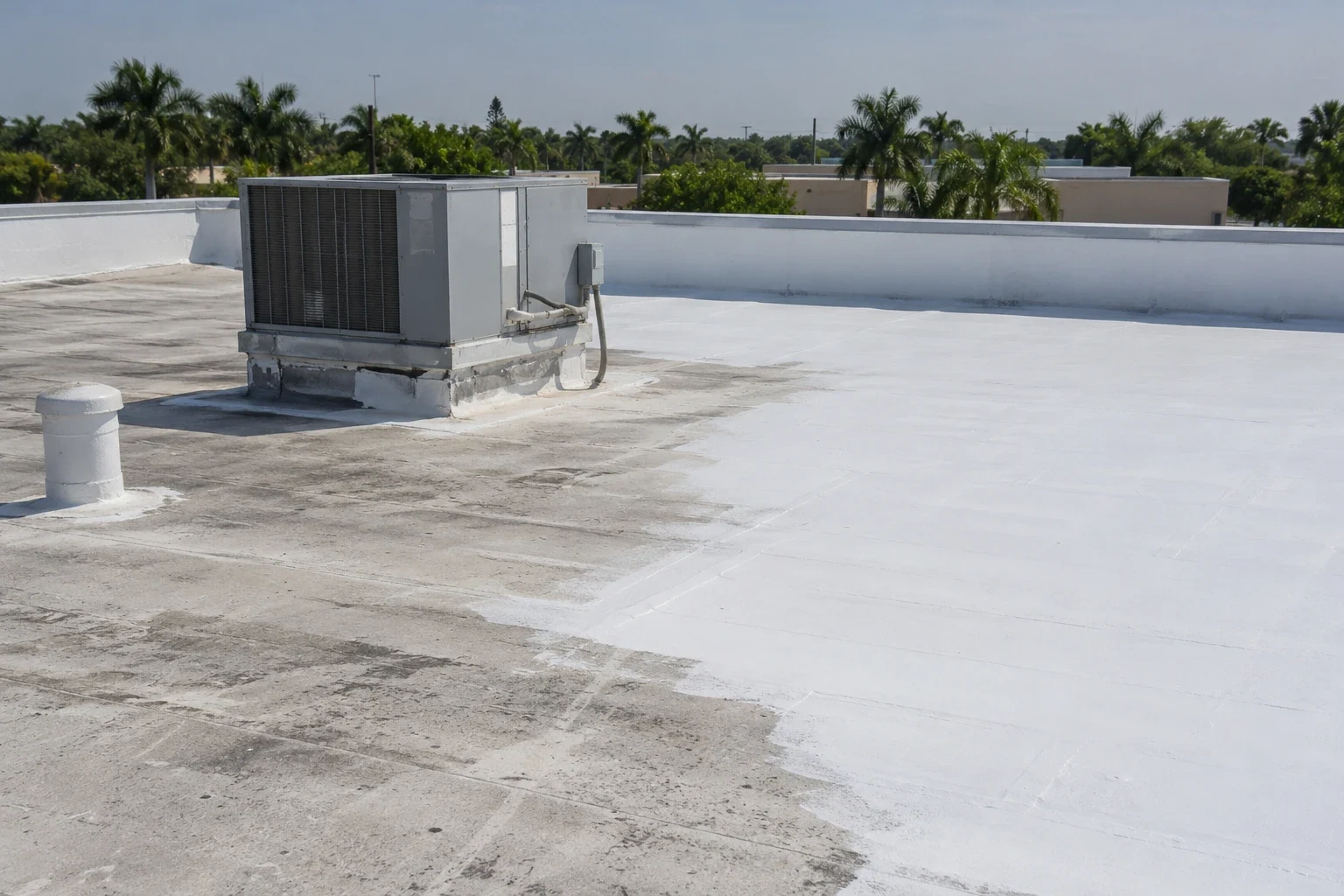
Repair may involve compatible bitumen, reinforcing fabric, replacement ply, surfacing, or a combination of those materials. The sequence depends on the original system and whether the repair is hot-applied, cold-applied, or part of a specified cap sheet. Confirm temperature, substrate dryness, ventilation, fire controls, and occupied-area protection before work. Follow approved project requirements rather than applying a familiar method by habit.
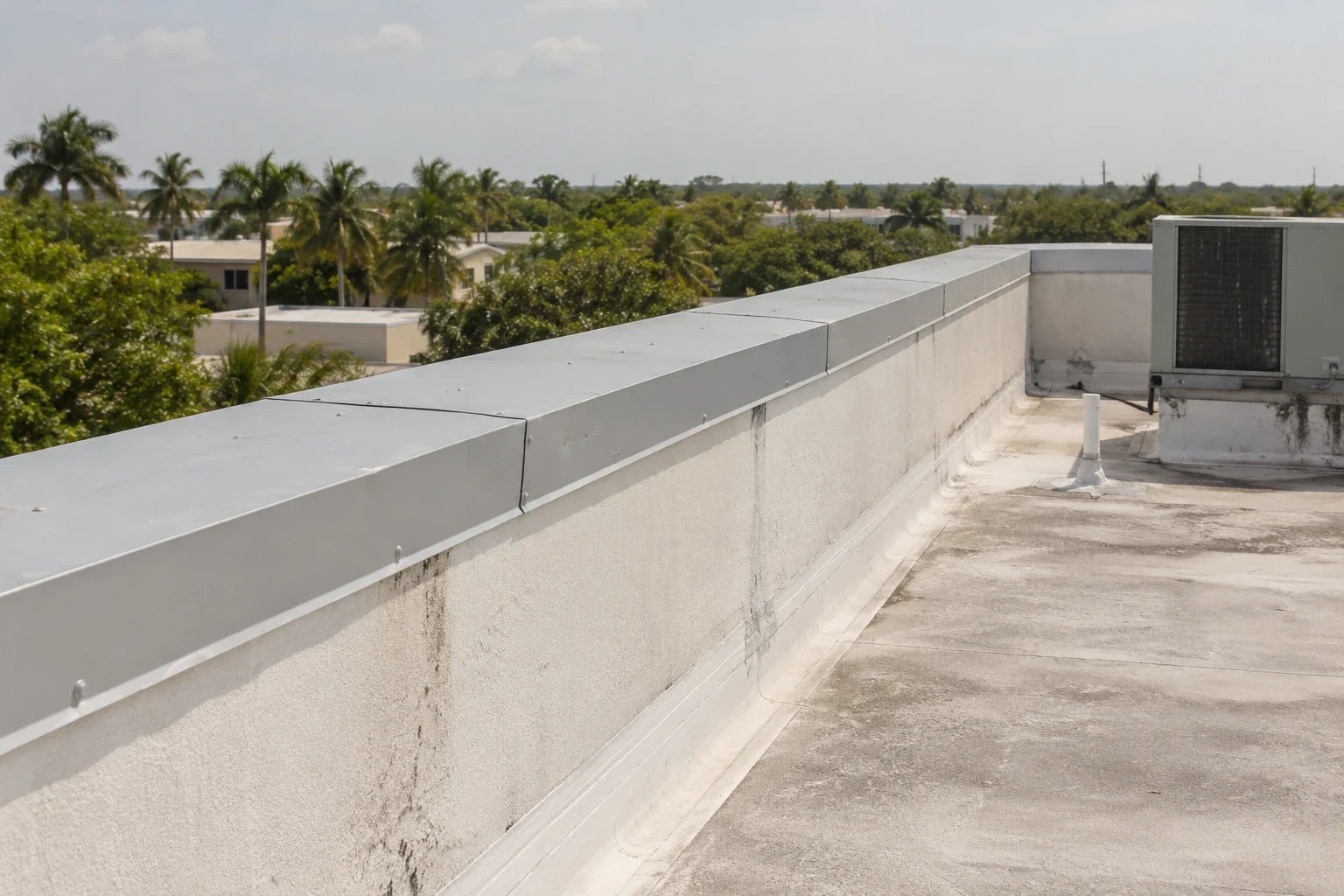
At seams and transitions, extend the repair into sound material and lap each new ply in the correct direction. An abrupt patch edge can form a water path or weak boundary. Around a parapet, equipment curb, or expansion joint, preserve the designed movement and termination detail. A coping and edge review can address metal where the bituminous flashing meets the perimeter.
For comparison, modified bitumen uses factory-produced modified sheets, while EPDM is a single-ply membrane with different seam and repair practices. Those differences affect preparation and system planning; the existing assembly and building requirements decide which option fits.
Choose compatible bitumen and ply repairs
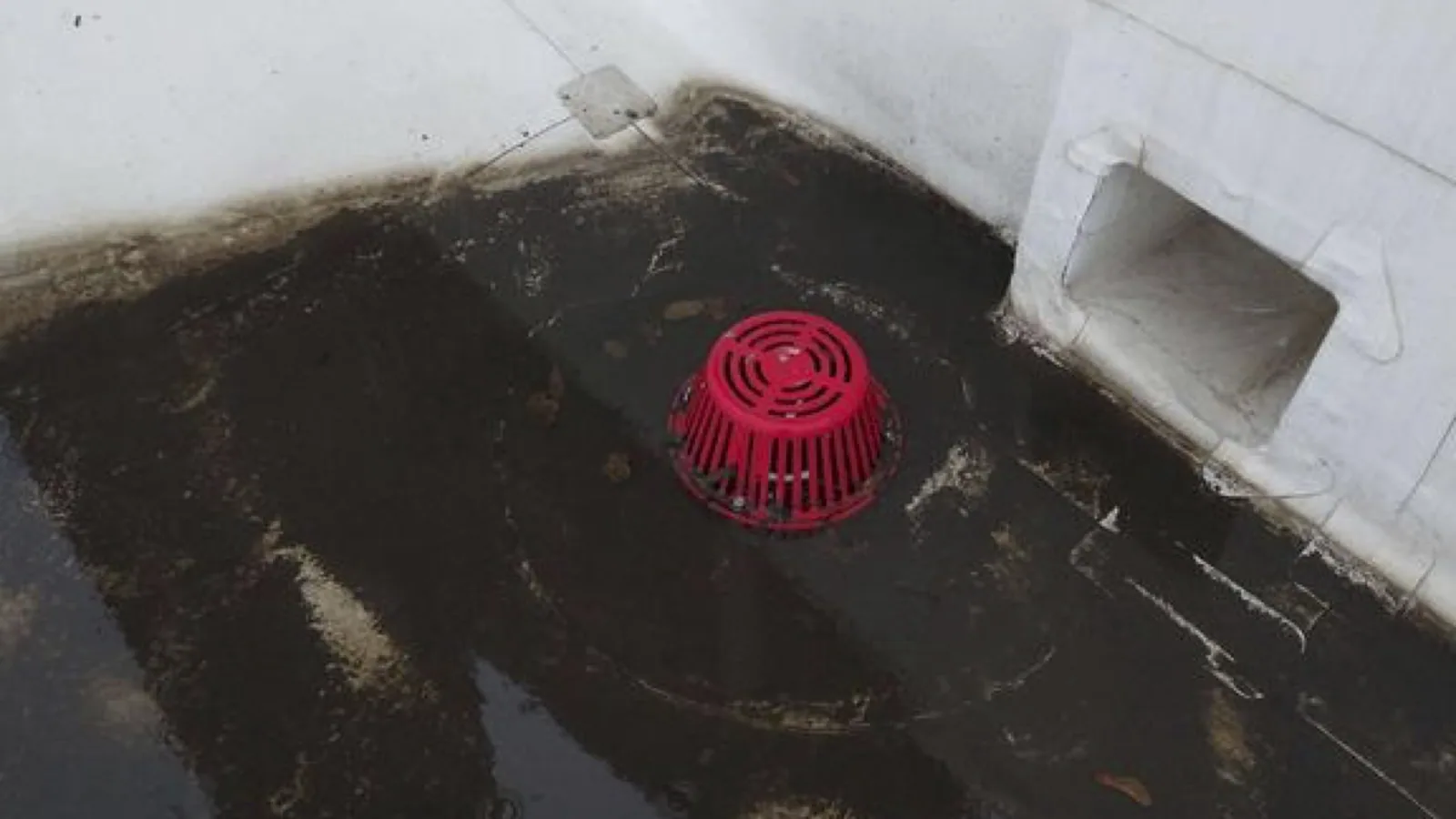
A built-up roof can retain water when a drain is obstructed, the field is low, or insulation has compressed. Inspect bowls, strainers, overflow openings, scuppers, and visible discharge. Keep aggregate and loose bitumen out of the throat during repair. Where flow remains slow, a drain evaluation can separate cleaning from a failed connection or slope correction.
At walls, curbs, and penetrations, flashing plies must connect to a stable surface and terminate against the adjacent material. Open corners, counterflashing gaps, or loose curb metal can allow water behind the roof system. Check whether a unit moves or a support cuts into the field before adding bitumen. A curb and support inspection can coordinate with the mechanical contractor when stabilization is needed.
Victoria’s North Navarro Street Retail Corridor includes established commercial activity and the regional mall. We label the location in roof plans and photos to keep later service changes traceable. At occupied retail buildings, schedule noise and roof access around tenant and delivery needs. The roof system remains property-specific, so use its plan and observed details to place each repair.
Protect drains and roof-to-wall transitions
Hot asphalt or torch work, when the project permits it, requires controls suited to the method and the building. Protect combustible materials, roof openings, air intakes, and occupied areas. The work plan identifies fire watch, extinguishers, ventilation, and who can authorize a pause. Alternative application methods may be more appropriate where access or building operations make heat application unsuitable.
Victoria Regional Airport supports industrial and commercial activity alongside freight services. That local operating context makes delivery timing worth discussing, but a particular facility sets its own access rules. Plan material storage, lift placement, and roof routes with the manager. At an active building, divide the work so each opened area can be completed or protected at the end of the shift.
Weather changes can interrupt roofing work. Check actual roof moisture and surface conditions, protect any incomplete section, and record which plies remain exposed. If the assembly differs from drawings or an opening reveals concealed damage, photograph it and seek direction before expanding the repair.
Plan heat, fire, and occupied-area controls
Closeout describes the area repaired, the plies or surfacing addressed, the drain or flashing details checked, and any assembly layer left unconfirmed. Photos locate the repair by roof section. If the work did not include opening the full assembly, state that boundary rather than implying concealed plies were inspected.
Keep the roof plan, bitumen and ply details, repair photos, and follow-up dates with the property records. A maintenance visit can compare earlier patches and surface wear with later conditions. Repeated blistering or seam changes should be evaluated rather than covered with additional surface material.
For a built-up roof in Victoria, share roof drawings, surfacing type, leak history, prior repairs, and access requirements. We will inspect the visible layers, identify where testing would clarify the scope, and explain whether repair, recover, or replacement fits the evidence.
Leave the owner a layer-specific record
Related Roofing Work
Frequently Asked Questions
How many layers does a built-up roof have?
The number and materials vary by assembly. Roof records or an authorized opening can confirm the build-up at a specific property.
Can a blister in BUR be patched from the surface?
Before selecting a patch, we check for trapped moisture or air and map how far the affected layer extends.
Is a built-up roof the same as modified bitumen?
They are related bituminous systems but use different sheet and ply constructions. Identify the existing roof before selecting repair materials.
Can hot-applied work happen above an occupied space?
It depends on the approved method and fire, ventilation, and interior protection controls. The project plan needs to address the area below.
What should be checked after a BUR repair?
Review the repair boundary, surfacing, drains, wall flashing, and adjacent plies. Keep photos and note which layers were opened or left unconfirmed.
Send the roof plan, surfacing and repair history, leak locations, and access requirements. We will map visible layers, drainage, and transitions before recommending repair or replacement.
Call 555-555-5555 or email [email protected].