
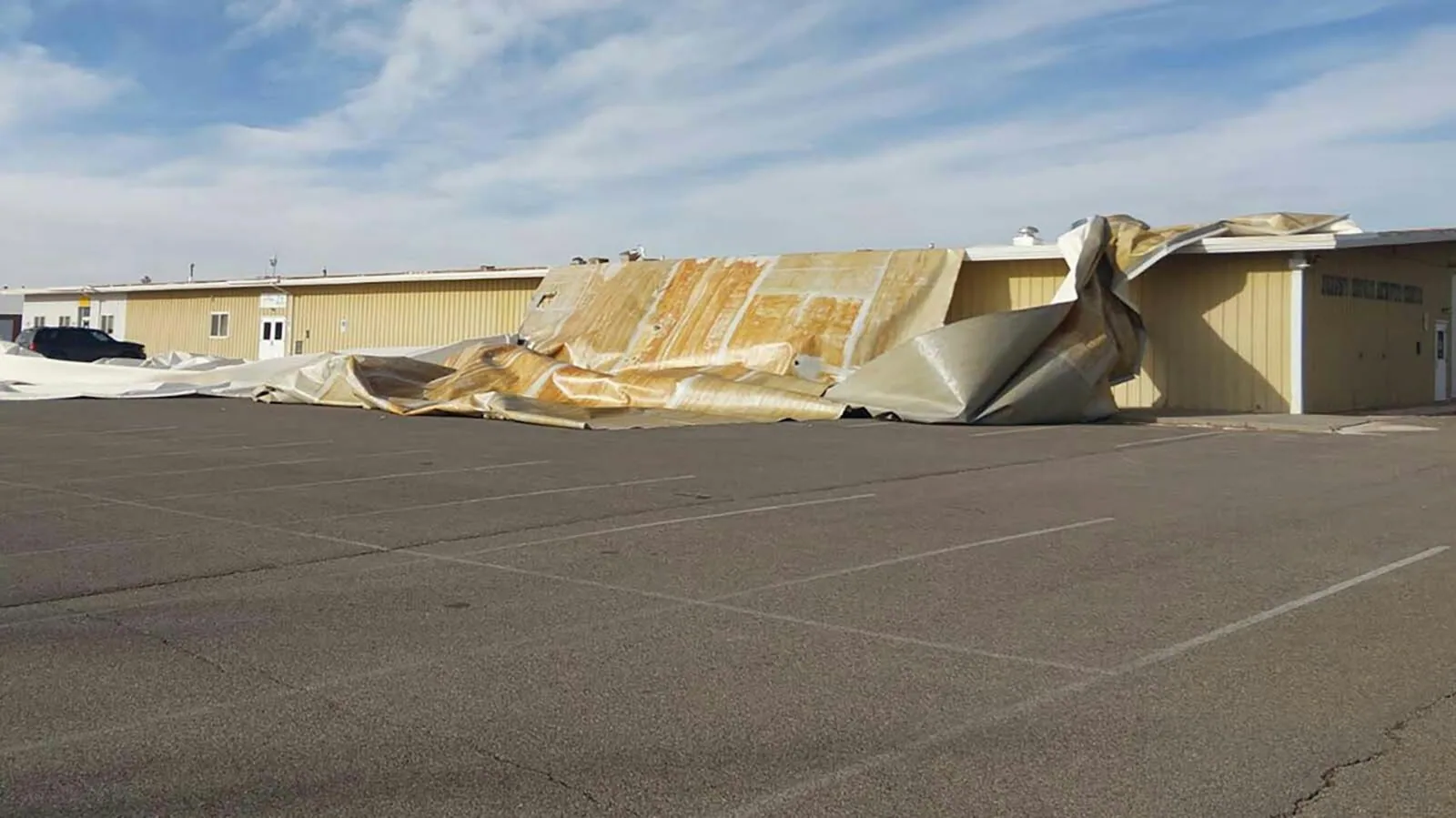
Wind Damage Roof Repair in Victoria, TX
Roof Damage Repair · Victoria, TX
Wind damage roof repair in Victoria starts with safe access, a roof-section map, and repairs tied to observed movement, water entry, and assembly condition.
Next step
Request a Roof Assessment
Call
555-555-5555
A lifted edge or displaced rooftop component after strong wind is a reason to document the roof, not to assume every section failed. Wind damage roof repair in Victoria begins with safe access, the reported event, and the condition visible at the building. We check perimeter details, membrane attachment, flashing transitions, and the interior report, then separate storm effects from older wear. The repair boundary follows what the roof shows.
Wind Damage Roof Repair
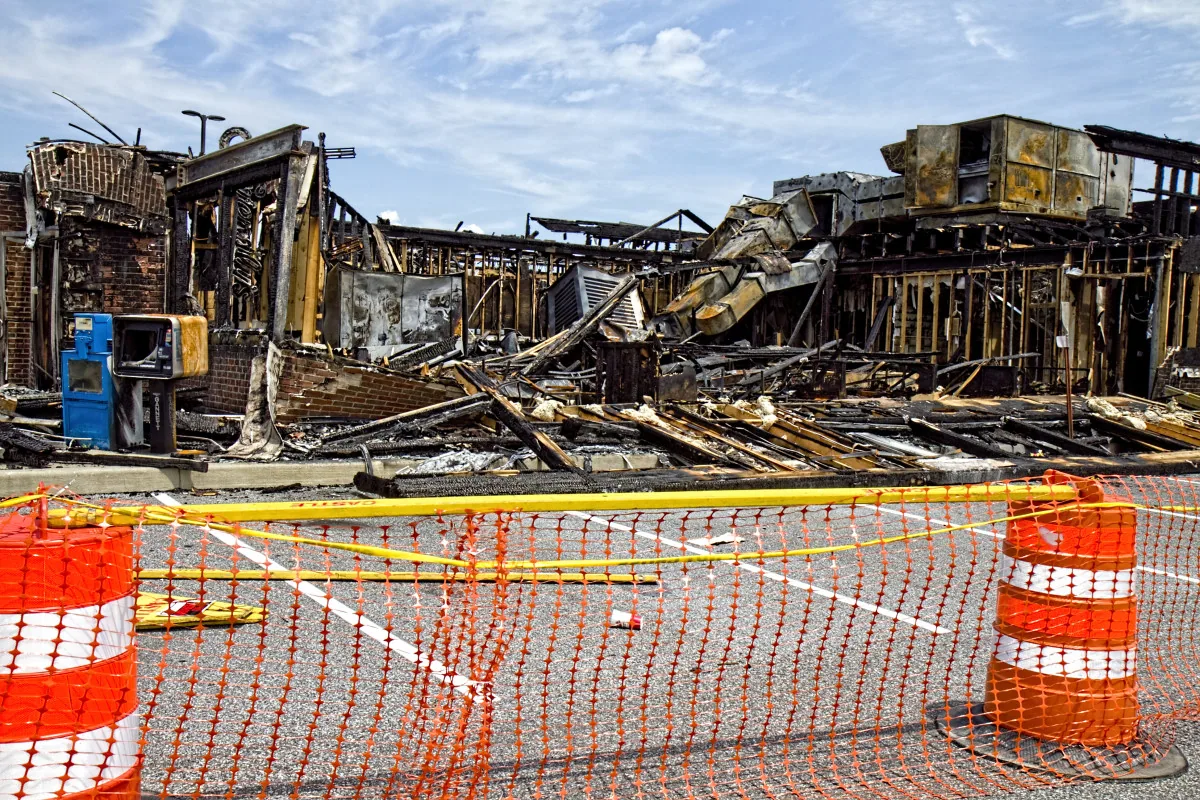
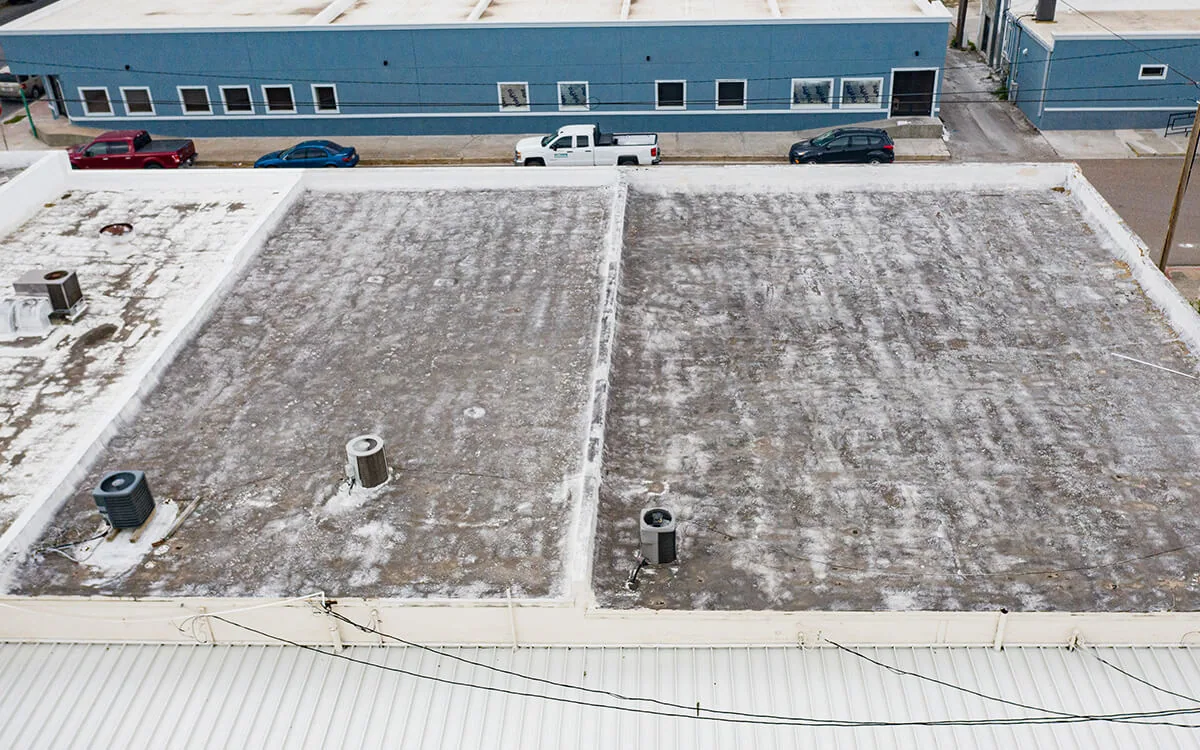
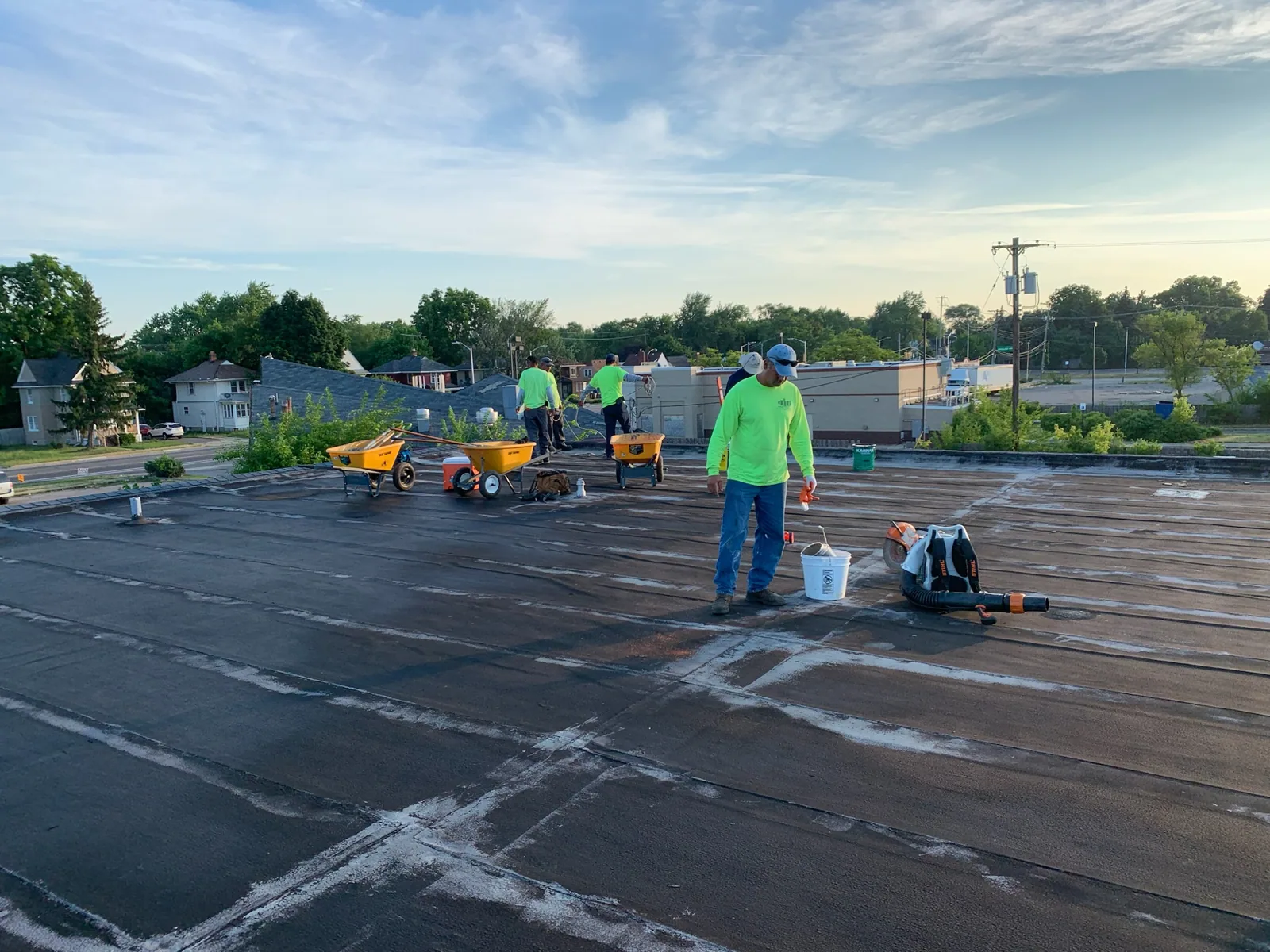
Before a roof walk, the site contact should report loose materials, active leaks, power interruptions, damaged access ladders, and any unsafe area below the roof. We choose a route that avoids windblown debris and confirm whether rooftop equipment or a fragile edge requires a different approach. If a temporary cover is warranted, it is limited to a secure area that can be reached safely. A temporary measure controls exposure for the moment; it does not establish the permanent scope.
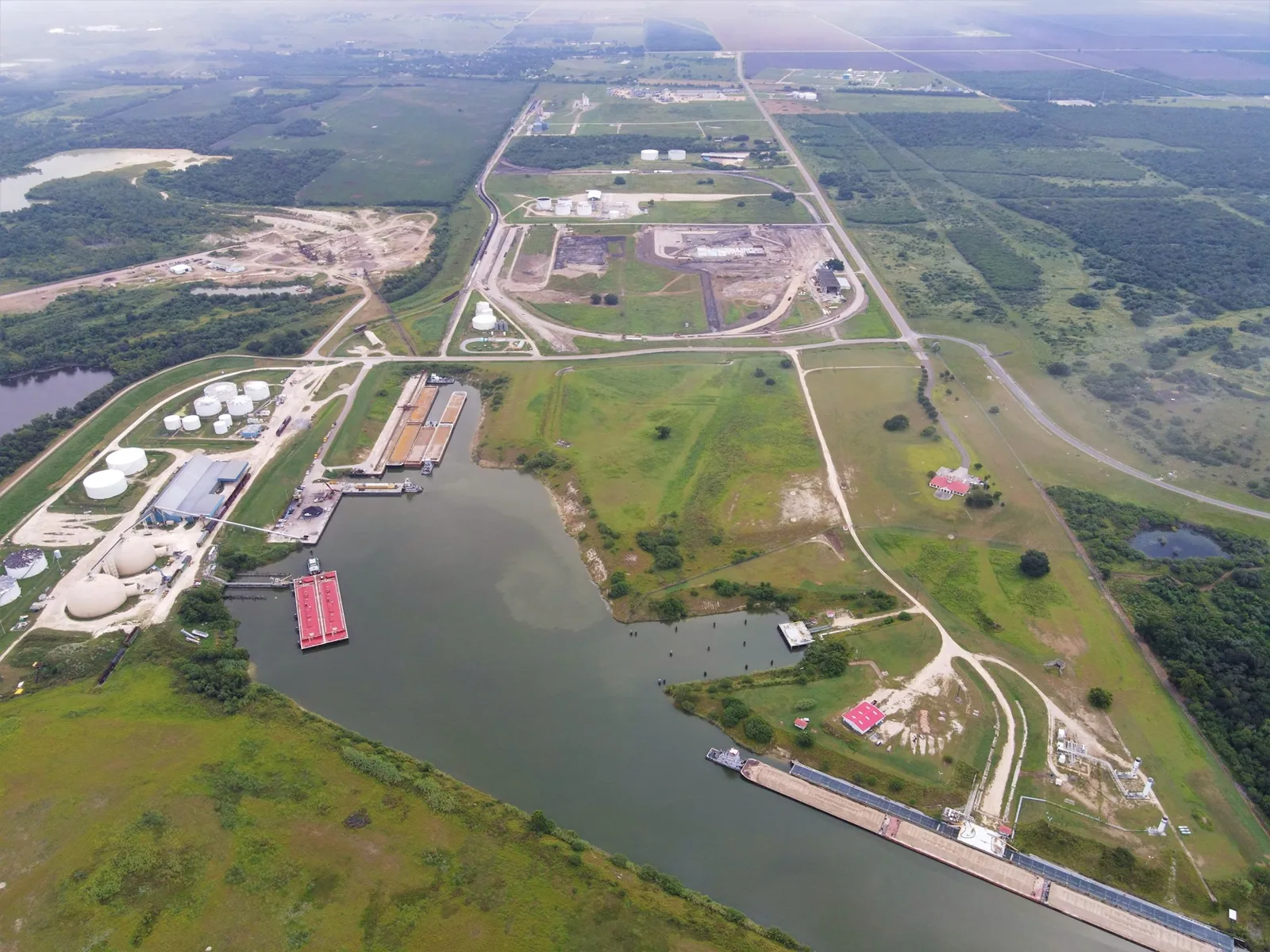
The National Weather Service documented a Victoria County warning with gusts up to 60 mph in 2026. A warning describes regional conditions, not the damage at a particular address. We compare the timing with the reported leak or displacement, then inspect the affected elevation and nearby transitions. On a large operation near Port of Victoria Industrial Park South, coordinate escort and freight movement with the facility contact before moving ladders or material.
Make access safe before tracing damage
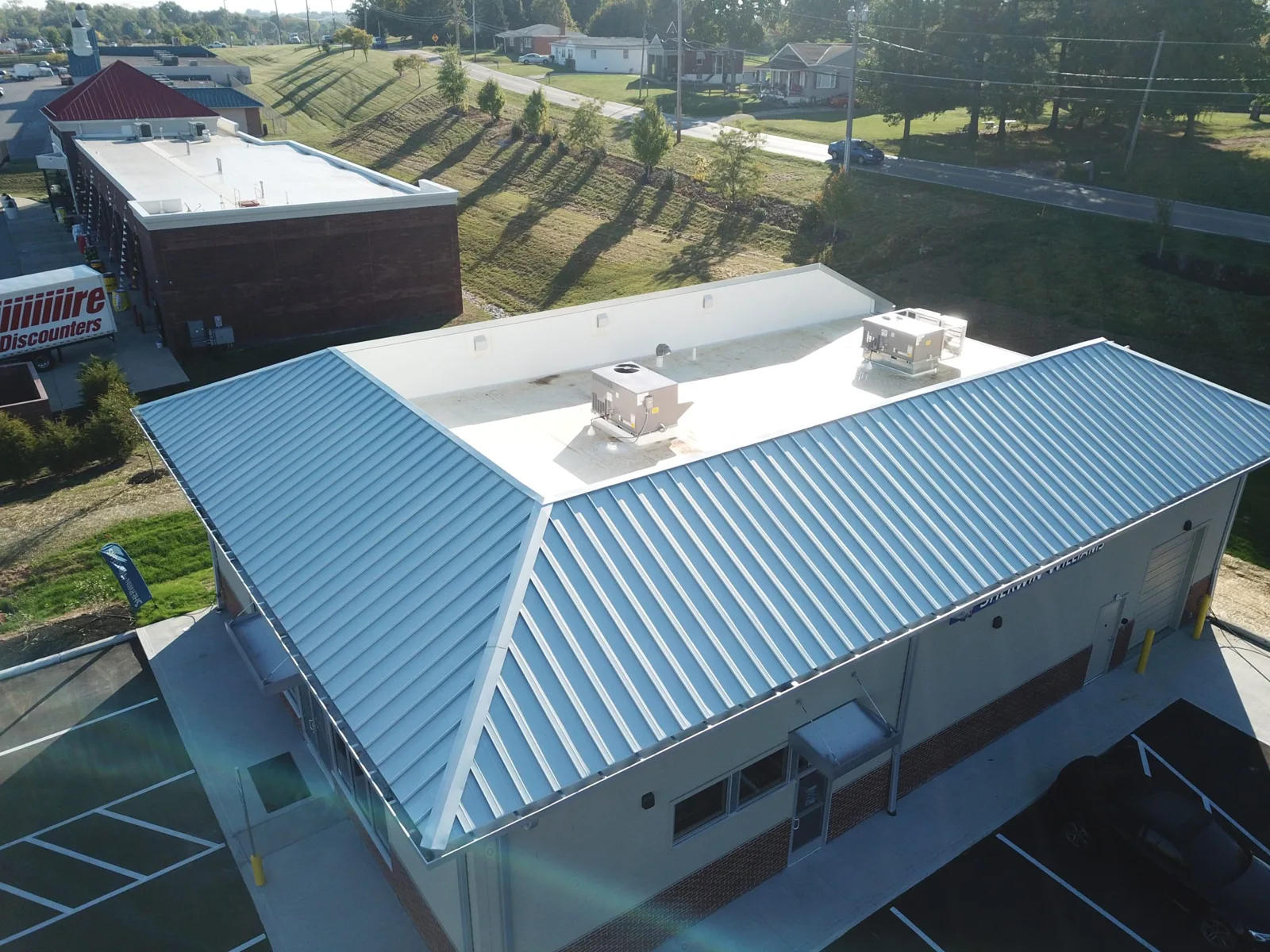
Wind effects often show at edges, corners, ridges, equipment curbs, rooftop screens, and changes in roof height. We inspect fasteners or membrane attachment where exposed, look for lifted flashing and open seams, and note whether edge metal has shifted or distorted. A displaced item can also strike another roof area; we photograph both the impact point and nearby surfaces rather than stopping at the first obvious mark. Roof plans help identify each observation by section and elevation.
A broad commercial roof inspection can be useful when an owner needs a whole-building record after a regional wind event. The inspection distinguishes visible movement from suspected concealed damage and notes limits where equipment, water, or unsafe conditions prevent access. We can also review the adjacent Victoria service area portfolio when a manager is coordinating more than one local property, while each building still needs its own roof map.
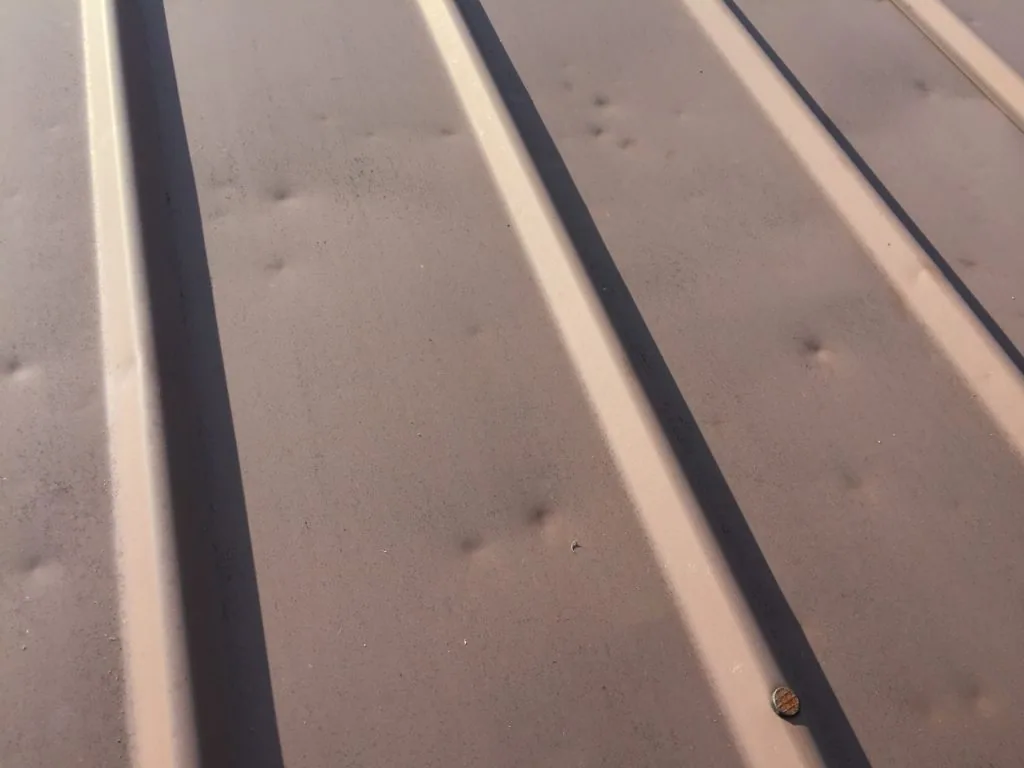
Wind does not always arrive alone, and one surface mark may have a different cause than a loose perimeter. If the inspection finds hail impact, the hail damage roof repair review records those conditions separately. A worn coating, prior patch, or blocked drain is noted as a separate observation unless evidence connects it to the reported wind. This distinction matters when the owner is reviewing a weather claim, planning routine maintenance, or deciding which areas need testing. Each image should identify the section and the detail it supports.
Follow the wind path across the roof
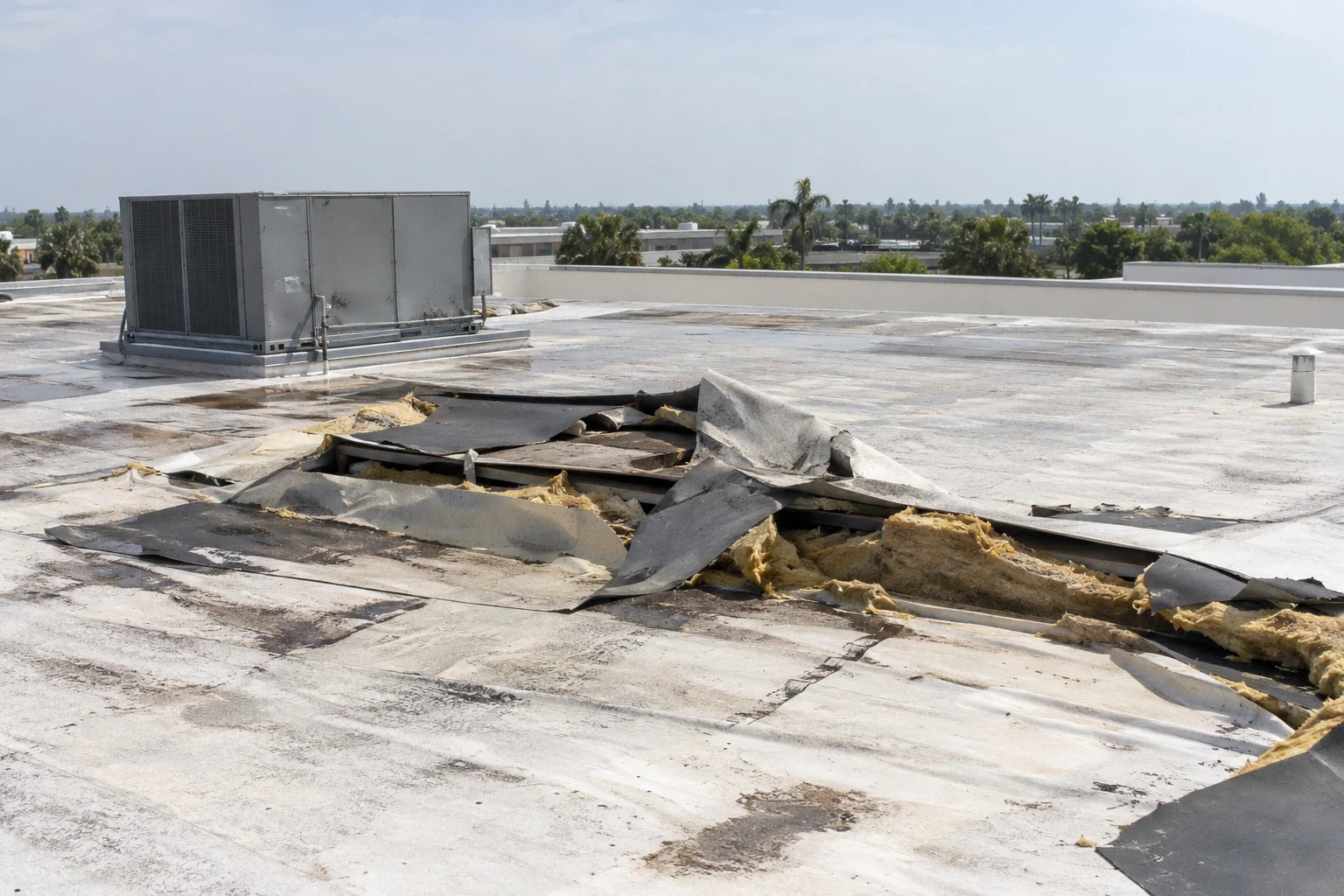
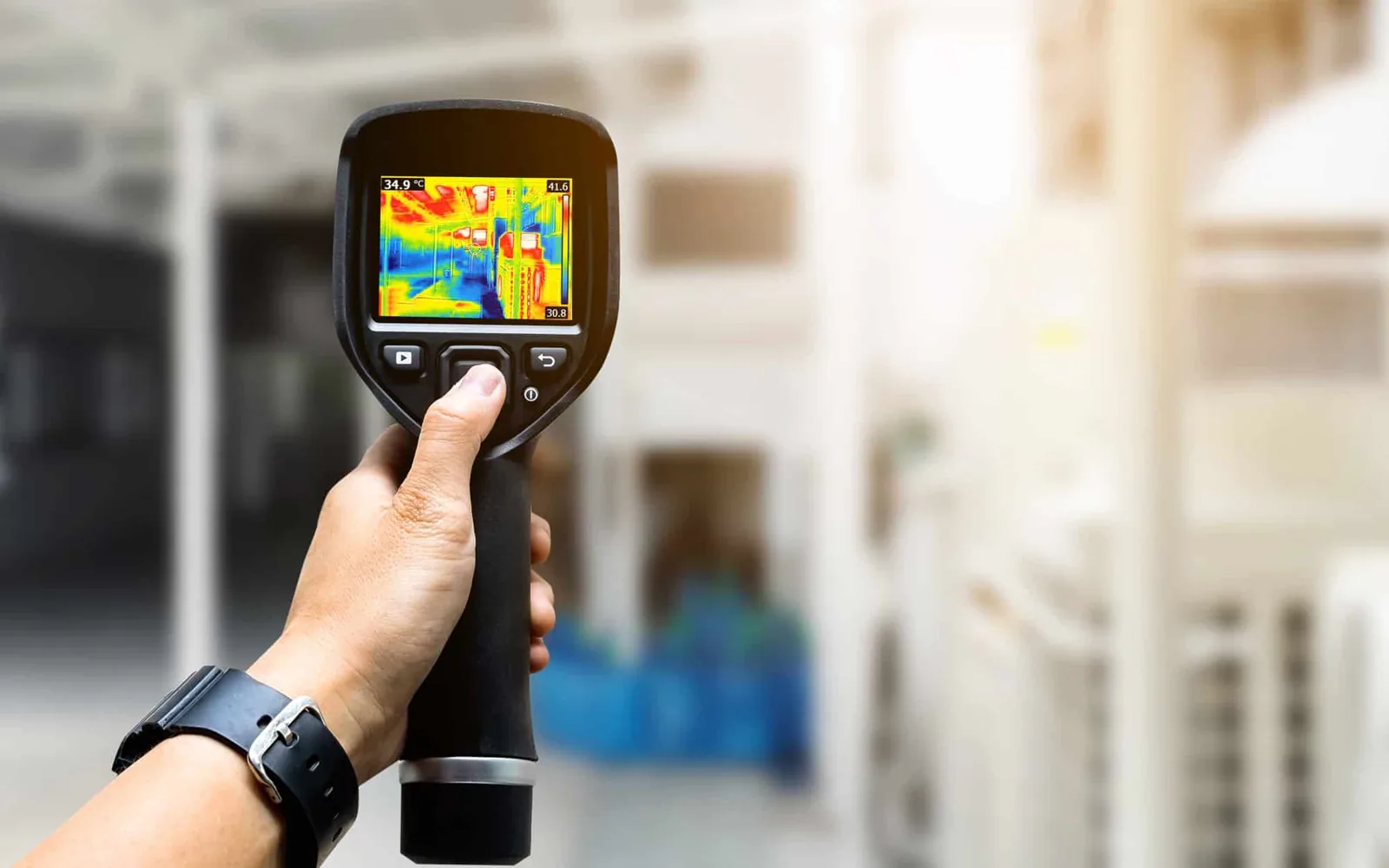
Water may travel along a deck, insulation joint, conduit, or beam before it appears on a ceiling. We record the room, time, weather, and any change in the leak, then compare those details with drains, penetrations, perimeter lines, and the roof field above. If the interior report is not directly below a visible opening, we keep both locations in the record until testing or a closer inspection supports a connection. That prevents a repair from being placed over the stain instead of the entry point.
Where active water threatens equipment or stored goods, the building contact identifies the area that needs protection first. A commercial roof leak repair may be appropriate for a confirmed opening; a broader inspection may be needed if several transitions or elevations are involved. We note any moisture findings separately from visible wind damage and avoid describing an untested cavity as dry or sound.
After the immediate opening is controlled, drainage deserves a separate look if water remains on the roof after rainfall. We note whether the low area reflects a blocked outlet, deflection, insulation movement, or a surface profile that needs measurement. Where ponding is the concern, the ponding water roof repair assessment focuses on drainage behavior and the affected assembly instead of treating standing water as a wind defect. Findings stay tied to the relevant roof section.
Trace leaks back to a roof section
Repair method depends on the roof system, edge design, attachment, substrate, and the part that moved. A loose termination may require the affected membrane and metal to be opened, prepared, and resecured in a way compatible with the existing assembly. Replacing a piece of edge metal alone may leave the membrane tie-in or fastener pattern unresolved. We identify the transition, confirm the repair extent, and use compatible material where available. The scope should state what is removed, what remains, and how the completed tie-in will be inspected.
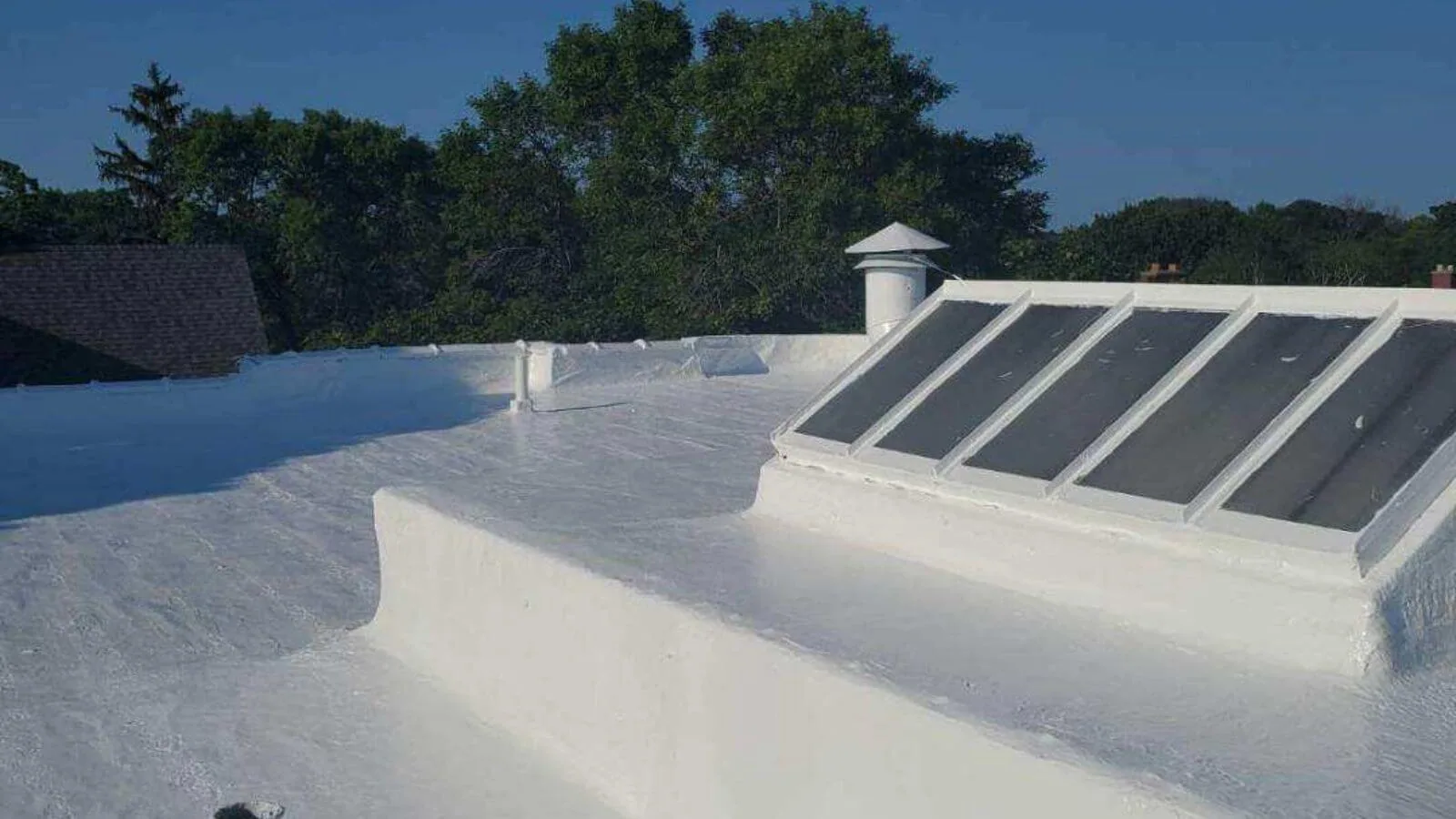
For coated assemblies, surface preparation and compatibility matter before a patch or coating is applied. For a membrane roof, seams, laps, and perimeter terminations need attention as a connected detail. A commercial roof replacement review may be appropriate where attachment or substrate damage extends beyond a practical repair boundary. The field record explains that decision; it does not treat one loose edge as proof the entire roof must be replaced.
Match the repair to the attachment and edge detail
Wind repairs can involve lifts, roof access, perimeter barriers, and material handling, so the work plan needs input from the people running the property. The manager identifies loading periods, vehicle lanes, occupied rooms, ventilation intakes, and any equipment that cannot be interrupted. At industrial properties along the North Navarro corridor or in freight areas, the delivery route may matter as much as the roof hatch. We set a work boundary, keep removed material contained, and confirm when the area below can return to normal use.
If several buildings were exposed to the same weather, prioritize by active water entry, loose material, sensitive operations, and safe access. A roof condition report can keep observations and open items organized across buildings. It should identify which roof sections were reached, which details were not accessible, and what follow-up would resolve uncertainty, rather than giving one general condition label to an entire property group.
Coordinate the work around the building below
Closeout photographs should show the repaired detail in context and close enough to identify the tie-in, edge, seam, or component. We list materials, preparation, limits of the repair, and any conditions left for later review. If a temporary measure remains, label it as temporary with the next inspection or repair step. The property manager can then connect the invoice and photographs to the reported event without treating a repair as a warranty of unrelated roof areas.
For a multi-site owner, repeatable labels help compare a roof at Lone Tree II Industrial Park with other local assets without assuming they share the same system. When new movement or water appears, the next inspection can start with the previous section map. The result is a record of what the crew observed, what it changed, and what still needs a decision.
Record what was repaired and what remains
Related Roofing Work
Frequently Asked Questions
Does a 60 mph wind warning mean my roof is damaged?
No. The warning describes conditions in the region. A roof inspection must document movement or damage at the specific building.
Can wind lift a roof edge without opening the field membrane?
Yes. Perimeter details may move while the open roof field appears unchanged. The edge, attachment, flashing, and membrane tie-in all need inspection.
Should a leak be repaired where it appears inside?
Not automatically. Water can travel before reaching a ceiling, so we compare the room report with drains, penetrations, and roof transitions.
Can you repair only one affected section?
Often, if inspection confirms a sound repair boundary and compatible materials. The scope identifies what is repaired and any unresolved conditions.
What should the property manager provide?
Share the event date, leak locations, roof plans, prior repairs, access limits, and any safety or operating restrictions.
Share the event date, reported movement or leaks, roof plans, and access conditions. We will map affected sections and document the repair boundary.
Call 555-555-5555 or email [email protected].