
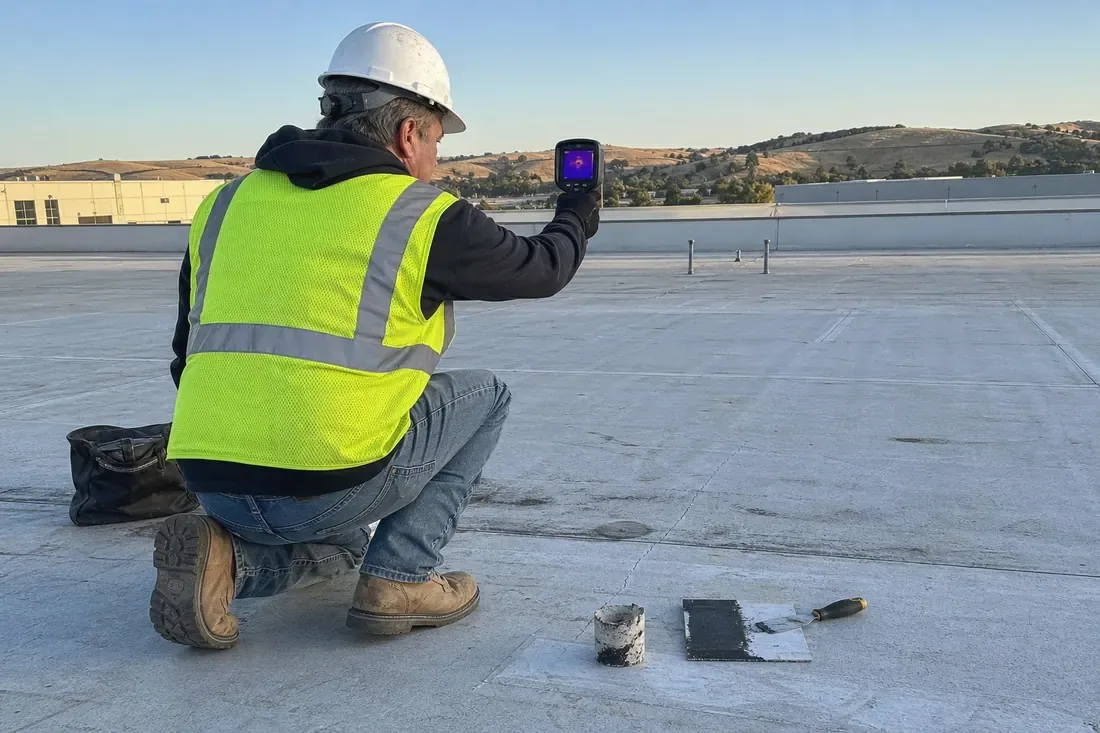
Commercial Roof Condition Reports in Victoria, TX
Roofing Capabilities · Victoria, TX
Commercial roof condition reports in Victoria connect photographs, roof sections, defects, inspection limits, and recommended next steps to a useful record.
Next step
Request a Roof Assessment
Call
555-555-5555
A commercial roof condition report should let a property manager find the observation, understand its significance, and decide what happens next. In Victoria, the report begins with the building and roof section, then records the inspection scope, visible conditions, photographs, and any testing completed. We distinguish observed defects from suspected moisture, maintenance recommendations, and areas that were not accessible.
Commercial Roof Condition Reports
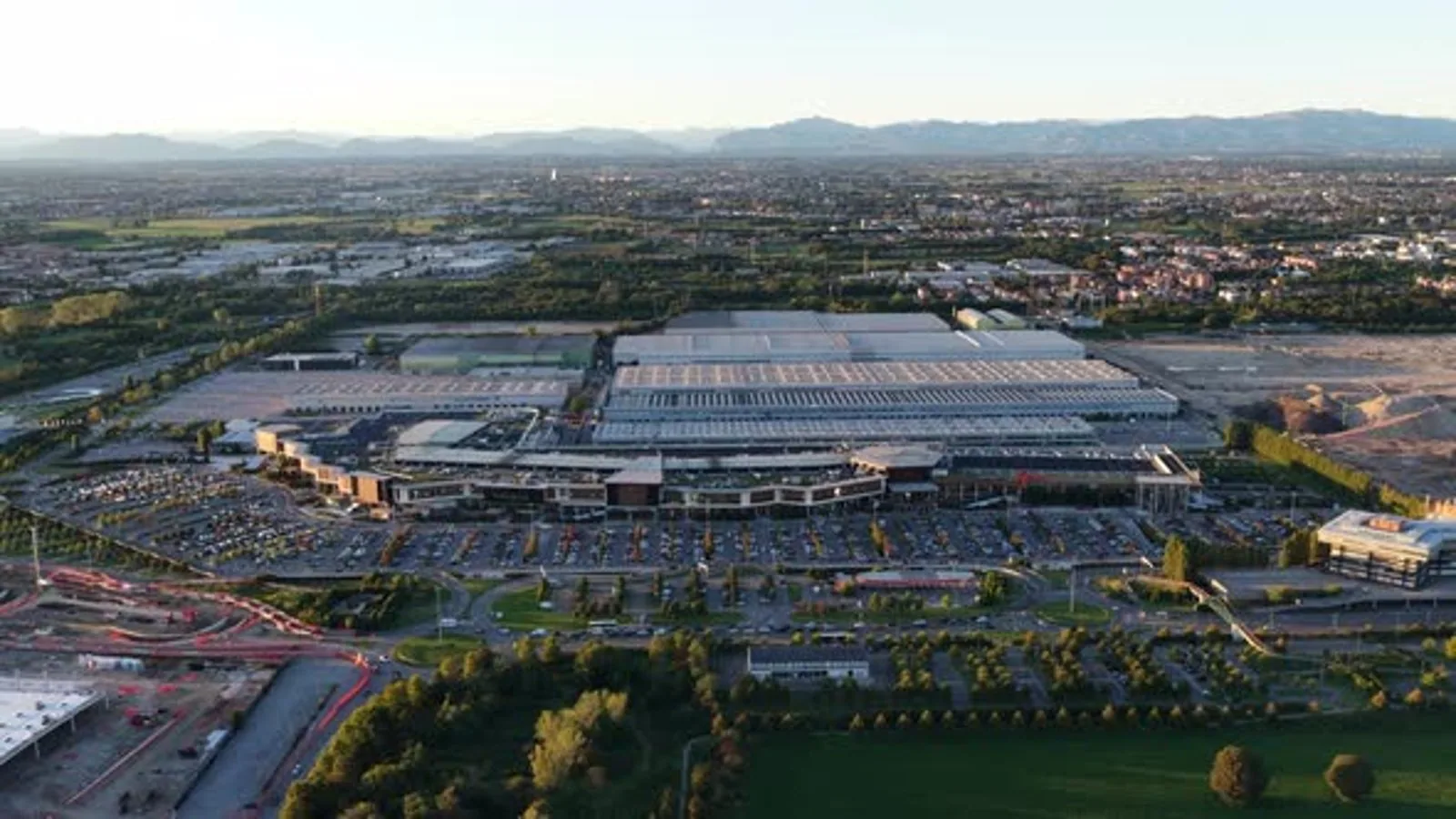
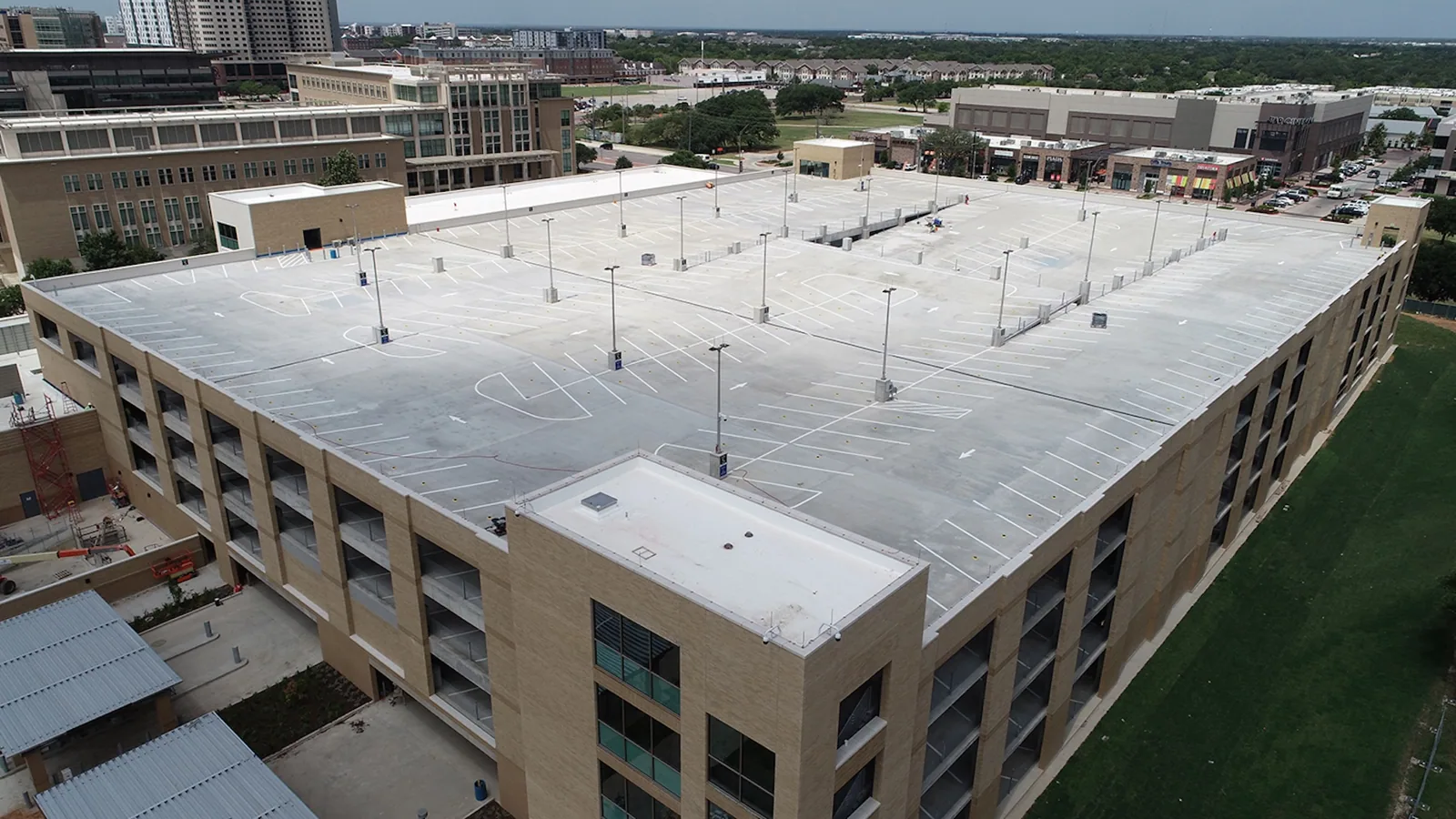
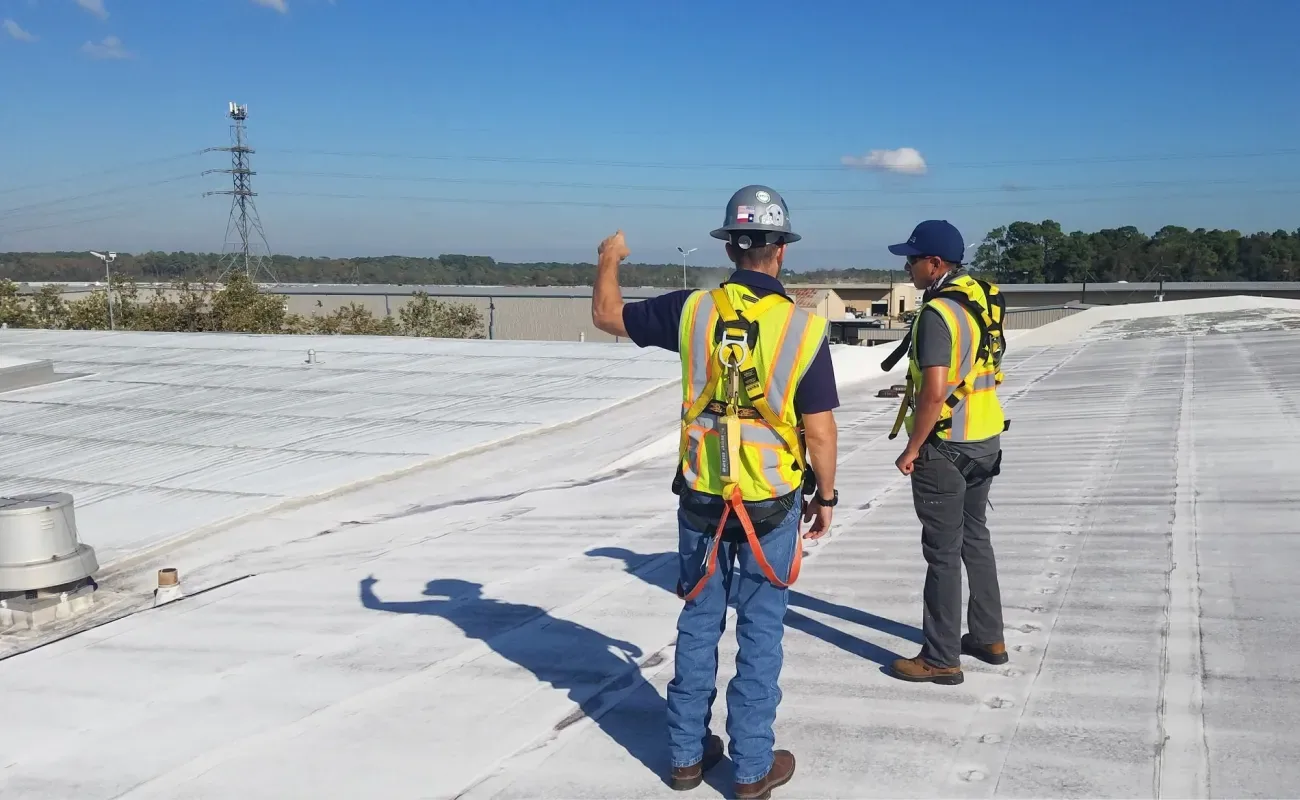
Before the roof walk, identify the building, roof sections, access points, purpose of the review, and records available. A leak response, maintenance inspection, acquisition review, and post-storm check do not have the same scope. Note whether the work includes only accessible roof surfaces or also interior observations, moisture testing, selective openings, or equipment review. If a section is excluded, list it rather than implying full coverage.
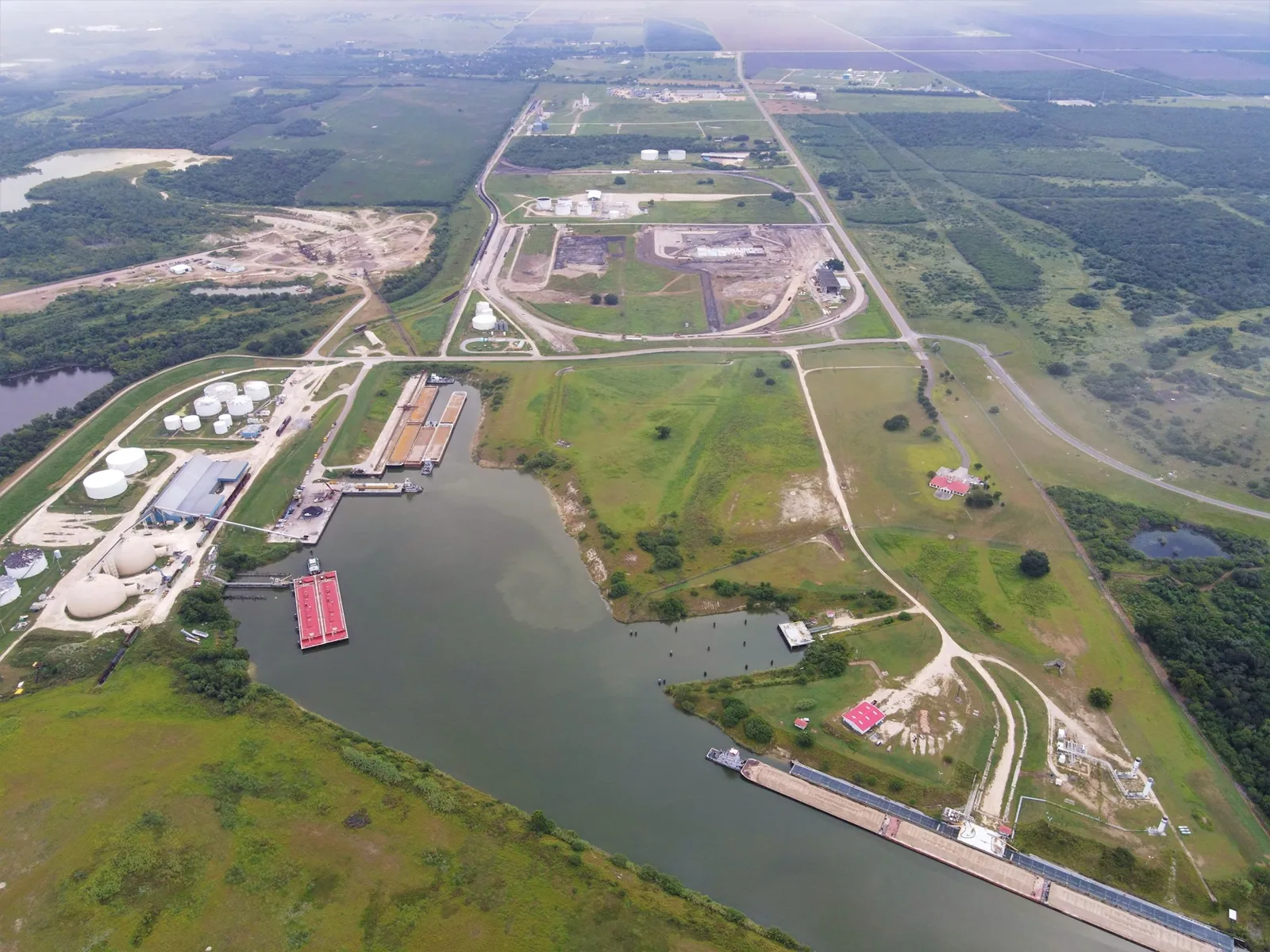
At a multi-building site in the Port of Victoria Industrial Park South, label each structure and route separately. A commercial roof inspection can supply current field observations, while a roof asset management register connects them to prior records. The report should state its inspection date and who provided access or roof-system information.
Define what the inspection includes
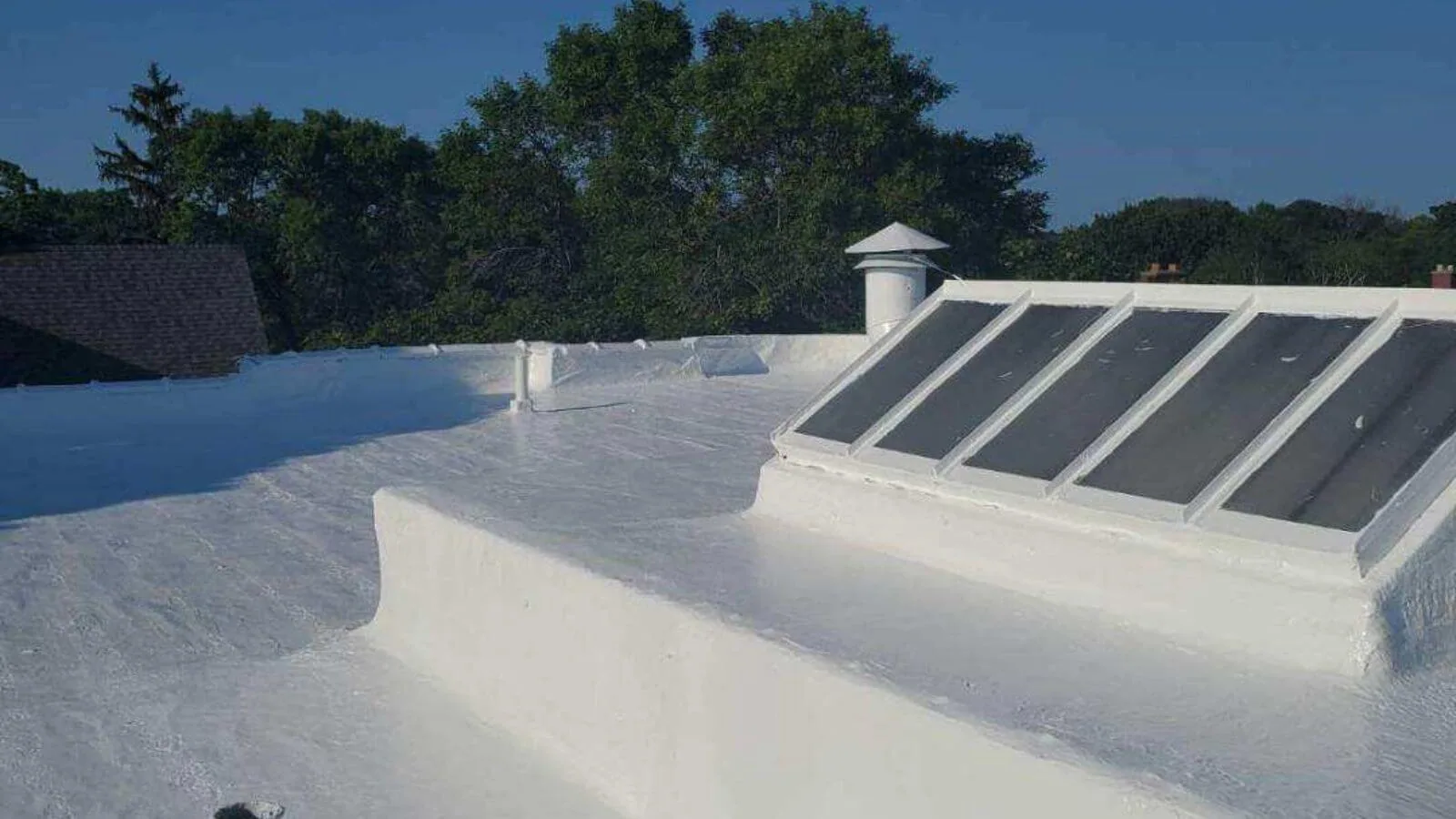
Document membrane, seams, flashing, drains, scuppers, edges, curbs, supports, and other visible transitions. Each note should name a section, use a roof-plan grid or nearby permanent feature, and state what was observed. “Open lap at the east mechanical curb” is easier to act on than “roof problem.” Photos should show both the detail and its surrounding context, with captions that align to the report numbering.
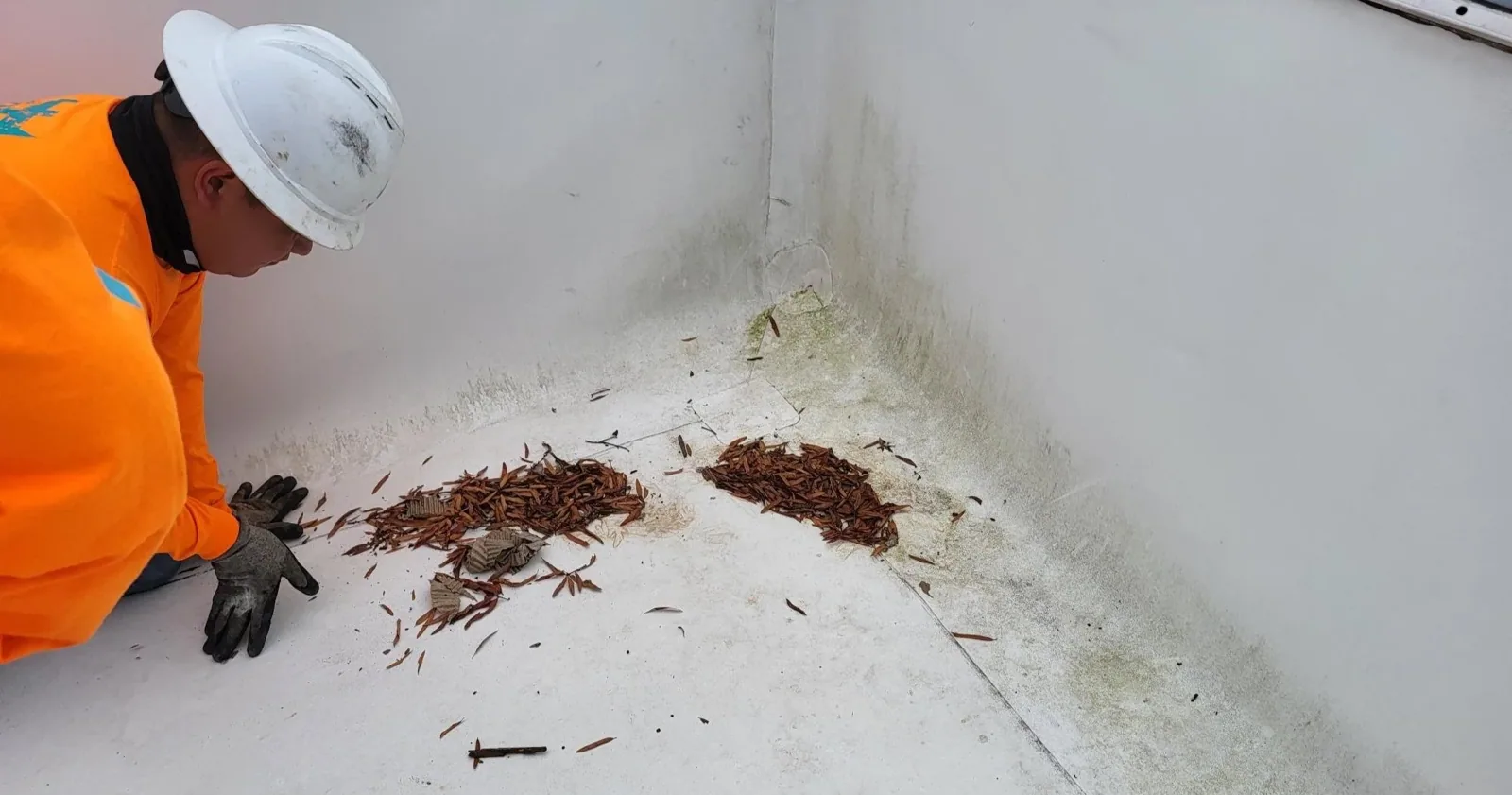
Separate active leaks, open seams, surface wear, ponding, debris, and prior repairs. If water is seen inside, record the room and timing without assuming the roof opening is directly above. A commercial roof leak repair follow-up may need to trace the path or confirm a concealed condition. If the inspection identifies standing water, note its observed extent and timing rather than declaring the roof’s slope or structure deficient from a visual impression alone.
For a roof with several additions, create separate section identifiers and show where one assembly stops and another begins. Include details such as membrane type only when identified, and note if an old repair obscures the original surface. A legend should explain any abbreviations used in photographs or drawings. If a drain, curb, or wall joint is referenced in more than one finding, use the same label so the manager can compare reports over time.
Describe roof conditions with location references
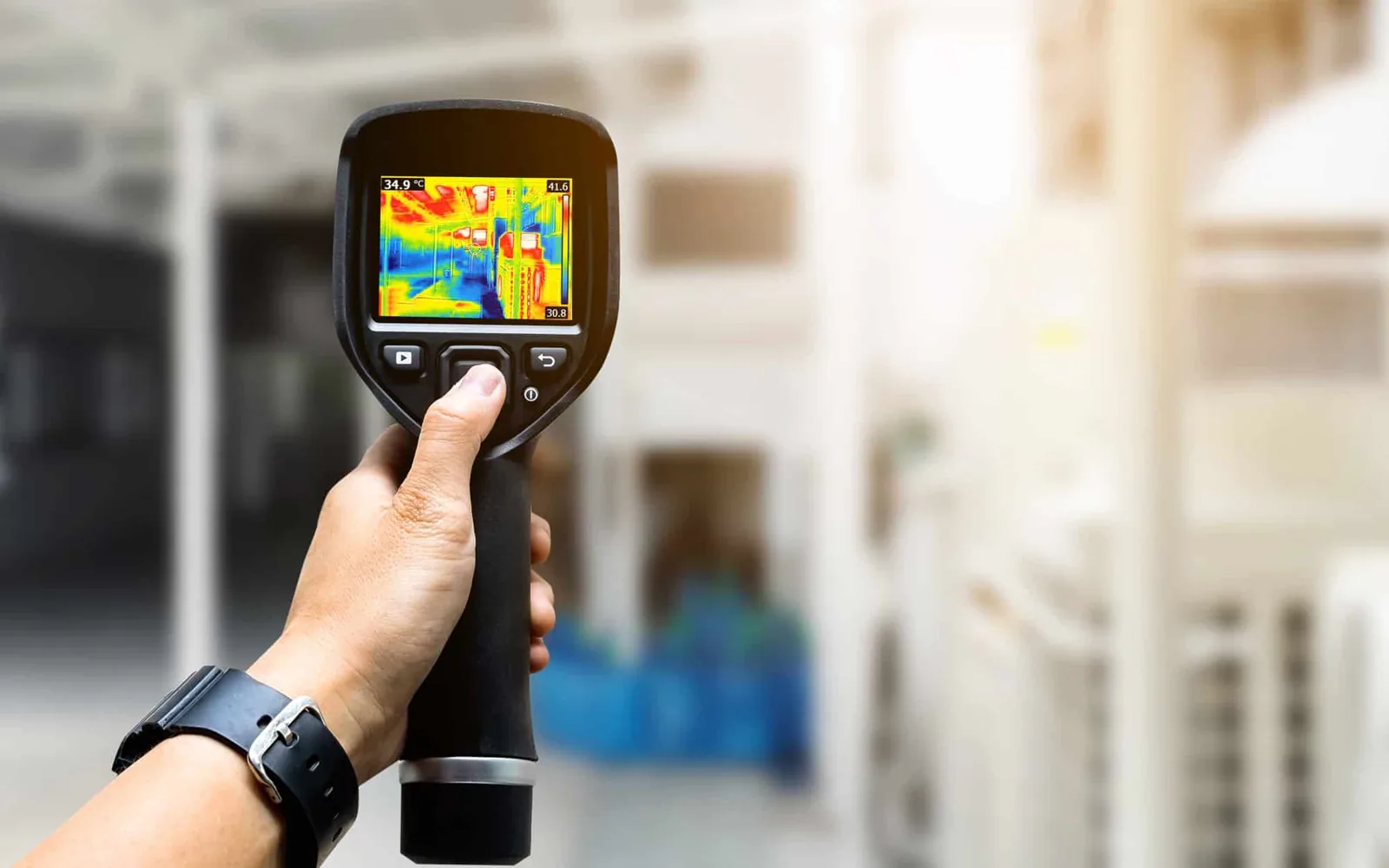
A report may include owner statements, maintenance history, weather context, test results, and field observations. Label each source so readers know what the roofing crew saw and what came from another record. A stain or damp ceiling is an interior symptom; a surface split is a visible roof defect; concealed moisture requires appropriate testing. If an infrared scan or selective opening was not performed, do not write as if it was.
Recommendations should connect evidence to a next step. A confirmed opening may need repair; a repeated leak without a visible source may need targeted investigation; an unknown assembly may need identification. The report should state why a recommendation matters, what decision it supports, and whether another professional is needed. If structural movement is suspected, refer that question to the responsible engineer rather than offering a structural conclusion from a roof walk.
Separate observation from inference
Organize items by urgency and dependency. Active water entry, loose materials, and exposed deck may require prompt action. Other observations may fit planned maintenance or a capital review. Each item needs an owner, recommended timing or trigger, and closure evidence. If repairs are outside the inspection scope, state whether a separate estimate or access visit is needed. A list of defects without an action path leaves the manager to repeat the inspection just to decide what to do.
For local portfolios spanning Victoria’s industrial, healthcare, education, and retail sites, different operations can change the consequence of a roof condition. A roof capital plan may use report priorities alongside building budgets and work windows. The ranking should still reflect each property’s actual condition rather than a citywide or sector-wide assumption.
For example, a confirmed opening over an occupied room can receive an immediate repair action, while a stained area with no roof defect may need targeted moisture investigation. A faded coating can remain a maintenance observation unless inspection shows loss of protection or a failed transition. The report should show the evidence and consequence behind each priority, not only a color code. This lets facilities staff explain the next action to finance, tenants, or an operations lead.
Give managers an order for next actions
Retain the report with the roof plan, product records, prior repairs, invoices, and closeout photographs. If system type or installation date is uncertain, identify the source and confidence of that information. A repair can change the surface or create a new boundary; update the report history instead of copying forward an old note. Preserve original photos and the inspection date so later reviewers can compare like sections and see what changed.
Victoria weather records include hot summer conditions, hail, wind, and tropical systems. That context may inform inspection planning, but a report should not claim an event damaged a roof unless the field evidence supports the statement. A Victoria service-area report can refer to local context while keeping the findings tied to the building. A seam repair or other completed work should link to its exact roof section and closeout record.
Local building context can help direct the next visit. A roof in Lone Tree II Industrial Park may need a different approved route or equipment coordination than a downtown office, but a report should record those actual property instructions rather than copy them from a neighboring site. Keep the current access contact and roof-plan version with the inspection date. If either changes, note the update so the next crew does not rely on an outdated drawing or escort arrangement.
Keep the report tied to the roof system
Use a brief summary that states inspection purpose, overall scope, urgent items, and the next decision. Follow it with a roof map, numbered observations, photographs, test results, and limitations. Define terms such as “monitor” or “repair” in practical terms, so a manager knows what event or date should trigger review. Avoid broad ratings that hide different conditions across separate sections.
When ownership or property staff changes, the next reader should be able to identify which roofs were inspected and which issues remain open. Provide editable source maps where agreed and a final document in the owner’s preferred format. A useful report supports repair and budgeting decisions; it does not replace engineering, code review, environmental testing, or the terms of a separate warranty.
Make the final file easy to use
Related Roofing Work
Frequently Asked Questions
What should a roof condition report include?
Include the inspection purpose and scope, building and roof-section identifiers, visible observations, photographs, testing, limits, and next actions.
Does a visual report confirm concealed moisture?
No. Concealed conditions need appropriate testing or an agreed selective opening. The report should state what was not examined.
Can the report identify the cause of every leak?
Not always. Water can travel before it appears inside. The report should identify confirmed defects and recommend targeted investigation when needed.
How often should a report be updated?
Update after material roof work, a significant leak or weather event, or when prior access did not cover the needed sections.
Is a condition report an engineering certification?
No. Structural questions, code determinations, and specialized tests belong to the appropriate qualified professional.
Provide roof plans, inspection purpose, leak history, prior repairs, and access limits. We will document the scope, observations, photographs, and next actions.
Call 555-555-5555 or email [email protected].