
Commercial Roofing in Port O’Connor, TX
Service Areas · Victoria, TX
Commercial roofing in Port O’Connor, TX, with property inspections, repair planning, and coastal work coordination for local businesses.
Next step
Request a Roof Assessment
Call
555-555-5555
Businesses in Port O’Connor may need roof work scheduled around visitors, deliveries, or marine activity. The first step is to identify the building contact, roof access, reported symptom, and areas that must remain open. Local storm history informs preparation, while the inspection documents current conditions. Each service request is for an authorized property in town or the surrounding area, not a historic landmark by default.
Port O’Connor
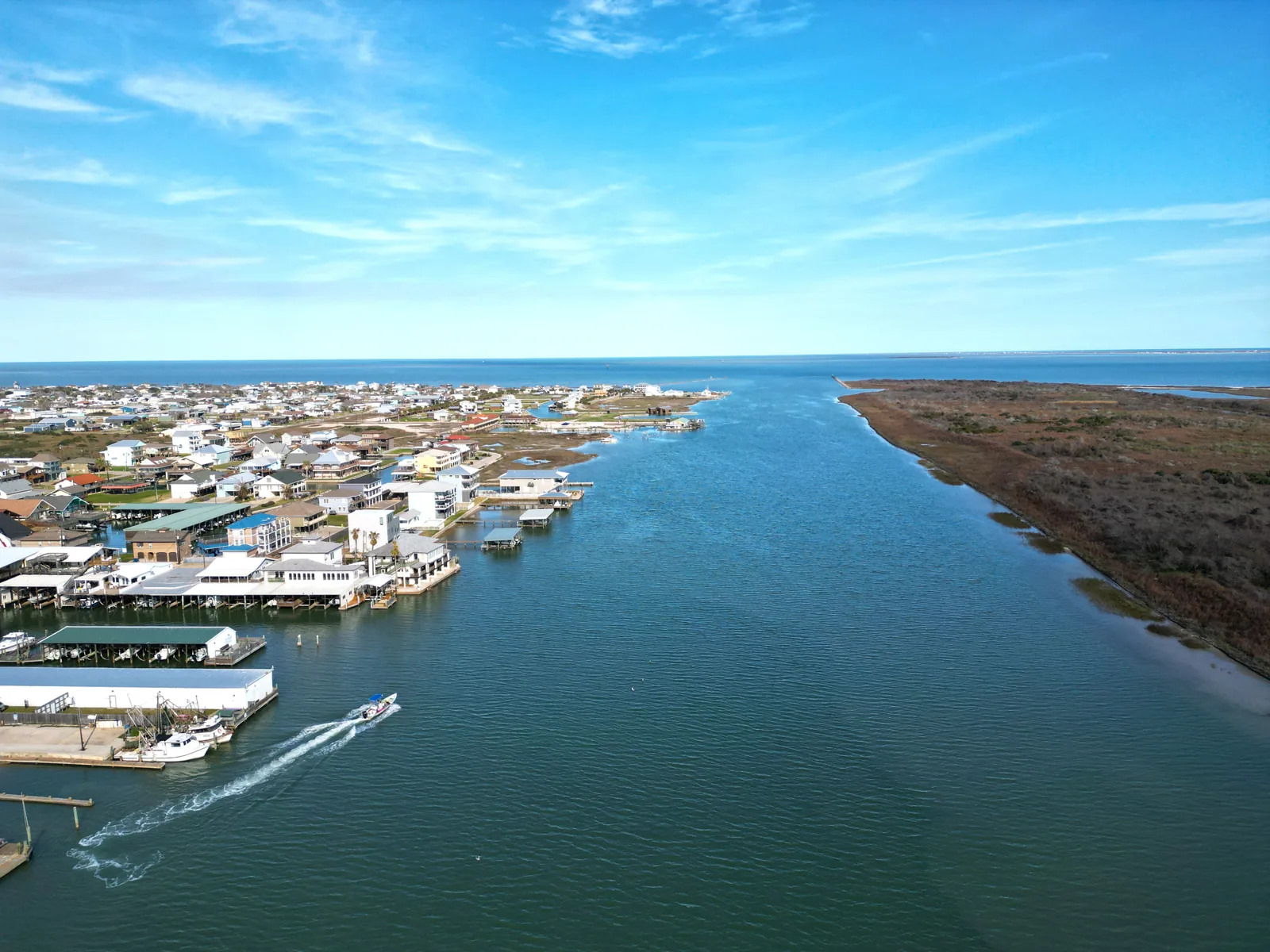
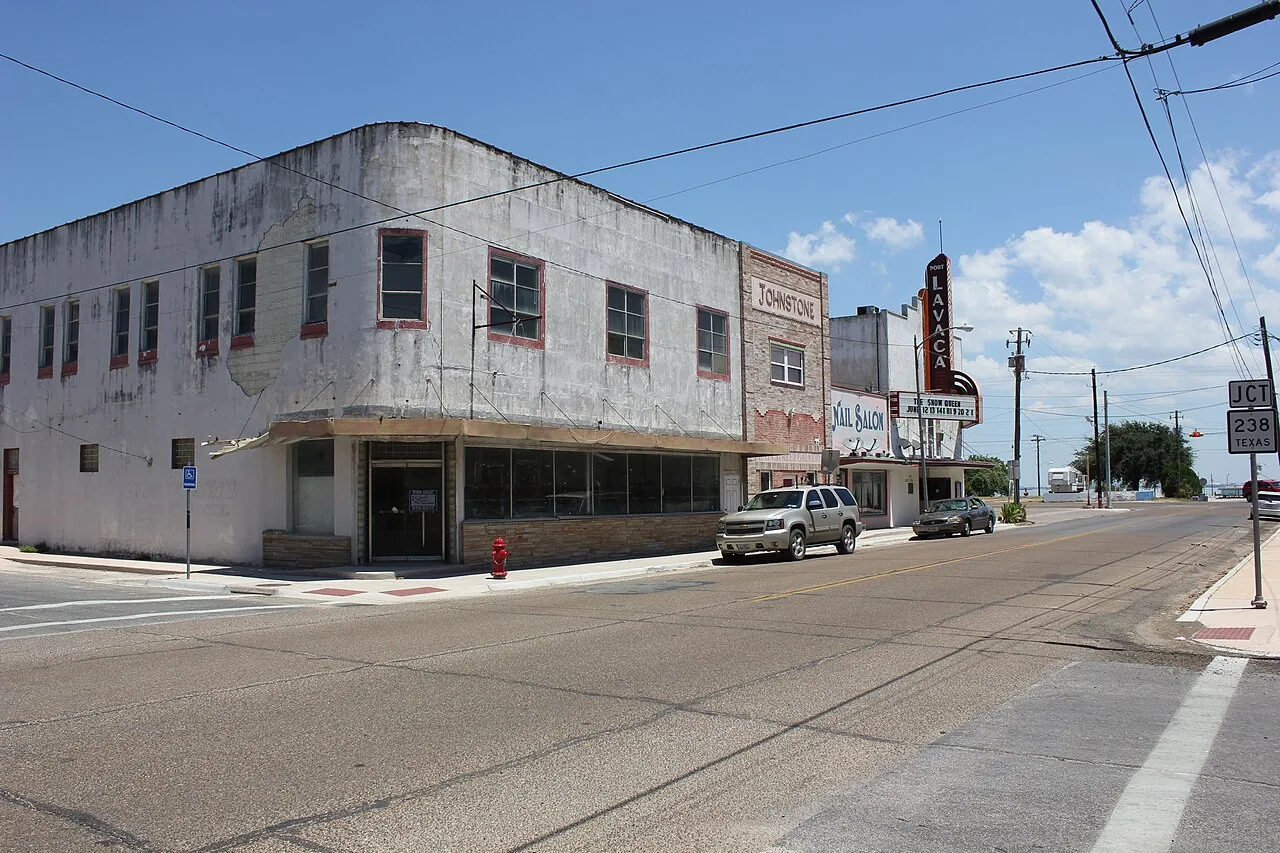
Port O’Connor is a town on State Highway 185 along Matagorda Bay in southern Calhoun County, with access to the Gulf Intracoastal Waterway. Fishing, tourism, retirement activity, and marine or seafood businesses contribute to the commercial setting. Hurricane Carla came ashore here in 1961 and destroyed the town's five-block downtown, a reminder of the area’s wind exposure and rebuilding history. Those facts frame planning; they do not establish the condition of a current roof. Service covers the town and surrounding properties, with each inspection scoped to a specific authorized building.
Businesses serving visitors or marine activity may need clear pedestrian routes, parking, docks, or loading areas during roofing work. Confirm those operating constraints with the property contact. Ask where a delivery can be received, when a lift can enter, and whether customer access must remain open. The roof plan should identify low-slope sections, canopies, rooftop equipment, and changes in elevation. Coastal weather makes daily closure important, but the schedule should follow the forecast and actual substrate conditions rather than assume a fixed work window.
Plan for the town and surrounding properties
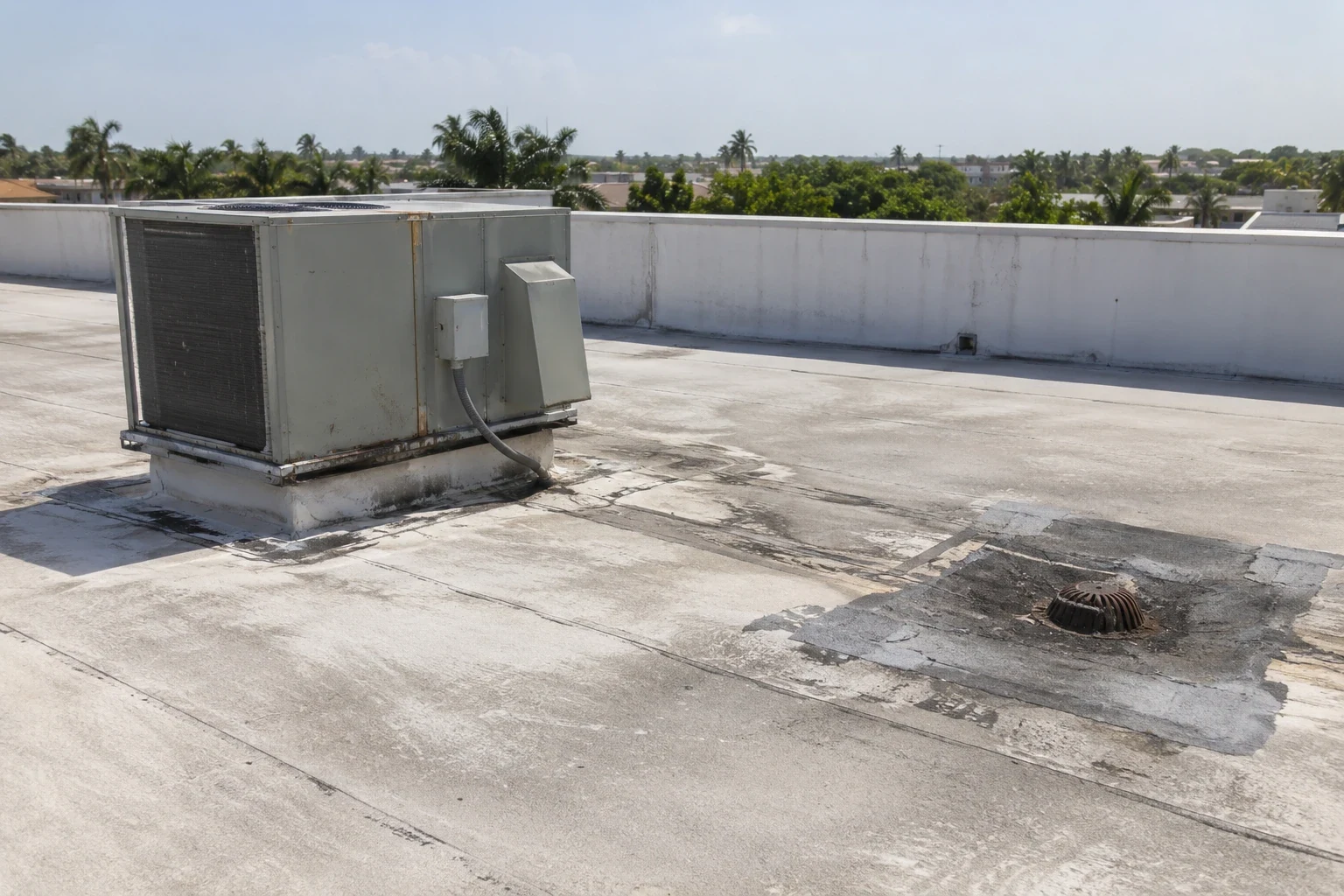
Start from the interior symptom or reported storm damage and inspect the related roof details. Check metal-panel laps, membrane seams, wall flashings, edges, drain bowls, scuppers, penetrations, and previous repairs. Wind-driven rain may reach a weak transition from a different direction than a routine leak, and water may travel before entering a room. Photograph evidence with enough context to identify the roof section. Note the weather history as owner-reported, and do not label a condition storm-caused unless the observed evidence supports that conclusion.
Record the visible assembly, inspection date, areas reached, roof condition, drainage, and any test. Distinguish physical observation from damage history, estimated age, or a claim description. A visual walk cannot determine concealed moisture or structural capacity. If testing would clarify the repair choice, identify a small defined location and the restoration method before opening. Mark any section that was inaccessible because of weather, occupancy, or unsafe conditions. A follow-up plan should name the specific access step needed to complete that portion of the review.
Inspect storm reports as field conditions

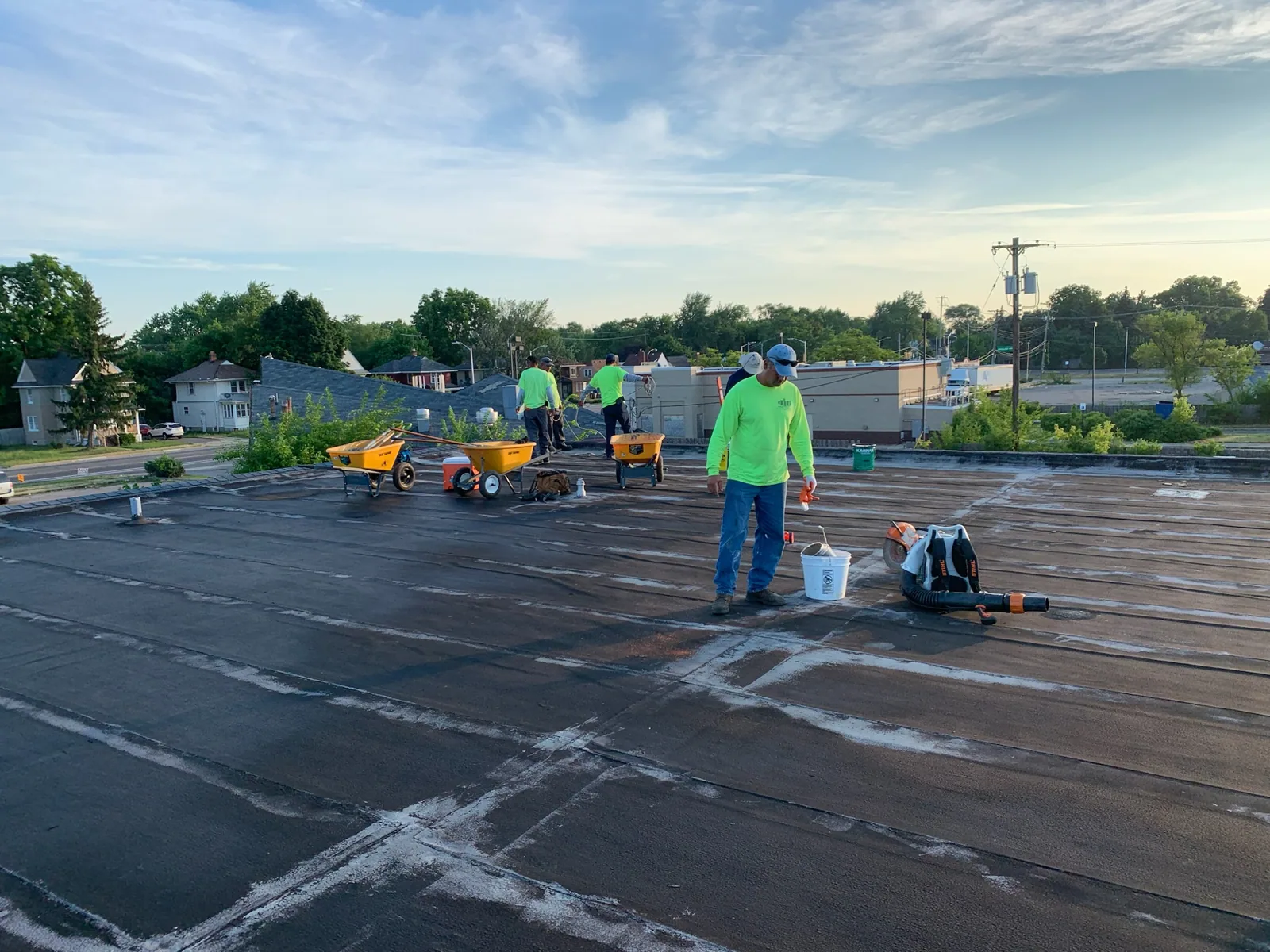
Coastal work requires a repair boundary the crew can prepare and close under the conditions at the property. Identify the surface preparation, compatible materials, seam or flashing treatment, and temporary protection for the shift. If removal exposes wet insulation or damaged decking, cover the area and return the added scope for approval before expanding. Do not treat a temporary cover as a completed repair. When the forecast changes, stop at a condition that can be secured and document what remains for the owner and the next crew visit.
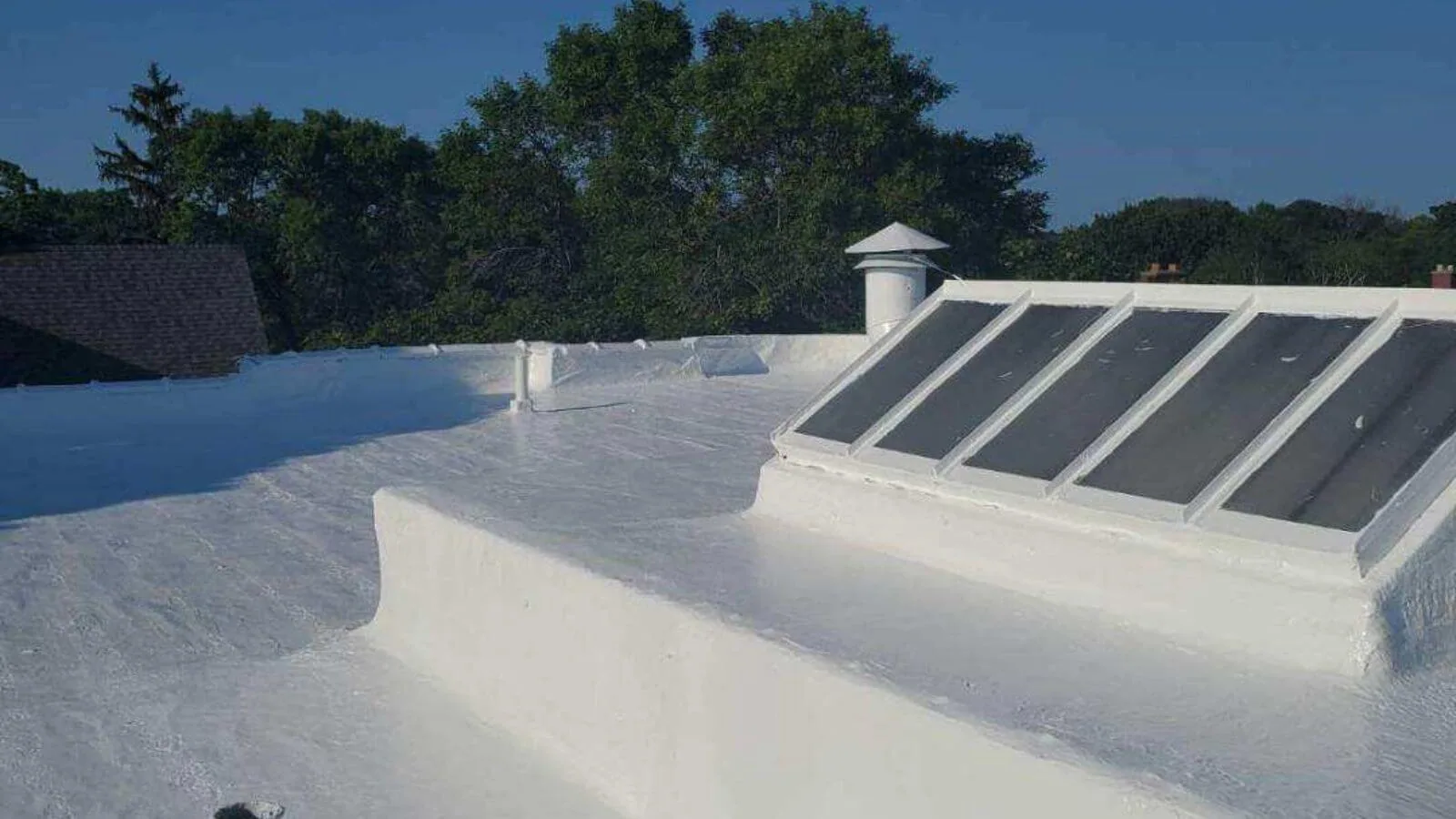
An owner can first request a roof inspection to map visible conditions and excluded areas. For an identified point of entry, leak repair defines the preparation and tie-in. A replacement estimate is a separate decision with removal, staging, edge work, and weather sequencing identified. Do not blend these choices into one open-ended scope.
Set a return plan for excluded areas
Before mobilization, confirm roof access, ladder or lift position, staging space, customer and tenant routes, and the contact who can authorize changes. If a business is open to visitors, agree on barriers and signage with its manager. Waterfront exposure can increase wind at the work surface, so confirm safe equipment use on the day rather than relying on an earlier forecast alone. Any escort, parking clearance, or shutdown must be arranged for that property. Keep separate addresses and access plans for any additional buildings under the same owner.
A commercial roof inspection creates a condition record before repairs. A leak response can address a confirmed point of entry, while a replacement plan should describe the sequence for removing and closing each section. Owners who need recurring checks can schedule maintenance around the building's use and seasonal exposure. Each option needs a separate boundary, access plan, and material assumption.
Protect the roof between work phases
If damage is confined to one detail and the surrounding roof accepts a compatible tie-in, a repair may be the clearest next step. Broad uplift, repeated edge failures, widespread wet insulation, or recurring leakage may justify additional testing and a renewal comparison. Explain the observed evidence and avoid making insurance or causation promises. Recover and coating options require confirmed layers, drainage, perimeter height, substrate, and compatibility. A historic storm event informs the local context, but the current roof condition must be evaluated independently.
A repair can address one verified failure while a separate portion enters a longer-range capital plan. Compare the options with the owner using current observations, likely disruption, access, and what remains concealed. Recover or coating work depends on the assembly beneath it, perimeter transitions, moisture, and drainage. State the information still needed before final pricing. For a visitor-facing building, include the work sequence and public access controls in the decision, not just the material selection.
Confirm work-zone details before mobilization
The final record should capture the property, roof section, observed system, work authorization, preparation, materials, photos, and how the roof was closed each day. Include drainage and edge observations, tests, exclusions, and any approved change. State which areas were not reached and whether a return visit is needed. This creates a durable reference for the owner without suggesting that every portion of the roof or all storm-related concerns were included.
For service in Port O’Connor, share the property, roof sketch or plans, reported leak or damage, access contact, and available repair history. We will inspect the authorized area and explain the evidence behind the next step. Requests that also include Seadrift or Port Lavaca should list each building separately so coastal scheduling does not blur the scope or site record.
Keep coastal history distinct from current findings
For hospitality or visitor-facing properties, discuss customer routes before choosing the staging area. A lift, pallet, or work barrier can affect parking and access even when the roof work is above an unoccupied portion of the building. The property manager should identify accessible entrances, delivery windows, and hours when noise or material movement will cause the least disruption. These details belong in the work plan alongside roof preparation and closure. If an area cannot be isolated safely, adjust the sequence or schedule instead of leaving the public route unclear.
When past wind events are part of the owner's concern, organize records by date and roof section. Include available photographs, repair invoices, and notes about when water was observed. During inspection, describe current physical evidence separately from historic reports. If the owner needs a repair for immediate water control while considering a broader project, write the two decisions as separate scopes. That preserves a clear choice and prevents a short-term response from being represented as a complete evaluation of the roof system.
Protect visitor access during the job
Related Roofing Work

Frequently Asked Questions
Does the service area target a historic building?
No. It covers the town and surrounding properties, with work scoped to an authorized building.
Will you confirm storm causation?
The report records evidence; causation or coverage is not inferred from location alone.
What if weather changes during repair?
The crew secures the exposed section and documents the remaining work.
Can an occupied business stay open?
That depends on the work zone and an approved access and protection plan.
Are roof sections all included?
Only sections that are authorized and reached are included in the record.
Share the property, roof plan, reported condition, access contact, and prior repair history. We will inspect authorized areas, document visible conditions, and explain the next supported step for your Port O’Connor building.
Call 555-555-5555 or email [email protected].