
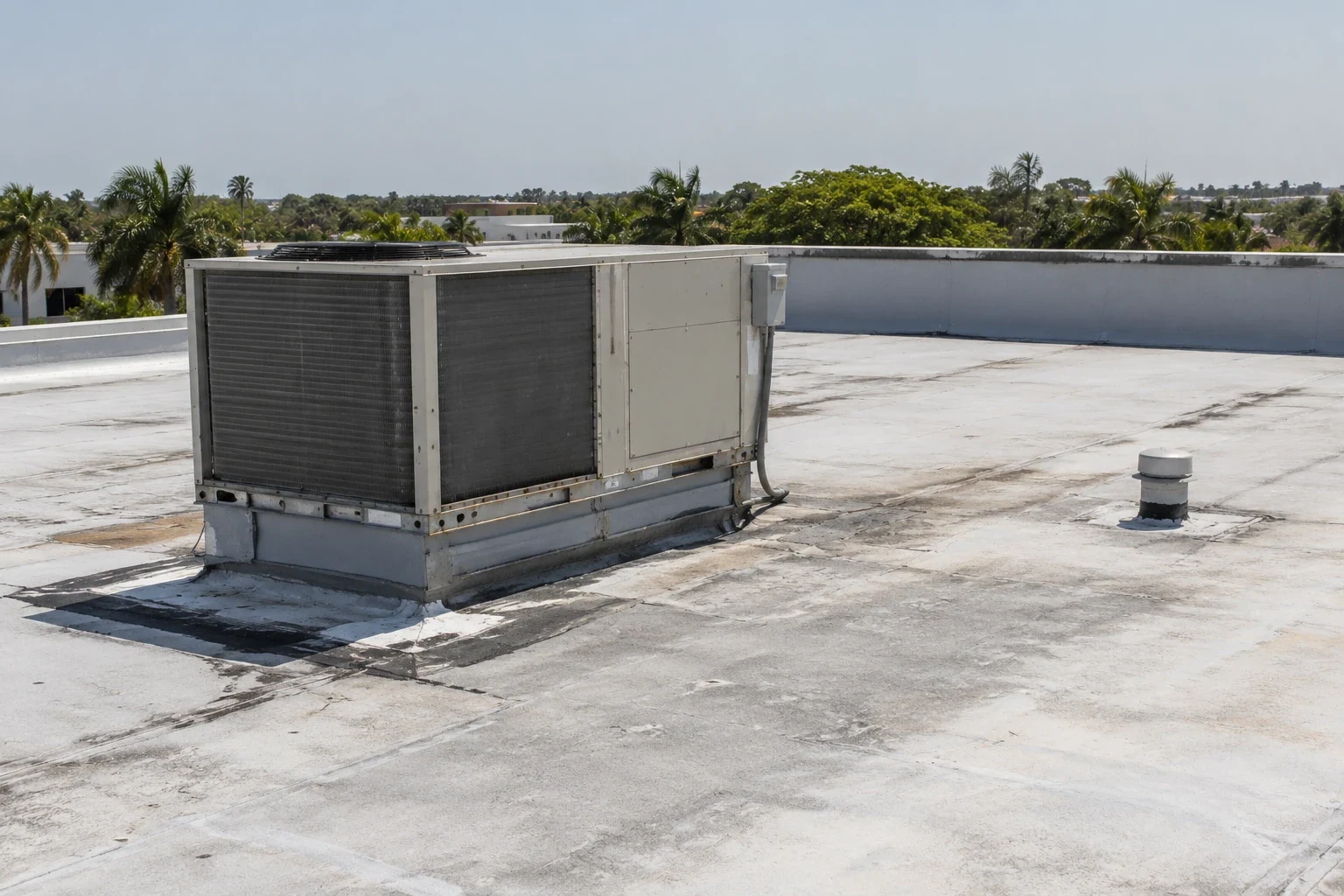
Preventive Roof Maintenance in Victoria, TX
Commercial Roofing Services · Victoria, TX
Preventive roof maintenance in Victoria checks drainage, seams, metal edges, and equipment details before heat, hail, or wind exposes a repair need.
Next step
Request a Roof Assessment
Call
555-555-5555
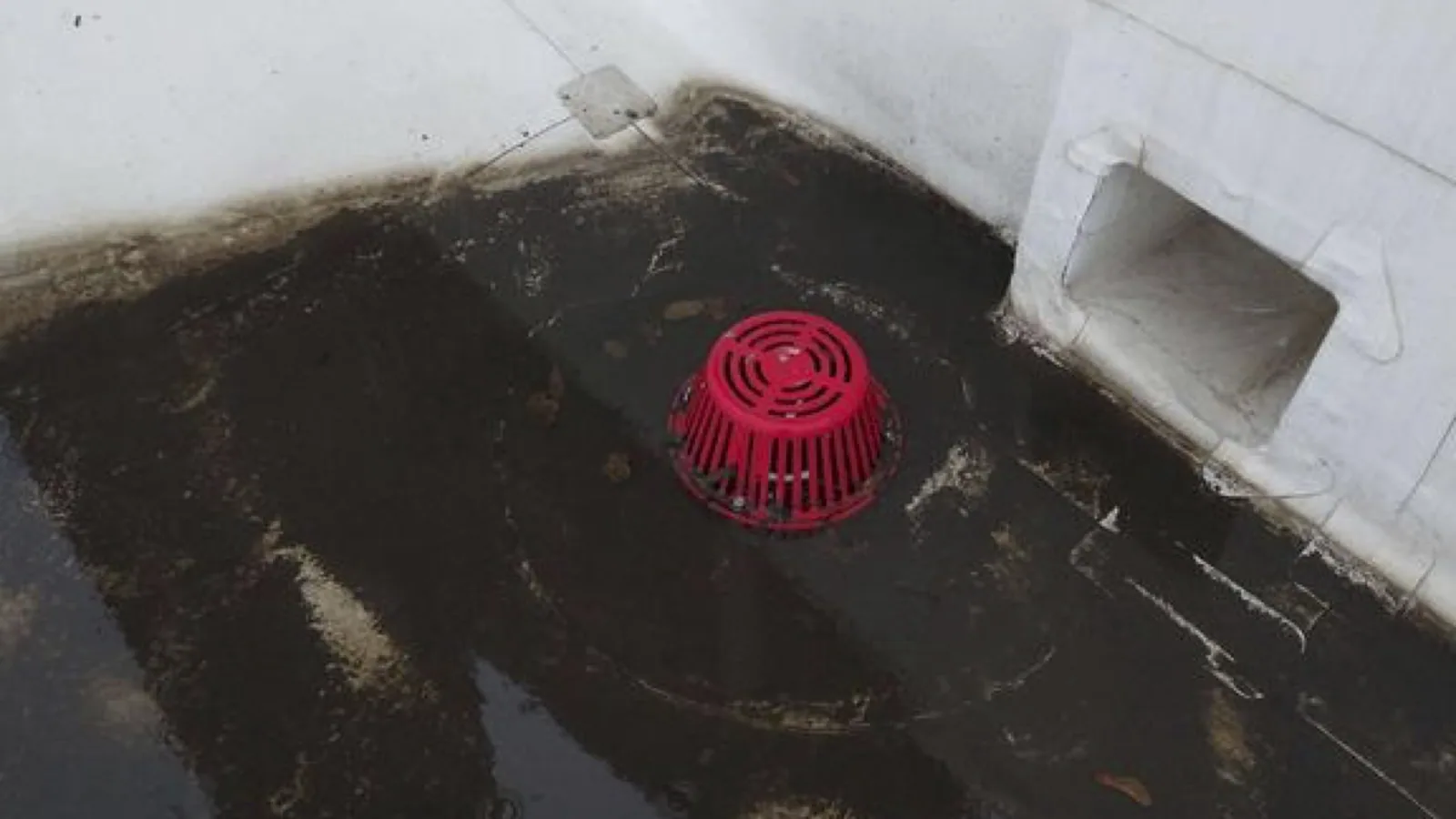
A drain bowl surrounded by leaf debris can hold water against a seam long after the roof walk ends. A maintenance visit starts with the building, roof system, access route, and work records, then checks the details most likely to change the next repair decision. Victoria’s hot season can accelerate surface aging, while hail and damaging wind make edge metal, curbs, and exposed flashings worth a closer look. The Port of Victoria Industrial Park South and the development areas at Victoria Regional Airport support different site operations, so a property’s own access and staging rules shape the visit.
Preventive Roof Maintenance
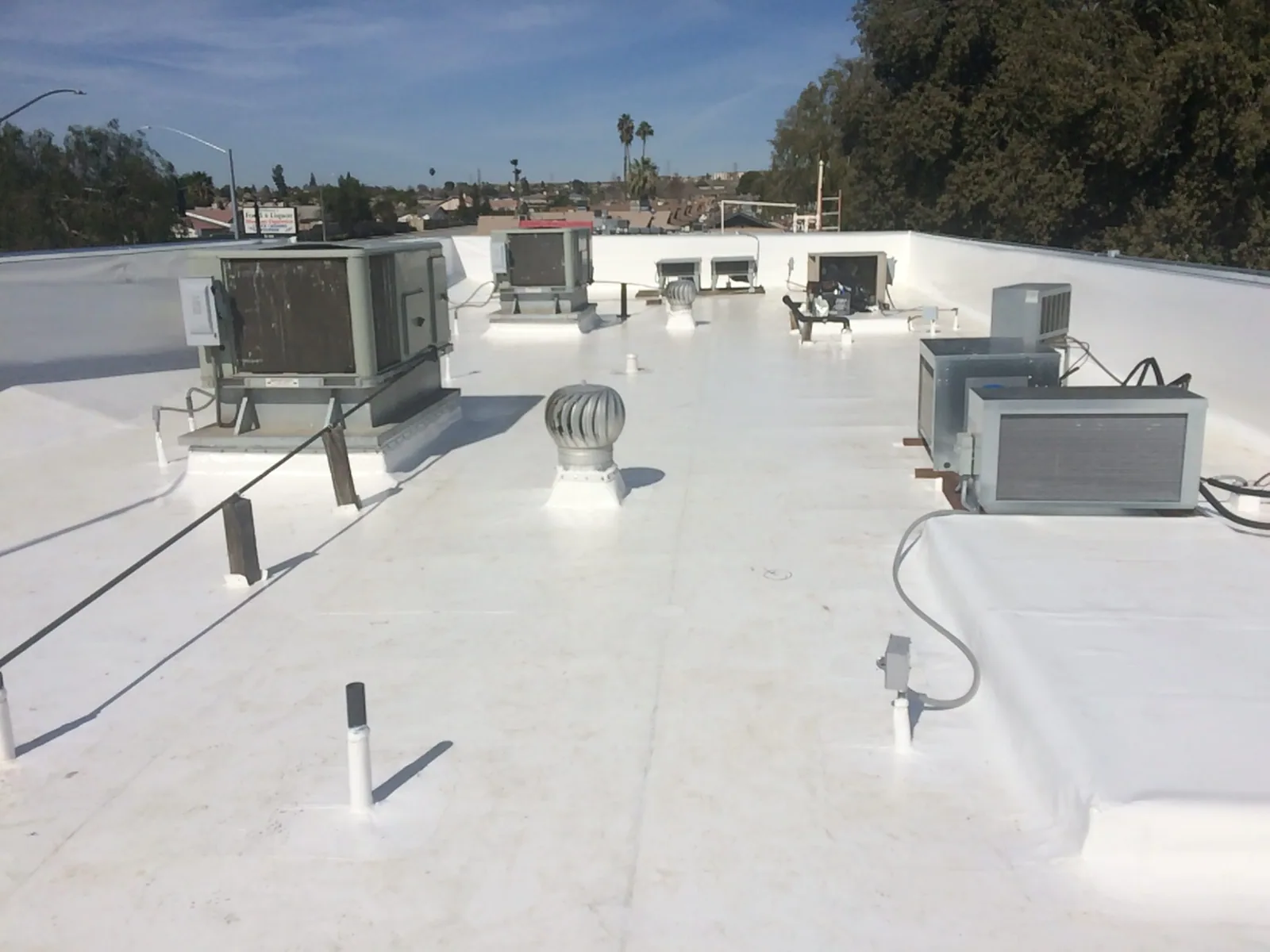
We begin with the property manager’s report: where water appeared, which equipment was serviced, what changed since the last visit, and which roof areas can be reached. The roof plan should distinguish separate buildings and sections. A multi-tenant facility may have different contacts for loading areas, mechanical rooms, and occupied suites. Confirm the safe ladder or hatch, fall-protection needs, and any equipment that must remain in operation before setting the inspection route.
On the roof, we note the membrane type, prior patches, walk pads, penetrations, supports, and drainage paths. A commercial roof inspection can turn those observations into located condition findings when a broader evaluation is needed. Maintenance keeps the visit focused on change: a new gap at a curb, movement at a metal edge, a clogged outlet, or a repair boundary that no longer looks stable.
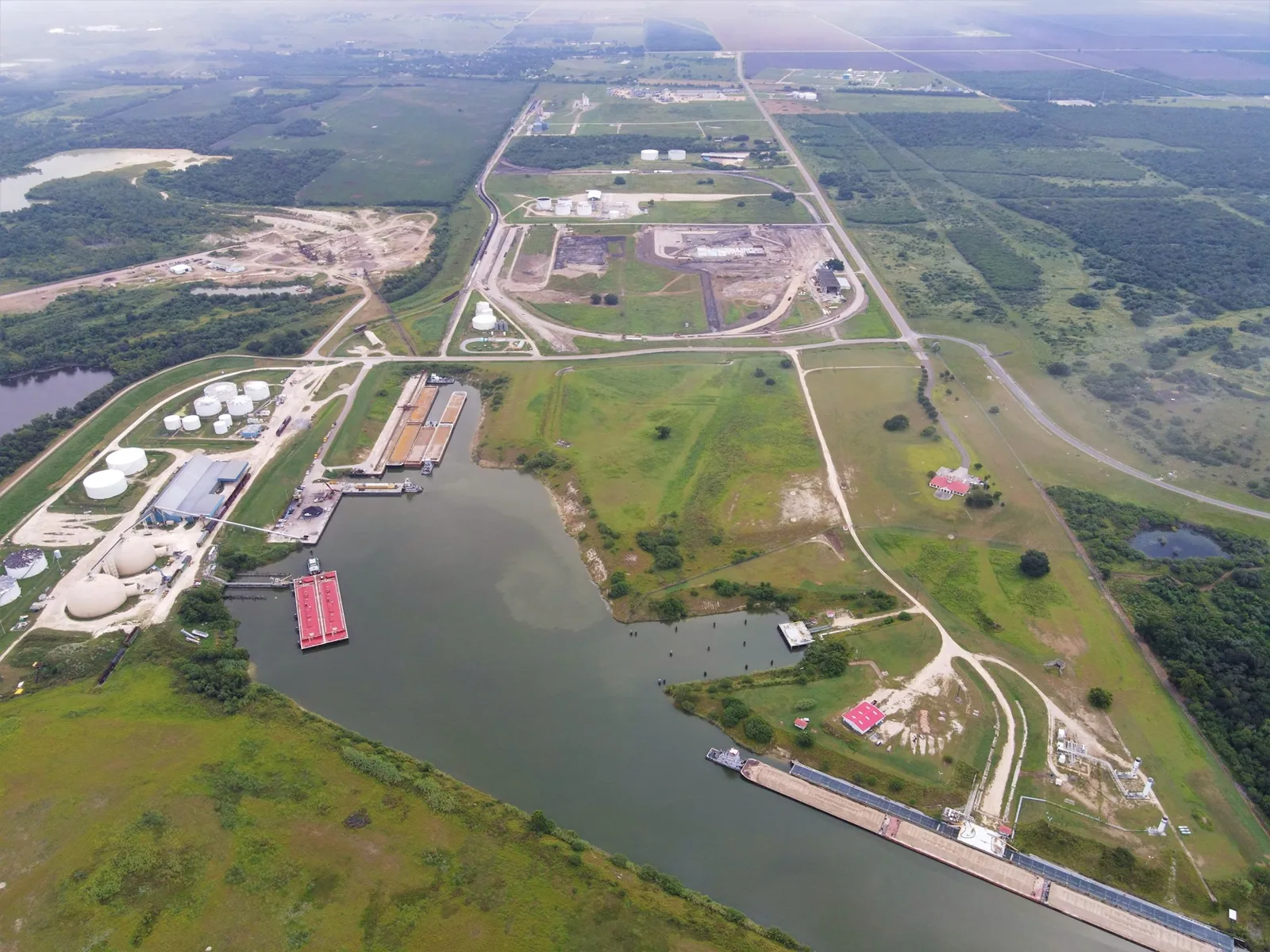
The Port of Victoria Industrial Park South combines barge, highway, and dual-rail freight access. That context makes it useful to confirm delivery routes at the assigned property, but it does not establish any building’s roof type or condition.
Set the route before stepping onto the roof
Standing water near a drain deserves more than a photograph. We remove loose debris where safe, inspect the bowl and strainer, and follow the path to the outlet and overflow. Look for crushed strainers, separated clamping rings, sealant covering an opening, or insulation that directs water away from the bowl. A clogged approach and a failed drain connection call for different corrections. A drain and scupper repair is scoped to the obstruction or detail that field examination confirms.
Check scuppers for leaves, sediment, damage at the throat, and signs that water has crossed the parapet. Photograph discharge conditions from an approved position. If a downspout is inaccessible or its lower connection cannot be confirmed, record that limit instead of treating the roof-side opening as proof the whole route is clear. Note retained water after the surface is safe to examine and compare it with prior maintenance records.
Heavy rain associated with tropical systems can test drainage and edge details across the South Texas region. The outlet review should leave the manager with a clear distinction between routine cleaning, a repairable transition, and a condition needing further assessment.
Keep water moving to the outlet
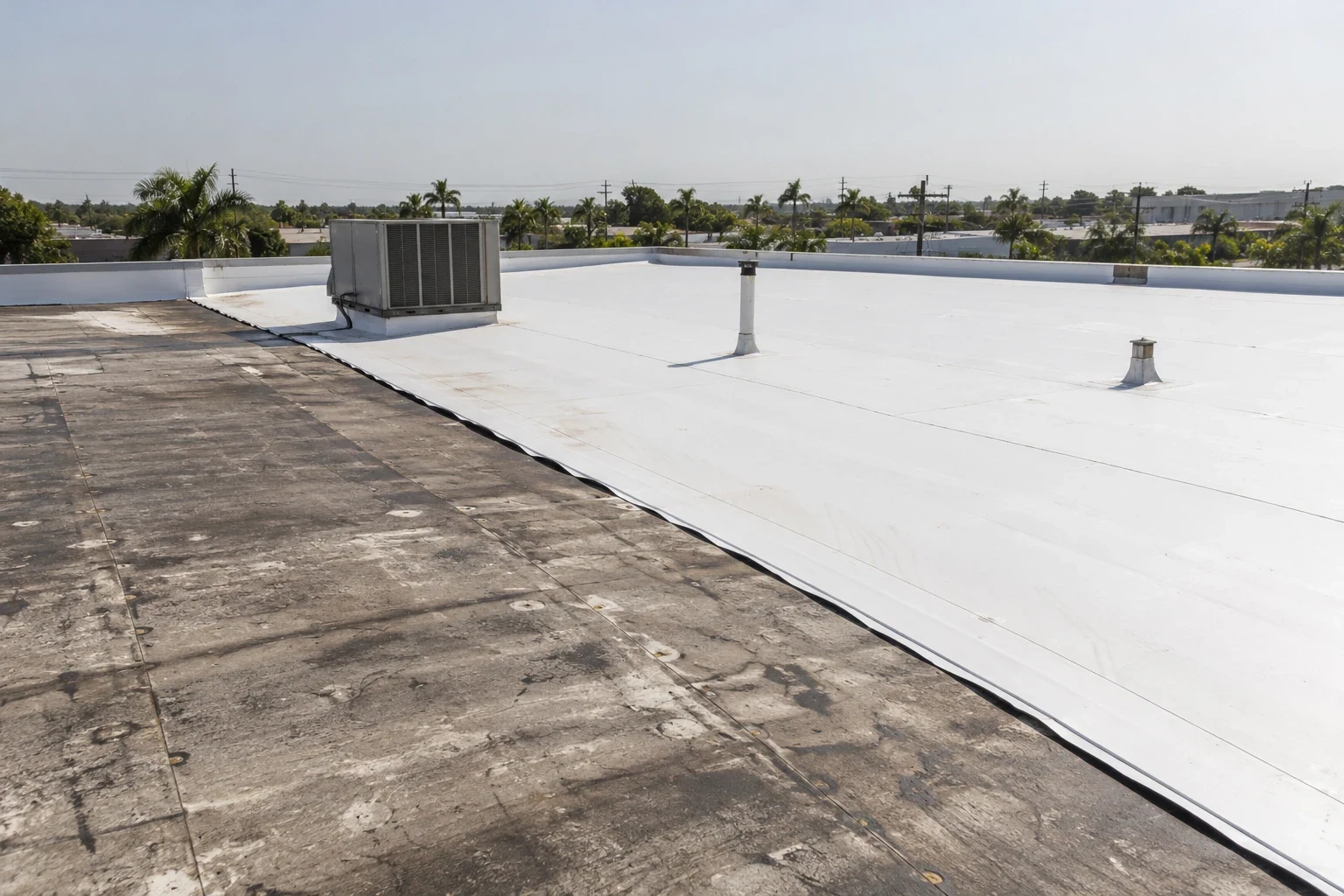
Victoria’s July 2026 climate record lists a normal high of 94 degrees Fahrenheit and a record high of 110. That local heat context supports checking for brittle sealant, open laps, surface wear, and movement at details, but it does not prove a particular roof has aged out. Record the visible condition and whether an earlier repair remains bonded. Compare exposed areas with shaded or protected sections only when they use the same assembly and receive similar service.
The National Weather Service also issued a 2026 warning for central Victoria County citing quarter-size hail and 60-mile-per-hour gusts. After a storm, inspect metal edges, flashings, screens, supports, and roof-mounted units from safe positions. A mark or displaced component is evidence to record, not an automatic damage conclusion. For confirmed impact, storm-damage assessment can separate observed conditions from unrelated wear.
Victoria Regional Airport has industrial and commercial development areas connected from US 59 Business. Each property still needs its own roof map, access approval, and maintenance history. A regional weather record helps plan what to inspect; the roof walk determines what is present.
Watch the details exposed to heat and storms
Rank findings by consequence and next action. A loose termination or blocked overflow may need prompt correction; an older patch that remains sealed may only need a dated comparison on the next visit. The report should name each roof section, condition, photograph, and recommended response. Separate cleaning, minor repair, testing, and capital planning so the owner can approve the right task without treating every note as a replacement recommendation.
For membrane roofs, document seams and transitions by position. TPO system service requires preparation and compatible material at the confirmed assembly; the same assumption should not be applied to EPDM, PVC, metal, or modified bitumen. Keep loose accessories and equipment support conditions distinct from membrane findings. If an unresolved moisture pattern could change the repair limit, identify the test and the area it would examine.
A practical maintenance interval follows the assembly, drainage setup, operating access, and prior findings. After a hail or wind warning, a focused follow-up can check exposed edges and equipment details without turning every weather alert into a replacement recommendation. For a roof supporting tenant operations, agree who can authorize minor corrections. Record work deferred for parts, testing, or another trade.
A roof asset record can keep plans, inspection photos, completed repairs, and follow-up dates together across buildings. The service date, work completed, remaining access limits, and responsible contact belong with each section.
Turn observations into a useful work list
Before leaving, verify that drains and overflows are open, debris is removed, tools are accounted for, and any temporary protection is secure. Compare completed cleaning or repair with the original photographs. The closeout identifies what changed, what was left untouched, and whether a return check is needed. A maintenance visit should not silently expand into a larger scope; the manager receives a separate recommendation when testing or repair exceeds the approved work.
For a multi-building portfolio, store the roof plan and photos with the individual asset, not only a site-wide folder. Victoria has industrial operations near the barge canal as well as airport-related development; their operating schedules and access controls can differ. We coordinate the visit with the actual property contact and confirm how any open condition affects tenants, stored goods, or equipment beneath the roof.
When scheduling preventive service, provide the building type, roof sections, leak history, system records, and access window. We will map drainage, seams, edges, and penetrations, then document measurements and photographs that guide the next repair decision.
Leave the next visit a clear starting point
Related Roofing Work
Frequently Asked Questions
What does a maintenance visit cover on a large industrial roof?
We map the accessible roof sections and check seams, edges, penetrations, supports, and drainage. Each finding is tied to a location, photograph, and next action.
Can the visit distinguish cleaning from a drain repair?
Yes. We inspect the bowl, strainer, throat, and connection that can be reached, then separate debris removal from a failed component or inaccessible section.
Does a hot summer mean the membrane needs replacement?
No. Heat is a reason to document surface and detail conditions. The assembly, attachment, moisture, and repair history guide whether the next step is maintenance, testing, or replacement.
How do you handle a roof with separate tenant areas?
The property contact identifies access, operating limits, and rooms below each section. We keep observations and work areas located so one tenant’s approval does not stand in for another.
What records should be kept after a visit?
Retain the roof plan, dated photographs, section references, work performed, open conditions, and any return check. Keep records with the correct building and system.
Share the building type, roof plan, leak history, roof records, and access window. We will check drainage, seams, edges, and penetrations, then provide located photos and next steps.
Call 555-555-5555 or email [email protected].