
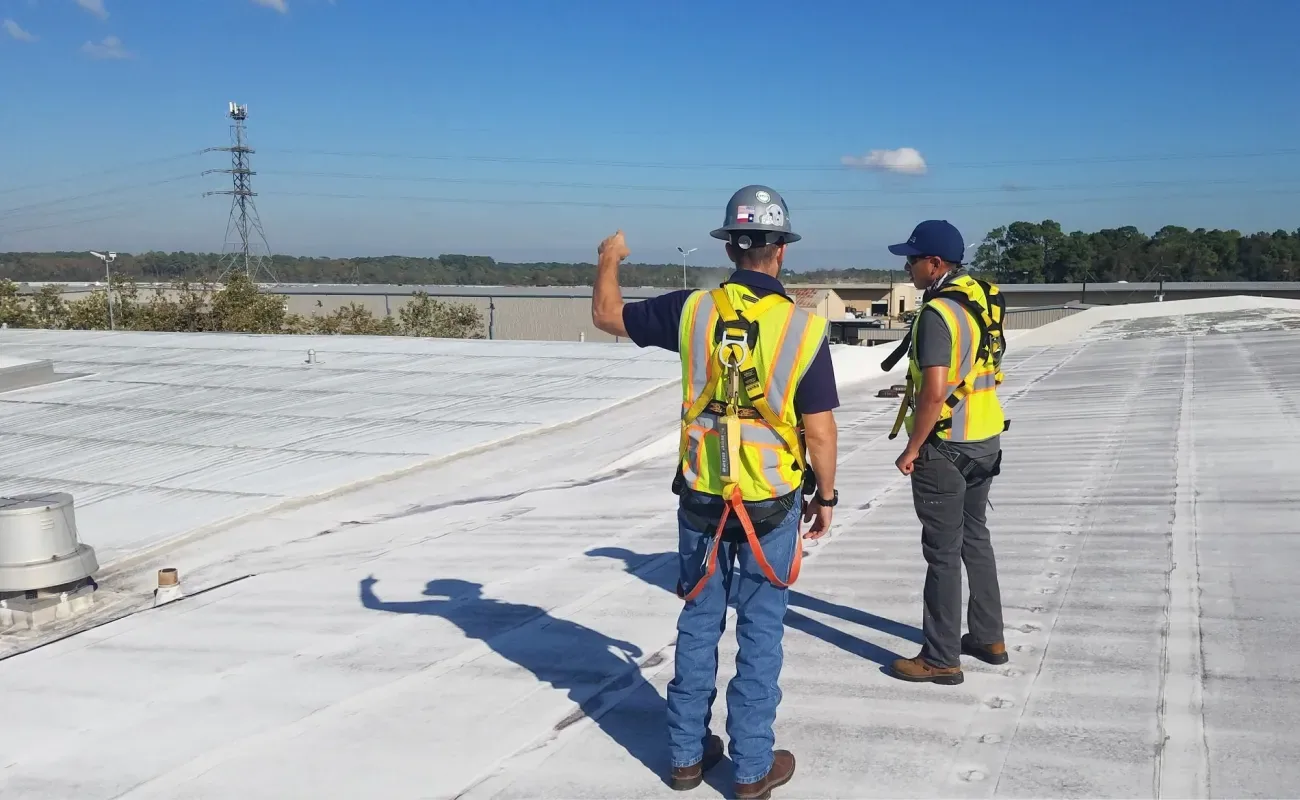
Commercial Roof Asset Management in Victoria, TX
Roofing Capabilities · Victoria, TX
Commercial roof asset management in Victoria organizes roof records, inspection findings, repairs, and priorities by building and assembly.
Next step
Request a Roof Assessment
Call
555-555-5555
A useful roof asset record helps a property manager connect the building, roof system, inspection history, open repairs, and next decision. Commercial roof asset management in Victoria starts with the information already available and identifies where it is incomplete. We organize observations by roof section, keep repair history traceable, and set review priorities around condition and building use rather than a single portfolio-wide label.
Commercial Roof Asset Management
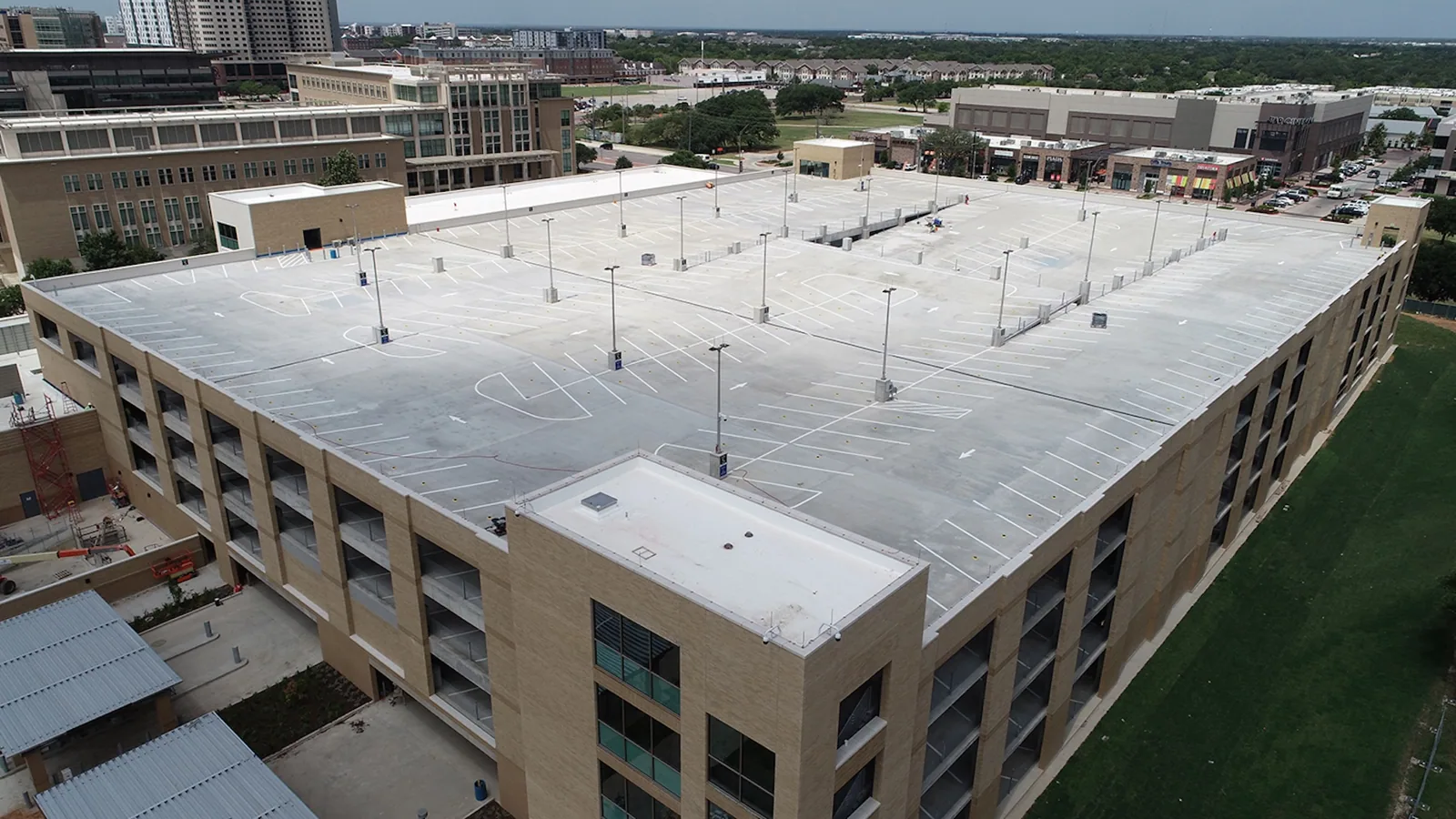
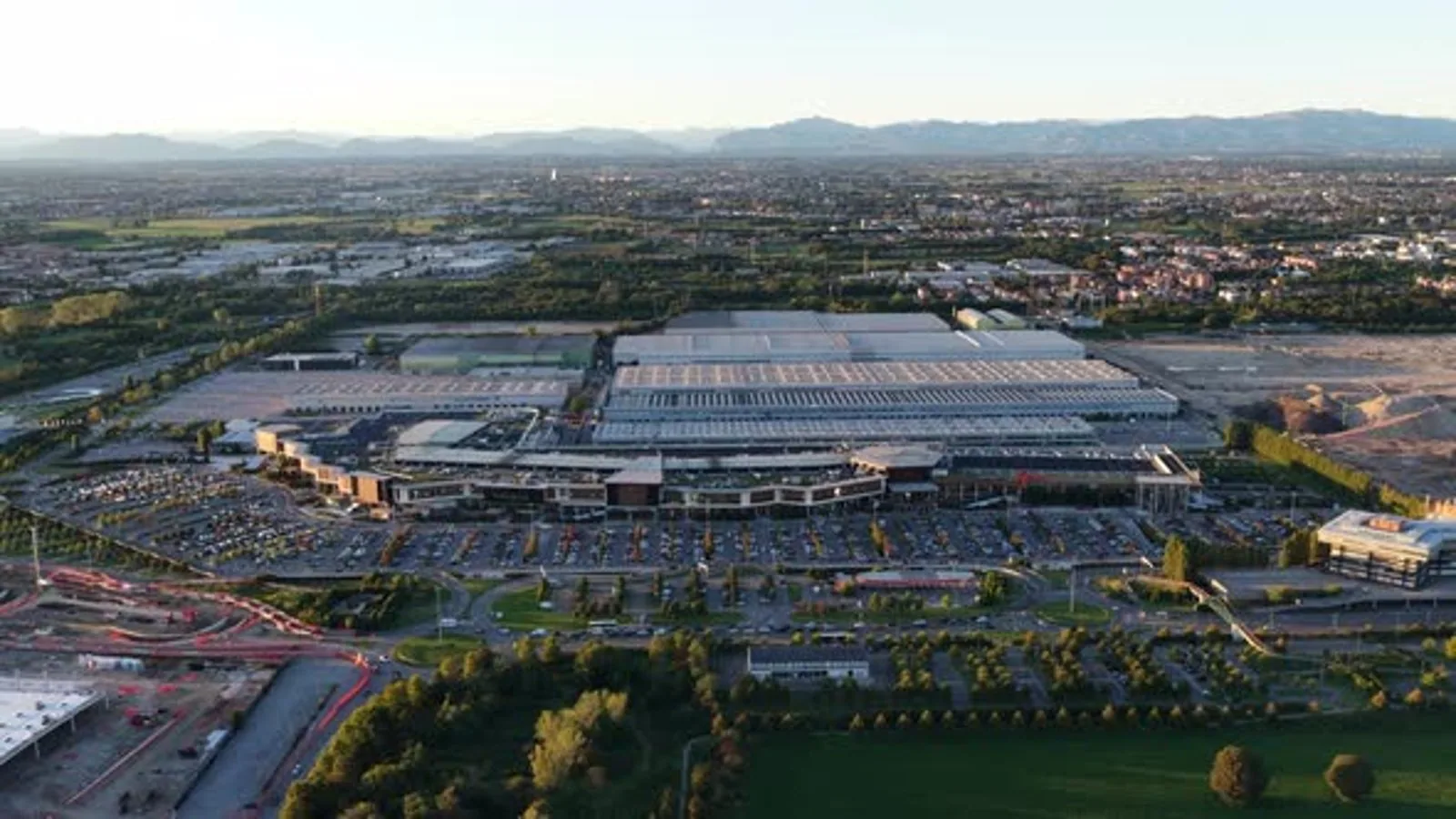
Start with a list of properties, buildings, roof sections, approximate system type, installation or replacement dates where verified, access points, and the person responsible for each record. A parcel with several structures needs separate entries so a warehouse roof is not confused with an office addition or loading canopy. If a system date is unknown, mark it as unknown rather than infer an age from a sales file or aerial photograph.
Victoria owners may manage roofs near the Port of Victoria Industrial Park South, at a site around Lone Tree II Industrial Park, or along a commercial street. The use and access differ, but each record should identify the actual building and roof plan. A commercial roof inspection can add a current field observation to the register.
Assign an owner to every major record field. The facilities team may maintain roof plans and inspections, while procurement holds contracts and finance tracks project cost. Store the latest approved drawing separately from old bid sketches, and give each version a date. If a date or system label conflicts between records, flag the conflict for field verification rather than overwriting it. A clear Diligence Notes helps the next reviewer see why an asset record changed.
Build a building-by-building roof register
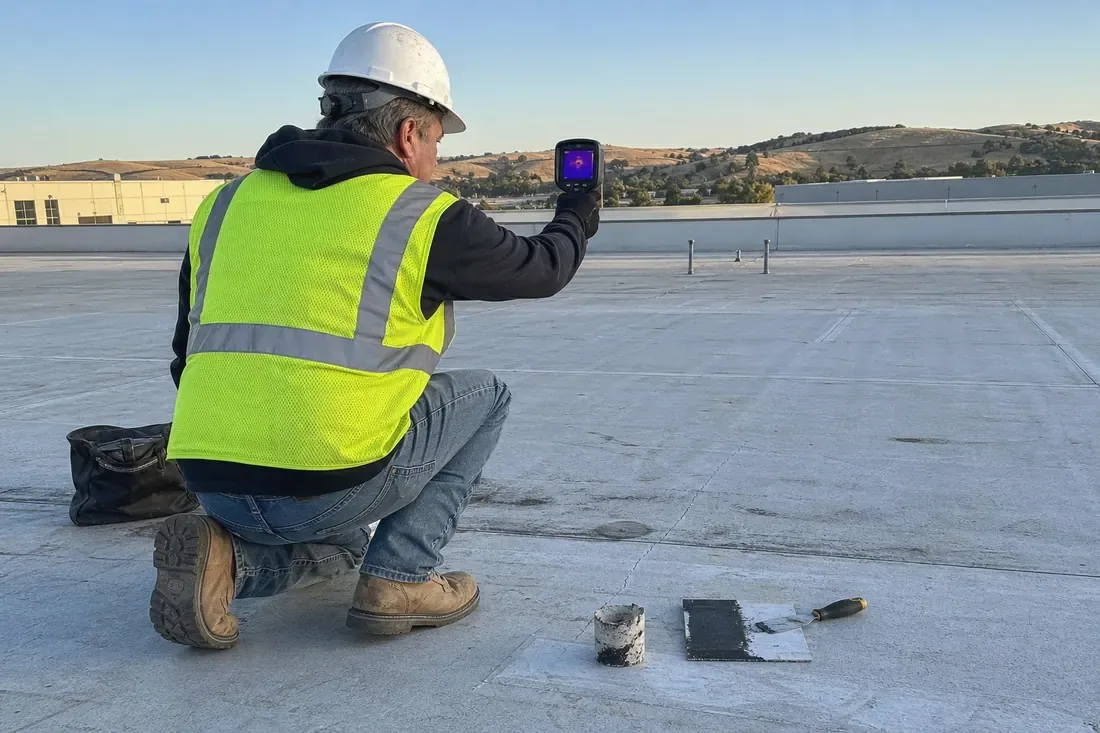
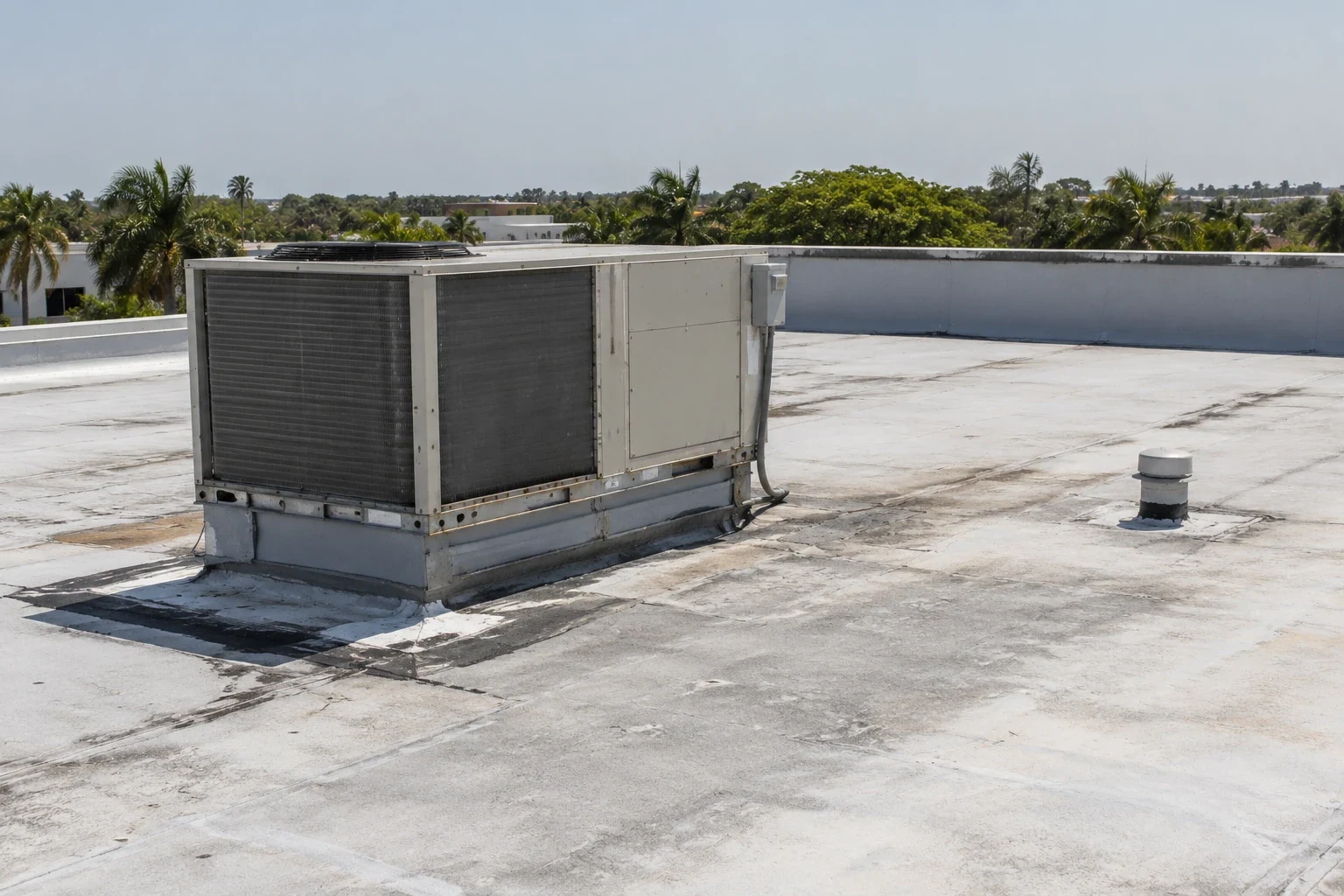
Record inspection date, areas reached, weather conditions, roof surface, drains, seams, penetrations, edges, interior reports, and any test performed. Separate observed defects from suspected moisture, owner-reported leak history, and recommendations for follow-up. An older report may still help locate prior repairs, but its condition statements should not be treated as current without another visit. Each finding should include a photo or roof-plan reference that another facilities manager can find.
A roof condition report preserves field details in a consistent structure. Use the asset register to link that report to the building and system, then record which repair closed each item. If a leak remains unexplained, create an open investigation entry rather than changing the roof’s overall status. This helps managers distinguish an active work order from a problem that has been inspected but not resolved.
When an inspection uses a limited scope, retain that scope beside the finding. A walk that covered visible field conditions may not include infrared testing, interior review, destructive openings, or every roof section. The register should preserve the limitation so a later user does not read the report as a full survey. If a follow-up is planned, list the test or access needed, the decision it will support, and the person responsible for arranging it.
Keep findings separate from assumptions
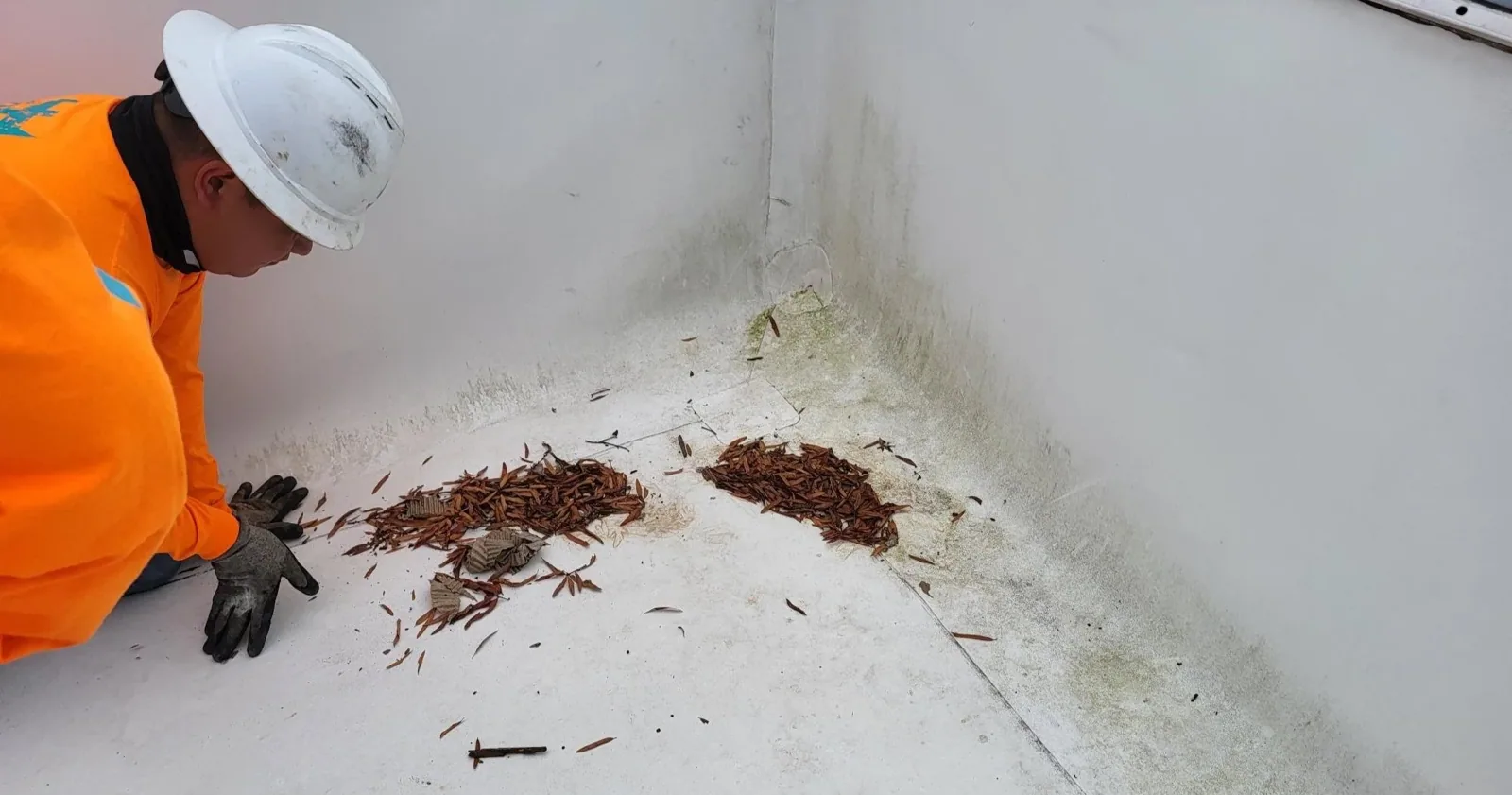
Maintenance records can include drain cleaning, roof walks, seam repairs, coating checks, debris removal, and post-weather inspections. Note the date, roof section, work performed, material used, and any restriction that limited the task. If a technician observed a loose edge but did not complete the repair, keep it open with an owner and next action. Do not close an item because a vendor submitted an invoice unless the requested work and evidence match.
For recurring needs, a preventive roof maintenance plan can schedule inspections and keep seasonal tasks visible. Local exposure includes hot summer conditions and severe-weather reports; the timing should still follow the specific building’s roof history and access rules. The asset record does not promise a leak-free outcome. It gives the team a reliable place to see what was inspected and what remains.
Track routine work and urgent openings
Prioritize confirmed active water entry, loose components, exposed insulation or deck, and conditions that may affect occupied or critical spaces. Then consider roof condition, business impact, access, procurement time, and whether a repair can extend service while a larger project is planned. A low-confidence finding can receive a follow-up inspection rather than an expensive scope based on incomplete evidence. Record the reason for a priority so another manager can understand the decision months later.
Victoria’s employer base includes manufacturing, healthcare, education, metalworking, freight, and government. An asset register can note which building operations depend on the roof area, without making claims about any employer’s roof condition. For a capital decision, the roof capital planning process converts verified condition and building priorities into a project sequence. A replacement review remains a separate scope decision.
Set priorities from consequence and evidence
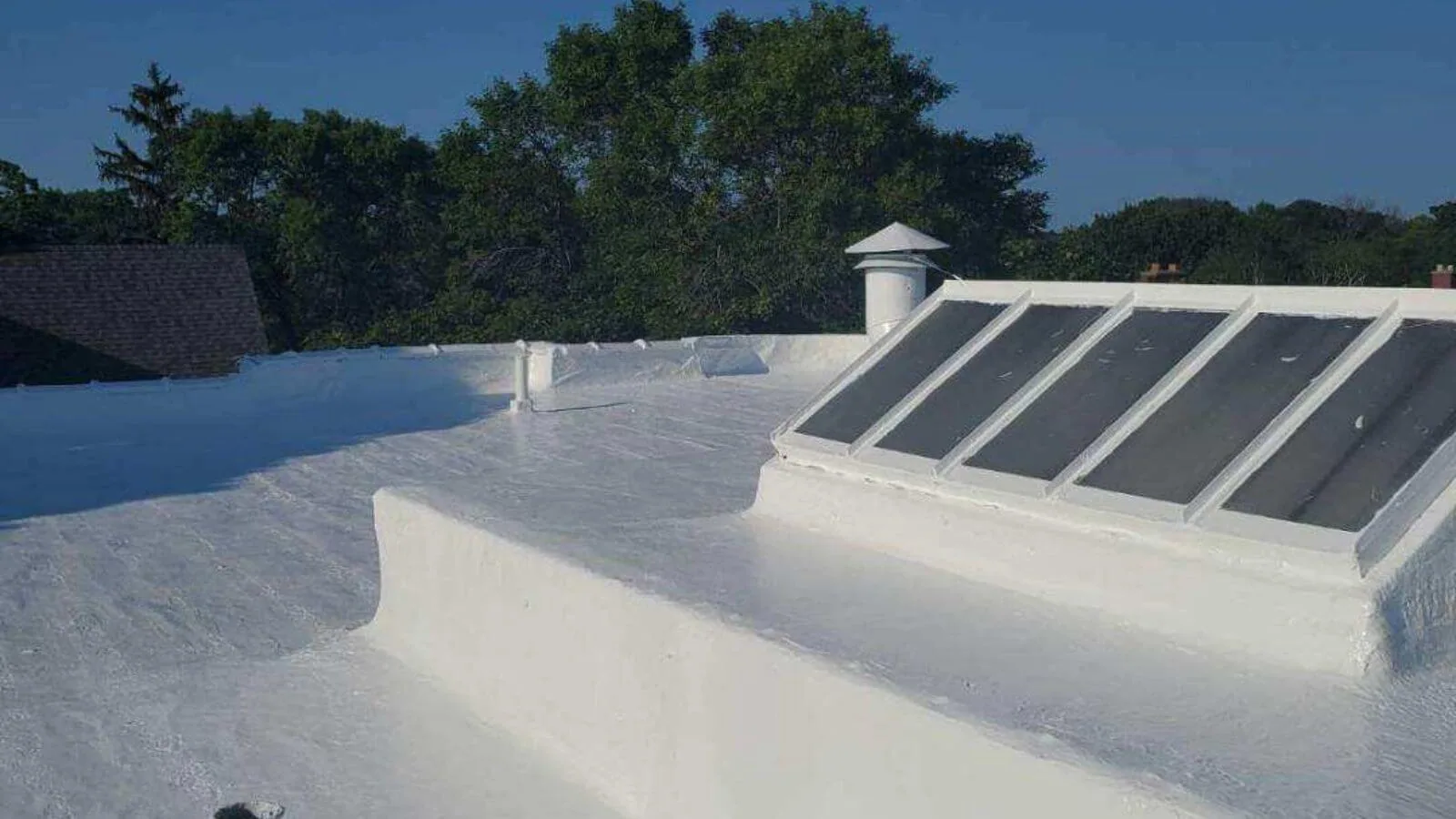
Membrane type, seam method, insulation layers, cover board, attachment, edge metal, penetrations, and drainage details affect how repairs are selected. Retain approved submittals, invoices, product names, warranty records, and photographs where they are available. If a project changes the assembly, update the register with what was installed and which records confirm it. Do not copy a system label across buildings just because they were reroofed during the same budget year.
Properties may use TPO, PVC, EPDM, built-up, modified bitumen, coatings, or metal. A TPO roof system record should retain details that matter to its future repair and inspection. When system identification is uncertain, flag it for field confirmation. A manager who is coordinating a portfolio in the Victoria service area can compare assets without assuming every roof has the same materials or remaining condition.
Preserve system details through repairs
Asset management has value when the next person can use it. Keep naming conventions consistent, note the drawing revision, store repair closeouts with the corresponding inspection, and identify who owns unresolved work. When a property changes hands or a facilities role turns over, the incoming manager should be able to locate the latest roof plan and know what has not been verified. Access credentials or security details should remain in the owner’s approved system rather than in a public-facing roof report.
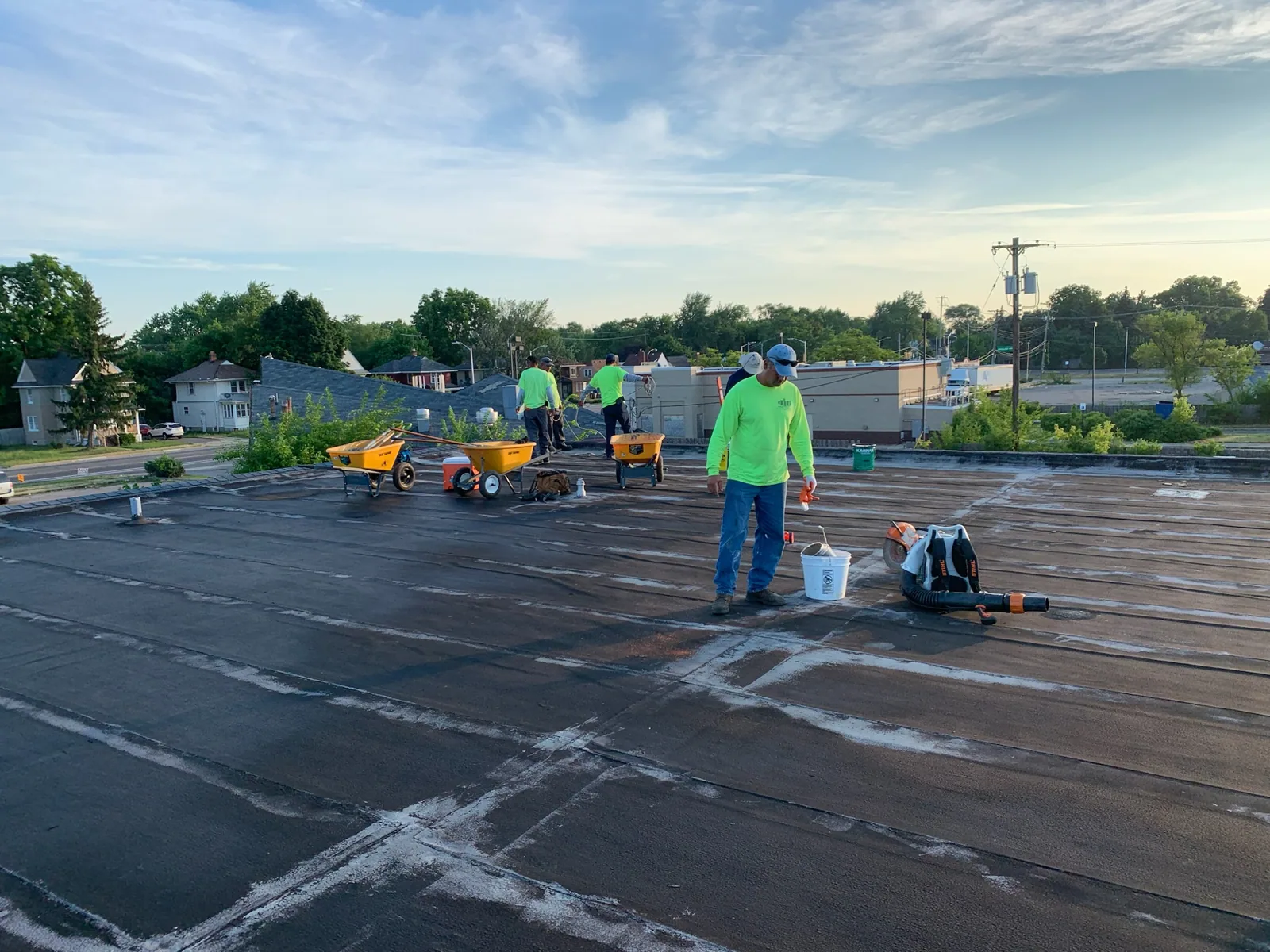
A multi-site roof program can provide common record fields while preserving the individual property history. The portfolio summary shows trends and upcoming decisions; the building record remains the source for system condition. For roof risks such as ponding water, open a location-specific finding, connect it to the drainage plan, and track the result after repair.
Keep sensitive access codes, tenant details, and private contact information in the owner’s controlled facilities system. A roof summary generally needs a building identifier, approved access process, and site contact role, not credentials or personal data. Review access permissions when responsibility changes. This keeps operational records useful to authorized staff and reduces the risk that a technical report becomes a substitute key list.
Make the record usable when people change
Related Roofing Work
Frequently Asked Questions
What belongs in a roof asset register?
List each building and roof section, system details when verified, inspection and repair history, access notes, and unresolved items with an owner.
Can aerial images establish the roof system or age?
They can help map roof areas, but system type and installation date should be confirmed from reliable records or field inspection.
How should an unresolved leak be tracked?
Keep it open with the reported room, roof section, inspection date, evidence, and next investigation needed.
Does asset management include a repair warranty?
No. It organizes records and decisions. Any workmanship or manufacturer warranty is governed by its own written terms.
Can one report cover several buildings?
A portfolio summary can show priorities, but each building and roof section should retain its own condition record.
Share building lists, roof plans, inspection history, repair invoices, and open leaks. We can organize findings by property and identify records that need field verification.
Call 555-555-5555 or email [email protected].