
Commercial Roof Capital Planning in Victoria, TX
Roofing Capabilities · Victoria, TX
Commercial roof capital planning in Victoria ranks verified conditions, operating needs, repair options, and project dependencies into a practical sequence.
Next step
Request a Roof Assessment
Call
555-555-5555
Roof capital planning turns inspection findings into decisions an owner can schedule and fund. In Victoria, commercial roof capital planning begins with verified condition, the building’s role, and the consequences of delay. We separate urgent water entry from long-range replacement needs, identify information gaps, and lay out project dependencies so the budget reflects actual roof sections rather than broad age assumptions.
Commercial Roof Capital Planning
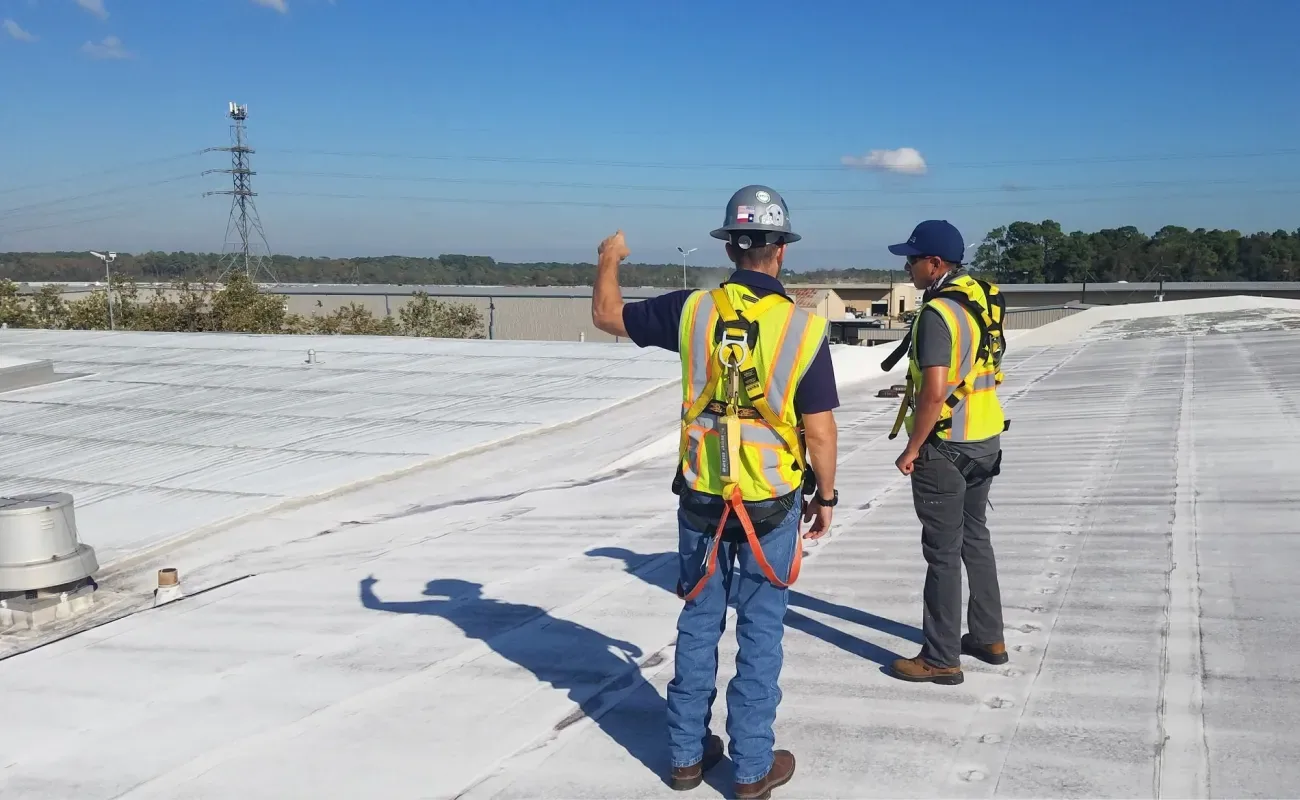
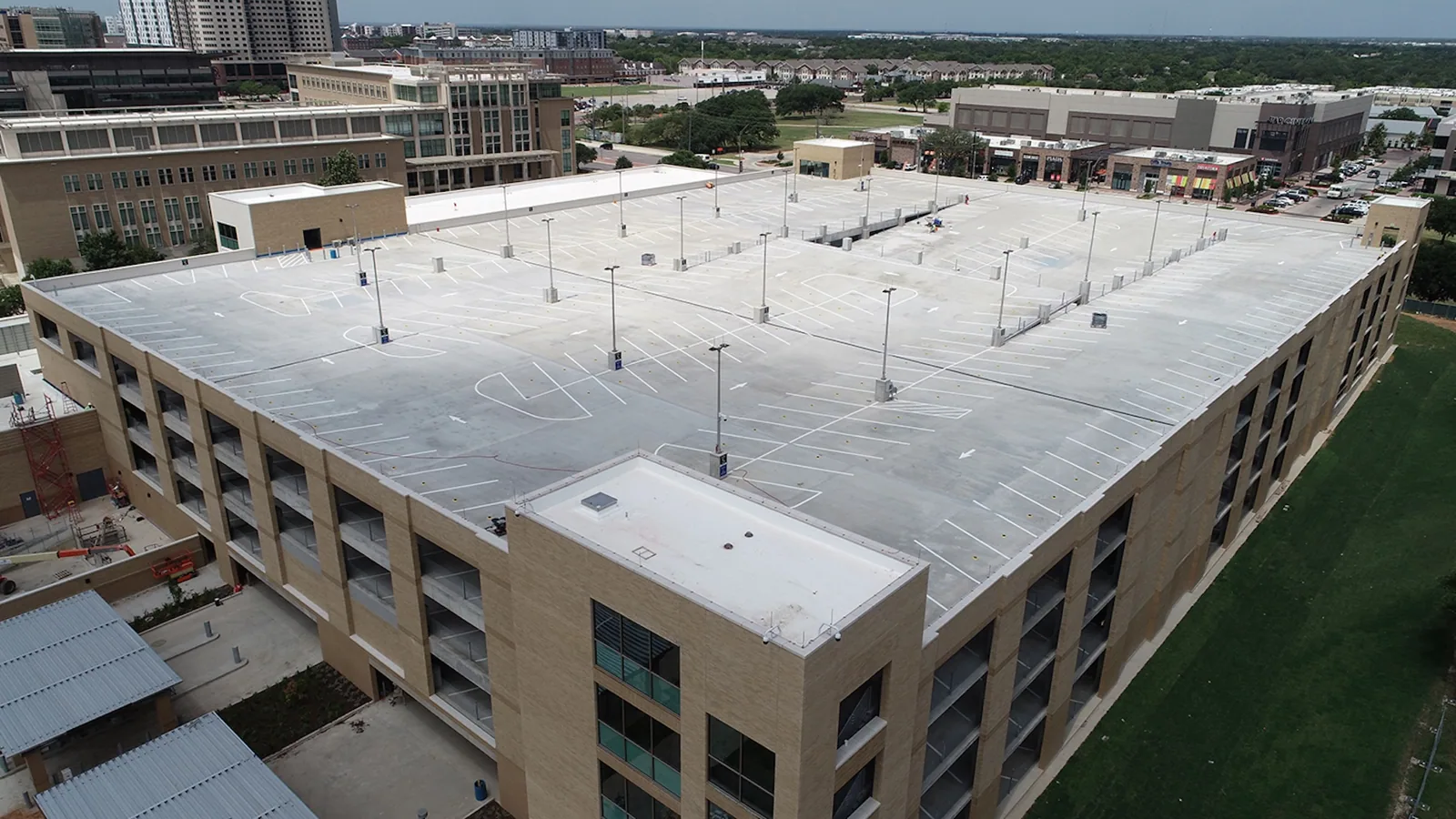
Collect recent roof plans, inspection reports, repair records, leak logs, system data, and known project changes. Check whether the documents refer to the same building and roof area. An aerial image may help define dimensions or section boundaries, but it does not confirm attachment, wet insulation, or the roof’s current condition. If the latest field review is old or access was incomplete, schedule an inspection before assigning a major capital amount.
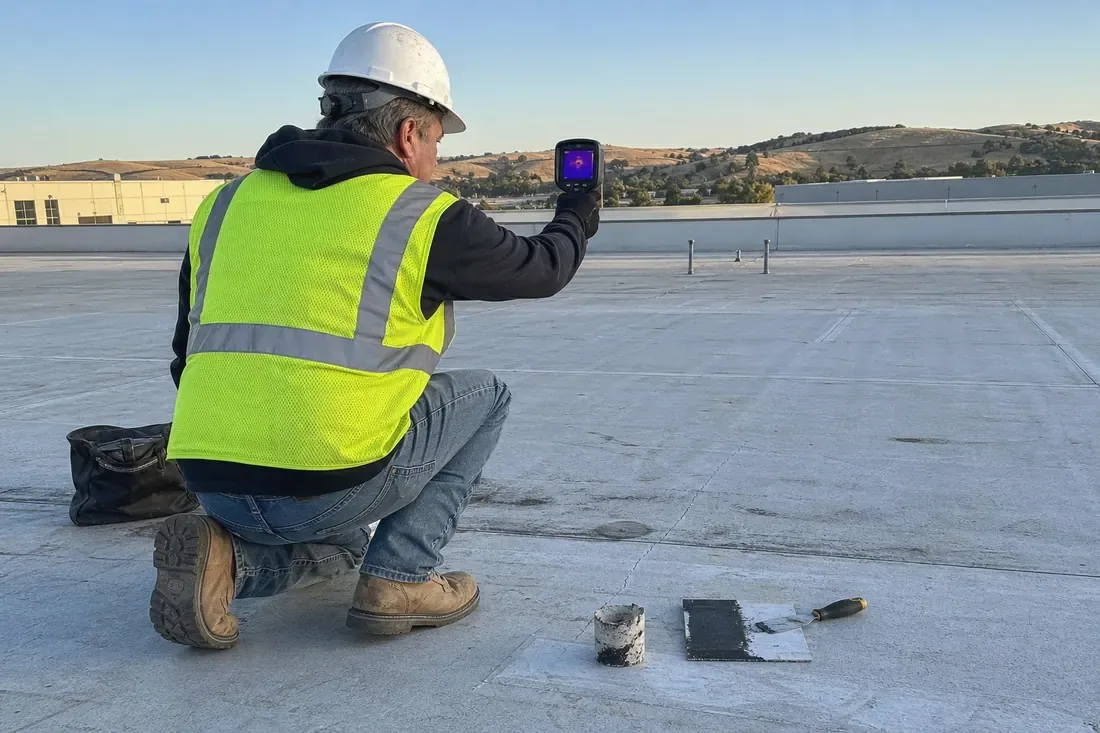
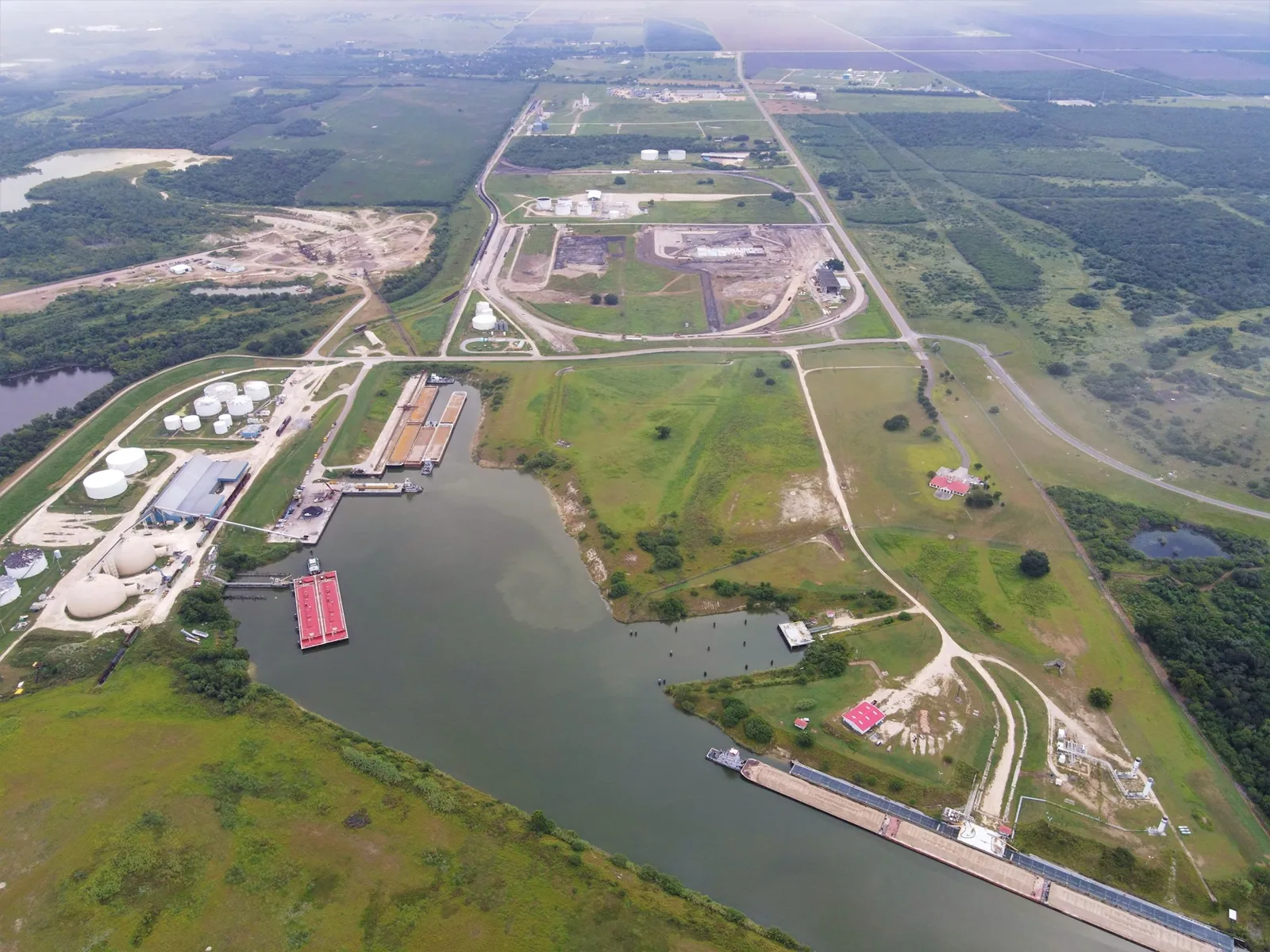
A roof condition report can map observed defects, areas tested, and open questions. For a facility at the Port of Victoria Industrial Park South, the report may also note freight and work-zone requirements that affect staging. The condition baseline still belongs to the individual roof. No budget model should turn regional exposure or one building’s finding into an assumed scope for every asset.
Establish a defensible condition baseline
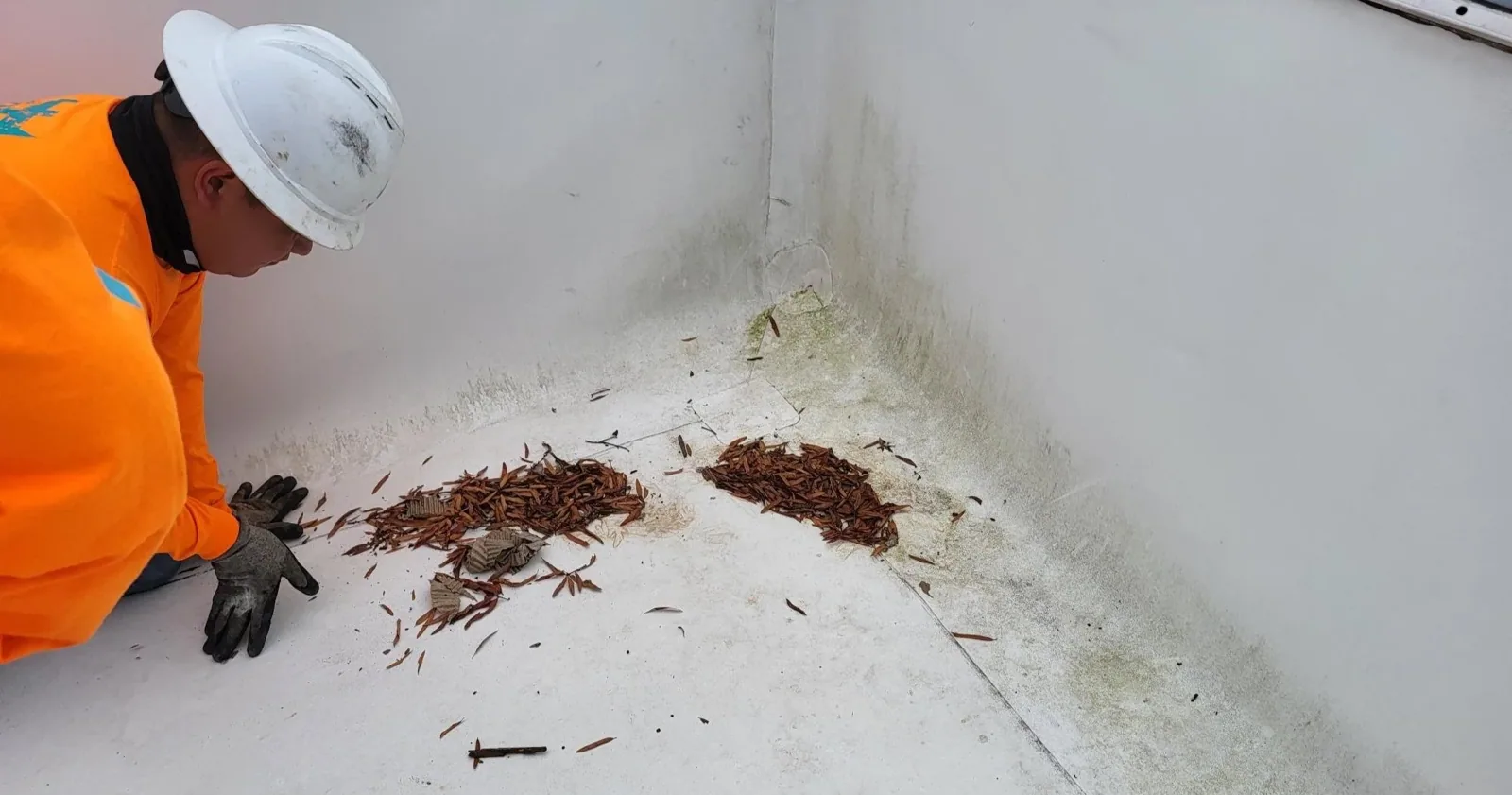
Prioritize active leaks, unsafe or loose components, exposed deck, and conditions near sensitive equipment or occupied areas. Next consider the probability of service disruption, the time needed for procurement, the opportunity to coordinate related work, and the confidence of the inspection. If an unknown assembly could change the repair method, a selective opening or material test may be a better first expense than a full replacement estimate.
Use separate categories for immediate repair, near-term project, planned replacement, and monitoring. Include the reason and evidence behind each ranking. A roof asset management record keeps the assigned priority connected to the building and inspection. It also lets a manager update the ranking if new leakage, a tenant change, or an equipment project changes the consequence of a roof failure.
Rank work by consequence and confidence
For each roof area, compare the scope and outcome of a localized repair, broader restoration, or replacement. The decision depends on how much sound material remains, whether wet insulation or deck is present, the number of recurring defects, and whether a compatible tie-in is possible. Do not estimate remaining service life from a single surface photograph. If the roof needs testing to define a removal boundary, show that investigation as a separate step.
A commercial roof replacement scope can identify layers, transitions, drains, edge metal, and occupied-building phasing. A roof coating restoration review should state what preparation and substrate condition are required. If water remains after rain, add a ponding water roof repair evaluation instead of assuming a new coating will change drainage geometry.
Compare alternatives by the work each one actually includes. A partial repair may defer a larger project if the surrounding assembly remains serviceable, while removal can become necessary when testing confirms widespread wet material or deck concerns. A restorative system needs documented compatibility and preparation. Show these paths as separate scopes with their assumptions, exclusions, access needs, and decision points so the owner can choose based on evidence and operating priorities.
Compare repair, restoration, and replacement
Budgeting should show the assumed roof area, scope boundaries, design or testing needs, access and staging, demolition, insulation, membrane, flashing, drainage, and closeout documents. Identify what is excluded, such as structural engineering, electrical work, or interior restoration, and whether an allowance depends on concealed conditions. Use vendor pricing and owner standards for cost inputs; generic square-foot figures can mask differences in assembly and access.
Victoria’s industrial, medical, education, and commercial buildings have different work windows and logistics. Properties around Lone Tree II Industrial Park or the airport may require site coordination; occupied facilities may need phased roofing and interior protection. A due diligence roof survey can supply condition evidence for an acquisition or disposition decision, but it is a separate scope from design and contractor pricing.
Keep the basis of estimate visible: measured quantities, assumptions about removal, disposal, protection below, and what happens if concealed conditions differ. For competitive bids, give contractors the same access information and scope boundaries so proposals can be compared on the same work. If the design is not complete, label the estimate as preliminary and identify which details remain open. That keeps a budget from appearing more certain than its supporting documents.
Build a budget around scope and dependencies
A capital plan becomes actionable when each project has an owner, decision date, procurement step, and operating constraint. Prioritize design or testing that affects bids, permits, long-lead material, tenant notice, equipment shutdown, or access. Group nearby work only when scope and timing make that efficient; a shared contractor mobilization does not make two roofs one project. Name the buildings and sections that can proceed independently.
For multiple Victoria properties, a multi-site roof program can standardize inspection fields and sequencing while leaving each repair scope unique. Maintain a contingency for concealed conditions only when the owner has defined how it will be approved and documented. Update the schedule after each closeout so deferred sections do not disappear from the next budget cycle.
Project dependencies can include a structural review, tenant notice, equipment relocation, permit review, utility coordination, or work by another trade. Put the predecessor decision and accountable contact beside the target date. If a roof section must remain weather-tight between phases, include temporary protection and inspection points in the sequence. A milestone is useful only if someone knows what evidence allows the next step to proceed.
Set a project sequence the facility can support
Review priorities after a significant leak, storm, tenant or process change, new equipment installation, or a completed roof project. Compare the new field findings with the last version of the plan and explain what changed. When a project finishes, reconcile the actual installed system, change orders, and closeout records with the planned scope. Do not retain an old replacement year if later documentation shows a different section was completed.
Victoria’s local weather records can inform inspection cadence, but a capital decision needs building-level information. A Victoria service-area portfolio may include industrial properties near US 59, healthcare buildings, offices, and retail roofs. Each asset keeps its own condition evidence and operating consequence. The plan is a working sequence for decisions; future leaks or storm impacts still require their own response.
When a planned project is deferred, record the reason, the condition that would trigger reconsideration, and the next date for review. A budget carryover is not proof that the roof remains in the same condition. If maintenance staff reports a new leak or a storm exposes loose material, update the field baseline before preserving the old ranking. This makes the plan responsive to evidence instead of treating the initial schedule as fixed.
Refresh the plan when roof evidence changes
Related Roofing Work
Frequently Asked Questions
What should trigger a roof capital project?
Use field condition, active water entry, safety concerns, recurring repair needs, and the building’s operating consequences.
Can a capital plan set an exact replacement year?
Only when current condition and owner assumptions support it. The plan should show uncertainty and be refreshed after new evidence.
Should every roof be replaced based on age?
No. Age is one record, not a condition assessment. Review the assembly, repairs, moisture, attachment, and current use.
Can restoration be compared with replacement?
Yes. Compare verified substrate, compatible materials, preparation, repair boundary, and expected project constraints.
What should be budgeted beyond roofing material?
Include investigation, design, access, staging, demolition, tie-ins, occupied-site protection, project management, and closeout needs.
Send recent inspections, roof plans, repair history, building priorities, and upcoming operational changes. We will organize the next decisions and project sequence.
Call 555-555-5555 or email [email protected].