
Commercial Hail Damage Roof Repair in Victoria, TX
Roof Damage Repair · Victoria, TX
Commercial hail damage roof repair in Victoria documents impact evidence on membranes, metals, and rooftop equipment without treating marks as confirmed leaks.
Next step
Request a Roof Assessment
Call
555-555-5555
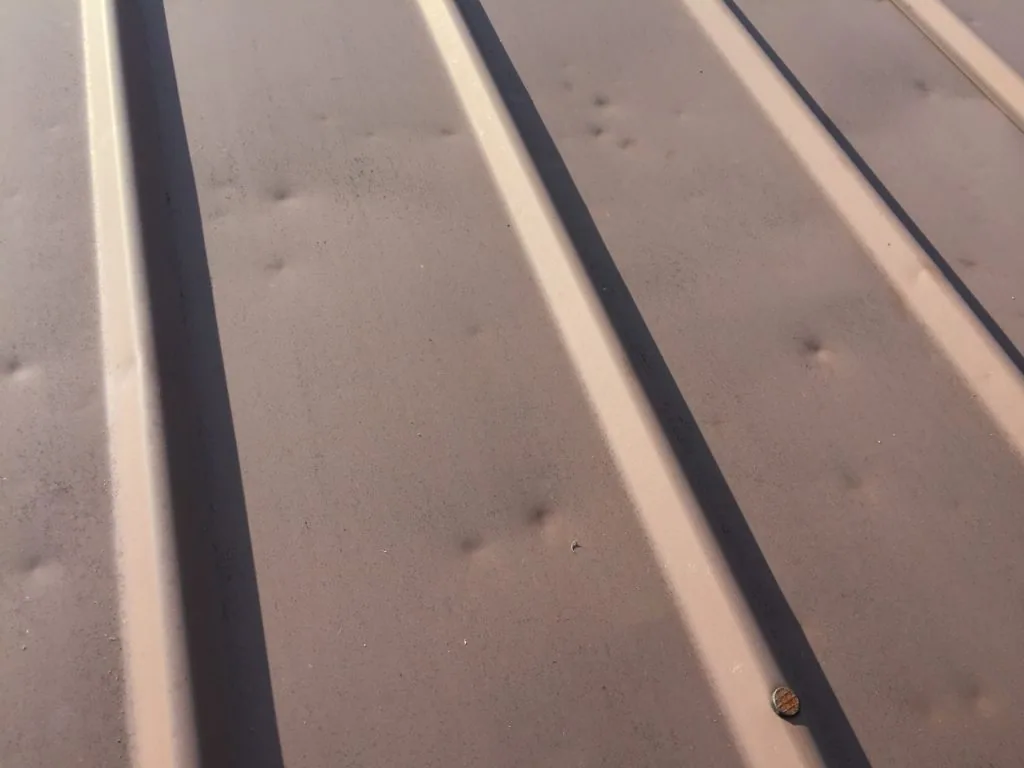
Hail can leave dents on metal accessories, marks on coatings, or damage at weak roof details, but a visible mark does not establish a leak. Commercial hail damage roof repair in Victoria starts with the event timing, roof system, and a deliberate inspection of exposed components. We map the evidence, distinguish cosmetic marks from defects in the weather barrier, and define a repair boundary only where the assembly condition supports it.
Commercial Hail Damage Roof Repair
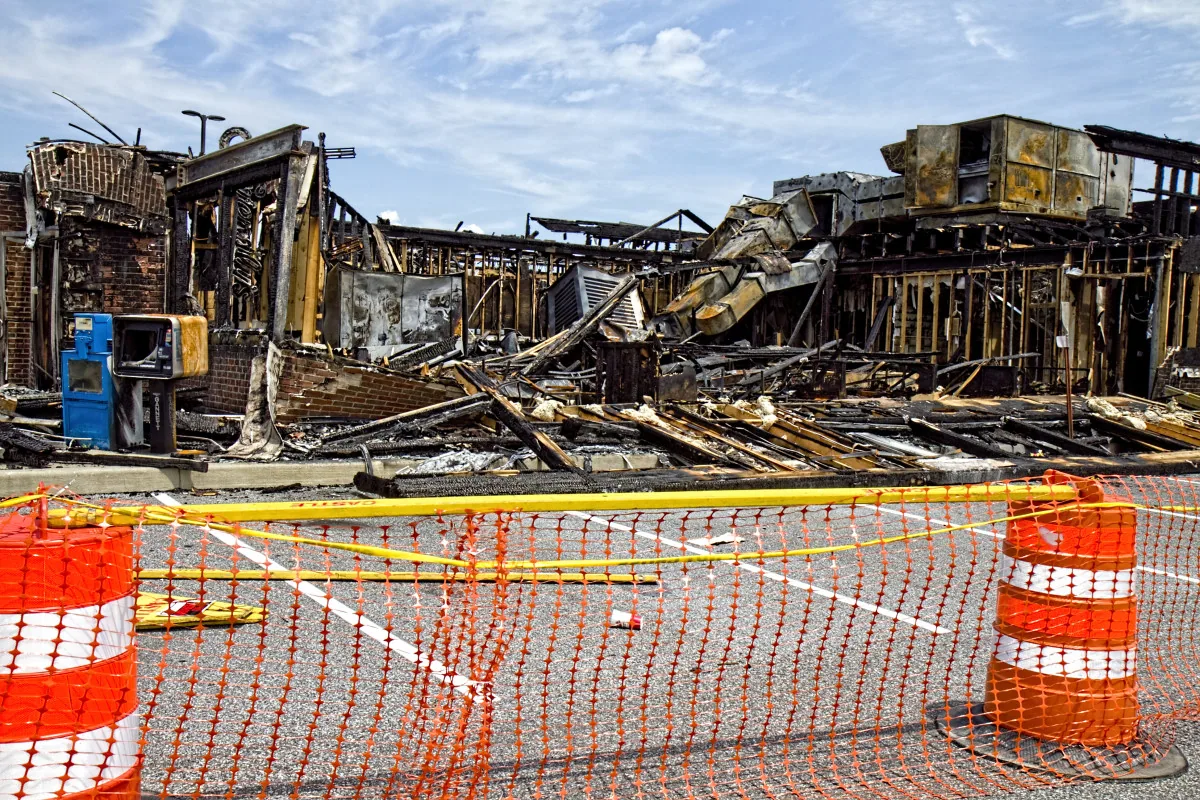
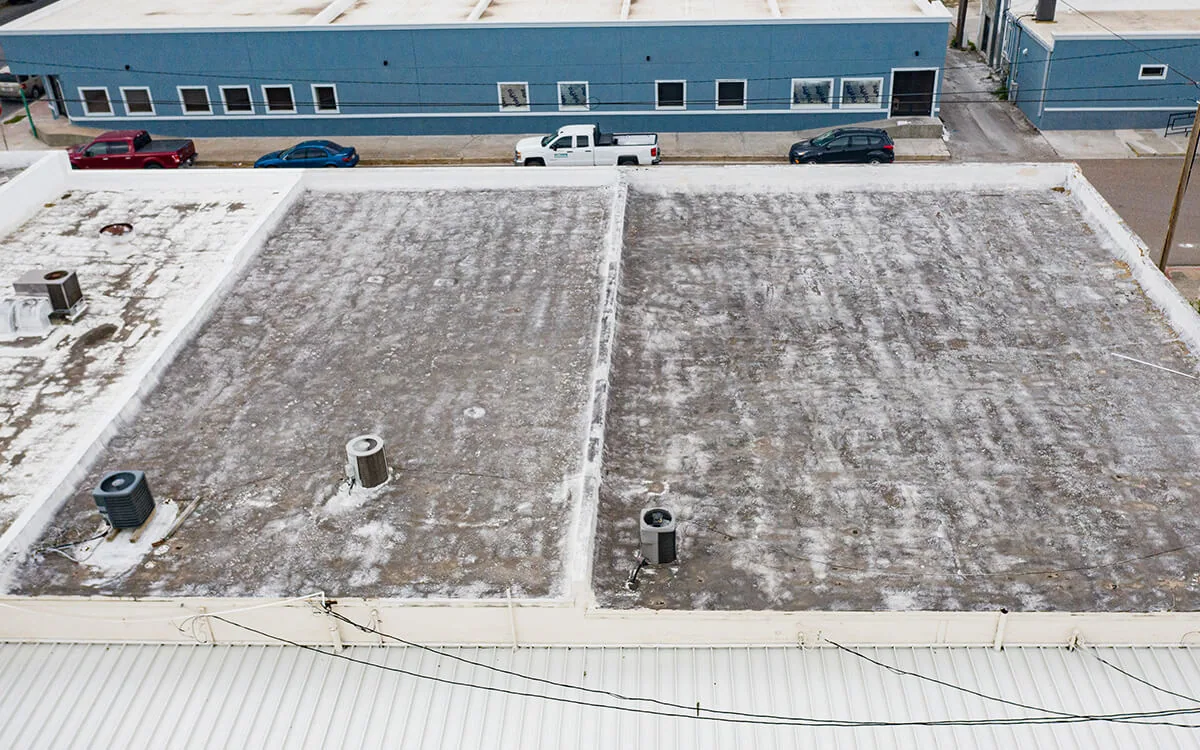
Record the date, approximate event time, reported wind or hail conditions, and any leak noticed afterward. A roof should be compared with its own previous records where available so earlier dents, repairs, or coating wear are not attributed to a new event. The National Weather Service recorded 1.75-inch hail reports in Victoria in June 1996 and a later Victoria County warning cited quarter-size hail with 60 mph gusts. These regional records explain why hail checks matter; neither establishes damage to an individual roof.
For buildings around the Victoria service area, the property manager can identify the area of concern and provide safe access. We photograph the roof before moving loose material, then note whether the inspection covers all sections or only the reported elevation. A commercial roof inspection can record the overall condition when the weather report involves a multi-building portfolio.
Tie the inspection to a reported weather event
We look at membrane punctures, broken welds, open laps, displaced metal, cracked coating, damaged skylights, rooftop screens, curbs, and equipment supports. Metal dents may be visible without compromising the roof; a puncture or broken tie-in presents a different issue. Photographs should capture the mark and enough surrounding context to identify the roof section, material, and adjacent detail. We do not use a single surface mark as a proxy for the entire roof.
Where hail appears to have struck equipment or accessories, the building contact can help identify whether a screen, intake, or conduit needs another trade’s review. A confirmed opening may need membrane puncture repair; an open perimeter may instead require wind damage roof repair. We keep those conditions separate unless the inspection establishes a connection.
Inspect details that can reveal functional damage
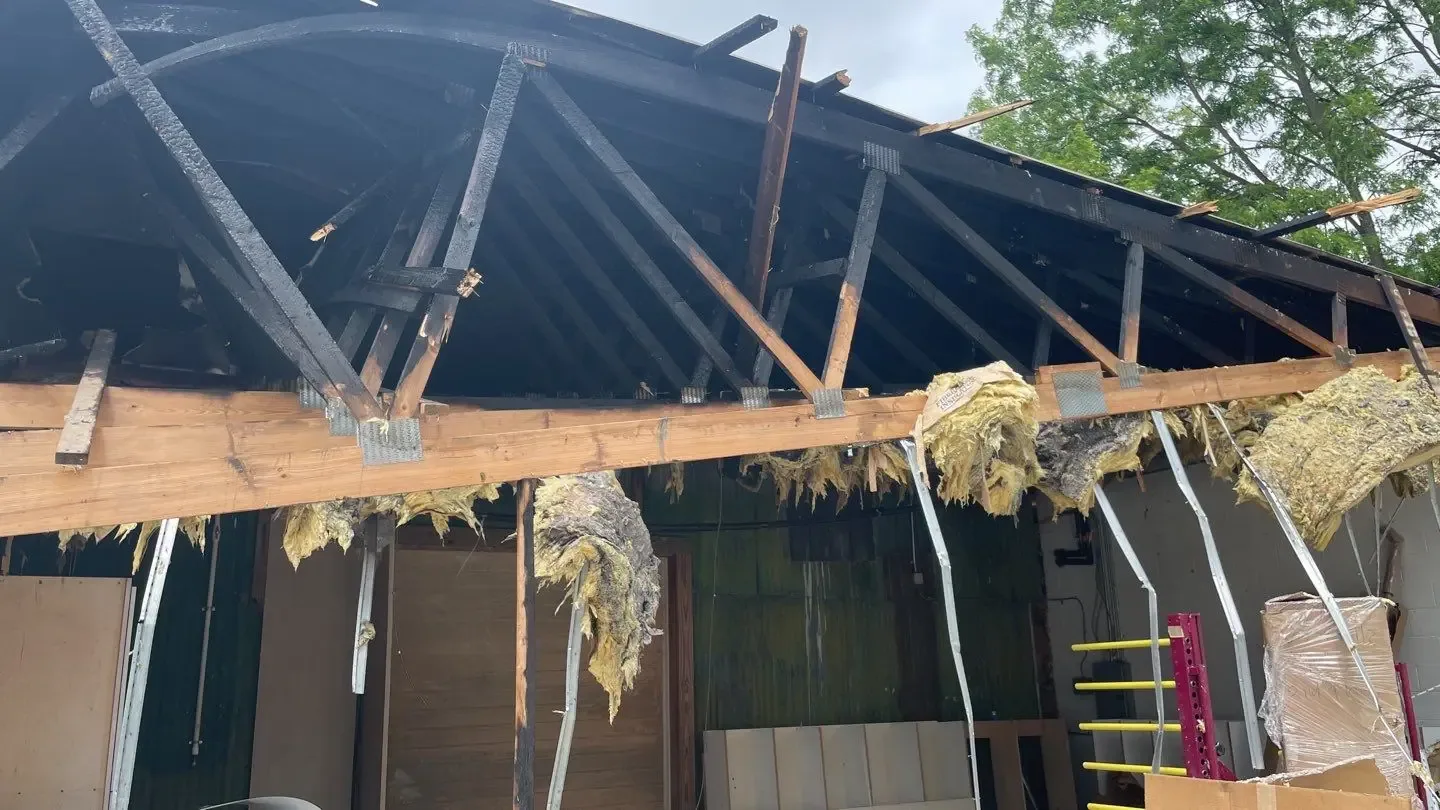
Interior stains, ceiling tiles, and equipment alerts can help narrow the inspection, but water may move before it appears below. We record room, floor, date, and timing, then compare those details with roof drains, seams, penetrations, and transitions. If there is no interior report, the inspection can still document visible defects, but should not imply a leak occurred. When moisture testing is proposed, identify the method, area, and limits before the work begins.
If hail and rain occurred together, the leak source could be a damaged detail, a pre-existing opening, or a separate drainage issue. The commercial roof leak repair process documents the confirmed entry point and the conditions still under investigation. A ponding water assessment is appropriate when standing water is also reported, but water on the roof is not evidence of hail impact by itself.
Compare roof observations with interior reports
A repair begins with material identification and a sound surface. On a single-ply roof, a patch or weld needs clean, compatible membrane and a perimeter prepared for the system. Metal panels, coatings, and built-up assemblies require different treatment. We remove only what is needed to establish the boundary, protect the substrate, and connect the repair to the surrounding roof without trapping debris or moisture. If a defect sits at an edge, curb, or skylight, include that transition in the scope.
Localized punctures or failed joints may be repairable when adjacent material remains suitable. If brittleness, widespread impact, or multiple compromised sections change the overall condition, the owner may need a replacement review. A TPO system inspection follows the material and seam requirements for that roof; it should not be generalized to another assembly.
Where the hail report covers several elevations, plan a consistent route and mark each area before moving ladders or equipment. This makes it easier to distinguish impact marks from old repairs and prevents a photo from being detached from the roof section it represents. If a patch crosses a seam or touches a curb, include the full transition in the repair sketch so the tie-in is not left outside the work limits. Any area that cannot be inspected safely should be listed for follow-up.
Use the roof system to define a compatible repair
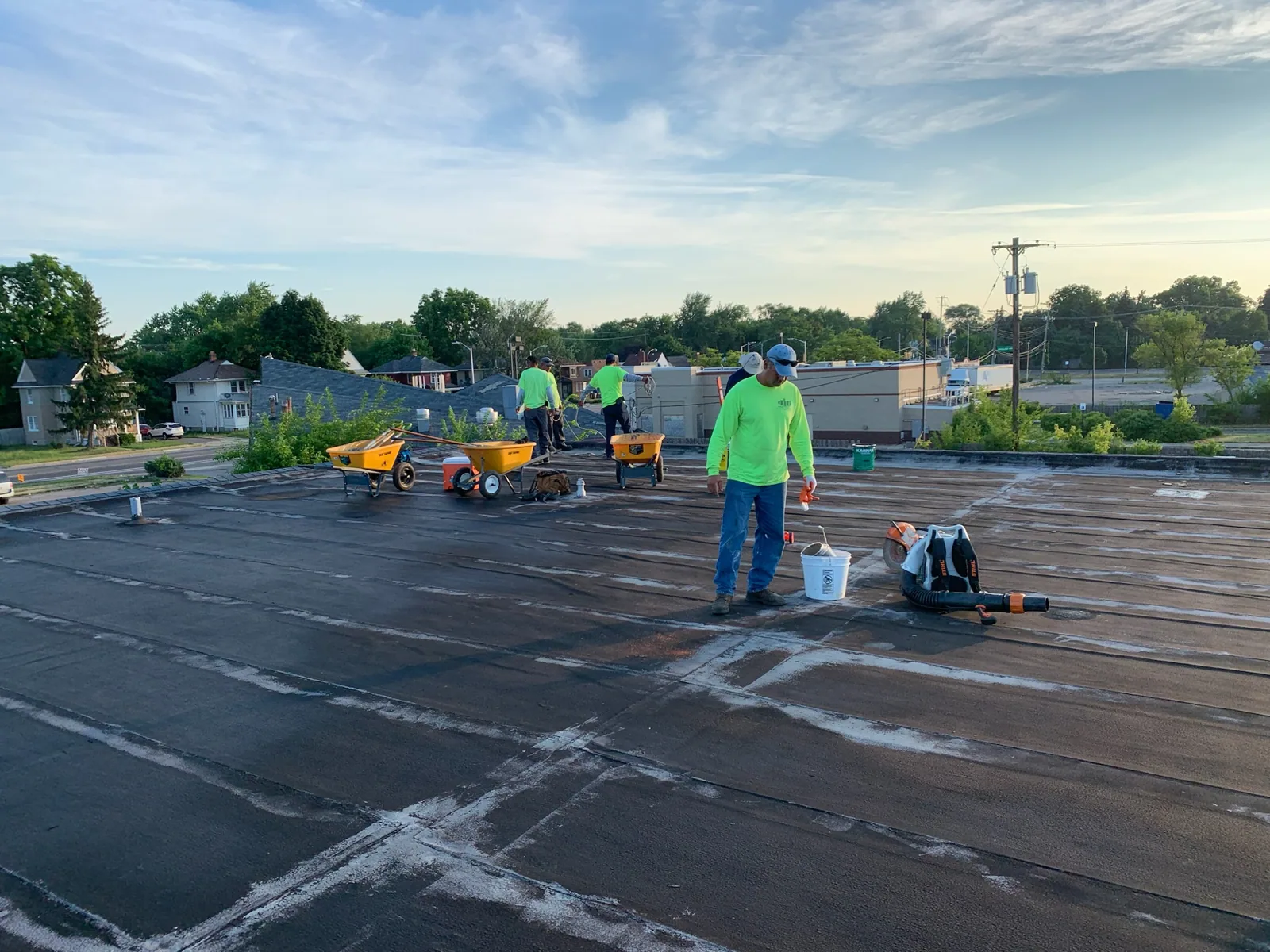
Hail inspection often happens after other storm effects have already changed access conditions. The manager should confirm that windblown debris is stable, roof access is safe, and production or patient areas are protected. At a local freight property near Port of Victoria Industrial Park South, escort rules and truck paths may shape the inspection route. At a school or retail property, occupied entrances and roof hatch access may be more important. Site facts inform logistics, while each roof needs its own inspection.
Victoria’s hot weather can affect when a roof walk is safe and how repair materials are handled. We schedule around actual surface and weather conditions, follow product instructions, and move the repair window if moisture prevents proper preparation. The Diligence Notes should record any part of the roof that was not accessible because of heat, weather, or operating restrictions.
The North Navarro Street Retail Corridor and the industrial park represent different kinds of local operating sites, yet both require site-specific access confirmation. Managers can share tenant schedules, delivery windows, escort requirements, and roof plans before the crew arrives. If damage is reported at more than one address, keep the event date and inspection record separate for each property. Regional weather data should not be used as a substitute for building-level observations.
Plan the walk around active sites and weather
Closeout photos identify the roof section, impact or defect, preparation, and finished repair. The written record separates confirmed damage from cosmetic marks, pre-existing wear, and conditions that need testing. If the owner is reviewing an insurance claim, the report documents what the roofing crew observed and repaired without determining coverage, causation, or policy terms.
For recurring roof checks, a roof condition report can preserve baseline photographs and previous repair locations. A later visit can compare the same details after a new event. This makes the record useful to facilities staff while avoiding an unsupported statement that a roof is free of all hail-related or concealed damage.
When a claim review is underway, photograph original conditions before cleaning or repair whenever site safety allows. Keep the unedited image, date, roof-section label, and any measurement with the closeout file. The repair summary should describe visible evidence and completed work without assigning a cause that the roofing inspection cannot establish. If another professional evaluates equipment or structure, identify that review separately so the owner can reconcile each finding.
Keep the impact record factual
Related Roofing Work

Frequently Asked Questions
Do dents in metal equipment screens prove roof damage?
No. Dents are observations. The roof membrane, seams, attachments, and flashing must be checked for functional defects.
Does a local hail report confirm that my building was hit?
No. Weather records describe the region. An inspection documents the condition at the specific property.
Can hail damage cause a leak later?
A defect may allow water entry, but the leak path and timing need to be checked against the roof assembly and interior report.
Should every hail-marked area be patched?
No. Repairs should address confirmed openings or compromised details. Cosmetic marks alone may not affect the weather barrier.
What records help with a post-hail inspection?
Provide the event date, prior roof reports, photos, leak locations, equipment changes, and access or operating restrictions.
Send the event date, roof plan, reported leaks, and prior condition photos. We will inspect exposed details, separate confirmed defects from marks, and document repairs.
Call 555-555-5555 or email [email protected].