
Heat and UV Roof Damage Repair in Victoria, TX
Roof Damage Repair · Victoria, TX
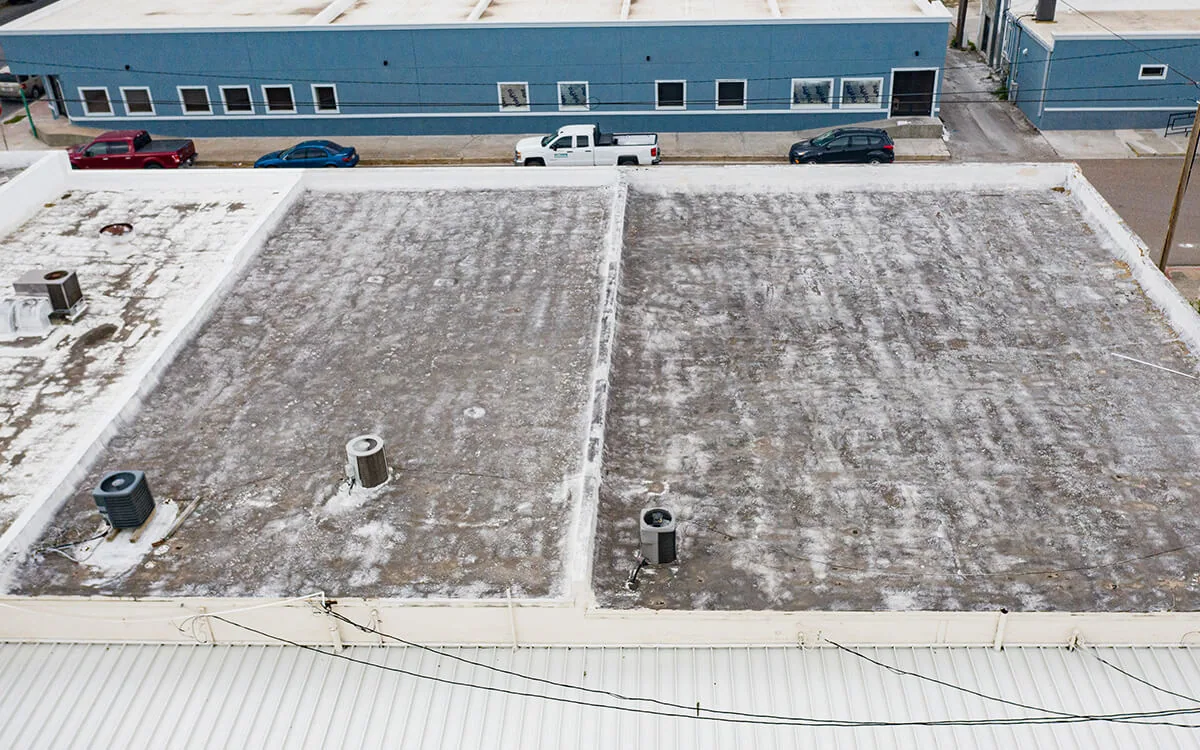
Heat and UV roof damage repair in Victoria checks aging, seam movement, coating condition, and drainage without confusing sun exposure with a confirmed leak.
Next step
Request a Roof Assessment
Call
555-555-5555
Long exposure to sun and heat can change a roof surface over time, but weather alone does not show whether a building needs repair. Heat and UV roof damage repair in Victoria starts with the roof material, existing maintenance record, and visible condition at seams, coatings, edges, and penetrations. We inspect the affected area and distinguish surface aging from a defect that compromises water protection.
Heat and UV Roof Damage Repair
The National Weather Service’s Victoria airport climate report for July 2026 lists a normal high of 94°F and a record high of 110°F. Those figures describe local conditions; they do not measure the temperature or condition of a particular roof. We record the surface, shade, orientation, and time of inspection where that affects the field observation. A roof that looks chalky or faded still needs closer review before a repair is selected.
Hot conditions can affect worker safety and product handling. The crew checks actual roof temperature and follows the material manufacturer’s preparation, application, and curing instructions. If surface conditions are outside the product requirements, delay application rather than forcing a patch that may not bond. A commercial roof inspection can establish a baseline of membrane, coating, flashing, and drainage condition across a large property.
Use local heat records as context, not diagnosis
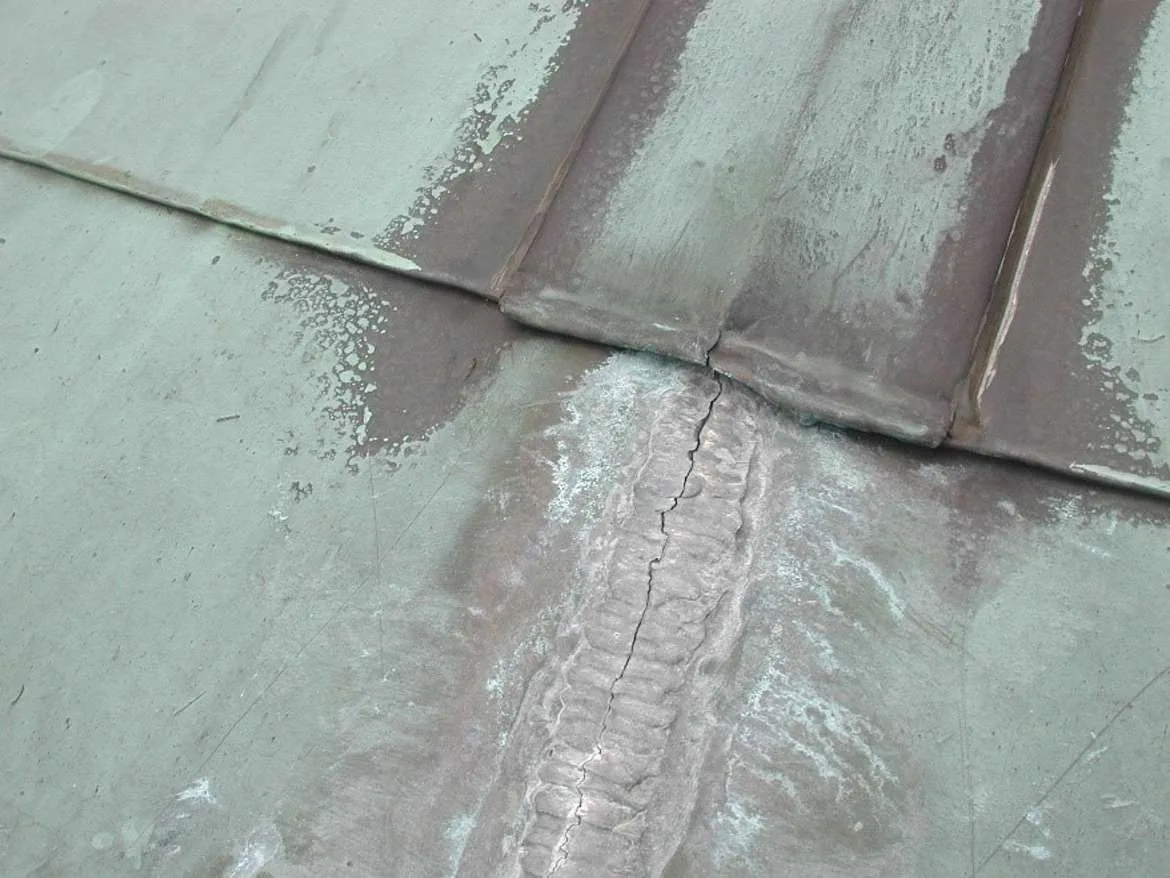
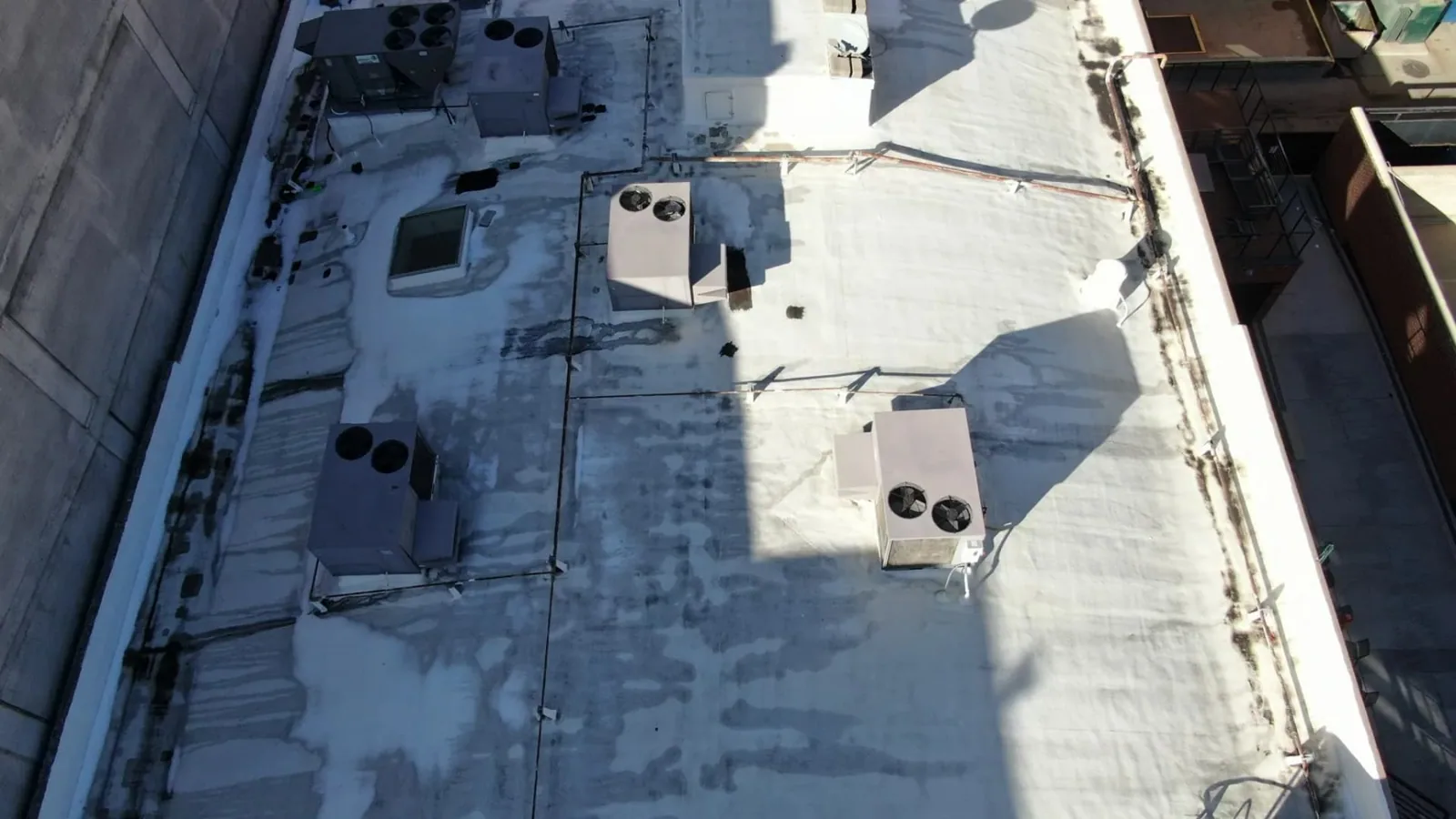
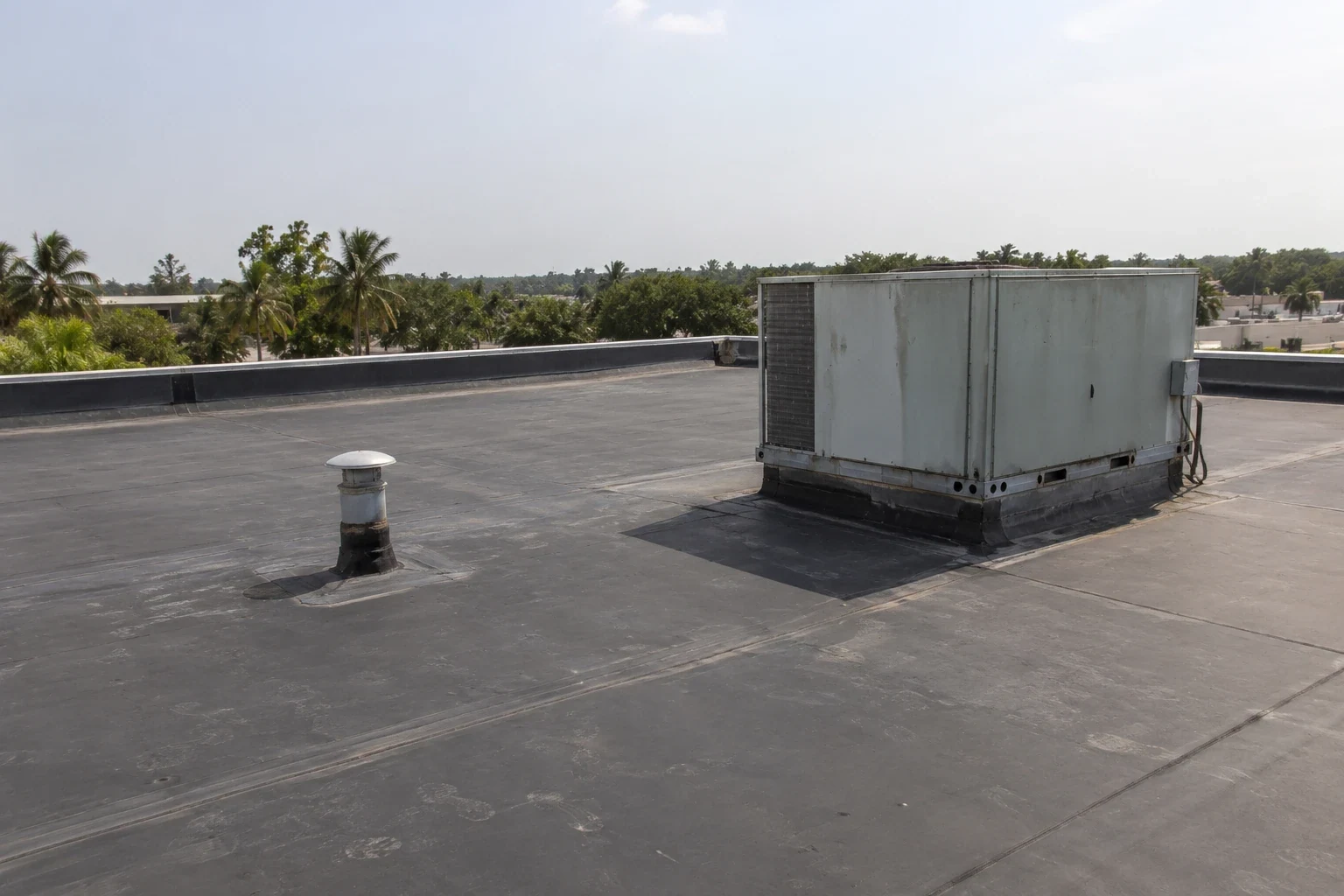
We look for brittle or cracked coating, shrinking membrane, open seams, loose edge metal, failed sealant, exposed reinforcement, and separation around equipment supports. The inspection also checks drainage and areas where water remains after rainfall. Heat-related wear may show across an exposed surface, while a leak usually needs a path through a seam, penetration, drain, or flashing detail. We map those observations separately and compare them with earlier photographs or repair records.
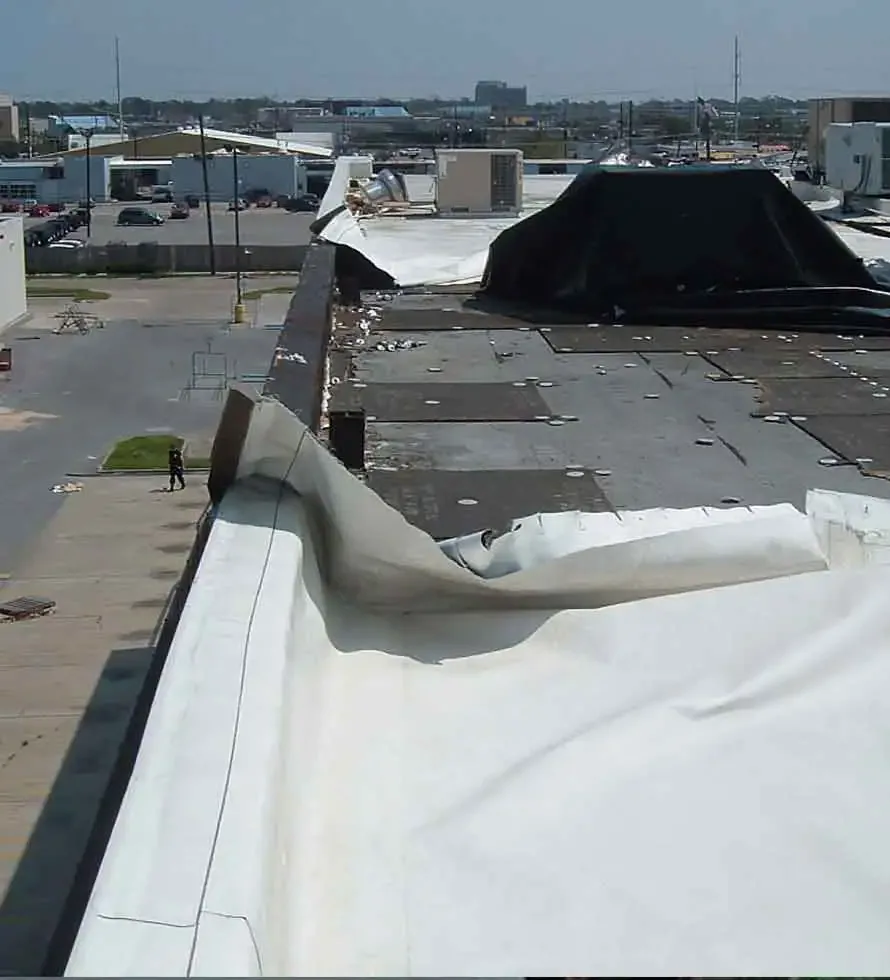
Rooftop additions and changes in equipment can alter shade, airflow, and access, so mark those changes on the roof plan. Where an open joint is confirmed, a seam failure repair may address the lap; a flashing repair follows a wall, curb, or penetration. The scope should not expand to all faded areas unless testing or inspection supports that work.
Differences between sun-exposed and shaded surfaces can help focus an inspection, but they do not replace material testing or review of the roof’s repair history. A shaded area may stay damp longer, while an exposed area can show more color change. Compare like details with like details: the same membrane type, age, orientation, and prior treatment. Record surface changes that appear cosmetic separately from cracks, openings, or loose attachment that may compromise water protection.
Locate changes in the surface and tie-ins
Interior leaks, surface aging, and heat exposure can overlap, but they are not the same finding. We note the room, timing, weather, and HVAC operation, then compare the report with the roof detail above and nearby drainage. Moisture may move through insulation or along deck joints before appearing at a ceiling. A roof map ties the leak report to a section and records any opening, failed lap, or transition we actually observe.
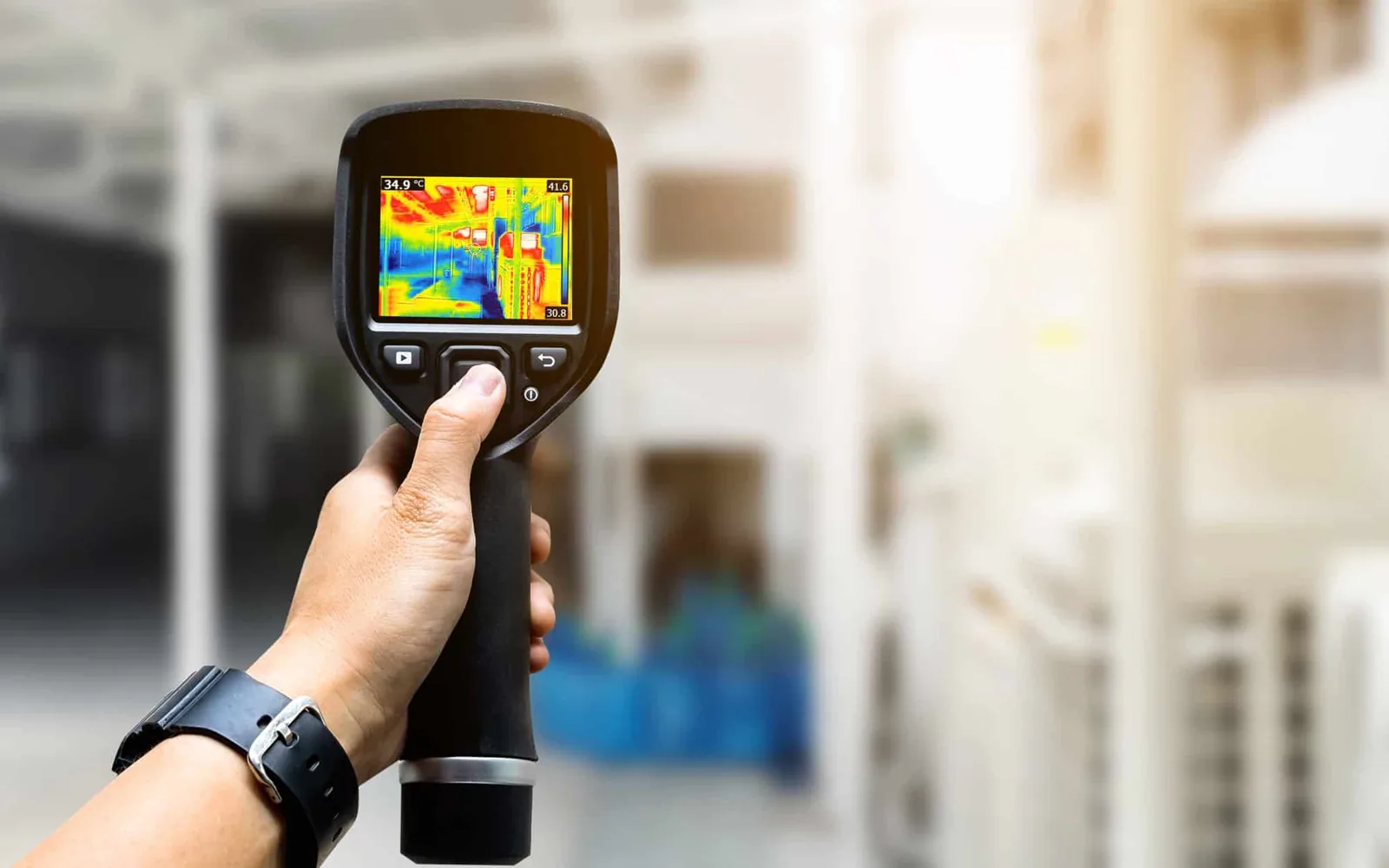
If no opening is visible, further testing may be needed before assigning the source. A commercial roof leak repair addresses a confirmed entry point; a coating review should identify substrate condition, existing layers, adhesion, and the goal of the application. Applying new coating over an active leak or unstable surface can conceal a defect without correcting it.
Separate sun exposure from water entry
Repair options depend on system age, membrane type, coating compatibility, attachment, and condition beneath the surface. A small split may accept a targeted repair after preparation. A broadly brittle membrane, wet insulation, loose attachment, or repeated failures can shift the decision toward removal or replacement. We document which observations support the choice and identify where a test or selective opening would reduce uncertainty.
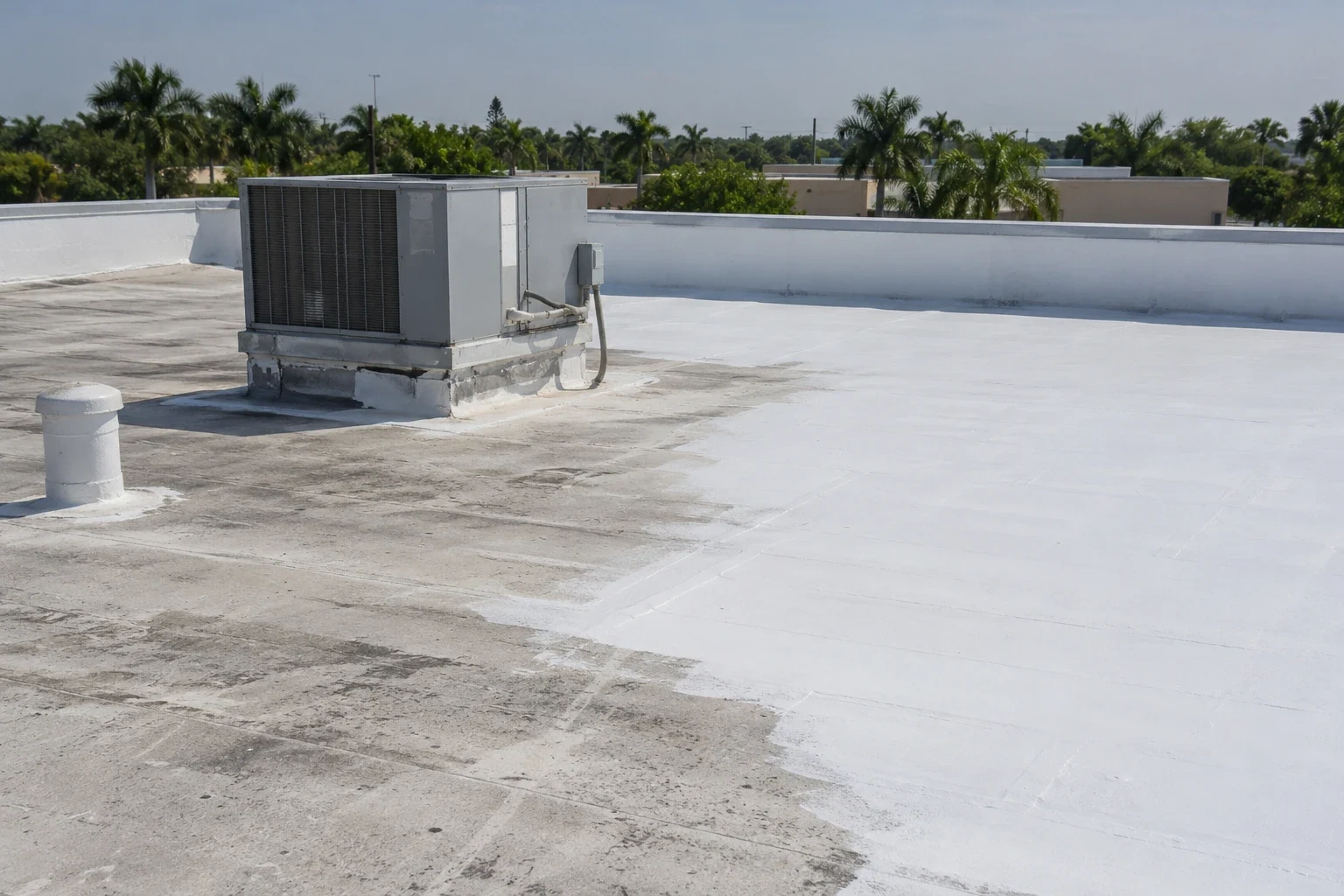
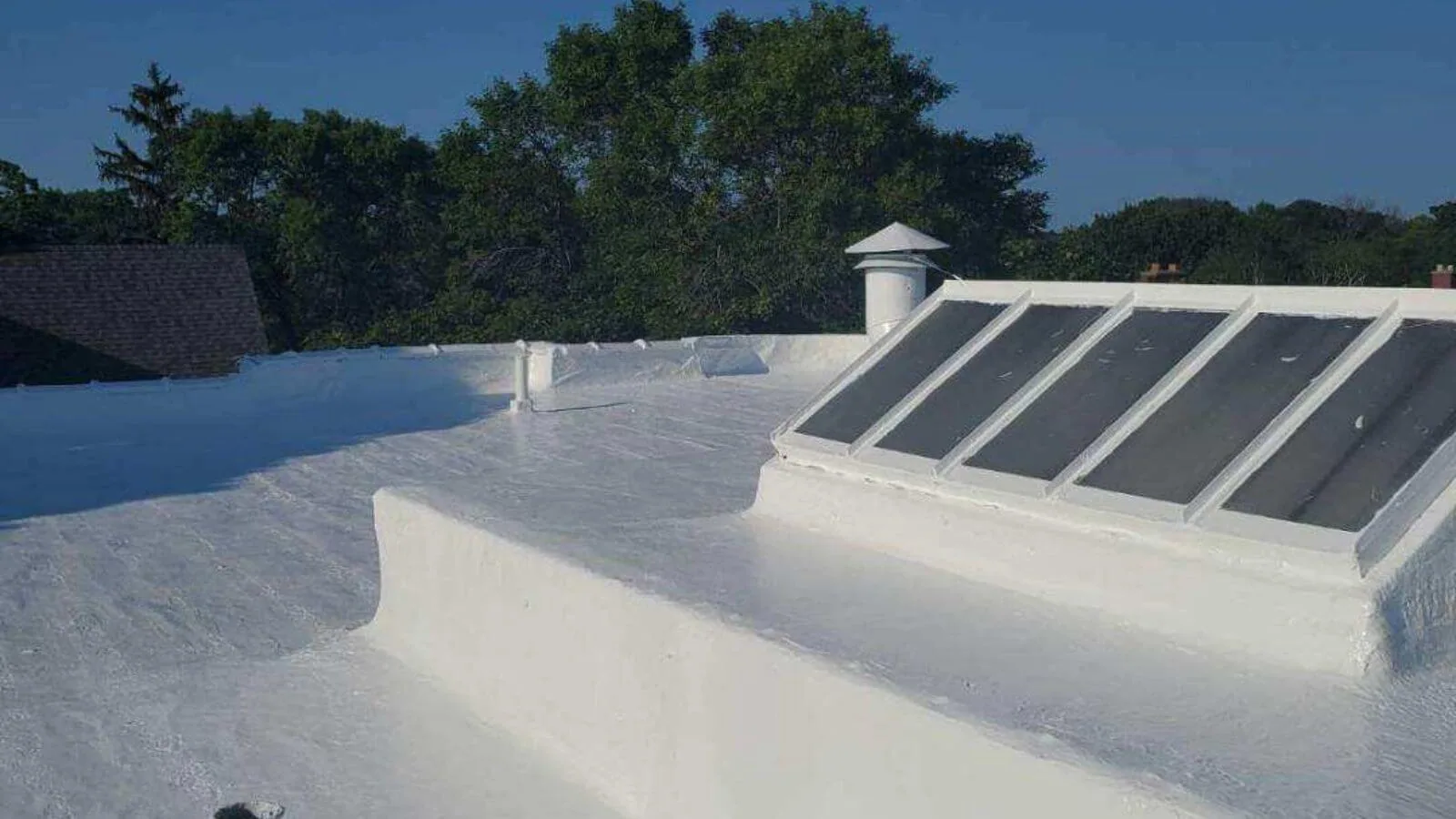
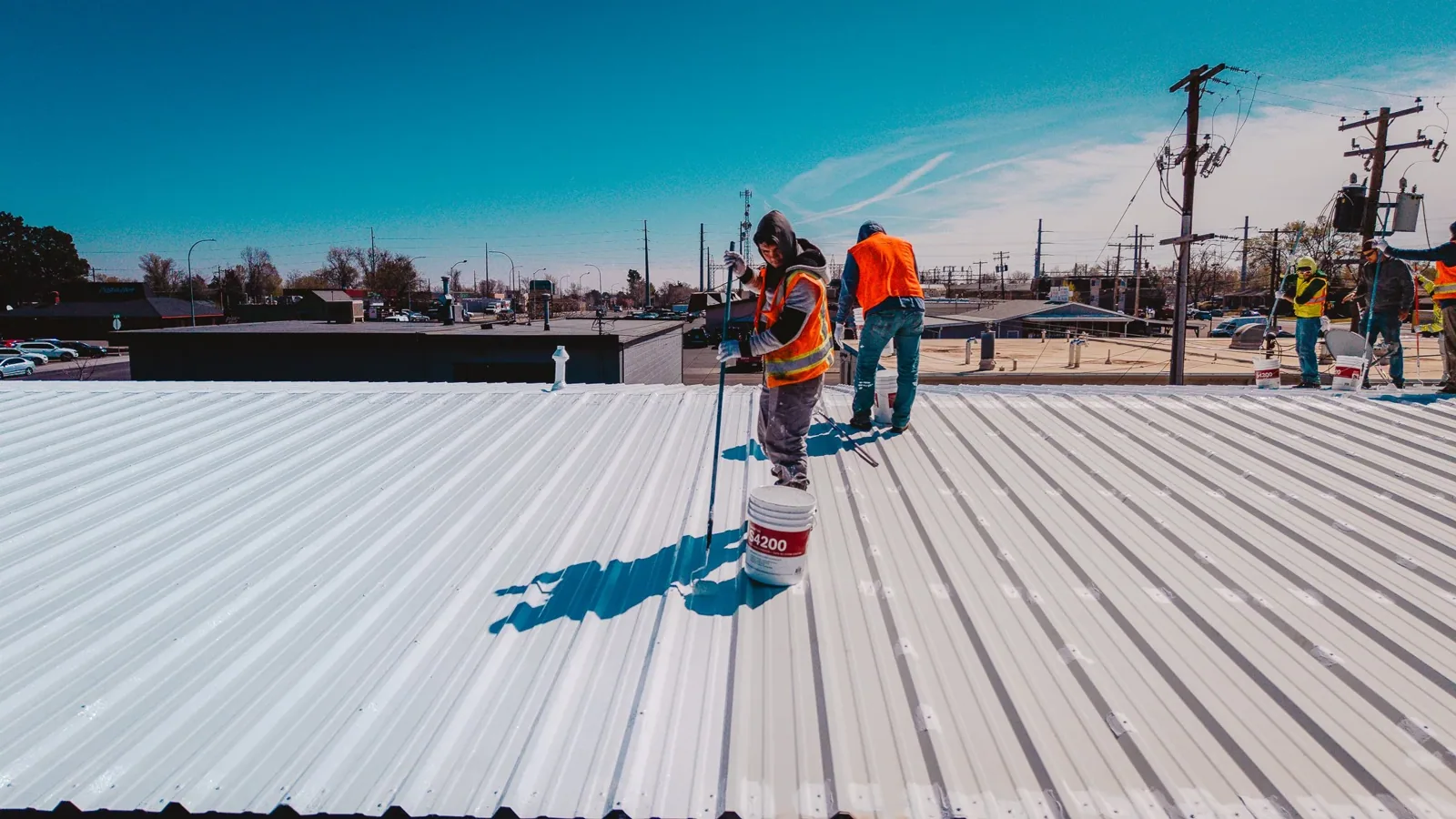
For a coating project, the crew prepares the surface and addresses repairs before application; coating thickness and transitions follow the approved product system. A roof coating restoration review should confirm that the existing roof and drainage geometry are suitable. If the roof is a EPDM system, its seams and repair materials need an EPDM-compatible detail rather than a generic coating assumption. An assembly that cannot accept a reliable restoration may need a replacement evaluation.
Layer history can change a restoration decision. Previous coatings, patches, and overlays affect adhesion, finished height at drains, curb clearances, and how a new material meets edges. We review available invoices and roof records, then identify any uncertain layer that should be tested before work is priced. If the roof has several additions, the scope can treat each assembly separately rather than assume a single product will bond to every surface.
Choose a compatible restoration or replacement path
Heat affects when workers can access a roof and how long materials can remain open during preparation. The property contact can identify roof access hours, occupied areas, equipment operation, ventilation, and delivery routes. We protect sensitive rooms and keep material staging clear of drains and walkways. On a property near the Port of Victoria Industrial Park South, operations may include freight or industrial equipment; the facility lead sets the safe route and any escort requirement.
The roof system should not be opened more broadly than the crew can close in the approved shift. If weather changes or the material’s application conditions are not met, protect the exposed area and reschedule. A roof condition report can record the temperature context, inspected surfaces, and the reason an application was deferred.
Plan work for surface and site conditions
Closeout photographs should show the prepared surface, repaired transition, and adjacent field. Record the material installed, the section covered, and any areas left for future monitoring. If the work restores one seam or penetration, do not imply that the whole roof’s service life has been renewed. For a coating, retain product and application records so future inspections can identify the layer and its limits.
A manager can revisit the same roof areas after summer heat or severe weather and compare visible changes to the baseline. The North Navarro Street Retail Corridor includes varied commercial property types; their roofs should be tracked as separate assets. If cracks or leaks return, the next inspection can use prior photos and repair records to decide whether another local repair remains sound.
For long-term comparison, record the product name and lot information when the restoration system supplies it, along with preparation and application dates. Keep the baseline photographs aligned with the same roof sections used in later maintenance reports. If a future inspection finds new cracking or water entry, the owner can distinguish it from the condition repaired today. This record supports decisions about recoating, localized repair, or replacement without promising a specific service life.
Track aging and repair boundaries over time
Related Roofing Work
Frequently Asked Questions
Does a faded roof need immediate replacement?
No. Fading is an observation, not a complete condition assessment. We inspect seams, substrate, attachment, drainage, and any active leaks.
Can a coating stop an active leak?
Not by itself. The opening and substrate must be evaluated and repaired before a compatible restoration is considered.
Should repairs be applied in extreme heat?
Only when safe access and product application requirements are met. Surface conditions can differ from the reported air temperature.
How do you tell aging from storm damage?
We compare the reported event, previous records, and observed details. A mark or aged surface alone does not establish when damage occurred.
What records help plan roof restoration?
Provide roof plans, system and coating information, previous repairs, leak locations, and any moisture or adhesion testing.
Share roof system and coating records, prior repairs, leak locations, and access conditions. We will assess surface changes and document a compatible scope.
Call 555-555-5555 or email [email protected].