
Commercial Roof Coating in Victoria, TX
Commercial Roofing Services · Victoria, TX
Commercial roof coating in Victoria begins with a sound, dry assembly, verified preparation, and field checks that define whether restoration fits.
Next step
Request a Roof Assessment
Call
555-555-5555
A coating belongs on a roof that can support it. At a manufacturing building near Lone Tree II Industrial Park, a sound membrane may be a candidate for restoration, while open seams, trapped moisture, or a moving curb can put the work outside the coating scope. Victoria’s recorded hot-season temperatures make surface preparation and cure conditions part of the schedule. We inspect the roof section by section, check the existing assembly, and set a repair boundary before recommending a coating system.
Commercial Roof Coating
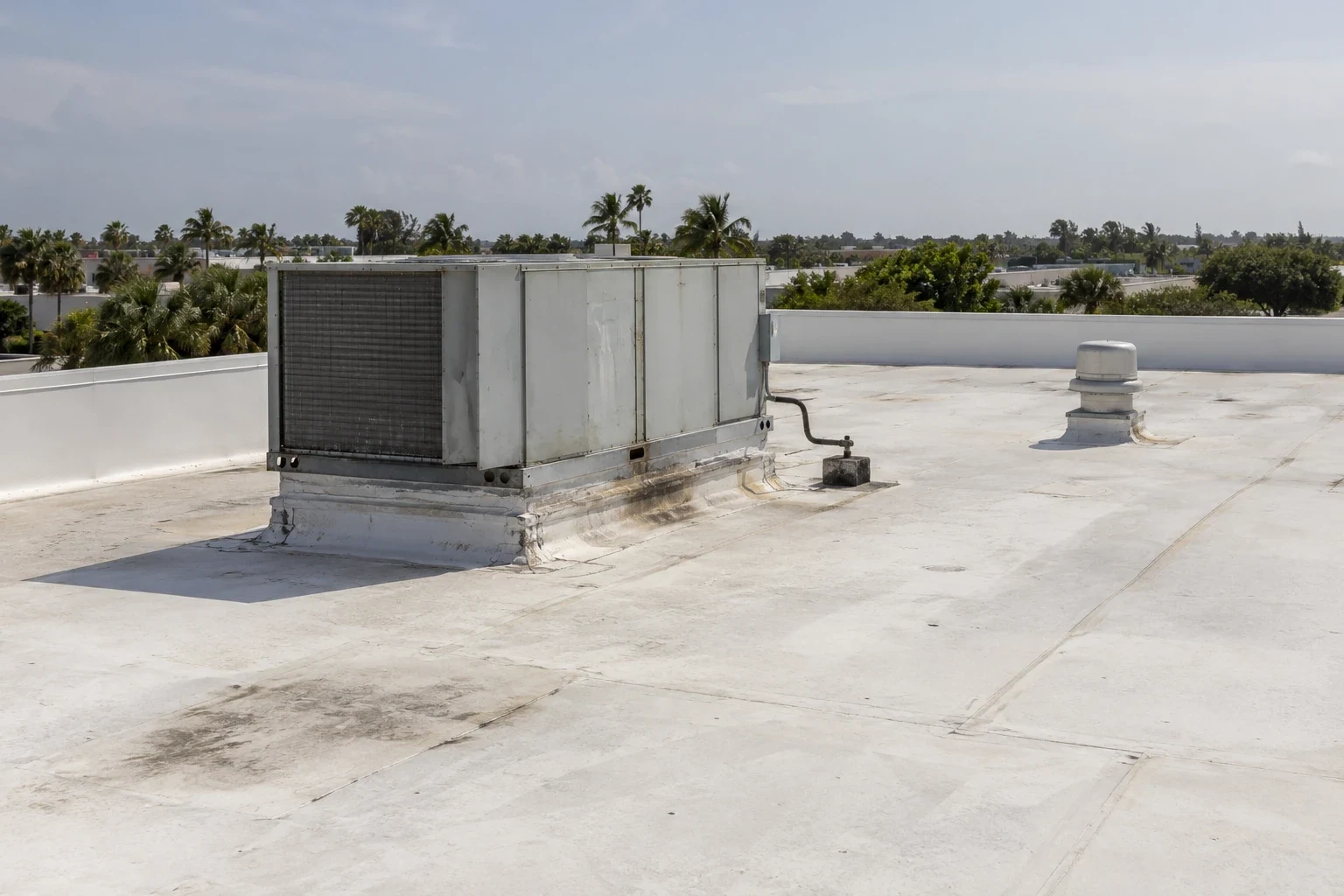
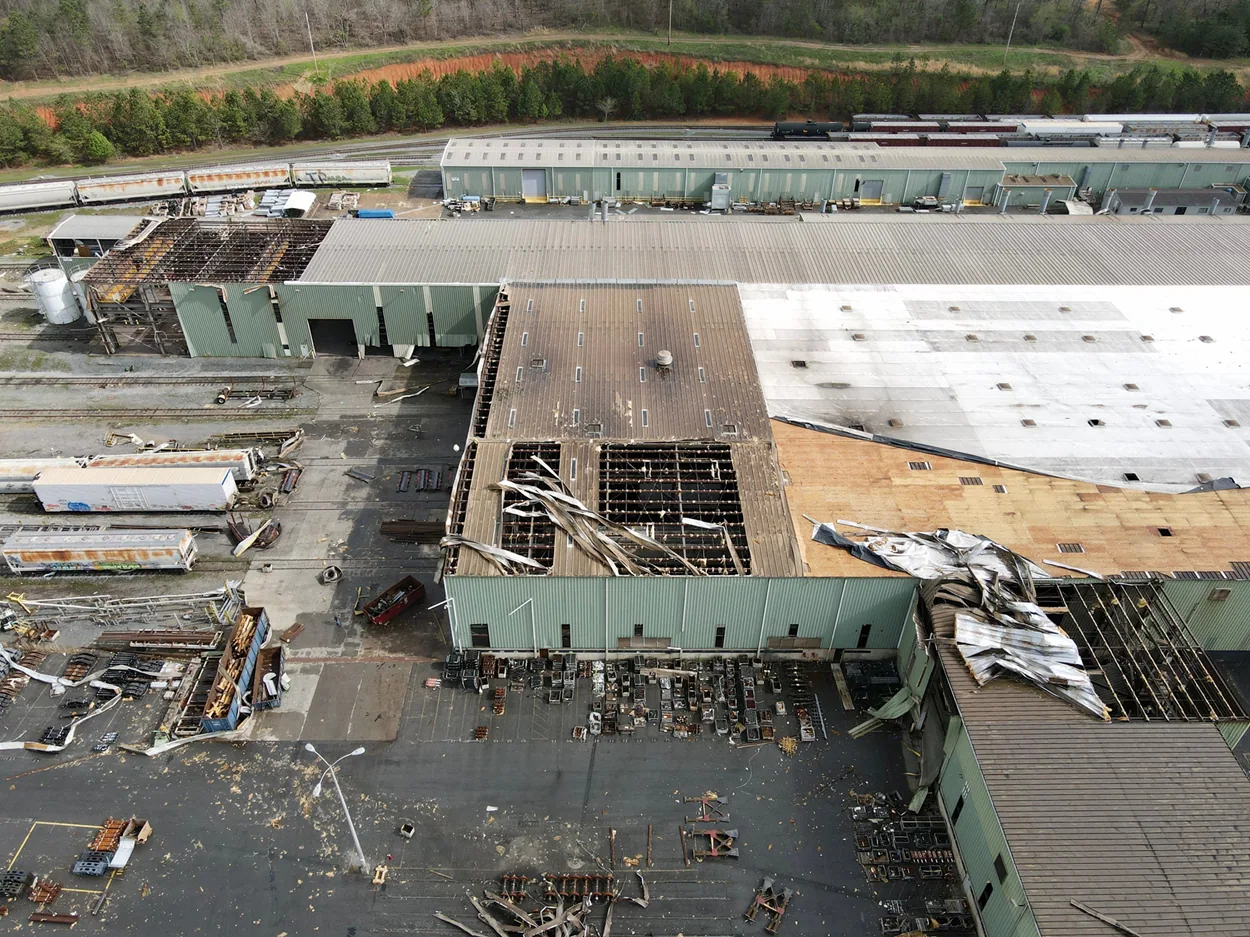
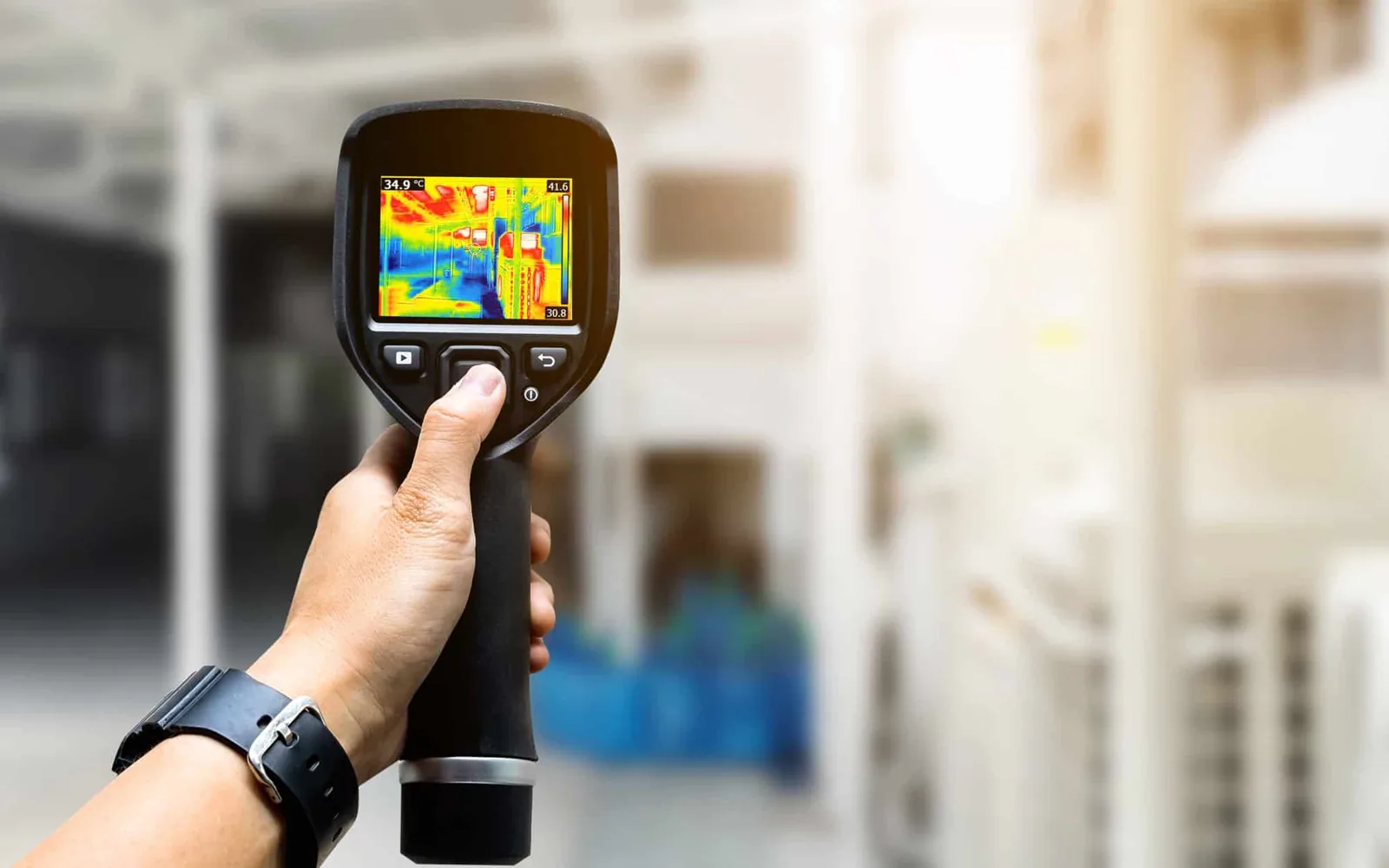
Coating does not make a wet or unstable roof sound. We begin with the membrane type, age information available, repair history, drainage pattern, and access conditions. A roof with widespread wet insulation, delamination, or failed attachment needs a different plan. Where a question about moisture could change the recommendation, an infrared moisture survey or targeted test can help identify areas for closer examination. The survey result guides investigation; it does not replace opening and confirming a suspect assembly when needed. A coating choice should also match the roof’s actual membrane system.
Divide large roofs by construction phase, elevation, or drainage area. Near the Port of Victoria Industrial Park South, confirm delivery timing and staging with the property contact; freight access does not establish a building’s roof condition.
Surface preparation must match the existing material and proposed coating. The crew checks adhesion, contamination, chalking, loose coating, and compatibility at representative areas. A roof inspection can document the assembly and boundaries before the restoration decision. We record what can be confirmed in the field and flag concealed conditions that need testing or selective removal.
Confirm what the roof can carry
Open membrane laps, separated flashing corners, and loose terminations need repair before a coating system covers the field. We identify active movement and determine whether the detail can be prepared and reinforced as part of a compatible restoration scope. A coating layer should not be asked to bridge an open joint or compensate for a curb that still shifts under service. The repair method depends on the roof system and the condition found at that detail.
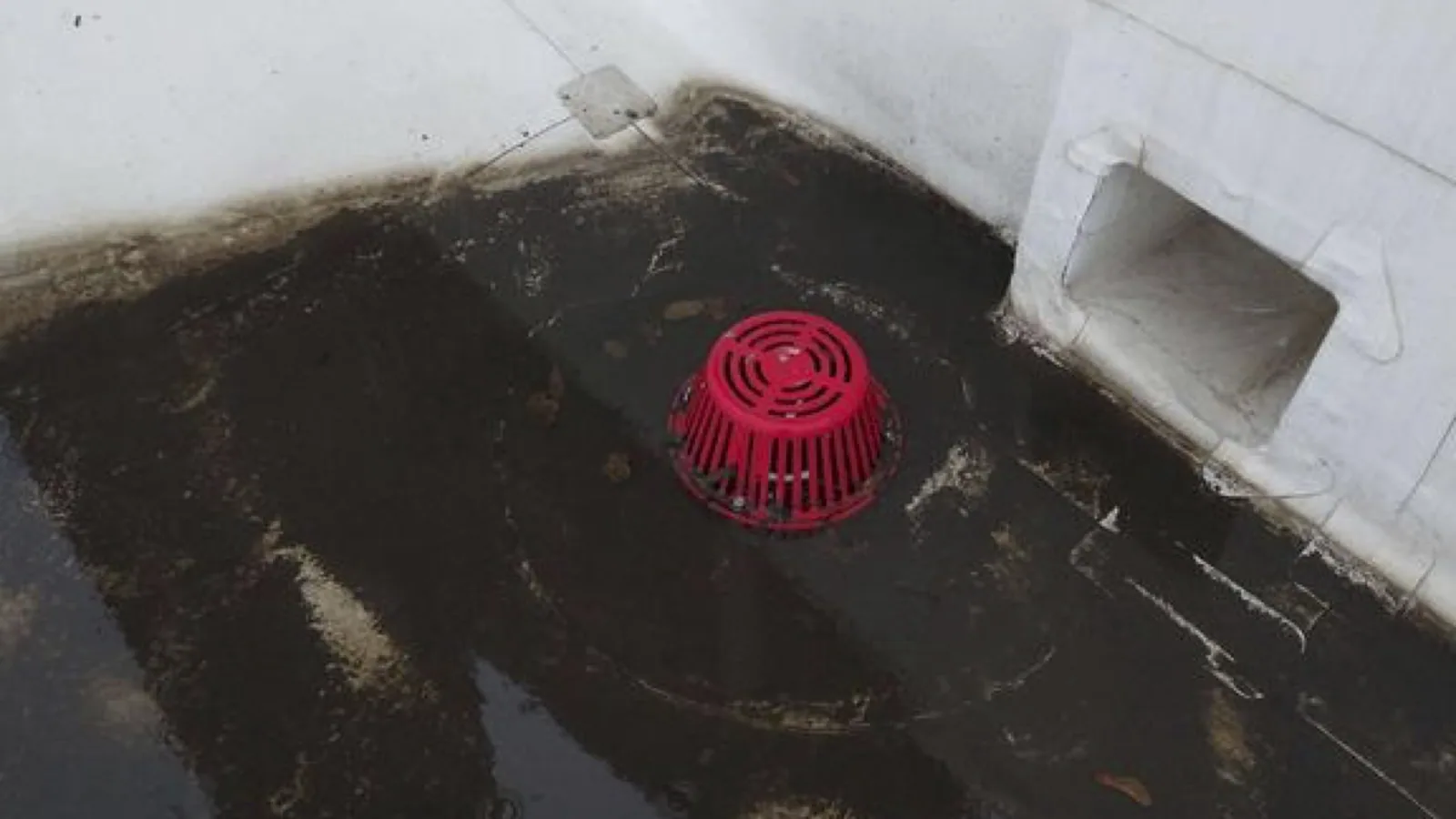
Drain bowls, scuppers, and overflow paths must remain open and properly integrated. Coating thickness at the drain cannot obstruct the throat or conceal a deteriorated clamping area. Where ponding has a structural or insulation cause, surface work alone may leave the water pattern unchanged. The roof-drain repair scope should address the confirmed blockage or transition before coating. We protect the outlet, make the detail visible during work, and verify that runoff has a clear route at closeout.
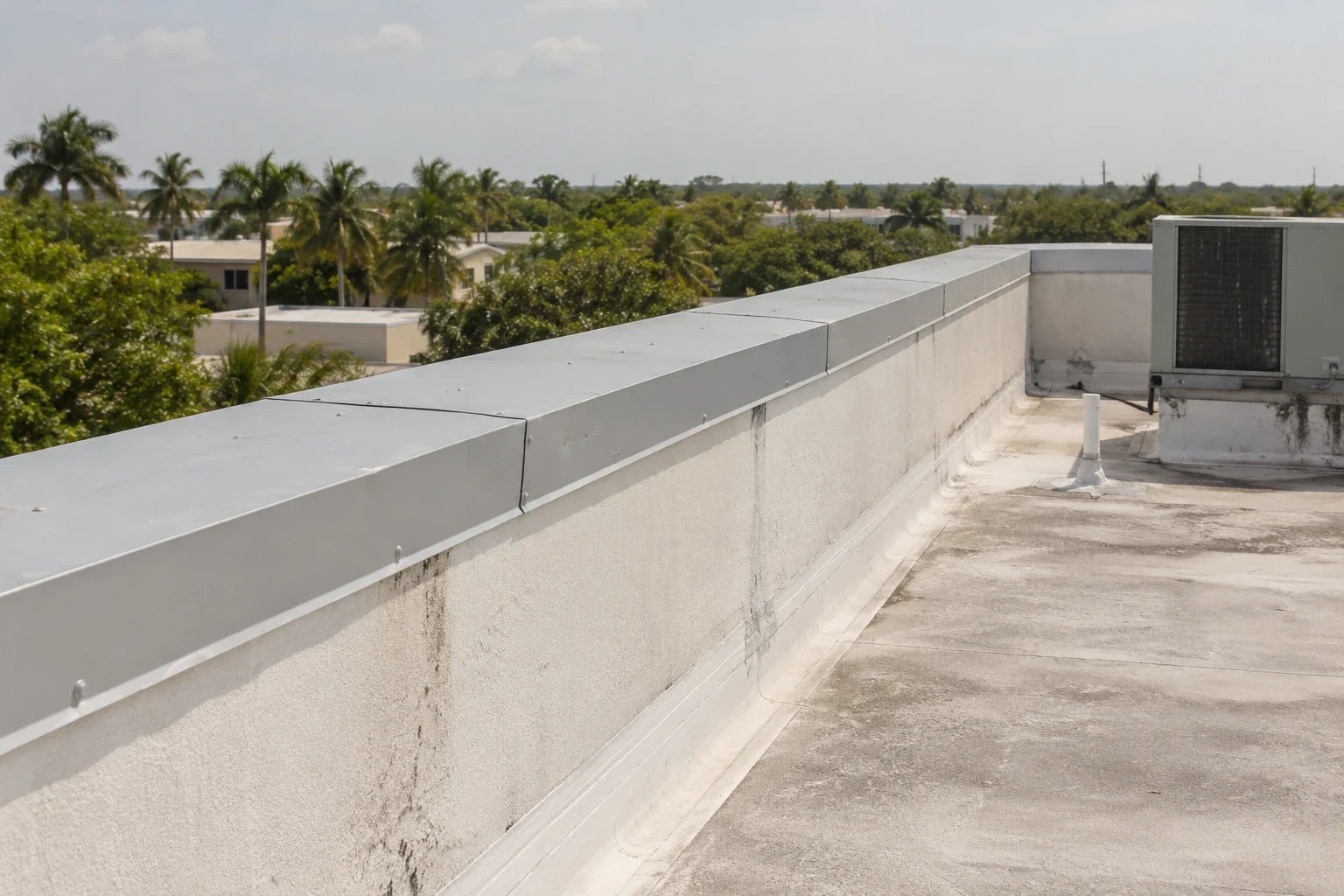
Metal edges, parapet caps, equipment supports, and skylight curbs need the same attention. A metal edge repair may need to precede field restoration. On a single-ply or modified-bitumen assembly, the proposed coating and primer must be compatible with the actual surface, not just the roof label in an old file. We keep repair details separate in the work record so the owner can see which areas received coating and which received component repairs.
Repair movement before applying a finish
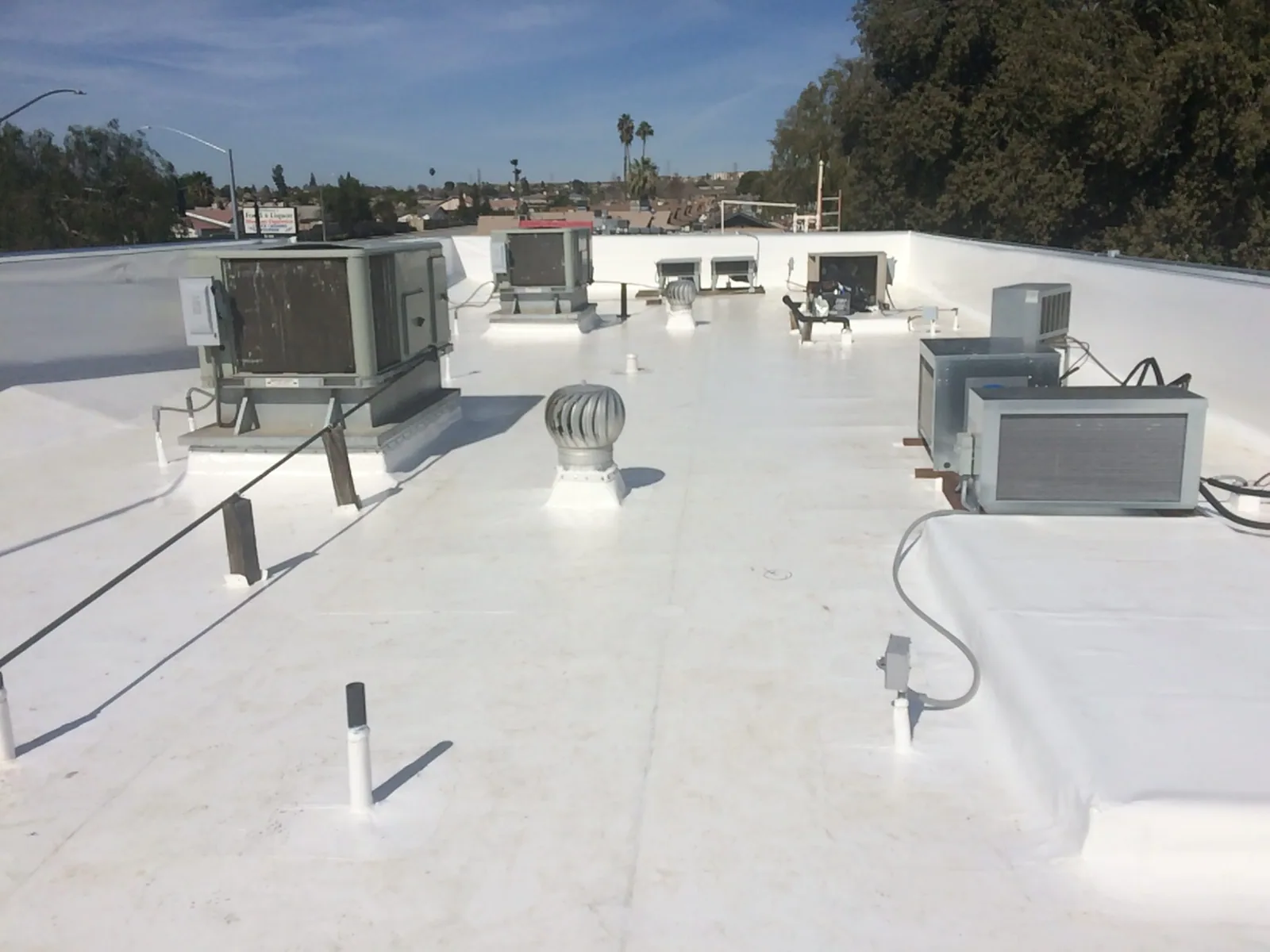
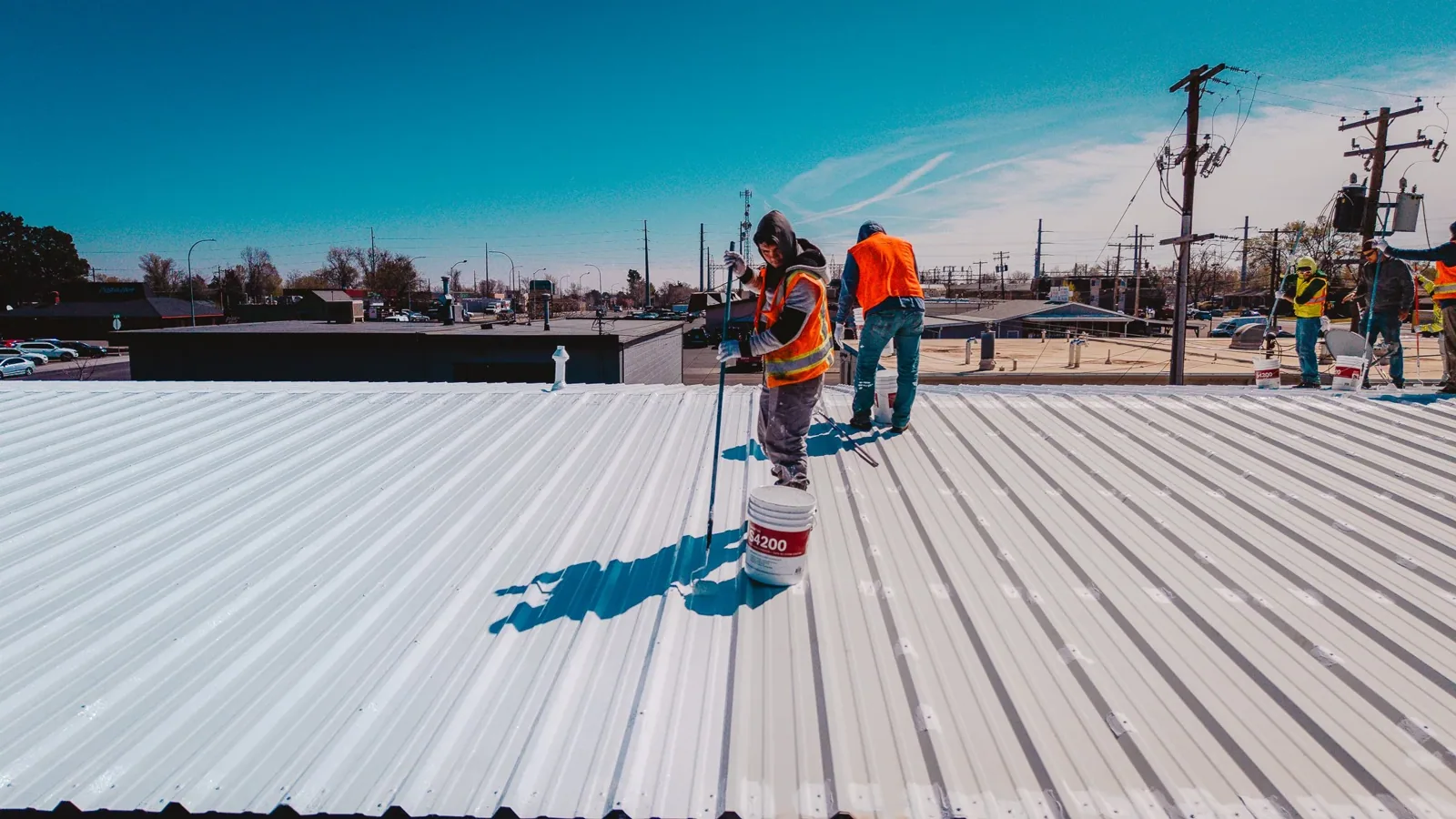
Preparation is not a quick wash before the visible work. Loose material, dirt, biological growth, oils, and incompatible residue can interfere with adhesion. We select cleaning methods that fit the assembly and protect drains, equipment, and occupied areas below. The surface must dry before primer or coating goes down. In Victoria’s hot weather, direct sun can heat a roof surface well beyond the ambient reading, so crews track the product requirements and the actual conditions at the work area.
Test patches provide a practical check when compatibility or adhesion remains uncertain. The crew records the location, primer or preparation used, application conditions, and observed bond after the required interval. If the result is poor, the scope changes before broad application. Victoria’s July climate report lists a normal high of 94 degrees Fahrenheit and a 110-degree record high. That heat context makes shaded storage, work sequencing, and monitoring the coating window useful. It does not establish that every day or roof surface reaches those temperatures.
Prepare a surface that will accept the system
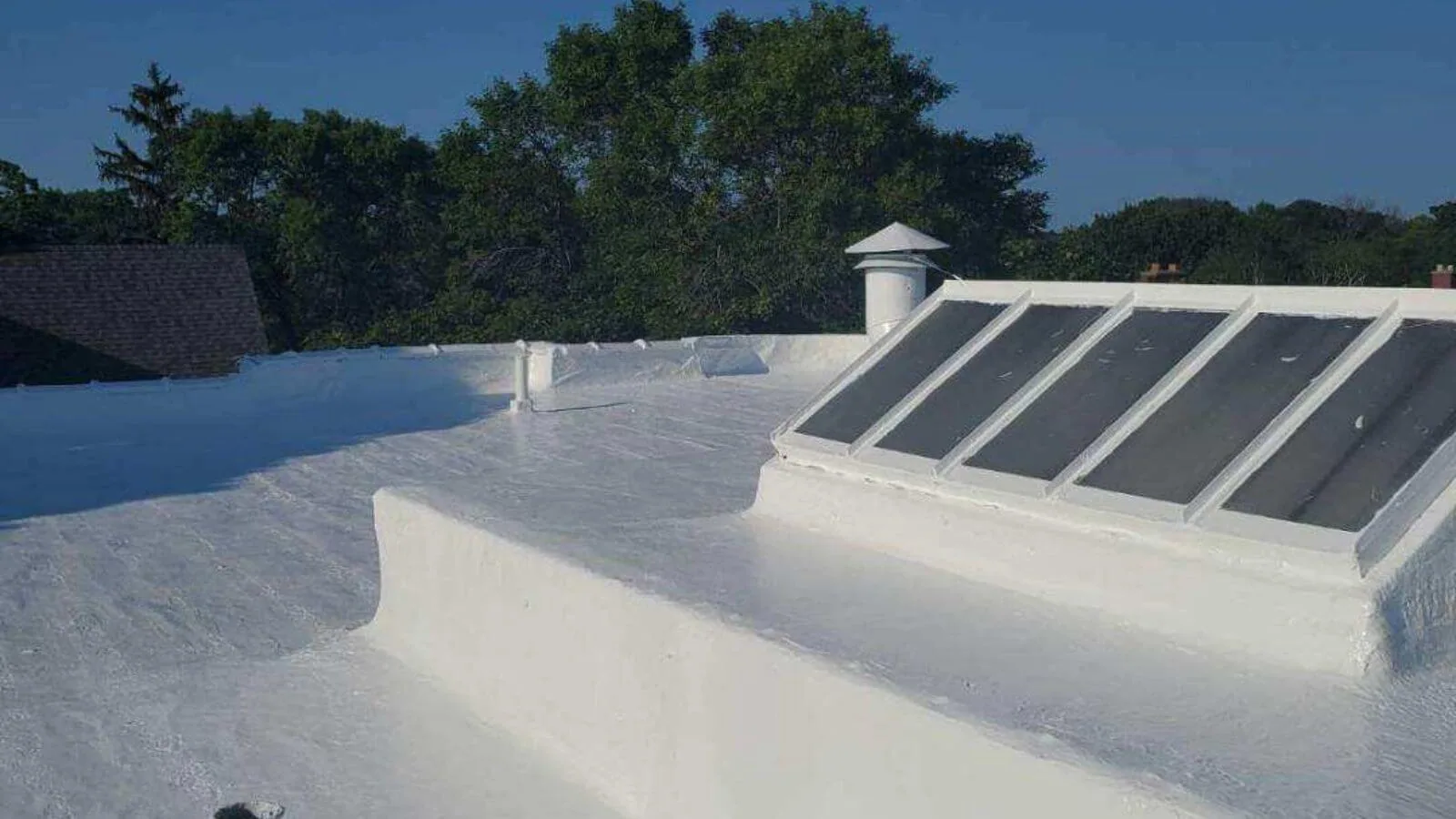
Once repairs and preparation pass inspection, the work sequence follows the approved system requirements. We establish section limits, protect sensitive equipment, and keep drains and walk paths identifiable. Primer, reinforcement fabric, and finish coats are applied only where the selected assembly calls for them. Crew members track coverage and wet-film measurements at the locations required by the scope, then compare the cured result with those records. Thin areas, fish-mouths in reinforcement, pinholes, and missed transitions receive correction before the section is released.
Weather affects when a roof can be coated. Rain, condensation, high humidity, wind-blown dust, or a surface outside the product’s application range can compromise adhesion or cure. The National Weather Service has recorded hail and damaging gusts in central Victoria County, and NOAA’s Hurricane Harvey account places the storm just north of Victoria after landfall near Port Aransas. Those records support a deliberate weather check; they do not predict a particular roof’s exposure on a scheduled workday. We stage the work so a section can be protected if conditions change.
Apply the coating in controlled roof sections
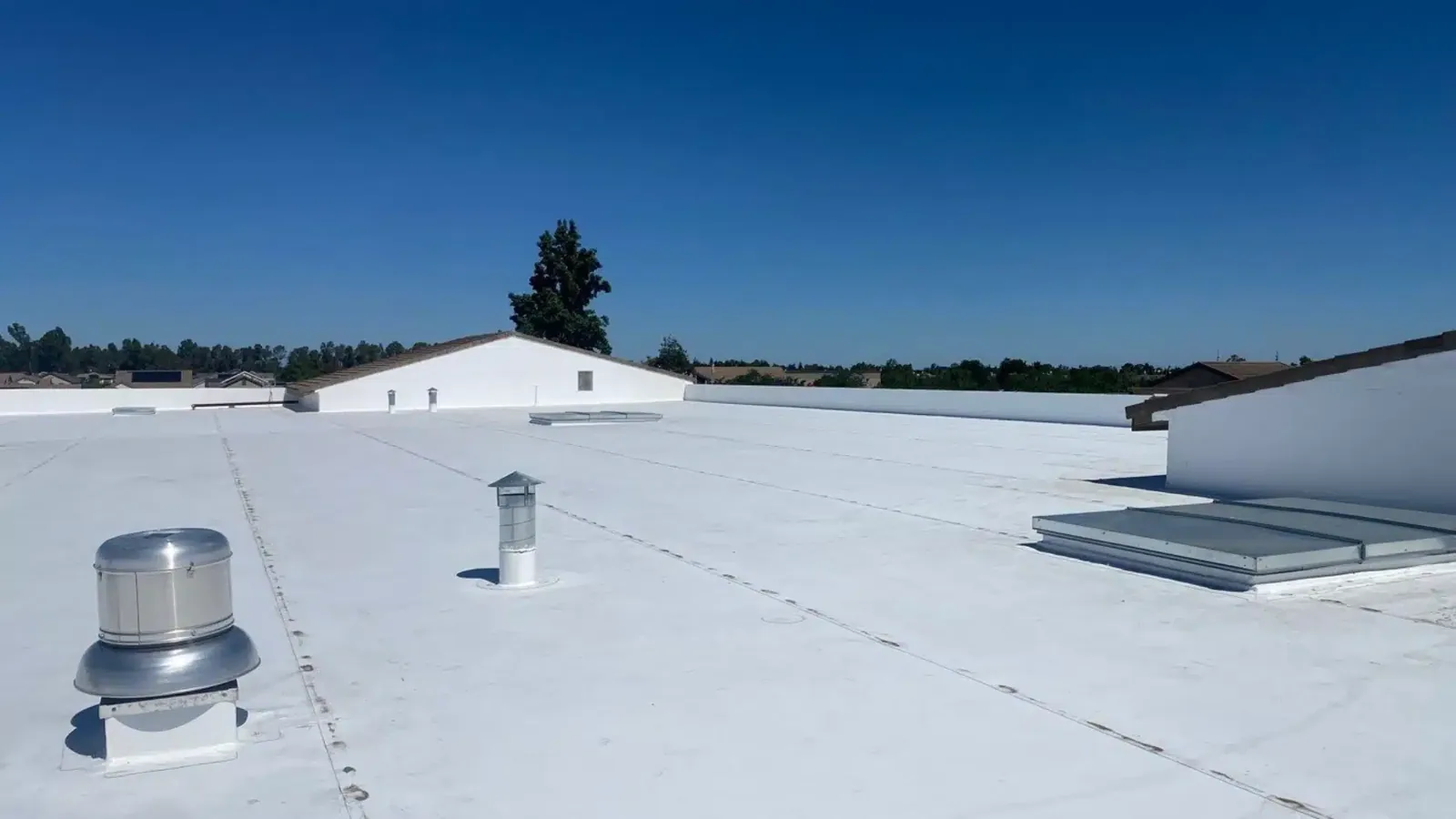
A coating can renew a compatible surface and help protect a prepared roof. It does not correct saturated insulation, failed deck, inadequate attachment, or structural movement. We state those limits in the recommendation so the owner can compare restoration with localized repair, a recover, or replacement. If the existing assembly cannot be reliably identified, selective openings or records review may be needed before the coating specification is settled.
A roof recover can be appropriate when the existing roof is stable and the proposed assembly meets project requirements; compare that option with roof recover work after the conditions are known. We do not treat a coating as a substitute for a new roof when the field evidence points to broader failure. The repair boundary, drainage correction, and transition details guide the decision.
Owners should also understand how inspection access, maintenance, and future repairs affect the finished system. Keep the product information, preparation record, test results, application logs, and closeout photos with the asset. Follow the specified maintenance instructions and avoid incompatible sealants or later work that cuts into the coating without restoring the tie-in. Where the facility has multiple roofs, label each assembly and roof section separately rather than filing every photograph under one site name.
Choose restoration only when its limits fit
Closeout includes the treated area, repairs completed first, materials and application details recorded for the job, measurements taken, and any limits that remain. We walk transitions, drains, edges, penetrations, and terminations rather than reviewing only the broad field. Photos show the finished condition at the same locations documented before work. Store the record with the building’s roof asset file. Any excluded areas or deferred repairs are listed so a future maintenance visit can pick up the exact boundary.
When you request an evaluation in Victoria, provide the roof type if known, leak locations, previous repairs, existing coating information, and access window. We will map the sections, examine preparation needs and drainage, and document whether restoration is supported by field conditions. If repairs or testing should come first, the recommendation will identify those steps and the areas they affect.
Verify coverage and leave a usable record
Related Roofing Work
Frequently Asked Questions
Can a coating go over any commercial roof?
No. The assembly must be dry enough, stable, and compatible with the proposed system. We check adhesion, repairs, drainage, and transitions before setting the scope.
What if the roof has ponding water?
First we identify why water remains. A blocked outlet, low insulation area, or structural condition calls for a different correction, and coating should not hide the cause.
Will a coating stop an active leak?
A confirmed leak detail needs repair before field coating. We trace the path, correct compatible seams or flashing, and verify the tie-in instead of coating over an unresolved opening.
How do you know the coating will adhere?
Where the surface or history leaves a question, a prepared test area can check compatibility and bond. The result is reviewed before broad application.
What changes the Victoria work schedule?
Surface temperature, rain, condensation, wind, and the selected system’s application limits can change a work window. Access and operating constraints also affect staging.
Send the roof type, leak history, prior coating details, roof plan, and access window. We will inspect preparation, drainage, and transitions, then document the repair boundary and next step.
Call 555-555-5555 or email [email protected].