
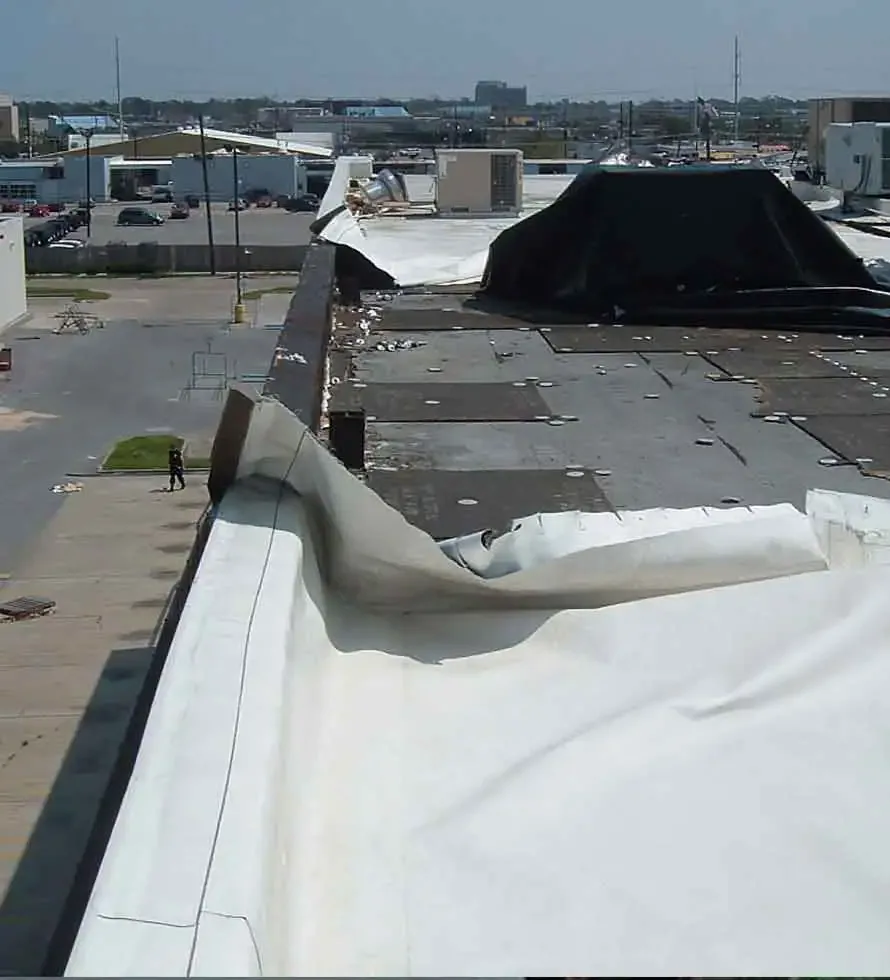
Hurricane Damage Roof Repair in Victoria, TX
Roof Damage Repair · Victoria, TX
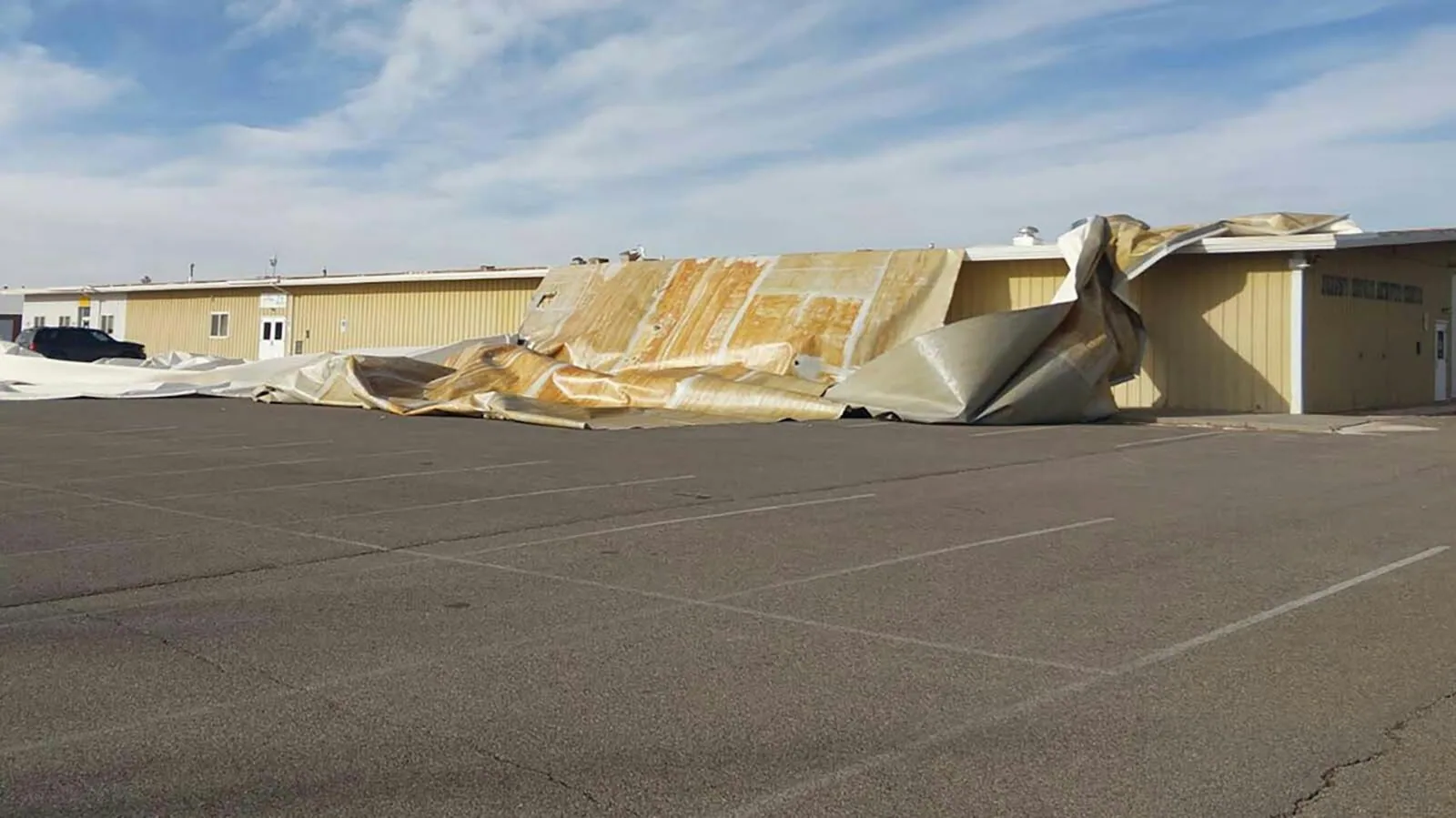
Hurricane damage roof repair in Victoria maps wind and water effects by roof section, coordinates safe access, and documents repairs without guessing at cause.
Next step
Request a Roof Assessment
Call
555-555-5555
After a tropical system, a roof may show displaced metal, lifted membrane, damaged equipment, water entry, or debris impact. Hurricane damage roof repair in Victoria begins with safe access and the storm timeline, then follows observed conditions across each building. We map visible effects, protect confirmed openings when appropriate, and separate storm-related evidence from older wear or conditions that need a specialist’s review.
Hurricane Damage Roof Repair
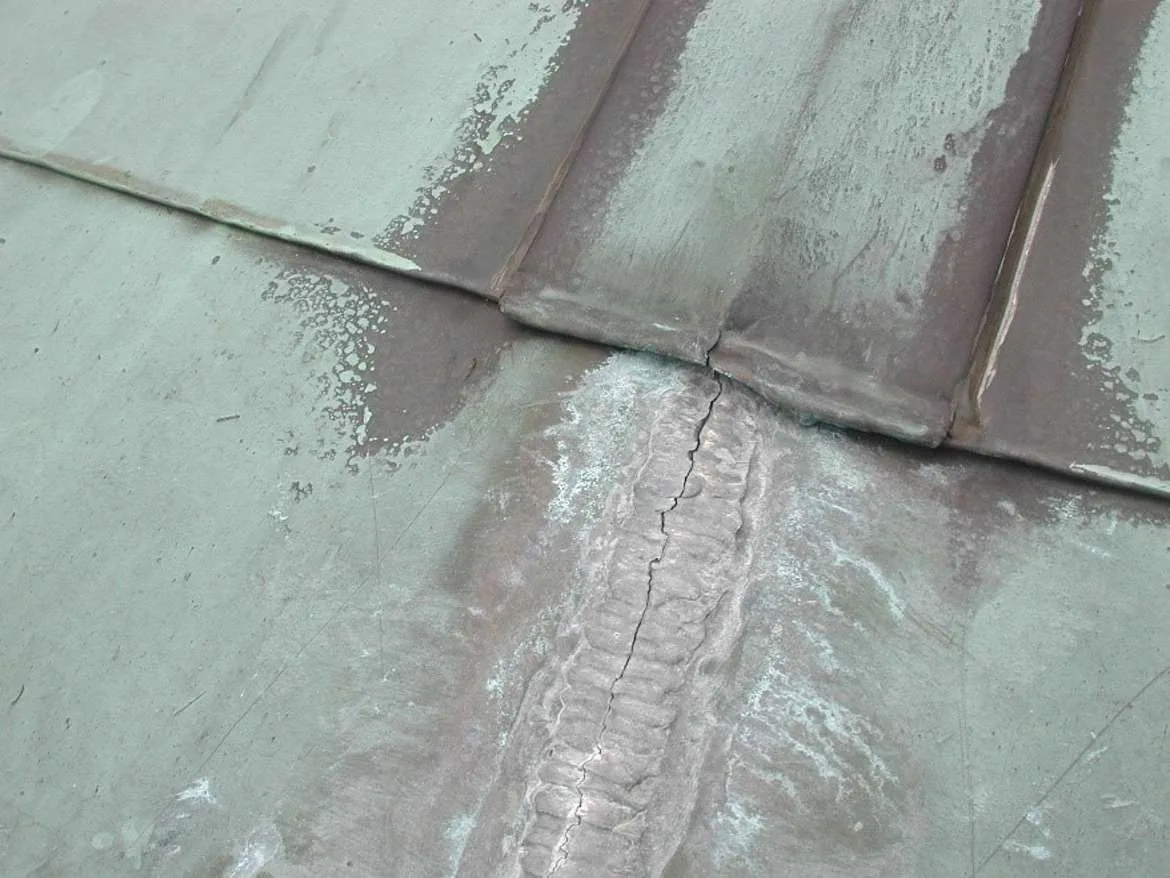
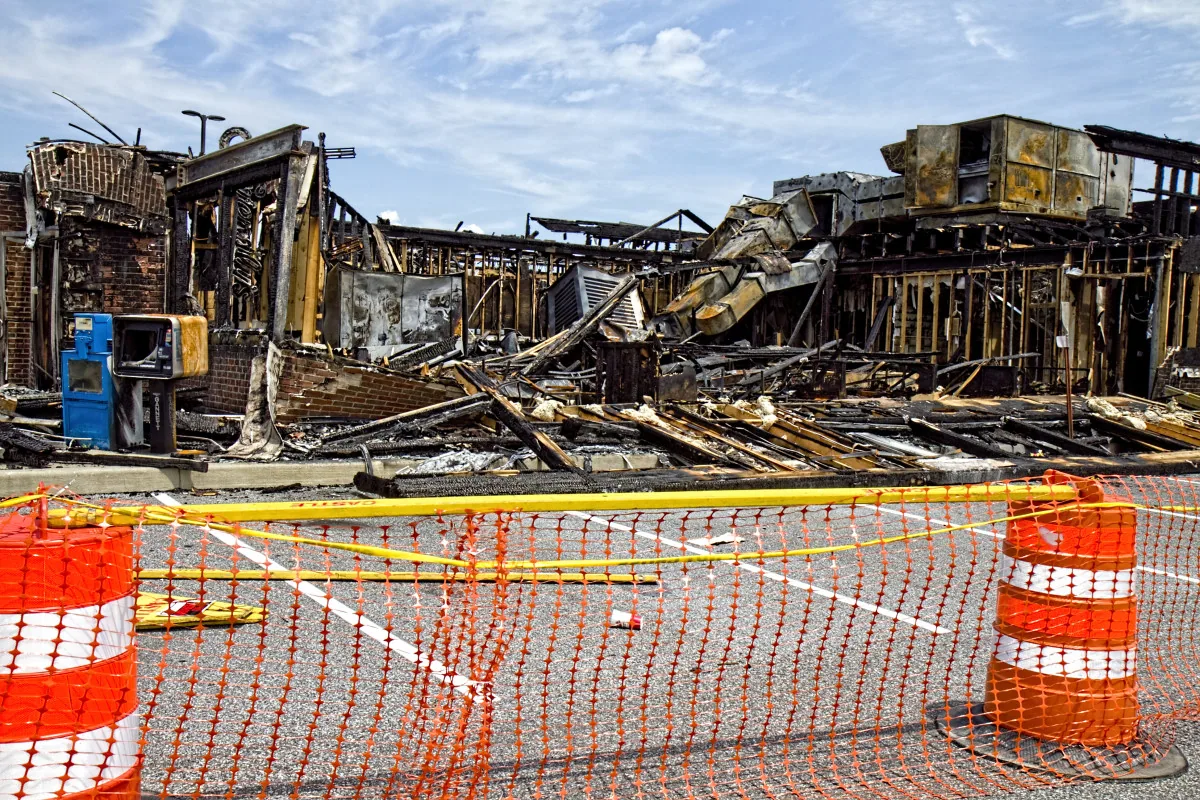
Before a roof walk, confirm that the property is safe to enter, utilities are controlled, and loose debris or unstable access points have been addressed. Floodwater, damaged electrical equipment, falling branches, and displaced rooftop components can create hazards beyond roofing. The site contact identifies restricted areas, the approved ladder or hatch, and any operations that must stay clear. If access is not safe, we document visible conditions from the ground and wait for release.
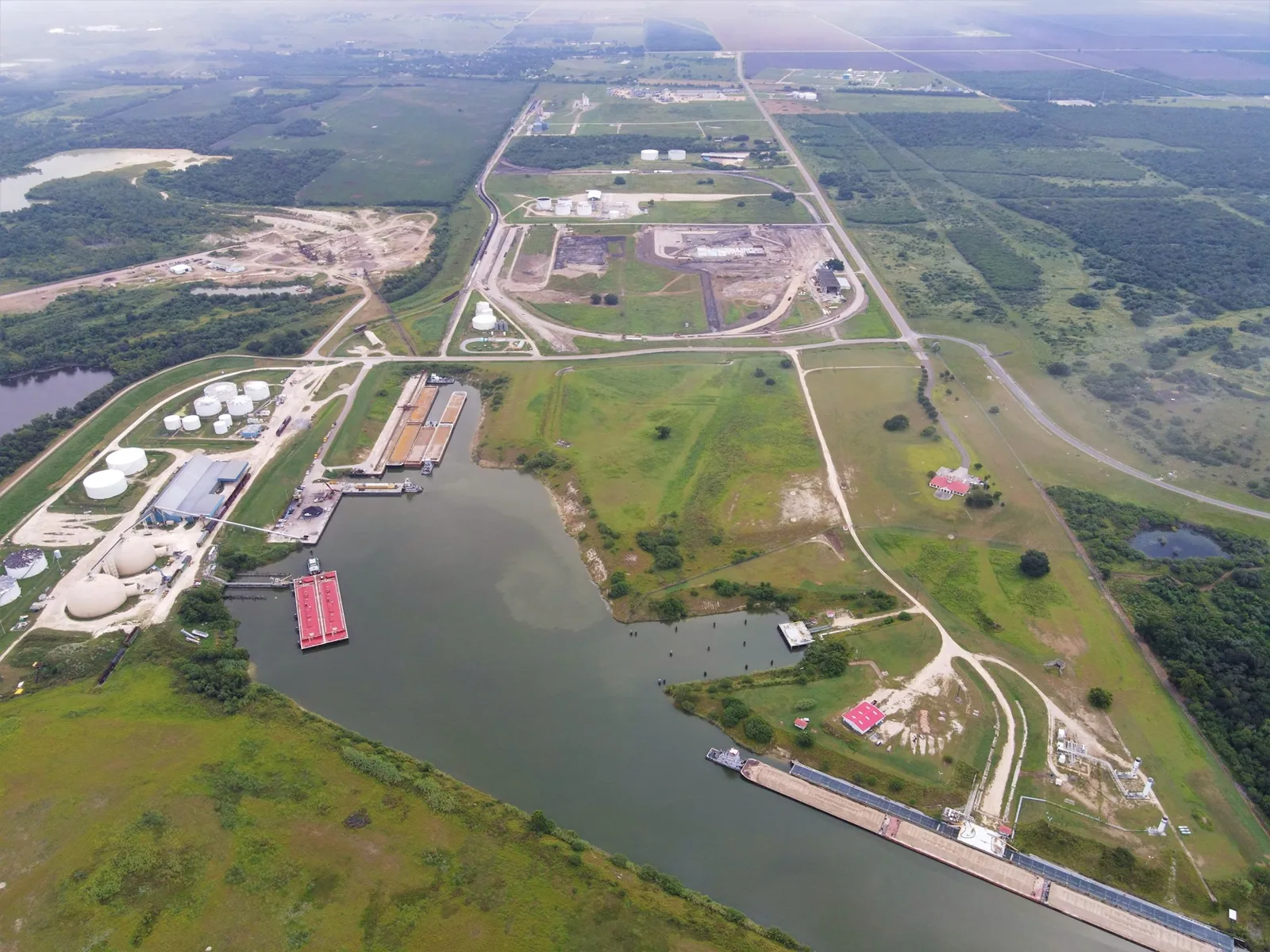
NOAA’s account of Hurricane Harvey notes that the storm meandered north of Victoria after landfall near Port Aransas. Regional storm history informs planning, but it does not establish the condition at an individual property. A commercial roof inspection records the building’s own roof, route, and repair limits. At an industrial site in Port of Victoria Industrial Park South, site management confirms current freight, escort, and access conditions before staging.
Start after the site and access are cleared
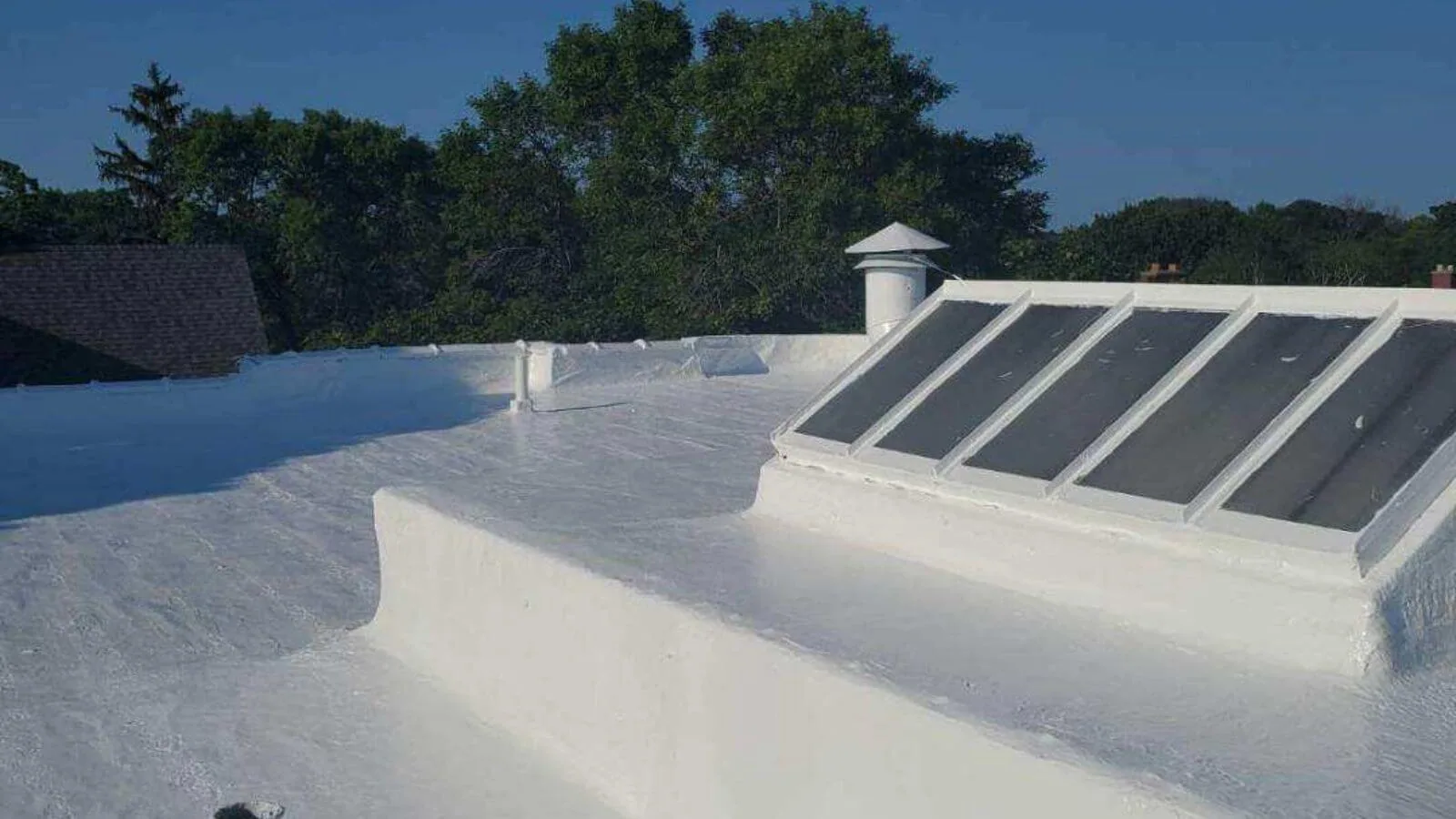
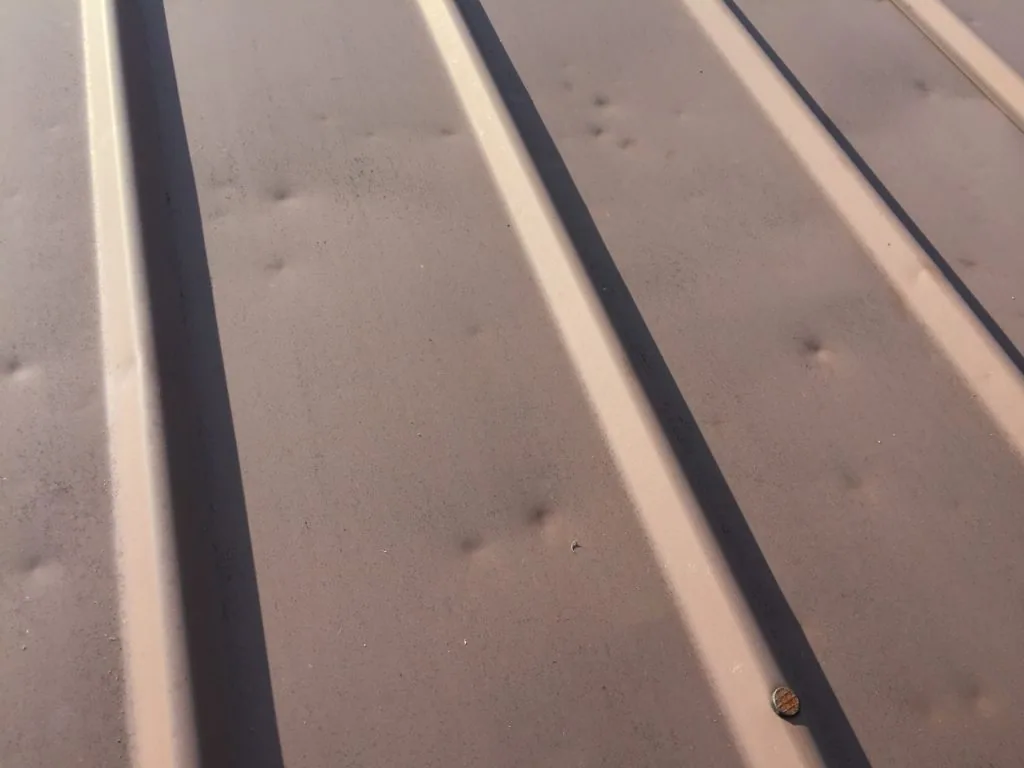
We inspect edges, corners, seams, flashing, drains, skylights, equipment supports, screens, and roof penetrations for movement, breaks, or impact. Photographs show the condition and its location on the roof plan. Water entry, wet insulation, and visible surface damage are separate findings: one does not prove the extent of another. If hail, wind, or falling debris may be involved, note the possible source without stating a cause the inspection cannot establish.
A large facility may have several roof sections and additions with different materials. We mark where each system begins and whether the affected detail sits at an expansion joint, curb, wall, or perimeter. The separate wind damage roof repair and hail damage roof repair scopes can capture those specific mechanisms when evidence supports them. A storm date alone is not a substitute for the on-roof record.
For a campus, warehouse, or large retail property, a single storm can affect roof sections built at different times. We mark additions, patched areas, and changes in elevation so the manager can separate active repair needs from older maintenance items. If debris is still being cleared, photograph the roof before the removal work alters what is visible, but only when the site lead says that is safe. The record should show inspection date, route, section, and any portion not reached.
Separate wind, water, and debris observations
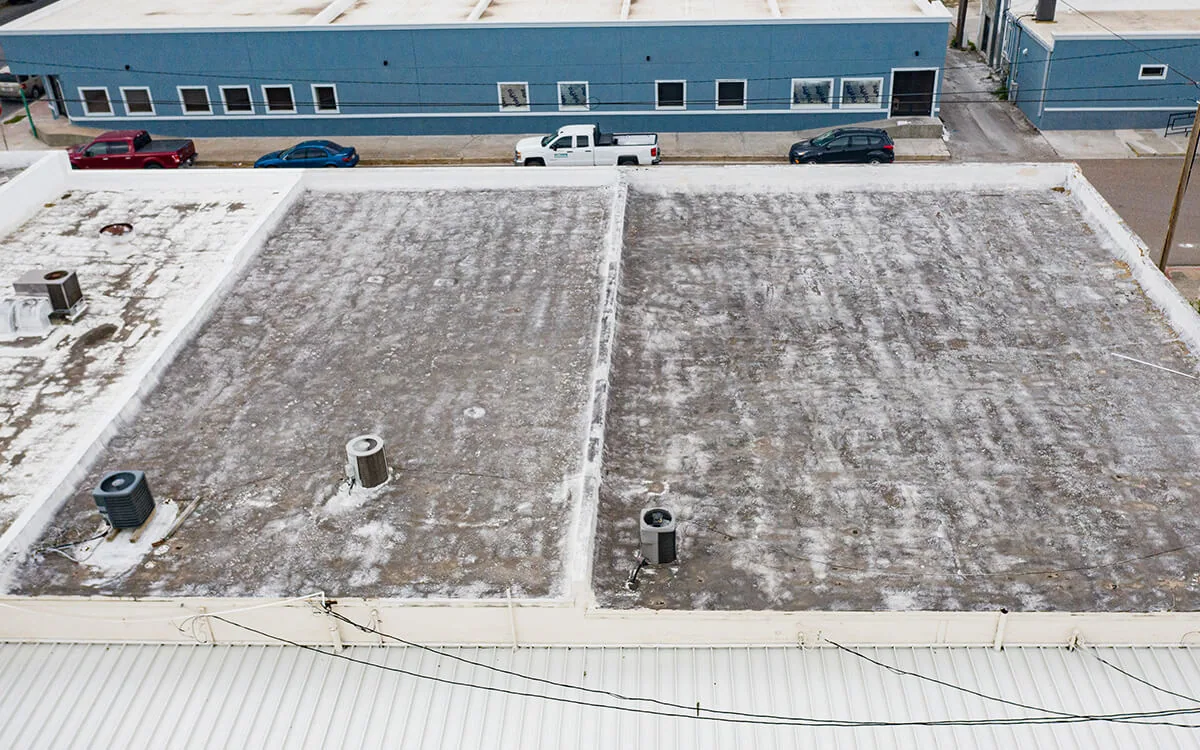
If water is entering, the property contact identifies rooms, equipment, stock, patient or student areas, and any electrical concern. We compare the interior location and timing with the roof surface, but do not assume the leak is directly overhead. Water can travel along a deck or insulation before it appears. If an opening is confirmed, a commercial roof leak repair can define immediate protection and the repair boundary while any concealed moisture is evaluated.
Temporary coverings should be sized to a safe, reachable area and coordinated with site operations. Record what the temporary measure protects and what remains open. Do not cover a drain or block an overflow route to divert water without an approved plan. If water remains after the storm passes, a separate ponding water assessment can distinguish drainage behavior from storm impact.
When several rooms report leaks, list each one and the time it appeared instead of grouping them as one opening. A roof plan can show which reports line up with one drain or transition and which may have a different source. This matters in buildings with long corridors, mezzanines, or separated mechanical zones where water can travel. The repair plan should state what can be protected immediately and what testing would be needed to confirm a concealed path.
Protect interior areas and trace the entry path
Repair method depends on system, attachment, substrate, and the boundary of affected materials. A membrane patch, seam repair, edge-metal replacement, or curb reconstruction addresses different interfaces. We identify the roof assembly before selecting compatible materials and state whether wet insulation, damaged deck, or concealed conditions require removal or additional testing. A localized repair can be appropriate if the adjacent material is sound and the tie-in can be completed reliably.
When damage spans several roof areas or the surface and attachment are broadly compromised, the owner may need a commercial roof replacement evaluation. A TPO roof system review describes a specific assembly, while an existing roof may use another membrane, coating, or metal system. The scope explains what is known, which sections were tested, and what remains uncertain before work begins.
Choose a scope for the assembly that remains
Some buildings return to service before every roof section can be repaired. The facility team can prioritize active leaks, loose material, occupied rooms, production requirements, and critical equipment. We set a work boundary, define delivery and lift access, and coordinate noise or ventilation restrictions with the people responsible for operations. A phased plan should name what stays open, what is isolated, and when a barrier or temporary cover may be removed.
For organizations with assets near Lone Tree II Industrial Park, production and training schedules may influence sequencing. In healthcare, school, or retail settings, the facility contact identifies the correct operating requirements. A roof condition report can keep the observations and priorities attached to each roof section while multiple repairs proceed.
Coordinate reopening and phased work
The closeout includes before-and-after photographs, roof-section labels, materials installed, repair limits, and any remaining inspection recommendation. Temporary measures are marked clearly, with follow-up ownership and timing. If the project was reviewed by an adjuster, engineer, or restoration contractor, the roofing report stays limited to the roofing observations and work performed. It does not determine insurance coverage or attribute concealed damage to a particular cause.
Victoria’s National Weather Service storm-history records include multiple tropical cyclones affecting South Texas. A local history provides regional context for maintenance planning, not a prediction of what any building will experience. Owners can use the completed roof map as a baseline, then compare future leak reports or movement to the same sections rather than restarting from an undocumented condition.
Where the owner is reconciling storm work across multiple facilities, preserve each building’s photos and scope separately. Shared weather exposure does not establish a shared roof condition. A log can identify inspections still awaiting safe access, temporary protection that remains, and sections ready for permanent work. That simple distinction helps the next contractor or facilities manager avoid repeating a roof walk in an area already documented, while keeping outstanding risk visible.
Keep the storm record useful after repairs
Related Roofing Work
Frequently Asked Questions
Does a storm report prove my roof has hurricane damage?
No. It describes regional weather. An inspection must document the roof condition at the property and distinguish observed damage from prior wear.
Should roofing work begin while the property is flooded?
No roof access should occur until the owner confirms safe entry, utilities, and route conditions. Roofing is not a substitute for emergency response.
Can you temporarily cover an opening?
Where it can be done safely, a limited temporary measure may reduce exposure. Its location and limits should be documented.
Will a hurricane claim determine the repair scope?
The repair scope follows the observed assembly condition. A roofing report documents the work and does not determine policy coverage.
What should be included in the storm report?
Include the event date, roof map, photographs, observed damage, interior reports, access limits, repair work, and open follow-up.
Provide the storm date, roof plans, reported leaks, access status, and operating restrictions. We will document conditions by roof section and define repair next steps.
Call 555-555-5555 or email [email protected].