
Tornado Damage Roof Repair in Victoria, TX
Roof Damage Repair · Victoria, TX
Tornado damage roof repair in Victoria begins with site clearance, structural direction, and a roof-by-roof record of openings, debris, and displaced materials.
Next step
Request a Roof Assessment
Call
555-555-5555
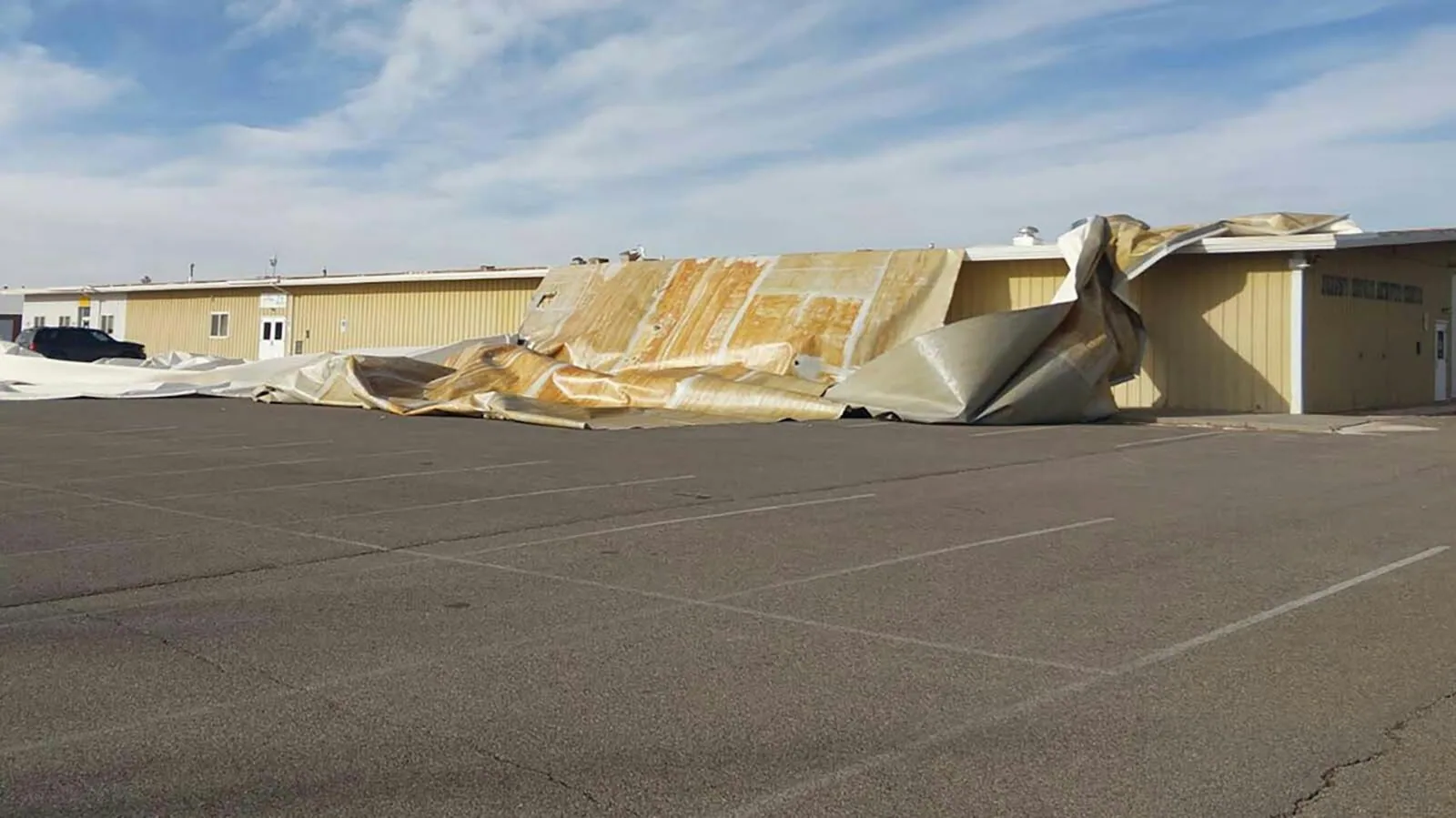
After a tornado or suspected tornado impact, roof damage can range from loose edge metal to a breached assembly or unstable structure. Tornado damage roof repair in Victoria begins only after emergency responders and the property owner clear the access route. We document visible roofing conditions, protect an opening when it is safe to do so, and wait for engineering or utility direction whenever the roof may be structurally affected.
Tornado Damage Roof Repair
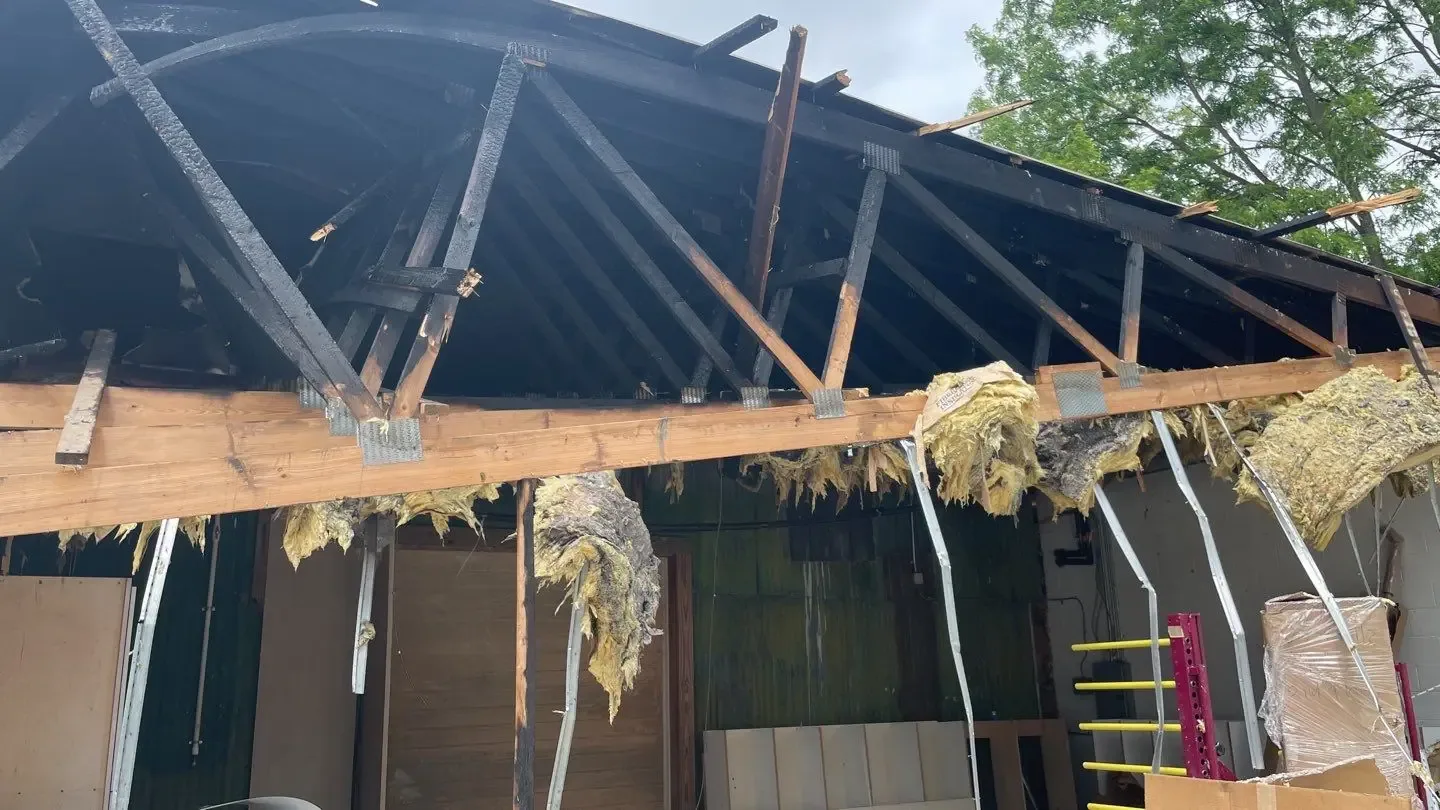
Do not climb onto a roof with displaced framing, a sagging deck, loose sheet metal, broken electrical equipment, or debris that could move. The building contact should confirm emergency services have released the area and identify temporary shoring, power isolation, restricted rooms, and approved routes. A roofing inspection cannot authorize entry into an unsafe structure. Where access remains restricted, record what can be seen safely from the ground and return when the responsible authority approves entry.
The National Weather Service documents severe weather risks in the South Texas region. A regional warning does not establish whether a tornado or damaging wind affected a particular property. On the Victoria service area, each site lead supplies incident details and current clearance. A commercial roof inspection begins with those conditions and the building’s own roof plans.
Keep personnel out of unstable areas
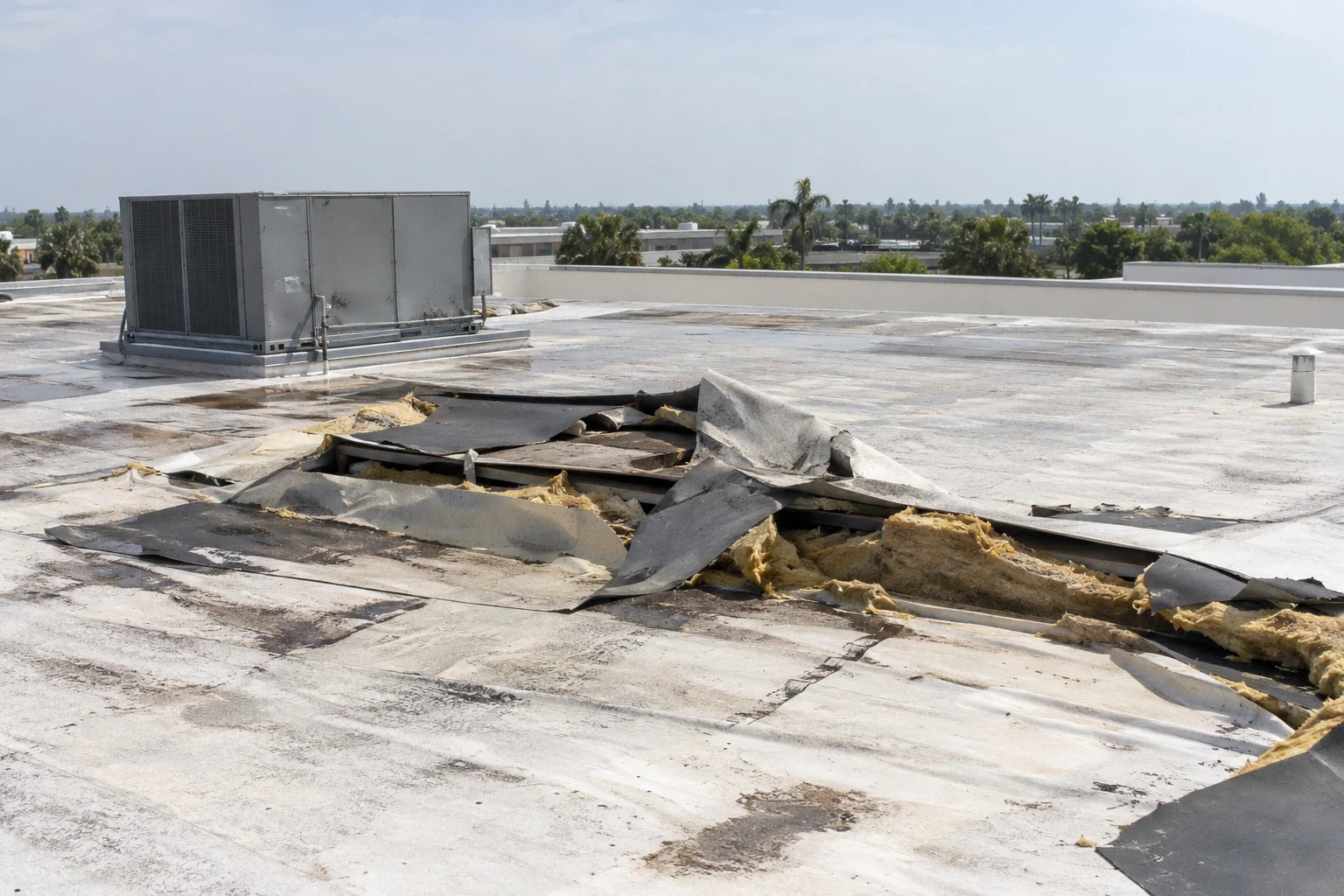
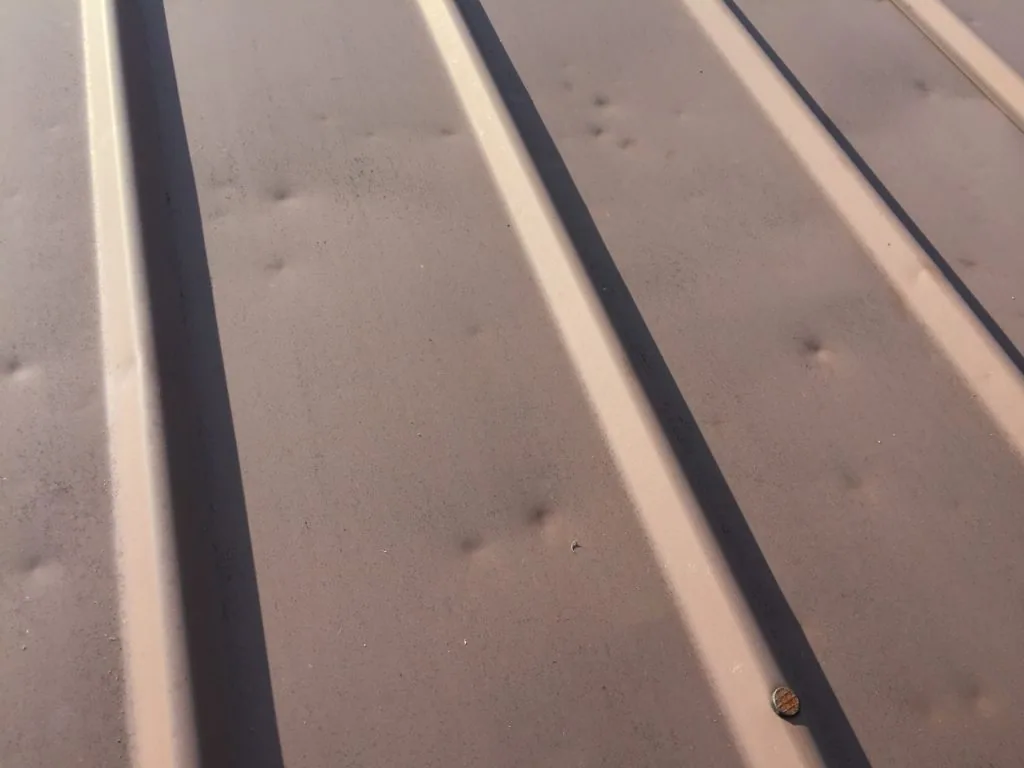
Once safe access is approved, inspect each roof section for missing or shifted panels, broken membrane, damaged edge metal, impact marks, separated seams, compromised curbs, and debris punctures. Photograph the condition with a location reference and note whether it faces the reported approach or lies near another impact point. Avoid moving debris until the site contact confirms it can be handled without disturbing investigation evidence or creating a hazard.
Water can enter through an opening and move before appearing inside. We compare room reports with drains, wall transitions, rooftop equipment, and the exposed area. A confirmed cut in the membrane may need membrane puncture repair; an open roof edge may need a separate wind damage roof repair scope. Each finding receives its own location, condition, and next action.
In a damaged building, roof observations can change as debris is removed and temporary stabilization proceeds. Note the inspection time, who authorized access, which elevations were visible, and whether coverings or shoring were already present. A photo should not be described as the original condition if it was taken after cleanup. If materials need to be retained for an incident review, the site lead determines how to handle them before the roof crew moves them.
Map openings, impact, and displaced components
A tornado can transfer force through roof coverings to deck, joists, purlins, and connections. Roofing personnel can record exposed conditions but should not decide whether a damaged frame can carry crew weight or new materials. If the deck is distorted, connections are visibly separated, or interior supports have shifted, the responsible engineer or design professional needs to set the safe work boundary and loading instructions before roof removal begins.
We coordinate roofing access around any shoring, testing, or structural repair plan. If a selective opening is approved, document its location, purpose, and party authorizing the work. Keep removed pieces or debris in the place designated by the incident lead when the area is still under review. The roofing scope then follows the professional’s clearance and does not substitute its own structural conclusion.
Wait for professional direction on framing and deck
A temporary cover may help limit rain entry through an exposed roof, but it must be attached to a safe, stable area and installed without blocking drainage or emergency access. The cover’s footprint and attachment should be approved by the site lead and recorded. If wind remains active or the roof cannot support access, wait for a safer window. A limited cover is temporary protection, not the permanent reconstruction of the roof assembly.
For active water entry, protect the room below while keeping people away from affected electrical systems or unstable ceilings. A commercial roof leak repair can address a confirmed entry point after the property clears access. Where rainfall has also left a recurring low area, document that as a separate ponding water issue rather than treating it as tornado impact.
Coordinate the cover with the restoration lead if interior drying or air-quality equipment is operating. A roof opening may need a controlled weather barrier while keeping ventilation paths and equipment clear. Do not create a new drainage route that carries water into an adjacent tenant space, doorway, or electrical area. Mark the limits of the cover on the roof plan and tell the building contact what conditions would require another visit, such as movement, water around the edge, or a change in the opening.
Protect the envelope without obscuring limits
Permanent repairs can involve deck replacement, insulation, membrane, edge metal, flashing, drains, and equipment supports. The owner and design professional establish what assembly is approved and where roofing work may tie in. We identify compatible materials, sequence exposed sections, and keep water protection in place as the roof is rebuilt. If damaged structure or utilities are outside the roofing contract, state those dependencies and wait for the responsible trade’s release.
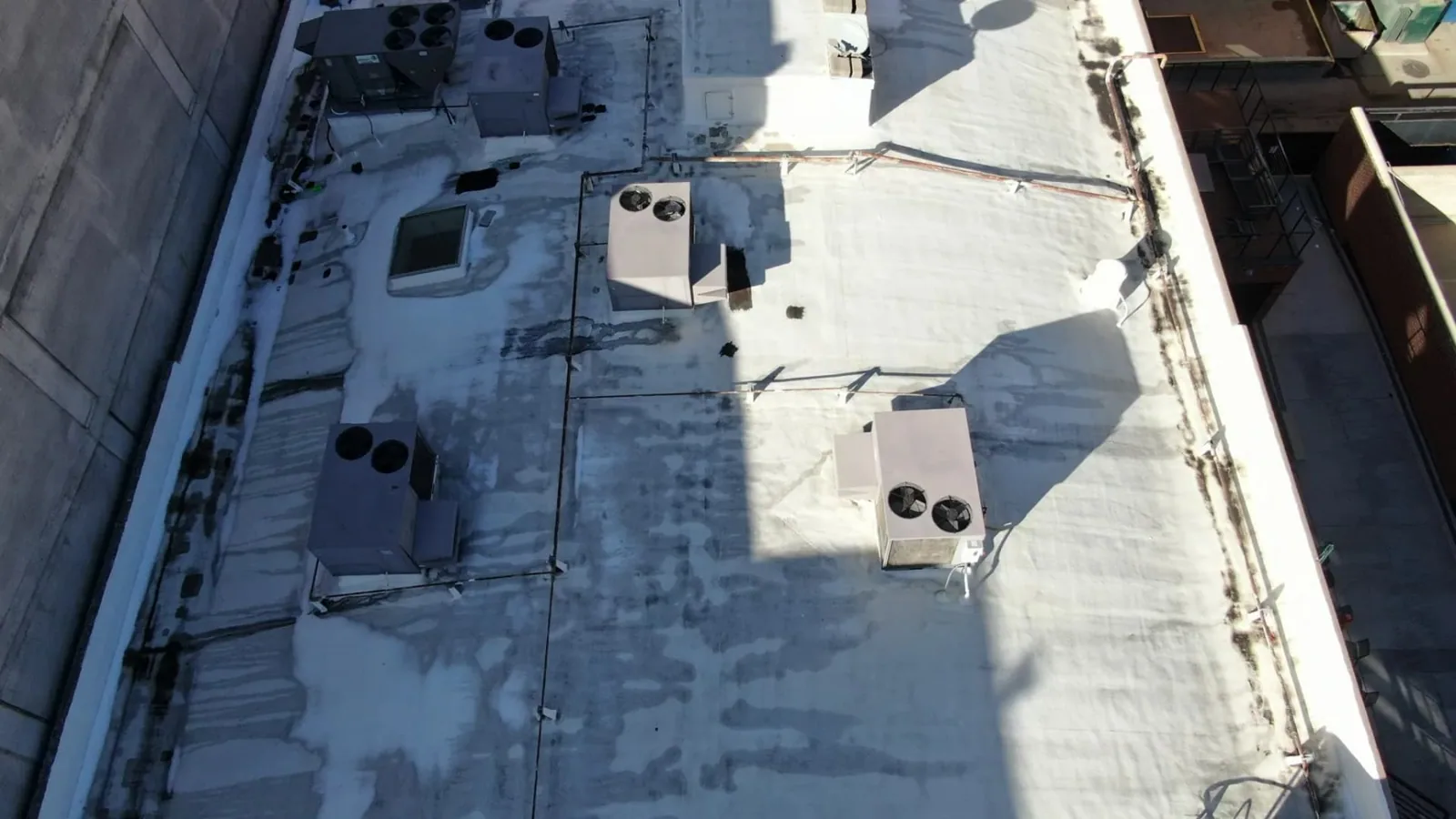
For a multi-building portfolio in Victoria, do not apply one condition label to every facility based on a single damaged roof. The roof capital planning process can help organize phases after site assessments are complete. A commercial roof replacement scope states deck, insulation, membrane, and edge work separately so the owner can review each building’s limits and dependencies.
Reconstruct each roof section to an approved scope
Closeout identifies which sections were inspected, repaired, or left inaccessible. Photographs show the repaired details and any temporary protection still in place. The record also notes the engineering direction or site release that permitted roofing access, without presenting the roofing report as a structural certification. If adjacent buildings were not inspected, name them as outside the scope.
Victoria’s mapped road system connects commercial and industrial areas along US 59, US 77, US 87, and other regional highways. Property managers can use building labels and roof maps to coordinate crews across separate sites, but each location requires its own safe-access decision. The next inspection should start with remaining open items and confirm that the completed assemblies are still functioning after the site returns to normal operations.
A return-to-service decision belongs to the owner and the professionals responsible for structure, utilities, and fire or life safety. The roofing closeout can confirm the roof items completed within its contract and identify what still needs clearance. If a roof section remains isolated, mark that boundary on the drawing and leave visible notice through the property’s normal process. A clear handoff prevents finished roofing work from being mistaken for approval to reopen an affected building area.
Record clearance and remaining follow-up
Related Roofing Work
Frequently Asked Questions
Can roofers inspect a building right after a tornado?
Only after the owner and emergency authorities clear access. Unstable structure, utilities, and debris can make a roof unsafe.
Who decides whether the roof deck can support workers?
A qualified engineer or design professional provides structural direction when the deck or framing may be affected.
Can a tarp be used as the final roof repair?
No. A temporary cover can reduce exposure when safely installed, but the permanent assembly needs a defined repair or rebuild scope.
Should debris be moved before inspection?
Not until the incident lead confirms it is safe and permitted. Debris may be unstable or part of an ongoing investigation.
Can one roof report cover an entire property portfolio?
A portfolio summary can track priorities, but each building and roof section needs its own inspection record and scope.
Share site clearance, roof plans, structural direction, and the areas affected. We will document accessible roof conditions and define work boundaries.
Call 555-555-5555 or email [email protected].