
Commercial Roof Drain and Scupper Repair in Victoria, TX
Commercial Roofing Services · Victoria, TX
Roof drain and scupper repair in Victoria traces ponding to the outlet, slope, or transition, then records the correction and remaining limits.
Next step
Request a Roof Assessment
Call
555-555-5555
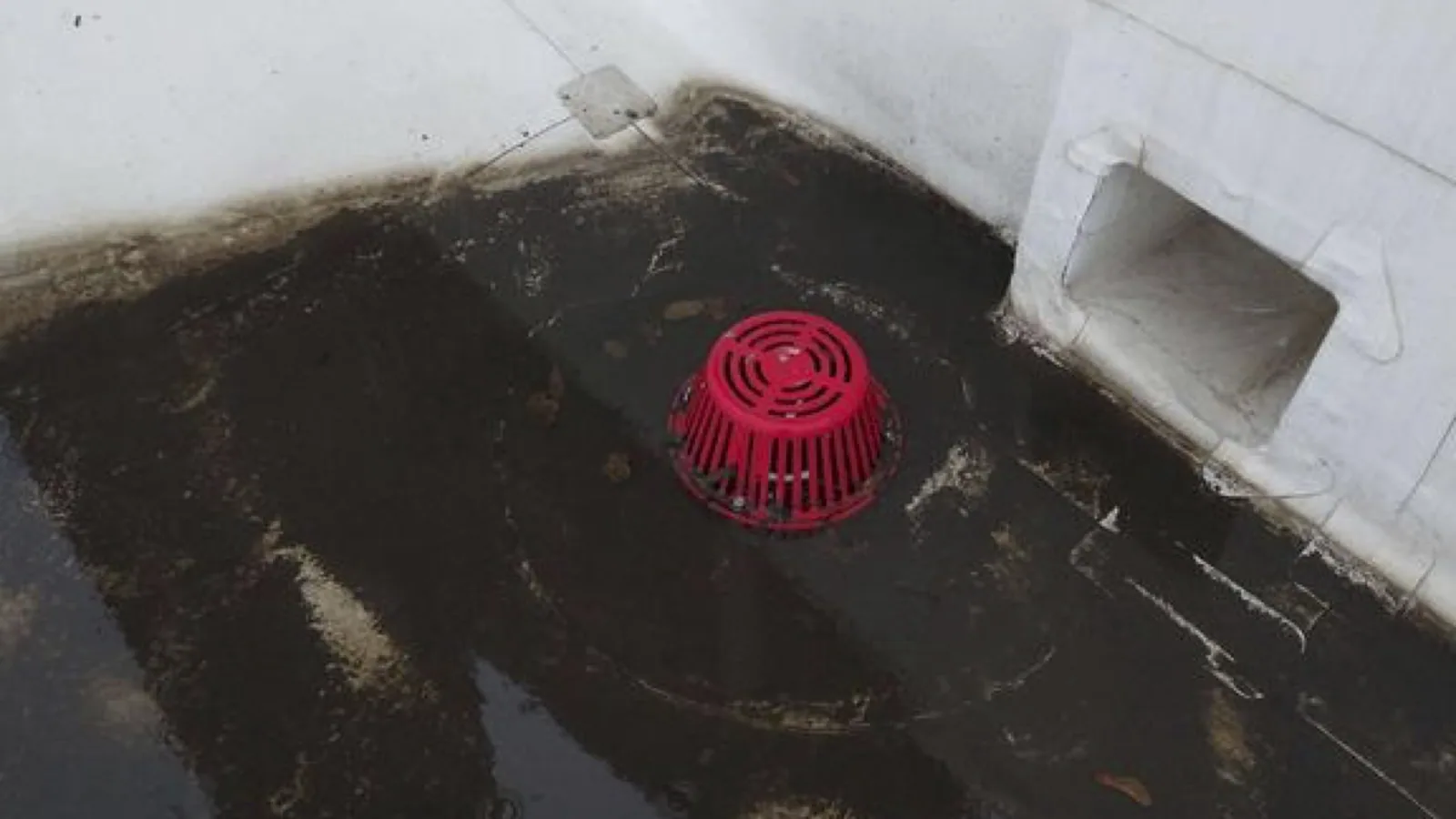
A drain bowl with water still around it after the surface begins to clear can point to debris, a blocked throat, a low roof area, or a failed connection below. Those causes do not share one repair. On commercial roofs in Victoria, we follow the drainage path from field to outlet, check how the roof section moves water, and distinguish cleaning from a detail or slope correction.
Commercial Roof Drain and Scupper Repair
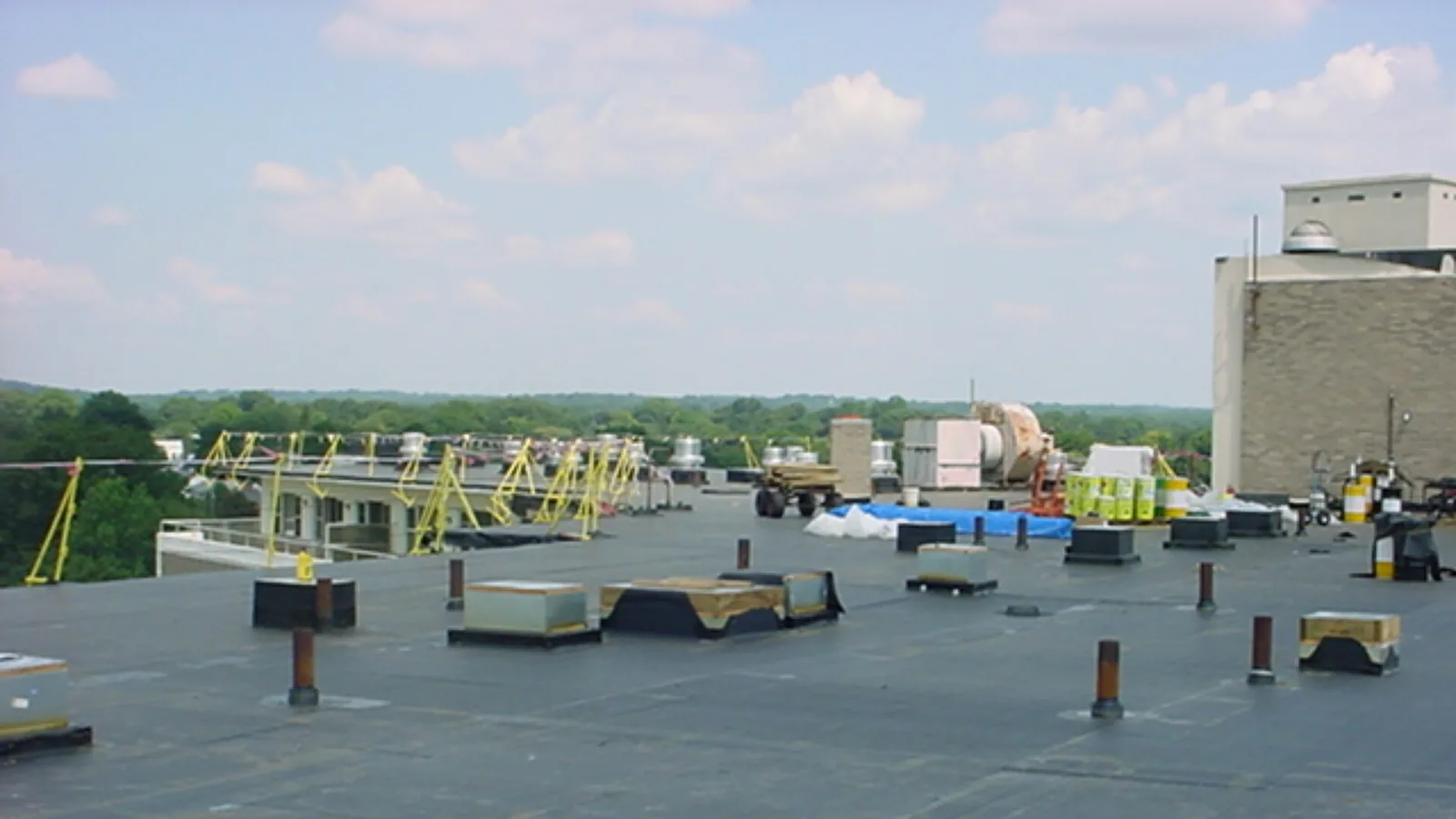
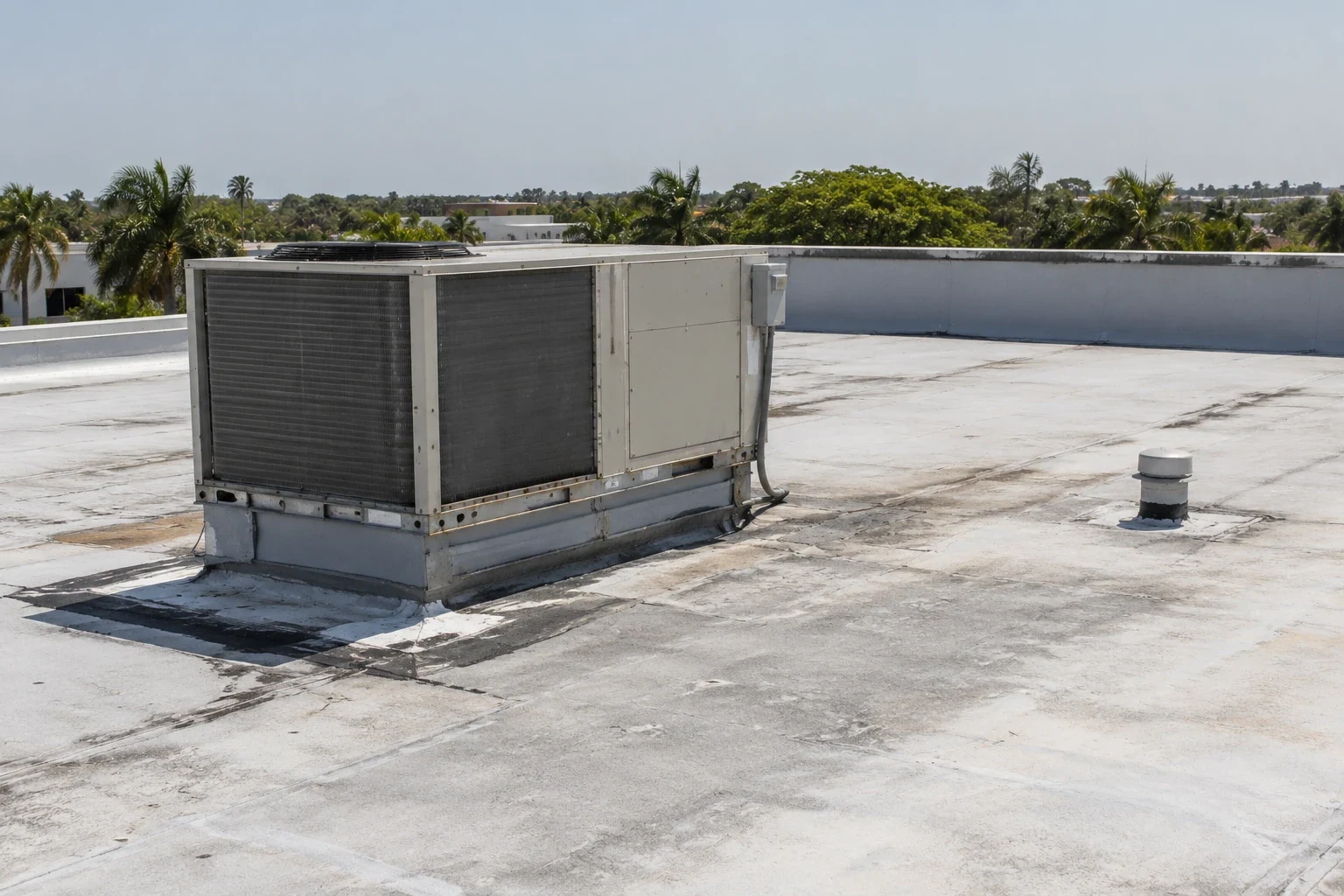
We begin at the high and low points, crickets, drains, scuppers, overflow openings, and downspout terminations that can be reached. The roof plan helps locate each outlet and separate drainage areas. Ponding photographs should include a reference point and note the inspection timing, since water depth changes as it evaporates or moves. We check whether debris is blocking the strainer, sediment has collected in the bowl, the throat is damaged, or the outlet sits above the surrounding membrane.
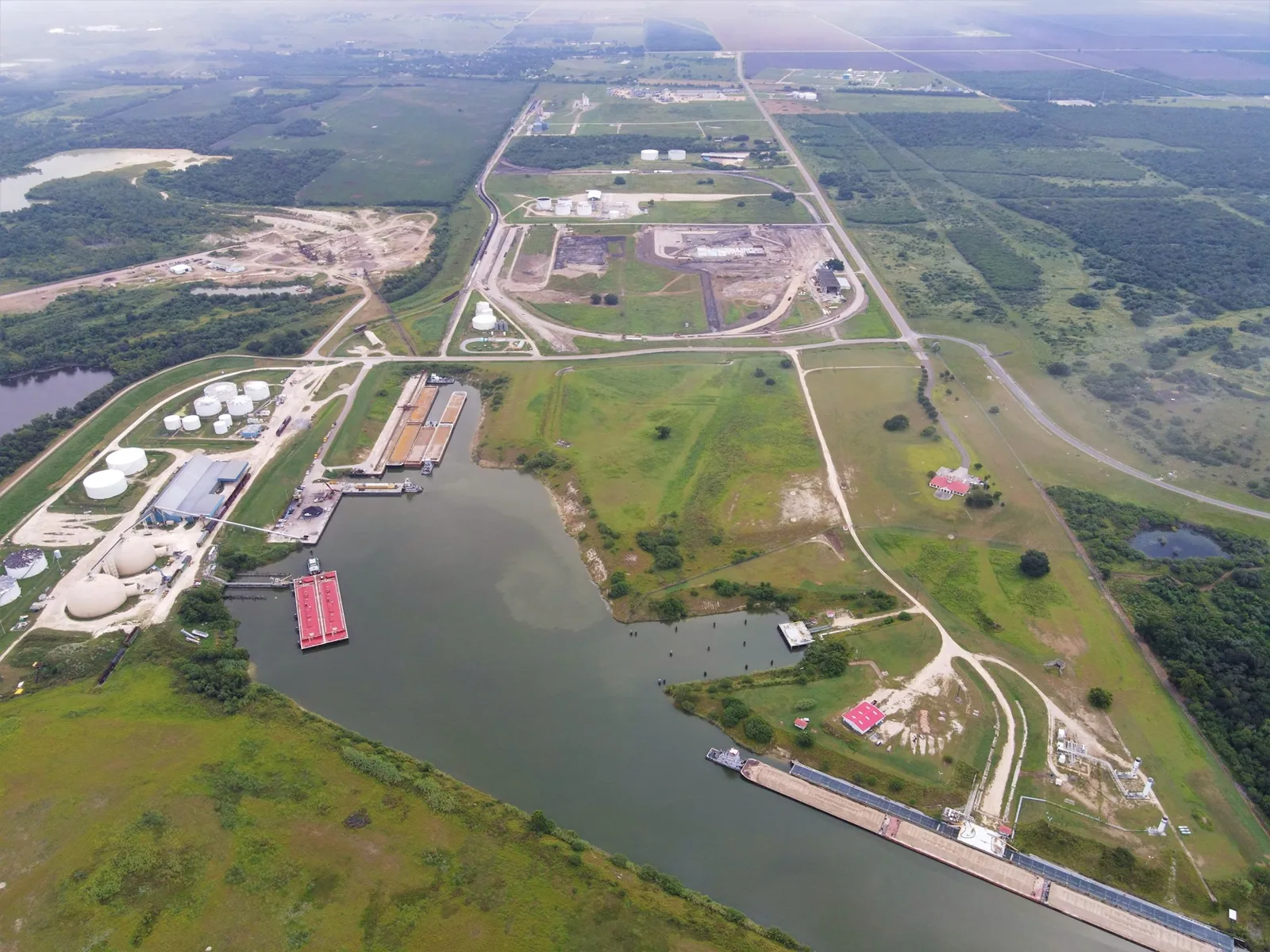
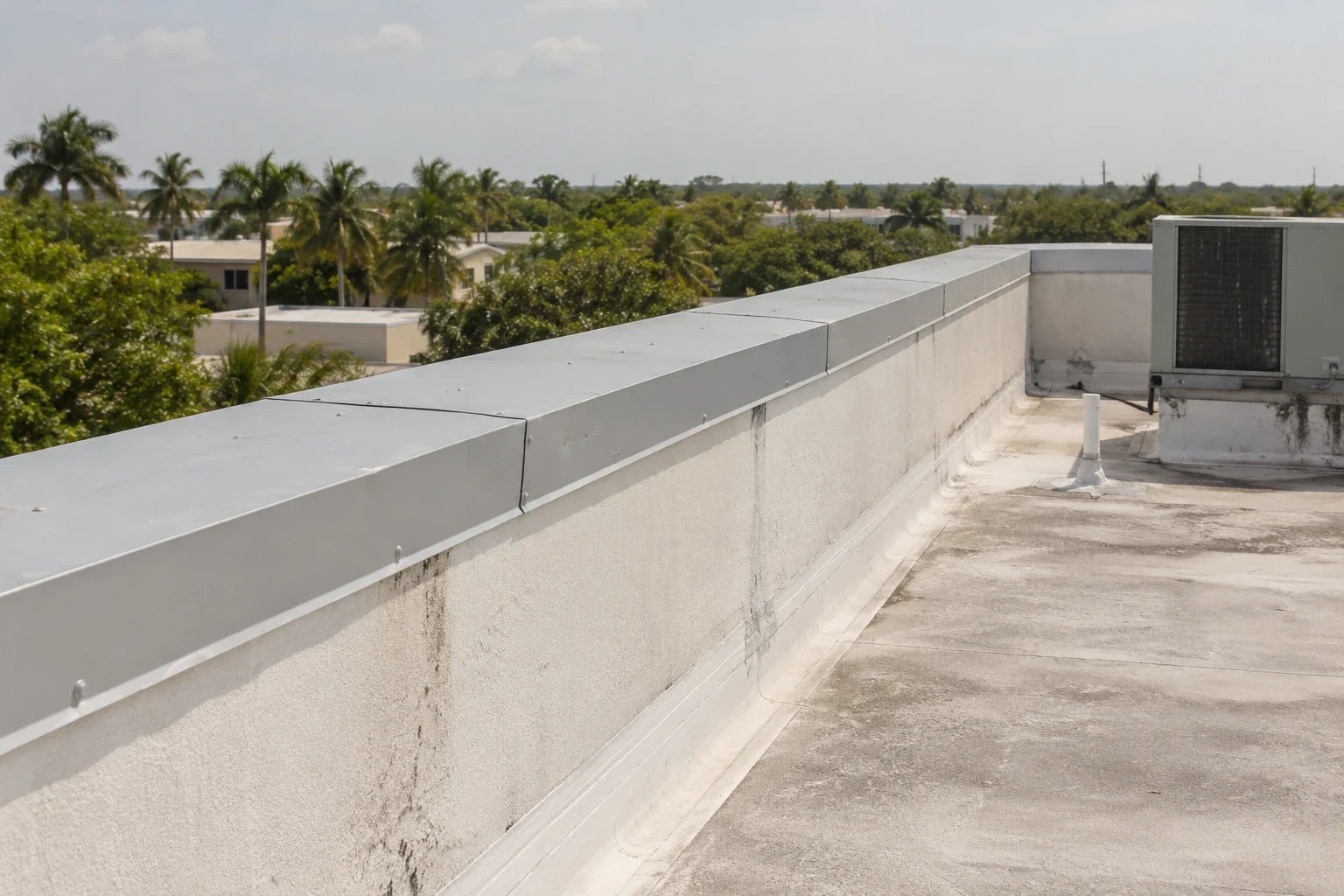
A scupper inspection follows the opening through the parapet and checks for loose metal, failed seams, sealant that obstructs the path, and staining below the exterior discharge. We inspect overflows independently; a primary drain working today does not prove its backup path is open. On a broad building near the Port of Victoria Industrial Park South, roof sections can cover a large footprint, so the report labels each outlet by building and drainage area rather than by a site-wide description. Manufacturing sites near Lone Tree II also need outlet records tied to each roof section.
Victoria’s hot season and tropical-rain exposure make drainage maintenance useful, but the response still depends on the actual roof. A maintenance visit can clear routine debris and compare outlets with earlier records. If water remains after cleaning, we investigate slope, insulation, structure, or a concealed connection instead of repeating the same cleaning recommendation.
Follow water from the field to discharge
Loose leaves and sediment can often be removed safely, but a drain that remains slow may have a restricted pipe or damaged fitting below the roof surface. We do not force tools into a line when the route and system are unknown. The property’s plumbing contact may need to confirm the downstream connection. At scuppers, an opening can be clear at the roof and blocked farther down at a conductor head or downspout. We record the point that could be examined and the portion that needs another trade.
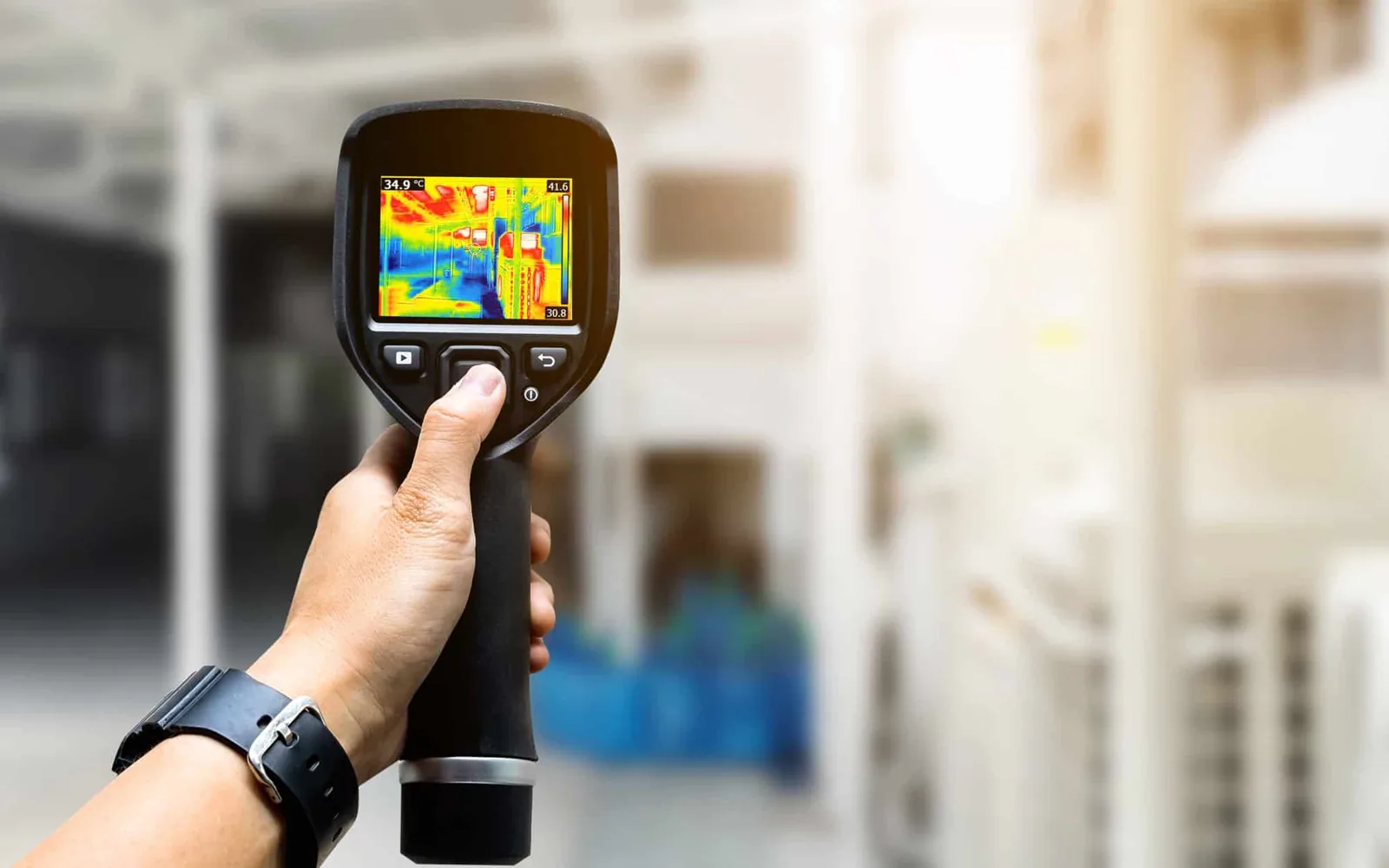
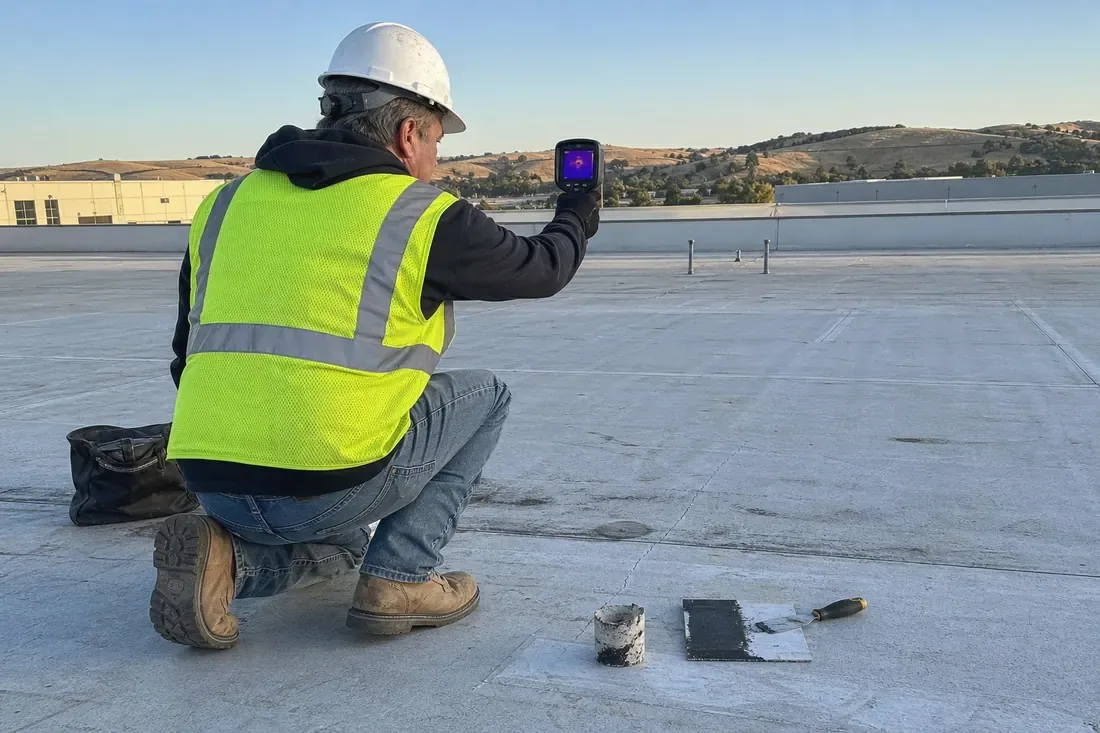
Water around a drain can also reflect a low area, crushed insulation, or deck deflection. A survey of the surface and the available roof assembly records helps determine whether a localized cricket or tapered insulation correction could change the flow. If movement, wet insulation, or structural concerns are suspected, testing or review by the appropriate professional may precede roofing work. A moisture survey can help identify areas for targeted examination, but does not confirm the drain connection beneath a roof.
Separate an obstruction from a roof defect
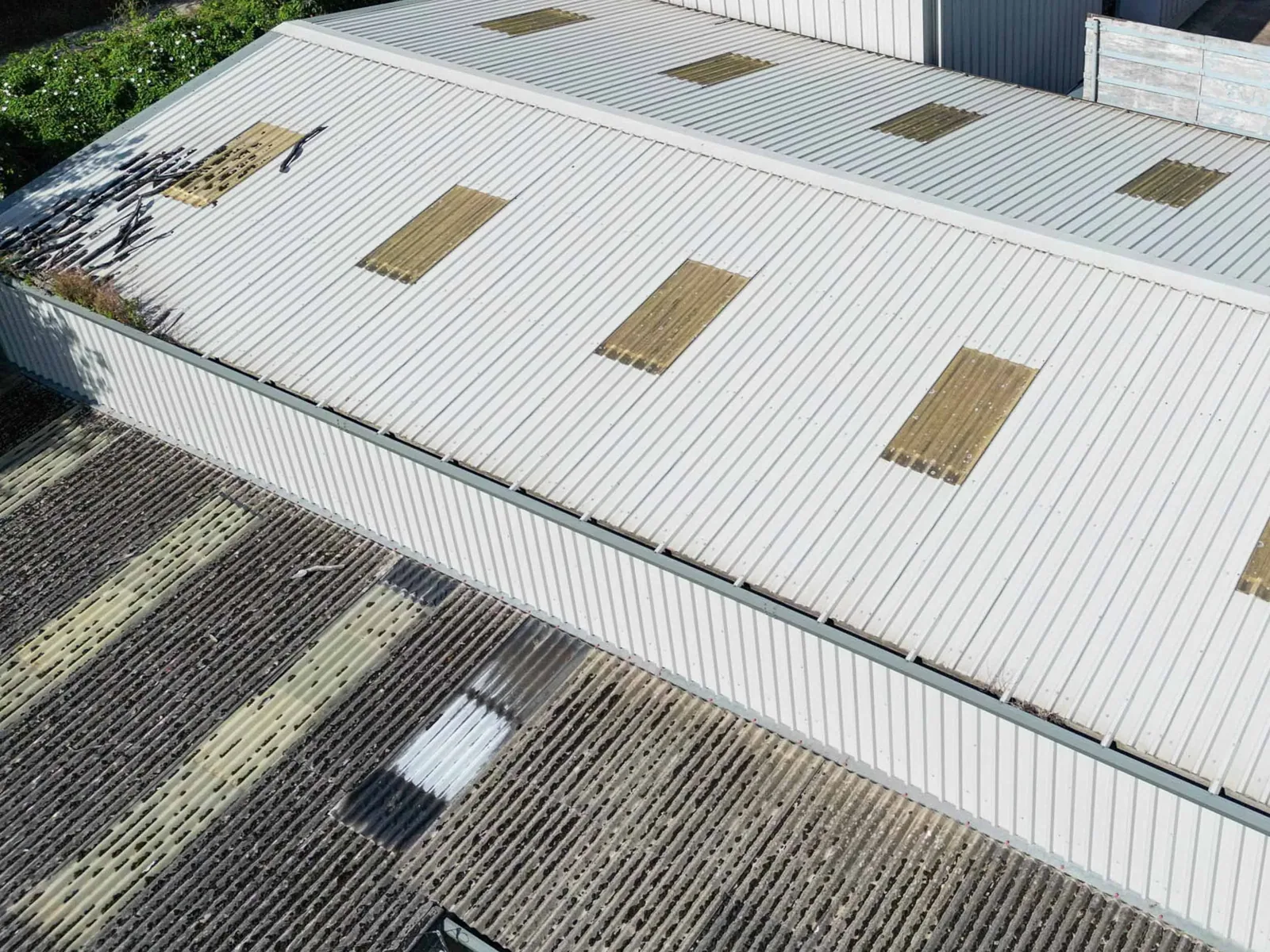
Where a drain assembly is loose or separated, the repair must restore its connection to the roof membrane while leaving the water path open. We check the clamping ring, strainer, flange, and membrane transition that can be exposed. A deteriorated bowl or fitting may require replacement rather than sealant over the joint. If the roof is a single-ply membrane, the repair material and welding method must match the confirmed system and field condition.
At a scupper, repair can involve the throat lining, corner, metal edge, or adjoining flashing. We remove failed material only within the approved boundary and prepare sound surfaces for a compatible tie-in. A coping and gutter repair may be needed when the discharge path continues through damaged metalwork. The closeout checks the outlet opening and the adjacent parapet detail so a watertight patch does not leave an undersized or obstructed drain.
Drainage components at roof penetrations and equipment curbs can share the same water path. Keep the detail sequence clear: correct the outlet or flashing, restore the adjacent roof field, and verify runoff without directing water toward a neighboring seam. We note any area that could not be opened or flushed. A repair is not described as complete through a hidden line that was never inspected.
Repair the bowl, throat, or transition that failed
Persistent ponding calls for a measured discussion of the roof geometry. We document the ponded area, boundaries, drain elevations, and nearby crickets or slope changes. Where the roof assembly allows correction, tapered insulation or a cricket can guide water toward an outlet. The chosen approach depends on attachment, load, existing layers, edge heights, and the condition of the deck. A surface filler or coating may change the finish while leaving the low point in place.
The Victoria weather station’s July 2026 record sets the typical daily high at 94°F and notes a peak of 110°F. Rooftop heat affects work windows, while tropical rain can expose a blocked flow path. We inspect under safe conditions and record what was observed, rather than extrapolating from a weather history to a particular building.
Where water has entered the assembly, determine whether insulation is wet before closing the area. Moisture can extend past the visible pond and change the repair boundary. The owner may need a selective opening or additional testing to separate a drain correction from a larger roof repair. We identify the unresolved question and its location so that the next step is actionable.
Address low areas without masking the cause
After work, inspect the drain bowl and strainer, confirm that debris and tools are removed, and verify the repaired membrane transitions. A controlled water check may be useful when site conditions and the scope allow it. We do not assume a short hose test demonstrates the performance of a long or concealed storm line. The report identifies what was tested, the conditions, and any downstream section that remained outside the inspection.
For a building that operates through shifts or serves tenants, coordinate temporary restrictions near roof access and the discharge area below. Tell the property contact if a downspout outlet or overflow should remain under observation. When the roof plan shows multiple outlets, use the same identifiers in photos and future maintenance records so a recurring blockage can be compared accurately.
A roof condition report can add drainage findings to the asset record. For an active leak, a leak repair traces entry without assuming the nearest drain caused it.
Check flow and preserve the repair record
Drain service is easier to manage when each visit records debris, bowl condition, throat condition, overflow access, and any retained water. Keep maintenance intervals appropriate to the roof, surrounding debris, operating schedule, and prior findings. A change in water behavior can indicate a new obstruction or an assembly movement that deserves a closer look.
When you request drain or scupper repair in Victoria, share the roof plan, reported ponding areas, leak history, prior cleaning, and access window. We will map the drainage path, inspect accessible connections, and identify whether cleaning, a component repair, or slope investigation is supported by what we can confirm. Photos and location references show the property manager what was handled and where the remaining limits are.
Plan the next inspection around the roof
Related Roofing Work
Frequently Asked Questions
Why does water stay around a roof drain?
Debris, a restricted throat, a raised drain, low insulation, or deck movement can create similar ponding. We inspect the path to identify which condition is visible.
Can you clear the roof drain and test the downspout?
We can clear accessible debris and inspect reachable connections. A concealed or long downstream line may require a plumbing contractor or separate test.
Does a ponding area always need tapered insulation?
No. First confirm the cause, assembly, and available elevations. A slope correction is considered when it can move water to an outlet without creating another problem.
How do you document a repaired scupper?
We record its location, opening, throat and membrane transition, then photograph the corrected detail and any portion that remained inaccessible.
Can a nearby leak come from the drain?
Possibly, but water can travel along a roof assembly. We trace the reported path and inspect surrounding seams, curbs, and wall transitions before assigning a source.
Provide the roof plan, ponding or leak locations, prior cleaning, and access window. We will inspect the outlet path, identify the confirmed cause, and document the repair boundary.
Call 555-555-5555 or email [email protected].