
Commercial Roofing for Victoria Retail and Restaurant Chains
Industries We Serve · Victoria, TX
Commercial roofing for Victoria retail and restaurant chains coordinates site-level repairs, tenant access, kitchen equipment, and portfolio roof records.
Next step
Request a Roof Assessment
Call
555-555-5555
A leak above a sales aisle or kitchen does not wait for a chain’s next planning call. Victoria retail and restaurant operators need a local roof response that protects merchandise, food-service areas, staff, and customer access while keeping each property’s condition distinct. We connect a store report to the roof section, inspect the actual membrane and equipment details, and provide a repair boundary the local manager and corporate facilities contact can use.
Retail and Restaurant Chains
Record the store number or address, room or aisle, date, weather, and who can grant roof access. A stain near a cooler, hood, or ceiling fixture may trace to a curb, drain, skylight, or seam elsewhere on the roof. We compare the interior report with plans and field details, then label photographs by building and section. A commercial roof inspection leaves a property-level record that can be routed to the right facilities approver.
Keep maintenance history separate for every store. A chain may use similar signage or equipment across locations, but building additions, membrane systems, roof age, and drainage differ. Record a new HVAC unit, exhaust, sign, or cooler penetration with its installation date and trade. The next repair can then check the actual detail rather than rely on a standard layout from another store.
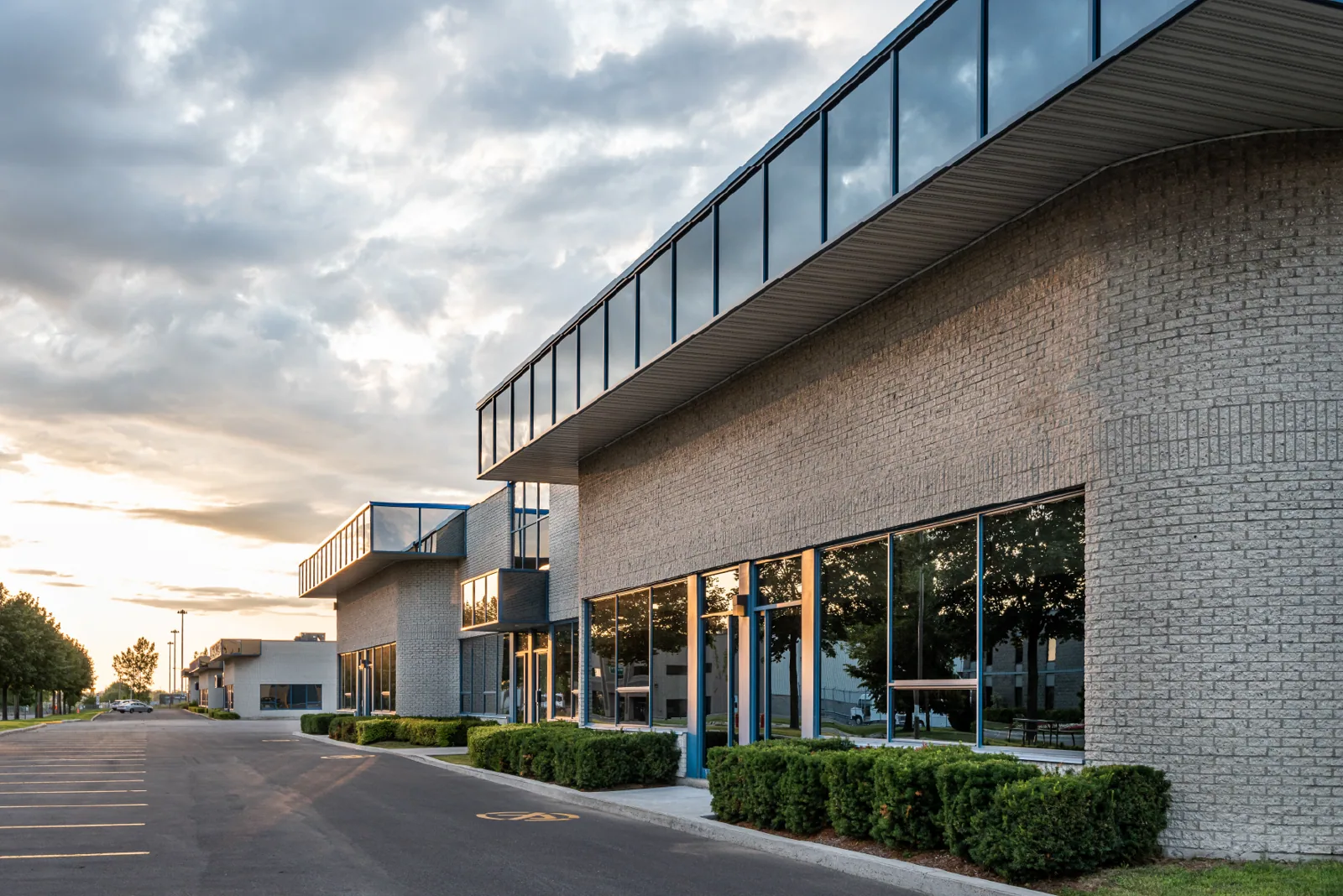
Victoria Mall and the North Navarro Street Retail Corridor are part of the city’s recognized retail concentration, while Business US 59/Houston Highway is another established corridor. A broad North Navarro Street Retail Corridor service area supports local coverage; it is not a substitute for identifying the chain’s assigned building or loading entrance.
Give each location a clear roof identity
Before work, identify customer routes, delivery windows, receiving doors, food-preparation rooms, refrigeration, and displays under the active roof area. The manager confirms whether an aisle, dining section, or kitchen line can be restricted. We set material staging and crew access so a lift or debris route does not interfere with deliveries or emergency egress. If a ceiling must be opened, arrange interior protection and staff notice before the roof work starts.
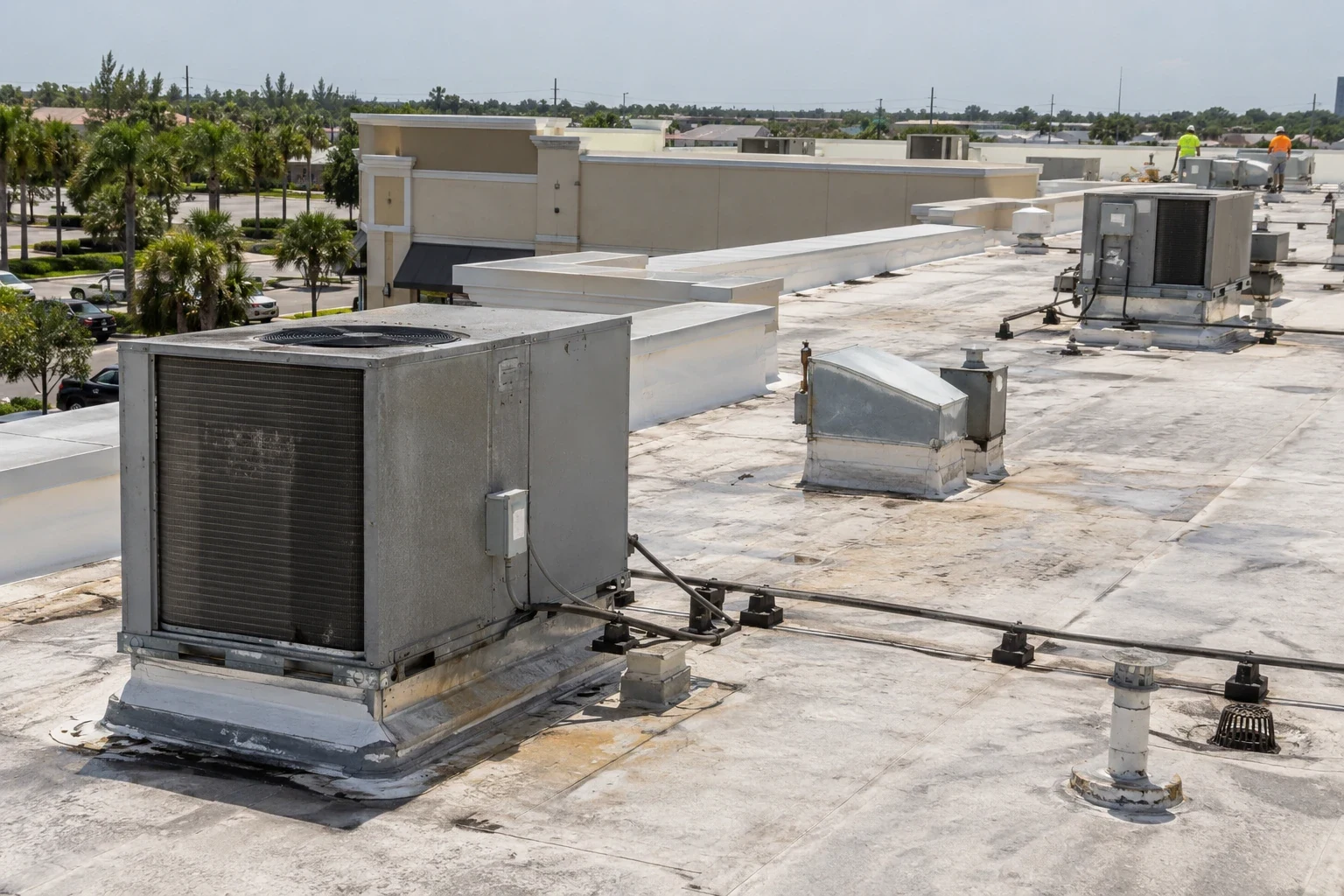
Restaurants add exhaust fans, hood curbs, grease residue, and ventilation systems. Clean and prepare the roof surface without contaminating the new tie-in. Coordinate any fan shutdown with the kitchen manager and mechanical contact. Retail stores may need protection for merchandise, point-of-sale equipment, or customer areas. The property plan should say which inventory moves, who makes that decision, and how the route stays clear throughout the repair.
For a chain with locations across several districts, assign a local person to confirm site rules while a corporate contact approves scope and spend. The hospitality group model also spans occupied customer spaces, but hotel guest access differs from sales and kitchen operations. A property manager may control the roof on leased retail space; confirm responsibility before requesting a repair that affects a shared system.
Protect customers, stock, and food service
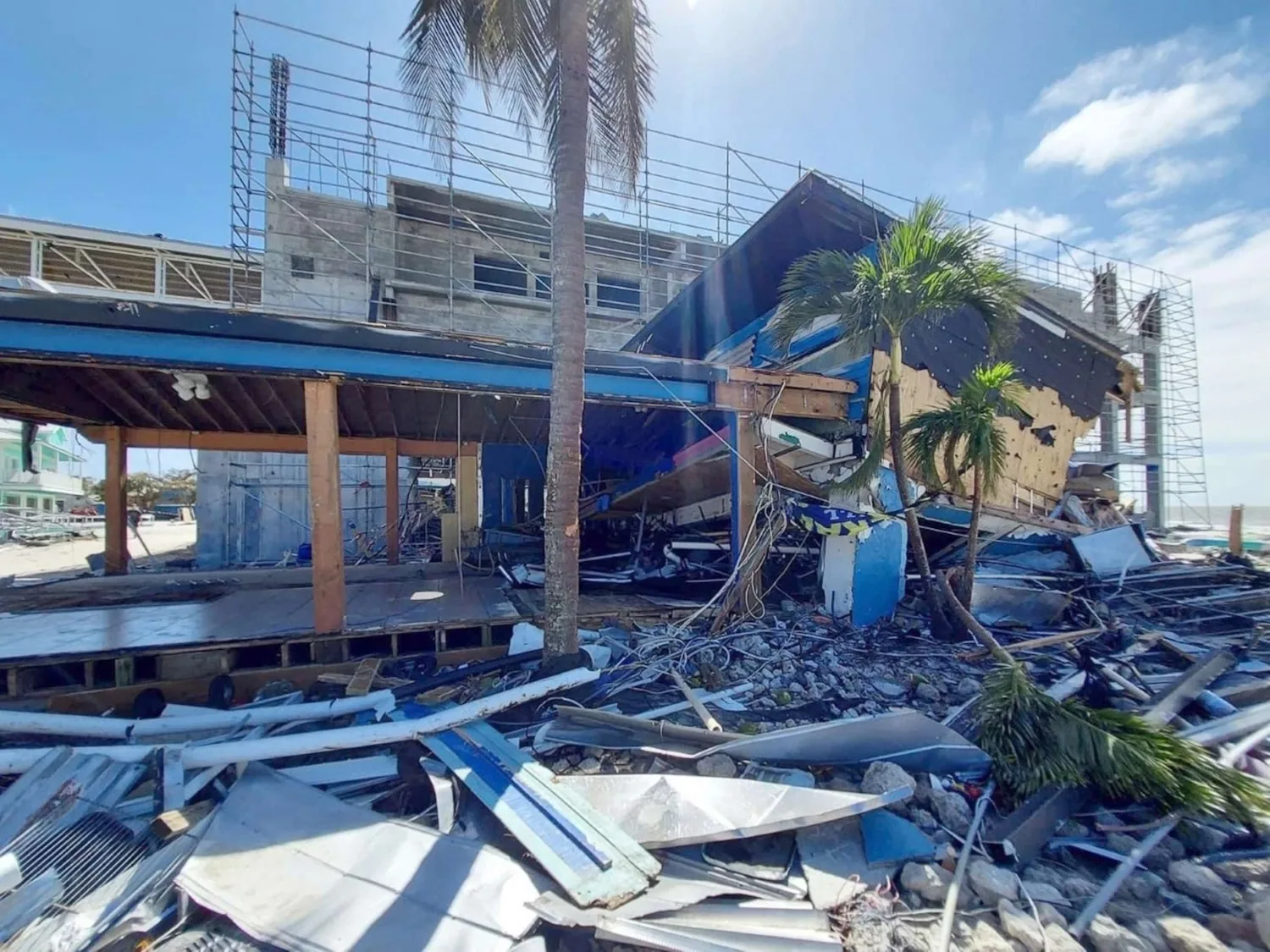
Long hot periods in Victoria put exposed roof surfaces through sustained heat, while rain and hail can affect seams and edges. We check current roof temperature and application limits before choosing a repair shift. After hail or wind, inspect skylights, edge metal, equipment screens, penetrations, and membrane seams for impact or movement. The repair record should distinguish new visible damage from older patches and regular maintenance.
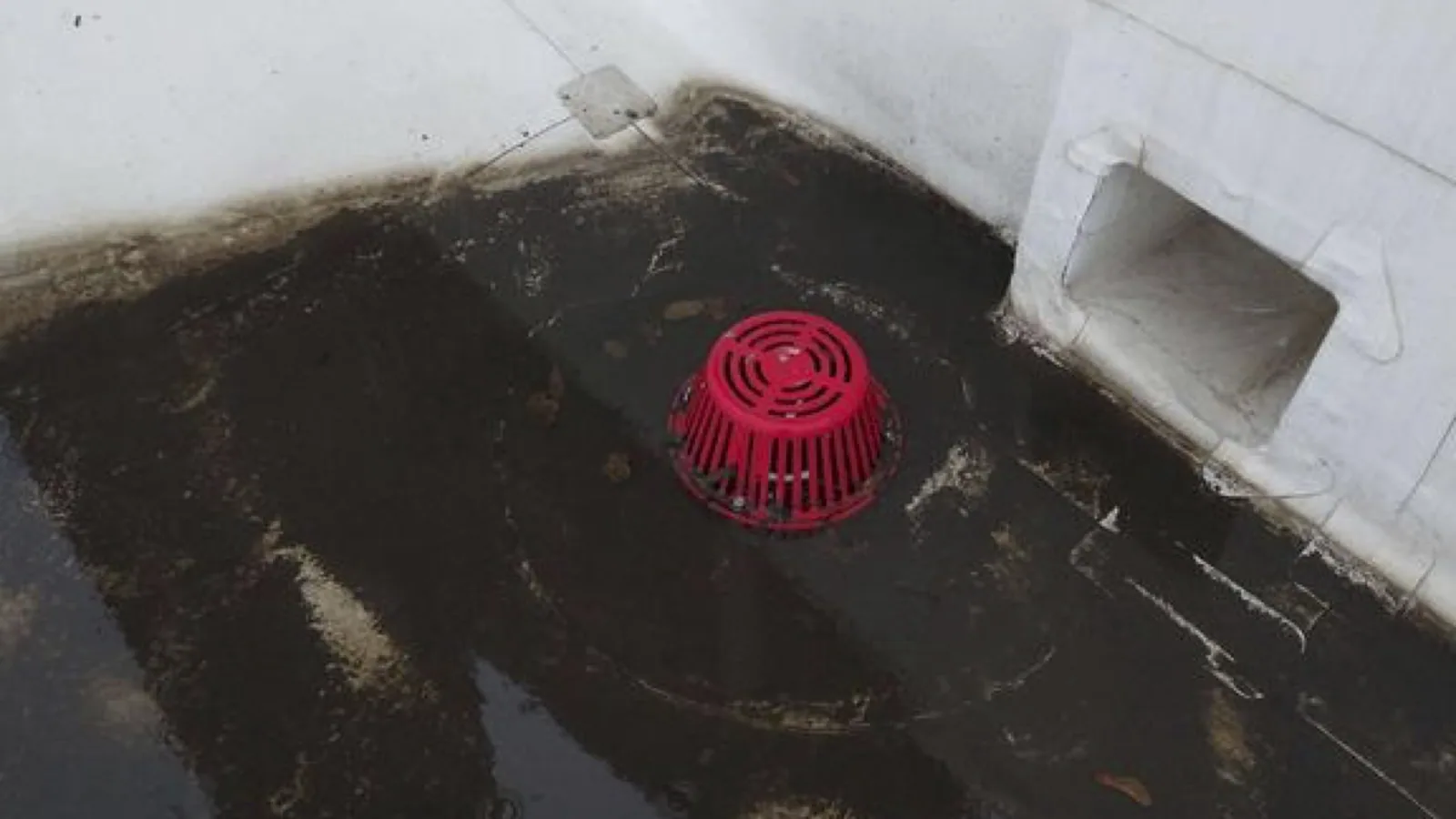
Drain bowls and scuppers need attention after wind-driven debris or heavy rain. Check the strainer, overflow, connection, and membrane around the outlet. A blocked drain may affect several interior areas, but clearing it does not repair a damaged flange or low roof section. The drain and scupper scope should state which outlet was cleared, repaired, or left for follow-up.
For active water entry, response is available around the clock. We assess safe roof access and limit exposure where practical, then define the permanent repair after inspecting the assembly. If store hours or a weather delay changes the work, tell the manager which inventory or customer zone remains protected and when the next update is expected. Identify the person who can approve a revised access window and the one who communicates reopening to staff.
Inspect exposed details after local storms
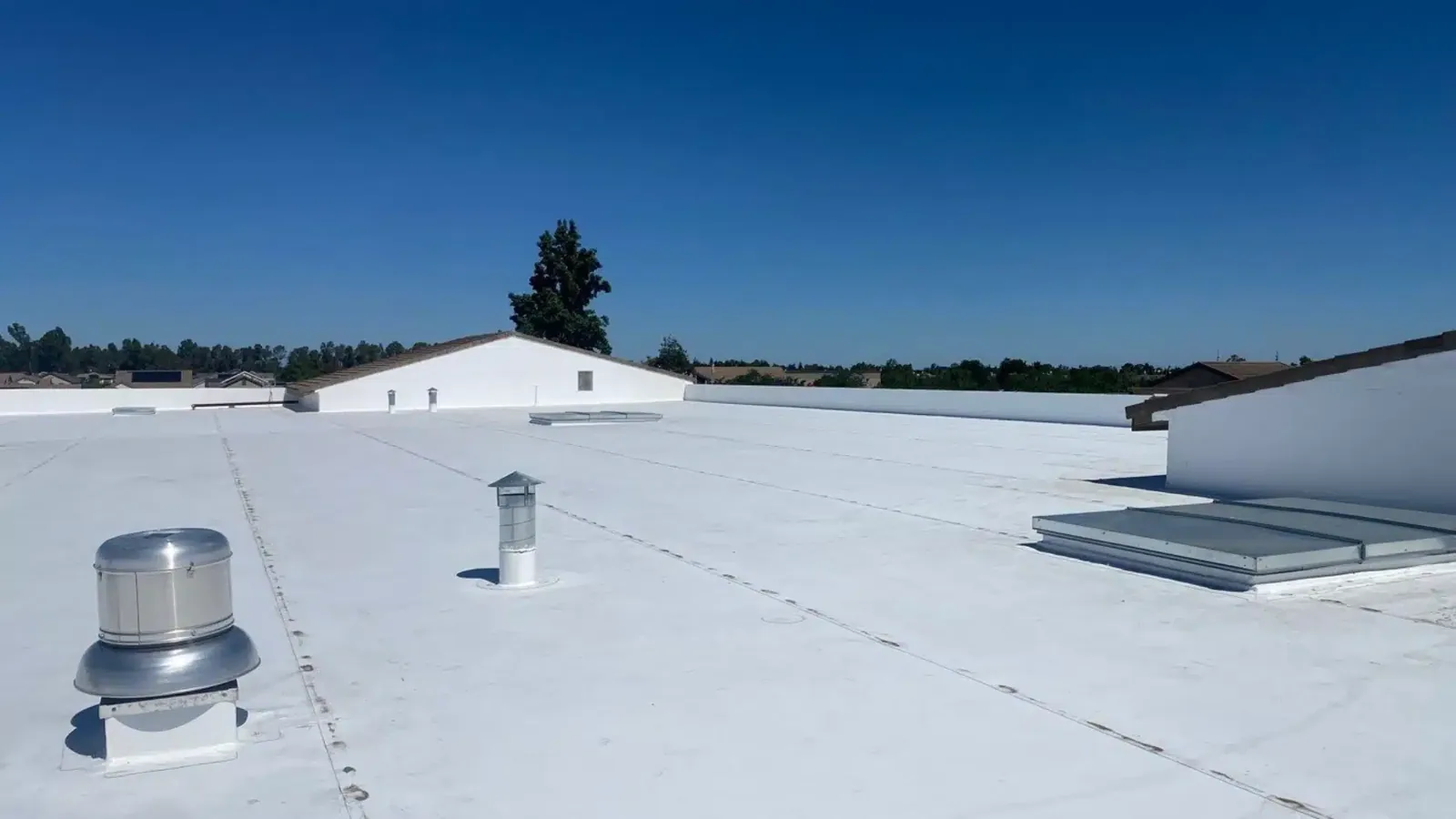
A single open seam, puncture, or failed curb can be repaired locally when nearby material and insulation are sound. We remove unsound material, prepare a dry substrate, and connect the patch to the existing system. A TPO membrane needs a heat-welded tie-in, while a modified bitumen roof uses different materials and surface preparation. We verify the assembly at each store before selecting a method.
Repeated leaks across locations do not prove that every store needs the same work. Within one property, recurring water, broad moisture, failing seams, or damaged deck can make selective replacement or a larger scope more appropriate than another patch. We explain what is confirmed, where access remains limited, and whether testing will affect the repair boundary. A coating is considered only where the existing roof is dry, compatible, and stable.
Cost and timing depend on roof type, equipment, access, material delivery, inventory protection, and the hours a store can release. A roof above a kitchen exhaust may require equipment coordination; a large sales floor can call for a different interior cover. A manufacturing owner may schedule around process lines, while a logistics operator prioritizes docks and inventory flow. Each retail or restaurant location needs its own scope and operating window.
Match each repair to the roof system
Closeout photographs identify the store, roof zone, repair detail, material, and nearby equipment or drain. Include the completion date and responsible manager. Note what was completed, any unit isolated, and which tenant or customer area returned to normal use. If one item remains under temporary protection, name the next action and responsible contact. A corporate dashboard can summarize the status while preserving the building-level report behind each entry.
Keep system type, prior repairs, leak dates, equipment changes, maintenance visits, and storm findings with the correct property. A multi-site roof program can group inspections by area and urgency without merging separate roof conditions. If the property is leased, retain the owner and tenant contacts who can approve access, equipment work, and the final repair.
Victoria’s retail concentration along north Navarro connects to Loop 463 and the Airline Road corridor. The city’s commercial geography helps route crews, but every site still has its own dock, customer entrance, and roof hatch. Provide the chain’s property list, store hours, local manager, roof records, and any food or inventory protection needs. We will inspect each assigned location and return photos and a scope tailored to that building.
Keep corporate records tied to each address
Related Roofing Work
Frequently Asked Questions
Can a chain use the same roof repair at every store?
Only when the assembly and field condition match. We verify each location’s membrane, drainage, penetrations, and prior repairs before selecting materials or repeating a repair detail.
How should corporate and store teams divide the work?
Corporate facilities can approve budget and scope while the local manager provides access, store hours, and protection needs. We identify each contact before scheduling work.
Can kitchen service continue during roof repairs?
Often, if fan access, work location, and interior protection are coordinated. A repair near exhaust equipment may require a planned shutdown with the kitchen and mechanical contacts.
What belongs in a multi-store roof record?
Keep the address, system, roof plan, leak history, repair photos, equipment changes, and open items by property. A portfolio summary should point back to these individual records.
Send the property list, store contacts, leak location, roof records, and operating schedule. We will inspect the assigned roof sections, protect affected customer or food areas, and document repairs by location.
Call 555-555-5555 or email [email protected].