
Multi-Site Commercial Roof Programs in Victoria, TX
Roofing Capabilities · Victoria, TX
Multi-site commercial roof programs in Victoria standardize intake and reporting while keeping each building’s access, system, findings, and scope separate.
Next step
Request a Roof Assessment
Call
555-555-5555
A multi-site roof program helps an owner coordinate inspections, repairs, and capital decisions across several buildings without treating them as one roof. In Victoria, the program begins with a property list, a consistent way to record findings, and a clear point of contact for each site. Shared reporting makes priorities easier to compare; each roof still receives its own inspection and work scope.
Multi-Site Commercial Roof Programs
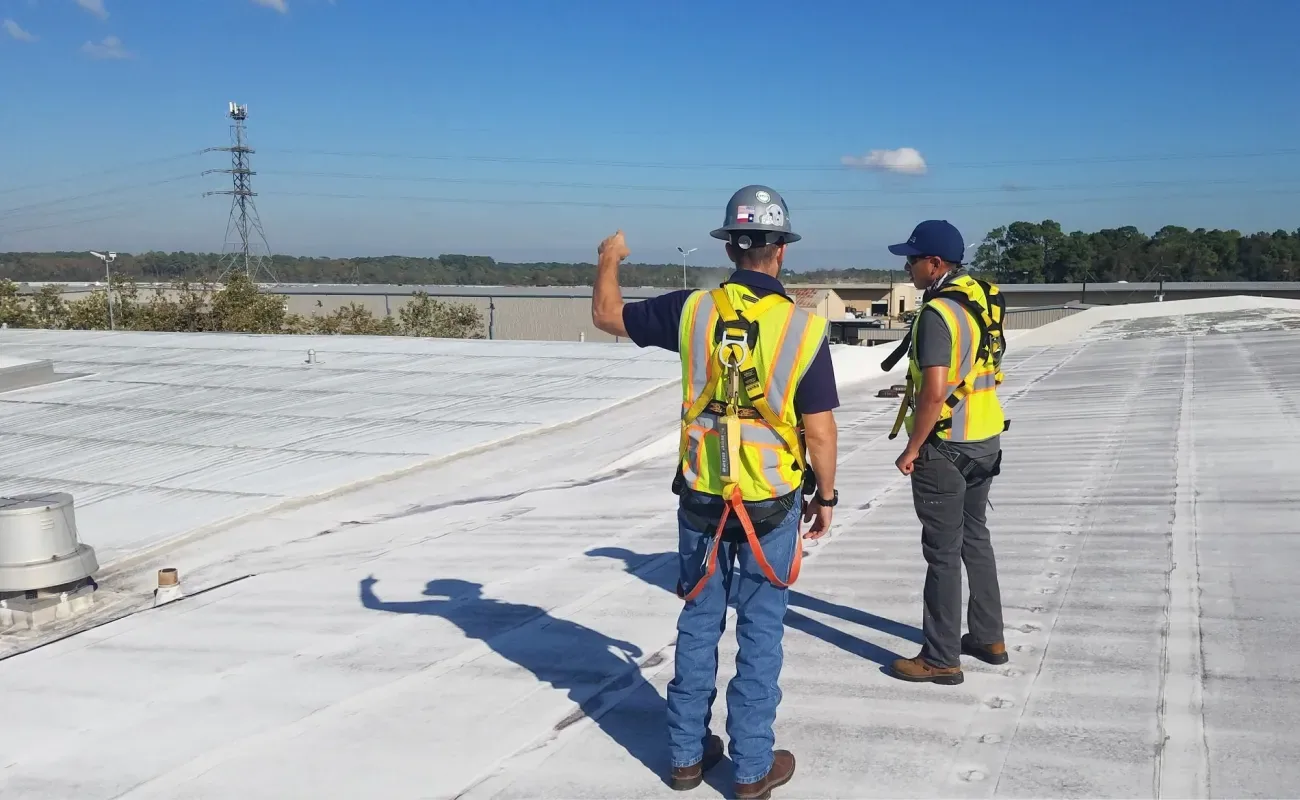
Start with the operating portfolio: street or site identifier, building names, roof areas, access routes, use below, known systems, open leaks, and available records. Confirm which locations are active in the program and which are only being considered. A manufacturing plant, warehouse, clinic, retail center, and office may have different contacts and restrictions even when one company owns them all. Use a property-specific contact list rather than a single generic instruction sheet.
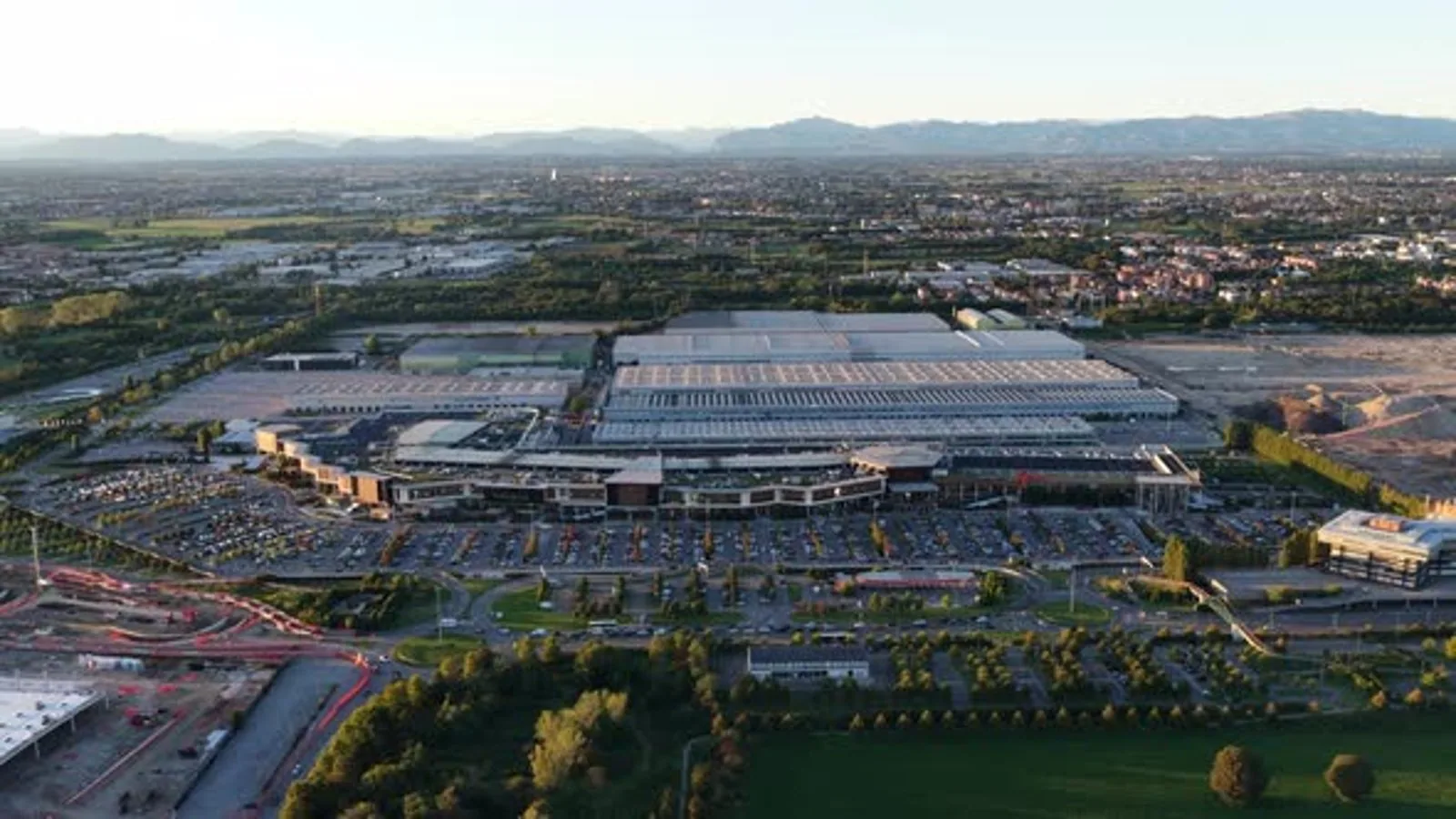
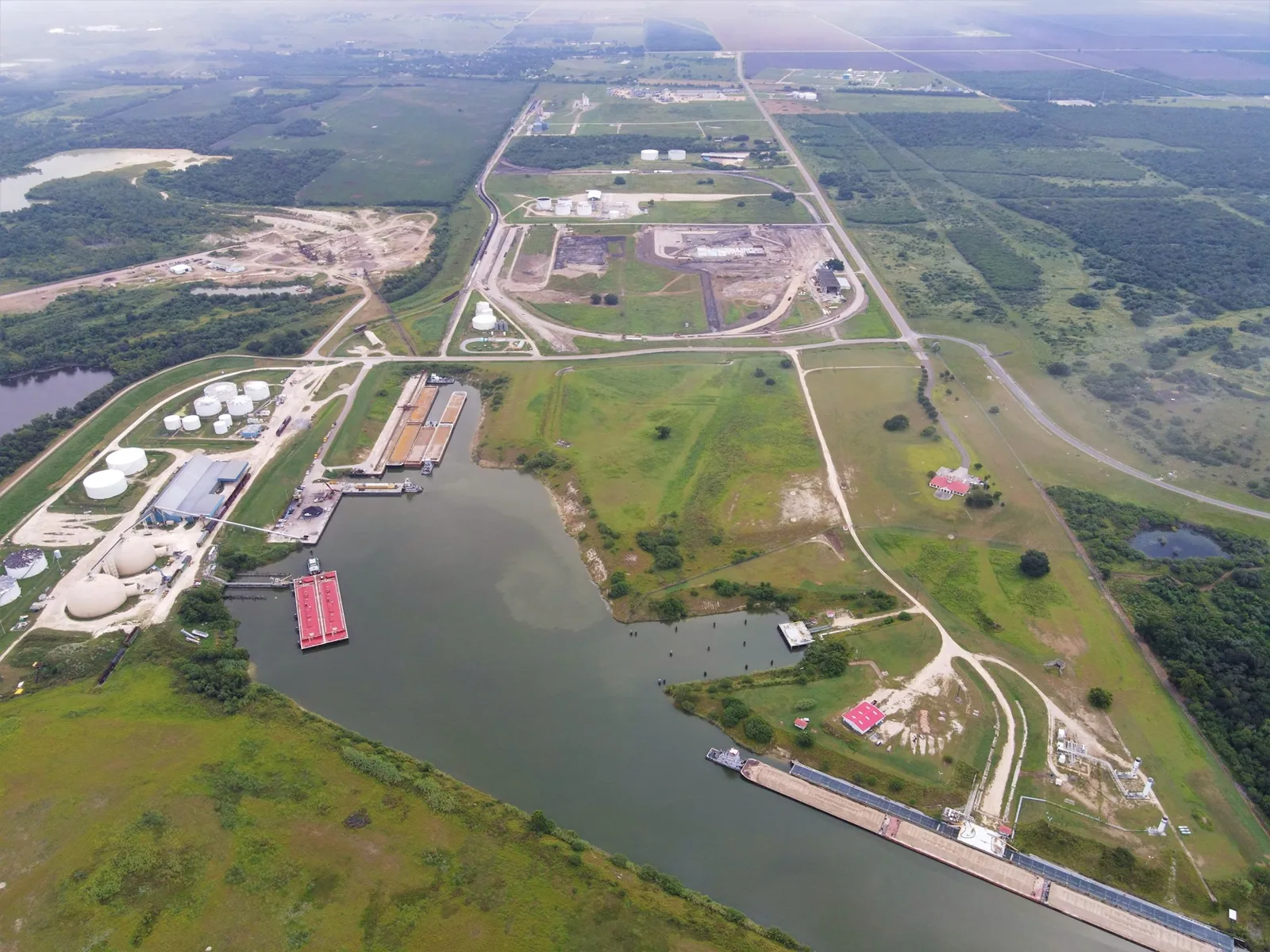
Victoria’s industrial and commercial areas include large sites around Port of Victoria Industrial Park South, Lone Tree II Industrial Park, and airport development areas. A roof asset management register can track those separate assets. The common intake should support a building-specific roof map and access plan.
Keep the portfolio boundary explicit. Record the owner or operating entity, property name, street or site identifier for dispatch, building names, responsible contact, and whether each roof is active, vacant, leased, or excluded. The street address is useful for coordinating work but does not replace the municipality or service-area context. When ownership or management differs by site, note who can authorize access, repairs, and spending.
Set the property and building inventory
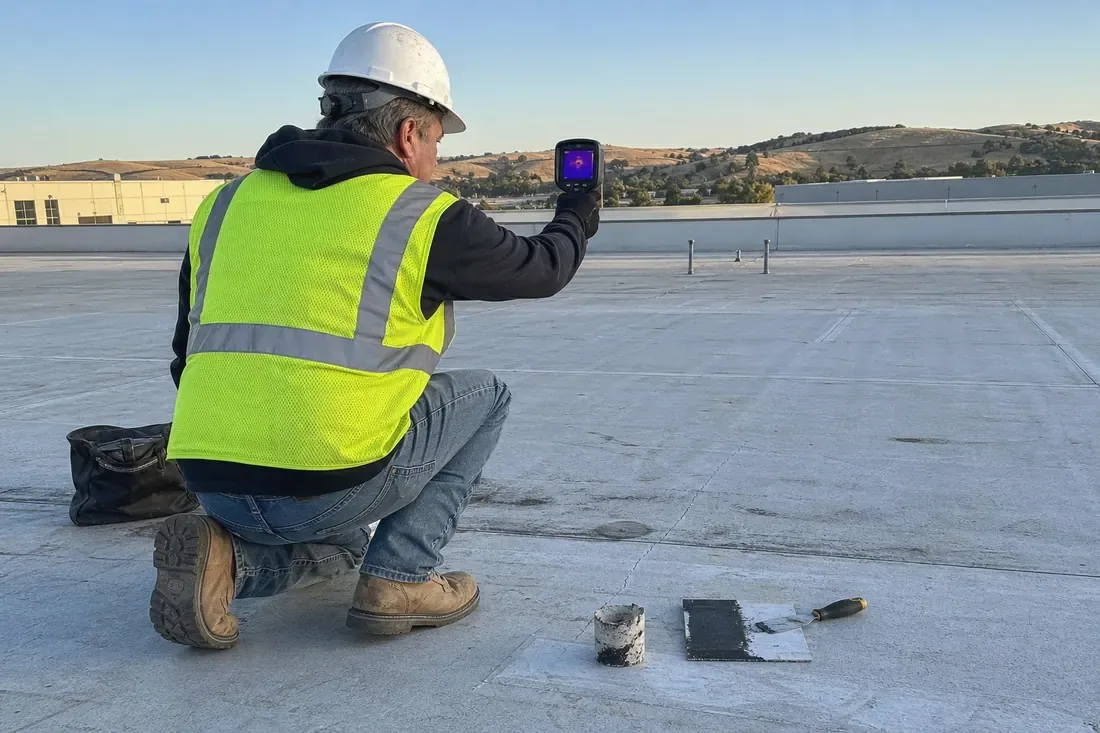
Use a common record structure for inspection date, roof section, system when known, observation, photograph, severity or priority, recommended next step, and status. Standard labels make a portfolio report easier to review. They should not force inspectors to use the same condition conclusion on different roofs. A local repair, widespread membrane aging, or inaccessible area needs its own evidence and description.
A roof condition report can provide a repeatable format. Identify the drawing version and photo naming rule, then require each site report to state its inspection limits. If the owner wants trend comparisons, define the categories and what they mean before the first inspection. Avoid converting an unverified age estimate or incomplete access into a portfolio score.
Agree on how the team will handle unknown information. Use labels such as confirmed, owner-reported, estimated, and not reviewed for roof age, system, warranty, and repair history. Define what counts as an urgent condition and who receives that notice. Shared definitions reduce confusion between sites, while the supporting photo and narrative preserve the detail needed to make a building-specific decision.
Standardize how crews document findings
A portfolio view can group active leaks, safety issues, recurring repairs, upcoming replacements, and conditions that need more testing. Each item should link back to the source inspection and roof section. Priorities can account for occupied use, sensitive operations, consequence of water entry, procurement lead time, and budget window. A report ranking is a planning tool; a final scope requires building-level review.
Facilities in healthcare and education may need different access windows than industrial or retail properties. Near downtown or the north Navarro commercial corridor, roof access and tenant traffic can differ from freight properties. The owner’s contact confirms current requirements. A roof capital planning process can turn the comparison into a sequence of investigations and projects.
Portfolio comparisons should show both the ranking and the reason behind it. One low-cost repair can prevent interior disruption, while a larger replacement may have a longer planning horizon. Include the consequence of delay, confidence in the observation, access dependencies, and whether additional assessment is needed. Revisit the order when operating needs, budgets, weather exposure, or property ownership changes.
Compare needs without flattening differences
Plan roof walks, leak responses, routine maintenance, and capital projects on a shared calendar, then attach site-specific access requirements to each work order. Confirm escorts, roof keys, lift placement, loading zones, and rooms below before dispatch. If a leak is active, prioritize protection and a clear roof-section map. A commercial roof leak repair at one property should not be closed because a similar issue was handled elsewhere.
For scheduled visits, a preventive roof maintenance scope can record drains, seams, curbs, edges, and debris by building. The program manager can consolidate vendor reporting and invoices while retaining unique repair notes, material records, and closeout photos for each roof.
Closeout should be consistent across vendors and locations. Ask for the completed work description, materials used when documented, before-and-after photographs, areas not completed, and any follow-up recommendation. Route invoices to the correct property and retain the roof-section reference. A centralized coordinator can track status, but the local contact should confirm that access was restored and the work area was left in acceptable condition.
Coordinate inspection and repair work
When bids cover several properties, define a consistent deliverable and site schedule while listing each roof’s quantities, access, operating constraints, and anticipated repairs separately. If the contractor is asked to provide unit prices, state the measurement basis and what is excluded. One site may need membrane repair while another needs edge metal or drainage work; a single blended description can hide that difference.
Group work only when mobilization, weather windows, crew capacity, and operations make it practical. A large area near the Victoria Regional Airport or port may require different escort and delivery coordination than an office or school. The scope should identify work that can proceed independently and dependencies that need owner approval. A commercial roof replacement package can be phased by building with its own schedule and closeout requirements.
For a portfolio request for proposals, give bidders the same building list, drawing set, photo records, access assumptions, and response format. Invite exceptions by site instead of allowing them to disappear in a general qualification. Compare mobilization, unit rates, alternates, schedule, and exclusions on a like-for-like basis. A consolidated award may simplify administration, but it should preserve separate scopes, approvals, and acceptance records for each property.
Keep pricing and scope comparable
Review the portfolio after a roof replacement, acquisition, sale, significant leak, weather event, or change in building use. Remove transferred properties from active dispatch lists, add new buildings to the register, and reconcile completed repairs with the planned scope. Keep unresolved issues visible until the property contact confirms that work is complete or a follow-up is assigned.
Victoria’s employer base spans manufacturing, freight, healthcare, education, and government. Each owner sets its own portfolio boundaries and service expectations. A Victoria-area roof program can use common records without presuming one schedule or roof condition across those industries. The final program report should summarize decisions and link to the building-level evidence.
A quarterly or annual review can reconcile the register with completed inspections, open repairs, replacement decisions, and budget status. Flag roofs with stale condition records or unresolved access so the next action is visible. The review should answer practical questions: which issues remain open, which projects need funding, what evidence is missing, and who owns each next step. It should not imply that a portfolio-level snapshot replaces a current inspection.
Refresh the program as properties change
Related Roofing Work

Frequently Asked Questions
Does a multi-site program use one standard repair scope?
No. It can standardize reporting and coordination, while each roof receives a scope tied to its system and observed condition.
Can one inspection cover several buildings?
A coordinated visit can cover multiple roofs, but each building and roof section needs its own record and access confirmation.
How are priorities compared across different properties?
Use consistent categories and link each priority to condition evidence, building use, consequence, and required next action.
Can several projects be bid together?
Yes, if each roof’s quantities, access, operating limits, scope, and exclusions remain clearly identified.
What should a portfolio report summarize?
Summarize status, priorities, budget decisions, and open dependencies, with links to the reports and closeouts for each building.
Share the property list, roof plans, inspection history, open work orders, and site contacts. We will organize common reporting and property-specific next steps.
Call 555-555-5555 or email [email protected].