
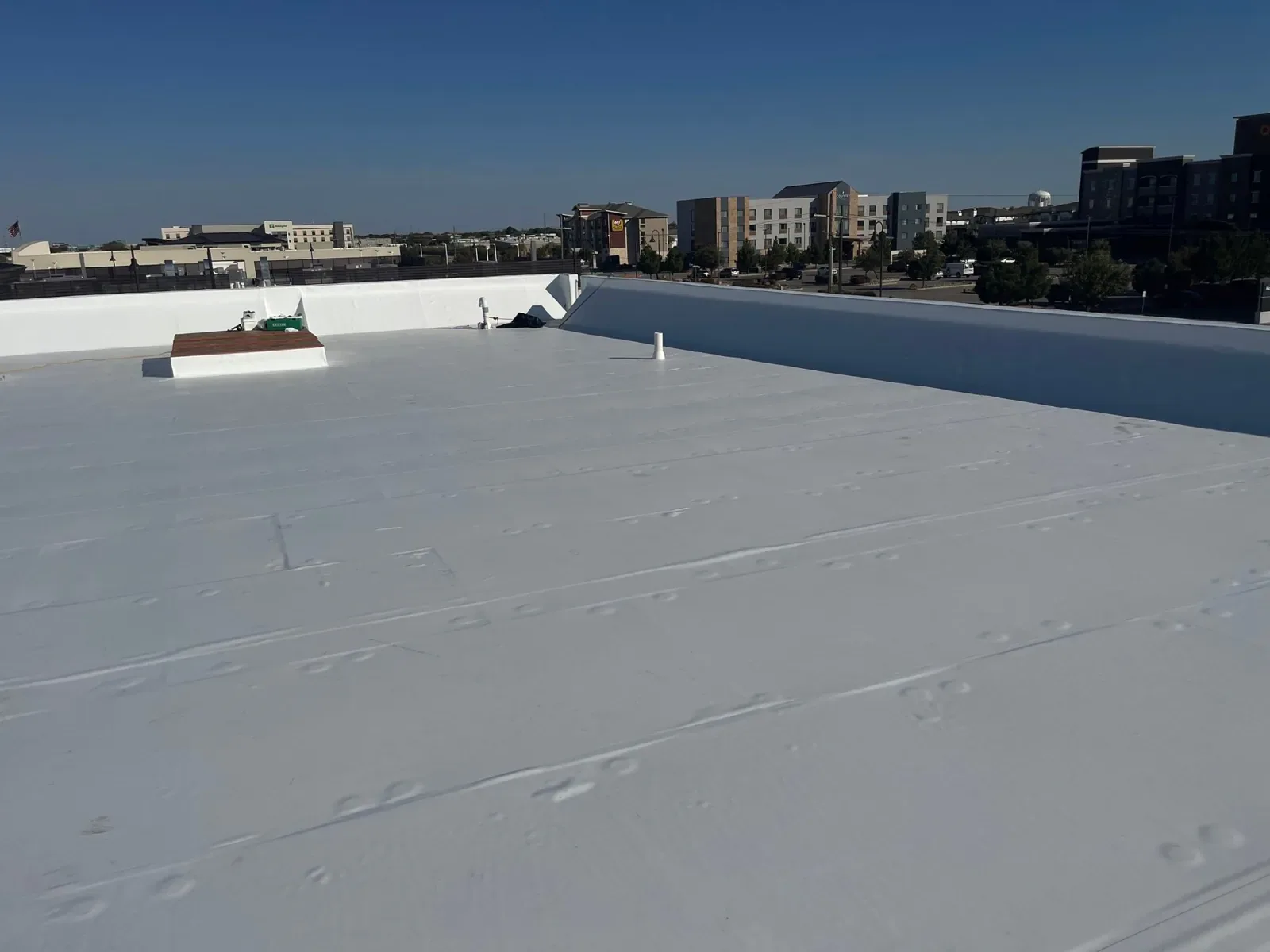
GAF Commercial Roofing in Victoria, TX
Roofing Manufacturers · Victoria, TX
GAF commercial roofing in Victoria, TX, with field checks for membrane seams, drainage, edge details, and repair or replacement scope.
Next step
Request a Roof Assessment
Call
555-555-5555
Before closing a repair, confirm seam width, weld or adhesive continuity, and the transition to the existing membrane. Record the probe result and the adjacent detail so the maintenance team can distinguish a tested tie-in from the surrounding roof area.
GAF Commercial Roofing
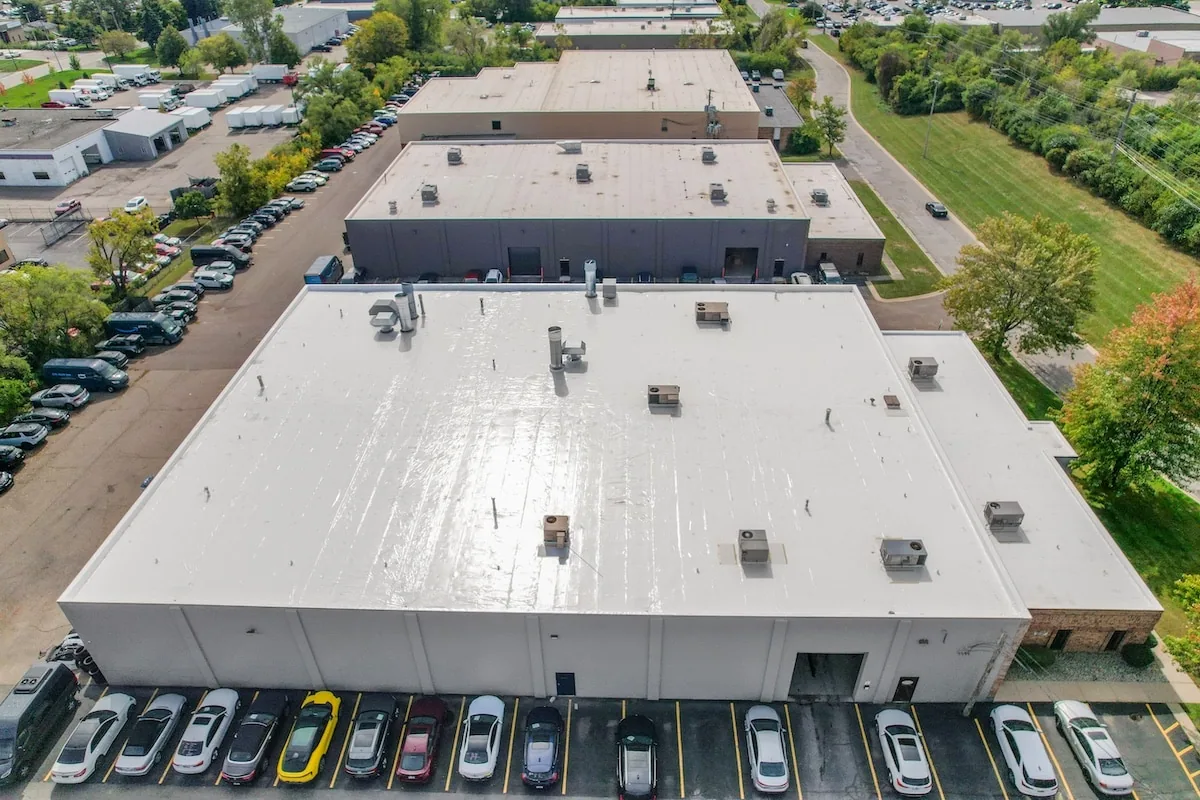
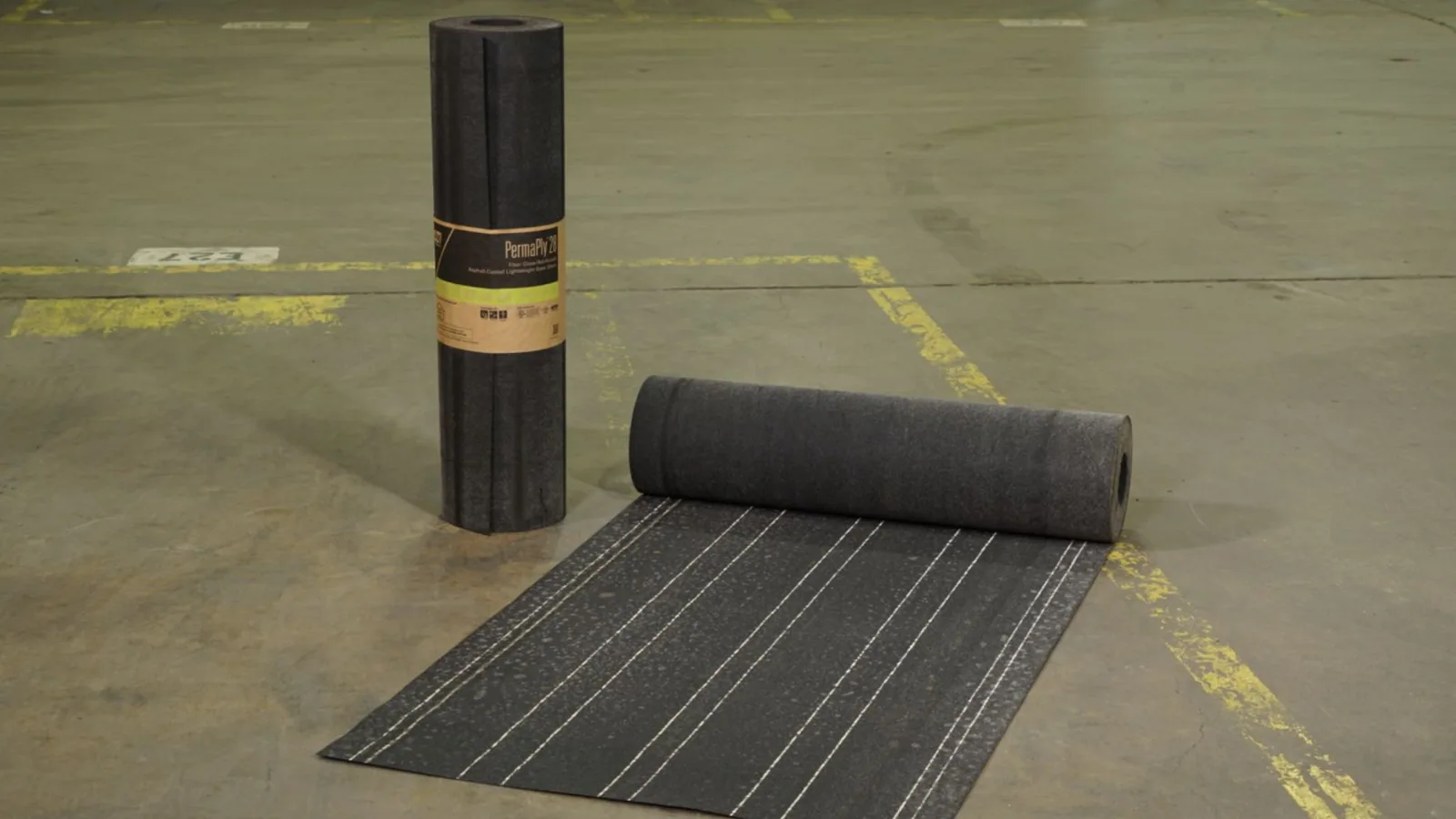
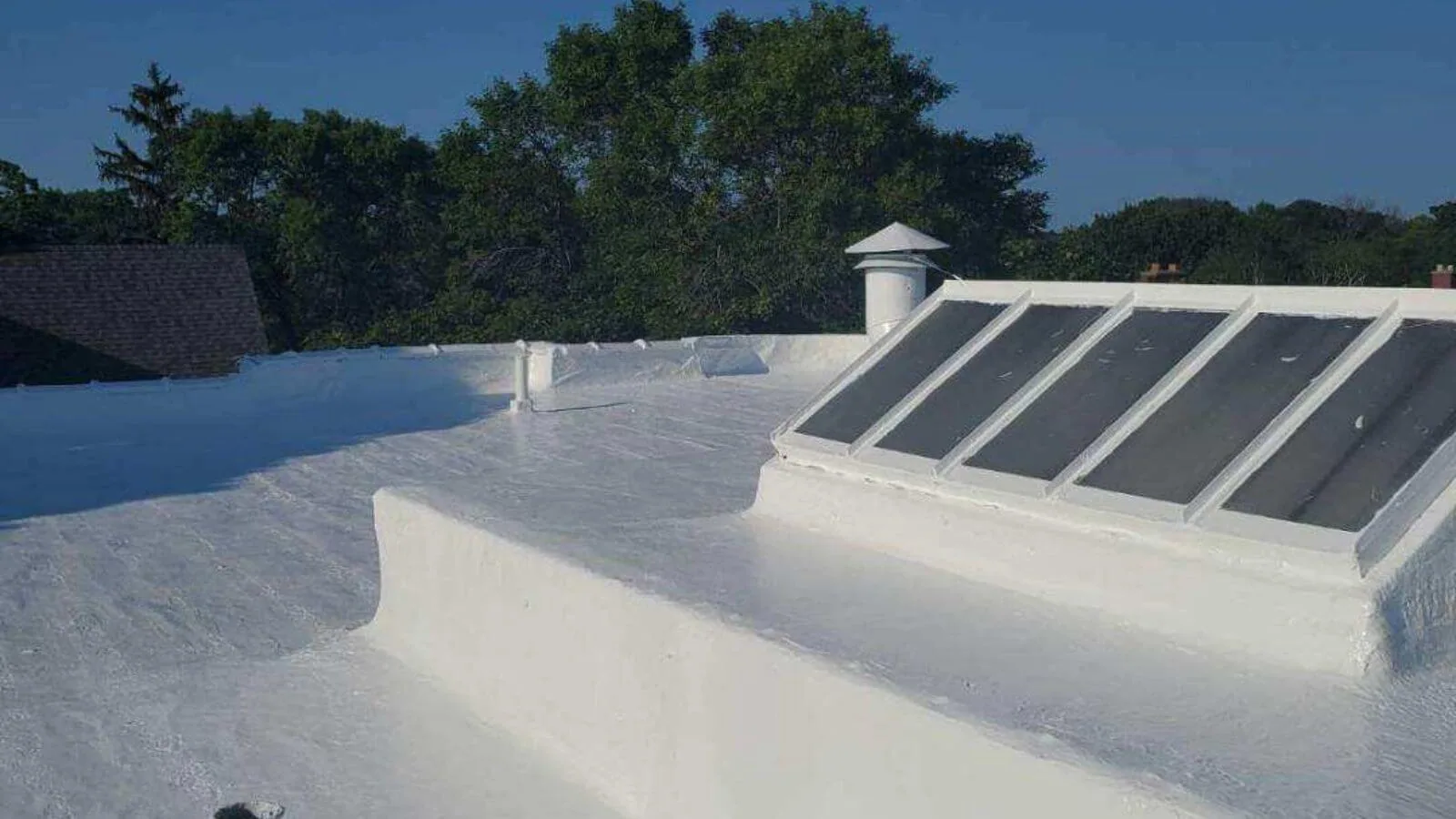
Low-slope buildings may use thermoplastic membrane, asphaltic built-up or modified-bitumen construction, or an existing surface suited to a compatible restoration system. GAF's commercial product range includes options in these categories, but the usable choice depends on the substrate, slope, deck, existing layers, moisture, and project requirements. We confirm those conditions before naming an assembly. A system that works on a dry, secure deck may be a poor choice over wet insulation or a surface that cannot accept the proposed attachment.
For a single-ply option, check sheet type, thickness, attachment method, perimeter details, and how seams are joined. Asphaltic assemblies need attention to base layers, interply bonding, flashing transitions, and details around penetrations. A TPO assembly review can compare a thermoplastic option with existing roof conditions, while a modified-bitumen scope addresses a different layered construction. We do not infer that a branded system is right until the roof and project documents support it. The bid comparison should state whether tear-off is included, how the edge and curb details are treated, and what substrate condition is assumed. If those items differ between options, show them as separate quantities instead of comparing only a membrane name. That keeps system selection connected to labor, access, dry-in, and future maintenance.
Which GAF system fits the roof in front of you?
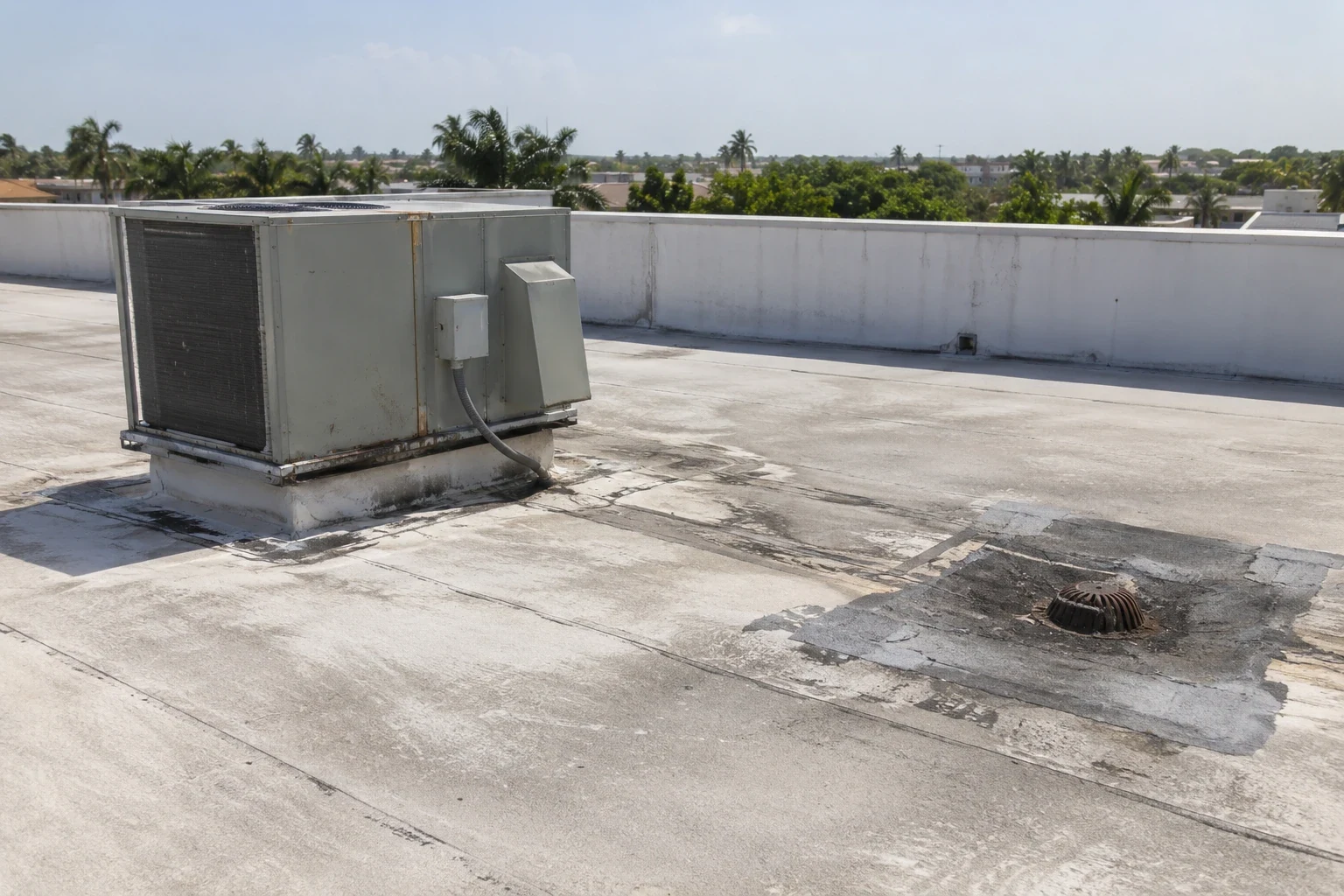
Trace the water-entry path before ordering a patch. We inspect seams, field laps, pipe boots, curbs, drains, edge metal, and previous repair areas, then compare the interior report with the likely roof zone. Water may travel before it appears in a ceiling. The record should identify the material at the repair point, the preparation needed, and the limit where the surrounding assembly remains sound. If a small opening could reveal wet insulation or another layer, it is returned for authorization before removal.
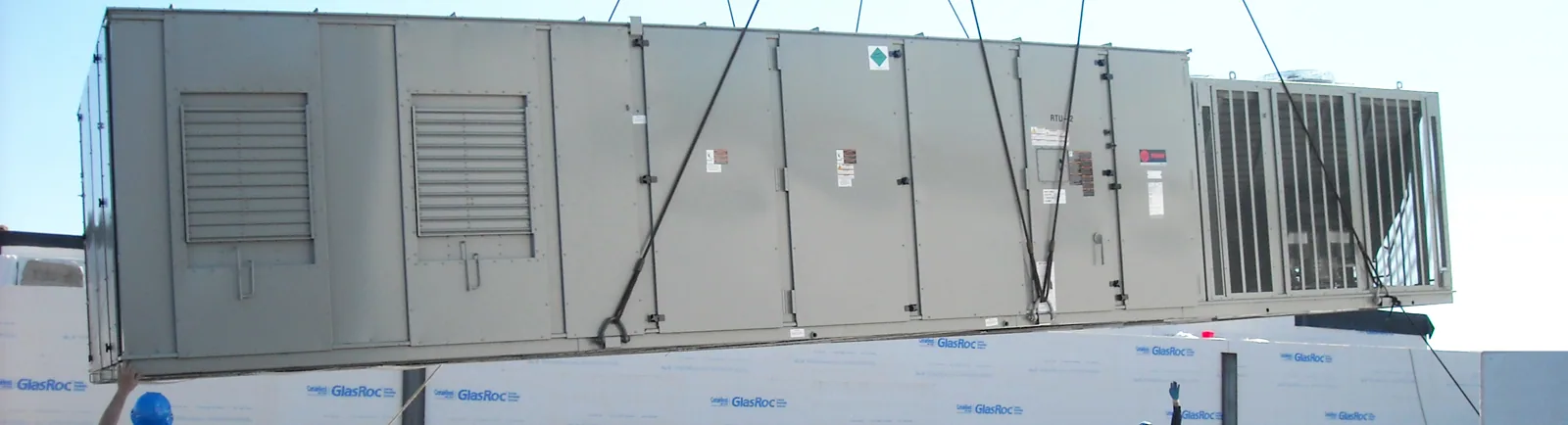
Compatibility matters at the tie-in. A repair material must bond or weld to a prepared surface that can accept it, and the detail must restore the water-shedding path rather than cover a nearby symptom. A hands-on inspection documents the substrate and transition; a leak investigation records the path and interior impact. Where equipment curbs interrupt the field, a curb and support review assigns the roof detail separately from an equipment reset.
What should be checked before a GAF repair?
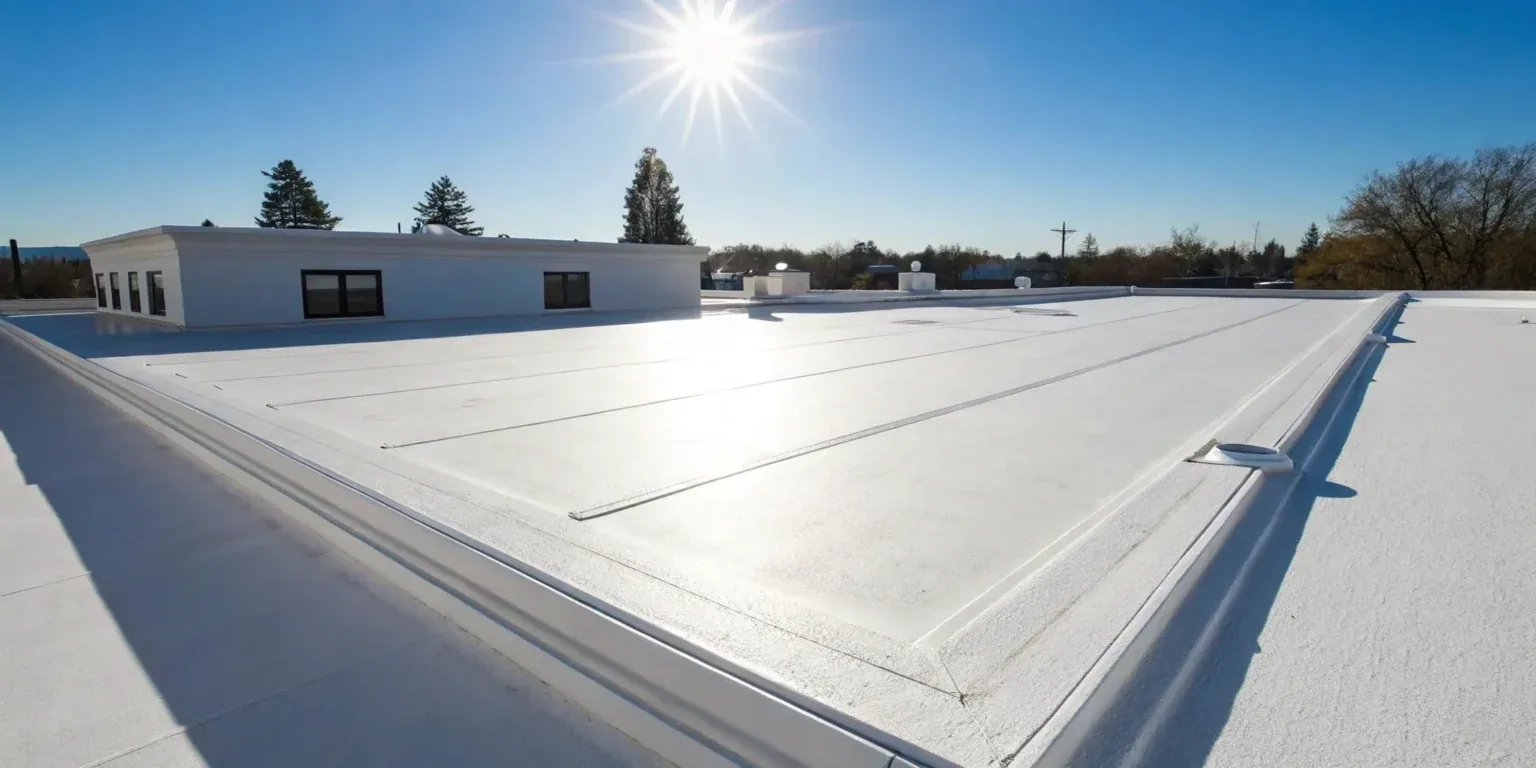
For a documented GAF repair, preserve the product identification, roof section, preparation method, and closeout photographs with the building record. If the roof history is incomplete, label the system details that remain unverified and carry them into the next inspection rather than treating an estimate as confirmed product data.
For warranty-aware maintenance, preserve the product identification and project record alongside the current roof map. A dated inspection can then distinguish work completed under a prior scope from later repairs, while open questions about hidden layers or older sections stay visible for the next evaluation.
How does Victoria weather change the installation window?
A repair is reasonable when the defect is bounded, surrounding material remains serviceable, the substrate is dry, and the connection can be restored at a sound transition. Repeated failures, wet insulation, broad attachment concerns, or an unstable base may point to replacement. A coating or recover also needs a suitable existing surface and a confirmed moisture condition. We state the observations supporting each option and identify what a test opening would settle before assigning quantities.
At the repair boundary, verify that insulation and substrate findings match the approved scope. If the exposed assembly differs from the bid assumption, pause for direction, photograph the change, and record the revised quantity before covering it.
When should the owner compare replacement with restoration?
Keep the approved system description, material identifiers, roof map, attachment or seam details, preparation records, drain and edge work, photos, inspections, and approved field changes together. Closeout should show which roof section was completed, what material was installed, and what remains outside the scope. If tear-off reveals wet insulation or a different deck, mark the added area and request approval before continuing. Product submittals should identify the membrane or asphaltic assembly, accessory flashings, fastening or bonding method, and details at drains, curbs, and perimeters. Before covering a transition, compare the installed detail with the accepted project documents and resolve any field variation. Record the lot or material identifiers required for closeout, inspection results, and the roof zones completed. Where several assembly choices remain open, document the reason for the selected system and any condition that could change its suitability. Keep maintenance requirements and owner responsibilities with the final record so future work begins from the installed assembly, not an assumed system. The record helps facilities staff distinguish a system repair from a temporary dry-in.
For a large or occupied GAF roof, sequence work by assembly and access zone. The field record should show which sections remain open, which repairs are ready for inspection, and what condition still needs owner direction. That makes later phases traceable without turning one completed area into a building-wide condition statement.
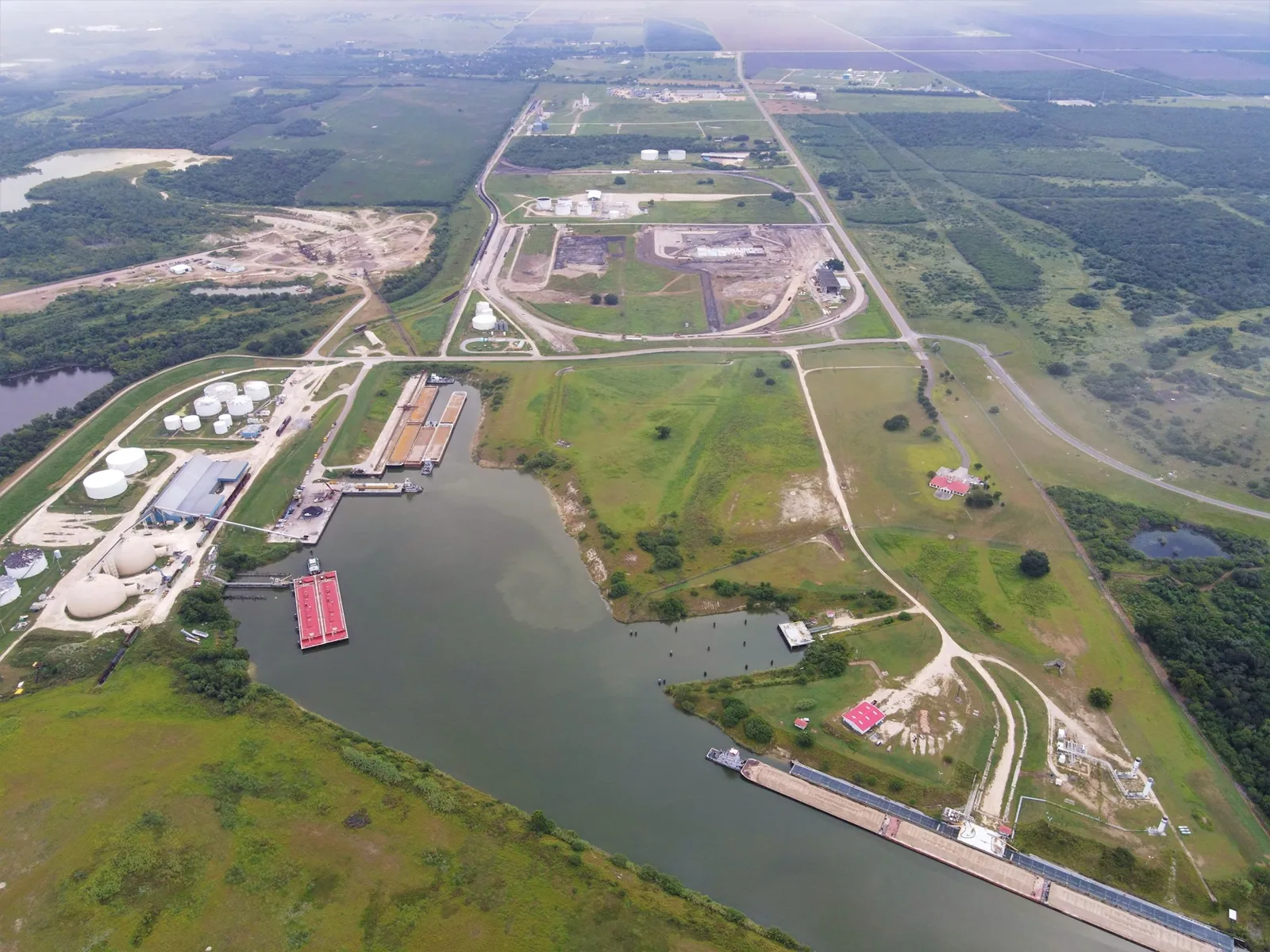
South of central Victoria, Port of Victoria Industrial Park South connects barge, rail, and highway freight activity. Farther into the city's manufacturing geography, Lone Tree II Industrial Park is oriented toward manufacturing and assembly. Those contexts affect dispatch choices; building access and its roof plan still set the job boundary. For a GAF roof anywhere in Victoria, identify the property, roof section, access contact, and decision the inspection should support.
Owners comparing a GAF assembly can also review Carlisle SynTec systems and Johns Manville roofing. The right comparison starts with substrate, drainage, edge details, and project requirements.
For a GAF repair, product selection should follow the verified system, not the closest-looking roll. Confirm membrane family, thickness where visible, attachment, field seam, perimeter detail, and compatible flashing. A repair estimate should state what is included and what would trigger a pause, such as concealed wet insulation, a different membrane beneath a patch, or an edge detail that cannot be tied in as expected. Keep testing, temporary protection, and permanent repair quantities separate so the owner can approve each decision with the available evidence.Before describing a repair as warranty-compliant, confirm the applicable written warranty, who holds it, any notice requirements, and the authorized repair procedure. Keep submitted materials and any response with the file. A contractor's notes can describe work and visible condition, but should not promise coverage or imply that a manufacturer review occurred.
What should the GAF roof file contain?
Related Roofing Work
Frequently Asked Questions
Can a GAF repair be made over an older membrane?
A sound tie-in needs compatible materials, a prepared surface, a dry substrate, and a confirmed transition. We inspect the roof assembly before pricing permanent work.
How do you decide between a GAF membrane and an asphaltic system?
The deck, slope, existing layers, attachment, drainage, and project requirements set the comparison. We document those conditions before recommending a system type.
What happens if insulation is wet below the GAF membrane?
We mark the affected zone, secure the approved opening, and request authorization for added removal. The estimate separates confirmed quantities from concealed conditions.
Does a manufacturer name establish warranty coverage?
No. Warranty terms follow the submitted system and applicable project documents. We identify the proposed materials and scope without promising an unconfirmed term.
Can the work proceed during Victoria's rainy season?
The weather window determines how much roof can be opened and closed safely. We set a daily dry-in boundary and report any hold or return visit that changes the sequence.
Share the roof plan, existing GAF or other system information, leak location, access rules, and person who can approve testing. We will inspect the assembly and return a repair or replacement scope with the next approval stated.
Call 555-555-5555 or email [email protected].