
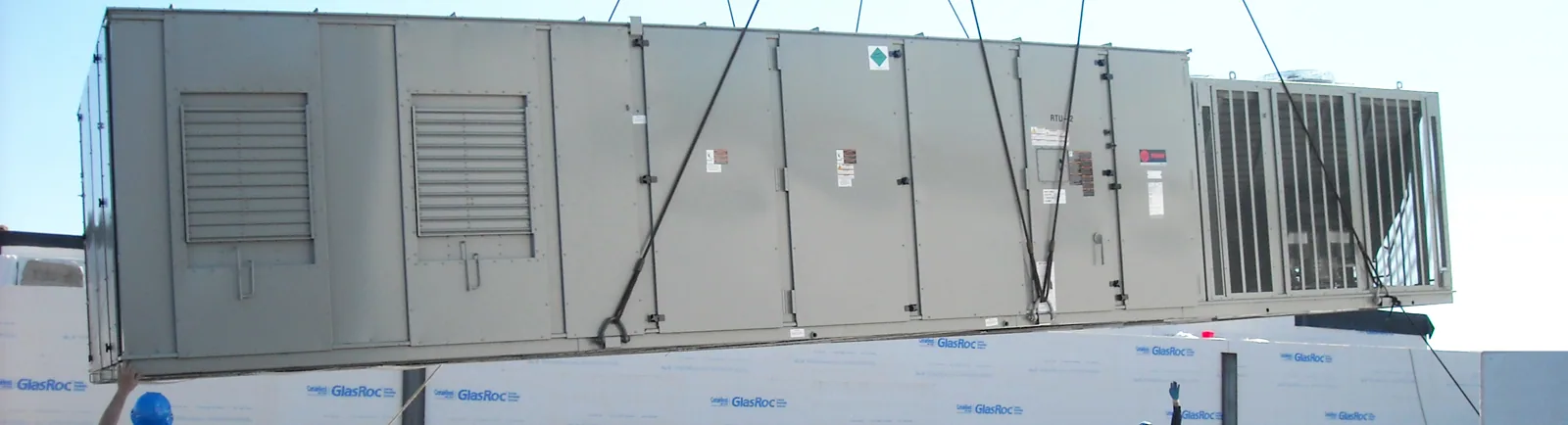
Rooftop Equipment Curb and Support Repair in Victoria, TX
Commercial Roofing Services · Victoria, TX
Rooftop curb and equipment support service in Victoria checks movement, flashing, and attachment while coordinating each unit with facility operations.
Next step
Request a Roof Assessment
Call
555-555-5555
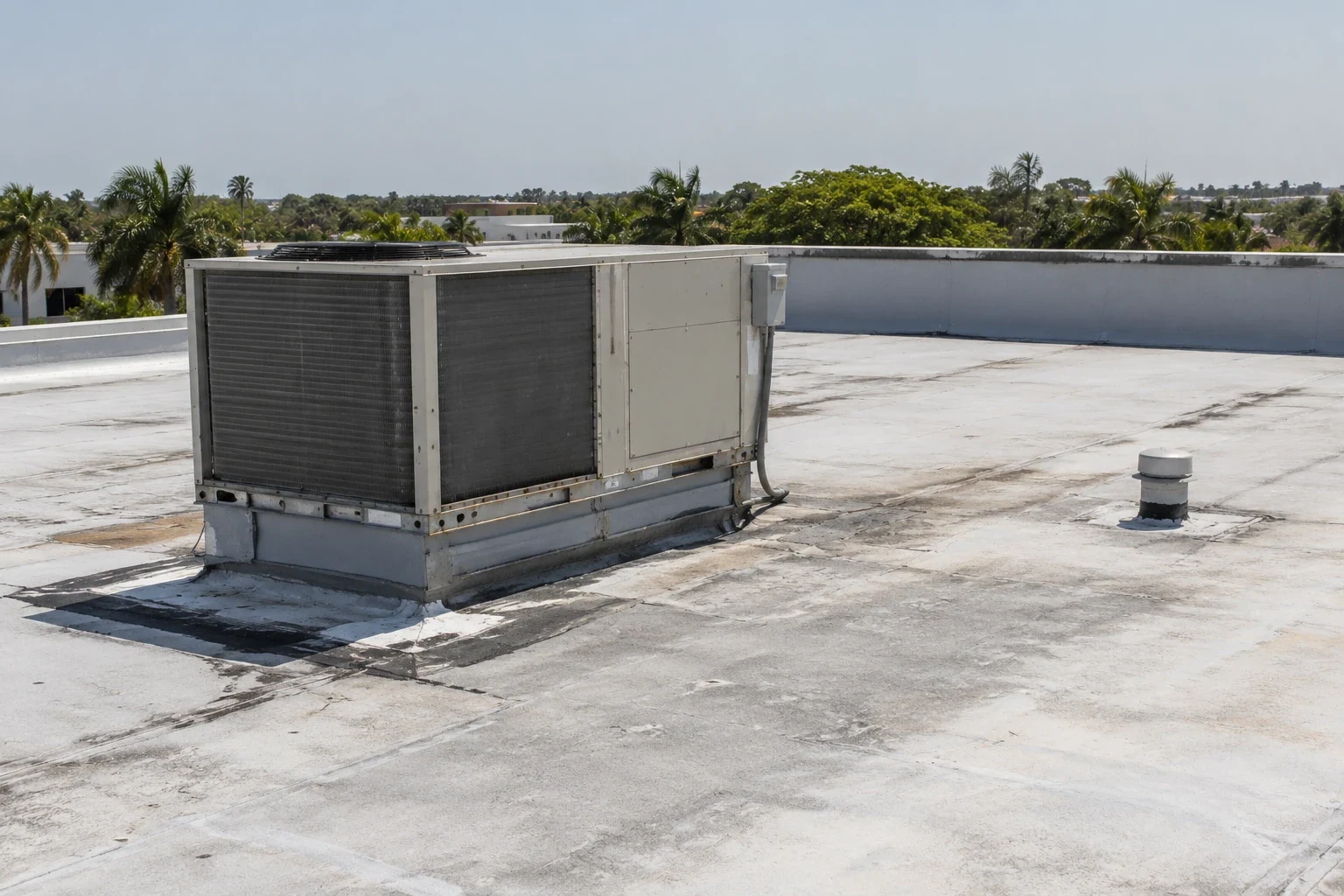
A condenser that vibrates against its support can work a roof detail loose one cycle at a time. In Victoria, heat and storm exposure make the curb, support feet, and membrane transition worth checking together. We inspect the equipment interface and roof assembly, confirm what movement is present, and coordinate a repair boundary with the mechanical contact so a roofing correction does not interfere with operating equipment.
Rooftop Equipment Curb and Support Repair
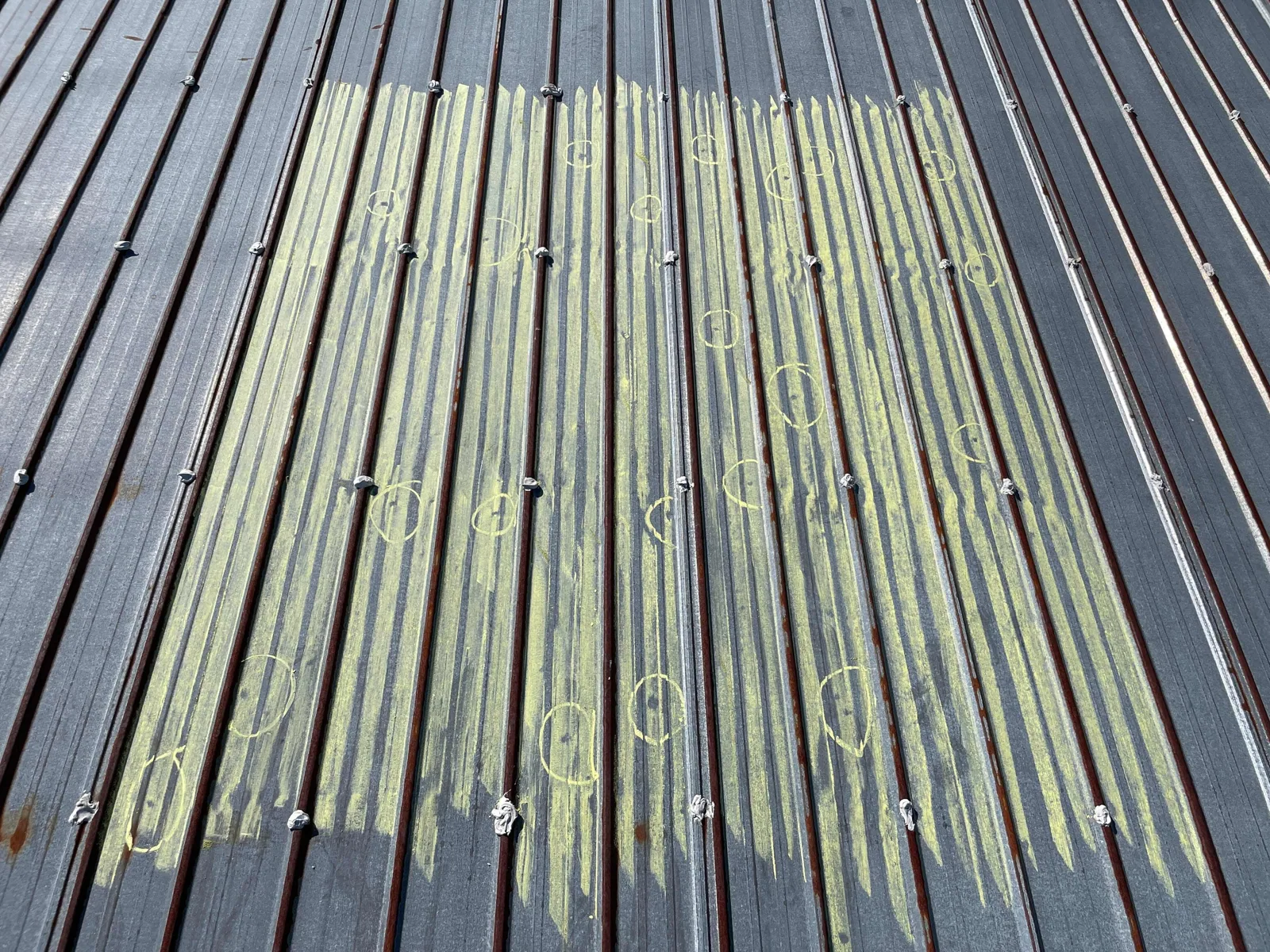
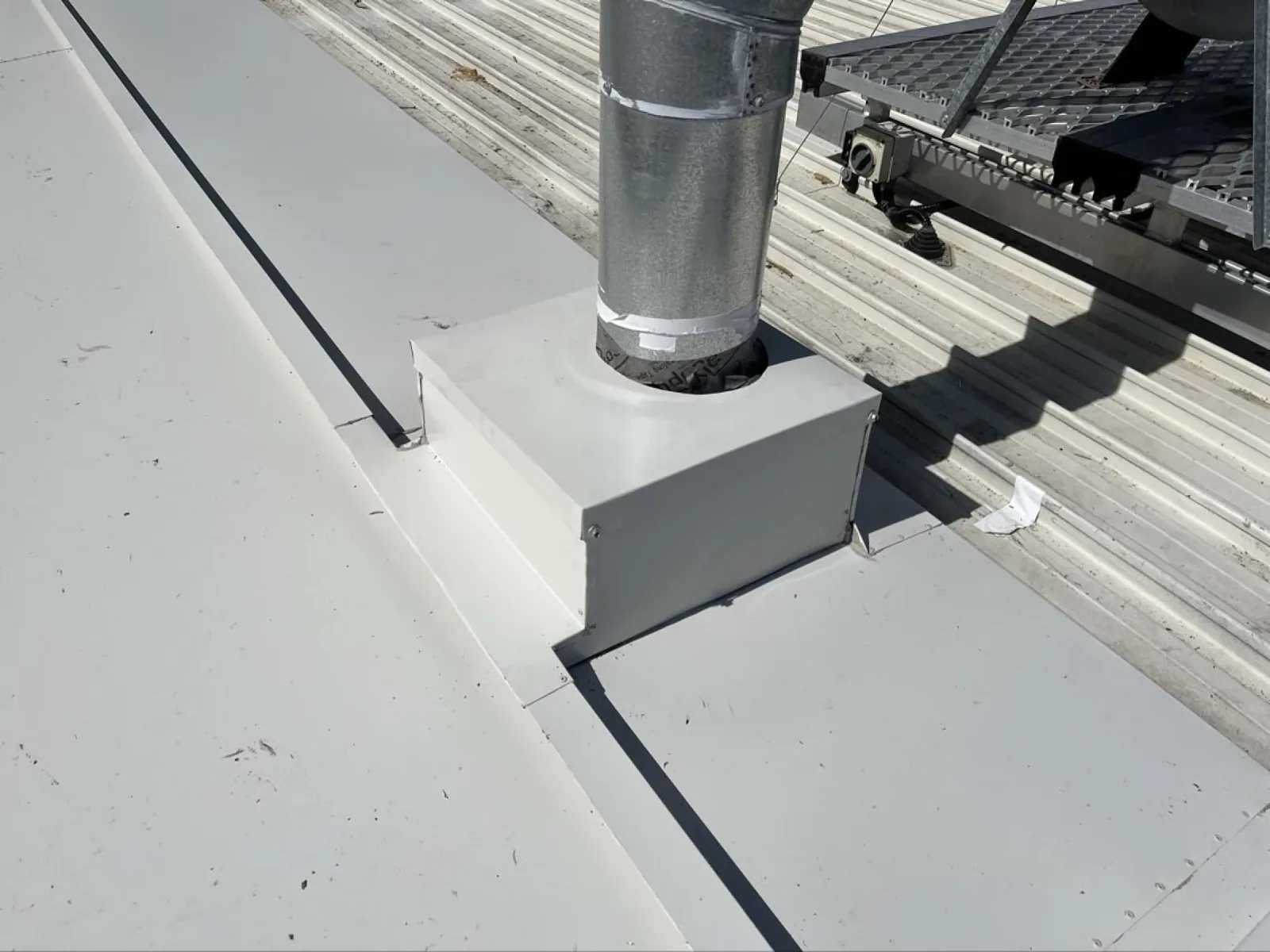
We map the unit, curb, pipe supports, vibration rails, conduit, and nearby roof penetrations by roof section. Record whether the curb carries the equipment directly or connects through a frame, and whether the support feet sit on walk pads or bear on the membrane. A missing equipment schedule does not prevent inspection, but the property contact should identify any unit that cannot be shut down or moved during the work window.
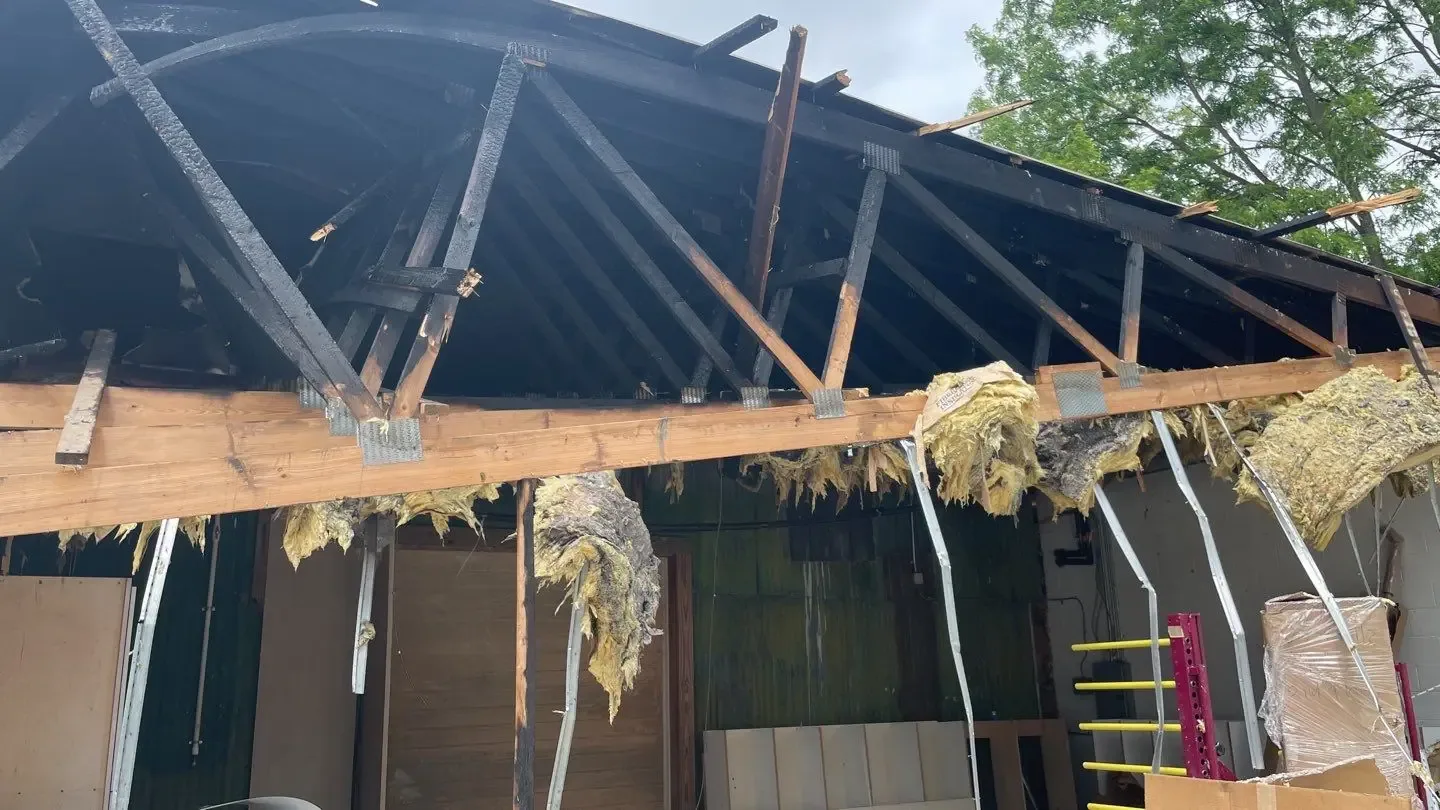
Look for cracked curb corners, pulled fasteners, separated counterflashing, damaged boots, compressed pads, and membrane wear beneath support feet. Also check for oil or condensate that may change the surface condition around the unit. The roof-side finding is kept distinct from a mechanical defect such as a loose fan assembly. When vibration or equipment movement is suspected, involve the HVAC contractor before resetting a flashing or replacing a support.
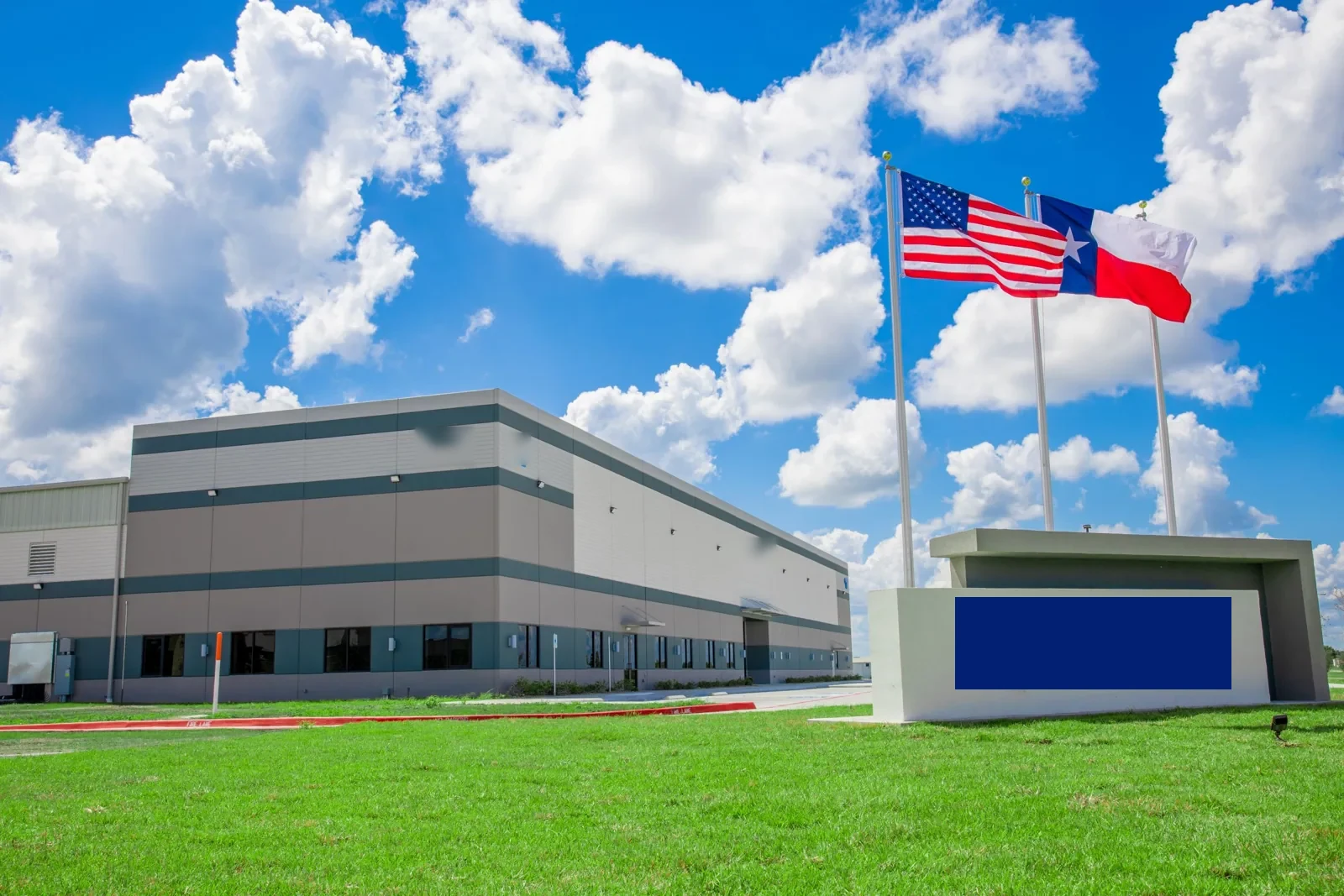
At the Lone Tree II Industrial Park, manufacturing and assembly activity puts production schedules alongside roof access decisions. A roof walk near an operating unit requires the site contact to confirm access, equipment status, and any exclusion zone below. We do not infer that an industrial roof has a particular unit type from the surrounding land use.
Match each unit to its roof detail
Sealant failure can be a symptom of movement at the curb, support, or roof deck. We check the perimeter, fasteners, attachment, membrane laps, and adjacent equipment supports. If the curb shifts under load, a new bead at the top edge will not stabilize the assembly. If movement is isolated to a flashing corner while the curb is sound, the repair can stay focused on that transition. We compare the condition on more than one side where access allows.
Units placed over a roof opening need secure framing and weather protection at the curb. Water can enter where counterflashing ends, where a corner has opened, or where the membrane-to-curb connection has lost its bond. A penetration flashing repair follows the same principle of identifying the failed roof-side transition, while equipment isolation remains under the mechanical contractor’s direction.
Victoria has documented wind events and a record of tropical systems. Following a warning, inspect exposed screens, conduit brackets, and curb edges for displacement, but separate those observations from routine wear. A storm roof assessment can record broader impacts to the field, perimeter, and rooftop equipment area in a consistent sequence.
Find what is moving before repairing the seal
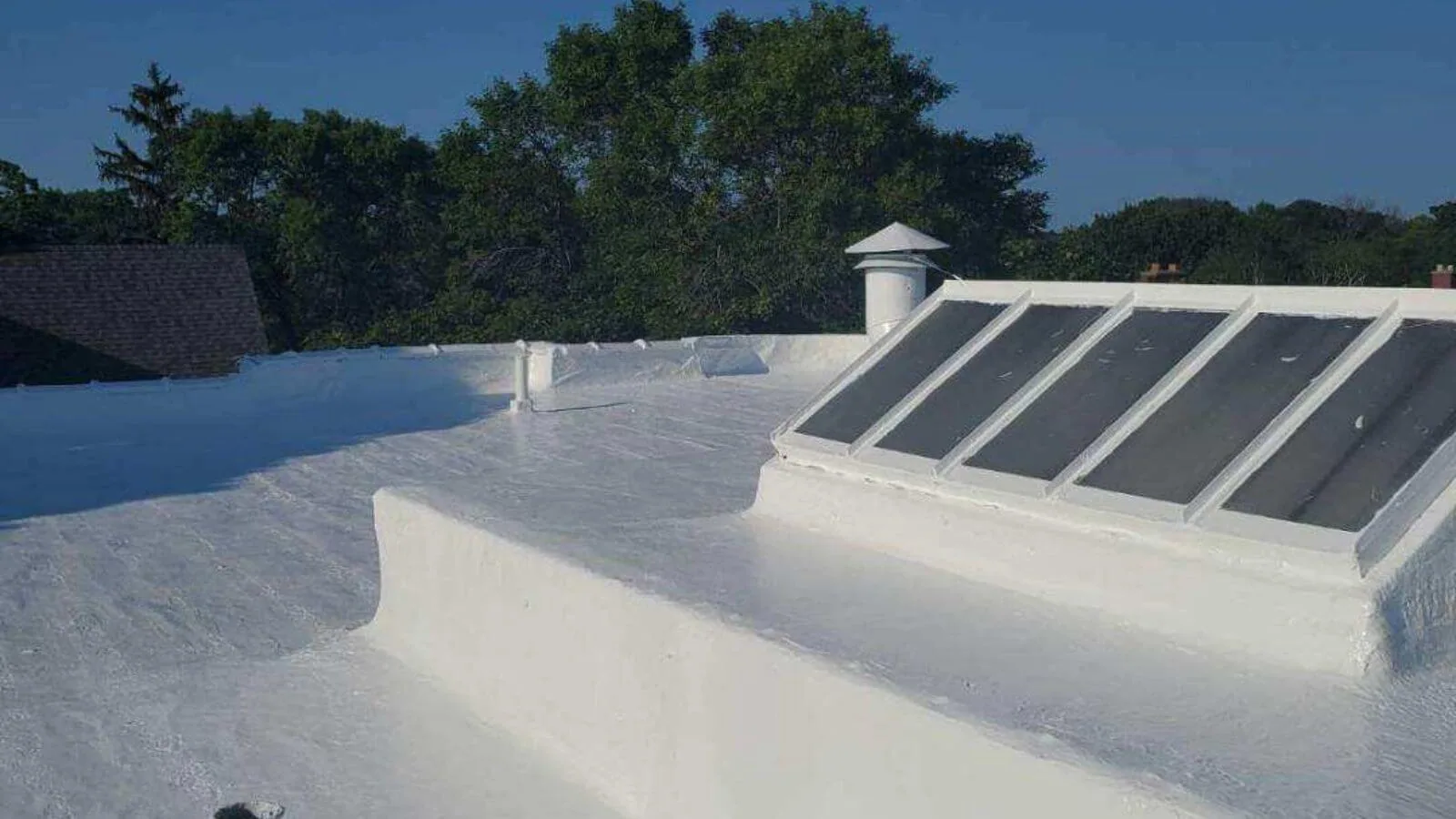
The repair method follows the confirmed membrane and curb material. We remove failed flashing within the approved boundary, prepare a sound surface, and integrate the replacement detail with the roof field. At single-ply roofs, membrane or reinforced flashing is selected for the system; a metal curb may require a separate formed counterflashing. Sealant is used only where the detail calls for it and is not a substitute for secure attachment.
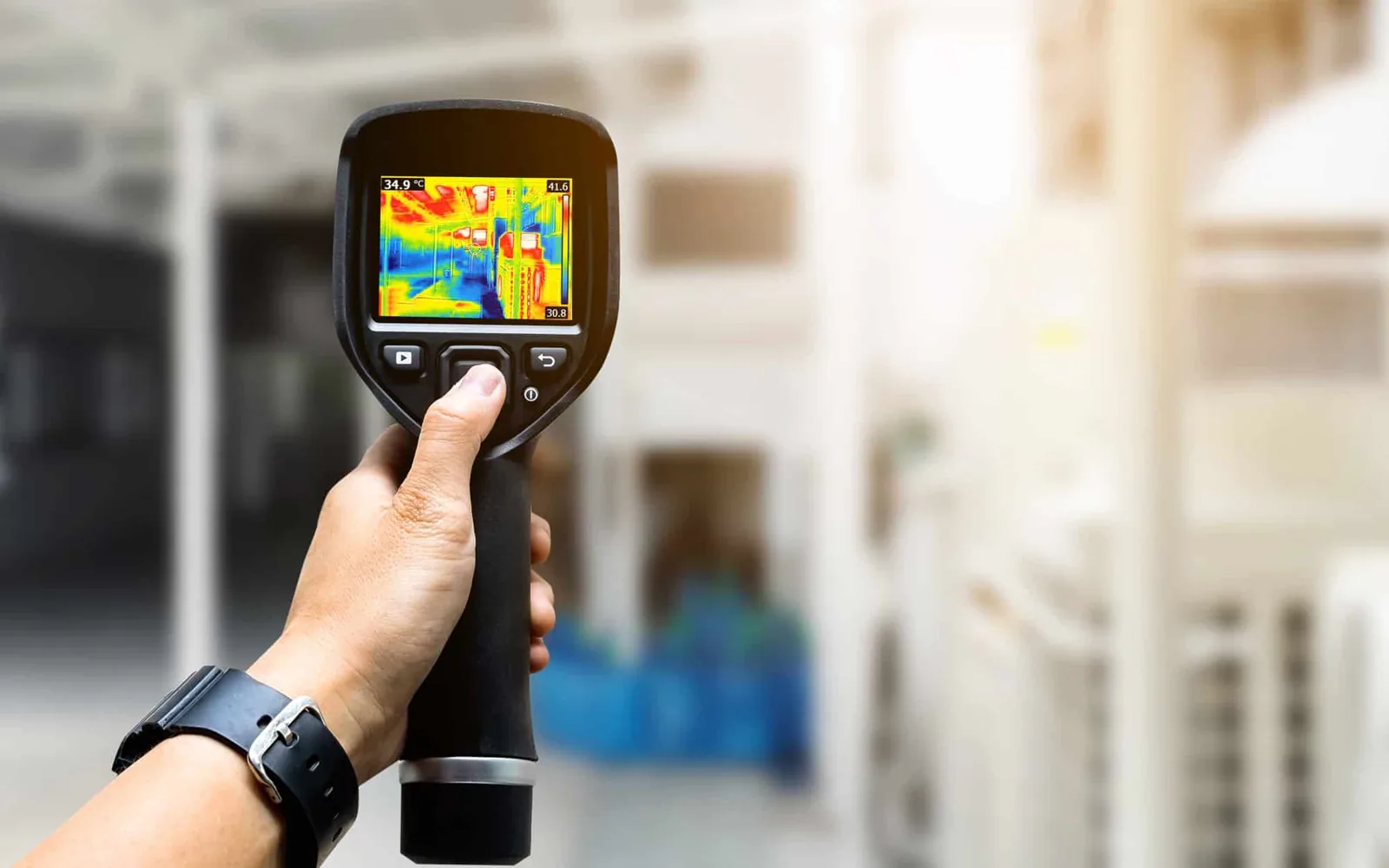
When insulation or the deck beneath a curb is soft, wet, or deteriorated, stop and define the extent before closing the roof. New flashing over an unstable substrate can leave the repair temporary. An infrared moisture survey may help identify an area for targeted examination when moisture could affect the curb repair boundary. Findings still need interpretation alongside the roof assembly and any authorized test opening.
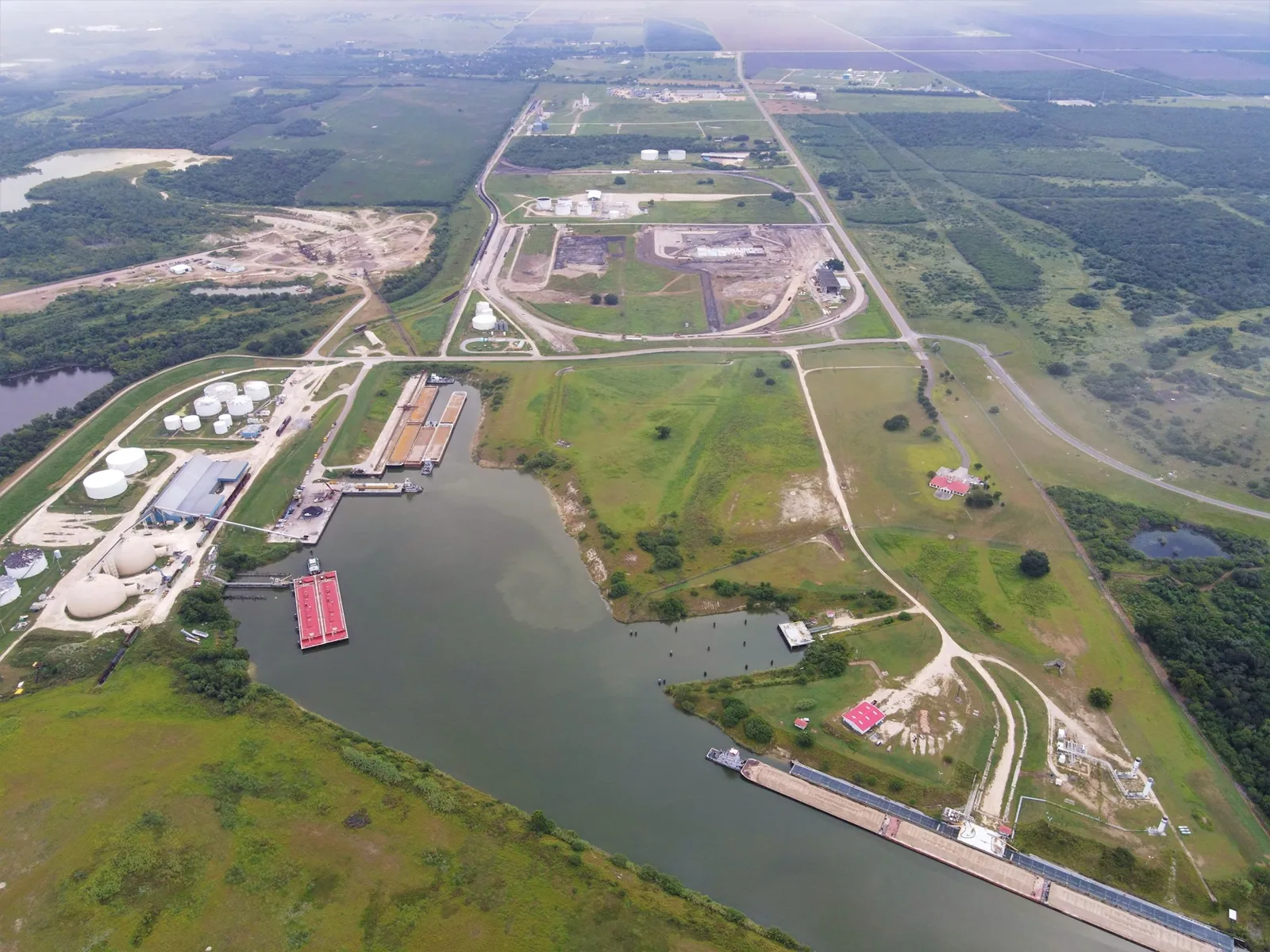
Coordinate access and material staging at facilities near the Port of Victoria Industrial Park South. Bulk freight and rail operations shape the regional setting, while the individual property determines lift locations, delivery windows, and roof controls. Secure the work area so tools and removed flashing cannot reach loading or pedestrian routes below.
Restore the roof connection around the curb
Some repairs require a mechanical contractor to disconnect power, isolate a unit, or reposition equipment. Set those responsibilities before the roof detail is opened. Confirm who can approve a shutdown, whether tenants need advance notice, and how the area below will be protected. Roofing work should not loosen a support or block a service panel. If a unit must remain live, plan an access route and boundary that keeps the crew clear of fans, electrical hazards, and exhaust.
For multiple units, assign each curb a roof-plan identifier and track its status: inspected, awaiting mechanical support, repaired, or limited by access. This keeps one completed tie-in from being mistaken for approval of every rooftop unit. A maintenance visit can update the roof map and note recurring vibration or seal changes for the next service interval.
On healthcare, education, and production buildings, coordinate noisy work and interior protection with operations. Victoria’s major employers include medical, educational, and manufacturing organizations; their building schedules differ. We use the property’s instructions for access and keep the installation boundary connected to the actual unit and room below.
Coordinate roof and mechanical work
At completion, inspect the curb corners, flashing tie-in, support feet, adjacent seams, and any fasteners disturbed during the work. Confirm that the mechanical contractor has restored the unit and removed temporary restraints where appropriate. The roof record shows the unit identifier, repaired detail, photographs, materials, and any unresolved movement or substrate question. If a test or mechanical correction remains open, identify who needs to take the next step.
Victoria’s hot season affects rooftop work windows and material handling. We plan around actual surface and product conditions and secure the roof if a storm interrupts an open repair. The property manager receives the limits of what was inspected and whether the area needs a follow-up after the unit returns to normal service.
A roof condition report can combine curb findings with drains, membrane seams, and edge conditions when several units or roof sections are involved. Keep the roof plan and photos with the building asset so a later repair can be compared against the same support and flashing detail.
Confirm attachment and leave a unit record
For a Victoria curb or support review, send the roof plan, unit list, leak location, equipment restrictions, and access window. We will map the roof interface, inspect the support and flashing, and identify any mechanical coordination needed before work begins.
If water appears indoors, include the room and approximate time of the report. The closest unit may not be the entry point, so we compare the roof condition with nearby drains, seams, and wall transitions. The repair scope will state which detail is confirmed and which condition needs additional access or testing.
Where the building has a history of unit replacement or roof recover, share those records before materials are selected. Curb height, insulation build-up, and prior flashing can change the tie-in. A closeout photo set gives the manager a practical reference for the next maintenance visit.
Request equipment curb or support service
Related Roofing Work
Frequently Asked Questions
Can a roofer repair a curb while the HVAC unit stays on?
Sometimes. The property and mechanical contacts must confirm safe access and any shutdown requirement before flashing is opened.
What causes flashing to separate around rooftop equipment?
Movement, loose attachment, poor substrate, failed preparation, or a damaged transition can contribute. We inspect the curb and membrane together.
Do you repair equipment supports and pipe stands?
We inspect their roof interface and can repair compatible flashing and membrane details. Structural or mechanical changes may require the appropriate trade.
Will you move an HVAC unit to replace the flashing?
Moving or disconnecting equipment is coordinated with the mechanical contractor. We define the roofing work area and sequence before that step.
What should I send before a curb inspection?
Share the unit schedule, roof plan, leak report, operating limits, and access instructions. Photos from a safe location can help identify the section.
Share the roof plan, unit list, leak report, operating limits, and access window. We will inspect curb attachment, support movement, and the membrane tie-in before defining the repair.
Call 555-555-5555 or email [email protected].