
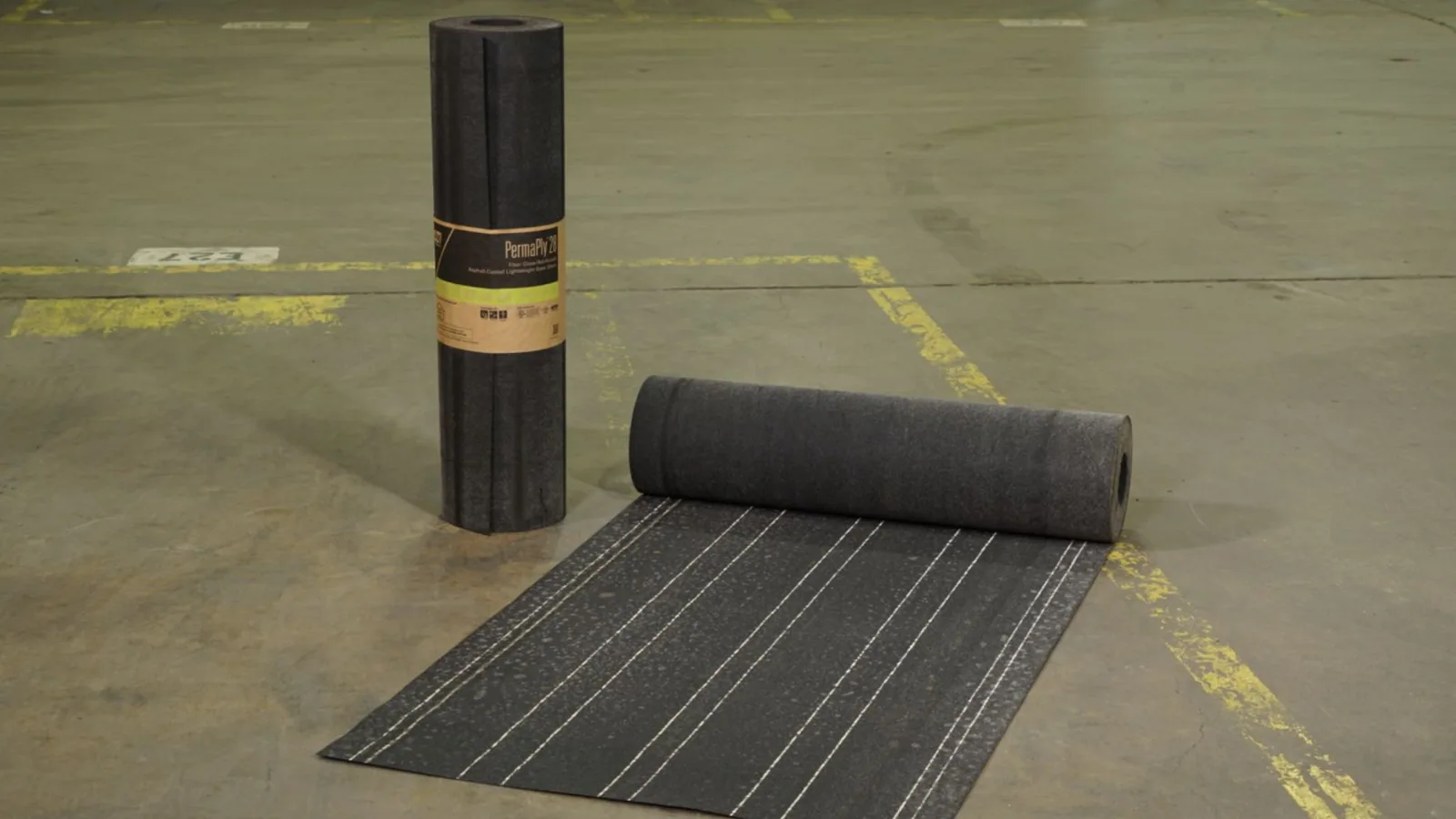
Johns Manville Commercial Roofing in Victoria, TX
Roofing Manufacturers · Victoria, TX
Johns Manville commercial roofing in Victoria, TX, with inspection of membrane, insulation, flashing, and scope choices for repair or renewal.
Next step
Request a Roof Assessment
Call
555-555-5555
Local weather history is planning context for a Johns Manville scope, not proof of damage. National Weather Service reports for Victoria include high heat and hail or wind events. The project team still checks the actual roof surface, forecast, and assembly instructions before selecting a work window. If preparation or welding conditions cannot be maintained, the sequence pauses at a safe, weather-ready boundary.
Johns Manville Commercial Roofing
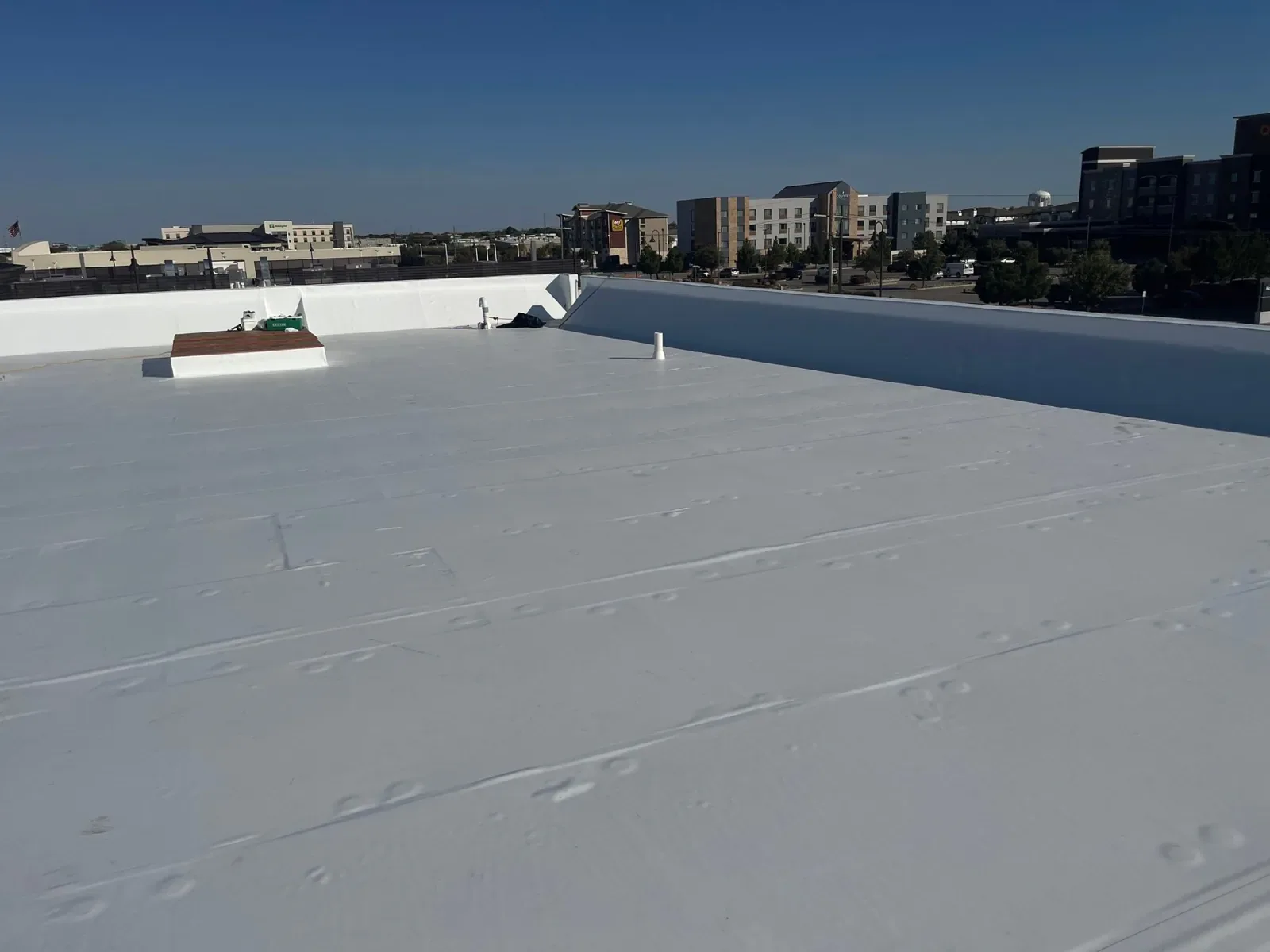
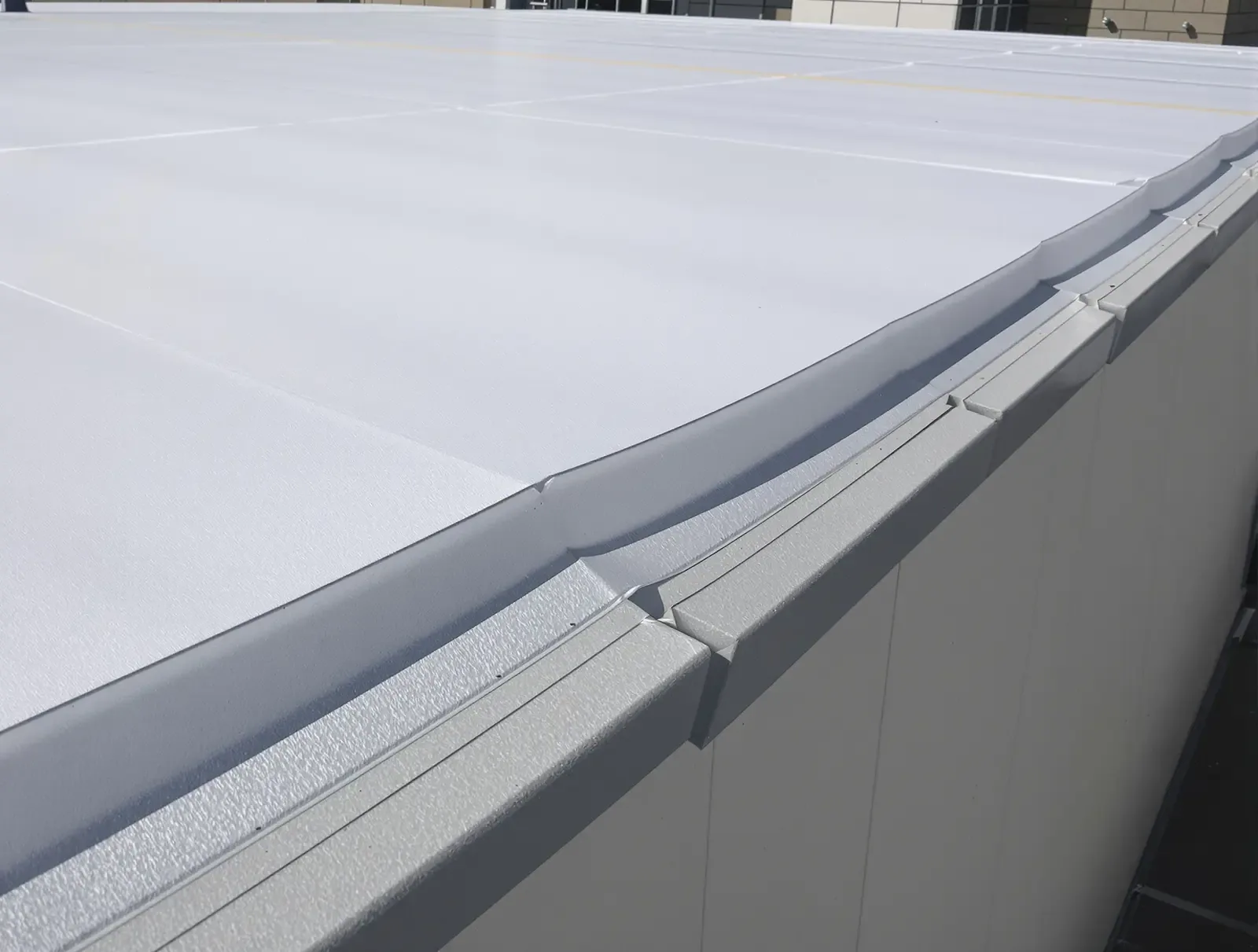
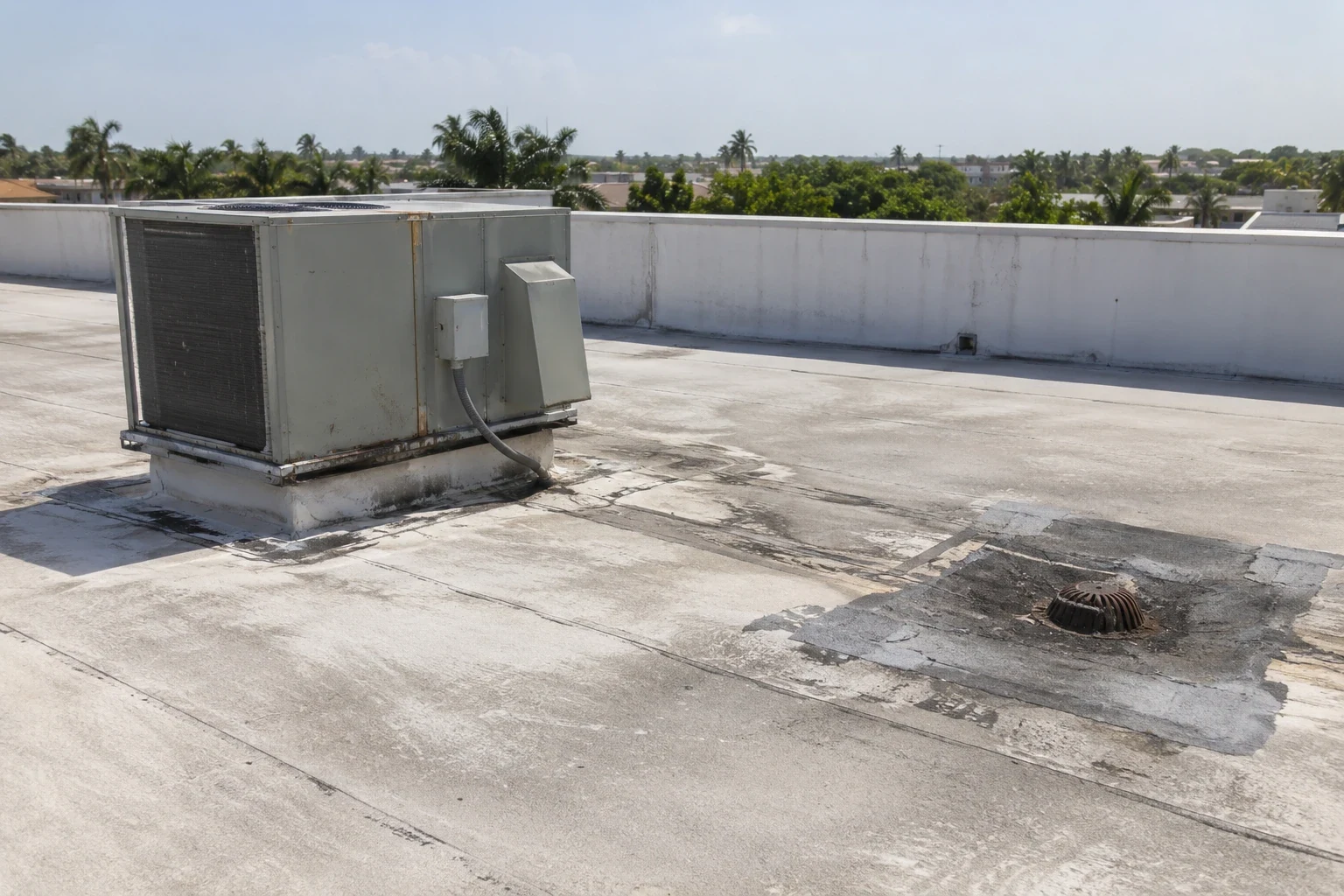
Identify the roof covering, insulation type and condition, cover board, attachment, deck, and transitions at edges and penetrations. A surface that appears intact can sit above wet insulation; a ceiling stain can also result from an opening away from the visible interior impact. We compare the reported water path with seams, drains, curbs, and previous repairs. If a test opening would settle whether insulation or deck is affected, we state its location and approval point before removal.
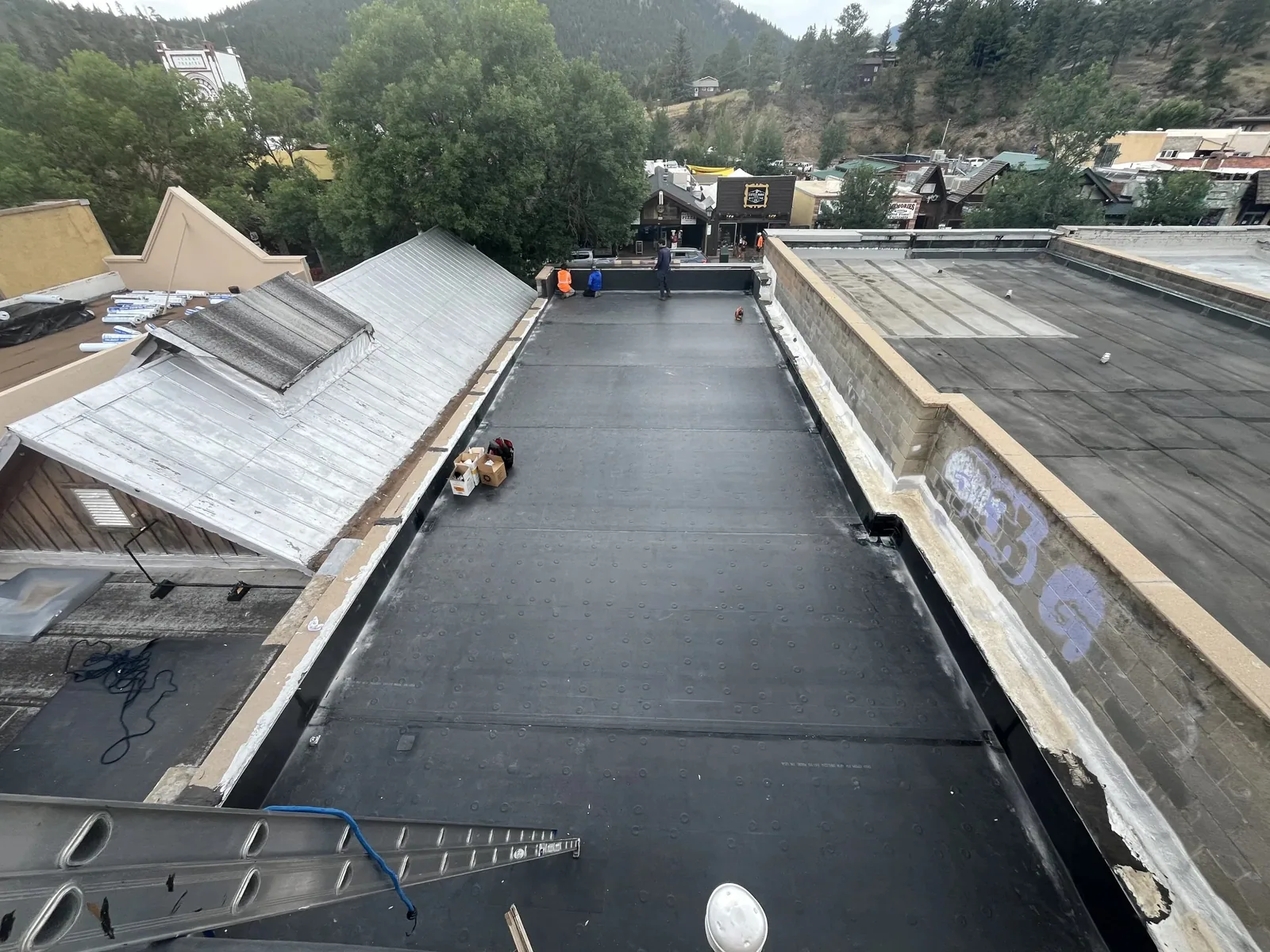
Johns Manville offers commercial roofing and insulation product families, but a product name does not answer whether an existing assembly can be repaired or overlaid. We check the project's approved system details and material compatibility. An insulation and cover-board inspection can identify wet or displaced layers, while an EPDM review addresses membrane details when that system is present. The scope keeps membrane work distinct from insulation replacement and deck repairs so owners can see what drives the quantity. We also identify whether existing layers will remain, which seams require new work, and how the selected detail meets each curb, drain, or edge. If the record and exposed material disagree, pause the accessory order until the system is confirmed. This prevents the repair estimate from mixing incompatible details or carrying an unknown deck condition as a fixed quantity. The owner receives the test boundary and the next approval before the crew proceeds. The report also records how each opening was closed, whether the work reached sound material, and which follow-up inspection should confirm the repair after rain.
How do you assess the membrane and insulation together?
Start with the roof zone above the affected room and inspect field seams, wall transitions, pipe boots, curbs, drains, and perimeter attachment. A seam can open because of movement, poor preparation, age, or damage; the inspection compares the gap with movement, preparation, material age, and surrounding damage. We record the seam run, adjacent surface, and water path, then decide whether the repair can stop at a sound transition. Any wet or unstable substrate returns for a revised quantity.
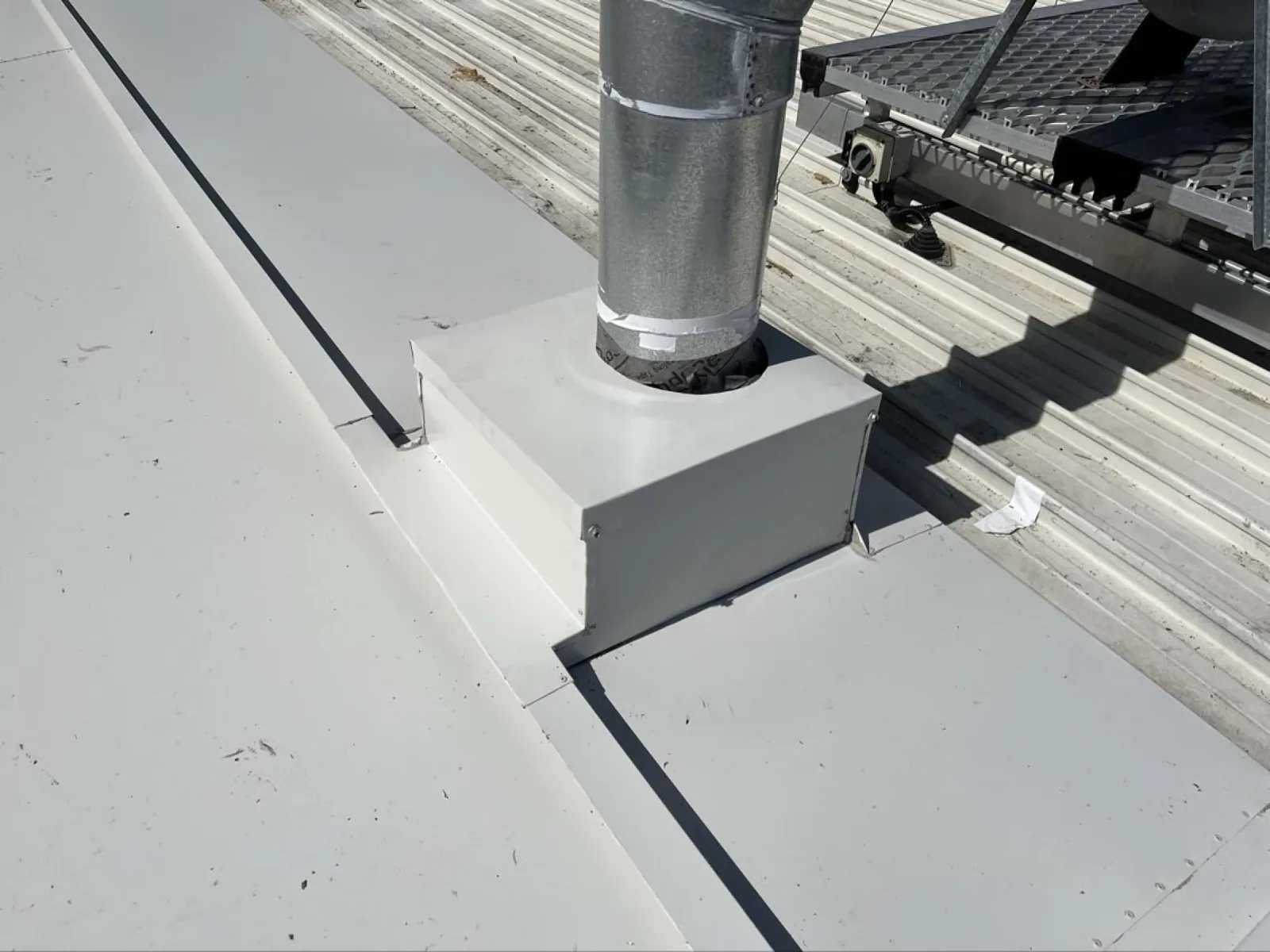
On a thermoplastic sheet, a repair detail may depend on clean, dry material and a compatible weld. On other membrane types, primers, tapes, or adhesives may be part of the correct detail. We use the system and project instructions rather than assume one method for all Johns Manville roofs. A leak investigation records the water-entry path and extent; a penetration review addresses roof openings separately from the field seam. Closeout names what was prepared, repaired, and left outside the work boundary.
What should the crew inspect around the reported leak?
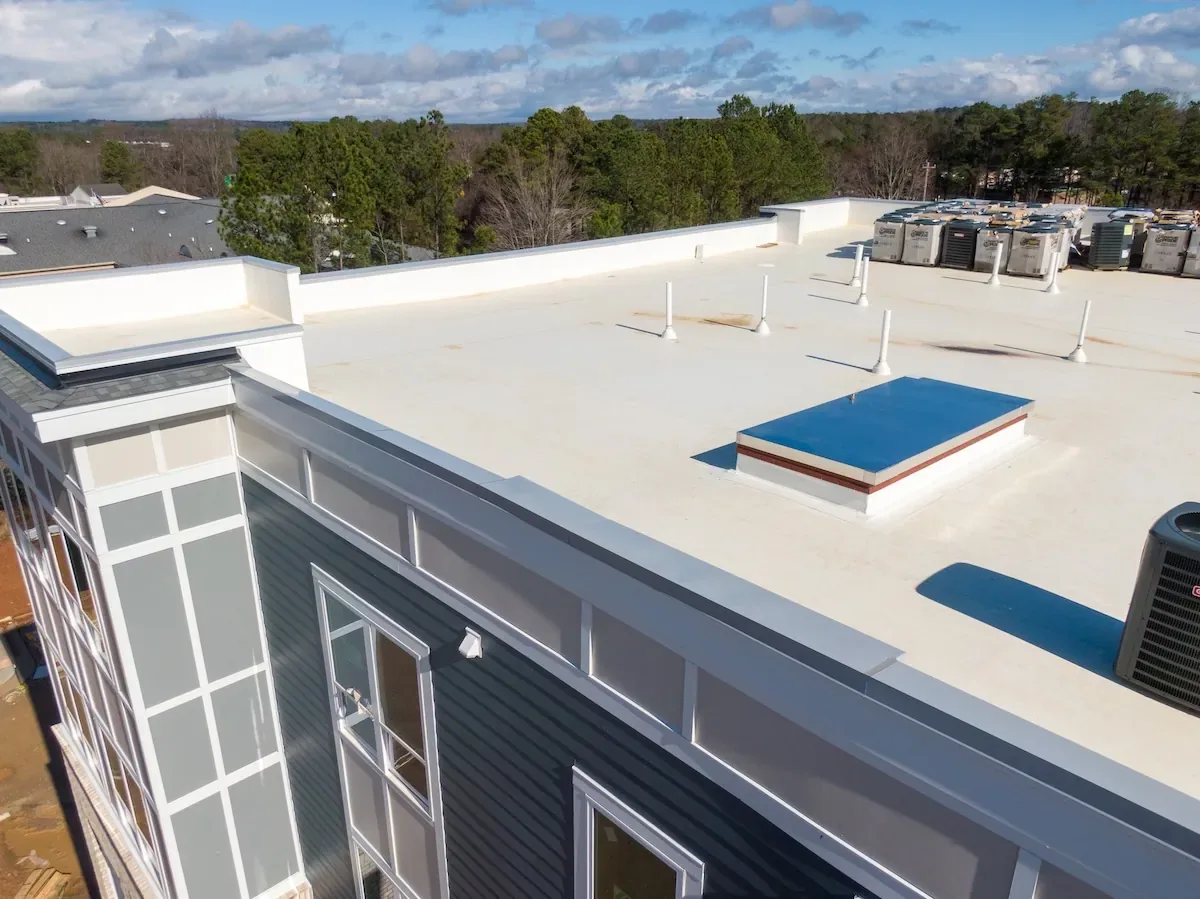
Before a Johns Manville detail is selected, identify the installed membrane, reinforcing layer, and compatible primer or adhesive from the project documents. Confirm the product-specific temperature and moisture limits before exposing a repair area, then retain the preparation record with the closeout photos.
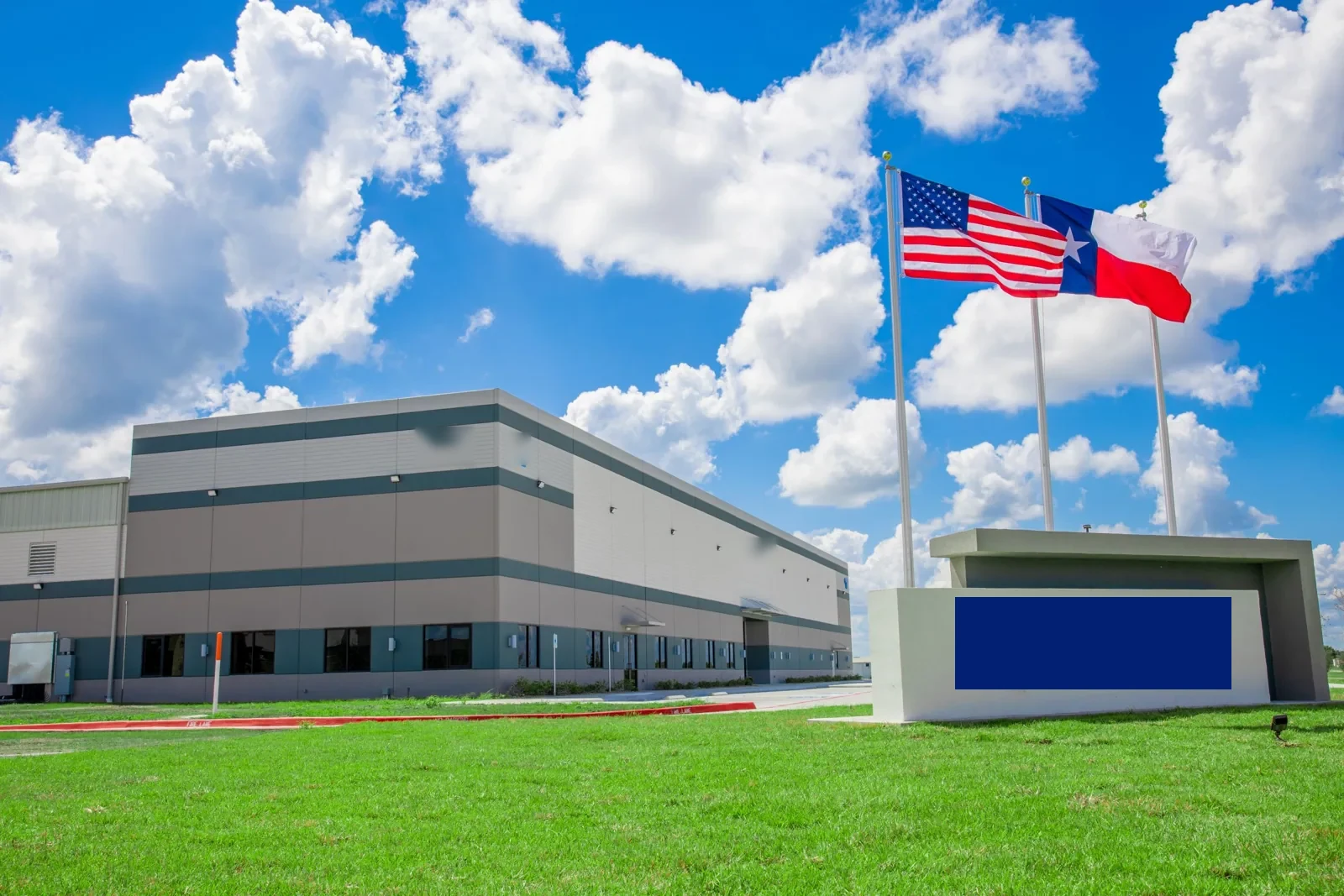
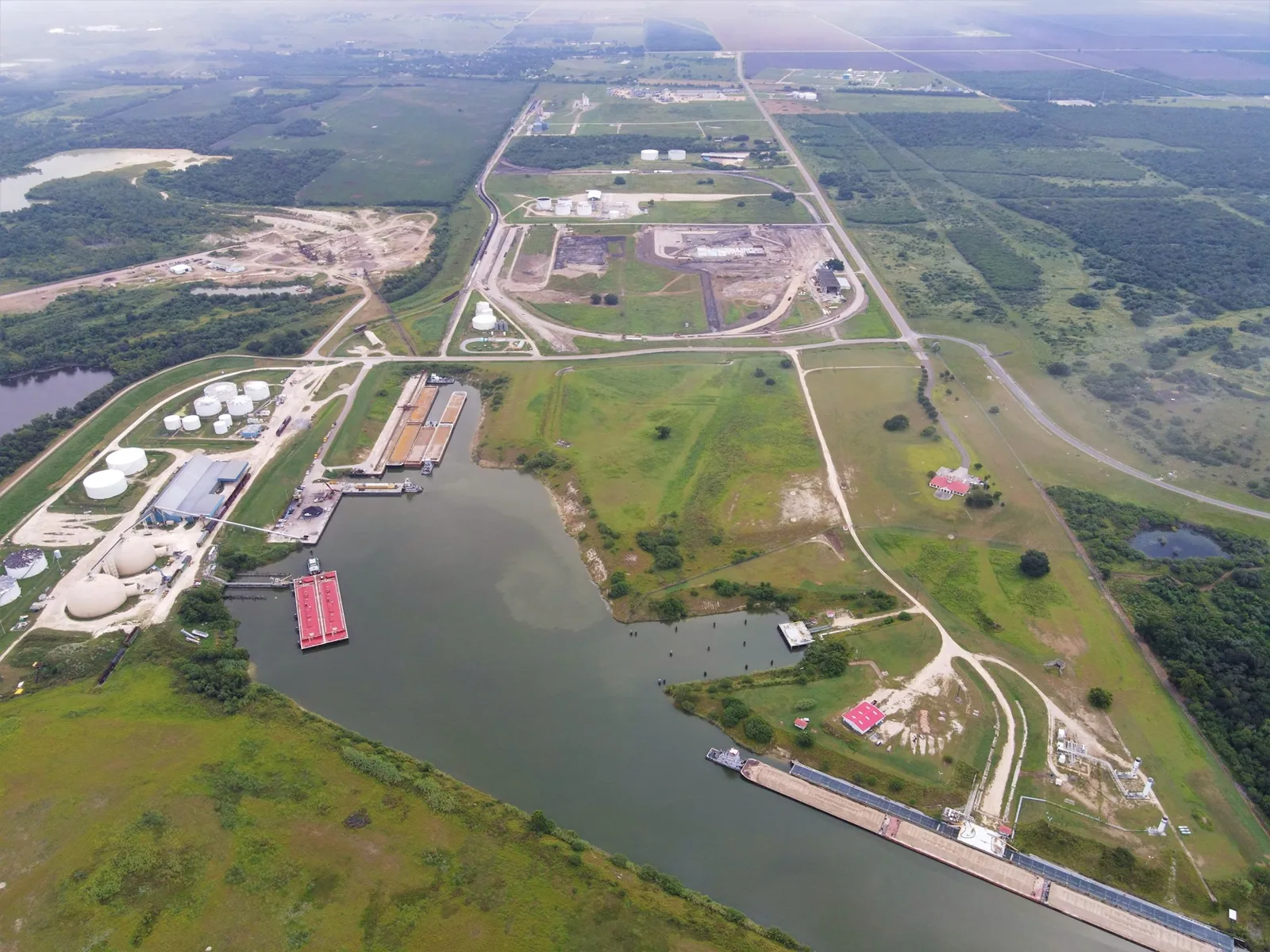
The Lone Tree II manufacturing area and Port of Victoria Industrial Park South have different freight and operating contexts. At either site, the facility contact sets the approved roof access, staging point, and work window. The actual assembly and project documents determine which Johns Manville detail applies. Review delivery sequence, exposed-area limits, and tie-in details before material arrives. At shift close, record whether the completed seam or repair passed its required field check, what remains open, and which project contact accepted the handoff. This keeps manufacturer documentation tied to the installed detail without implying that concealed layers were tested.
How do wet-season conditions affect roof work?
A local repair is supportable when the defect is bounded, insulation is dry, attachment remains stable, and the selected detail can be tied into sound material. Repeated leaks, broad wet areas, failing edges, or multiple defects may justify an assembly comparison. We list confirmed findings, test results, and what remains an allowance, then identify whether a coating, recover, or tear-off is worth reviewing. The estimate uses the same roof area and access assumptions for each option.
A weather-related delay should leave a documented stopping point. Record the open section, temporary protection, materials staged, and the condition needed before work resumes. That note keeps the next crew from treating a partial dry-in as the completed repair or applying a detail outside its stated conditions.
When should the owner compare another Johns Manville assembly?
Keep the roof map, system description, material data, seam and flashing details, insulation findings, test locations, drainage work, photos, approved changes, and remaining conditions together. Closeout identifies the repair boundary and whether the section received a permanent repair or interim protection. If tear-off exposed wet material beyond the estimate, record the added area and authorization before proceeding. That record helps maintenance staff understand how a later repair connects to the installed assembly. Include the selected product family, insulation and cover-board findings, seam method, perimeter transitions, and maintenance item for the next inspection. If a test opening was repaired temporarily, label it on the roof plan and schedule a permanent return. The file should also identify any detail that was inaccessible or excluded so a later capital review does not treat an uninspected area as confirmed. Keep approved material substitutions with the closeout record.
Victoria's employer base spans manufacturing, healthcare, education, freight, and public organizations, and its industrial development areas connect with highways, rail, and the Port of Victoria Barge Canal. Those are useful planning details, not assumptions about a specific roof. Before work, we confirm access, staging, the area below the repair, and any operations that limit noise or deliveries. The building's contact and measured roof conditions set the work plan.
Victoria's employment base includes manufacturing, freight, education, healthcare, and public services. The industrial park at Lone Tree II is set up for manufacturing and assembly; Port of Victoria Industrial Park South connects bulk-cargo property to rail and highway routes. That geography can change staging. For a Johns Manville roof elsewhere in Victoria, the property contact confirms roof access and work hours for the assigned building.
Compare the documented assembly with GAF roofing and Carlisle SynTec roofing. Any alternative still needs to account for the actual membrane, insulation, attachment, and transition details.
What belongs in the Johns Manville roof file?
Related Roofing Work
Frequently Asked Questions
Can a wet Johns Manville roof be coated?
The existing surface, moisture extent, attachment, and proposed coating system need review first. We identify the test or repair required before pricing restoration.
How do you confirm which membrane is installed?
We review available records, visible markings, seams, and roof details at the work area. The scope states what the inspection can establish and any remaining uncertainty. A product identifier and detail photo make that finding easier to apply during a later repair.
What happens if insulation is wet under the membrane?
We mark the affected roof zone and return the added removal for authorization. The estimate separates confirmed insulation quantities from material that remains concealed.
Can you repair a seam without replacing the roof?
A bounded seam repair may fit when surrounding material and substrate remain suitable. We inspect the full run and nearby transitions before deciding how far the repair should extend.
Does the manufacturer name establish a warranty term?
No. The system submission and project documents establish the applicable warranty terms. We identify the proposed material and work without promising unconfirmed coverage.
Share the roof plan, available product records, leak location, access rules, and person authorized to approve testing. We will inspect the assembly and return a Johns Manville repair or renewal scope with its limits stated.
Call 555-555-5555 or email [email protected].