
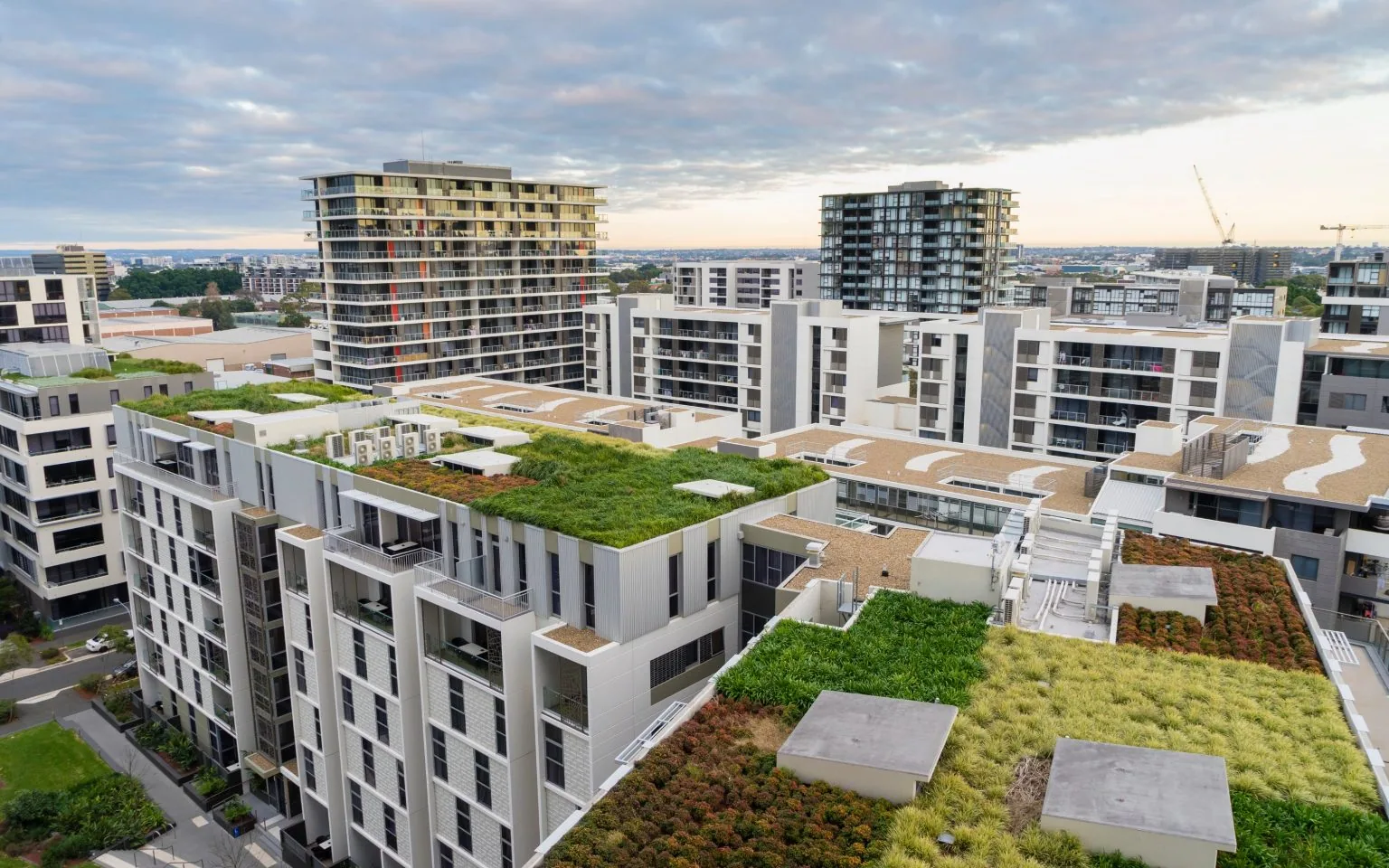
Apartment Roofing in Victoria, TX
Property Types We Roof · Victoria, TX
Apartment roofing in Victoria coordinates leak tracing, tenant protection, drainage, and roof repairs across occupied multifamily buildings.
Next step
Request a Roof Assessment
Call
555-555-5555
A leak in one apartment can reach a neighboring unit before maintenance finds the roof opening. Multifamily roofing in Victoria starts with the reported room, the roof section above it, and the route water may take between them. Flat roof fields, balconies, parapets, drains, and HVAC curbs can direct moisture into walls or ceilings. We document the leak path, protect occupied spaces, and give the property manager a repair boundary that can be matched to a unit and roof plan.
Apartment Roofing
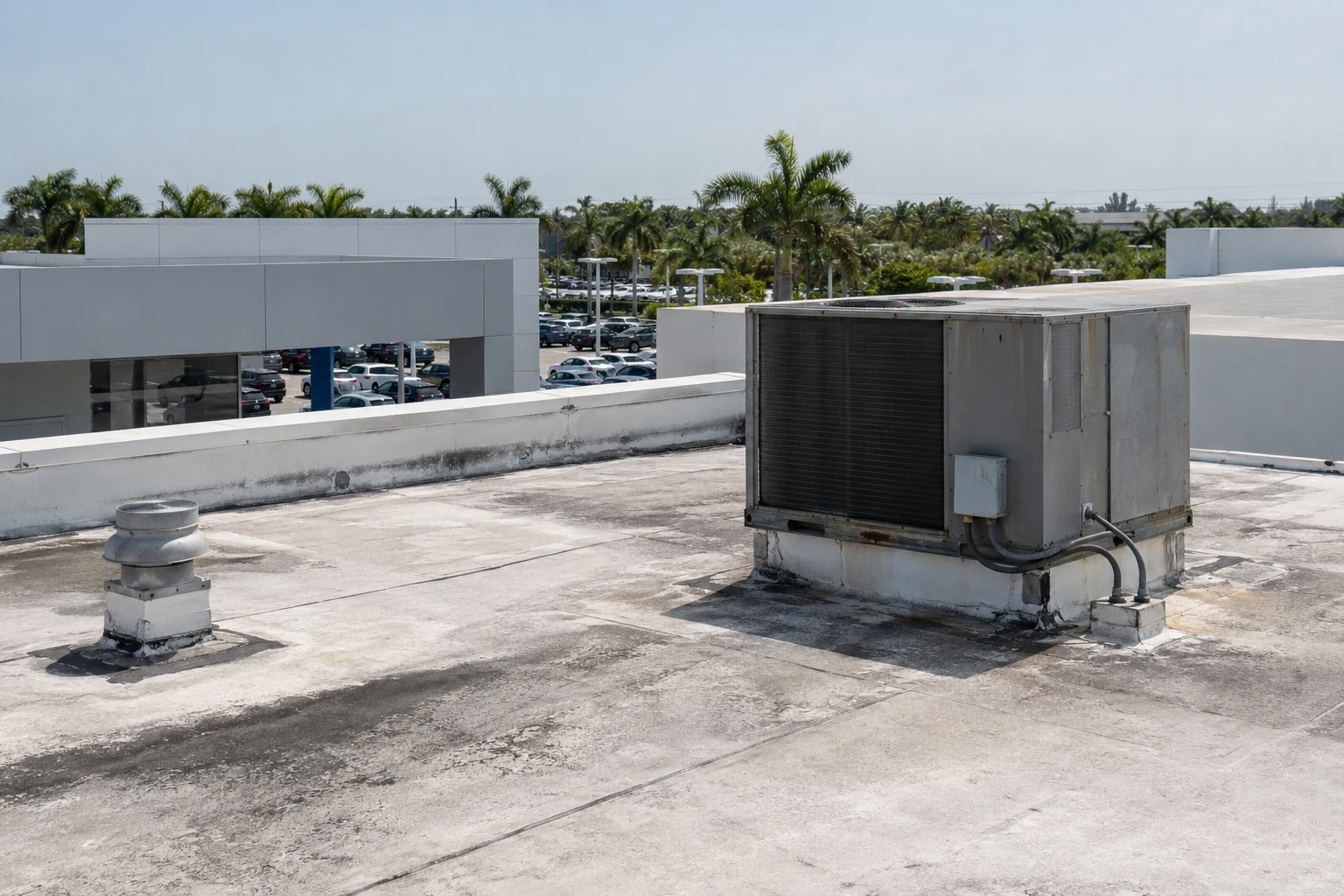

Record the unit, ceiling or wall location, date, and whether the condition changed after rain. A stain near an exterior wall may relate to coping or a parapet, while a mark closer to the center can trace to a curb, seam, or drain. We compare the report with roof plans and inspect the likely details before opening a finished ceiling. A commercial roof inspection provides labeled photographs and a shared reference for the manager, maintenance staff, and affected tenant.
For a multi-building property, do not treat one roof as a sample for every building. Additions and repairs may leave different systems, elevations, or drain paths. We record each section, note which units sit beneath the work, and identify any resident route that must stay clear. The manager can then send accurate notices without extending a restriction to unaffected buildings. A hotel roof also serves occupied rooms, though guest operations and resident notices require different access plans.
Victoria College Main Campus and the Emerging Technology Complex are part of Victoria’s education and workforce network. Victoria’s regional employment also includes healthcare, heavy equipment, metalworking, and plastics manufacturing. Those uses help frame the area’s housing demand but do not establish a particular apartment property’s roof design. We inspect the property plan, roof sections, and access instructions on site.
Match tenant reports with roof and unit plans
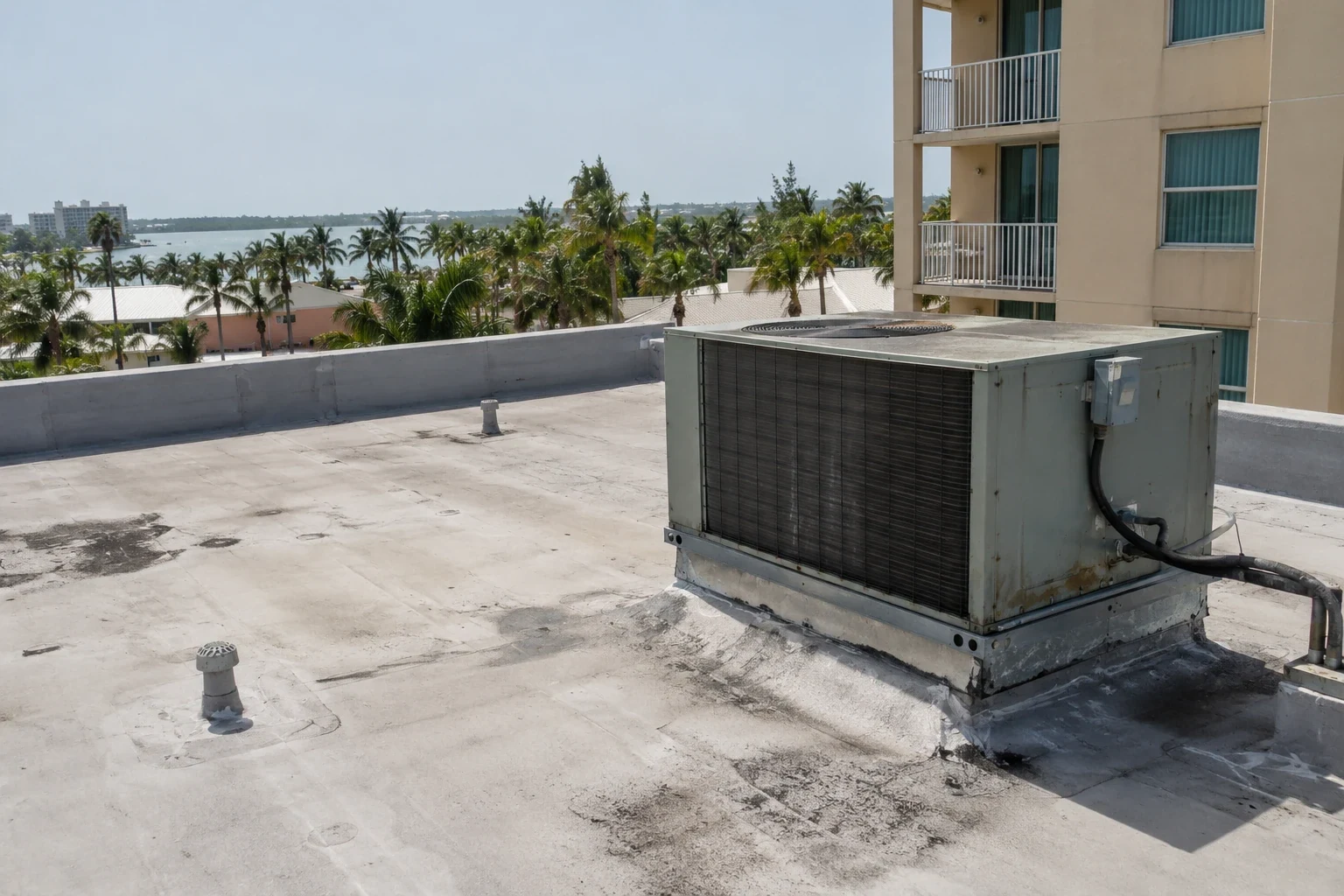
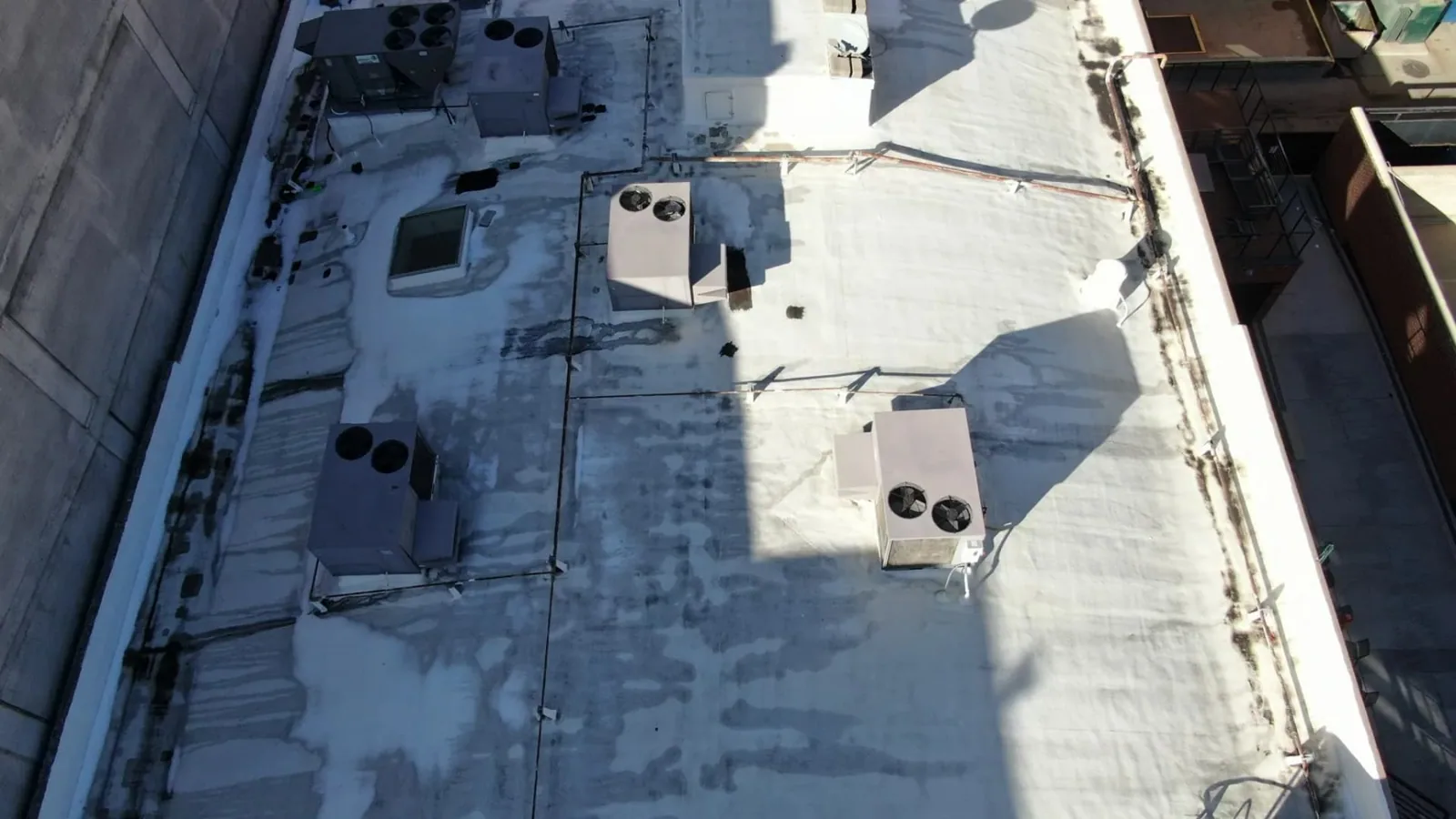
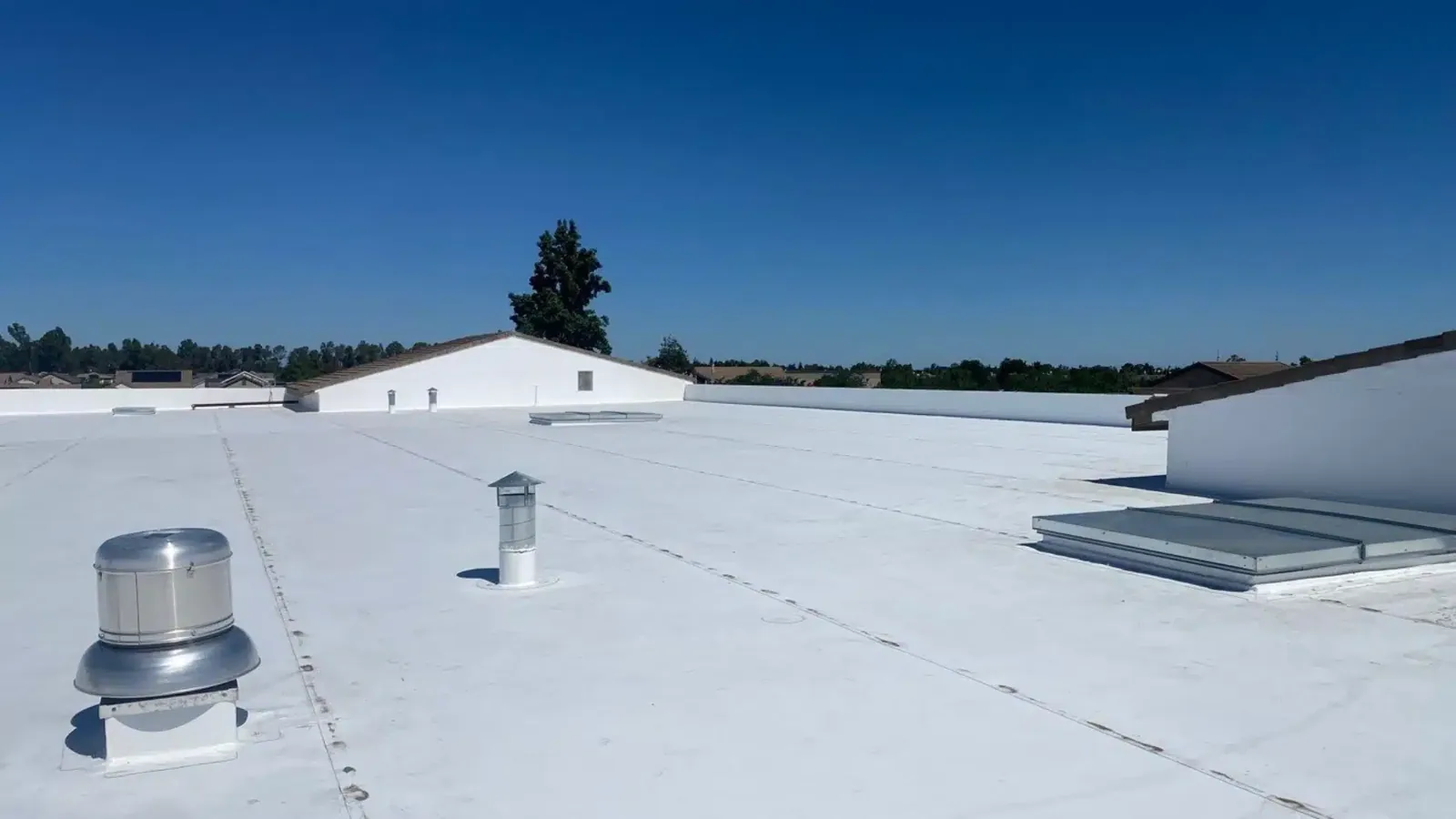
Inspect membrane seams, drain bowls, scuppers, parapet terminations, window-adjacent roof transitions, and equipment curbs near the reported unit. Water can move through insulation or along a deck before it reaches the visible stain. We photograph the entry candidates and compare them with interior moisture evidence. A roof opening is confirmed only when field conditions support it; the nearest detail is not automatically the source.
Balconies, canopies, and low roof areas meet the main roof at transitions that need deliberate flashing. A failed corner or open termination can direct water behind a wall finish. We check how the membrane rises at the wall, how metal coping covers the top, and whether sealant has been used in place of a complete detail. Where a flashing failure is confirmed, the repair must connect to sound material and shed water away from the wall.
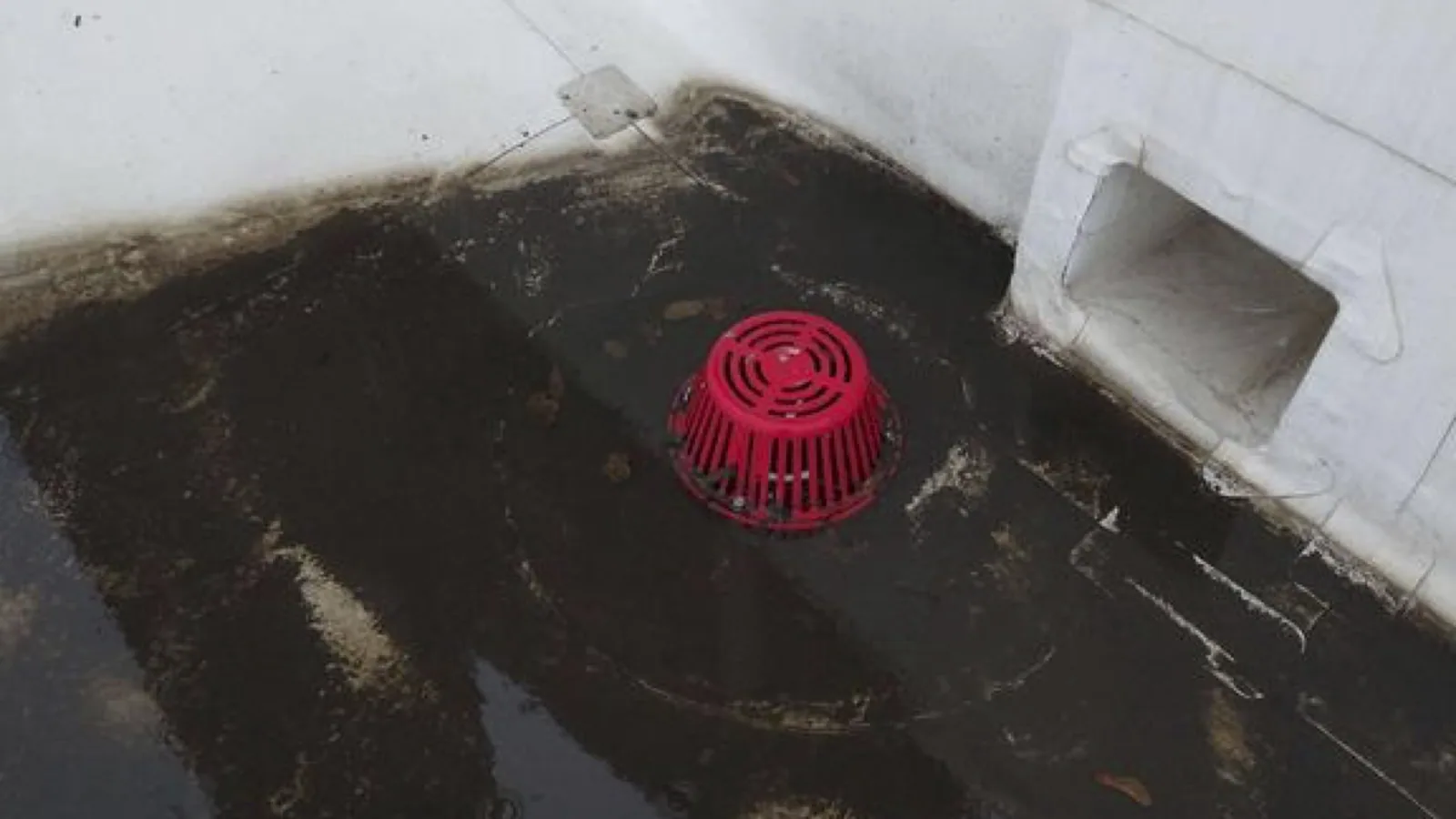
Drainage controls how long water remains on a low-slope roof. Check for blocked strainers, loose bowl connections, damaged scuppers, and debris that collects at low points. We clear accessible blockage within scope and inspect the adjoining membrane for damage. Ponding that remains after an outlet is clear can indicate a depression or drainage design issue requiring a separate plan. The drain work is documented by location so building maintenance can verify which outlets were serviced.
Trace water at walls, drains, and penetrations
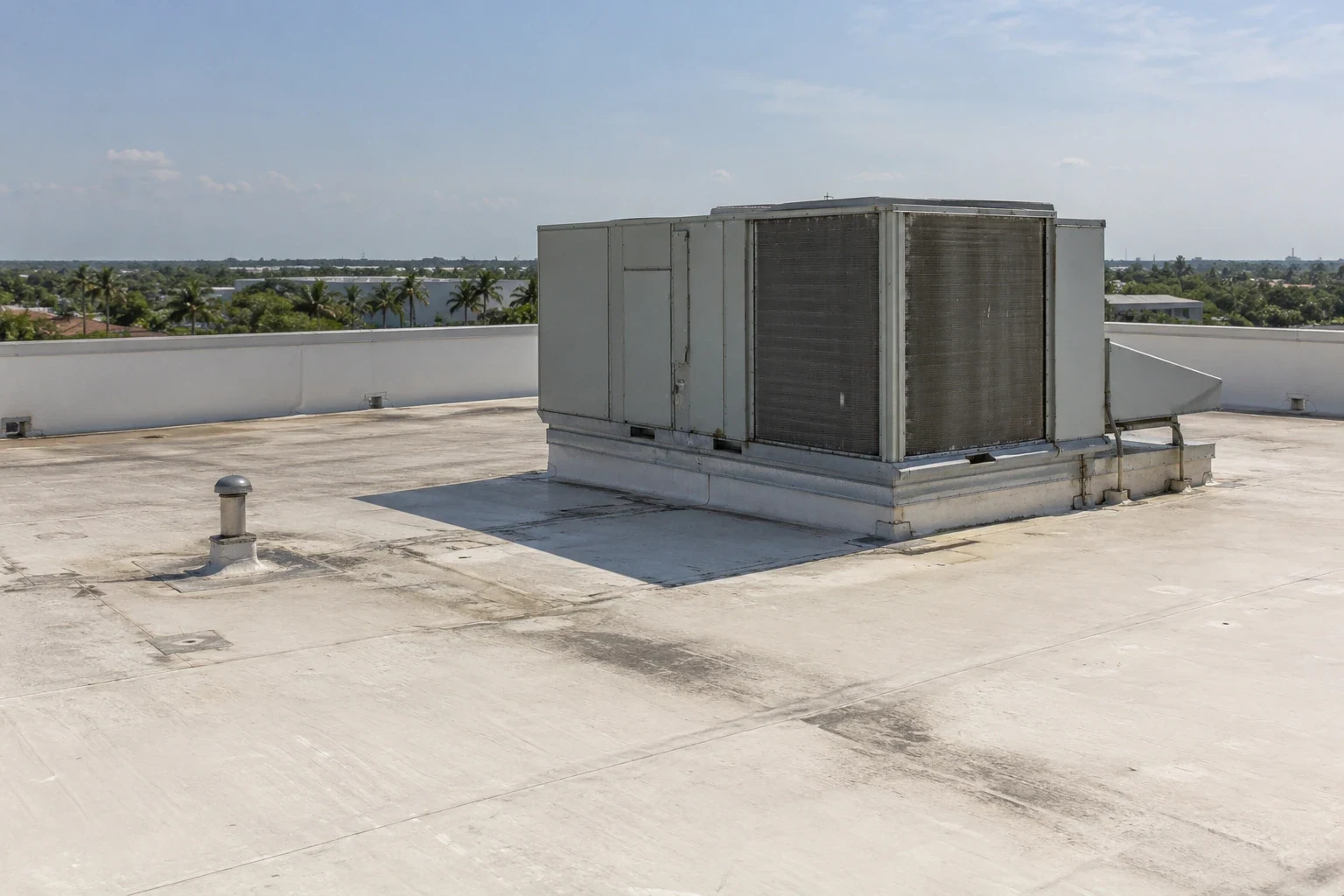
Before roof work, the property manager identifies occupied units, quiet-hour limits, access gates, pets, and common areas beneath the repair. A ladder or lift placement may affect parking or a walkway even when the roof is easy to reach. We confirm the work boundary, staging location, and expected noise or odor before mobilizing. If interior access is needed, schedule entry with the resident and explain what the inspection requires.
When water is active, protect contents and limit exposure while the roof can be inspected safely. A temporary cover or interior collection measure has a defined purpose and duration; it does not replace a permanent repair. We keep the manager informed if weather or wet materials change the sequence. Emergency response is available around the clock when an active roof leak requires immediate attention.
Victoria’s heat can constrain roof work, especially when the exposed surface is hot and materials have temperature limits. The city’s recorded July normal high is 94 degrees, with a record high of 110 degrees. We set the work window with heat, forecast, and product conditions in view. After hail or strong wind, inspect membrane surfaces, metal edges, parapets, equipment attachments, and penetrations for fresh movement or impact before closing a tenant report.
Keep residents informed while crews work
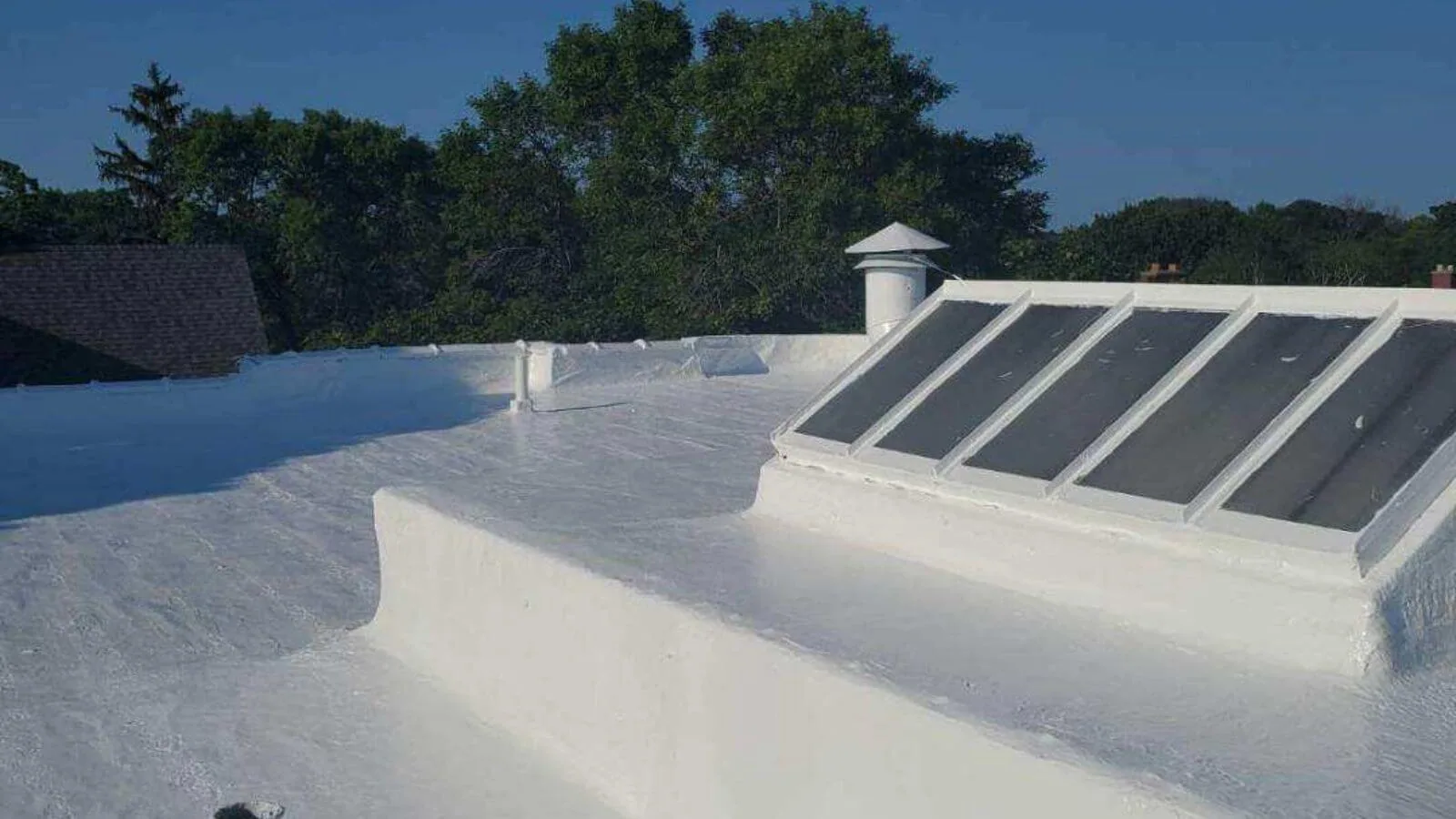
A repair needs a sound substrate and a defined tie-in. We remove loose or damaged material, check whether insulation is wet, and prepare the surface required by the installed roof system. A heat-welded TPO membrane has a different seam repair than an adhered EPDM assembly. The field condition decides which materials and preparation steps belong in the scope.
A patch may resolve one isolated opening. Repeated leaks, wide areas of wet insulation, or deteriorated transitions can call for selective tear-out or replacement. We mark the confirmed boundary and explain what remains uncertain, including any area that cannot be inspected until equipment moves or a ceiling access point is opened. The manager receives options with the building impacts stated: access, unit protection, duration, and follow-up checks.
Cost reflects roof height, number of sections, access equipment, interior protection, material removal, and how many transitions need correction. In a phased property, coordinating work across buildings may reduce repeated mobilization, but only when the roofs and schedules align. The right scope is based on each roof’s condition. Office building roofing may also involve occupied spaces and multiple tenants, though apartment notice and resident access rules shape this work differently.
Choose a fix that holds across the roof assembly
At completion, take photographs that show the repaired area, nearby drain or wall details, and the finished transition. The manager receives a note of material installed, affected units, any temporary protection removed, and any unresolved condition. Store that record with the roof plan and work order. If a tenant reports a new stain later, staff can compare its location with the section already inspected.
Victoria’s Downtown Business District has a concentration of older commercial properties and active storefronts, while north Navarro Street is an established retail area. Those districts show the city’s range of building uses, not the age or condition of a specific apartment property. An apartment building in the Downtown Victoria Business District still needs a property-specific roof inspection; the district context does not establish its roof condition.
Send the building address, unit report, roof access instructions, prior repairs, and a contact for resident notices when requesting service. We inspect the roof section, trace relevant drainage and flashing paths, and provide a written scope with photographs. A property manager can then decide whether to authorize a localized repair, further testing, or a larger capital project.
Keep unit reports tied to completed roof work
Related Roofing Work
Frequently Asked Questions
Can a roof leak travel into a unit next door?
Yes. Water can move through insulation, deck flutes, or framing before it becomes visible, so an interior stain does not define the roof opening. We compare unit reports with roof details and document the confirmed path.
How much notice do residents need before roof work?
The property manager sets resident notices and access rules. We provide the affected building, roof section, expected work window, and any noise or access issue so notices can be specific.
Will every apartment building need the same repair?
No. Each building may have a different membrane, drain layout, or repair history. We inspect and label the sections separately before extending a repair detail or maintenance plan across the property.
What happens when water is still entering during a storm?
We respond to active leaks at any hour, assess safe access, and use temporary protection when it can limit exposure. Once conditions permit, we inspect the assembly and document the permanent repair separately.
Share the building and unit, leak location, roof records, access instructions, and resident notice window. We will inspect drains, seams, wall transitions, and penetrations, then return photographs and a defined repair scope for the manager.
Call 555-555-5555 or email [email protected].