
Hotel Roofing in Victoria, TX
Property Types We Roof · Victoria, TX
Hotel roofing in Victoria protects guest rooms, meeting spaces, kitchens, and rooftop equipment with work planned around occupancy and access.
Next step
Request a Roof Assessment
Call
555-555-5555
A leak above a guest room can affect more than one reservation if water travels through the roof deck before it reaches the ceiling. Hotel roofing in Victoria calls for a building map, a room-level report, and a work sequence that respects occupancy. Rooftop units, kitchen exhaust, drains, and parapets each create a different inspection point. We locate the roof section tied to the report, coordinate access with hotel operations, and keep the repair record clear enough for the next shift to use.
Hotel Roofing
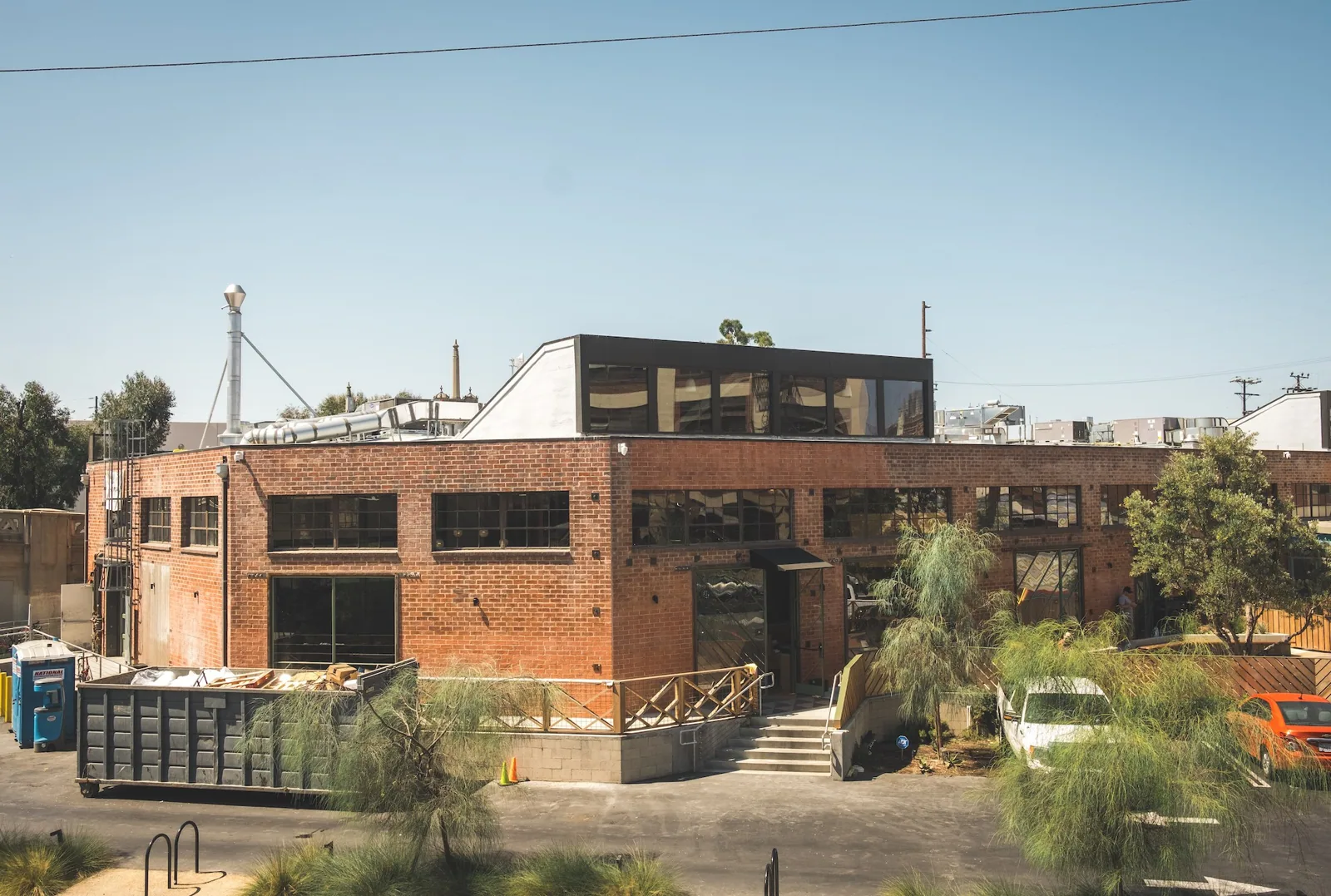
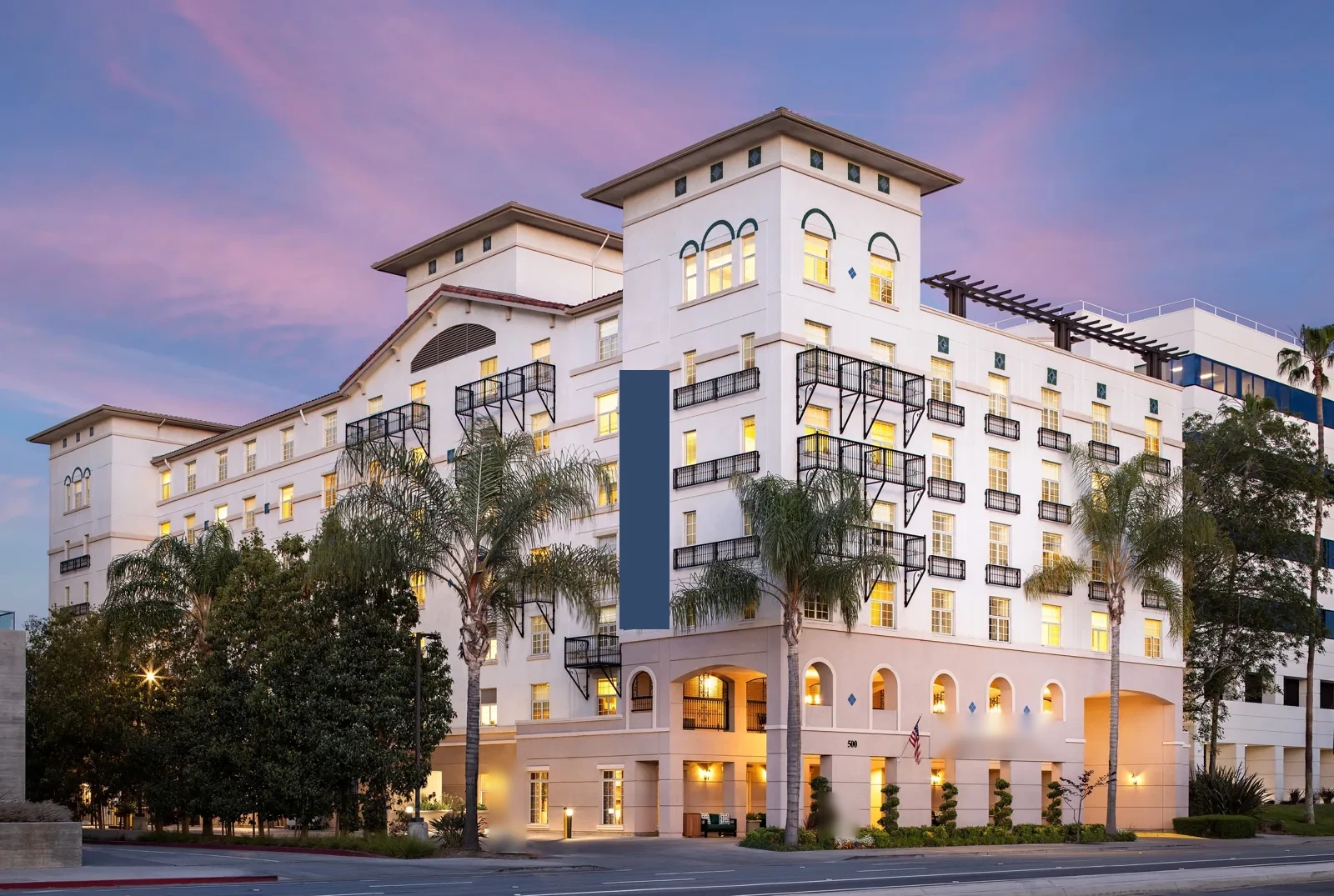
Record the room number or interior area, the time the leak appeared, and whether water has returned. The mark on a guest-room ceiling may be several feet from the roof opening. We compare the building plan with drains, HVAC curbs, plumbing vents, skylights, roof joints, and changes in elevation. A labeled plan reduces guesswork when maintenance staff report a second stain or when the property has several connected roof sections.
Hotels often combine guest rooms with meeting rooms, kitchens, laundry, offices, and service corridors. These uses do not share the same protection requirements. Before opening a roof, we coordinate where guests may pass, which rooms should be protected or temporarily held, and how staff will communicate a changing work boundary. A commercial roof inspection records conditions by area and gives facilities staff photographs to match with future work orders.
Victoria serves as a regional employment center with highway connections and airport activity. The Victoria Regional Airport Business Area includes commercial and industrial development sites as well as freight service and commercial flights. Those market connections help frame the types of visitors and operations in the area, but they do not establish the condition, design, or occupancy of any hotel roof.
Connect guest reports to roof sections
Interior protection starts with the location below active work. Cover furnishings, electronics, and finished surfaces where the scope may disturb the roof assembly. Keep guest routes and egress clear, and set a contact who can direct staff if the work area shifts. For a meeting room or ballroom, verify the event schedule before placing equipment or closing an entrance. The hotel decides what must remain open; our work plan names the roof section and the corresponding area below.
Noise and odor can affect room assignments even when the roof itself is accessible. The materials and repair method determine whether a brief interruption or a longer restriction is needed. We state those conditions before work begins, protect air intakes where appropriate, and keep removed material contained. If active water entry requires an emergency visit, we first limit exposure where safe, then define the permanent repair after the assembly can be inspected.
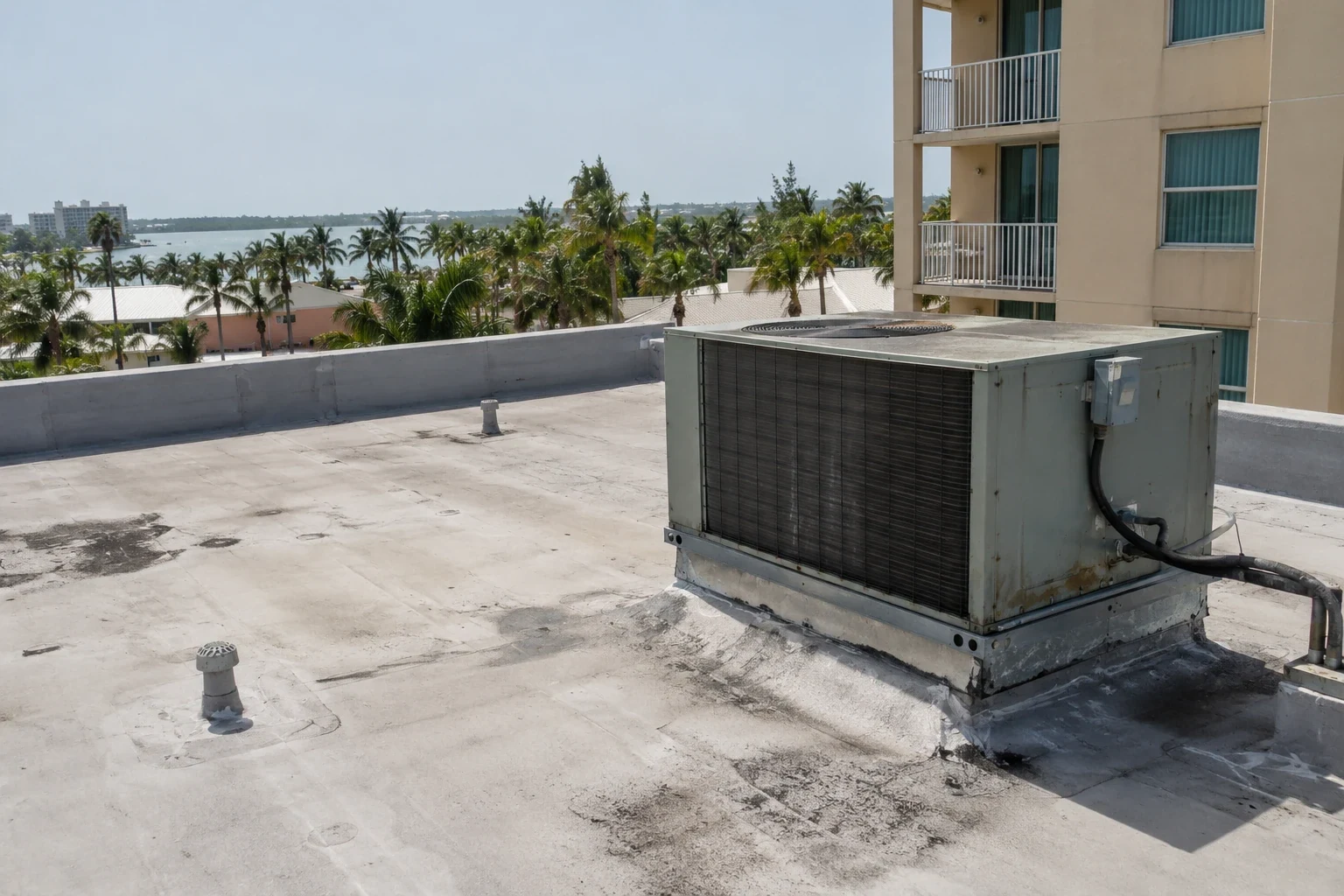
Hotel kitchens and laundry rooms have equipment routes that may cross service areas. If a roof curb or exhaust base sits above those rooms, coordinate unit shutdowns with the operator and identify any sensitive equipment. A restaurant roof also needs kitchen coordination, though hotel work can involve guestroom and conference schedules across more of the building.
Protect occupied rooms and shared spaces
At each roof section, inspect the membrane laps, seams, perimeter metal, drain bowls, scuppers, and flashing corners. Pay close attention where parapet walls meet the roof, where the membrane terminates at a curb, and where piping or conduit crosses the field. Water can travel below the surface before becoming visible indoors, so the first wet room does not define the full repair boundary. Photographs should include a nearby reference, not only a tight detail.
Victoria’s summer heat places repeated stress on exposed roof materials and shortens the comfortable window for rooftop work. Hail and damaging wind can affect metal edges, equipment supports, and membrane surfaces. After weather exposure, check whether fasteners have loosened, flashing has lifted, or an impact has cut the membrane. NOAA’s account of Hurricane Harvey describes regional tropical wind and heavy-rain exposure near Victoria; use that regional context to guide inspection priorities without attributing damage to an individual property.
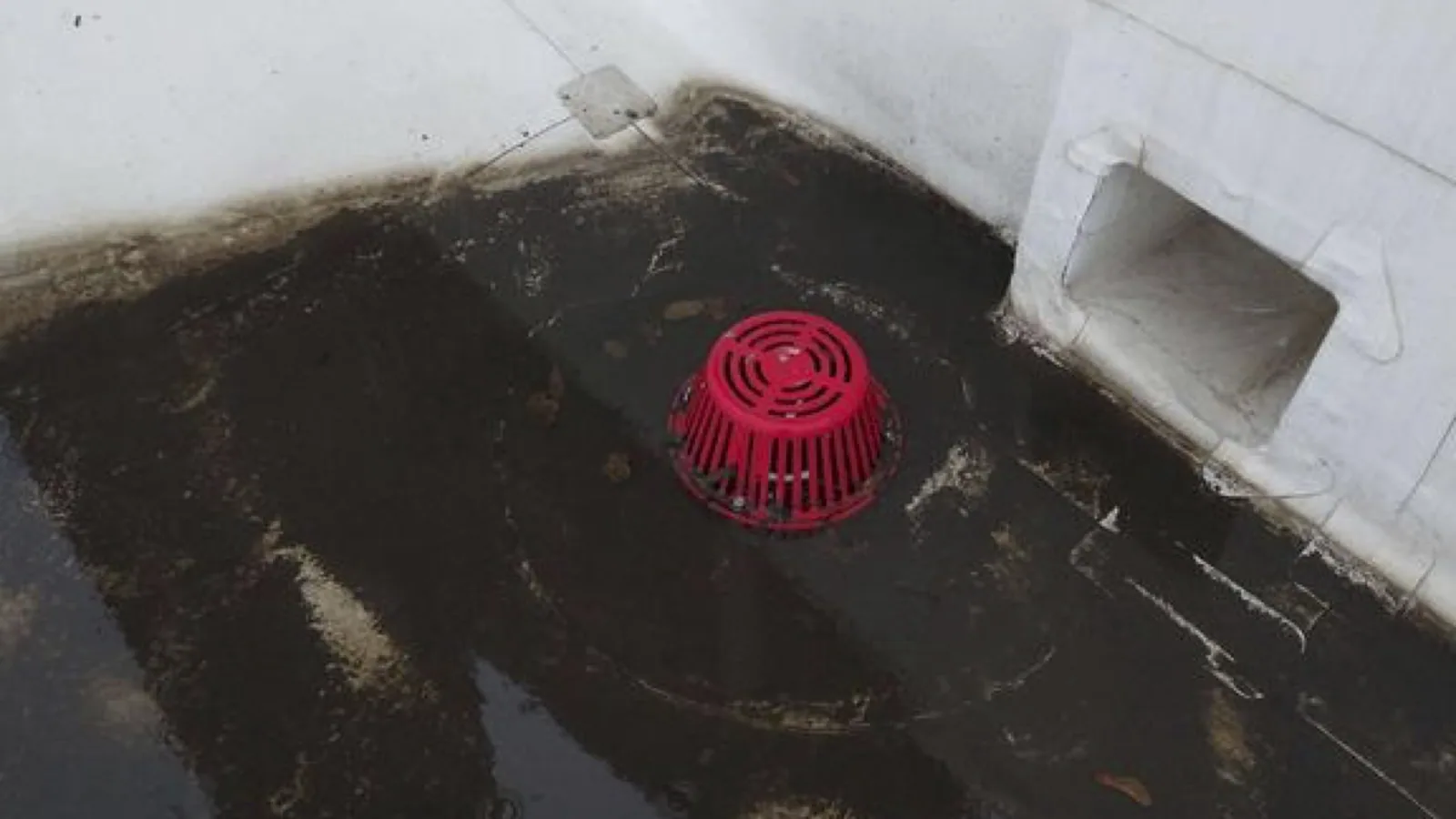
Blocked drainage can keep water on the roof after a storm. We inspect whether debris, a clogged bowl, a restricted scupper, or a low section is slowing discharge. Clearing an outlet is useful only when the connection and surrounding roof details are also sound. The drain and scupper work should address the observed obstruction or failed tie-in and leave facilities staff a location-specific record.
Inspect drains, curbs, and roof transitions
A localized seam or flashing repair can be appropriate when surrounding membrane and insulation remain stable. We remove unsound material, prepare a clean substrate, and tie the repair into the installed system. If moisture extends beyond a visible area or repeated repairs cover multiple sections, testing may help define a broader scope. We explain what has been confirmed, what needs access or testing, and which options follow from those findings.
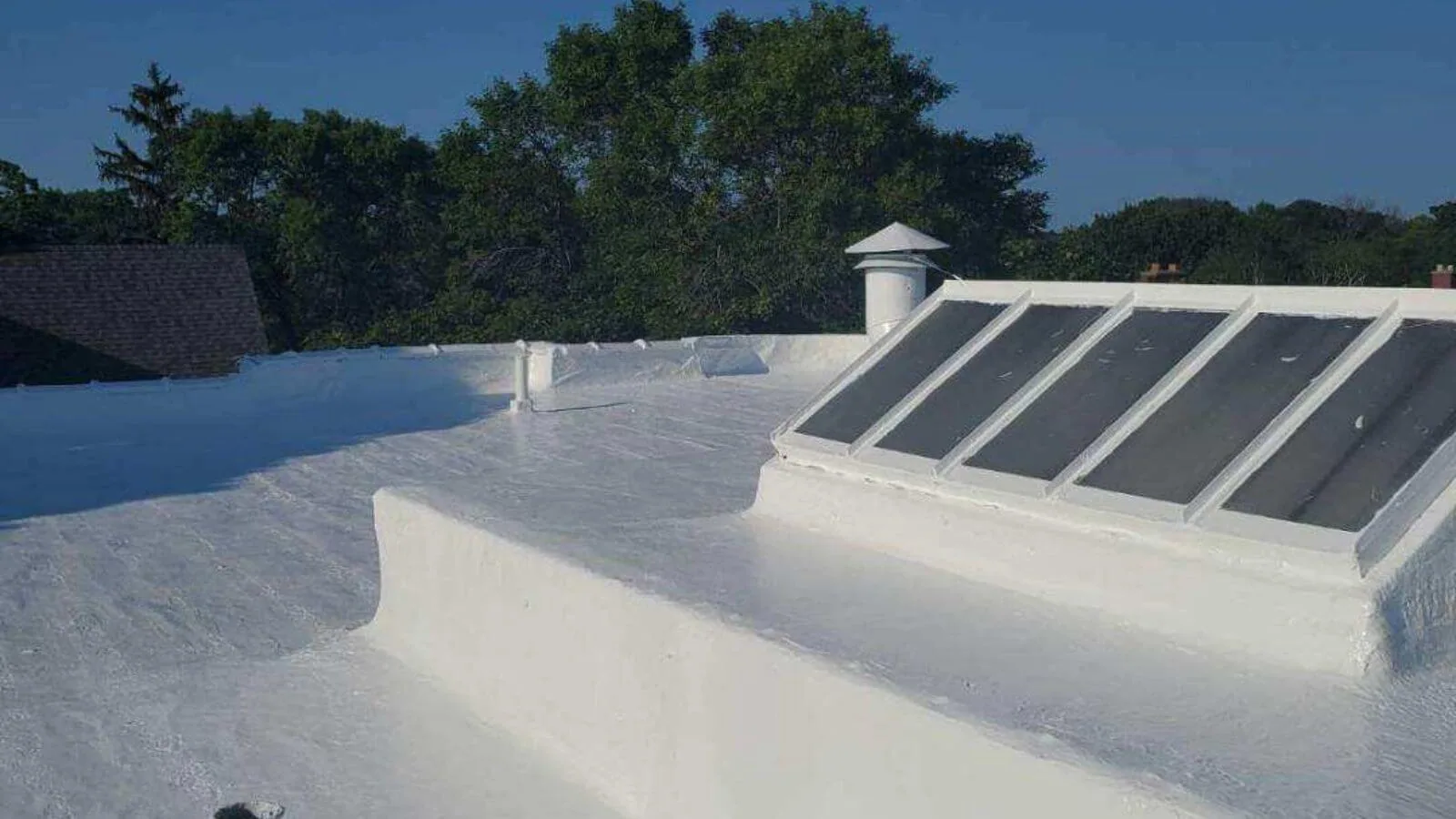
Replacement decisions depend on the roof assembly, the number and condition of penetrations, moisture below the membrane, and the disruption required to reach active areas. The cost also reflects staging, height, material removal, disposal, and any equipment that needs temporary isolation. If a coating is being considered, the surface must be compatible and suitable for restoration. Coating over wet insulation or moving flashing will not correct the underlying failure.
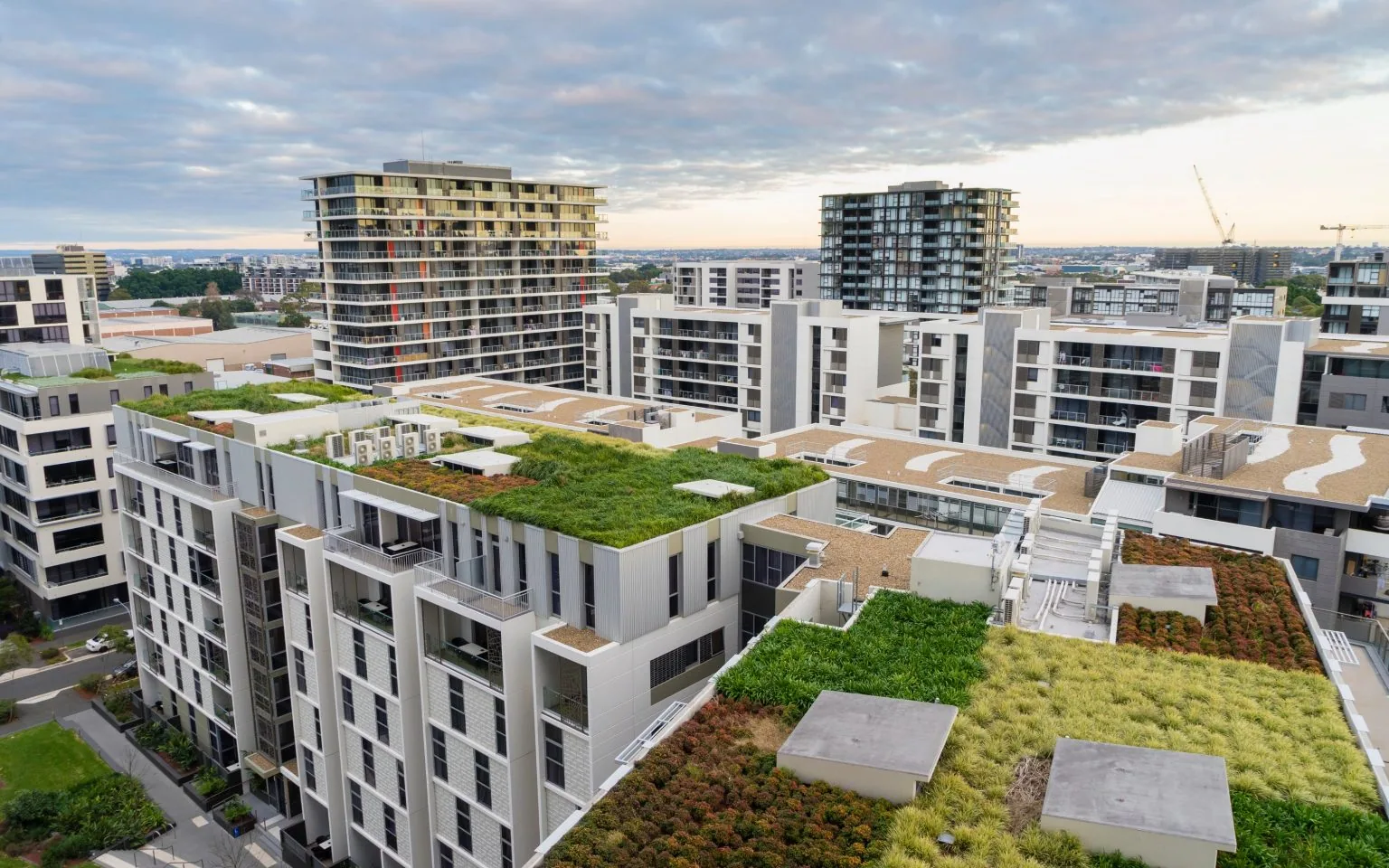
Hotels may have additions built in different phases, so one wing can use a different membrane or drainage layout from another. We inspect each section and identify transitions before carrying a repair detail across the property. A multifamily roof also serves occupied rooms, but its access and shared-space rules may differ from a hotel with front-desk and event operations. Maintenance intervals should follow the actual roof records and observed condition.
Set a repair boundary the hotel can manage
Before reopening the work area, confirm that tools, debris, temporary protection, and access equipment are clear. Share photographs of the finished tie-in, the adjoining roof details, and any conditions left outside the repair scope. The property contact needs to know whether a room can return to service, whether a follow-up check is scheduled, and what to monitor after the next rain.
Victoria’s north Navarro corridor includes a mix of retail uses and connections to other commercial areas. Hotels near shopping or dining may share parking or drive aisles, while another property may have a separate loading route. We confirm the hotel’s own truck path, roof access point, and staging area. A map of the broader North Navarro Street retail corridor is context for the market, not a substitute for a building walk.
For a service request, share the address, affected rooms or common areas, roof records, recent weather concerns, and available access windows. We will inspect the roof section and the details most likely to connect with the report, then provide a documented scope and photographs. Emergency service remains available at any hour when active water entry needs immediate attention.
Leave operations a usable closeout
Related Roofing Work
Frequently Asked Questions
Can hotel roof repairs happen while guests are in the building?
Many repairs can be scheduled around occupied areas, but the method and location set the limits. We coordinate noise, access, interior protection, and any room restriction with hotel operations before work begins.
How do you keep a guest-room leak from being mislocated?
We match the room report to roof plans, photographs, drains, curbs, and seams. Water may move inside the assembly, so the ceiling mark is a starting point rather than the confirmed roof opening.
What if one hotel wing has a different roof system?
Each section gets its own inspection and repair detail. Additions can have different membranes or drainage paths, so we record the transition instead of assuming one repair method fits the full property.
Which details matter after a tropical storm?
Check metal edges, penetrations, equipment attachments, seams, and drainage after the roof is safe to access. We document visible impact or movement and distinguish new damage from existing wear.
Share the affected rooms, roof plans, equipment concerns, and guest or event schedule. We will inspect the roof details tied to the report, coordinate protection and access, and provide photographs with the proposed repair boundary.
Call 555-555-5555 or email [email protected].