
Self-Storage Roofing in Victoria, TX
Property Types We Roof · Victoria, TX
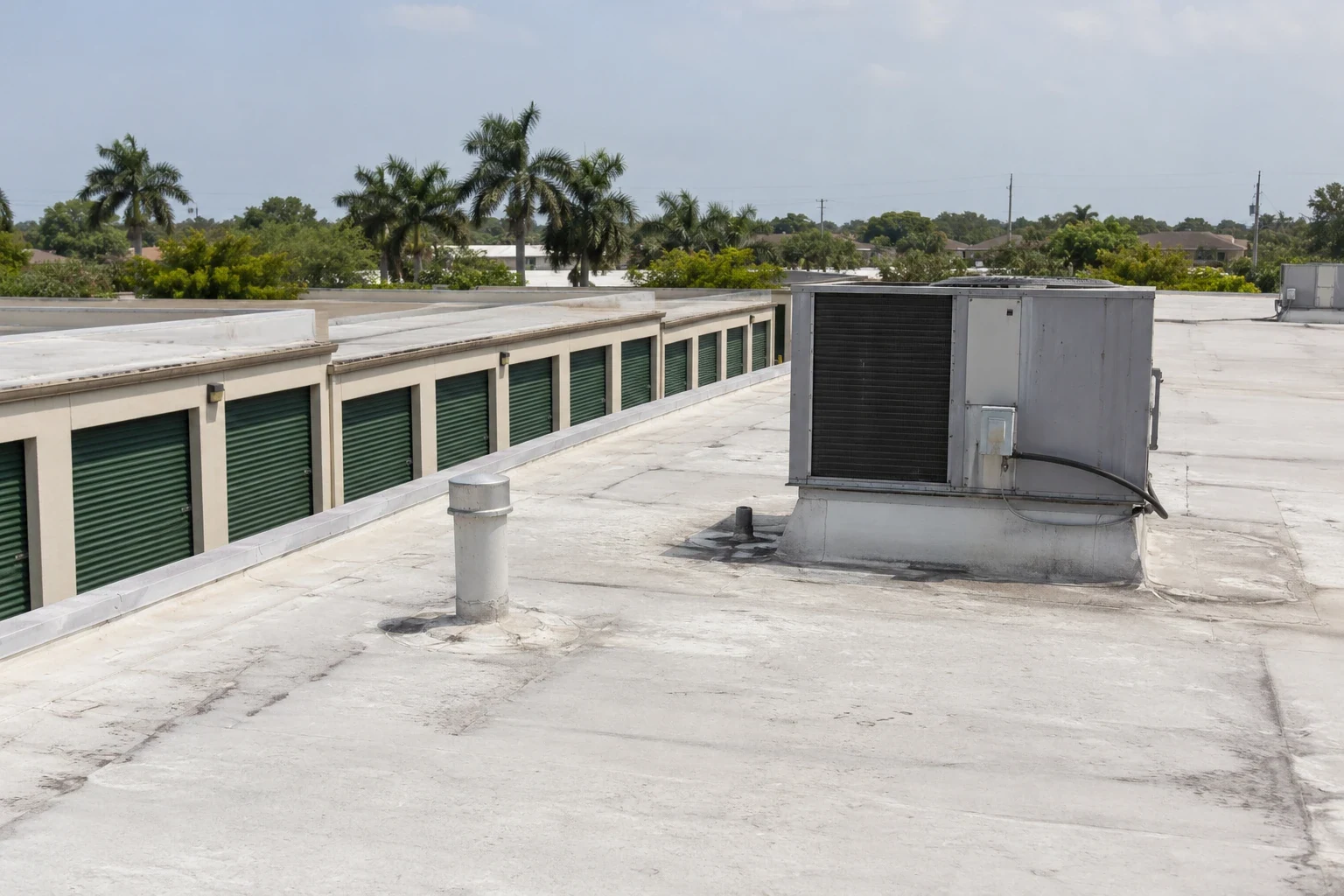
Self-storage roofing in Victoria protects unit rows, office space, and drive aisles with roof repairs planned around tenant access and stored property.
Next step
Request a Roof Assessment
Call
555-555-5555
A ceiling stain above a storage unit can put a tenant’s belongings at risk before the roof opening is located. Self-storage roofing in Victoria needs a unit map, a roof-section plan, and access that keeps drive aisles usable. Long rows, office areas, covered loading, and rooftop equipment create different inspection needs. We trace the report to the roof detail, protect affected contents where authorized, and document the repair boundary by building and unit range.
Self-Storage Roofing
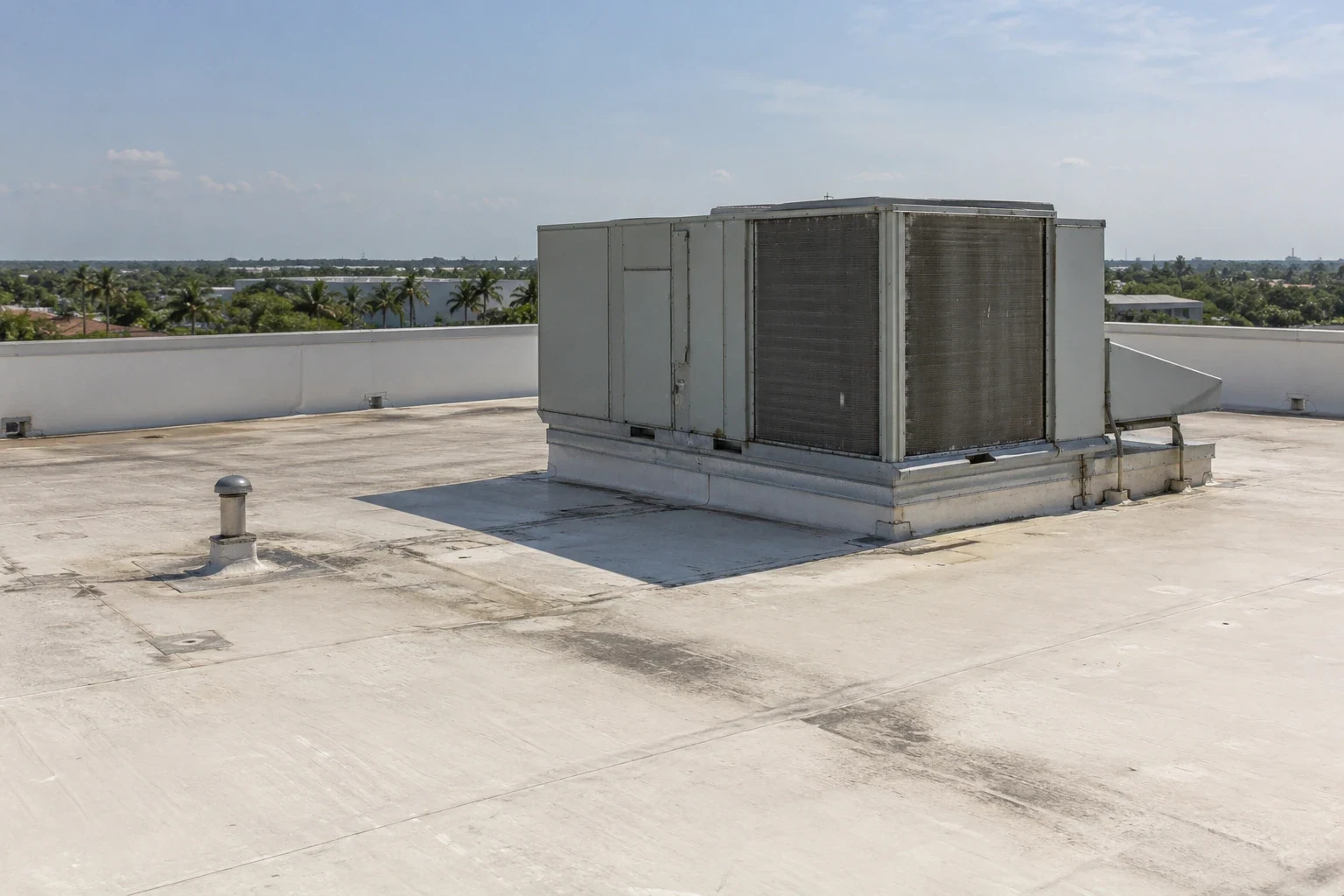
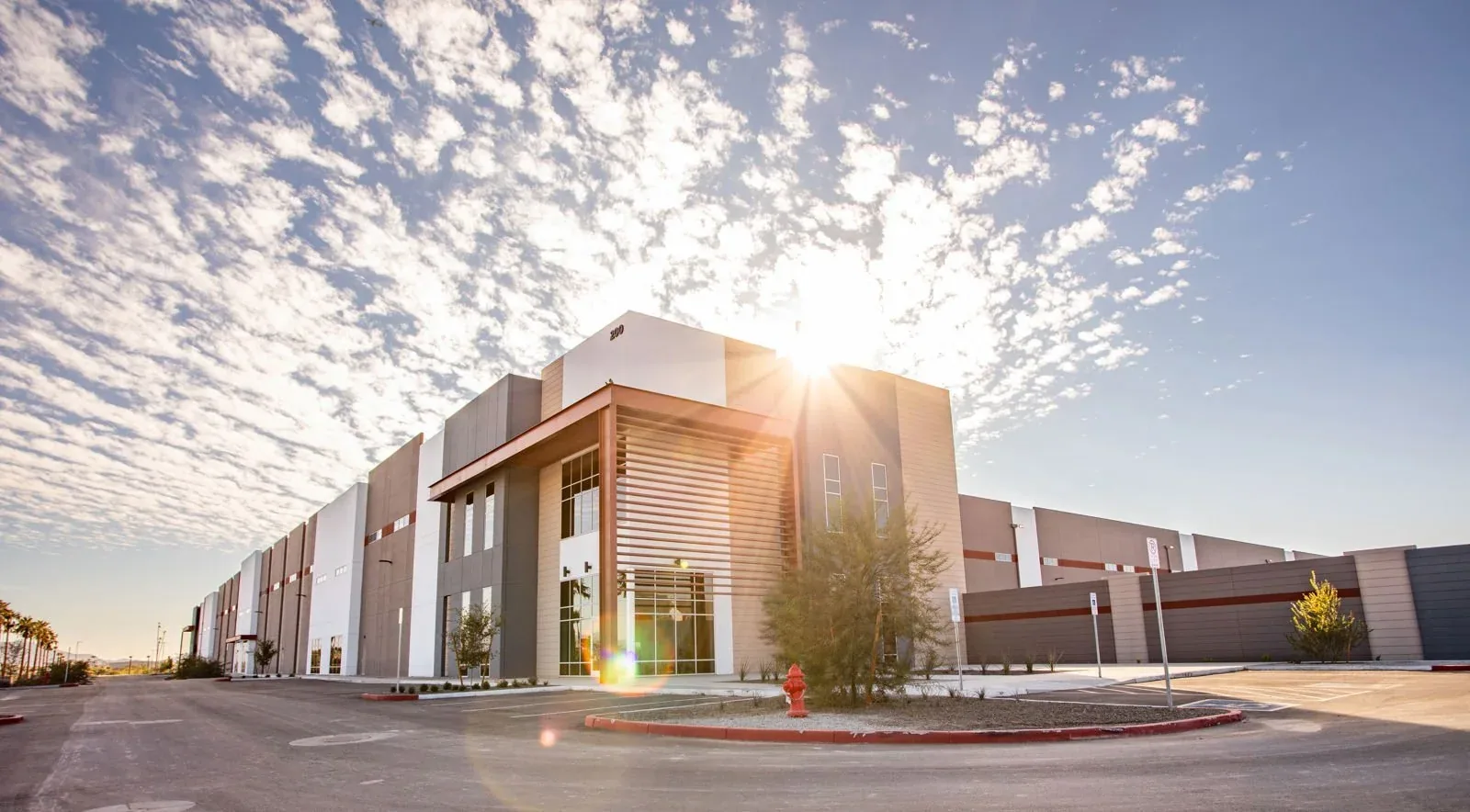
Record the building, unit number, row, interior wall or ceiling location, and date of the report. A stain can appear away from a seam, wall transition, curb, or drain because water travels beneath the roof surface. We compare the manager’s map with roof plans and inspect the details above the affected units. A commercial roof inspection creates photographs and a clear reference for follow-up calls.
Storage properties often have repeated building forms, but their roof conditions can differ after separate repairs or equipment changes. Label each building and roof section rather than treating one inspection as proof about the full site. Identify occupied units, access gates, office hours, and fire lanes before bringing a lift or materials through the property. The manager confirms whether staff can enter a unit, whether the tenant must be notified, and how contents will be protected if interior access is required.
Victoria Regional Airport has commercial and freight activity alongside industrial and commercial development sites. Port of Victoria Industrial Park South supports cargo activity through barge, highway, and rail connections. These are distinct regional places with varied property uses; a self-storage facility’s access route, tenant traffic, and roof plan must be verified on site. The broader Victoria Regional Airport Business Area provides local market context.
Tie tenant reports to roof sections
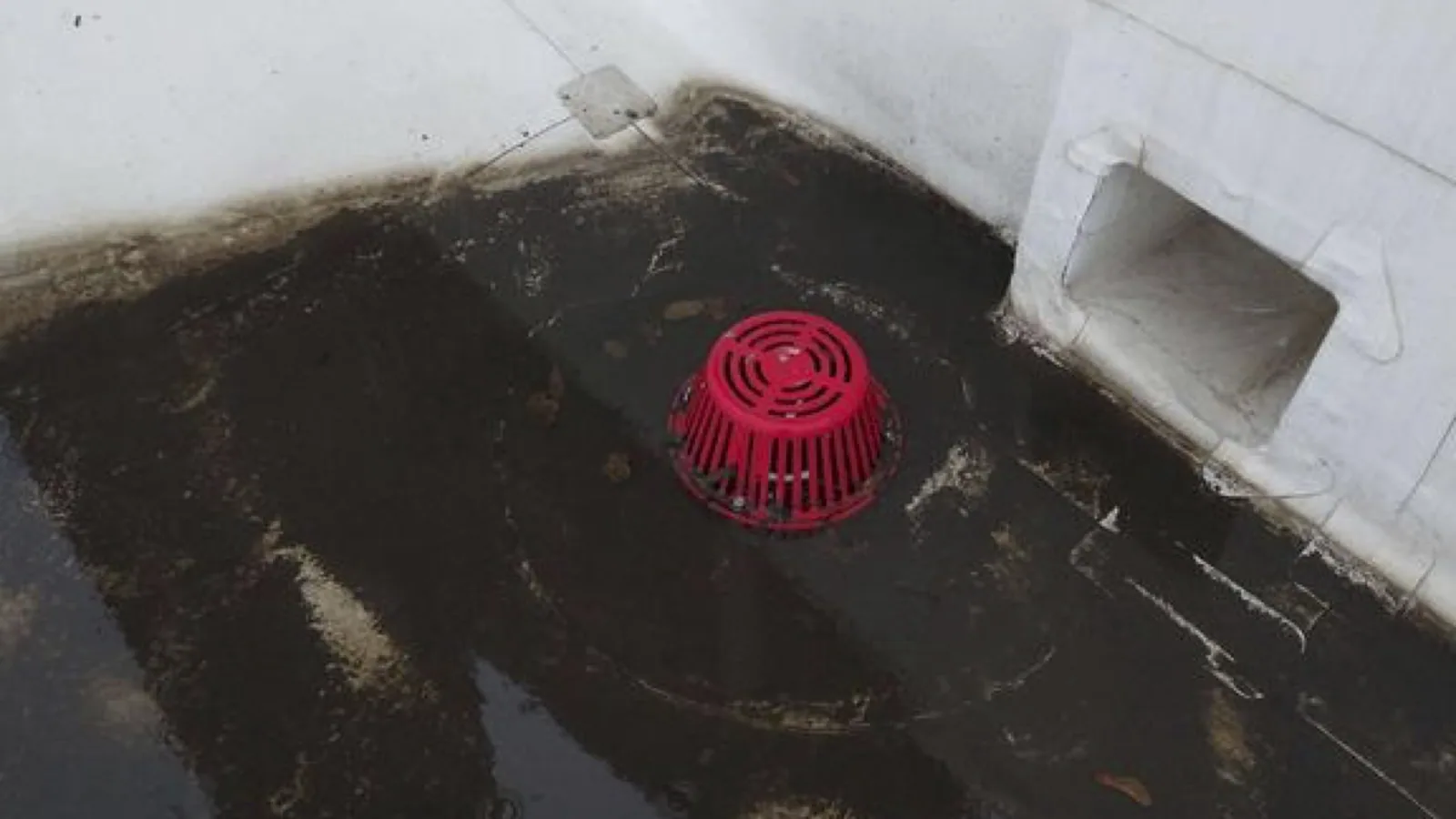
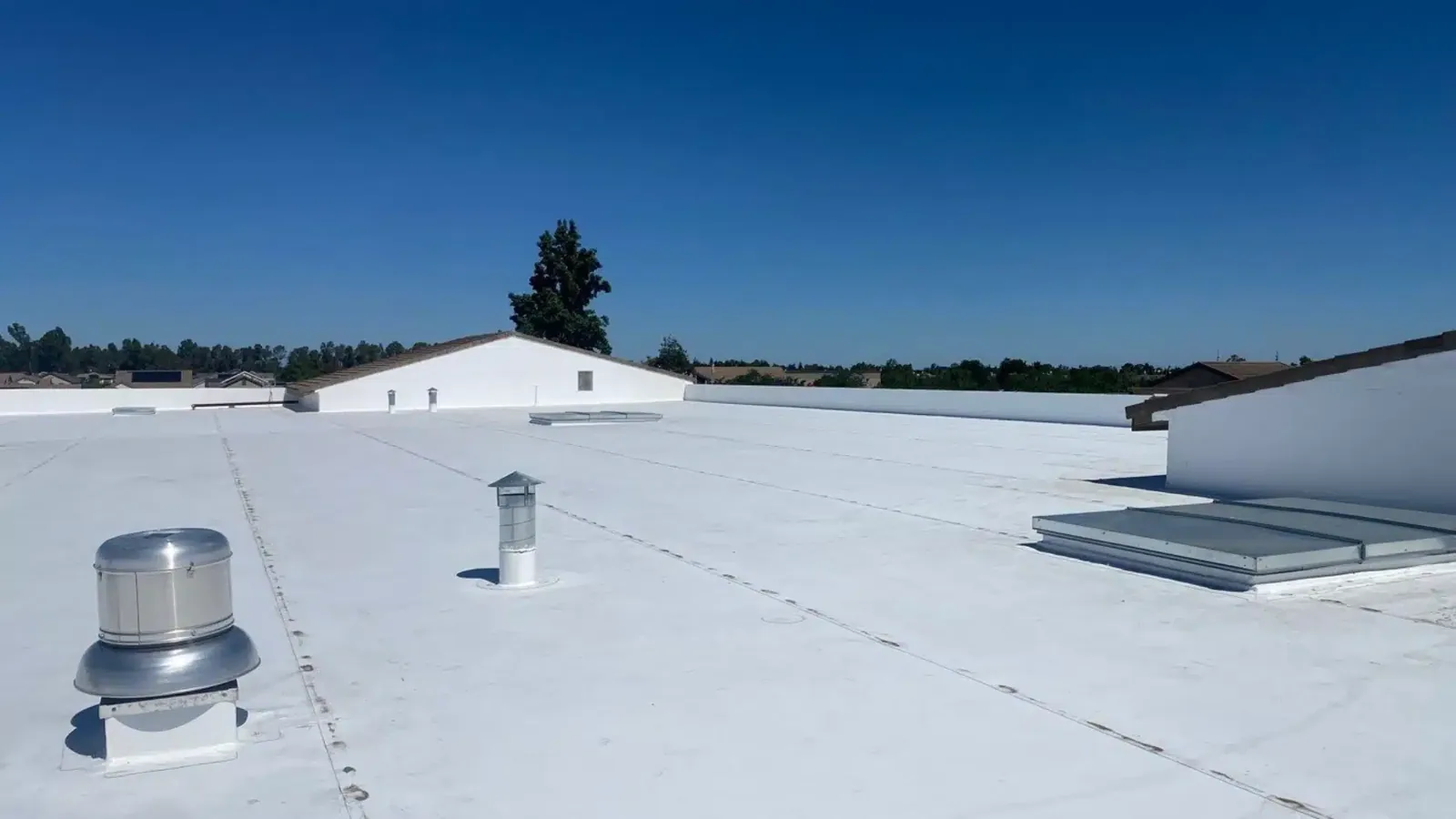
Walk each roof section for membrane seams, perimeter metal, penetrations, and the outlets that serve the building. Long roof runs can carry water toward a drain or scupper far from the unit where it appears. Check strainers, drain bowls, overflow paths, and the membrane around each connection. A drain and scupper repair should address the outlet and the surrounding roof tie-in, not just remove loose debris.
Storage facilities may have roll-up doors and exterior corridors that concentrate wind-driven rain near wall lines. Inspect the roof-to-wall transition, coping, canopies, and areas where a roof addition meets the original structure. A wet unit wall does not establish whether water entered through the roof, cladding, or an opening at the door. We compare the interior report with exterior and roof details and state what can be confirmed.
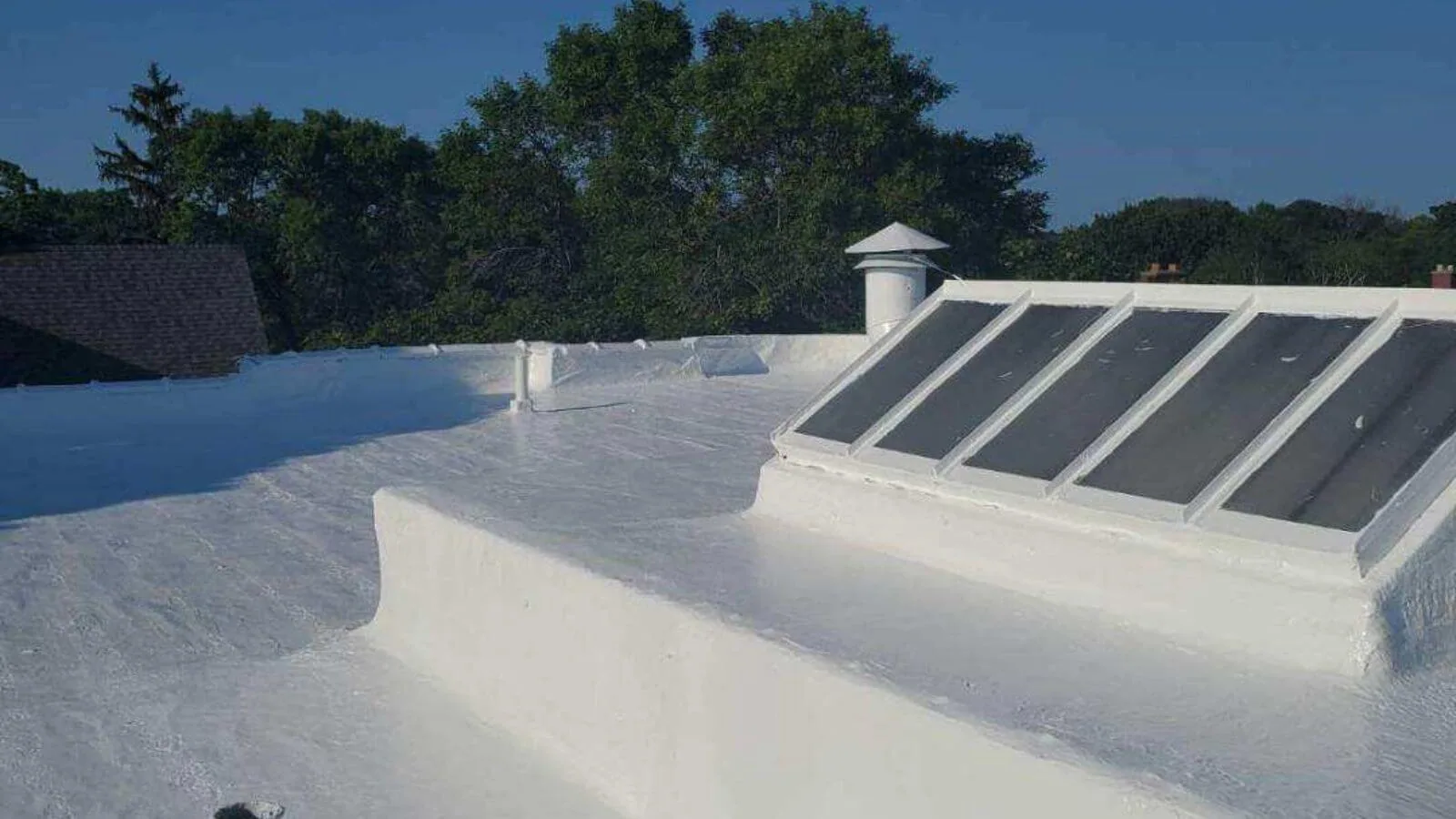
Victoria experiences hot summers and documented hail and wind exposure. A July climate report records a 94-degree normal high and a 110-degree record, while a local storm alert described large hail and wind that can stress exposed details. After a storm, inspect metal edges, skylights, equipment supports, and exposed membrane. Those regional facts guide attention but do not prove damage to an individual storage building.
Check long roof runs and drainage points
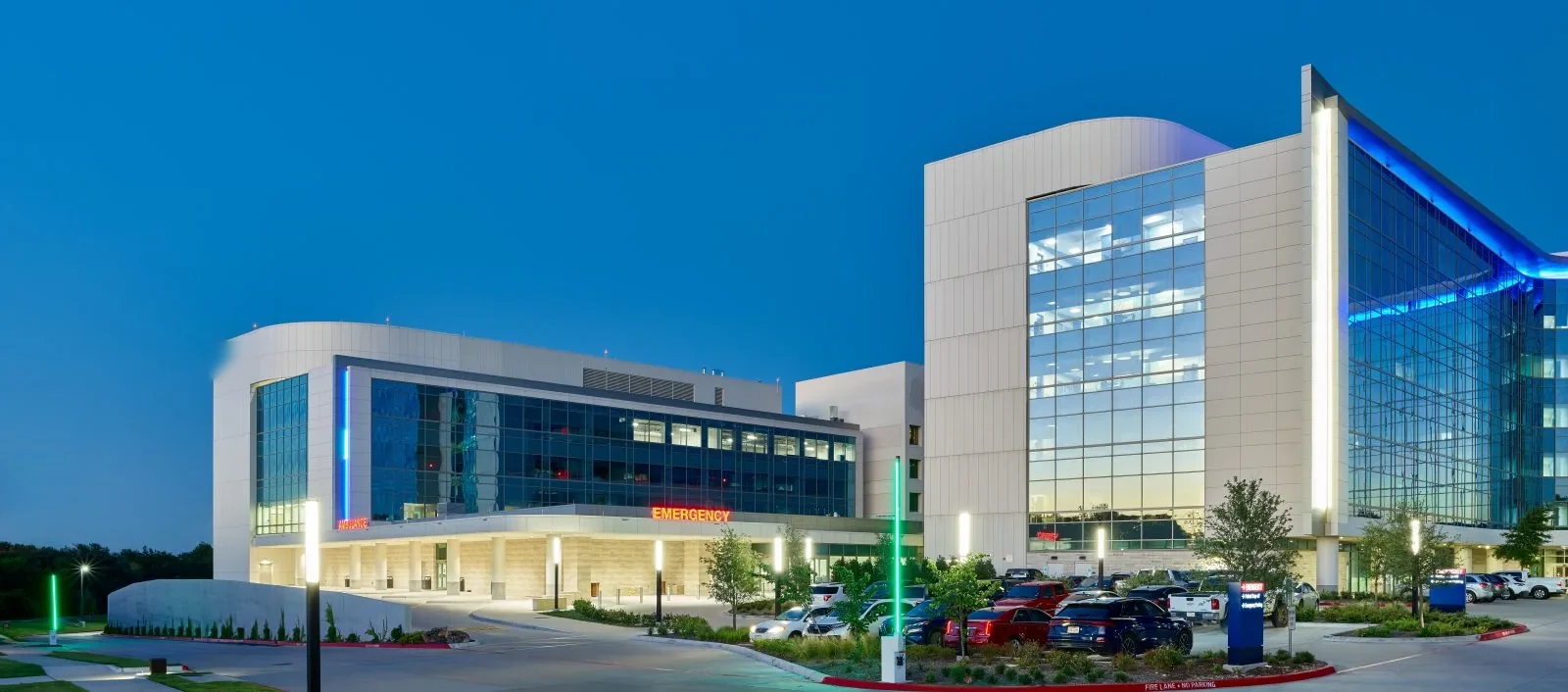
Before starting, identify where materials can be staged without blocking a drive aisle, gate, fire lane, or unit access. A lift may need a clear route around parked vehicles and tenants who are loading or unloading. We coordinate arrival times and barriers with the property manager, then keep debris and tools inside the active work area. If a tenant needs temporary access to belongings, the manager can plan a route around the repair zone.
Interior protection depends on the contents and the roof opening. The property contact tells tenants when a unit or corridor needs access, and we contain removed material while the deck is exposed. If an emergency leak is active, we can respond at any hour to assess safe access and temporary protection. The permanent repair follows when the assembly can be inspected and materials can be installed under suitable conditions.
Heat can affect the work shift and the roof material itself. We check actual surface conditions before applying adhesive, welding a seam, or placing a coating. When rain interrupts the repair, the open section must be made weather-tight before the crew leaves. The manager receives an update on which units remain affected and what protection is still active, not only a revised completion estimate.
Protect units while keeping aisles clear
A local seam or puncture repair is reasonable when the surrounding membrane and insulation are sound. We remove damaged material, prepare the substrate, and tie the repair into the installed system. A rubber roof membrane may use a taped seam, while TPO roofing uses welded sheet details. Check the existing assembly and previous patches before selecting materials.
Water in insulation, widespread seam release, rusted metal, or recurring wet units can point to a larger roof condition. We document affected sections, distinguish observed moisture from untested areas, and compare repair with selective replacement or a capital project. An infrared survey or test opening is useful when it can change the removal boundary; the method should answer a specific question.
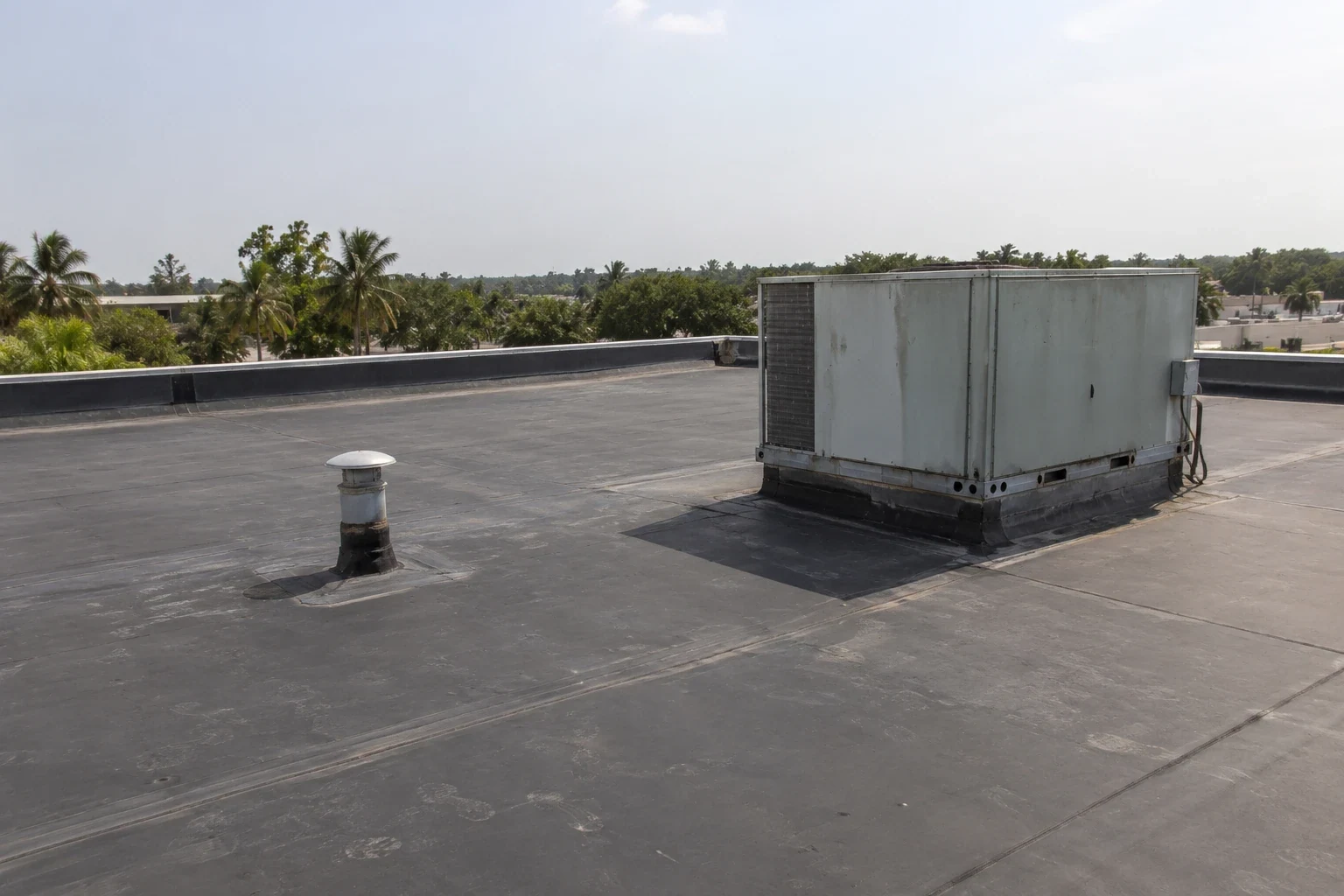
Cost and timing depend on roof height, building count, access lanes, material layers, drain work, and whether tenants or stored contents need extra protection. A warehouse roof may also have long roof spans and active loading routes, while a distribution center often has continuous dock activity. The self-storage manager controls gate access and unit notices; we shape the sequence to those actual conditions.
Choose a durable repair boundary
Closeout photographs should show the repaired seam or transition, the nearest drain or edge, and the roof section label. Record which unit row was affected, materials installed, any interior protection used, and an item that remains open. That lets staff connect a later tenant call with the right roof area instead of starting from a blank map.
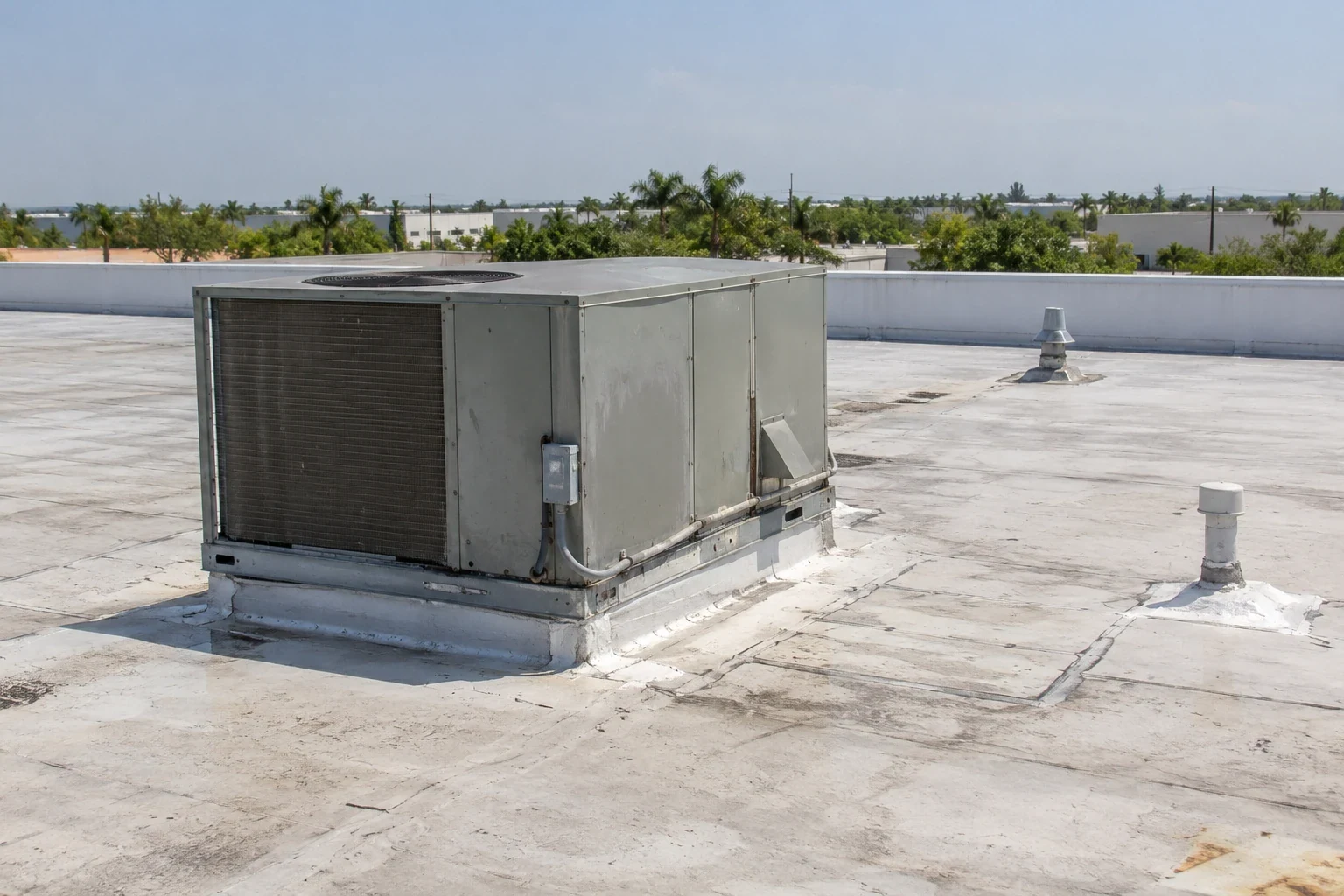
Keep roof plans, tenant-unit maps, leak dates, equipment changes, and repair photos together. A maintenance visit can revisit outlet connections, edge metal, and prior patches before storm season. When new conduit, cameras, or mechanical equipment are added, update the roof drawing and confirm who restores each penetration.
Victoria’s industrial and commercial network includes Lone Tree II Industrial Park, with truck-suitable access and manufacturing and training uses, as well as the Port industrial site and airport business area. These areas show regional variety, not the design of any nearby storage property. Provide the exact property location, unit report, access instructions, roof history, and preferred work window. We will inspect the relevant section and return a documented repair scope with photographs and any next test clearly identified.
Keep the building and unit log current
Related Roofing Work
Frequently Asked Questions
Can repairs proceed while storage tenants are moving belongings?
Yes, with a defined work zone and a clear route through the property. The manager coordinates unit access, notices, and traffic so crews can keep the active repair area separate from tenant movement.
Can a roof leak affect units that do not share a ceiling stain?
Water can move along the deck or insulation before becoming visible. We inspect the roof section and compare unit reports to find whether more than one area connects to the same opening.
What happens if rain arrives before a repair is complete?
We protect an open roof section before leaving and tell the manager which area remains under temporary protection. The permanent tie-in resumes when the surface and weather support it.
Do all buildings at a storage property have the same roof condition?
No. Different construction phases, repairs, and equipment can leave separate conditions. We label each building and roof area in the inspection record.
Send the building and unit, leak timing, roof history, gate rules, and available access window. We will inspect seams, drainage, wall transitions, and equipment details, then share photos and a repair boundary with the property manager.
Call 555-555-5555 or email [email protected].