
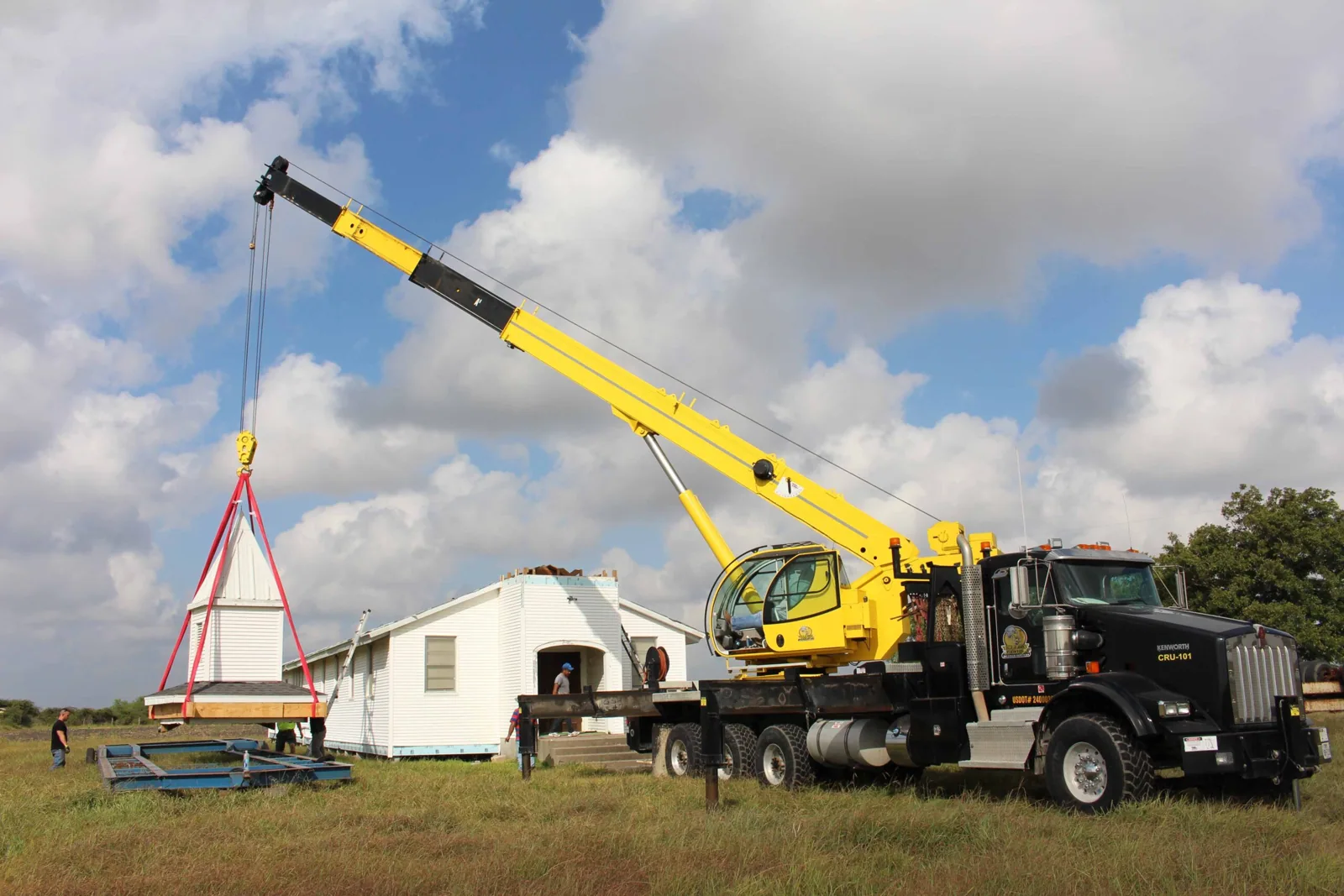
Commercial Roofing in Placedo, TX
Service Areas · Victoria, TX
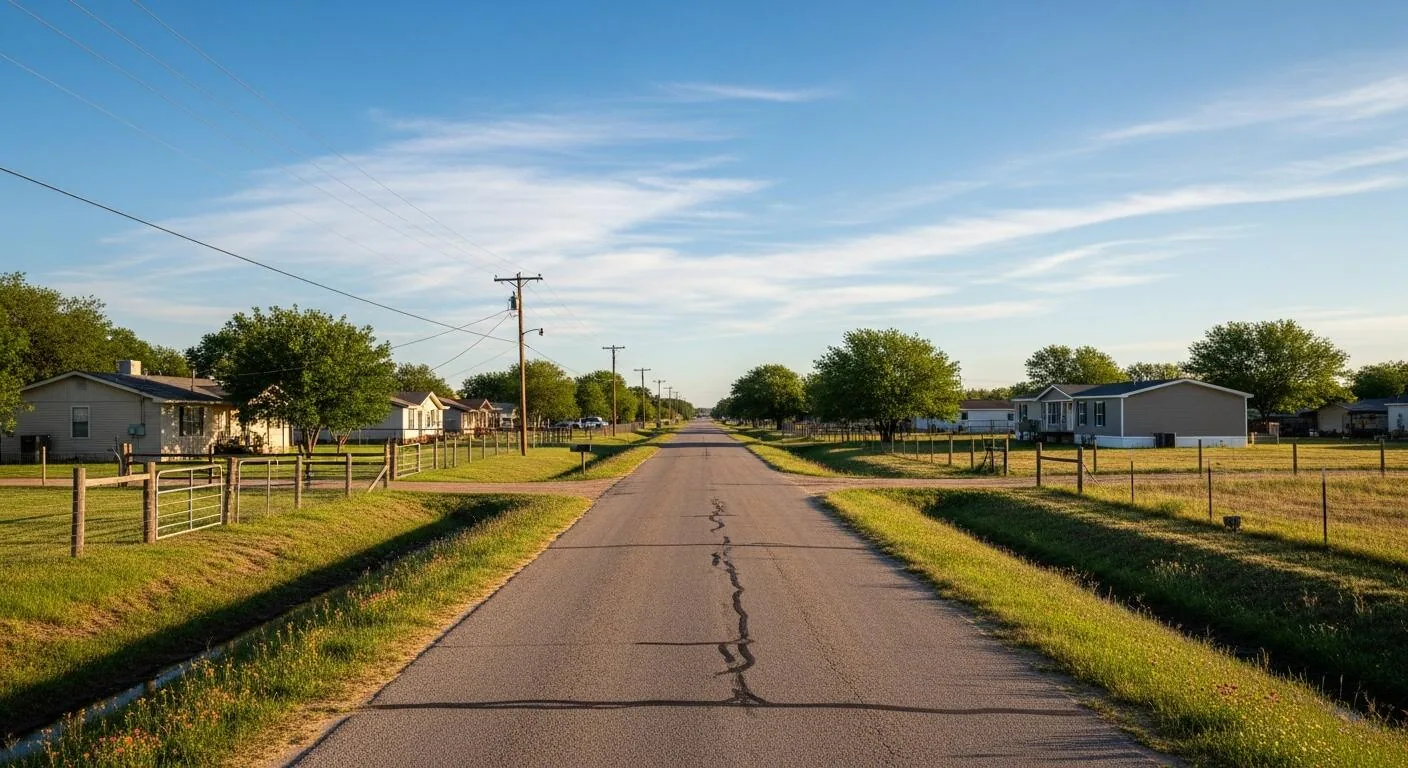
Commercial roofing in Placedo, TX, with inspections, repairs, and roof planning for local property owners and businesses near US 87.
Next step
Request a Roof Assessment
Call
555-555-5555
For an owner of a commercial property in Placedo, a roof plan gives each reported leak and repair a defined section. Placedo developed at a rail junction along US 87 southeast of Victoria. Farming, ranching, and oil and gas production later became important to the area. Those facts help explain the service territory and its travel connections, but they do not identify the current use, roof type, or condition of a particular building. We confirm those details with the property contact and field inspection before recommending work.
Placedo
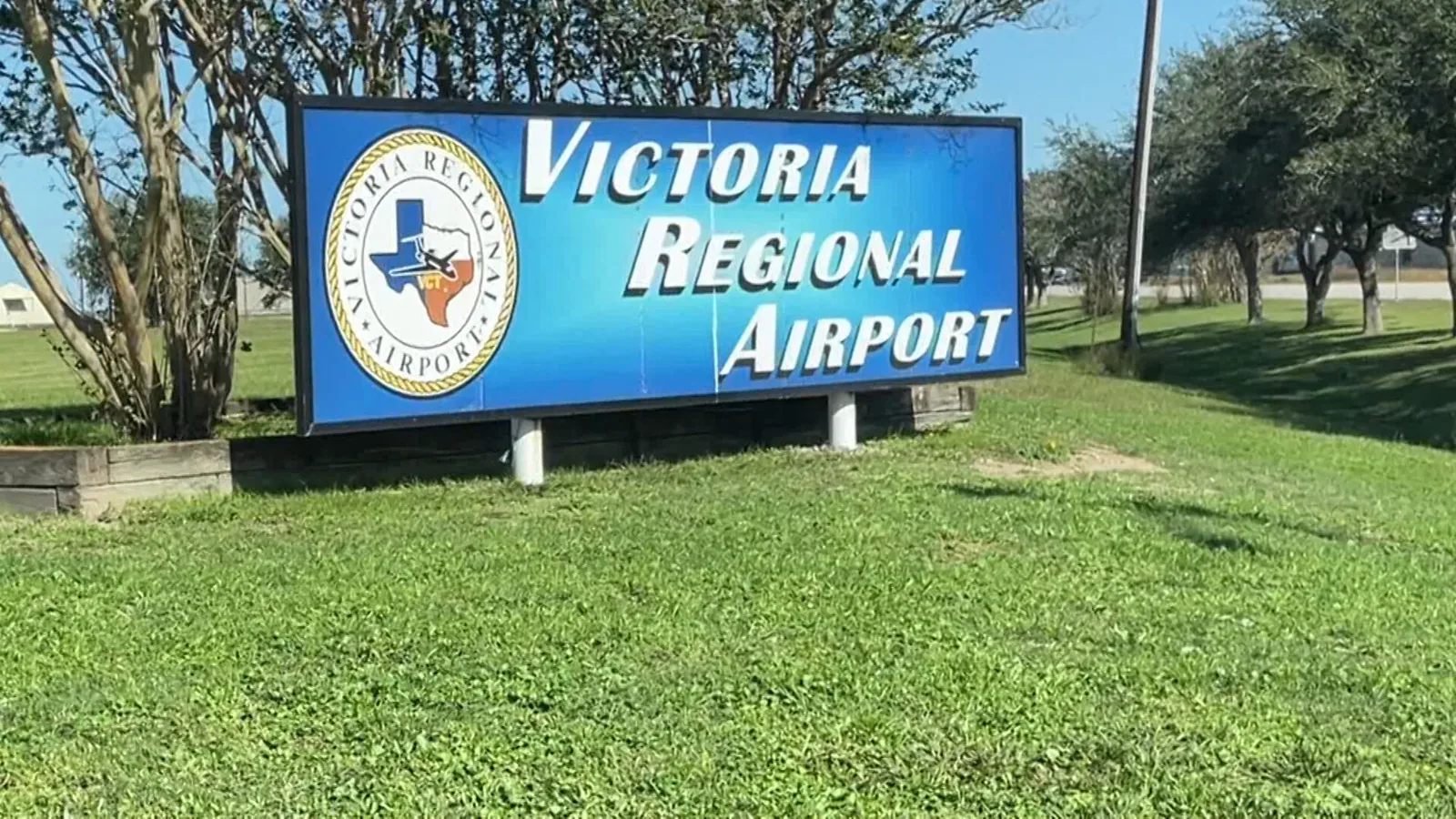
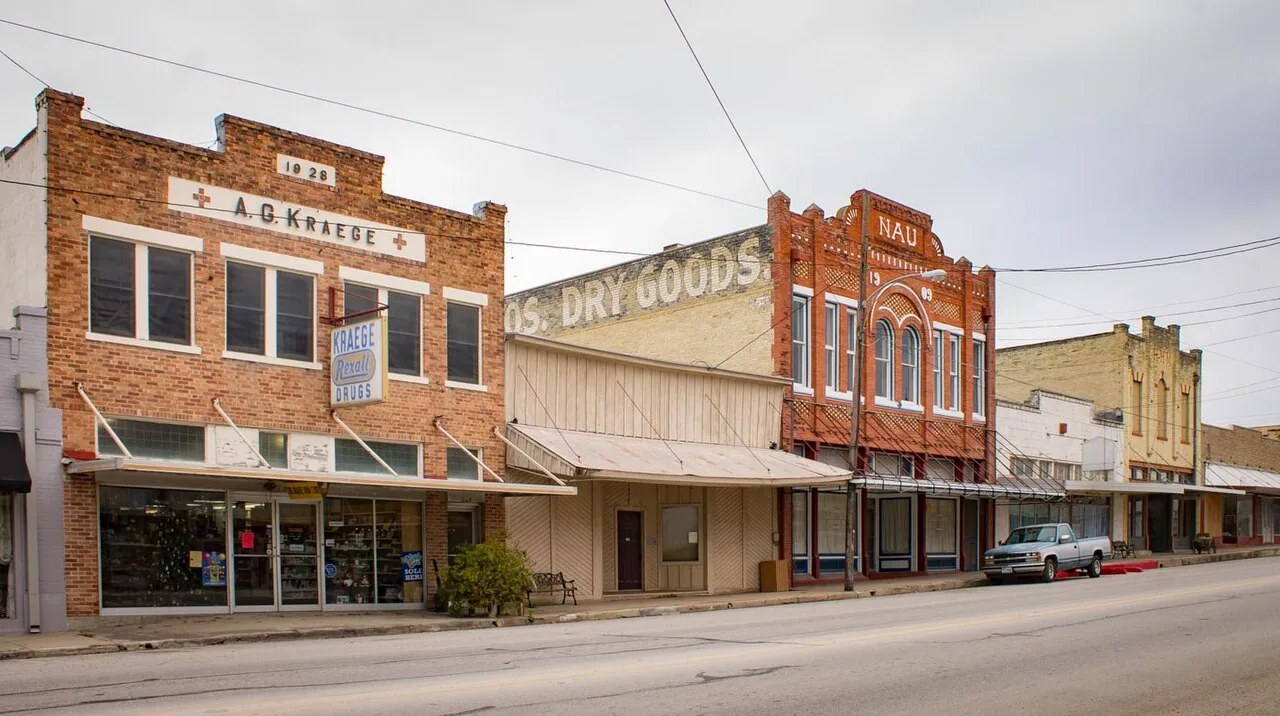
Placedo's historic business district included a bank, school, cotton gin, pharmacy, hotel, and other local businesses. This history provides context for the community, not a current inventory of buildings. A roofing request begins with the present owner or manager, available plans and invoices, and the property areas authorized for inspection. If more than one roof is managed from the same office, give each building its own identifier and access contact. A shared schedule is possible; a shared assumption about roof condition is not.
US 87 is a route reference for reaching Placedo, while the owner determines where a crew enters and stages. Confirm whether deliveries or site traffic must stay clear, who can provide roof access, and whether a lift can be placed safely. The rail-junction history does not grant access along the tracks or any adjoining parcel. If a property has an operating neighbor or shared drive, record the limits established by the property manager before setting a work plan.
Separate current conditions from town history
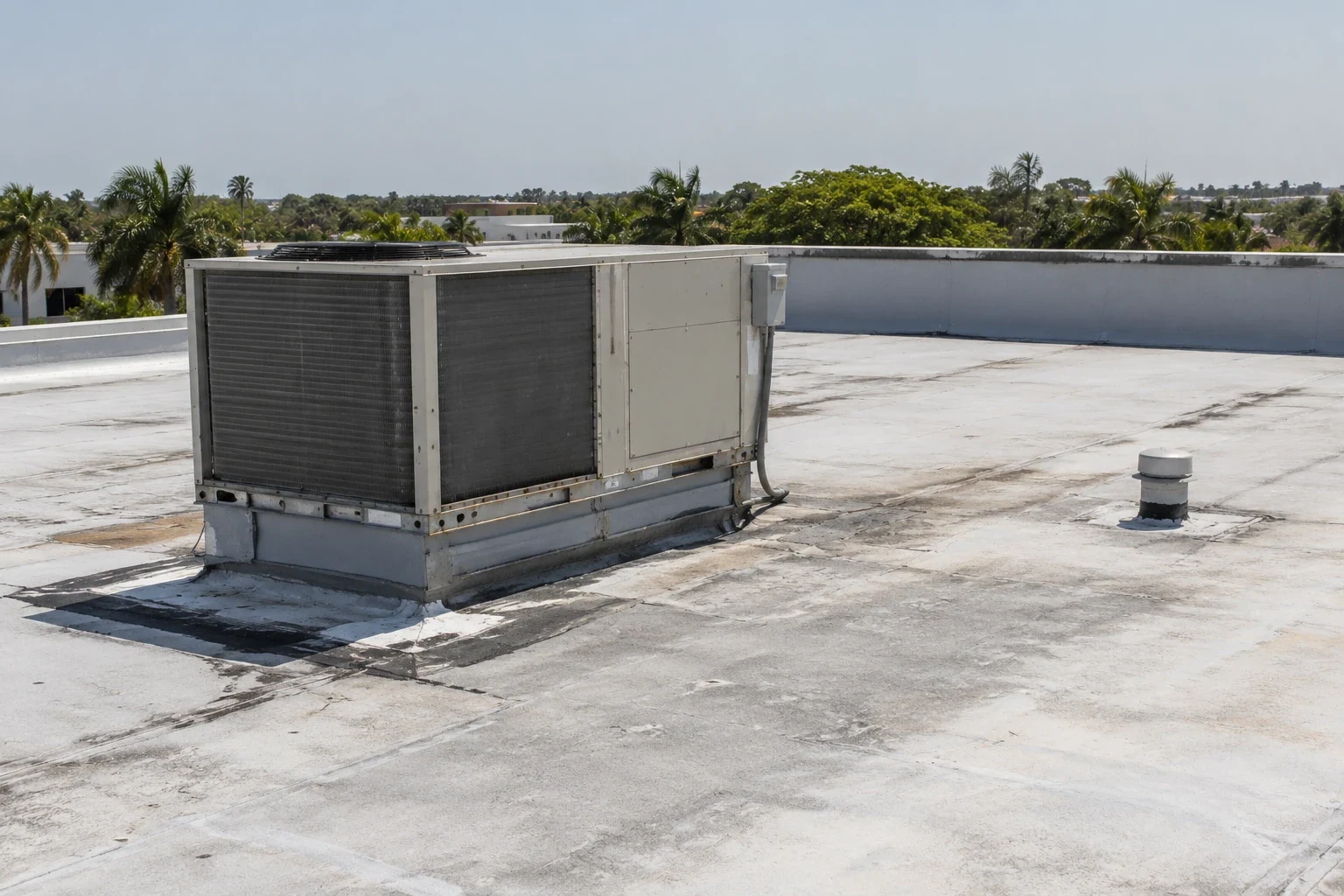
A leak mark inside can sit below a different point on the roof. Start with the reported room, timing, and weather, then check membrane laps, panel seams, flashing corners, curbs, pipe penetrations, drains, scuppers, and metal edges. Water can travel below the surface before it appears indoors. Photograph each candidate detail and label the roof zone so the property contact can compare it with plans and repair records. If an addition meets another assembly, inspect the transition separately when field conditions show a change.
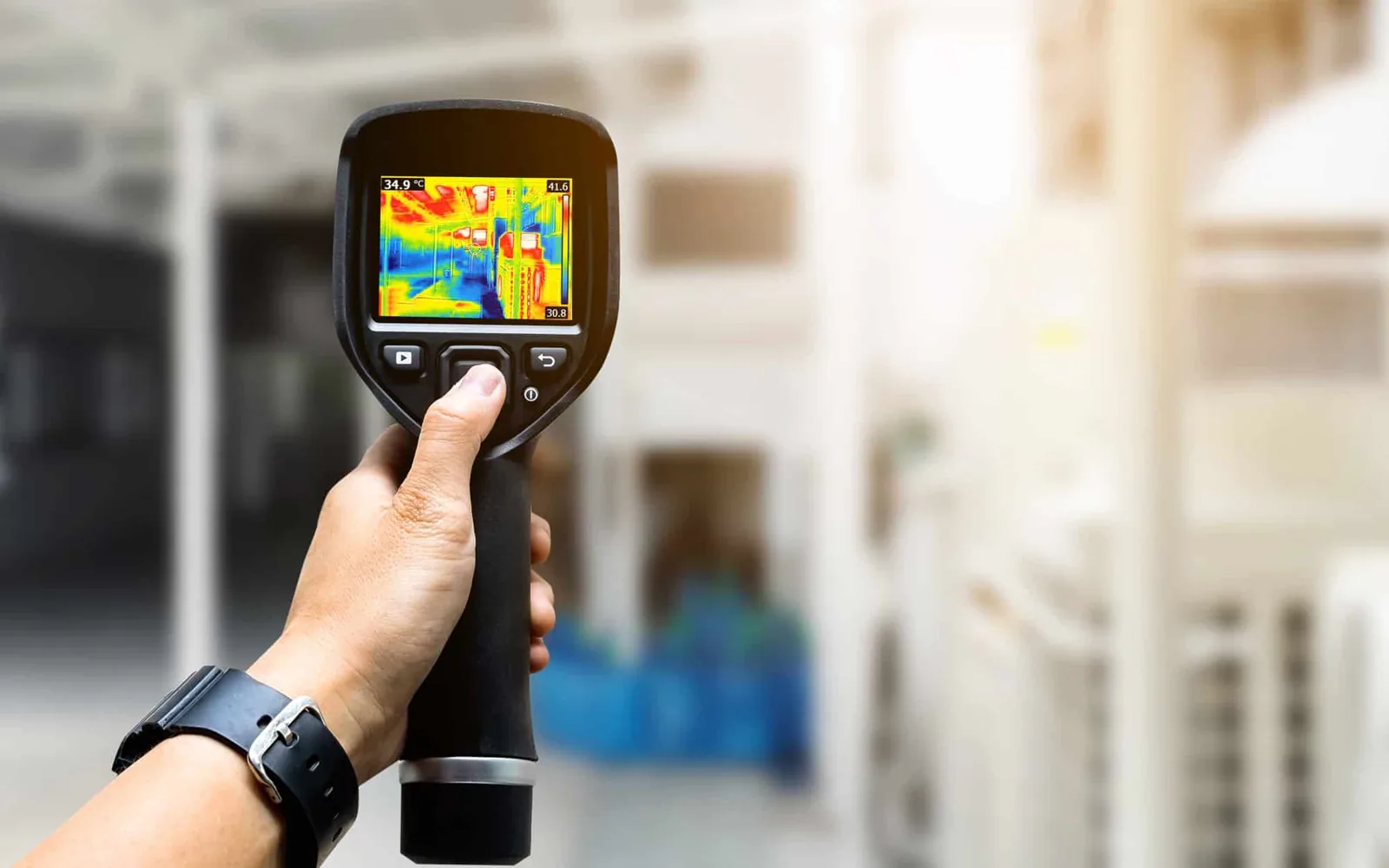
Record what the crew can see, where the roof walk ended, and any test performed. A visual inspection cannot confirm concealed moisture or deck capacity. If the property has repeated leaks, compare each report with prior patch locations rather than assuming one repair explains the entire pattern. A controlled test opening may be useful when its result affects the choice between repair and replacement. Define its size, location, protection, and restoration before taking material out.
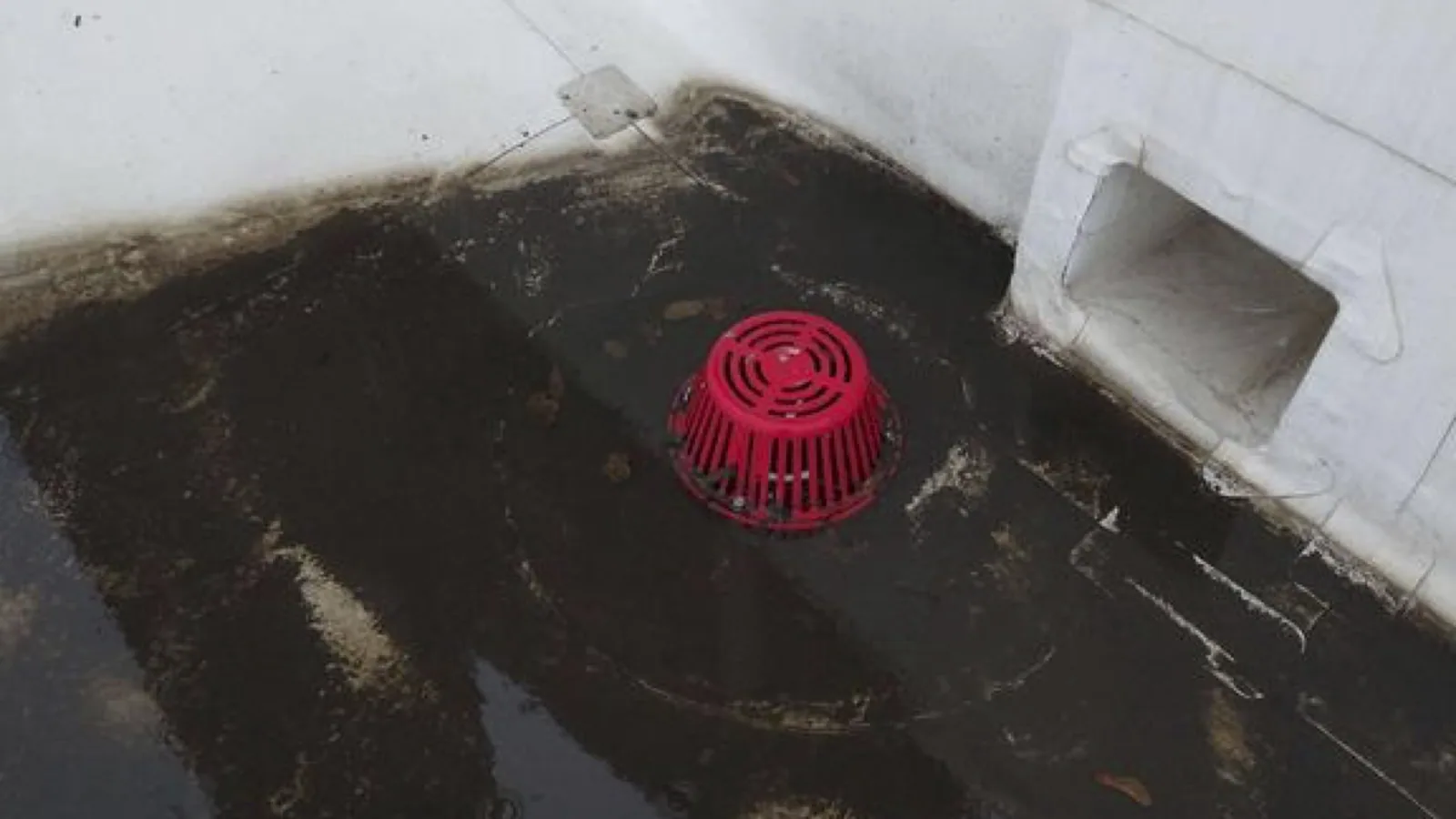
When records or symptoms point to several roof zones, a roof condition review can create a dated baseline for the authorized areas. For a confirmed entry point, leak repair can address the specific seam or flashing. A recurring issue can be tracked through maintenance visits that use the same roof labels. Keep a drainage concern separate with drain and scupper work when outlets or overflow contribute to the report.
Map the leak before choosing a fix
The repair boundary should end at material that can take proper surface preparation and a compatible tie-in. Name the section, work area, repair material, flashing or seam detail, quantity, and closure method. If tear-off uncovers conditions beyond the estimate, pause work at the affected boundary, record the layer and quantity, and submit a priced change for the owner's decision. A photograph before concealment and another after installation help keep the change traceable.
For a property connected with agriculture or oil and gas activity, ask the site contact about vehicle routes, equipment, and areas that must remain available. Those factors can change staging and the daily stopping point. Do not assume they are present at a specific Placedo property from the area economy alone. A temporary dry-in is not the same as a permanent repair. Record what remains temporary, who approved the work, and whether the owner needs a second visit to complete the tie-in.
Prepare a tie-in that can be checked
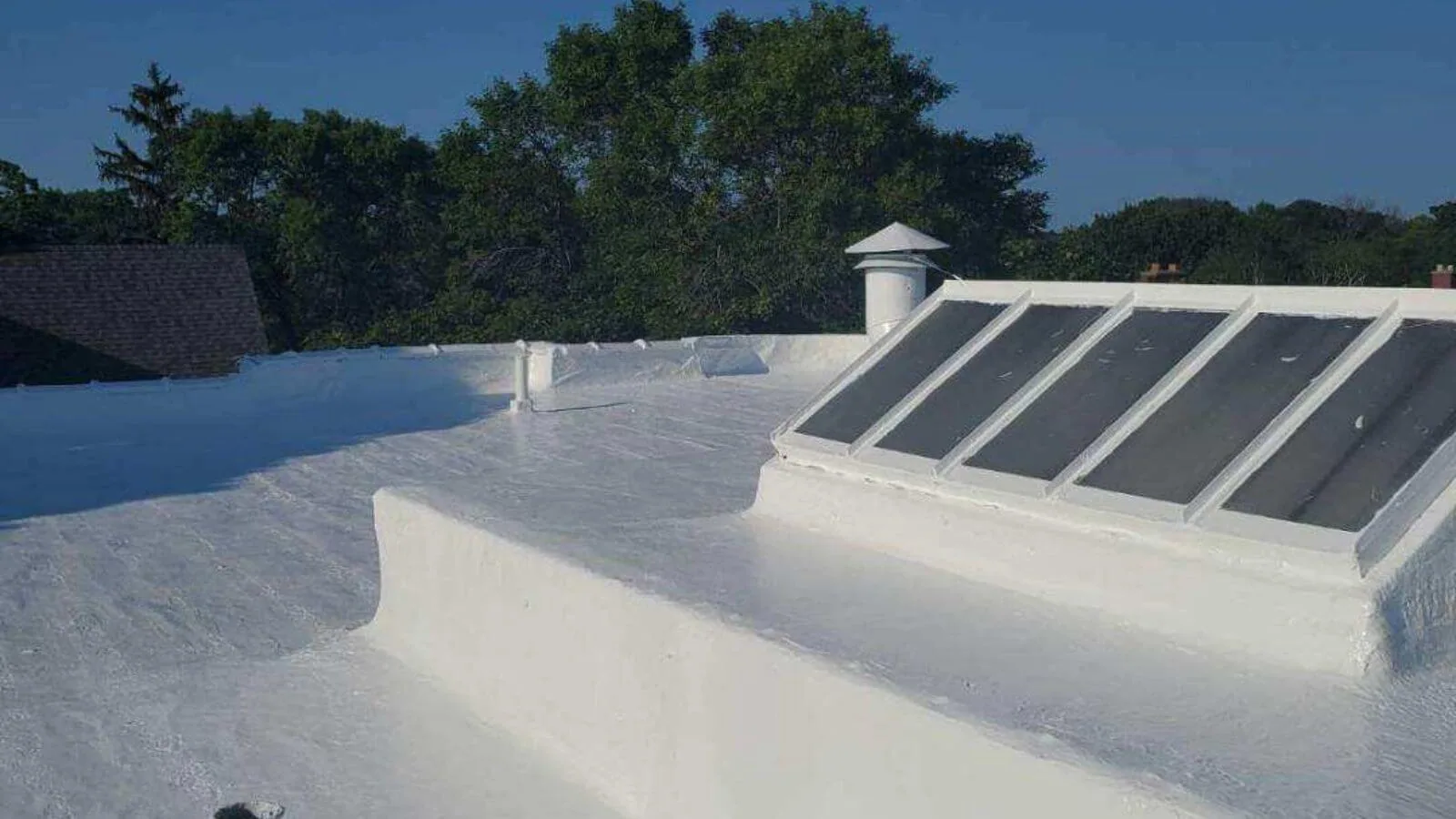
A focused repair may be appropriate when the damaged area is contained and nearby material remains sound. Several failed seams, loose metal, repeated water entry, or moisture evidence across multiple areas may justify testing or replacement planning. Identify the observations that support each option, and state what remains uncertain. Before considering a coating or recover, verify what lies below the surface, how the assembly is attached, whether drainage and perimeter height remain workable, and whether the proposed materials are compatible. Skipping tear-off alone is not a technical basis for selection.
Cost and timing vary with access, roof height, material match, tear-off quantity, insulation replacement, number of details, equipment clearance, disposal, and the property's operating schedule. If work needs to proceed in phases, list which roof section is active, how it will be closed, and what needs to be ready before the next phase. A replacement estimate should name the assembly, perimeter metal, drainage work, staging, and area below that needs protection. For planning across the region, Inez and Mission Valley can be scheduled separately from Placedo's property work.
Victoria's warm-season weather is relevant background for roof aging and scheduling, but it is not a property-level measurement. Actual roof conditions at Placedo control application: check temperature, moisture, wind, forecast, and the selected product's published requirements before opening a section. A storm report can prompt a visit, but the inspection must document the condition at the property before damage is described.
Weigh localized work against renewal
Before arrival, confirm the roof entrance, lift location, delivery route, staging point, and authorized contact for added work. Mark customer, staff, or equipment routes beneath the work area. If one roof section cannot be reached safely, note that exclusion and arrange access instead of extending observations from a nearby area. The work schedule should also identify the crew's stopping point and how an exposed section will be closed if weather changes.
When a building stays in use, protect the interior and agree on barriers before materials move overhead. The owner or manager decides who can authorize testing or approve a change in scope. If the property depends on another contractor for equipment shutdown or roof clearance, list that step as a schedule requirement. A clear handoff before dispatch gives the crew a defined work zone and lets the owner know which sections will be inspected that day.
Keep access and site movement clear
Closeout records the property, roof section, observed system, inspection limits, preparation, material, work completed, photographs, drainage notes, approved changes, and unresolved items. Keep temporary protection distinct from permanent repairs. Mark any area not reached and the step required to inspect it later. The next maintenance visit can then compare the same seam, edge, or drain without implying that a repair in one section covered the rest of the roof.
To arrange a Placedo visit, share the building identifier, roof drawing if available, observed symptom, access contact, and prior repair documents. The resulting review will state which sections were reached and what work the evidence supports. If the owner also manages a property in Victoria, identify it separately so measurements, approvals, and findings remain with the correct building. A route may connect the visits; the roof records stay property-specific.
Carry the roof map into follow-up work
Related Roofing Work
Frequently Asked Questions
Does Placedo's railroad history tell you where to access my building?
No. The property contact confirms the entrance, staging area, and any limits on the work route.
Can you use old repair invoices to identify the roof system?
Invoices help, but we compare them with visible material and transitions before specifying a tie-in.
What if the crew finds another roof layer?
The opening is secured, the condition is photographed, and measured added work is submitted for approval.
Can you schedule a roof review around property traffic?
Yes. We confirm the current delivery and vehicle routes with the site contact before mobilization.
What should the closeout show?
Closeout identifies the roof zone, observed system, preparation, material, photos, exclusions, changes, and any remaining temporary protection.
Send the property, roof sketch, reported issue, access contact, and repair history. We will inspect the authorized area and tie the recommendation to roof details and photographs.
Call 555-555-5555 or email [email protected].