
Storm Damage Roof Repair in Victoria, TX
Commercial Roofing Services · Victoria, TX
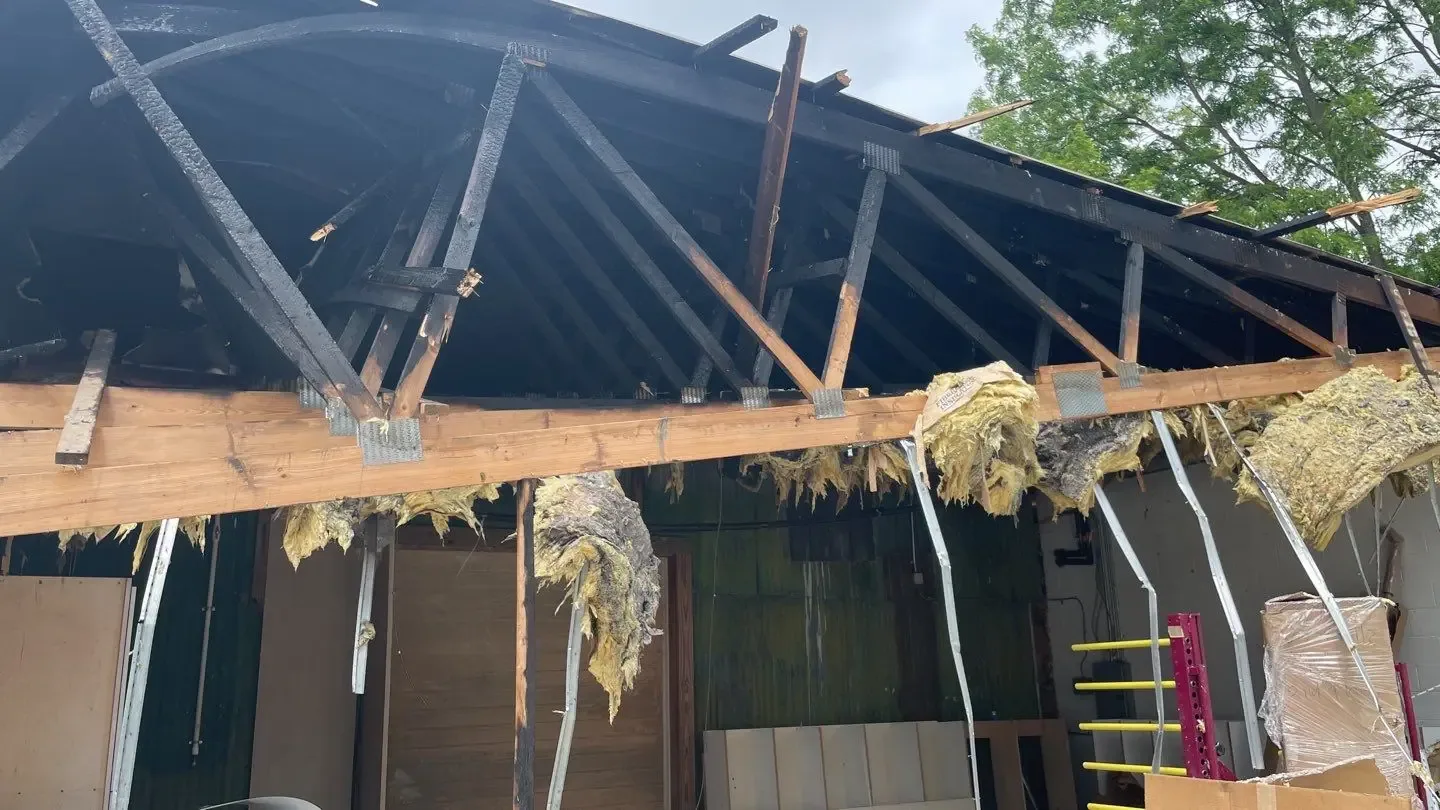
Storm damage roof repair in Victoria separates observed hail or wind effects from existing wear, then protects the building and documents the scope.
Next step
Request a Roof Assessment
Call
555-555-5555
A displaced edge, puncture, or broken equipment screen after a storm needs a clear field record before repair begins. In Victoria, hail, damaging gusts, and tropical systems make roof checks part of restoring normal operations, but a weather alert does not identify damage on a specific building. We map the affected roof sections, protect openings where needed, and separate visible storm effects from older repairs and wear.
Storm Damage Roof Repair
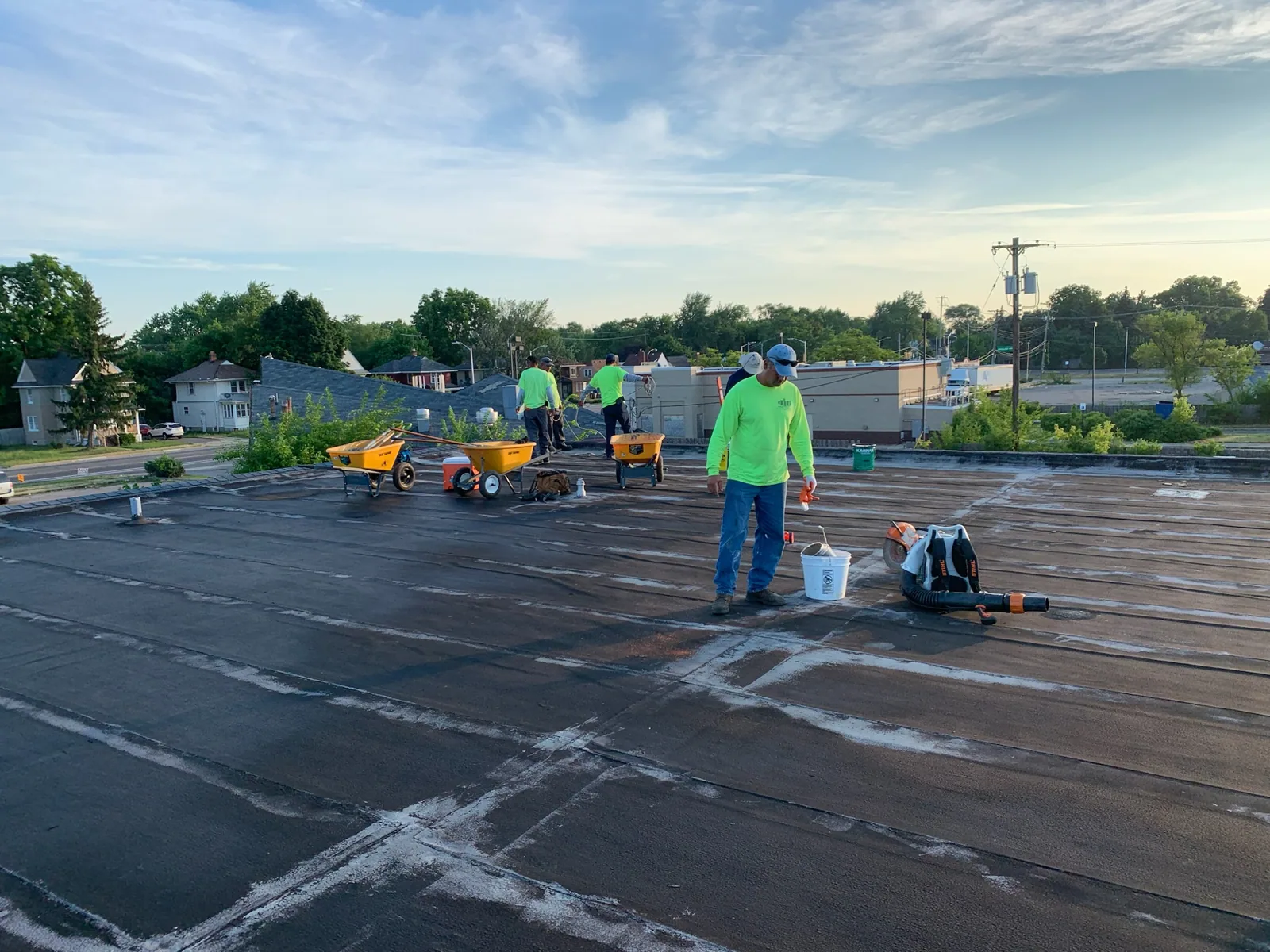
Start with the building contact, weather timing, reported leak locations, and any conditions below the roof. Water near electrical equipment, active interior damage, loose sheet metal, or an unstable access point changes the first move. Crews can respond at any hour, weekends and holidays included. We coordinate safe access and temporary protection before attempting a full condition review. A tarp or temporary patch is limited to the area it can safely protect and is recorded as an interim measure.
Victoria County has recorded quarter-size hail and 60-mile-per-hour gusts in a National Weather Service warning. NOAA reports that Harvey drifted north of Victoria after coming ashore near Port Aransas. Regional history makes prompt checks of hail impacts, lifted edges, and water entry prudent. They do not prove that each roof took damage. We compare the reported date and affected elevation with what the field shows.
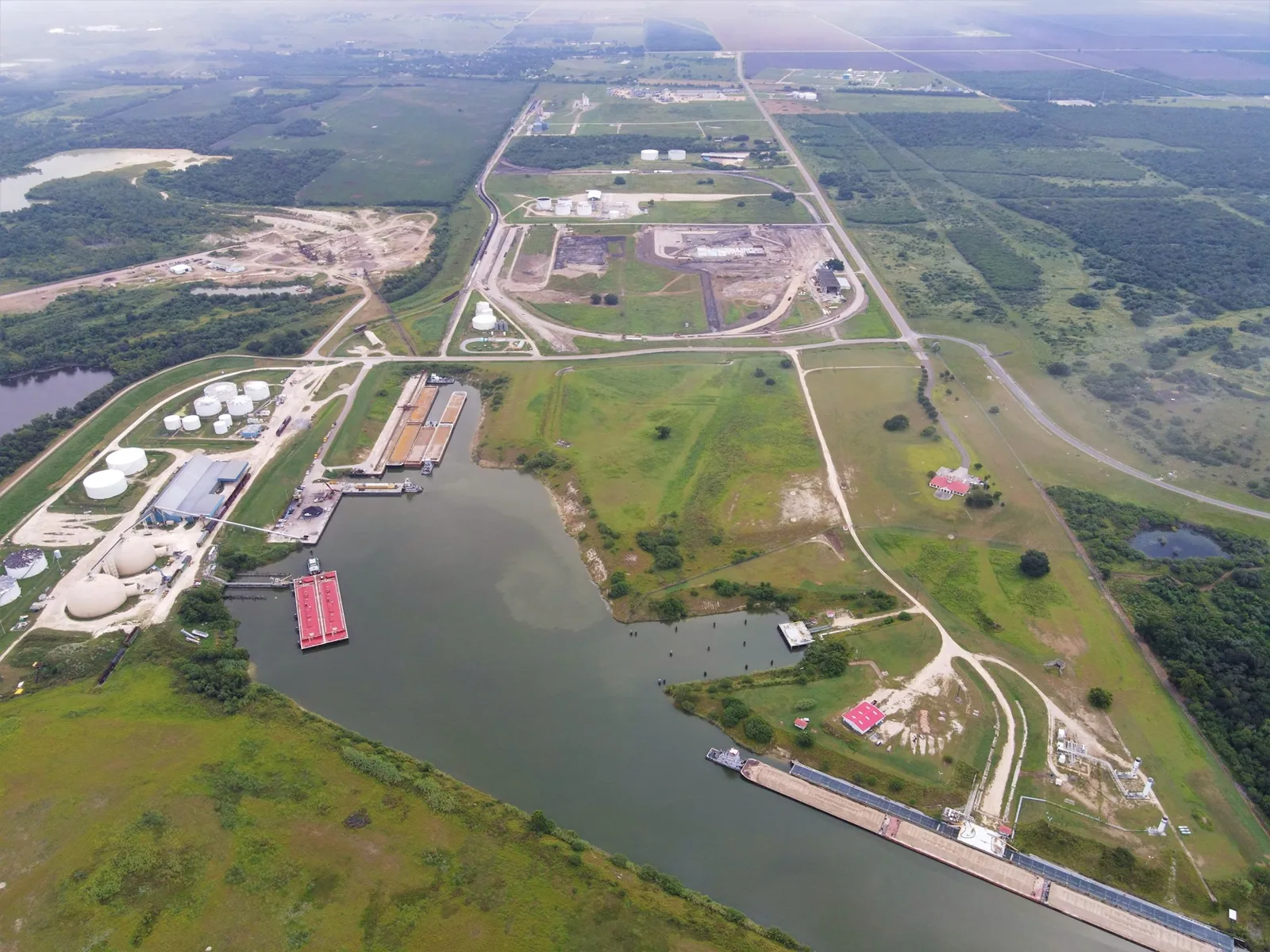
For a multi-building operation around the Port of Victoria Industrial Park South, coordinate access with the operating contact and keep freight lanes open. The park’s barge, rail, and highway connections matter to site activity, while the actual roof route and work zone must be approved building by building.
Make the roof safe to inspect
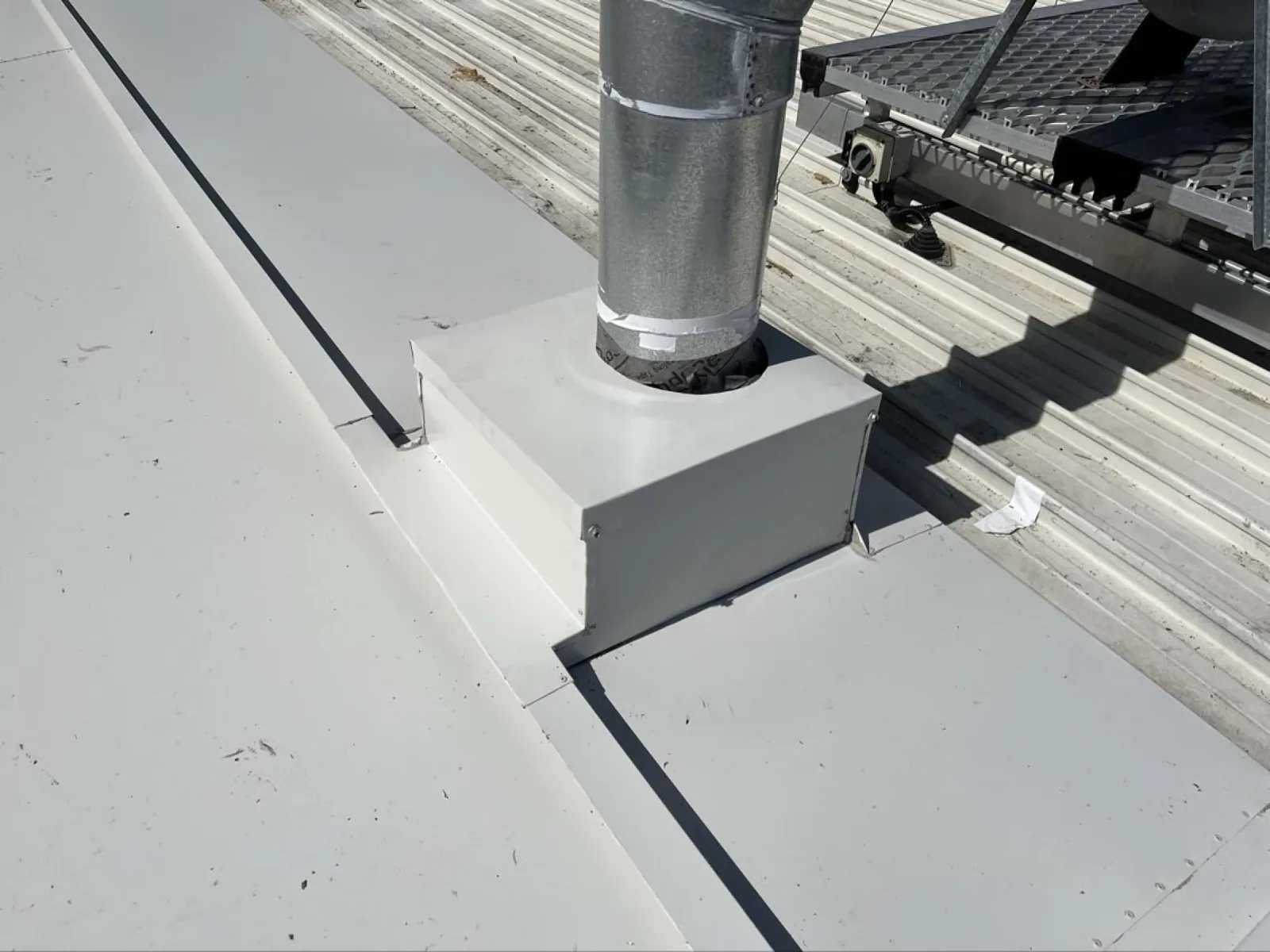
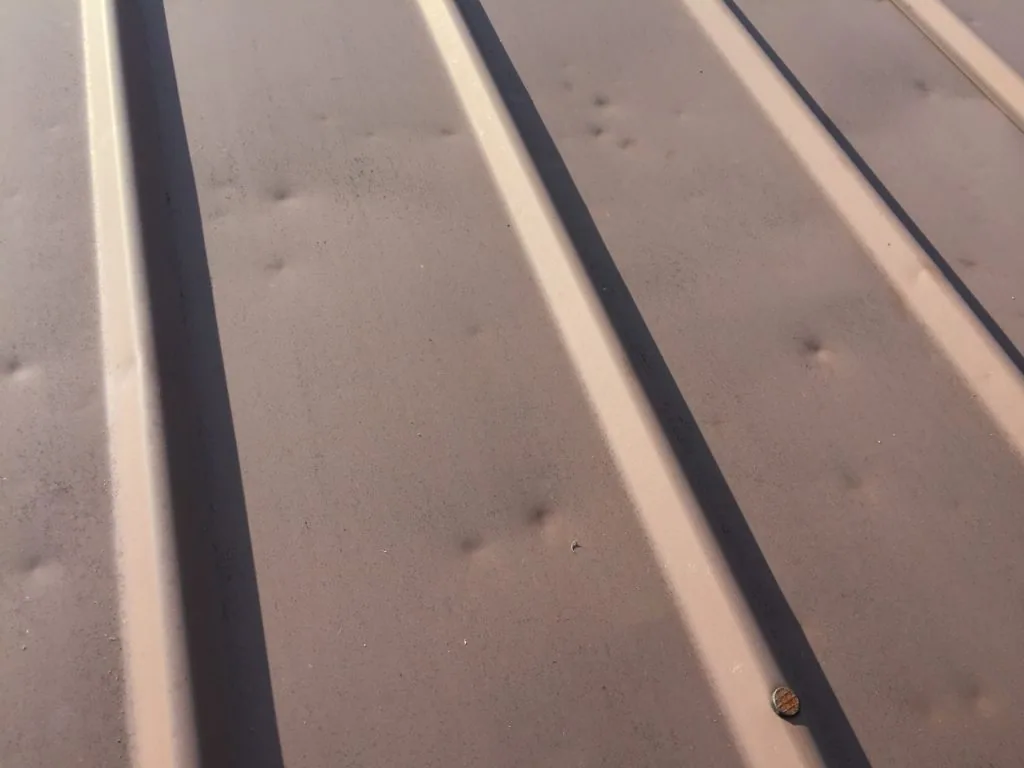
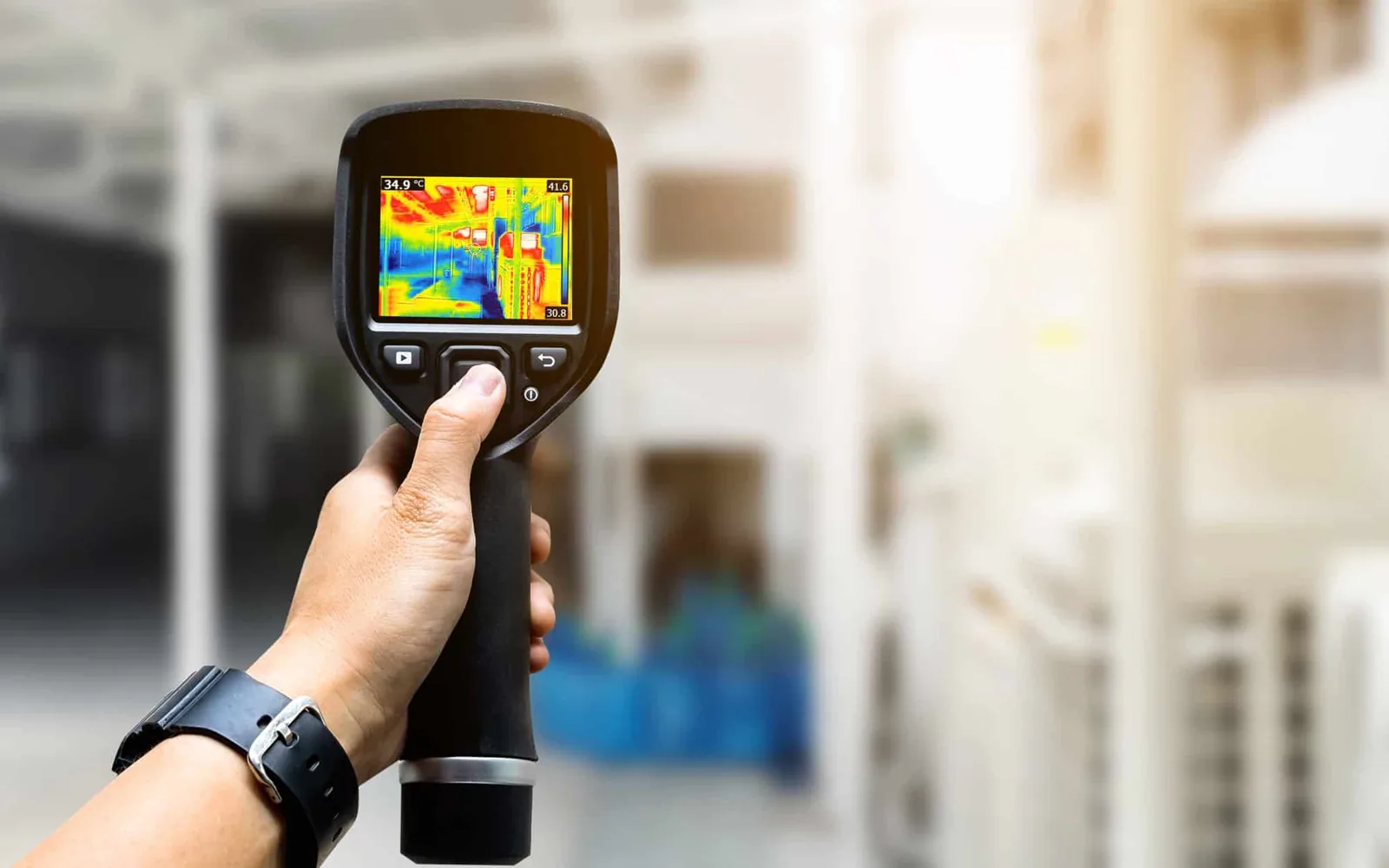
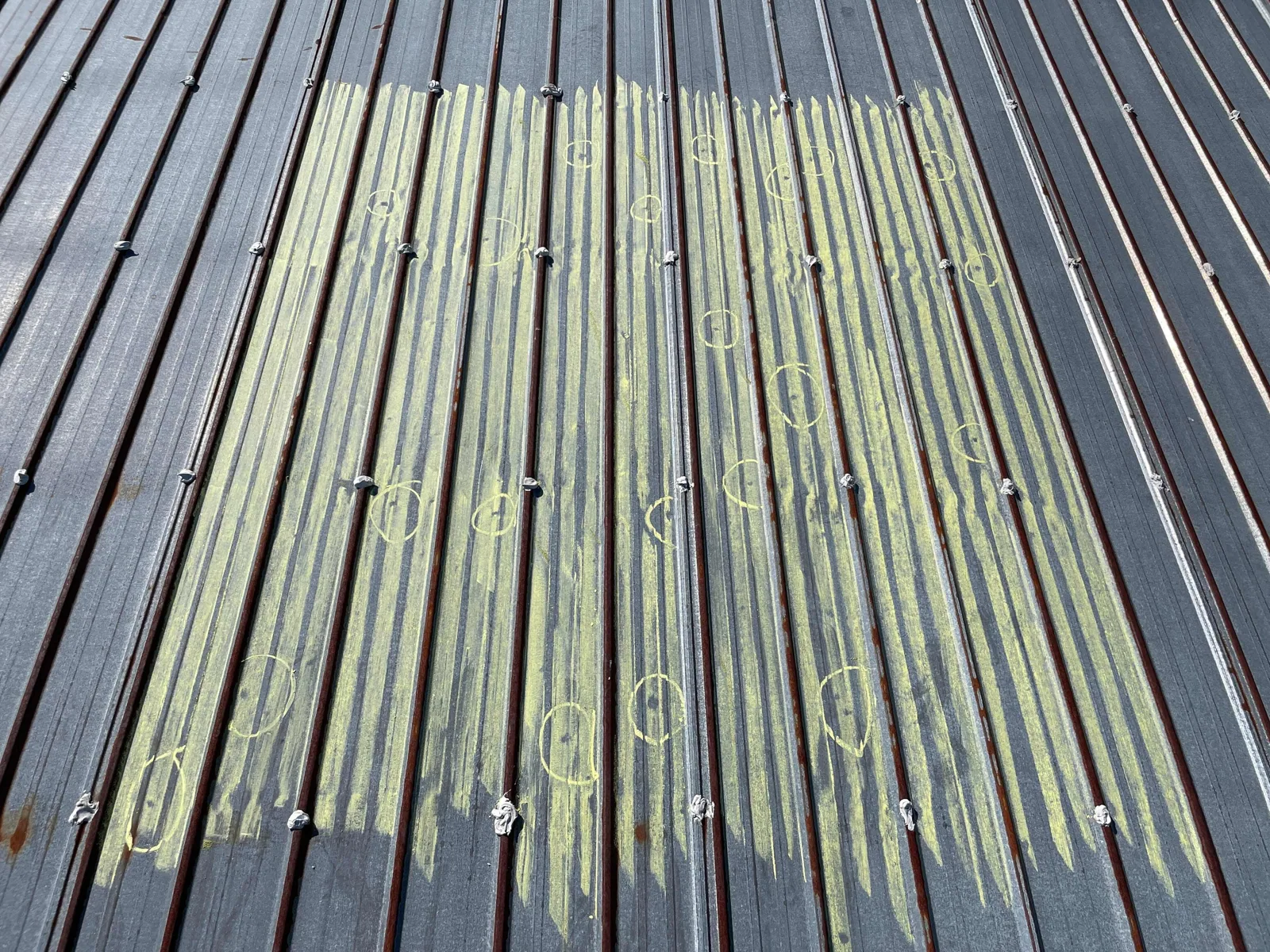
We inspect the roof by section and record punctures, displaced flashings, loose terminations, damaged edge metal, and debris strikes. Photographs include a location reference and nearby detail so the repair crew can find the same point. Hail marks on metal accessories may help focus the inspection, but a mark alone does not establish membrane damage. We look for cuts, fractures, broken welds, compromised coating, or displaced components that affect the weather barrier.
Wind can move perimeter metal, lift a membrane at a corner, or shift rooftop equipment accessories. We check the termination, attachment, and substrate at the exposed area instead of pressing a loose flap back and assuming the assembly is restored. A commercial roof inspection can document the broader condition when the storm report involves several elevations or earlier leak history. The written record distinguishes observed impact, suspected concealed damage, and unrelated maintenance findings.
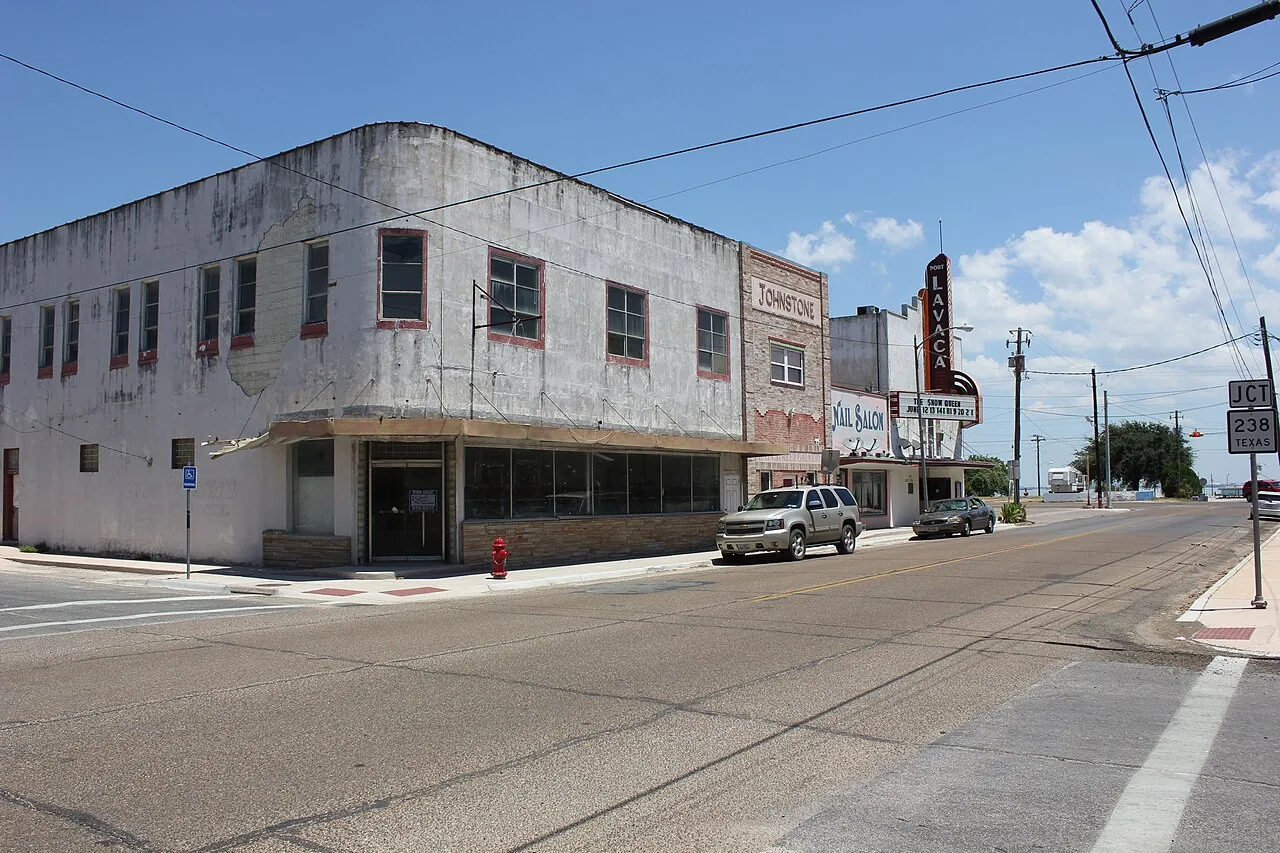
Victoria’s June 1996 weather record includes a 1.75-inch hail report in the city, while nearby Nursery had reports of broken windshields and downed lines. Past events do not predict the current roof condition, but they reinforce why surface checks should include flashings, screens, skylights, and rooftop supports as well as the open field.
Map impact before setting repair limits
When an opening is active, temporary protection should direct water away from sensitive areas without blocking drains or creating a new hazard. We identify what can be isolated, where the water is traveling, and which interior areas need monitoring. On an occupied building, the facility contact helps protect equipment, stored goods, and tenant routes below the work area. A temporary measure is not represented as a permanent repair; the closeout states what remains exposed and when follow-up is needed.
Water may enter at a seam or penetration away from the ceiling stain. We trace the roof-side path and inspect nearby laps, curbs, drain bowls, and wall transitions. A leak repair can address a confirmed entry detail after the assembly is identified. If moisture extends beyond the visible opening, selective investigation may be necessary to set a reliable repair boundary.
Victoria’s summer heat affects when crews can safely work and how exposed materials are handled. Following a warning, we check current roof conditions and access restrictions rather than using a forecast as a damage diagnosis. The property manager receives a concise account of protection installed, areas examined, and conditions that still need attention.
Control water entry while the scope is confirmed
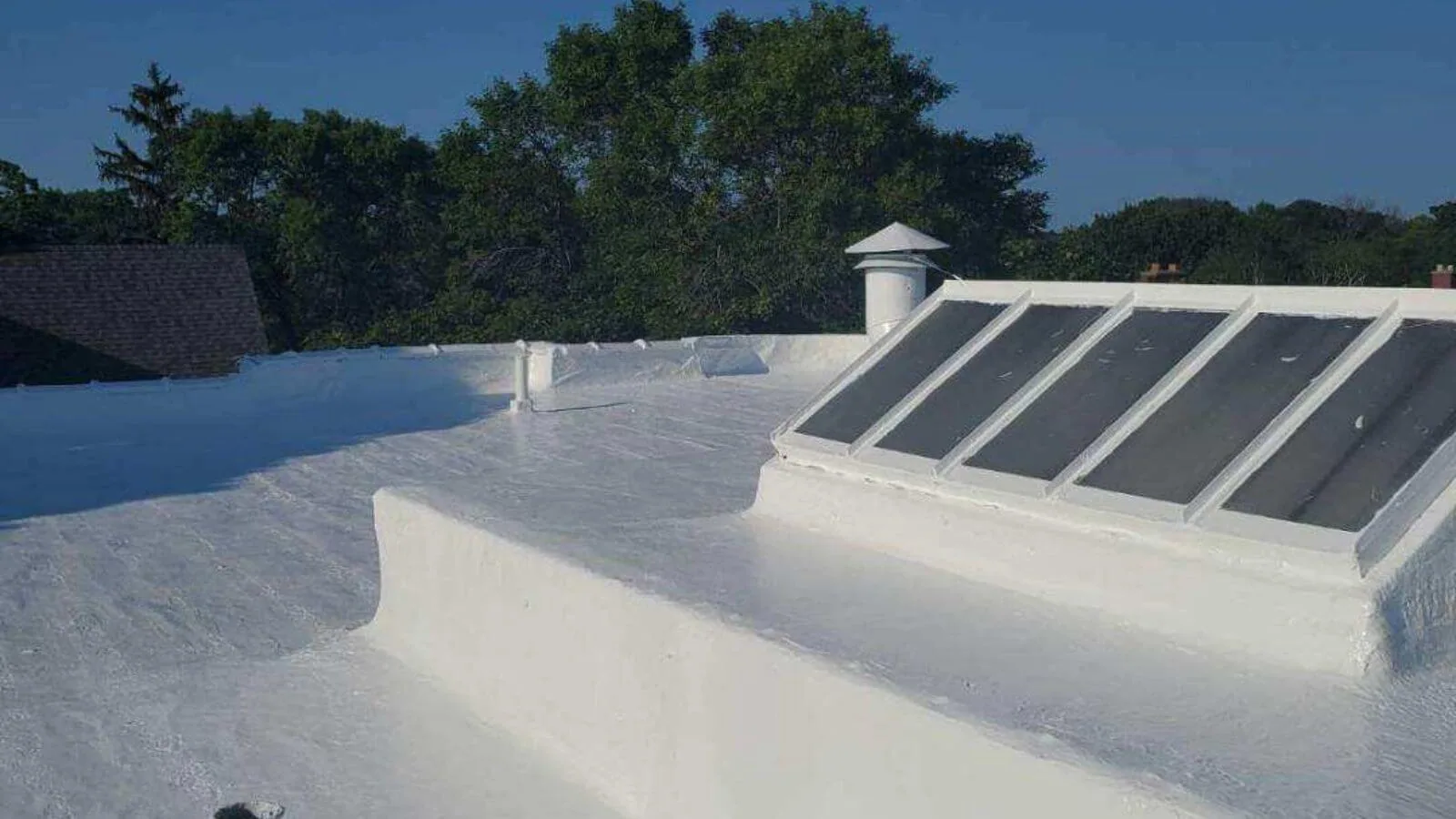
Repair materials and surface preparation depend on the existing roof. A compatible membrane patch needs a sound substrate and clean tie-in; metal flashing may require a formed replacement or secure reattachment; a coating repair needs a prepared surface that will accept the system. We do not cover a loose edge, wet insulation, or moving curb with a surface patch and call the storm scope complete. The repair boundary follows confirmed damage and the condition of adjacent material.
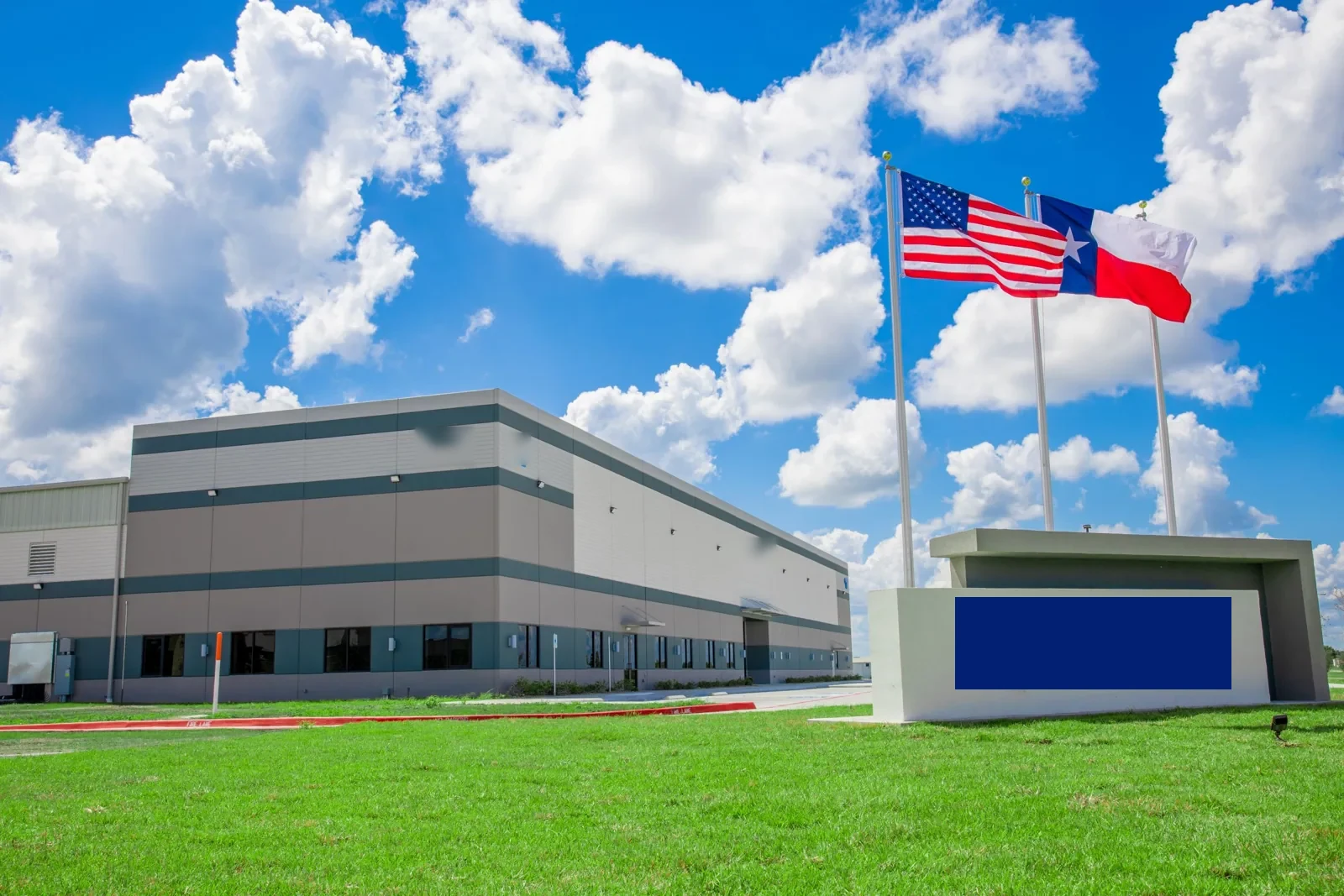
At Lone Tree II Industrial Park, manufacturing and assembly activity makes access, equipment status, and below-roof protection important planning details. Those operating needs are confirmed with the individual facility contact. Where hail or wind affects several roof sections, we sequence work so openings are protected and repairs can be inspected before the area is returned to service.
Storm work can expose pre-existing deterioration. We document the distinction in plain terms: the location and condition observed, the corrective work proposed, and any uncertainty that requires testing. A replacement review is considered only when broader assembly conditions support that discussion. Local repairs remain separate from unrelated capital planning.
Match each repair to the roof assembly
For a claim or owner review, the record should connect each photo to a roof section, detail, and inspection date. We can provide observations, measurements, repair descriptions, and documentation of temporary protection. We do not decide coverage or promise a carrier outcome. The property owner or insurer determines policy questions. If a third-party adjuster is involved, we can coordinate roof access and explain the field conditions observed without changing the record to fit an expected result.
Separate storm-related findings from prior patches, maintenance needs, and conditions that cannot be confirmed without opening the roof. Keep original photos and mark later repairs so the sequence remains clear. A claim documentation service can organize this material for the owner’s review. For a larger portfolio, a condition report can keep findings consistent across buildings and phases.
Closeout records identify the completed repair, materials used, limits of access, and any return check. When the same area is inspected later, dated images help distinguish a stable tie-in from new movement or a separate leak path.
Keep the damage record factual and usable
Before leaving, we check that temporary protection is secure, drains remain clear, tools and debris are removed, and repaired details match the documented scope. The property contact receives photographs of the finished work and a list of any open items. If rain is forecast before a permanent repair can be completed, the interim plan and its limits are stated clearly. Roof access is reopened only after barriers and materials are removed or the contact approves a restricted area.
Victoria Regional Airport has freight and commercial activity alongside its industrial development areas. That local operating context is a reminder to coordinate deliveries and access routes with each property rather than assume a shared schedule. For healthcare, manufacturing, education, or retail buildings, the work sequence also considers occupied rooms and the equipment beneath the roof.
When requesting storm repair in Victoria, share the event date, affected elevations, leak locations, roof records, and access restrictions. We will inspect the reported areas, map evidence, protect active openings, and provide a repair scope tied to the assembly and observed condition.
Return the roof and operating area to service
Related Roofing Work
Frequently Asked Questions
Does a hail warning mean my roof is damaged?
No. A warning describes weather risk, not a building inspection. We examine the roof and document visible conditions at the property.
Can you make a temporary repair before the full review?
Yes, when safe access and materials allow. We record the protected area and any limits so the owner knows what still needs permanent work.
How do you tell storm damage from older wear?
We compare the reported event, repair history, surrounding materials, and physical evidence. Uncertain or concealed areas are identified for further examination.
Can you help with an insurance claim?
We provide field observations, photographs, measurements, and repair descriptions. Coverage and claim decisions remain with the owner and insurer.
What should the property manager send first?
Share the storm date, roof plan if available, leak locations, affected operations, previous repairs, and safe access instructions.
Send the storm date, roof sections affected, leak locations, and access limits. We will document visible conditions, protect active openings, and define repair next steps.
Call 555-555-5555 or email [email protected].