
Commercial Roof Insurance Claim Assistance in Victoria, TX
Commercial Roofing Services · Victoria, TX
Roof insurance claim assistance in Victoria documents roof conditions, repair limits, and storm observations without promising coverage or outcomes.
Next step
Request a Roof Assessment
Call
555-555-5555
A claim file is stronger when each roof photograph points to a section, detail, and observed condition. In Victoria, hail and damaging wind can prompt a closer look, while tropical systems bring regional heavy-rain and wind exposure. We inspect the roof, record what can be seen, and prepare repair documentation the owner can review with an insurer. Our role is to describe the building condition and scope, not decide what a policy covers.
Commercial Roof Insurance Claim Assistance
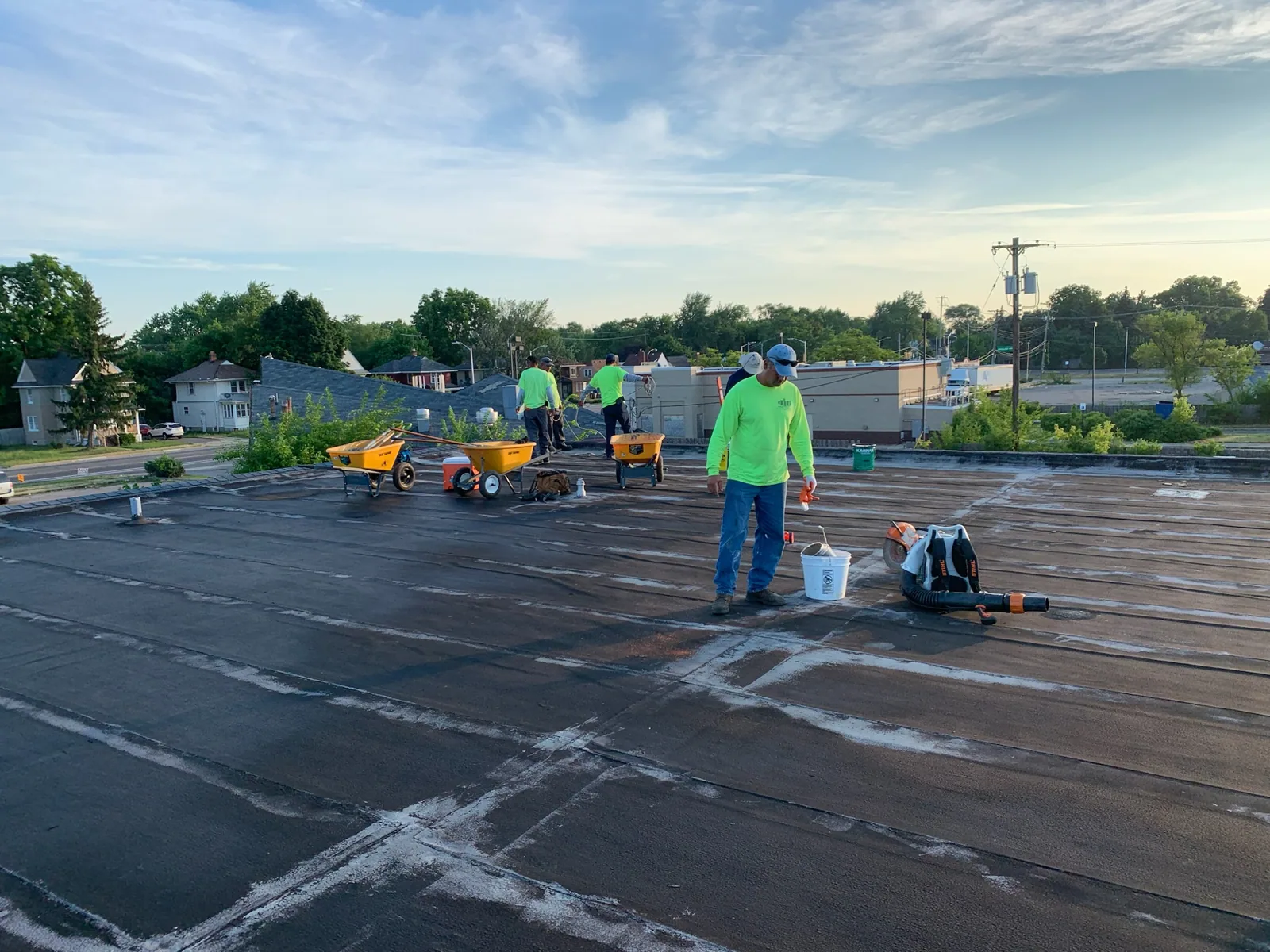
We ask for the reported date, storm information available to the owner, leak locations, roof plans, prior repairs, and any maintenance records. A facility with several buildings needs separate records for each roof, even when one storm affected the whole site. Note which rooms or operations were interrupted and whether temporary protection is already in place. This gives the inspection a starting point without treating a report of damage as proof of its cause.
Central Victoria County received a National Weather Service warning citing quarter-size hail and 60-mile-per-hour gusts. NOAA’s Hurricane Harvey account describes the storm passing just north of Victoria after landfall near Port Aransas. These regional records can help establish why an inspection was requested, but they cannot establish the condition or date of damage at an individual property. We keep weather context separate from the roof observations.
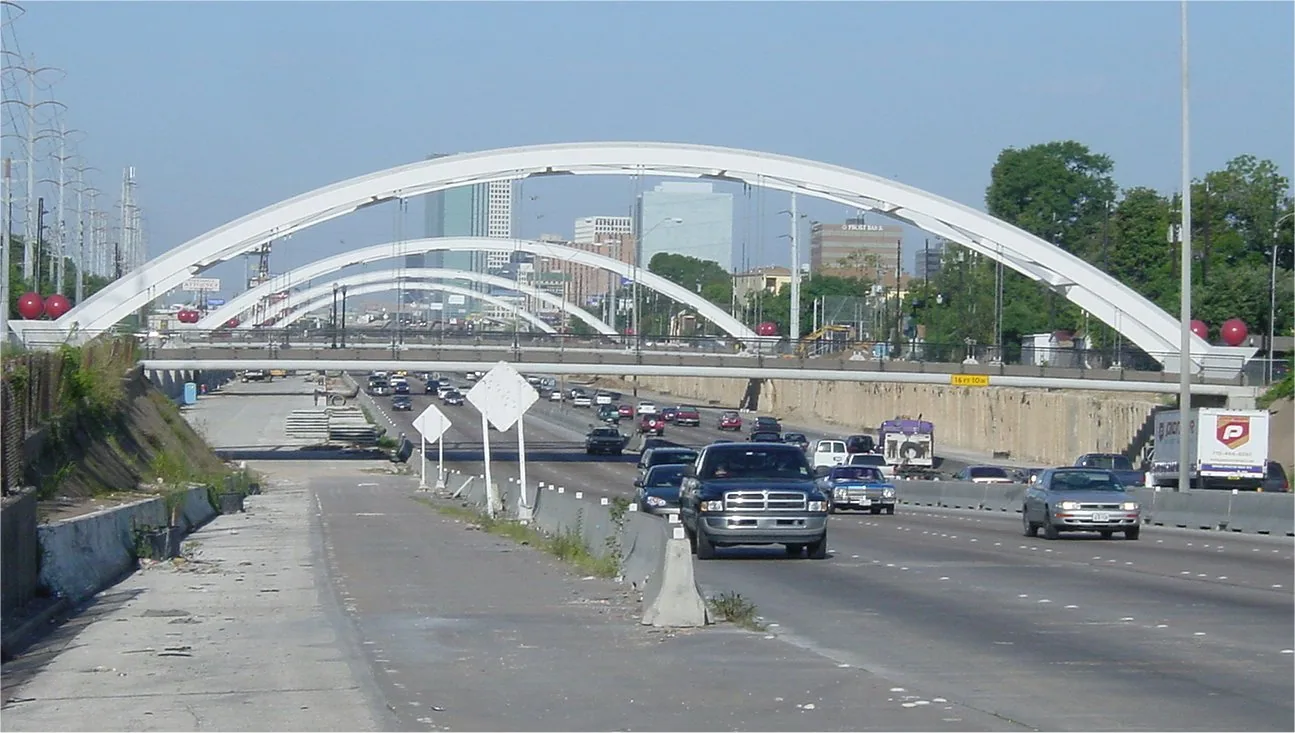
For properties connected to the US 59 Business corridor, identify the exact building and roof section rather than using a general site label. Work records should follow the asset, with a clear distinction between the property address, inspection area, and any separate tenant space. The owner’s summary identifies the relevant roof findings, repair limits, and next steps.
Start with the event and building record
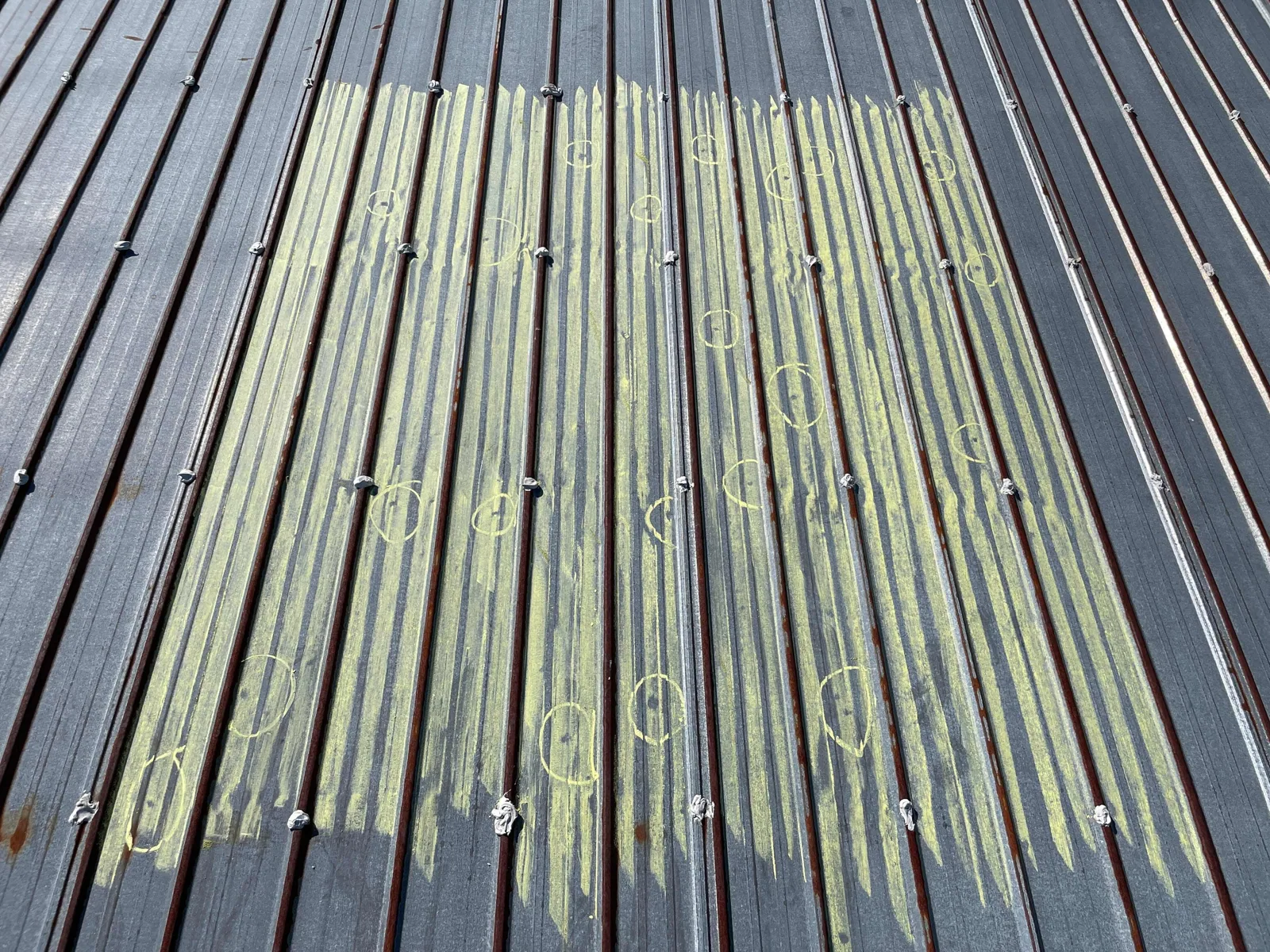
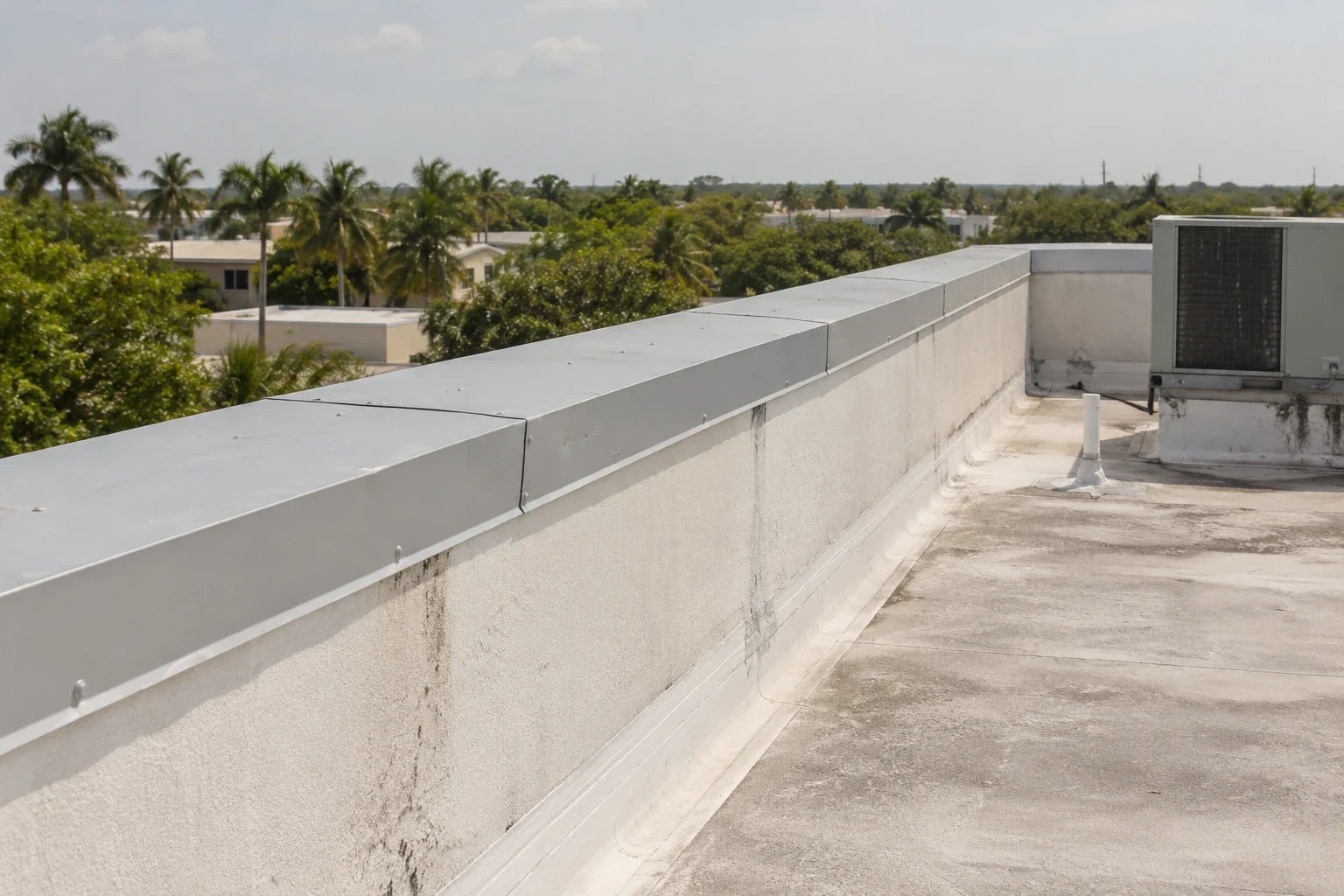
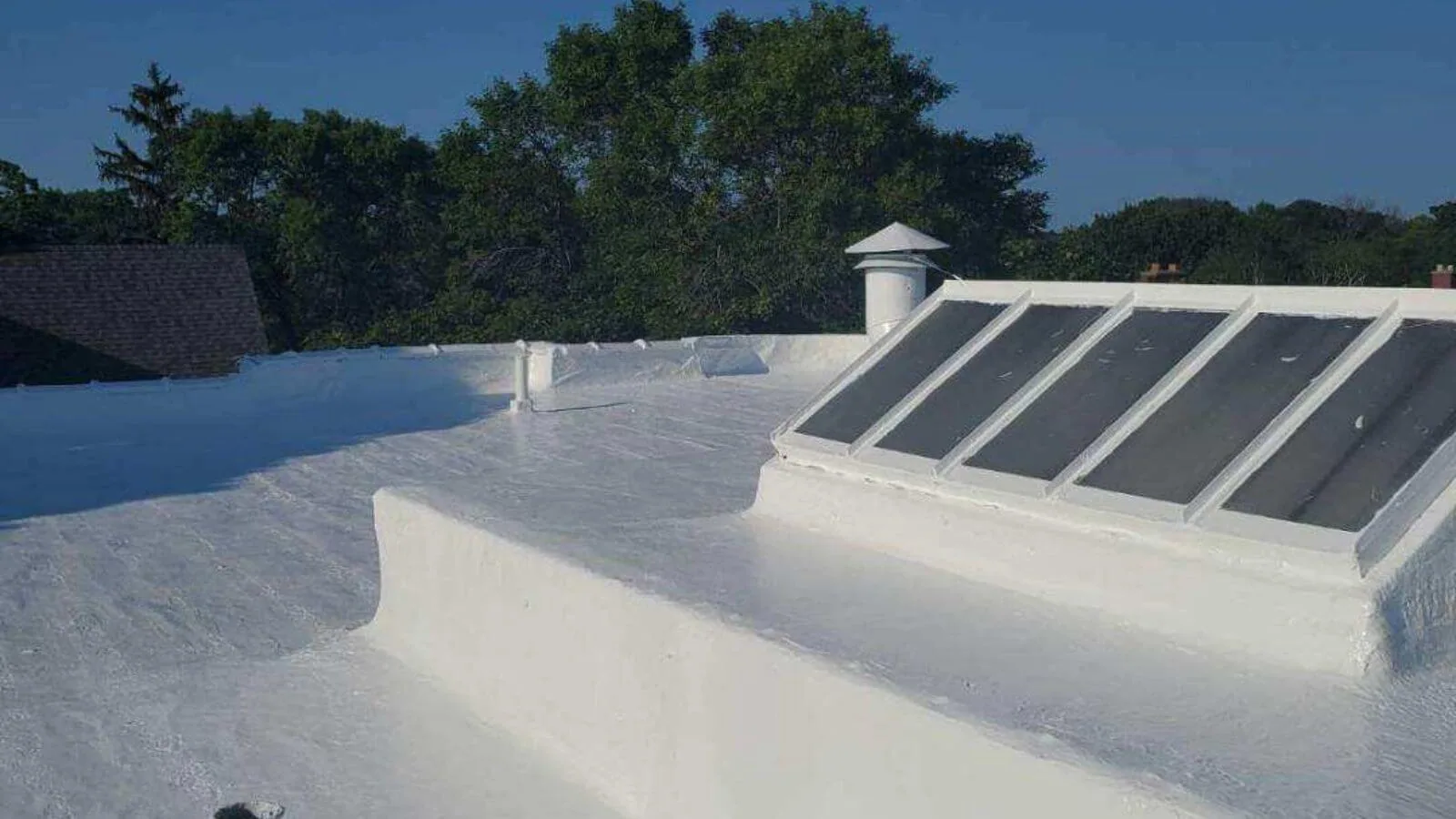
Our inspection route follows roof plans where available and records where access was limited. We note membrane type, roof section, elevation, seam or flashing location, equipment curbs, edge metal, drains, and visible water paths. Photos use a wide view for orientation and a closer view for the condition. Measurements identify the affected area where practical. If a photograph cannot show depth, attachment, or what is beneath a membrane, the report states that limit rather than presenting an assumption as a finding.
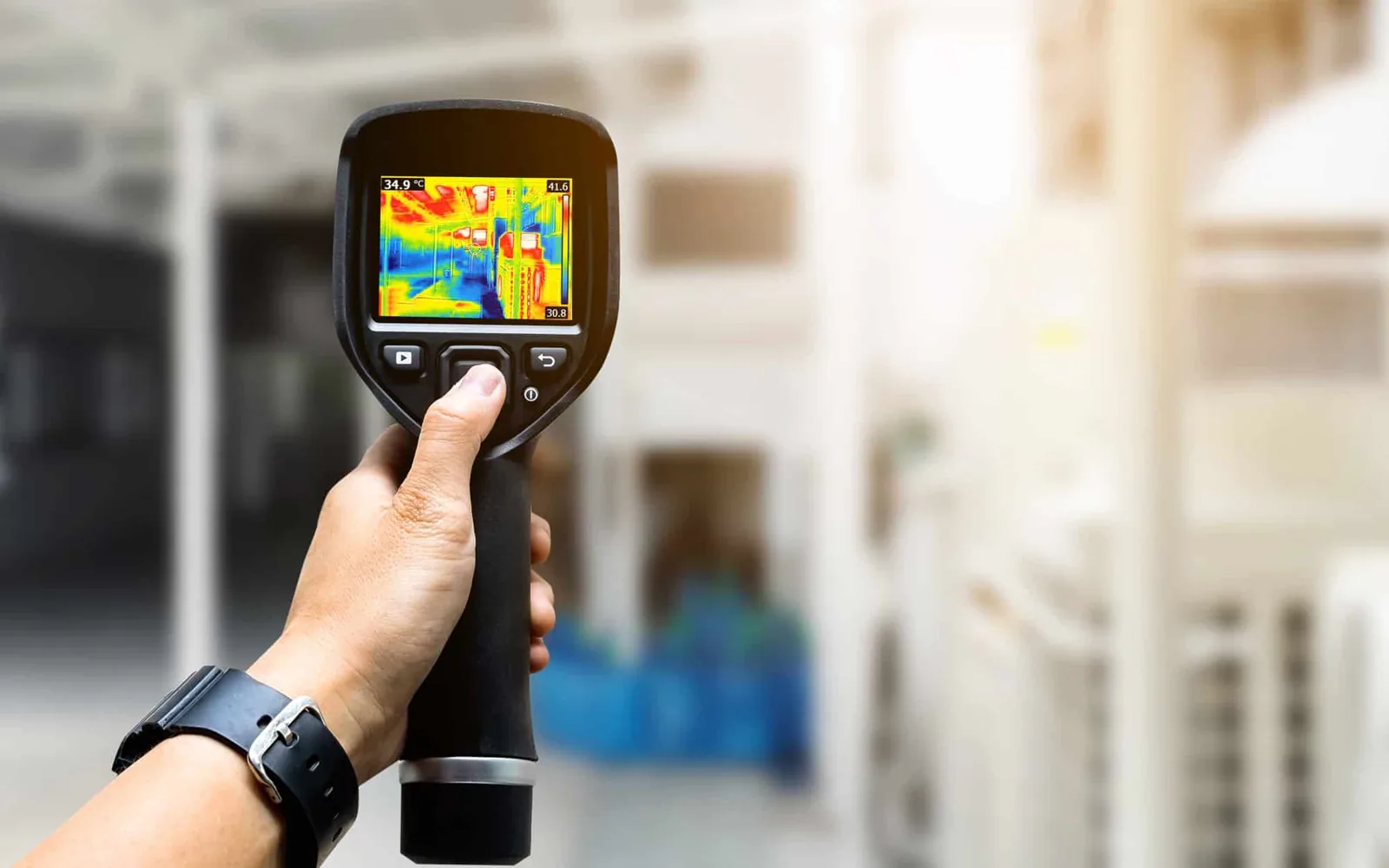
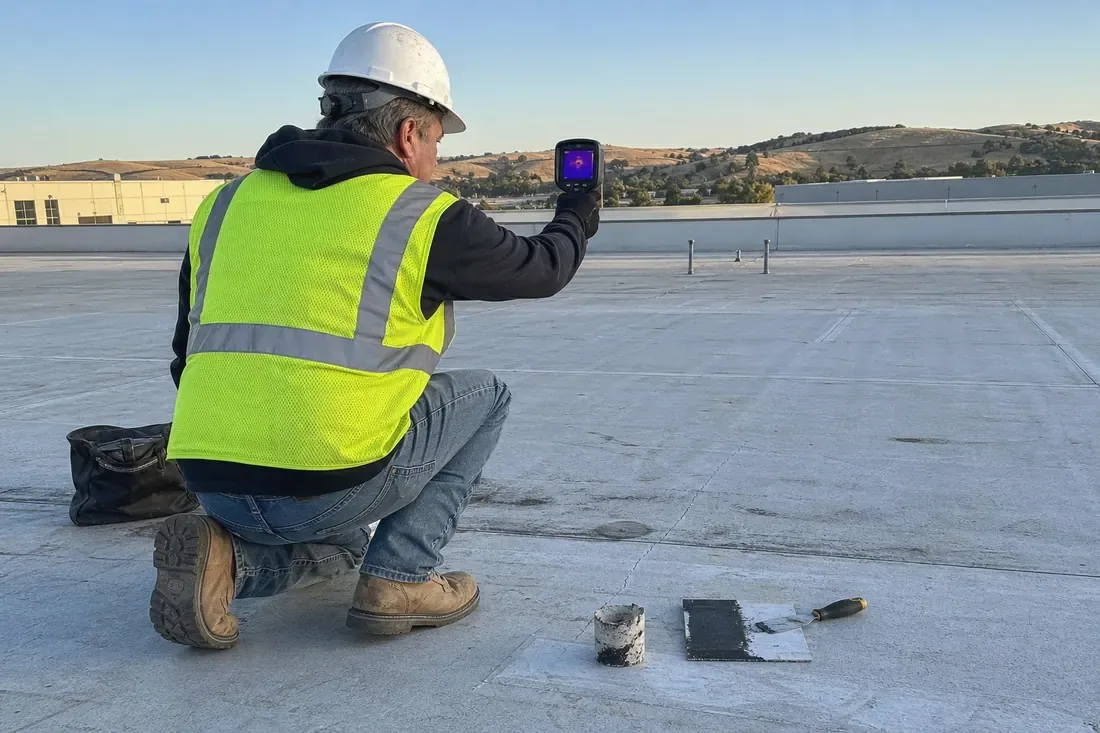
A hail impact on a metal accessory, lifted flashing, open lap, puncture, and long-term surface wear call for different descriptions. We record what the material shows and whether a repair is recommended. If the condition may extend below the surface, a targeted test or an infrared moisture survey can help define where further examination should occur. A roof inspection report can also capture non-storm maintenance findings in a separate part of the record.
Victoria’s documented hail history includes a 1.75-inch report in the city in June 1996, with nearby Nursery reporting broken vehicle glass and downed power lines. A past storm is context only. The current roof, adjacent details, and available maintenance history determine what we document today. We avoid assigning a cause where the field evidence cannot support it.
Make every observation findable
A repair scope describes work needed to restore the roof detail. A policy decision is made by the insurer under the owner’s coverage terms. Our documentation can state the location, visible condition, proposed repair method, material requirements, and any access or testing limits. It does not promise reimbursement, interpret policy language, or characterize an uncertain condition as storm damage simply because a claim is open.
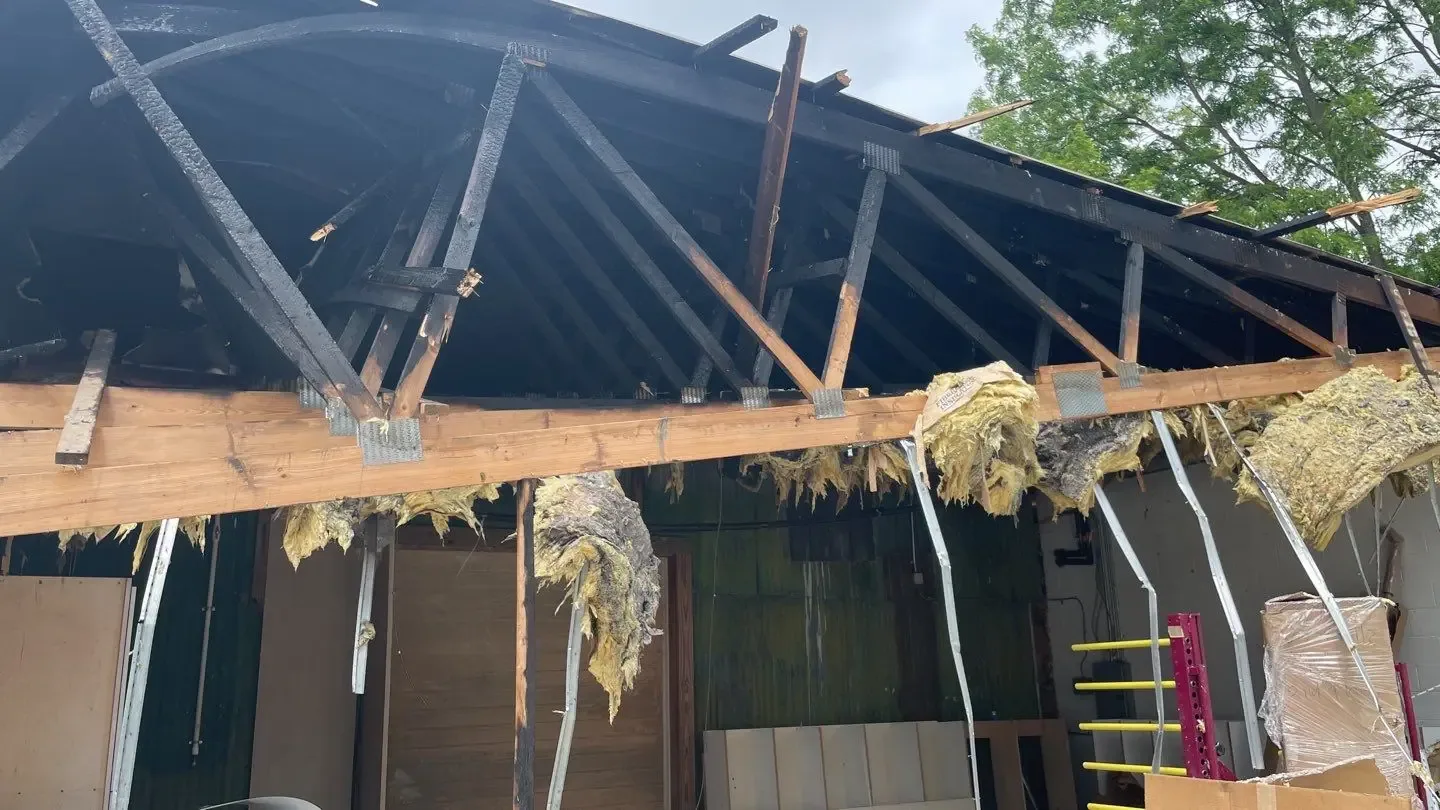
When a leak is active, the immediate work may involve temporary protection followed by a permanent repair after the assembly is checked. The two steps should appear separately in the record. A storm repair assessment can identify visible impact, water entry, and repair boundaries. If the roof contains prior patches or pre-existing deterioration, show those as distinct observations rather than blending them with the current event.
Owners can share the scope with their adjuster and request that the same roof areas be reviewed. We coordinate access and explain our measurements and photographs. If the site has a property manager, tenant contact, and maintenance vendor, establish who can approve roof access and who receives the inspection file. This avoids confusion about building access and the status of temporary measures.
Separate repair scope from coverage decisions
A useful scope names each affected detail, preparation required, repair material, tie-in boundary, and verification step. A seam repair may differ from replacement of damaged edge metal or a curb flashing. Drainage, insulation, and deck conditions can influence the repair even where the surface opening is small. We identify assumptions and excluded areas so the owner can ask focused questions before work is authorized.
Where field conditions call for it, the report separates immediate repair from broader capital concerns. A roof that has several isolated storm effects may still have an otherwise serviceable assembly. Conversely, moisture or attachment conditions may extend beyond the visible impact. A roof condition report can help compare the affected sections with the rest of a portfolio. Replacement is discussed only when the roof evidence supports a broader scope.
At any operating facility, scope planning should account for delivery access, equipment schedules, occupied areas, and safe roof routes. These logistics can affect timing and below-roof protection.
Build a repair description the owner can use
If an adjuster or consultant plans a joint inspection, agree on the building, access point, roof plan, and areas to review. We can walk the location, explain the condition, and identify proposed work. The owner remains the point for policy questions, claim deadlines, and carrier communication unless the owner asks us to provide a field document. We keep the wording factual and consistent with the observed roof condition.
For multiple properties, label each file with the correct building and date. Victoria’s manufacturing, healthcare, education, and logistics properties can have different operating restrictions even when they share a regional weather event. On a portfolio with assets near Port of Victoria Industrial Park South or in the downtown business district, coordinate access with each site contact and keep location details attached to the right roof plan.
Retain the original photographs, inspection notes, repair proposal, and subsequent closeout images together. If new conditions appear during repair, stop at the approved boundary, document the finding, and obtain direction before expanding work. A roof asset record can preserve that sequence for later maintenance and claim review.
Coordinate the inspection without blurring roles
After authorized work, closeout photographs show the completed tie-in, affected area, and any remaining limitation. The repair description should match what was installed and where. If a portion remains inaccessible or requires further investigation, keep that item open in the record rather than implying the whole roof has been cleared. The owner can then reconcile field documentation with the contractor invoice and any insurer review.
Victoria’s hot season and periodic hail or wind events make dated comparisons useful for ongoing roof care. They are not a substitute for inspecting the roof after a new event. A maintenance visit can track prior repairs, drainage, and conditions that may need attention outside a claim. Preserve the same section labels over time so later photos can be compared without guesswork.
To request claim documentation in Victoria, provide the event date, roof plan, leak or impact locations, prior repair records, and access contact. We will inspect the identified sections, prepare a factual condition record, and describe repair options and limitations for the owner’s review.
Leave a clear record after repairs
Related Roofing Work
Frequently Asked Questions
Can you tell me whether insurance will cover the roof work?
No. We can document roof conditions and describe repair work. The insurer and policy terms determine coverage.
What information helps before the inspection?
The reported event date, roof plan, leak locations, prior repairs, maintenance records, and access contact help us map the visit.
Will you meet the adjuster at the property?
We can coordinate a roof walk with the owner’s approval and explain our field observations and repair scope.
How do you handle older damage or maintenance issues?
We record those conditions separately from observations associated with the reported event, and state when the cause cannot be confirmed.
Can a small roof opening require more investigation?
Yes. Moisture or attachment conditions can extend beyond the visible area. We identify where testing or a selective opening would clarify the repair boundary.
Share the event date, roof plan, reported damage, previous repairs, and access contact. We will map observed conditions and prepare a factual repair record for your review.
Call 555-555-5555 or email [email protected].